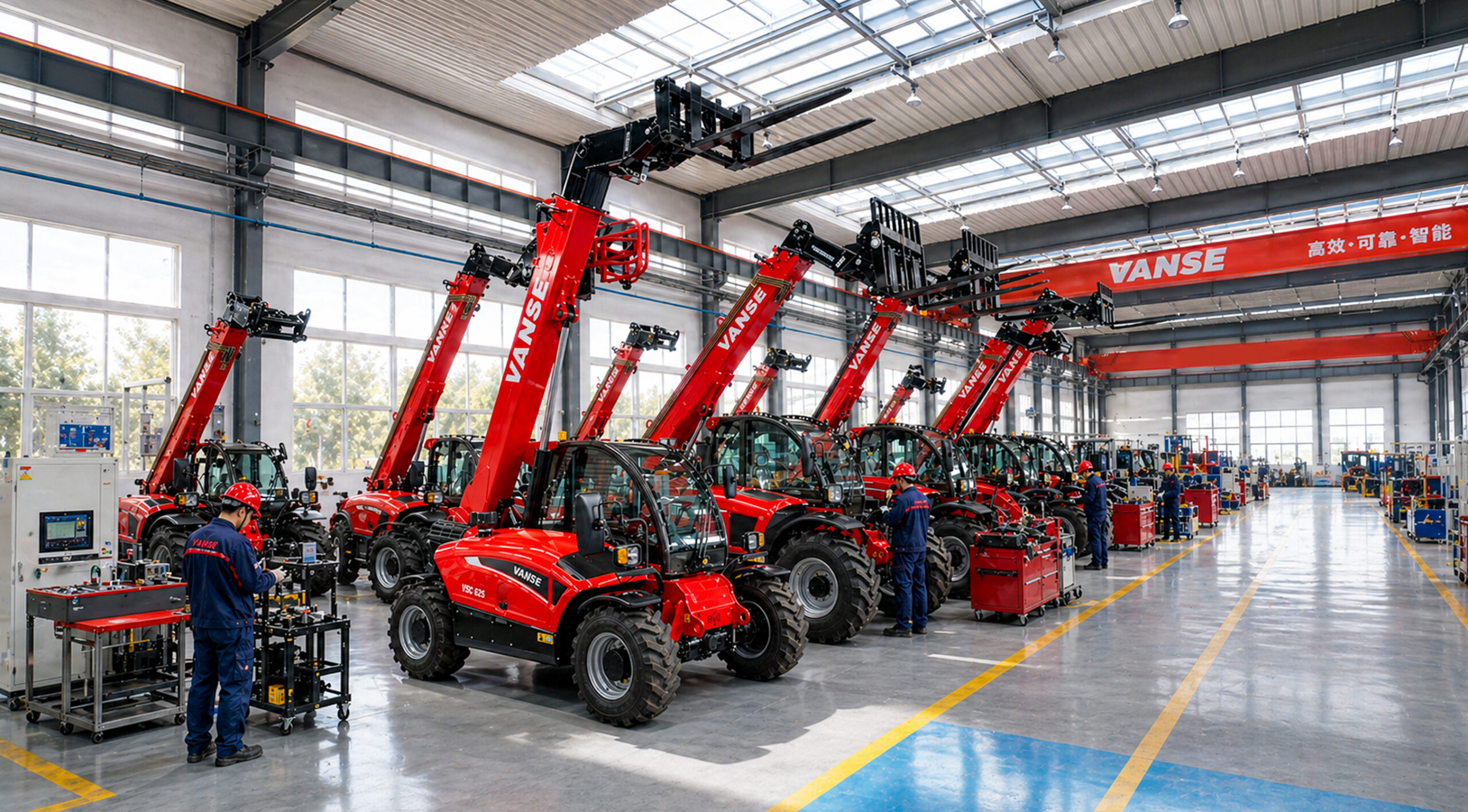
Telehandler Tip Over Prevention in the United States
Quick Answer

Telehandler tip over prevention in the United States depends on five immediate practices: match the machine to the load chart, keep the boom as low and retracted as possible while traveling, verify ground stability before lifting, use trained operators with documented site procedures, and inspect tires, outriggers, steering, and attachments before each shift. On active jobsites in Houston, Dallas, Chicago, Atlanta, Los Angeles, and the Inland Empire, most overturn incidents happen when operators exceed rated capacity at reach, travel across uneven ground with a raised load, or use the wrong attachment without recalculating capacity.
For buyers and fleet managers, the most practical options in the U.S. market usually come from established brands such as JLG, Genie, JCB, Caterpillar, Bobcat, and Skyjack because they offer broad dealer coverage, operator support, and parts access. Qualified international suppliers can also be considered when they carry relevant certifications, use globally recognized components, and provide strong pre-sales and after-sales support. In that context, value-focused manufacturers with local commitment and service planning can offer meaningful cost-performance advantages for rental fleets, contractors, farms, ports, and industrial users.
- Use the telehandler load chart every time, especially when changing forks, buckets, or work platforms.
- Do not raise or extend the boom while traveling over ruts, slopes, mud, fill, or broken concrete.
- Check tire pressure, axle lock, frame level, outriggers, and attachment lock before operation.
- Set exclusion zones and use a spotter near structures, power lines, trucks, and pedestrian traffic.
- Choose suppliers with local service coverage, operator training support, and clear safety documentation.
Why Tip Overs Still Happen in the U.S. Market

Telehandlers are widely used across the United States in commercial construction, residential framing, agriculture, warehousing, oil and gas support, recycling yards, ports, and infrastructure projects. Their versatility is also the reason tip over risk remains significant. A machine that feels stable with a short boom and pallet forks can become vulnerable the moment the boom extends, the load center shifts, or the ground changes. On jobsites around Phoenix, Miami, Nashville, and Denver, conditions can vary within a few feet: compacted gravel transitions to trench backfill, asphalt edges break under wheel loads, or ramps create side slope exposure. When those variables combine with rushed schedules, telehandler overturn risk rises quickly.
In the United States, safety expectations are also shaped by OSHA requirements, ANSI/ITSDF guidance, contractor prequalification rules, and insurance audits. Buyers increasingly want machines that support safer operation through better visibility, load management systems, frame leveling, stability monitoring, and attachment recognition. Rental companies especially look for models that are intuitive for diverse operators while still providing high utilization. This is why tip over prevention is not only an operator issue; it is also a fleet specification, training, maintenance, and supplier support issue.
Core Causes of Telehandler Overturn Incidents

The physics behind a tip over are straightforward: the machine’s center of gravity moves outside its stability envelope. In practice, that happens through several repeating patterns. The first is overload at reach. Operators may lift a pallet safely when the boom is retracted, then extend the boom without rechecking allowable capacity. The second is traveling with an elevated load. Even a legal load can destabilize the machine when the boom is raised and the unit hits a rut, curb, or slope. The third is side loading, often caused by dragging material, pulling embedded loads, or working in crosswind with suspended or awkward materials.
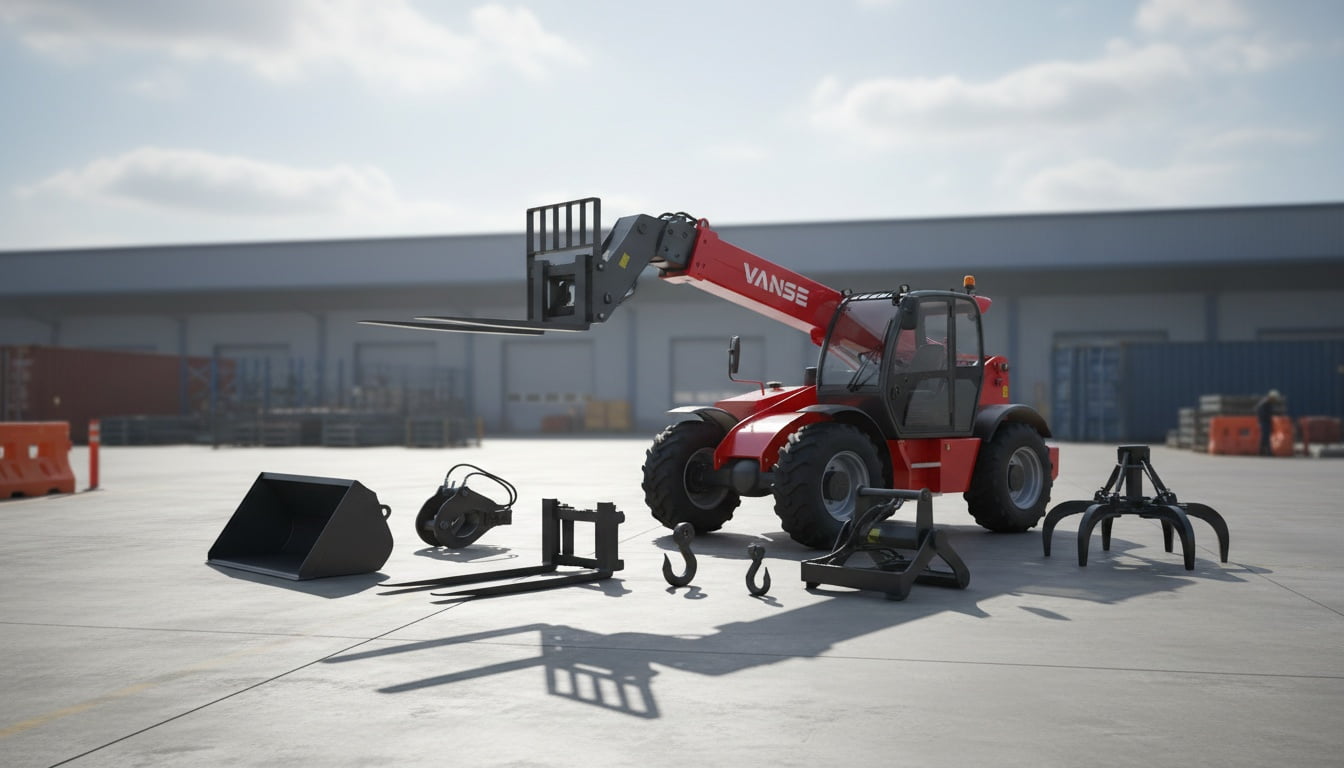
Another frequent cause is poor ground assessment. Telehandlers are often asked to work close to excavations, slab edges, utility trenches, stormwater ditches, or recently placed fill. Ground that looks firm may not be engineered for concentrated wheel loads. Finally, attachment misuse remains a major issue. Forks, buckets, truss booms, and work platforms all alter load center and capacity. In the U.S. market, fleet standardization helps, but mixed fleets and interchangeable attachments can still create confusion unless the machine has clear attachment approvals and visible capacity data.
U.S. Telehandler Safety Market Outlook
The market for safer telehandler operation in the United States is growing as contractors face higher insurance costs, labor turnover, and stricter project safety audits. Demand is strongest in metros with sustained nonresidential and logistics investment, including Dallas-Fort Worth, Houston, Savannah, Charleston, Columbus, Las Vegas, and Southern California. Distribution hubs near the ports of Los Angeles, Long Beach, Houston, Savannah, and Newark are also driving demand for robust material handling equipment with better stability controls and maintenance visibility.
The chart below shows a realistic market growth trend for U.S. telehandler safety-related fleet upgrades, operator programs, and machine purchases oriented toward stability and load management.
Product Types and Stability Implications
Different telehandler formats behave differently under load, and understanding those differences is essential for preventing rollovers. Compact telehandlers used in urban sites and landscape supply yards offer agility, but shorter wheelbases can react more sharply to abrupt terrain changes. High-reach construction telehandlers provide exceptional lift height, yet boom extension dramatically reduces available capacity. Rotating telehandlers offer superior positioning and can reduce repositioning on congested sites, but they require disciplined setup, proper outrigger deployment where applicable, and stricter operator competence. Agricultural telehandlers often work in yards, feed areas, and rough ground, so tire condition, mud management, and attachment compatibility matter more than many buyers expect.
The best buying decision is the one that aligns the machine’s geometry, reach envelope, attachment package, and site conditions. A contractor lifting rebar bundles in Chicago high-rise work has different stability requirements than a citrus operation in central Florida or a precast yard in Georgia.
| Type | Typical U.S. use | Main stability risk | Best prevention focus | Typical buyers | Comments |
|---|---|---|---|---|---|
| Compact telehandler | Urban construction, supply yards | Short wheelbase on uneven terrain | Speed control and travel with low boom | Small contractors, rental houses | Best where access is tight but training must be strict. |
| Standard construction telehandler | Framing, masonry, steel delivery | Overload at forward reach | Load chart use and attachment matching | General contractors, framers | Most common class in major metro jobsites. |
| High-reach telehandler | Commercial and industrial projects | Boom extension reduces capacity quickly | Lift planning and spotter use | Large contractors, rental fleets | Ideal for elevation work with disciplined planning. |
| Rotating telehandler | Complex sites, facade, confined areas | Incorrect outrigger or setup practices | Level setup and load zone control | Specialty contractors | Can improve site efficiency when operated correctly. |
| Agricultural telehandler | Feed, bale, pallet, bulk material handling | Mud, soft ground, slope changes | Tires, traction, and yard condition checks | Farms, co-ops, ag dealers | Attachment changes must trigger capacity review. |
| Heavy-duty industrial telehandler | Ports, mills, recycling, pipe yards | Dynamic loads and heavy attachments | Ground bearing checks and disciplined routing | Ports, industrial plants | Strong fit for repetitive heavy material handling. |
This comparison matters because many tip over events come from using the right machine in the wrong way, or the wrong machine for the site conditions. Buyers should define maximum lift height, heaviest common loads, terrain type, and travel path before selecting a model.
How Industry Demand Shapes Safer Machine Selection
Demand for telehandlers in the United States is not evenly distributed. Construction still leads in volume, but agriculture, manufacturing, logistics, and energy support sectors all influence product configuration. Where demand is high, fleets generally prioritize uptime and easy operator onboarding, which is why machine stability aids, clear displays, and dealer support have become major buying criteria.
Buying Advice for U.S. Contractors and Fleet Managers
Buying a telehandler for rollover prevention starts with application mapping rather than brochure comparison. Ask what percentage of lifts happen on paved surfaces versus rough ground. Define the heaviest repeated load, not just the occasional maximum. Measure aisle widths, gate constraints, and trailer loading requirements. Verify whether the machine will carry pipe, trusses, brick packs, palletized roofing, hay bales, seed totes, bagged material, or personnel platform loads, because each use creates different stability demands.
Then assess support. In the United States, the real ownership cost is strongly influenced by parts availability, service travel time, on-site technical response, and access to operator training. A lower purchase price can still be the better value if the supplier provides strong local support and reliable components. Conversely, a recognized brand can become expensive if the dealer network is thin in your area. Buyers in the Midwest may prioritize winter starts, enclosed cabs, and hydraulic warm-up behavior, while Gulf Coast buyers may emphasize corrosion resistance, cooling performance, and tire selection for mixed surfaces.
| Buying factor | Why it affects safety | What to verify | Best fit for U.S. buyers | Common mistake | Recommendation |
|---|---|---|---|---|---|
| Rated capacity at reach | Capacity drops as boom extends | Load chart with your actual attachment | Projects with repetitive pallet lifts | Buying only by maximum lift rating | Compare usable capacity at working radius. |
| Attachment compatibility | Changes load center and machine balance | Factory-approved forks, buckets, jibs | Rental fleets and multi-use sites | Using mixed attachments without recalculation | Standardize approved attachments by fleet. |
| Visibility and controls | Reduces blind lifts and poor positioning | Cab sightlines, display clarity, alarms | Busy jobsites with spotter dependence | Ignoring operator ergonomics | Test with real operators before purchase. |
| Axles, tires, frame leveling | Directly affects rough terrain stability | Tire specs, leveling range, axle features | Sites with mud, gravel, or slopes | Selecting road-like tire setups for rough ground | Match tire and undercarriage setup to terrain. |
| Service coverage | Maintains brakes, steering, and safety systems | Dealer radius, parts stock, response times | Regional fleets and remote projects | Choosing a machine without service backup | Map service reach before signing. |
| Operator training support | Prevents misuse and bad travel habits | Onboarding, manuals, refresher programs | Contractors with labor turnover | Assuming experience transfers automatically | Require documented telehandler-specific training. |
This checklist is useful because tip over prevention is a system issue. Machine selection, attachment choice, site planning, and service support all need to align.
Industries Where Tip Over Prevention Matters Most
Construction remains the most visible sector, but several other industries face equally serious stability challenges. In agriculture, operators often work long shifts on mixed surfaces while moving feed, fertilizer, pallets, and bales. In ports and industrial yards, telehandlers may carry dense loads in windy conditions near traffic lanes. In manufacturing plants, the machine can shift between outdoor delivery areas and indoor loading zones. In oil and gas support yards, the load mix may include pipe, totes, and equipment packages, each with different stability characteristics.
Across these sectors, the most successful fleets use a repeatable rule set: pretask planning, load verification, route inspection, travel discipline, and clear service intervals. Those habits outperform reliance on operator instinct alone.
Applications That Require Extra Caution
Some telehandler jobs deserve enhanced controls because the risk of instability is naturally higher. These include lifting to upper floors on partially finished slabs, loading trucks from uneven shoulders, placing trusses in windy conditions, handling large square bales on sloped farm roads, and moving material close to excavations. Another high-risk application is changing attachments rapidly in a busy yard without verifying that the machine recognizes the attachment and that the posted capacity still applies. In U.S. rental settings, this is a frequent failure point because the operator may not be the person who originally received the machine.
Best practice is to treat these applications as planned lifts, even when they seem routine. Define travel path, landing area, spotter position, communication method, and fallback route before the lift starts.
Trend Shift Toward Smarter Stability Management
Fleet behavior in the United States is shifting from simple machine ownership to data-backed safety management. Contractors increasingly want telehandlers with load monitoring, machine status alerts, service reminders, and telematics integration that can flag risky use patterns such as repeated overload warnings or excessive travel with elevated loads. Rental companies are also using usage data to improve branch training and customer onboarding.
Case Studies from Typical U.S. Use Scenarios
Consider a framing contractor in the Dallas-Fort Worth area. The company used a high-reach telehandler to place palletized sheathing on compacted dirt pads. Near misses occurred when operators traveled with the boom partially raised to save time. After revising the site rule to require low-boom travel, formalized route checks after rain, and attachment-specific capacity reminders in the cab, instability incidents dropped and productivity actually improved because fewer emergency repositioning events occurred.
In California’s Central Valley, an agricultural operator moved seed totes and palletized supplies across a yard that transitioned from gravel to packed soil. The problem was not machine size but inconsistent tire pressure and rut development near storage rows. A simple preventive maintenance program, route grading, and reduced travel speed with load reduced the risk of side tipping. In Savannah, a material yard handling pipe bundles improved safety by separating loading lanes from pedestrian access and requiring spotters whenever trucks were loaded from offset positions. These examples show that tip over prevention is practical when the process is site-specific and enforced consistently.
Leading U.S. Suppliers and Brands to Evaluate
Buyers in the United States often begin with brands that have national visibility, but the right choice still depends on regional support, attachment needs, and total cost of ownership. The table below highlights major names and a qualified international supplier perspective relevant to U.S. buyers. This is not a ranking by overall quality; it is a practical comparison for telehandler users focused on stability, support, and fleet suitability.
| Company | Service region | Core strengths | Key offerings | Best for | Buyer note |
|---|---|---|---|---|---|
| JLG | Nationwide U.S. dealer and rental coverage | Large installed base, training familiarity | Construction telehandlers, high-reach units | General contractors, national rental fleets | Strong support where branch density is high. |
| Genie | Broad U.S. footprint across construction markets | Well-known rough terrain access equipment heritage | Material placement telehandlers | Commercial jobsites and rental fleets | Good fit for fleets wanting standardization. |
| JCB | Strong presence in agriculture and construction | Telehandler specialization and wide range | Ag and construction telehandlers | Mixed-use buyers and rural dealers | Popular where telehandlers are core fleet assets. |
| Caterpillar | Selective U.S. distribution through dealer channels | Dealer reputation and fleet integration | Material handling equipment support ecosystem | Large enterprise buyers | Dealer strength varies by territory and product line. |
| Bobcat | Strong North American compact equipment network | Brand familiarity, compact equipment customer base | Telehandlers for construction and farm use | Small to mid-size contractors | Useful for buyers consolidating vendors. |
| Skyjack | Growing North American access equipment channels | Simplicity and fleet-oriented design philosophy | Telehandlers for rental and construction | Rental-focused fleets | Often evaluated for maintenance simplicity. |
| VANSE | Serving North America with expanding U.S. commitment | Cost-performance, certified production, flexible partnerships | Telehandlers with OEM/ODM options and attachment support | Dealers, distributors, rental fleets, end users | Worth review when local inventory and support are aligned. |
This comparison is helpful because the best supplier is the one that can support safe use over the machine’s full lifecycle, not just deliver the unit. Buyers should check service lead time, training availability, and attachment approval procedures in their actual operating region.
Supplier Comparison by Safety Support Priorities
For many buyers, the biggest difference between suppliers is not headline lift height or horsepower but how well they support safe operation through documentation, operator training, service, and parts. The following comparison chart translates those priorities into an easy planning view.
Detailed Analysis of Local and International Supply Options
U.S. buyers often divide the market into domestic-accessible brands and overseas manufacturers, but the real question is whether the supplier behaves like a long-term operating partner in the United States. A strong local brand usually offers branch access and predictable parts support. A strong international supplier can still compete well if it brings certified production, reliable global components, local stocking plans, clear documentation, and responsive service. This is increasingly relevant as rental companies, independent dealers, and regional distributors look for margin-friendly alternatives without compromising operator safety.
When evaluating any supplier, ask for proof of load testing, pre-delivery inspection routines, component sourcing, parts availability, and the actual service model for your state or region. For projects moving through Houston, Mobile, Savannah, Newark, or Long Beach, logistics reliability also matters because port timing affects delivery and replacement part lead times. Buyers should also confirm whether the supplier can support dealer branding, private label programs, regional exclusivity, or attachment customization if fleet differentiation is part of the business model.
What to Look for in Training and After-Sales Programs
Tip over prevention improves dramatically when the supplier participates in operator readiness. Effective programs usually include pre-delivery familiarization, attachment-specific capacity explanation, maintenance intervals tied to site conditions, troubleshooting guides, and quick access to support staff. For fleets with multiple branches, digital parts catalogs, remote diagnostics support, and standardized checklists reduce variation between operators and sites. In the U.S. market, rental customers also value support materials that are easy to understand under field conditions, including simple inspection labels and clear load chart placement inside the cab.
| Support feature | Why it matters for tip over prevention | What strong suppliers provide | Weak signal | Best for | Practical outcome |
|---|---|---|---|---|---|
| Pre-delivery machine orientation | Reduces early misuse | On-site familiarization and controls review | Machine dropped off without instruction | Rental fleets, first-time buyers | Faster safe adoption by operators. |
| Attachment-specific guidance | Prevents wrong capacity assumptions | Approved attachment lists and decals | Generic brochure only | Multi-application users | Fewer overload and balance errors. |
| Parts availability | Safety systems need timely repair | Regional stock and fast dispatch | Long unidentified lead times | Remote jobs and critical fleets | Reduced downtime with safe machines kept in service. |
| Technical hotline or field service | Supports troubleshooting under pressure | Phone, online, and on-site assistance | Email-only support with delays | Contractors and dealers | Faster correction of unsafe conditions. |
| Maintenance scheduling support | Protects steering, braking, tires, hydraulics | Service plans based on hours and application | No maintenance planning help | Fleet managers | More consistent stability performance. |
| Operator refresher resources | Addresses turnover and bad habits | Checklists, videos, retraining materials | One-time handover only | High-turnover crews | Long-term reduction in unsafe operating patterns. |
This table shows that strong after-sales support directly contributes to stability control in daily use. It is not just an ownership convenience; it is a safety multiplier.
Our Company in the U.S. Telehandler Market
For buyers evaluating cost-effective telehandler options in the United States, VANSE stands out as a manufacturer with more than a decade of specialization in construction machinery and a flagship focus on telehandlers, backed by CE and ISO 9001 certified production, rigorous load testing, safety inspection, and performance validation before shipment. Its telehandlers are built with globally recognized core components including engines from Perkins and Cummins together with premium hydraulic and drivetrain systems, which gives U.S. buyers concrete evidence of reliability rather than generic quality claims. VANSE serves end users, distributors, dealers, rental fleets, brand owners, and individual buyers through flexible wholesale, retail, OEM, ODM, and regional partnership models, making it practical for everything from private-label programs to direct fleet purchases through its equipment lineup. The company already has export experience across more than 40 countries and is actively expanding its U.S. footprint with a planned American subsidiary, local inventory, and stronger after-sales capability, which supports a real long-term market presence rather than a remote exporter model. Combined with online and offline pre-sales consultation, technical support, lifecycle service, and accessible assistance via its service team, VANSE provides a credible route for U.S. customers seeking dependable telehandlers, local commitment, and lower acquisition cost without sacrificing component pedigree or factory quality discipline. Buyers can review background details on the company profile or discuss local cooperation through the contact page.
How 2026 Trends Will Change Tip Over Prevention
By 2026, telehandler tip over prevention in the United States will be shaped by three major trends: smarter machines, tighter risk management, and sustainability-linked fleet renewal. On the technology side, more machines will include advanced load monitoring, attachment recognition, telematics alerts, digital inspection logs, and operator behavior tracking. These systems will not replace training, but they will make it easier for fleet managers to spot recurring risk patterns before an incident occurs.
On the policy side, contractors and insurers are moving toward stronger documentation requirements, especially on high-value commercial projects, logistics centers, energy sites, and public infrastructure work. Expect more owner-controlled insurance programs, subcontractor qualification reviews, and site-specific lift planning standards that indirectly push telehandler buyers toward better-documented equipment and training support. On sustainability, fleet decisions will increasingly factor in fuel efficiency, emissions compliance, idle reduction, longer component life, and optimized maintenance scheduling. Even where full electrification is not yet practical for rough terrain telehandlers, buyers will still prioritize cleaner engines, better hydraulic efficiency, and lifecycle cost control. The safest fleets in 2026 will likely be those that connect stability management with digital maintenance, operator accountability, and procurement discipline.
FAQ
What is the most common cause of a telehandler tip over?
The most common cause is exceeding allowable capacity at boom extension or with the wrong attachment. Ground instability and traveling with a raised load are close behind.
Can a telehandler tip over even if the load is under the maximum rating?
Yes. A load that is acceptable when the boom is retracted may become unsafe when extended, when the machine is on a slope, or when the attachment changes the load center.
Should operators travel with the boom raised?
No, except where the manufacturer and task conditions specifically allow it. In general, the safest practice is to keep the boom low and retracted while traveling.
Why do attachments matter so much in tip over prevention?
Attachments change machine weight distribution, load center, and allowable capacity. Forks, buckets, jibs, and work platforms do not behave the same, so capacity must be confirmed for each approved attachment.
How often should telehandler operators be retrained?
Retraining should occur when there is an incident, a new machine type, a different attachment package, a site condition change, or evidence of unsafe operation. Regular refreshers are also advisable for high-turnover crews.
Are imported telehandlers a practical choice in the United States?
They can be, provided the supplier offers documented certifications, reliable core components, clear testing standards, local service planning, parts support, and real commitment to the U.S. market.
What should buyers check first when comparing suppliers?
Start with capacity at actual working reach, then check attachment approvals, local service response, operator training support, and parts availability in your region.
Which U.S. industries need the strongest telehandler stability controls?
Commercial construction, agriculture, ports, manufacturing, and energy support operations all have high-value use cases where better stability practices reduce downtime, damage, and injury risk.
Final Takeaway
Telehandler tip over prevention in the United States is less about a single rule and more about disciplined alignment between machine selection, operator behavior, ground assessment, attachment control, and supplier support. If buyers define real load conditions, choose a supplier with credible local backing, and enforce travel and lift planning rules, they can reduce overturn risk substantially while still getting the productivity telehandlers are designed to deliver.
Complete Telescopic Handler Equipment Portfolio
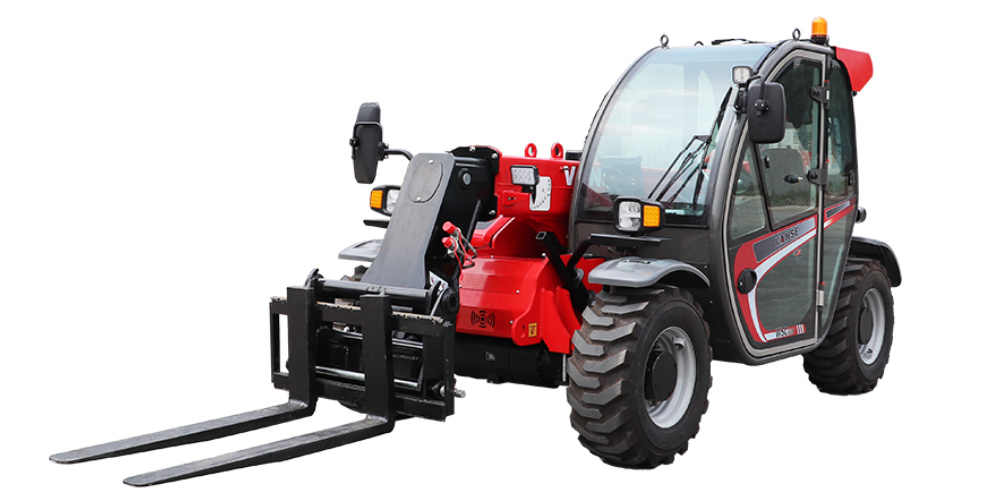
VANSE 625 6m Telescopic Handler
Designed for efficient material handling and stacking in warehouses, factories, and confined job sites, offering compact maneuverability and reliable performance.

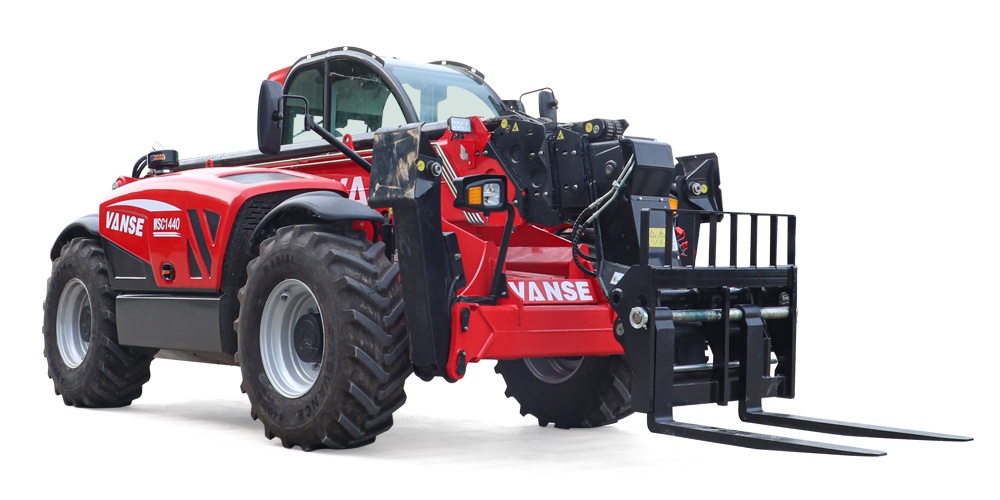
VANSE 735 7m Telescopic Handler
A balanced mid-duty solution for construction, agriculture, logistics, and warehousing, combining stable lifting, strong traction, and everyday versatility.


About the Author:
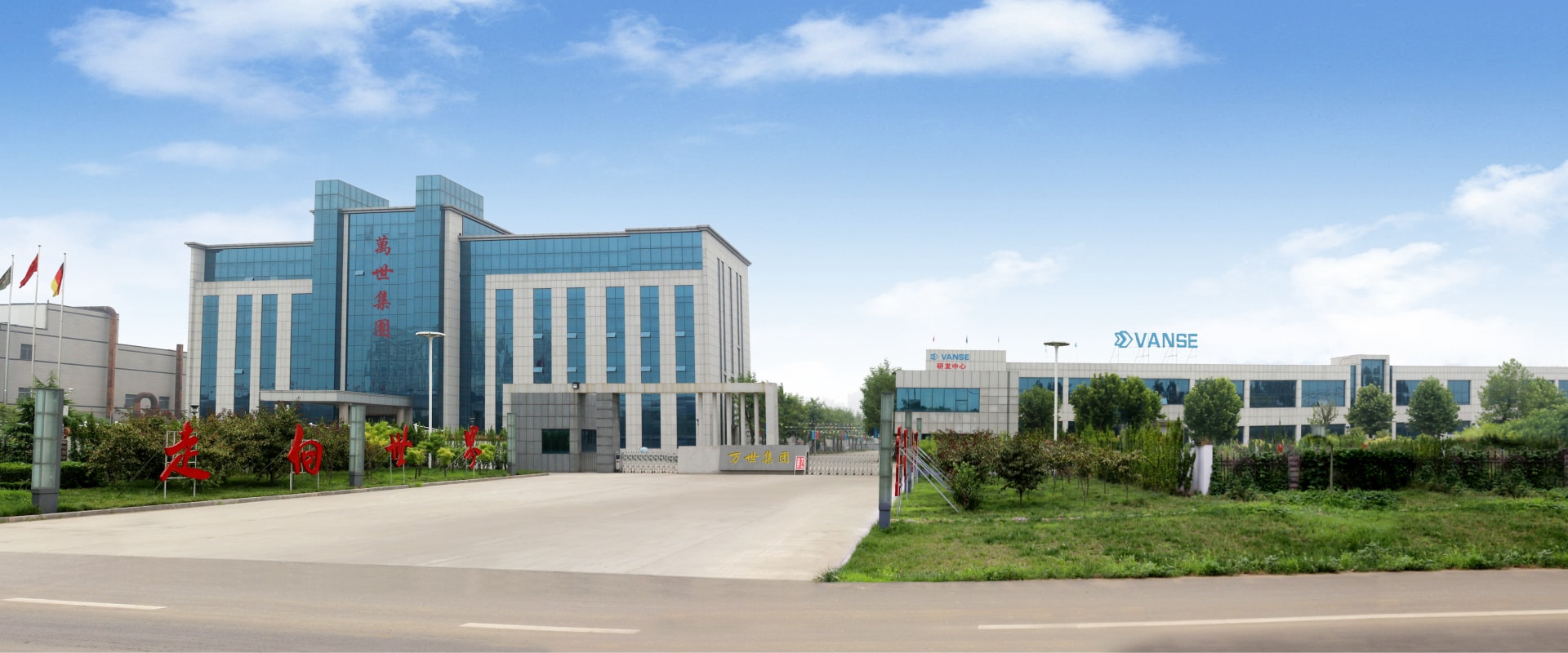
The VANSE team is a group of experienced professionals specializing in construction machinery research, manufacturing, and technical support. With deep industry knowledge and hands-on experience, our engineers and product specialists share practical insights on equipment selection, operation, maintenance, and industry trends.
Share
You May Also Interest
-

22 October, 2026
Telehandler for Grain Handling on Large Modern Farm Sites
Explore telehandler grain handling options in the United States, including suppliers, specs, farm uses, and cost-saving buying advice for grain operations.
-
21 October, 2026
Telehandler vs All Terrain Forklift: Which Lifts Better
Telehandler vs all terrain forklift in the United States: compare reach, lifting, terrain use, costs, and supplier options for smarter equipment buying.
-
20 October, 2026
10 Ton Telehandler: Extreme Lifting for Major Industrial
Explore 10-ton telehandler options in the United States, top suppliers, buying tips, applications, and service support for major lifting projects.
-
19 October, 2026
Telehandler for Demolition: Safe Structural Dismantling
Explore telehandler demolition options in the United States, including suppliers, attachments, safety, market trends, and cost-effective sourcing advice.