Telehandler Buying Guide for Buyers in the United States
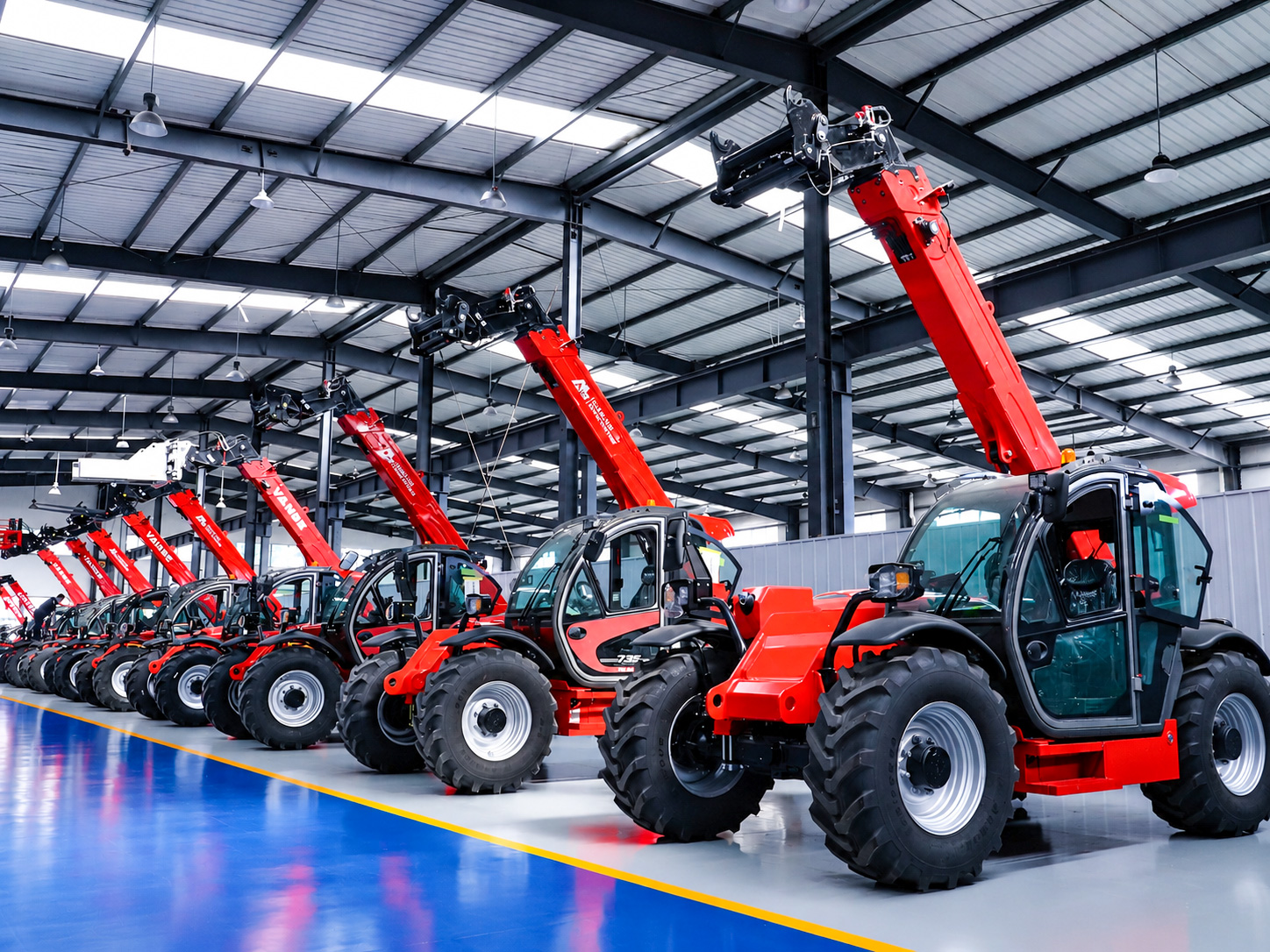
Choosing the right telehandler in the United States depends on five practical factors: lift capacity, maximum lift height, jobsite terrain, attachment compatibility, and the quality of local parts and service support. For most buyers, the best approach is to match machine size and boom reach to the daily workload rather than buying the largest model available. In the U.S. market, well-known suppliers such as JLG, Genie, JCB, Caterpillar, Bobcat, and SkyTrak are strong options for construction, agriculture, industrial handling, and rental fleets. Buyers should also consider qualified international manufacturers with strong certifications, recognized engine and hydraulic components, and real local support because they can deliver better cost performance without sacrificing core reliability. If you want a fast decision, shortlist machines by application first: compact telehandlers for farms and tight yards, mid-size units for general contractors, rotating telehandlers for specialized urban or industrial work, and heavy-lift machines for large infrastructure or energy projects.
U.S. Telehandler Market Overview

The United States remains one of the most active telehandler markets in the world because the equipment serves many sectors at once: commercial construction, residential development, roadwork, warehousing, ports, farming, landscaping, mining support, and oil and gas operations. Demand is particularly strong in states with large infrastructure pipelines and large agricultural regions, including Texas, California, Florida, Georgia, Illinois, Iowa, Kansas, Nebraska, and North Carolina. In dense trade and logistics corridors around Houston, Savannah, Los Angeles, Long Beach, Chicago, and New Jersey, telehandlers are used not only for building projects but also for yard handling, pallet movement, and material staging.
Several market conditions shape buying decisions in the United States. First, labor costs push contractors toward versatile machines that can lift, place, and transport materials with fewer crew members. Second, rental penetration is high, so fleet buyers usually prefer models with broad attachment support and strong residual value. Third, emissions compliance, operator safety, visibility, and telematics are increasingly important in public works and enterprise procurement. Finally, many buyers are re-evaluating total ownership cost because machine prices, freight, and financing costs have moved materially in recent years.
The chart above illustrates a realistic growth path for U.S. telehandler demand. While regional conditions can shift, the underlying trend remains positive due to infrastructure renewal, warehouse development, and the need for multi-purpose lifting equipment that works across changing jobsite conditions.
Quick Answer

If you need a direct answer, buy a telehandler based on the exact combination of lift height, rated load, terrain type, and support coverage in your operating region. For most U.S. buyers, the best choices come from manufacturers with strong dealer coverage and proven resale value, including JLG, Genie, JCB, Caterpillar, SkyTrak, and Bobcat. For farming and property maintenance, compact and mid-size units with easy cab access and attachment flexibility are often the best fit. For commercial construction, rough-terrain models with 6,000 to 10,000 lb capacity and 40 to 55 ft reach are usually the most practical. For specialized steel, glazing, or urban projects, rotating telehandlers can reduce crane dependence. Buyers focused on value should also consider qualified international suppliers, including Chinese manufacturers with CE or ISO-certified production, globally recognized engines, and reliable U.S. pre-sales and after-sales support, because they can offer strong cost-performance advantages for fleets, dealers, and end users.
Common Telehandler Types Sold in the United States

Not every telehandler is designed for the same work. Understanding the major product categories helps prevent overspending or under-specifying your machine.
| Telehandler type | Typical lift capacity | Typical lift height | Best for | Main advantage | Main caution |
|---|---|---|---|---|---|
| Compact telehandler | 2,500 to 5,500 lb | 12 to 25 ft | Farms, nurseries, landscaping, small yards | Easy to maneuver in tight spaces | Limited reach and lower high-lift output |
| General construction telehandler | 5,500 to 10,000 lb | 36 to 55 ft | Commercial jobsites, framing, masonry, roofing | Balanced capacity and reach | Needs proper operator training on load charts |
| Heavy-lift telehandler | 10,000 to 26,000 lb | 40 to 70 ft | Infrastructure, precast, energy, industrial sites | Handles larger materials safely | Higher purchase and transport cost |
| Rotating telehandler | 8,000 to 15,000 lb | 60 to 100+ ft | Urban construction, steel, glazing, maintenance | 360-degree flexibility reduces repositioning | Higher complexity and specialized maintenance |
| Agricultural telehandler | 5,000 to 9,000 lb | 20 to 35 ft | Feed handling, bale stacking, barn work | Fast cycles and attachment versatility | Not always optimized for heavy construction use |
| High-reach specialty telehandler | 6,000 to 12,000 lb | 55 to 95 ft | Large commercial structures, stadiums, facade work | Long placement range | More sensitive to jobsite setup and load limits |
This table matters because many buying mistakes happen when users compare only maximum capacity or only sticker price. In practice, a telehandler has to fit the work cycle, not just the headline specification. For example, a compact model may outperform a larger unit in orchards, feed yards, and smaller warehouses because it saves time on maneuvering. On the other hand, a contractor placing trusses or masonry on a multi-story build may need a much stronger chart at full reach.
How to Match Telehandler Specs to Real Jobs
The most important specification is not the maximum number printed on the brochure. It is the actual performance at the boom angle and reach your crew uses every day. A machine rated at 10,000 lb may handle much less when the boom is extended or when the load center shifts because of long material. That is why buyers should review the load chart for the exact fork or attachment setup they plan to use.
Start with lift capacity. Estimate the heaviest regular load, then add a realistic safety margin for pallet variation, bundled material, moisture, or shifting centers of gravity. Next, define maximum placement height. This is especially important for wall systems, roofing, mezzanines, HVAC placement, and agricultural stacking. Then evaluate forward reach, because many jobs require placing loads over obstacles such as foundations, trucks, barriers, or stockpiles.
Ground conditions matter just as much. A rough-terrain telehandler with the right tire package, axle configuration, and frame stability is essential on undeveloped lots, muddy yards, aggregate areas, or mixed-surface industrial sites. In contrast, operations on finished surfaces or in barns may prioritize lower ground impact, smoother controls, and more compact dimensions.
Industry Demand by Sector
Telehandler demand in the United States is broad, but some sectors buy more aggressively than others. This affects dealer inventory, attachment options, and resale demand.
This demand mix helps explain why many U.S. suppliers emphasize contractor-friendly models in the 6,000 to 10,000 lb class. Those units are flexible enough for framing, masonry, roofing, jobsite support, and fleet rental use, while agricultural and heavy-lift segments often require more specialized machine setups.
What U.S. Buyers Should Check Before Purchase
Before signing a quote, review the following items carefully:
Rated operating envelope: Ask for the load chart with the exact forks, bucket, or jib you will use. A machine that looks strong on paper can lose usable capacity quickly at forward reach.
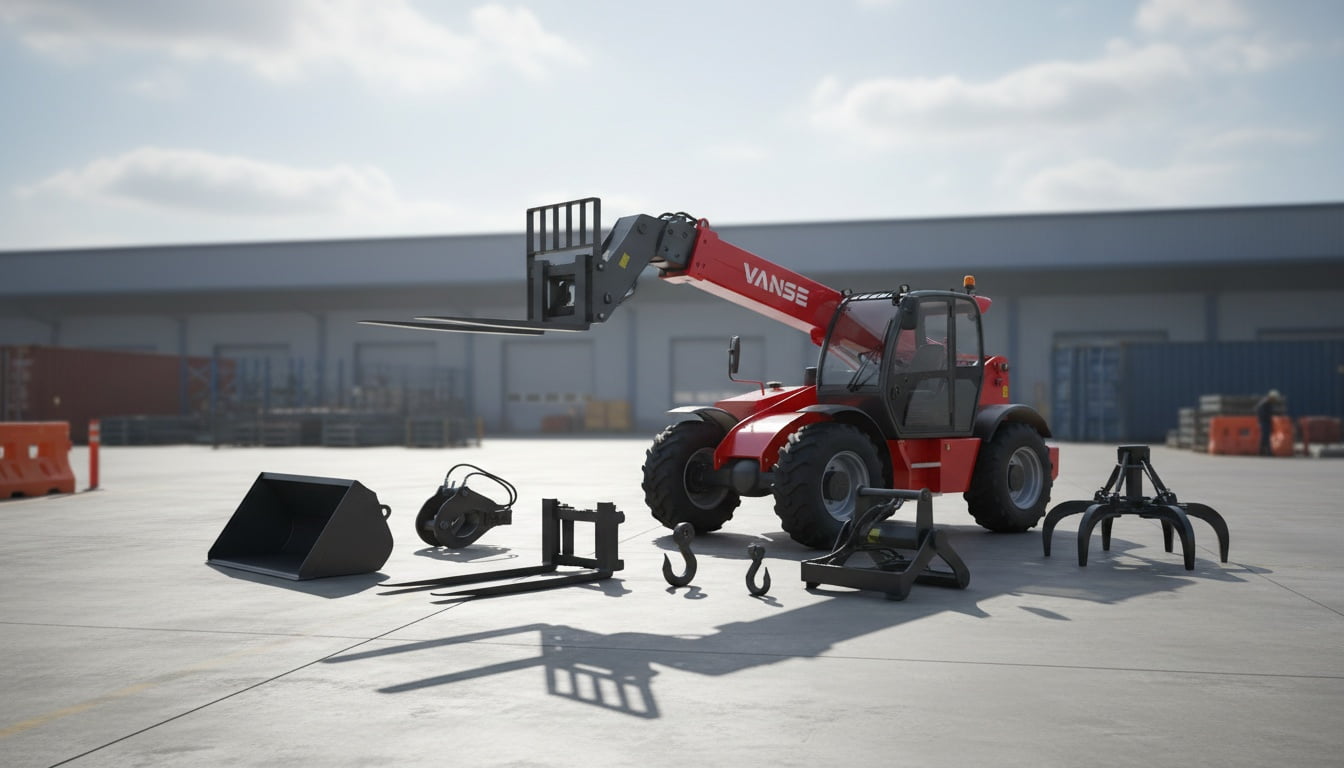
Attachment ecosystem: Standard forks are only the beginning. If your operation needs buckets, truss booms, lifting hooks, bale clamps, work platforms, augers, sweepers, or carriage options, confirm hydraulic flow, coupler standards, and price.
Cab and controls: Operators spend long hours in telehandlers. Visibility, joystick layout, service access, seat comfort, HVAC performance, and display clarity affect both safety and productivity.
Transport and dimensions: Verify trailer requirements, bridge limits, gate access, barn height clearance, and indoor loading dock dimensions.
Parts lead time: A good machine without parts support becomes expensive quickly. Check whether filters, wear parts, seals, hoses, pins, glass, axles, and boom components are stocked regionally.
Warranty and service structure: Review travel rates, service response windows, telematics support, and whether diagnostics can be handled remotely.
Typical Buying Criteria by Application
| Application | Recommended capacity | Recommended height | Priority features | Common attachments | Buying note |
|---|---|---|---|---|---|
| Commercial framing | 6,000 to 10,000 lb | 42 to 55 ft | Rough-terrain stability, visibility, fast boom cycle | Forks, truss boom | Match reach to roof and wall placement points |
| Masonry and block work | 8,000 to 12,000 lb | 42 to 56 ft | Strong mid-reach chart, durable carriage | Forks, bucket | Check pallet load stability and site slope limits |
| Agriculture and livestock | 5,000 to 8,000 lb | 20 to 35 ft | Compact size, quick hydraulics, easy maintenance | Bucket, bale clamp, forks | Cab filtration and cooling matter in dusty conditions |
| Warehouse yard support | 5,500 to 8,000 lb | 19 to 36 ft | Maneuverability, pallet handling precision | Forks, side-shift carriage | Consider turning radius and surface type |
| Energy and infrastructure | 10,000 to 20,000 lb | 44 to 70 ft | Heavy lift chart, axle strength, site durability | Forks, lifting hook, jib | Review transport planning and service access |
| Urban specialty work | 8,000 to 12,000 lb | 60 to 100+ ft | Rotation, compact setup, precision placement | Winch, platform, jib | Rotating units can replace some crane tasks |
The table above shows why a one-size-fits-all buying approach rarely works. A dairy operation in Wisconsin, a contractor in Dallas, and a logistics yard in Savannah may all need telehandlers, but the required machine characteristics are very different.
New, Used, or Rental Fleet Purchase?
In the United States, many buyers decide between brand-new equipment, late-model used units, and ex-rental fleet machines. Each choice can work well if the buyer understands the trade-offs.
New machines are best when uptime matters most, when your work requires current emissions compliance, or when you want a custom specification package. New purchases also make sense for dealers, rental fleets, and larger contractors who depend on warranty coverage, telematics integration, and predictable maintenance history.
Used machines can lower upfront cost, but inspection becomes critical. Check boom wear pads, carriage alignment, axle play, frame condition, hydraulic leaks, engine cold starts, fault codes, and hour meter consistency. Request service records and, if possible, oil sampling and diagnostic reports.
Ex-rental units may look attractive because they often come from fleet programs with scheduled maintenance. However, usage can be hard on cabs, forks, tires, and cosmetic surfaces. Buyers should inspect how the machine was treated, not just how many hours it has.
Supplier Comparison in the United States
The U.S. market includes several major manufacturers and distribution networks. The right supplier depends on region, application, budget, and service expectations.
| Company | Service region | Core strengths | Key offerings | Best fit | Buyer note |
|---|---|---|---|---|---|
| JLG Industries | Nationwide dealer network across the United States | Strong brand recognition, rental market presence, broad model range | Construction telehandlers, high-capacity models, support programs | Contractors and rental fleets | Strong resale value and common fleet familiarity |
| Genie | Nationwide with strong rental and dealer coverage | Broad access equipment reputation, jobsite support | Rough-terrain telehandlers, attachment options | General construction and fleet buyers | Easy to source in many metro markets |
| JCB | U.S. distribution with strong presence in construction and agriculture | Telehandler specialization, strong agricultural lineup | Construction, ag, and specialty telehandlers | Mixed-use buyers and farms | Good brand fit if you need both farm and jobsite use |
| Caterpillar | Nationwide through Cat dealer network | Powerful dealer support, enterprise procurement confidence | Telehandlers integrated with broader heavy equipment fleets | Large contractors and industrial users | Dealer support is a major advantage in remote areas |
| SkyTrak | Widely available through U.S. equipment channels | Strong recognition in construction telehandlers | Mid-range and high-reach jobsite telehandlers | Residential and commercial builders | Common choice for framing and material placement |
| Bobcat | Nationwide dealer base with strong compact equipment reach | Compact machine ecosystem, operator familiarity | Compact and construction telehandlers | Landscaping, smaller contractors, farms | Useful if you already buy Bobcat compact equipment |
This supplier table is useful because it goes beyond brand popularity and focuses on practical fit. For example, some buyers value the deepest U.S. dealer network, while others prioritize compact equipment familiarity, agriculture integration, or lower acquisition cost.
Trend Shift in Buyer Priorities
Telehandler buyers in the United States are changing what they value. The shift is not only toward larger machines; it is toward smarter purchasing based on lifecycle cost and operational fit.
The area chart reflects a realistic market trend: buyers increasingly focus on uptime, fuel consumption, warranty coverage, component sourcing, financing, and resale value instead of simply chasing the lowest purchase price.
What Features Matter Most in 2026
Looking ahead to 2026, U.S. telehandler buyers should expect procurement standards to become more disciplined. Technology, policy, and sustainability will all influence purchasing.
Telematics and remote diagnostics will become increasingly standard in fleet and enterprise settings. These systems reduce downtime, improve preventive maintenance planning, and help multi-site operators monitor machine usage. Safety technology will continue to improve through better cameras, load management systems, seat and restraint alerts, and operator prompts tied to boom position and slope.
On the policy side, public and industrial buyers are likely to tighten requirements around emissions, documentation, and maintenance traceability. In some regions and facility types, cleaner operation, lower idle time, and reduced noise may become stronger factors in bid evaluation.
Sustainability is also becoming practical rather than theoretical. More buyers now care about fuel efficiency, durable component life, remanufacturable parts, and serviceable machine design because these directly affect operating cost. Alternative-power telehandlers remain a developing segment, but hybrid systems, electrified auxiliaries, and lower-emission powertrains will gain more attention in urban work, indoor-adjacent environments, and environmentally sensitive sites.
Industries That Benefit Most from Telehandlers
Telehandlers are popular because they perform the work of several machines with one operator and one chassis platform. Below are the major U.S. industries where they deliver the strongest value:
Construction: Material staging, pallet lifting, roof truss placement, scaffold supply, masonry handling, and support for steel, drywall, and facade crews.
Agriculture: Loading feed, stacking hay and silage, cleaning barns, moving seed and fertilizer, handling pallets, and supporting mixed farm operations.
Manufacturing and industry: Plant yard logistics, machine relocation support, loading docks, raw material handling, and maintenance access with work platforms where allowed and properly configured.
Mining and aggregates support: Tool movement, maintenance material placement, pipe handling, and support roles around quarries or processing areas.
Oil and gas: Pipe yard support, site setup, material movement, and support on remote energy jobs where rough terrain and reach are important.
Typical Applications on U.S. Jobsites
Applications differ sharply by geography. In Florida, telehandlers often support masonry, roof loading, and commercial site work. In Texas, they are used across general construction, energy, and industrial yards. In the Midwest, agricultural handling and feed operations are major demand drivers. In coastal trade hubs such as Savannah, Los Angeles, and Houston, telehandlers often support yard logistics, project cargo handling, and contractor staging near port-linked industrial zones.
Understanding these regional usage patterns can help buyers negotiate better specifications. Dealers in one region may stock models optimized for local demand, but that stock profile may not be ideal for your specific use case.
Case Studies from the U.S. Market
A framing contractor in Phoenix upgraded from an older 6,000 lb class machine to a newer 8,000 lb telehandler with better forward reach and improved cab visibility. The result was fewer load repositioning cycles and safer truss placement on low-rise commercial work. The buyer paid more upfront but reduced handling time per structure and improved crew coordination.
A dairy operation in Wisconsin replaced a standard loader for several daily tasks with a compact agricultural telehandler. Because the machine offered better reach into feed areas and loft storage, the farm improved stacking efficiency and reduced material loss. The key buying factor was not maximum lift height but compactness, visibility, and low-speed control.
A rental company serving Atlanta and Charlotte refreshed its telehandler fleet by standardizing attachment couplers and telematics across mid-range models. That decision reduced training complexity, improved branch-level service planning, and increased utilization because machines could move between construction and industrial rental customers more easily.
An industrial subcontractor near Houston selected a rotating telehandler for steel and facade work on constrained urban sites. The higher acquisition cost was justified because the machine reduced crane standby time and allowed more flexible placement where ground setup space was limited.
Comparing Buying Priorities by Supplier Type
This comparison chart shows a common purchasing reality in the United States. Established domestic and globally entrenched brands often lead in dealer density and standardized fleet support, while qualified international suppliers can offer stronger price competitiveness and more customization flexibility. That does not make one option universally better than the other. It means buyers should align sourcing strategy with their operating model.
Top Local and Active Telehandler Suppliers to Review
If you are building a shortlist, these names are worth reviewing in the U.S. market because they have real product presence, recognizable support structures, or meaningful relevance to telehandler buyers.
| Supplier | Primary U.S. relevance | Core products | Support style | Strength for buyers | Potential limitation |
|---|---|---|---|---|---|
| JLG Industries | Large national construction and rental presence | Construction telehandlers and high-capacity units | Dealer and fleet-oriented support | Easy fleet adoption and strong market familiarity | Price can be higher than value-focused imports |
| Genie | Well known in access and contractor channels | Rough-terrain telehandlers | Broad U.S. distribution | Widely understood by rental and construction buyers | Customization is less flexible than OEM-focused suppliers |
| JCB | Strong fit for agriculture and mixed-use applications | Construction and ag telehandlers | Dealer support with established U.S. footprint | Good for buyers crossing farm and jobsite work | Model choice depends heavily on regional dealer inventory |
| Caterpillar | Preferred by enterprise and heavy equipment buyers | Telehandlers within a broader equipment lineup | Cat dealer network | Strong parts access and corporate confidence | Often not the lowest acquisition-cost option |
| Bobcat | Appeals to compact equipment users and smaller contractors | Compact and construction telehandlers | Dealer network tied to compact fleet users | Simple brand integration for existing Bobcat owners | Heavy-lift range is narrower than some competitors |
| VANSE | Growing option for U.S. buyers seeking value and flexible sourcing | Telehandlers, attachments, and customized configurations | Factory-direct, OEM/ODM, dealer and regional partnership support | Competitive pricing with global-grade components | Buyers should confirm local stocking plans by region |
The supplier list above is practical because it includes both entrenched U.S. market names and a cost-performance-focused international manufacturer that is actively building a stronger North American presence.
Our Company
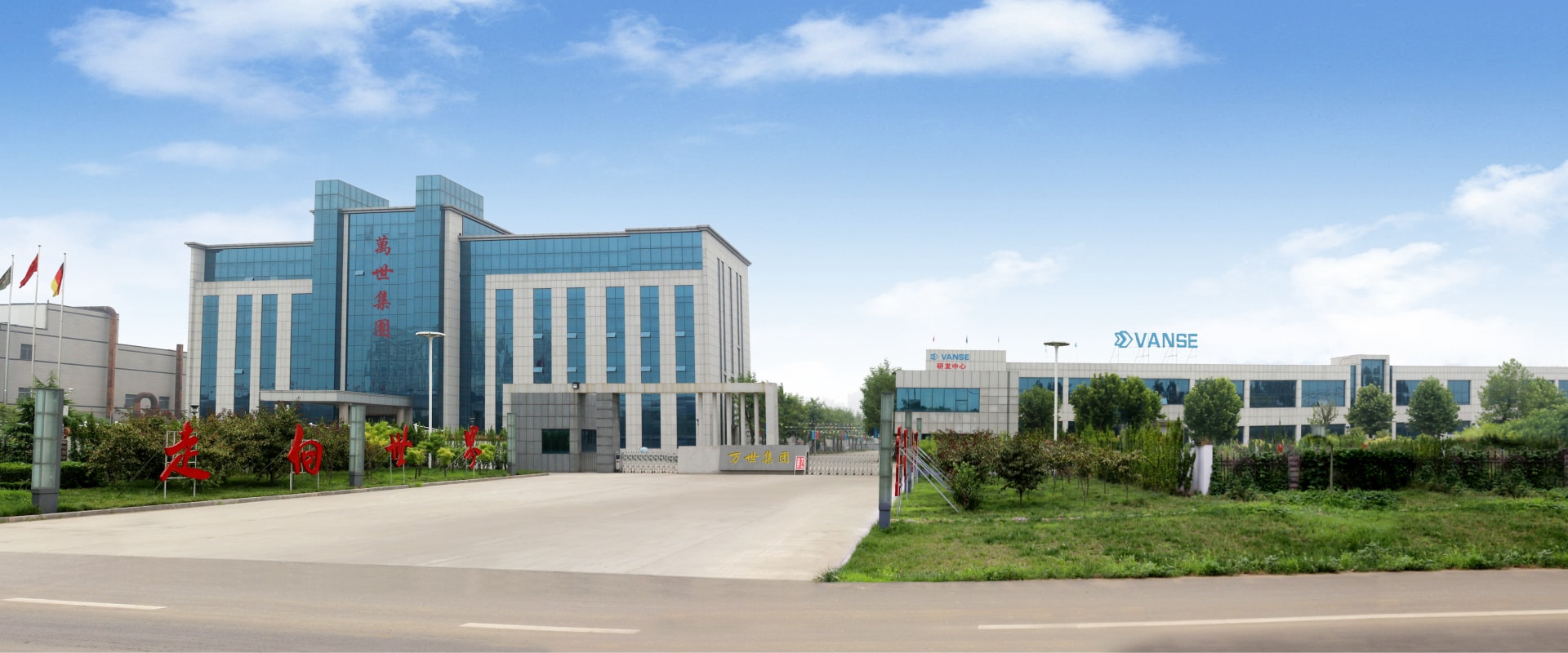
As a telehandler-focused manufacturer serving the United States, VANSE combines product quality, flexible cooperation, and local commitment in a way that matters to serious buyers. The company has been manufacturing construction machinery since 2013 and has produced more than 8,000 units for customers in over 40 countries, including North America, which gives it a real operating track record rather than a trial export profile. VANSE telehandlers are built under CE and ISO 9001 certified processes, use globally recognized core components such as Perkins and Cummins engines together with premium hydraulic systems, transmissions, and axles, and pass comprehensive load testing, safety inspection, and performance validation before shipment, which gives U.S. buyers specific evidence that the machines are engineered to meet demanding international benchmarks. On the commercial side, VANSE serves end users, distributors, dealers, brand owners, rental fleets, and individual buyers through factory-direct supply, wholesale, retail, OEM, ODM, and regional partnership models, so customers can source standard units or tailored configurations, branding, and attachments according to their market needs. For local assurance, VANSE is actively establishing a U.S.-based subsidiary with local inventory planning, stocking capability, and after-sales support to strengthen offline responsiveness, while also providing online pre-sale consultation, technical support, and lifecycle service through its global service structure; that means buyers in the United States are working with a company investing in long-term local presence rather than operating as a distant exporter. You can review the company background at VANSE company information, explore the current machinery range through telehandler and equipment listings, learn about support commitments on the service page, start from the official website, or request a quotation and specification discussion via the contact page.
Buying Advice for Dealers, Rental Companies, and End Users
Dealers should prioritize parts planning, model standardization, attachment margins, and warranty handling efficiency. Machines with consistent platform design across multiple capacities can simplify technician training and inventory stocking.
Rental companies should focus on durability, intuitive controls, telematics, attachment interchangeability, and broad user appeal. The best rental telehandler is often not the most advanced unit, but the model that can tolerate varying operator skill levels and remain profitable across many job types.
End users should focus on daily application fit, service turnaround, and operator comfort. A telehandler that performs exactly what your team needs every day will outperform an oversized machine that creates transport issues, burns more fuel, or sits underused.
Distributors and brand owners may benefit from suppliers that support private label or ODM programs, especially when targeting niche agricultural, regional construction, or emerging value segments in the United States.
Total Cost of Ownership
Purchase price is only one piece of the decision. Total cost of ownership includes financing, fuel, routine maintenance, tires, wear components, repairs, transport, training, downtime risk, and eventual resale. In many cases, a machine with a slightly higher purchase price but better dealer support and stronger residual value is the better long-term buy. In other cases, a competitively priced machine with proven components and reliable local service can lower fleet capital cost substantially.
To compare offers properly, ask each supplier for a five-year cost scenario. Include expected annual hours, maintenance intervals, common wear items, warranty terms, telematics subscriptions, attachment package cost, and estimated resale range. This makes it much easier to compare domestic premium brands with value-oriented international options.
Inspection Checklist for a Used Telehandler
If you are considering used equipment, inspect the boom sections for scoring and abnormal play, check all hoses and cylinder seals, examine the carriage for cracks or welded repairs, test steering modes, verify four-wheel drive function, and look at tire wear patterns for axle or alignment issues. In the cab, confirm that warning lights, load management systems, and safety interlocks work properly. A full test under load is ideal. If possible, review maintenance logs and whether major components such as axles, pumps, or transmission parts have already been rebuilt.
How Ports, Freight, and Location Affect U.S. Buying
Location affects both price and downtime. Buyers near major ports such as Los Angeles, Long Beach, Houston, Savannah, and Newark may see smoother inbound logistics for imported equipment and attachments. Buyers in interior markets such as Kansas City, St. Louis, or Omaha may pay more attention to inland freight, local dealer stocking depth, and mobile field service coverage. If your sites are remote, ask suppliers where the nearest trained technician and major parts warehouse are located. This question is often more important than a small difference in purchase price.
FAQ
What size telehandler is best for general construction in the United States?
For many contractors, a 6,000 to 10,000 lb machine with roughly 42 to 55 ft lift height is the most versatile choice. It works for framing, masonry, roofing, and general material placement without the cost and transport burden of very large units.
Should I buy a compact telehandler for farm use?
Yes, if your work involves barns, feed alleys, orchards, nurseries, or tight yard access. Compact telehandlers often deliver better maneuverability and enough lift for daily agricultural work, especially when paired with buckets, forks, or bale tools.
Are rotating telehandlers worth the higher price?
They can be worth it for specialized urban, industrial, glazing, facade, or steel applications where 360-degree rotation reduces repositioning and can replace some crane tasks. For standard construction handling, a conventional telehandler is usually more economical.
How important is local service support?
It is critical. Fast parts access and qualified technicians have a direct effect on uptime, especially for rental fleets, contractors on deadline, and agricultural operators during peak seasons. Always confirm support structure before buying.
Can international suppliers be a safe choice in the U.S. market?
Yes, if they have recognized certifications, proven export history, globally trusted components, clear warranty terms, and real local support plans. The best international suppliers compete strongly on cost performance and customization.
What should I compare besides price?
Compare load charts, attachment compatibility, service response, parts lead time, warranty, operator comfort, financing, resale expectations, and total ownership cost over several years.
Final Buying Takeaway
The best telehandler for a U.S. buyer is the machine that fits the actual work cycle, not the machine with the biggest brochure numbers. Start by defining your real lift weight, lift height, forward reach, and terrain conditions. Then compare supplier coverage, attachment ecosystem, and lifecycle support. Established U.S. brands remain strong choices where dealer density and resale matter most, while qualified international suppliers can be highly competitive when they combine certified manufacturing, trusted components, and local market commitment. Buyers who follow that process will make better telehandler decisions and avoid costly overbuying, underbuying, or downtime risk.
Complete Telescopic Handler Equipment Portfolio
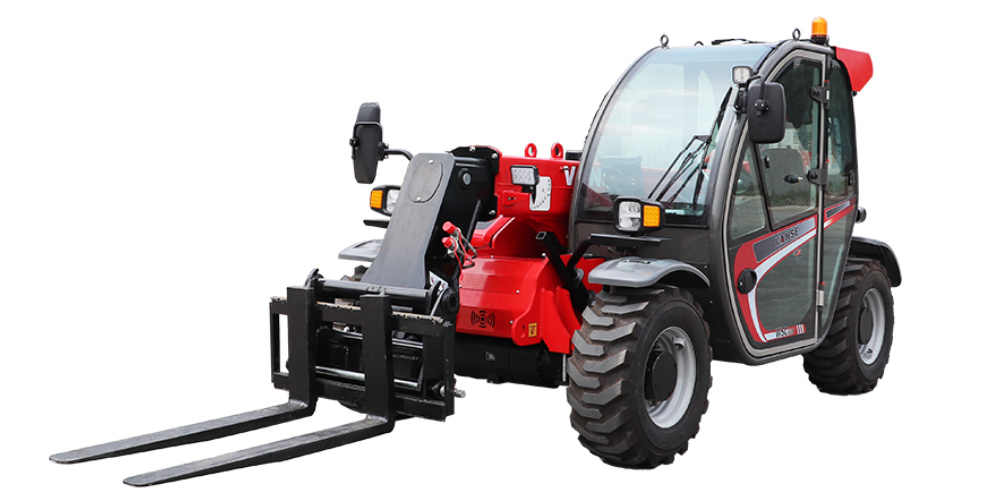
VANSE 625 6m Telescopic Handler
Designed for efficient material handling and stacking in warehouses, factories, and confined job sites, offering compact maneuverability and reliable performance.

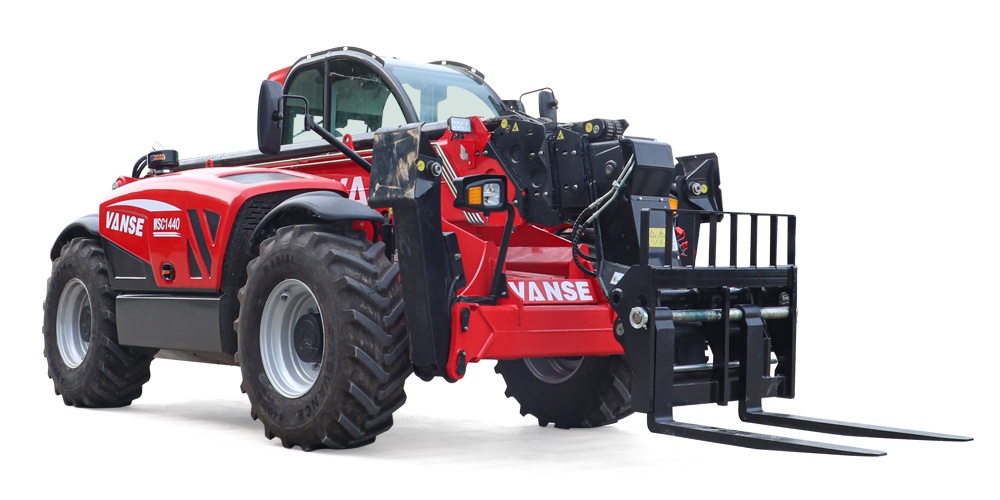
VANSE 735 7m Telescopic Handler
A balanced mid-duty solution for construction, agriculture, logistics, and warehousing, combining stable lifting, strong traction, and everyday versatility.


About the Author:
The VANSE team is a group of experienced professionals specializing in construction machinery research, manufacturing, and technical support. With deep industry knowledge and hands-on experience, our engineers and product specialists share practical insights on equipment selection, operation, maintenance, and industry trends.
Share
You May Also Interest
-

22 October, 2026
Telehandler for Grain Handling on Large Modern Farm Sites
Explore telehandler grain handling options in the United States, including suppliers, specs, farm uses, and cost-saving buying advice for grain operations.
-
21 October, 2026
Telehandler vs All Terrain Forklift: Which Lifts Better
Telehandler vs all terrain forklift in the United States: compare reach, lifting, terrain use, costs, and supplier options for smarter equipment buying.
-
20 October, 2026
10 Ton Telehandler: Extreme Lifting for Major Industrial
Explore 10-ton telehandler options in the United States, top suppliers, buying tips, applications, and service support for major lifting projects.
-
19 October, 2026
Telehandler for Demolition: Safe Structural Dismantling
Explore telehandler demolition options in the United States, including suppliers, attachments, safety, market trends, and cost-effective sourcing advice.