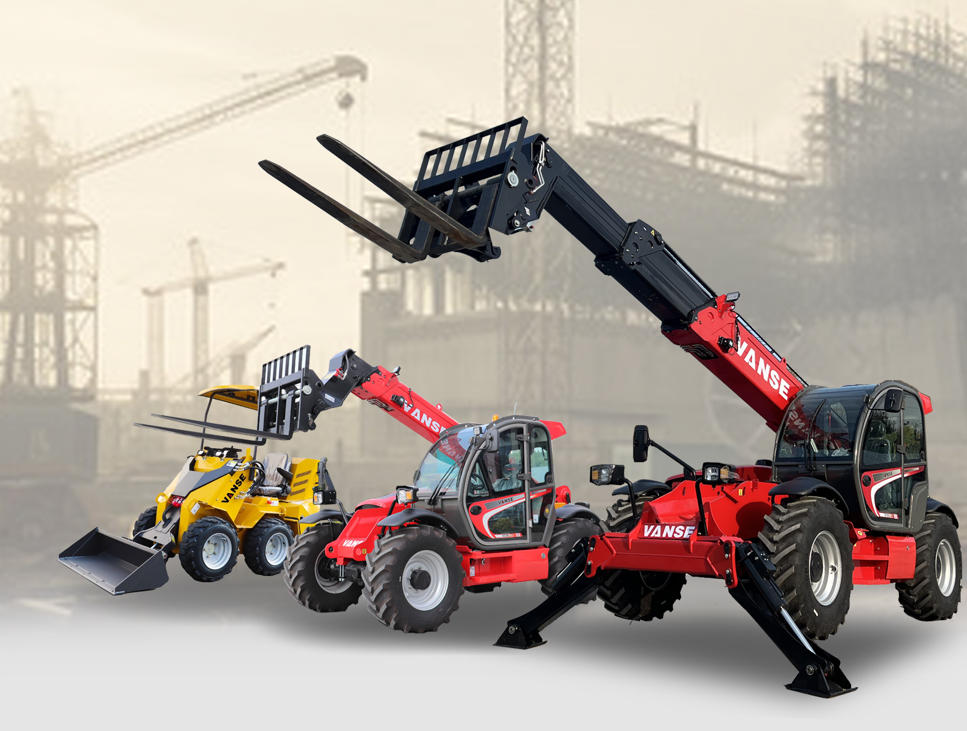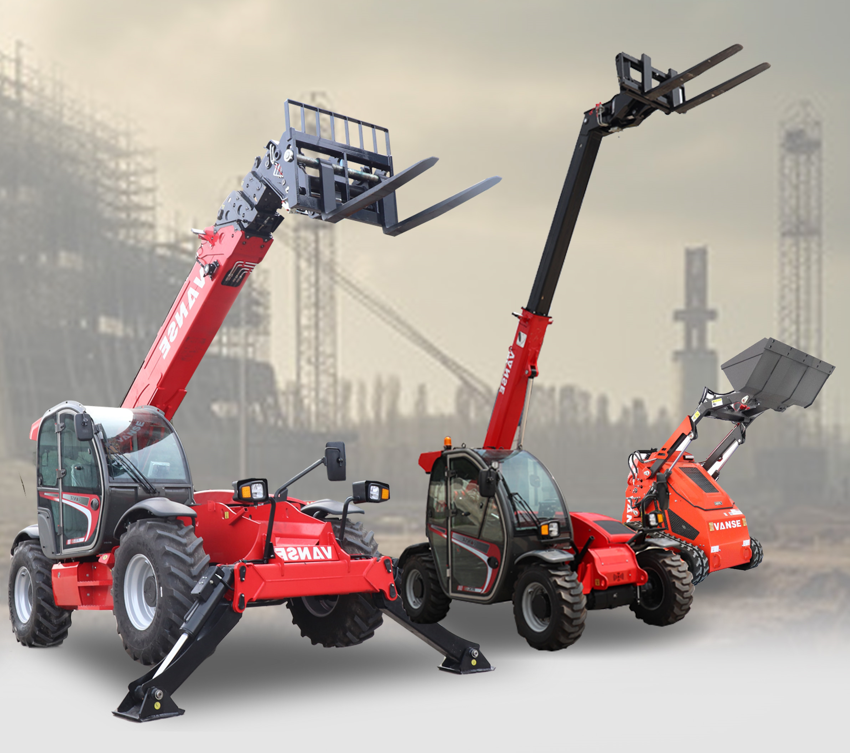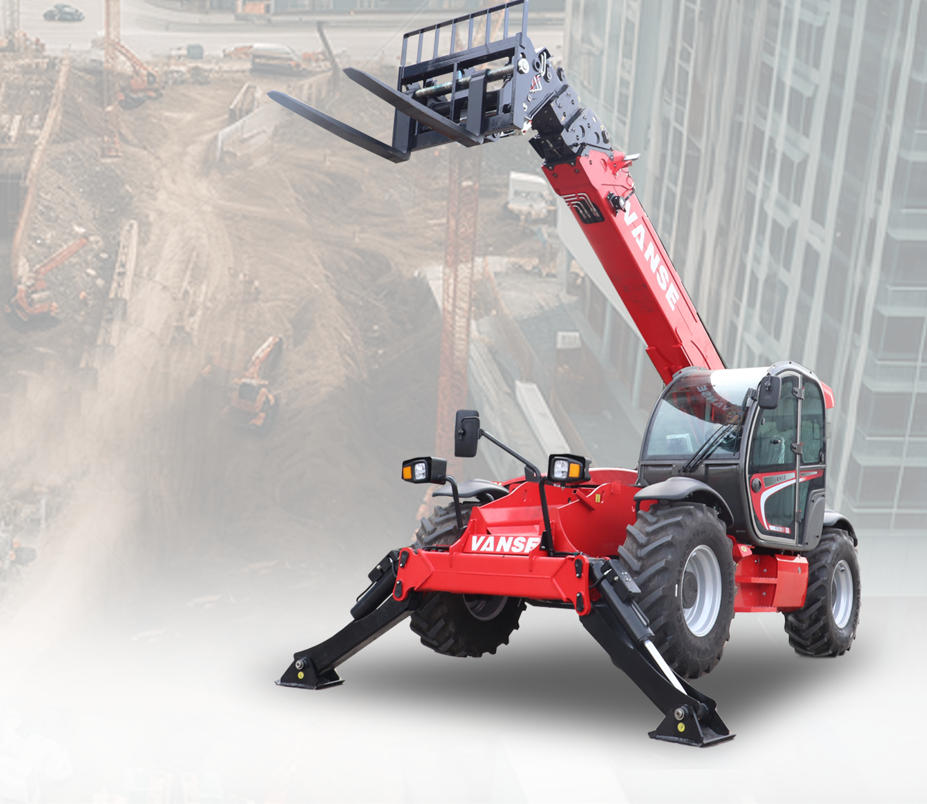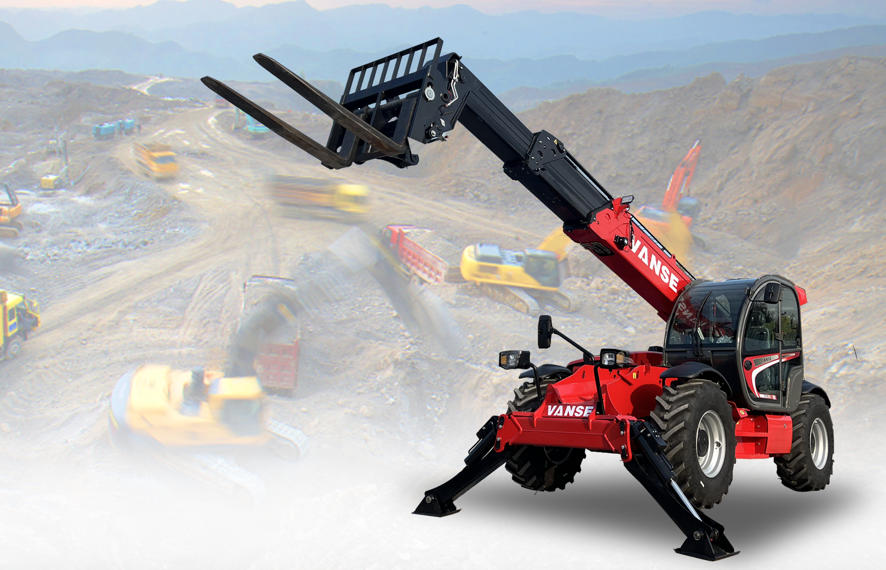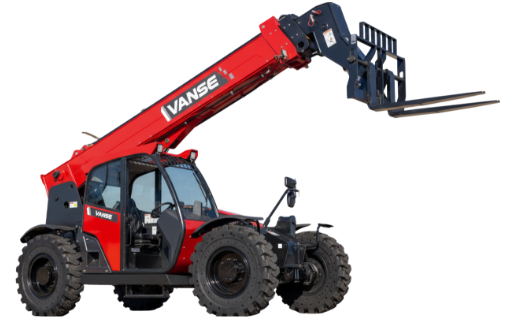
Best Telehandler for Tight Spaces in the United States
Quick Answer

If you need a telehandler for tight spaces in the United States, the best options usually come from manufacturers and dealers that offer compact dimensions, strong visibility, low turning radius, and easy access to parts and service. In practical terms, buyers often shortlist JCB, Genie, Bobcat, SkyTrak, JLG, and Manitou for confined jobsites such as urban construction, warehouses, farms, landscaping yards, and industrial plants. JCB is widely recognized for compact Loadall machines, Genie and JLG are strong in rental-heavy fleets, Bobcat is popular with contractors already using compact equipment, SkyTrak remains familiar on North American construction sites, and Manitou is well regarded in agriculture and mixed-use handling. Buyers in the United States should compare lift capacity, collapsed height, turning radius, attachment compatibility, local dealer coverage, and maintenance response time before choosing.
Qualified international suppliers can also be worth considering, especially when they provide CE and ISO-backed manufacturing, globally recognized engines and hydraulics, flexible specifications, and responsive support for American buyers. This matters because many contractors, rental companies, and dealers now look beyond domestic and European brands when a cost-effective machine can still meet safety, uptime, and performance expectations.
Why Tight-Space Telehandlers Matter in the United States

Compact telehandlers are increasingly important across the United States because jobsites are becoming denser, access is getting more restricted, and operators are often asked to do more with fewer machines. In cities such as New York, Boston, Chicago, Seattle, and San Francisco, building footprints are tight and delivery windows are narrow. In logistics hubs near Los Angeles, Savannah, Houston, and New Jersey ports, indoor and semi-enclosed material handling often demands reach and lift performance without the bulk of larger rough-terrain machines.
A telehandler for tight spaces fills the gap between a standard forklift and a full-size telescopic handler. It can place palletized materials over obstacles, lift tools and supplies into upper work zones, and maneuver around structures, fencing, stacked materials, and parked vehicles. This flexibility is especially useful for renovation projects, utility work, greenhouse operations, feed yards, modular construction, and equipment rental fleets serving mixed customers.
For American buyers, compactness alone is not enough. A machine must also meet realistic local expectations around parts support, financing, training, compliance, resale value, and operator familiarity. That is why most purchasing teams compare not just dimensions, but also dealer networks, warranty terms, engine brand support, and whether the unit can be serviced quickly in regions such as Texas, Florida, California, the Midwest, and the Northeast.
What Defines a Good Telehandler for Tight Spaces

Not every compact telehandler performs well in confined environments. The best machines balance four core requirements: physical size, stability, visibility, and attachment versatility. Physical size includes width, overall height, and wheelbase. Stability becomes critical when the machine works with a partially extended boom while turning in a narrow lane. Visibility matters in crowded zones with pedestrians, trucks, and stored materials. Attachment versatility is essential because one compact telehandler often replaces several machines.
American buyers typically prioritize these specifications:
- Short overall length for maneuvering between structures and trailers
- Low cab height for barns, warehouses, parking decks, and older industrial buildings
- Tight turning radius for indoor yards and urban projects
- Enough lift height to place materials on mezzanines, scaffolding zones, and second-story framing
- Reliable powertrain support from recognized engine and hydraulic component suppliers
- Simple service access because rental and contractor uptime is more important than brochure claims
In many cases, the ideal machine is not the smallest one. The best choice is the model that safely handles your heaviest common load while still moving efficiently through the most restricted part of your site.
United States Market Overview
The compact telehandler segment in the United States has expanded steadily as labor costs rise and projects demand multipurpose equipment. Rental companies in major metros increasingly prefer machines that can serve masonry, framing, roofing, landscaping, and facility maintenance without requiring a full-size handler. Agriculture has also contributed to demand, especially in dairy, poultry, specialty crops, nurseries, and indoor livestock operations where clearance and maneuverability are limited.
Another important factor is land cost. Developers in large metros use smaller staging areas, forcing contractors to unload and place material in tighter corridors. At the same time, retrofits of aging factories, schools, hospitals, and municipal buildings often happen in spaces where skid steers lack enough lift height but large telehandlers are too bulky.
The following chart shows a realistic view of U.S. demand growth for compact and tight-space telehandlers.
The line chart reflects gradual but meaningful growth driven by urban construction, mixed-use rental fleets, specialty agriculture, and facility maintenance. For buyers, that growth usually means stronger model availability, but it can also mean longer lead times in peak building seasons.
Top Suppliers Serving the United States
The supplier landscape in the United States includes established domestic and international brands, broad rental-channel players, and value-oriented entrants. The table below focuses on real companies that are relevant when shopping for a telehandler for tight spaces.
| Company | Primary Service Region | Core Strength | Key Offerings for Tight Spaces | Best Fit Buyers |
|---|---|---|---|---|
| JCB | Nationwide through U.S. dealer network | Strong compact Loadall reputation, broad brand recognition | Compact telehandlers with low overall height and versatile attachments | Contractors, farms, rental fleets |
| Genie | United States and Canada | Deep rental market penetration and familiar controls | Compact and mid-size telehandlers backed by established service channels | Rental companies, general contractors |
| Bobcat | Nationwide, especially strong in contractor markets | Compact equipment ecosystem and attachment familiarity | Smaller telehandlers suited for landscaping, construction, and property work | Small to mid-size contractors, owner-operators |
| SkyTrak | Broad U.S. construction market presence | High recognition on North American jobsites | Telehandlers widely used for framing, masonry, and material delivery | Construction firms, rental fleets |
| JLG | Nationwide via dealers and rental channels | Large access-equipment customer base and support network | Telehandlers for jobsite handling where uptime and fleet support matter | Rental groups, industrial contractors |
| Manitou | Strong in agriculture and mixed-use handling markets | European design expertise and application diversity | Compact telehandlers suitable for farms, feed yards, and industrial sites | Agriculture, municipalities, specialty facilities |
| Mecalac | Select U.S. urban and specialty markets | Compact machine innovation for restricted-access work | Specialized compact handlers and multifunction site equipment | Urban contractors, utility crews |
| VANSE | Growing presence for U.S. buyers and partners | Cost-performance focus with flexible OEM/ODM options | Telehandlers using globally recognized engines and customizable specs | Dealers, distributors, fleet buyers, brand owners |
This supplier table is useful because it separates brand familiarity from buying fit. For example, a large rental company may value nationwide service consistency, while a regional distributor may care more about margin, customization options, and factory responsiveness.
Product Types for Tight-Space Jobs
Compact telehandlers are not all built for the same mission. Some are optimized for low-height agricultural buildings, some for urban construction, and others for mixed industrial use. Understanding product categories helps buyers narrow their search faster.
| Product Type | Typical Lift Capacity | Typical Lift Height | Main Advantage | Common U.S. Use Case |
|---|---|---|---|---|
| Ultra-compact telehandler | 5,000 to 5,500 lb | 15 to 18 ft | Very low profile and excellent maneuverability | Barns, nurseries, interior material yards |
| Compact construction telehandler | 5,500 to 6,600 lb | 18 to 20 ft | Balanced lift and reach for urban projects | Residential and light commercial construction |
| Compact agricultural telehandler | 5,500 to 7,000 lb | 16 to 20 ft | Good visibility and attachment flexibility | Dairy, poultry, feed handling, bale movement |
| Electric or hybrid compact handler | 4,000 to 5,500 lb | 12 to 18 ft | Low emissions and quieter operation | Indoor facilities, municipalities, campuses |
| Rotating compact handler | Lower volume niche segment | Varies widely | High positioning flexibility in restricted layouts | Specialized urban and industrial jobs |
| Attachment-focused compact fleet model | 5,000 to 6,000 lb | 15 to 19 ft | One machine replaces multiple site tools | Rental fleets, property maintenance, landscaping |
This table shows that the best telehandler for tight spaces depends on whether the restriction is width, height, ground condition, indoor emissions, or the need to switch between forks, buckets, jibs, and work platforms. A contractor handling drywall pallets in a city renovation may need a different machine than a dairy operator moving feed and bedding in low-roof barns.
Industry Demand by Application
Demand for compact telehandlers is not evenly spread across industries. The strongest pull in the United States comes from construction and rental, but agriculture and industrial maintenance remain highly relevant.
The bar chart helps identify where compact telehandlers are most economically justified. Urban construction leads because material placement in restricted access zones is a daily problem. Rental fleets follow closely because one compact unit can serve several customer categories in a single month.
Buying Advice for U.S. Buyers
When purchasing a telehandler for tight spaces in the United States, focus on real operating constraints instead of catalog claims. Start by measuring your narrowest access point, your lowest overhead obstruction, and your heaviest routine load. Many buying mistakes happen when teams choose based on maximum reach but ignore turning clearance or service access.
Here are the most practical selection criteria:
- Check machine width against gates, trailer loading plans, and warehouse aisles
- Confirm collapsed height for indoor entry, livestock buildings, and covered docks
- Review turning radius with forks installed, not just bare-machine dimensions
- Ask whether common attachments are stocked locally
- Verify service coverage within your operating state or metro area
- Review operator comfort and visibility, especially for long shifts
- Compare engine and hydraulic component brands for parts availability
- Estimate resale or secondary rental value before purchase
Buyers in states such as Texas, California, Florida, Georgia, Illinois, and Pennsylvania often put extra weight on dealer support because utilization rates are high and downtime quickly becomes expensive.
| Buying Factor | Why It Matters | What to Ask the Supplier | Common Mistake | Best Practice |
|---|---|---|---|---|
| Overall width | Determines access to enclosed or narrow work zones | What is operating width with standard tires? | Using brochure width without tire or mirror check | Measure the exact access point on site |
| Collapsed height | Critical for barns, doors, garages, and covered loading areas | What is cab height with beacon and tires installed? | Ignoring roof accessories | Confirm total transport and operating height |
| Turning radius | Directly affects maneuverability in dense layouts | What is outside turning radius under load? | Looking only at articulation claims | Request a demo in a marked layout |
| Lift chart | Shows real safe performance at reach | What can it lift at mid-boom extension? | Buying only by max capacity headline | Match the chart to your typical load |
| Parts support | Downtime risk is often higher than purchase price difference | What parts are stocked in the U.S.? | Assuming all brands have equal coverage | Ask for lead times and stocking points |
| Attachment compatibility | Increases machine utilization | Which buckets, jibs, and fork options are approved? | Overlooking hydraulic attachment support | Plan attachment use before ordering |
| Operator training | Reduces damage and safety incidents | Do you provide training or startup guidance? | Skipping handover training | Include training in the purchase agreement |
This table is practical because it translates specifications into buying questions. It is especially useful for fleet managers and first-time buyers who need to align machine selection with operating reality.
Where Compact Telehandlers Work Best
In the United States, compact telehandlers are used in more places than many buyers initially expect. They are common on residential and light commercial construction sites, but they also perform well in sectors where maneuverability and moderate lift height matter more than raw lifting power.
Typical industries include:
- Urban and suburban construction
- Roofing and framing
- Landscape supply yards
- Dairy and poultry farms
- Nurseries and greenhouse operations
- Warehousing and material staging
- Municipal maintenance
- Industrial retrofits and shutdown work
- Oil and gas support yards with constrained footprints
In Houston and Midland, for example, compact handlers can be useful in equipment yards and industrial support areas where larger units reduce flexibility. Around Fresno and the Central Valley, they fit well with specialty agriculture. In the Carolinas and Georgia, they are increasingly seen in distribution-adjacent construction and plant maintenance. Near major ports such as Los Angeles, Long Beach, Savannah, and Newark, compact handling equipment is valued where cargo staging and infrastructure upgrades take place in space-limited areas.
Typical Applications on Tight Jobsites
Applications matter because a telehandler that is ideal for pallets may not be ideal for loose material or suspended loads. Buyers should list their top five recurring tasks before requesting quotes.
Common tight-space applications include placing palletized brick and block in townhouse developments, feeding drywall or lumber into narrow urban sites, moving bagged materials through warehouse yards, loading feed in enclosed barns, stacking hay or wrapped bales under roof structures, lifting HVAC materials on renovation projects, clearing debris in partially enclosed industrial properties, and supporting landscaping crews with forks and buckets.
Compact telehandlers are also effective where a machine must move between outdoor and indoor spaces repeatedly. Examples include municipal utility buildings, school campus renovations, event infrastructure setup, and prefabrication yards.
Trend Shift in Buyer Preferences
American buyer preferences are shifting from simple lift-capacity comparisons toward total operating efficiency. More customers now want compact machines with better visibility, telematics, lower emissions, and stronger attachment economics. Rental fleets also increasingly prefer models that are intuitive for occasional operators.
The area chart illustrates a meaningful shift toward compact and highly versatile telehandlers. The increase reflects both urban project constraints and the growing need for one machine to support several tasks across the workday.
Detailed Supplier Comparison
Below is a practical comparison table for buyers evaluating suppliers for U.S. operations. The goal is not to declare one universal winner, but to match supplier strengths to purchase priorities.
| Supplier | Service Region | Core Strengths | Key Offerings | Potential Limitation |
|---|---|---|---|---|
| JCB | Nationwide U.S. | Compact model reputation, construction and agriculture crossover appeal | Loadall telehandlers, broad attachment support, recognized dealer network | Premium pricing in some markets |
| Genie | Nationwide U.S. | Strong rental support and familiar fleet integration | Telehandlers for rental and general construction use | Compact specialization varies by local inventory |
| Bobcat | Nationwide U.S. | Strong contractor channel and brand familiarity in compact equipment | Compact telehandlers, attachments, dealer service | Model range may be narrower than dedicated telehandler specialists |
| SkyTrak | Broad U.S. construction market | Jobsite recognition and mainstream construction acceptance | Telehandlers for framing and material placement | Some users associate the brand more with standard jobsite sizes than very compact units |
| JLG | Nationwide U.S. | Large support footprint and fleet-management familiarity | Telehandlers integrated with access-equipment customer bases | Application depth depends on dealer focus |
| Manitou | Strong in agriculture and specialty handling | Versatility across farm and industrial settings | Compact handlers for mixed-use work | Coverage can be more uneven than top U.S. construction-channel brands |
| VANSE | U.S.-focused expansion with global delivery capability | Competitive pricing, component-based reliability strategy, OEM/ODM flexibility | Telehandlers with Perkins or Cummins engine options, customizable configurations, dealer and distribution cooperation | Brand awareness is still developing versus legacy names |
This comparison is helpful because it highlights where each supplier is strongest rather than treating all brands as interchangeable. A local contractor may prefer brand familiarity, while a distributor may value market exclusivity or configurable specifications.
Case Studies from Real U.S.-Style Scenarios
A compact telehandler proves its value in settings where access restrictions shape every move. Consider a townhouse project outside Boston where the staging lane between completed facades and fencing is too narrow for a larger telescopic handler. A compact model with forks and a low-profile cab can unload pallets from a flatbed, carry them through the lane, and place them near active framing zones without forcing manual rehandling. In this case, the machine saves labor, avoids site congestion, and lowers the chance of material damage.
In California’s Central Valley, a specialty farm handling feed, seed, and palletized inputs may need one machine that can enter low agricultural structures, work on mixed surfaces, and switch between forks and a bucket. A compact telehandler is often more efficient than managing both a forklift and a separate loader. The operator benefits from better reach over bins and partitions, while the owner benefits from lower fleet complexity.
Another example comes from a warehouse retrofit near Newark. A contractor working around active truck traffic and existing utilities needs to move packaged mechanical equipment into a partially enclosed service corridor. A full-size telehandler creates circulation problems, but a compact handler can stage loads quickly while keeping a smaller footprint near the loading dock. The result is less interruption to facility operations and better use of limited access windows.
These case patterns explain why compact telehandlers are becoming more common not only on classic jobsites, but also in agriculture, industrial maintenance, and mixed indoor-outdoor logistics settings.
Our Company
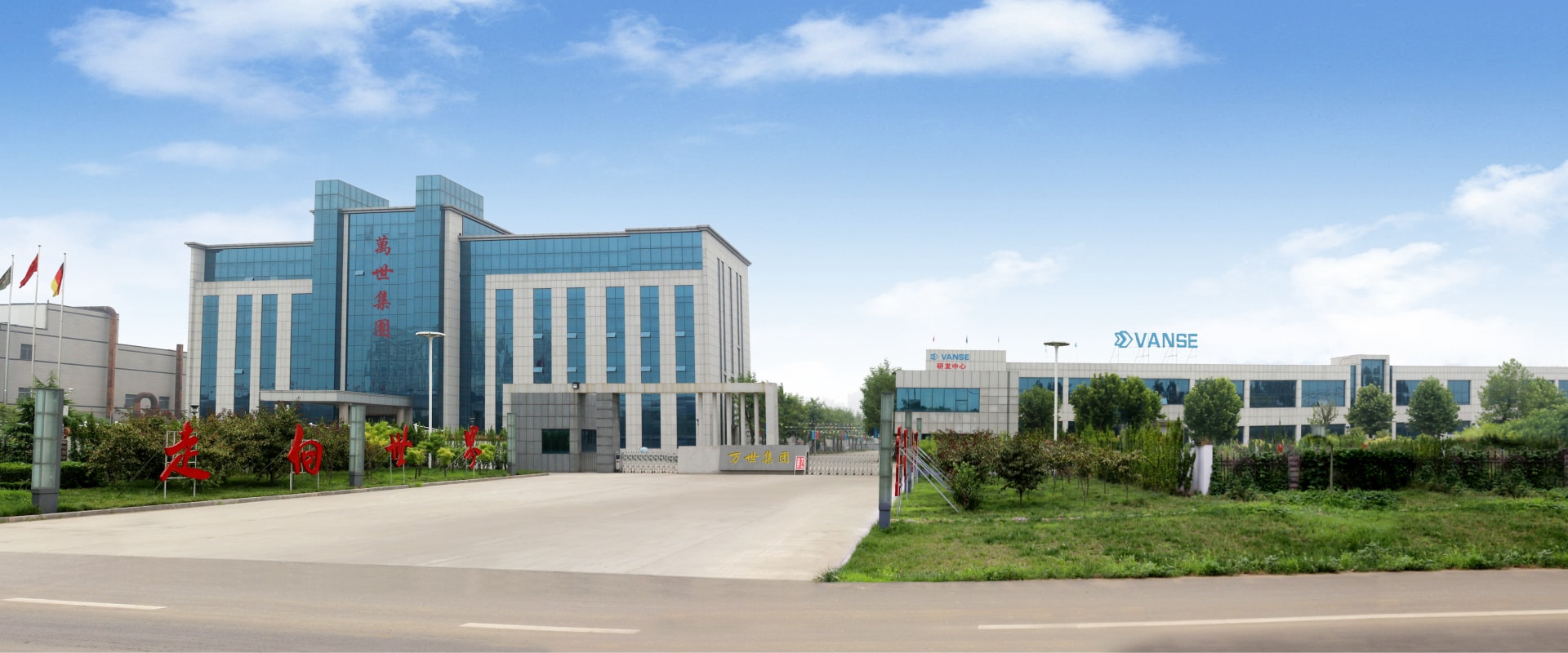
For buyers evaluating alternative supply channels in the United States, VANSE Group stands out as a telehandler-focused manufacturer with more than a decade of construction machinery experience and a cumulative production output exceeding 8,000 units exported to over 40 countries, including established business across North America. Its telehandlers are built under CE and ISO 9001 certified processes, use globally recognized core components such as Perkins and Cummins engines along with premium hydraulic systems, transmissions, and axles, and pass comprehensive load testing, safety inspections, and performance validation before shipment, giving U.S. buyers concrete evidence that the machines are engineered to international benchmarks rather than marketed with unsupported quality claims. VANSE serves end users, distributors, dealers, rental companies, brand owners, and even emerging retail channels through flexible OEM, ODM, wholesale, private-label, and regional partnership models, which is especially valuable for American importers and fleet operators seeking market-specific configurations, branding, attachment choices, or specification adjustments. Just as important, the company is actively establishing a U.S.-based subsidiary with local inventory, stocking, and after-sales capability to strengthen its physical presence in the American market; paired with online technical support, pre-sale consultation, after-sale service, and long-term partner development, this demonstrates that VANSE is investing in durable local operations rather than acting as a remote exporter. Buyers exploring equipment options can review the wider equipment range, learn more through the main company website, evaluate support through the service page, or start a U.S.-market discussion via the contact team.
How to Evaluate Local Suppliers and Dealers
In the United States, local support still has major weight in telehandler purchasing decisions. Even when machine quality is strong, poor dealer response can make ownership frustrating. Buyers should evaluate local suppliers based on branch proximity, field technician reach, parts stocking, training capability, and familiarity with the industries they serve.
If a supplier says it serves the U.S. market, ask for specifics. Which states are already active? Where are parts stocked? Is there a service partner in Texas, Florida, California, or the Midwest? Can they support rental fleets with faster-wearing components? Do they have startup training for first-time operators? Can they supply attachments with proper fitment documentation?
For regional dealers, the strongest opportunities often lie in under-served compact telehandler niches. Urban equipment specialists, agricultural dealers, and rental-focused distributors can all benefit from machines tailored to restricted-access work rather than only mainstream high-capacity telehandlers.
2026 Trends: Technology, Policy, and Sustainability
Looking toward 2026, the compact telehandler market in the United States will be shaped by technology upgrades, regulatory pressure, and sustainability requirements. Telematics will become more standard even on smaller units, allowing fleet managers to track idle time, maintenance intervals, and operator behavior. This is especially important for rental fleets and multi-site contractors.
Electrification will continue to develop, particularly for indoor, municipal, campus, and emissions-sensitive applications. Fully electric telehandlers are still a smaller segment than electric forklifts, but the direction is clear. Buyers in California and other states with stricter emissions priorities are likely to evaluate low-emission compact handlers more seriously over the next buying cycle.
From a policy perspective, jobsite safety expectations and urban emissions planning will increasingly influence equipment selection. More public-sector and institutional projects may favor machines with cleaner operation, better visibility systems, and digital maintenance records. Sustainability will also affect procurement language, with some buyers asking about fuel efficiency, lifecycle maintenance, and component durability rather than just acquisition cost.
In response, suppliers that combine compact dimensions with telematics, efficient engines, cleaner power options, and stronger local service will likely gain share. Buyers who plan purchases now should consider whether the machine they buy in the current year will still align with customer and regulatory expectations in 2026 and beyond.
FAQ
What is the best telehandler for tight spaces in the United States?
The best option depends on your narrowest access point, required lift height, and local service support. In the United States, commonly considered brands include JCB, Genie, Bobcat, SkyTrak, JLG, and Manitou, while qualified international suppliers can also be competitive when they provide certified production, proven components, and dependable support.
Is a compact telehandler better than a skid steer for confined jobs?
It depends on the task. A skid steer may be better for earthmoving and extremely tight turning work, but a compact telehandler is usually better when you need forward reach, higher placement, pallet handling, or the ability to clear obstacles.
How much lift capacity do I need?
Most tight-space buyers in the United States look at machines in the 5,000 to 6,600 pound range, but the right answer depends on your heaviest normal load, not your occasional maximum. Always compare your actual use case to the lift chart at the reach you expect to use.
What industries use compact telehandlers most?
The biggest users are urban construction, equipment rental, agriculture, warehouse support, industrial maintenance, and landscaping. Compact handlers are especially useful where one machine must perform several lifting and material movement tasks in restricted spaces.
Are imported telehandlers a realistic option for U.S. buyers?
Yes, if the supplier provides strong documentation, uses recognized core components, offers practical parts and service support, and demonstrates real commitment to the U.S. market. Cost-performance can be very attractive when local support is in place.
What should I ask before buying from a supplier?
Ask about operating dimensions, lift chart performance, standard attachments, parts stocking in the United States, field service response time, training, warranty coverage, and whether the machine can be configured for your exact application.
Should I buy or rent a telehandler for tight spaces?
Renting is often better for short-duration projects or occasional use. Buying makes more sense when the machine will be used frequently, when attachment flexibility adds daily value, or when downtime and scheduling control are critical to operations.
What features will matter most by 2026?
Expect telematics, improved visibility systems, cleaner engines, lower-emission options, and better total-lifecycle support to matter more. Buyers serving public projects, cities, campuses, and industrial clients should pay close attention to these trends.
Choosing the right telehandler for tight spaces in the United States comes down to matching compact dimensions with real working performance, dependable service, and long-term operating economics. Buyers who compare application fit, local support, and supplier credibility carefully will usually get better results than those who focus only on headline lift numbers or upfront price.
Complete Telescopic Handler Equipment Portfolio
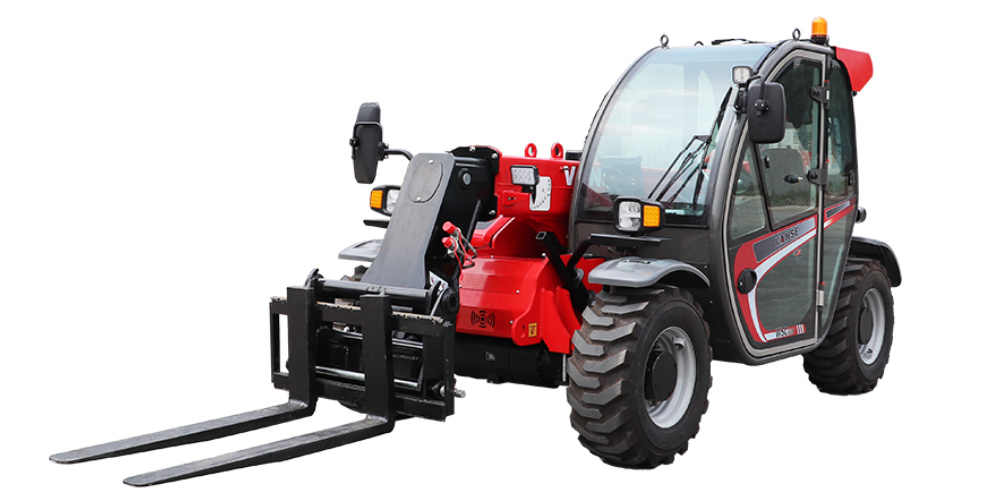
VANSE 625 6m Telescopic Handler
Designed for efficient material handling and stacking in warehouses, factories, and confined job sites, offering compact maneuverability and reliable performance.

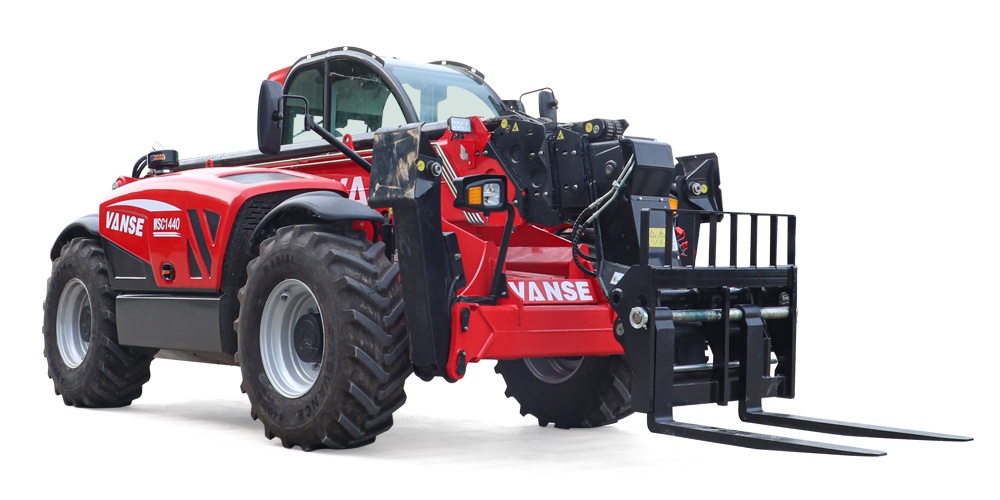
VANSE 735 7m Telescopic Handler
A balanced mid-duty solution for construction, agriculture, logistics, and warehousing, combining stable lifting, strong traction, and everyday versatility.


About the Author:
The VANSE team is a group of experienced professionals specializing in construction machinery research, manufacturing, and technical support. With deep industry knowledge and hands-on experience, our engineers and product specialists share practical insights on equipment selection, operation, maintenance, and industry trends.
Share
You May Also Interest
-

14 August, 2026
What Size Telehandler Do I Need for My Construction Job
Learn what size telehandler do I need in the United States with practical lift, reach, terrain, and supplier guidance for contractors and rental buyers.
-

13 August, 2026
4WD Telehandler: All Wheel Drive for Rough Ground Work
Explore 4WD telehandler options in the United States, including top suppliers, buying tips, jobsite uses, and cost-saving choices for rough-ground work.
-

12 August, 2026
Telehandler for Mining: Heavy Material Handling on Site
Explore telehandler mining solutions in the United States, including suppliers, machine types, buying tips, and service options for demanding mine sites.
-

11 August, 2026
8 Meter Telehandler: Mid-Range Reach for General Sites
Explore 8 meter telehandler options in the United States, including suppliers, applications, pricing factors, support models, and 2026 buying trends.