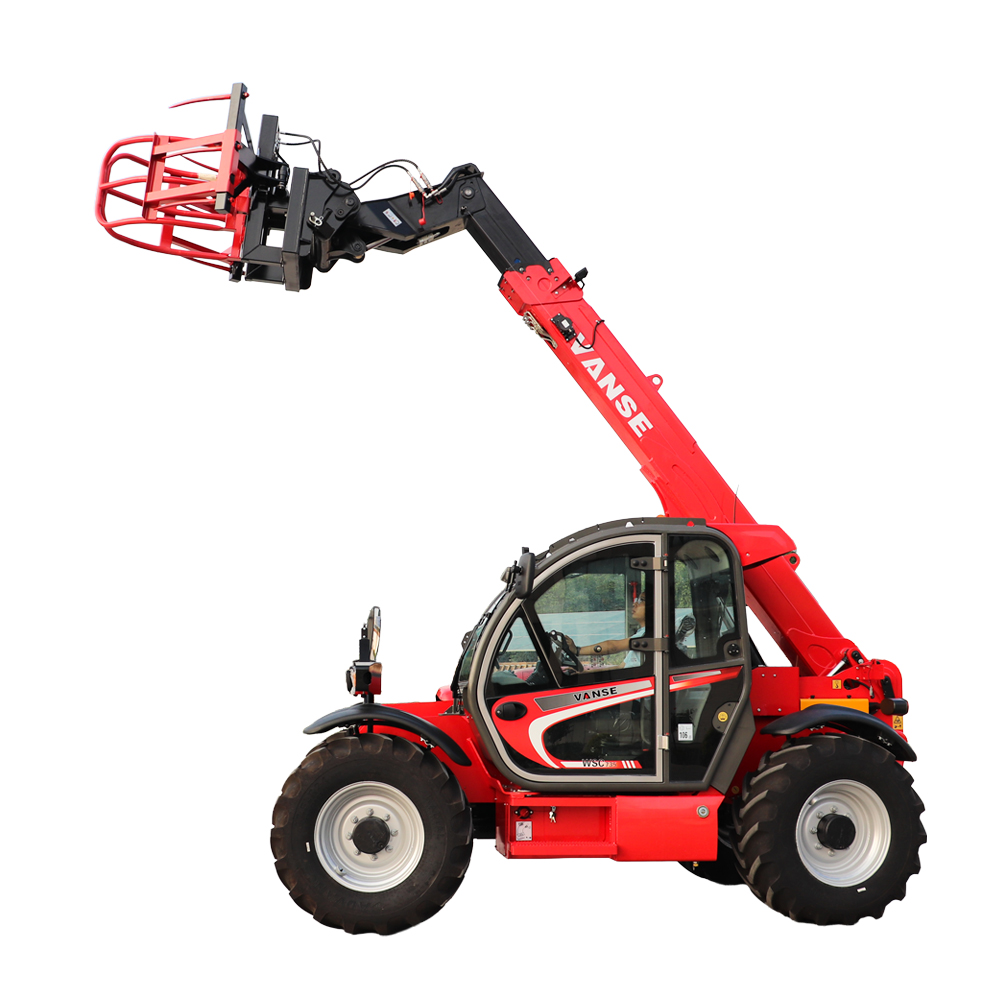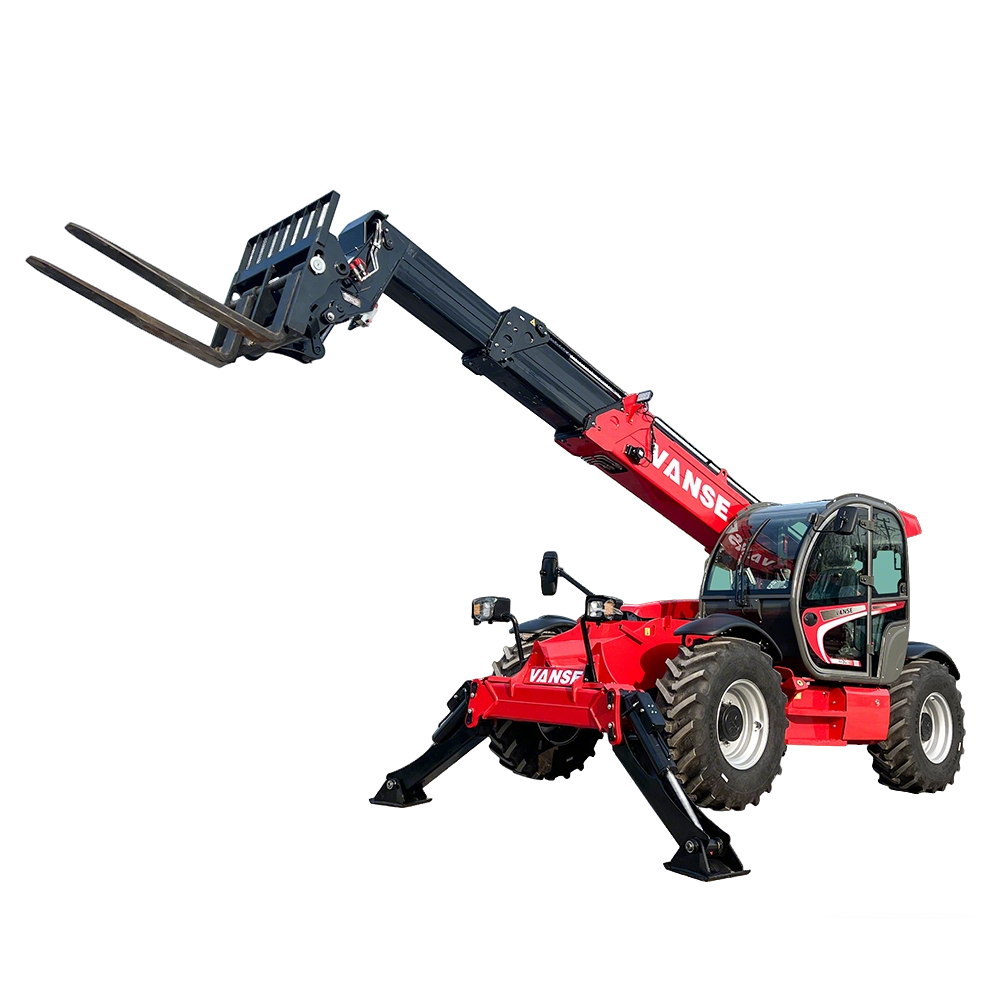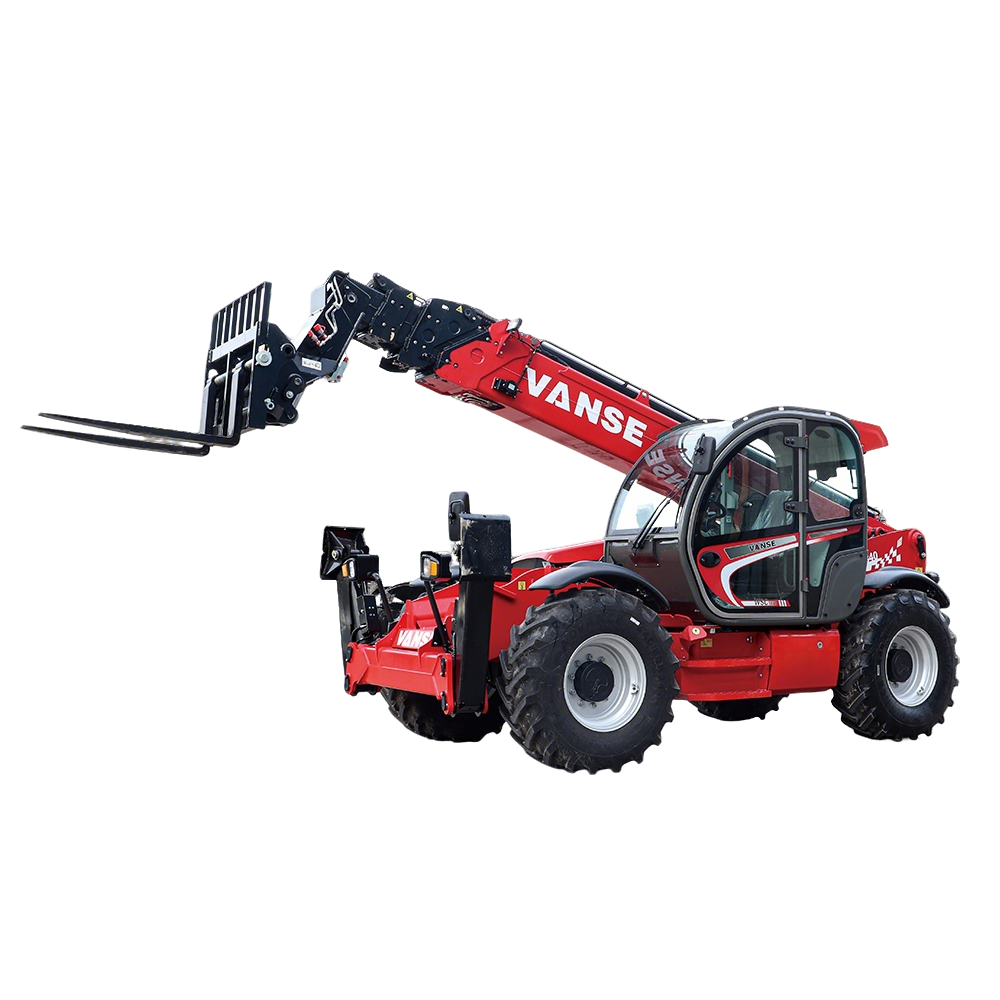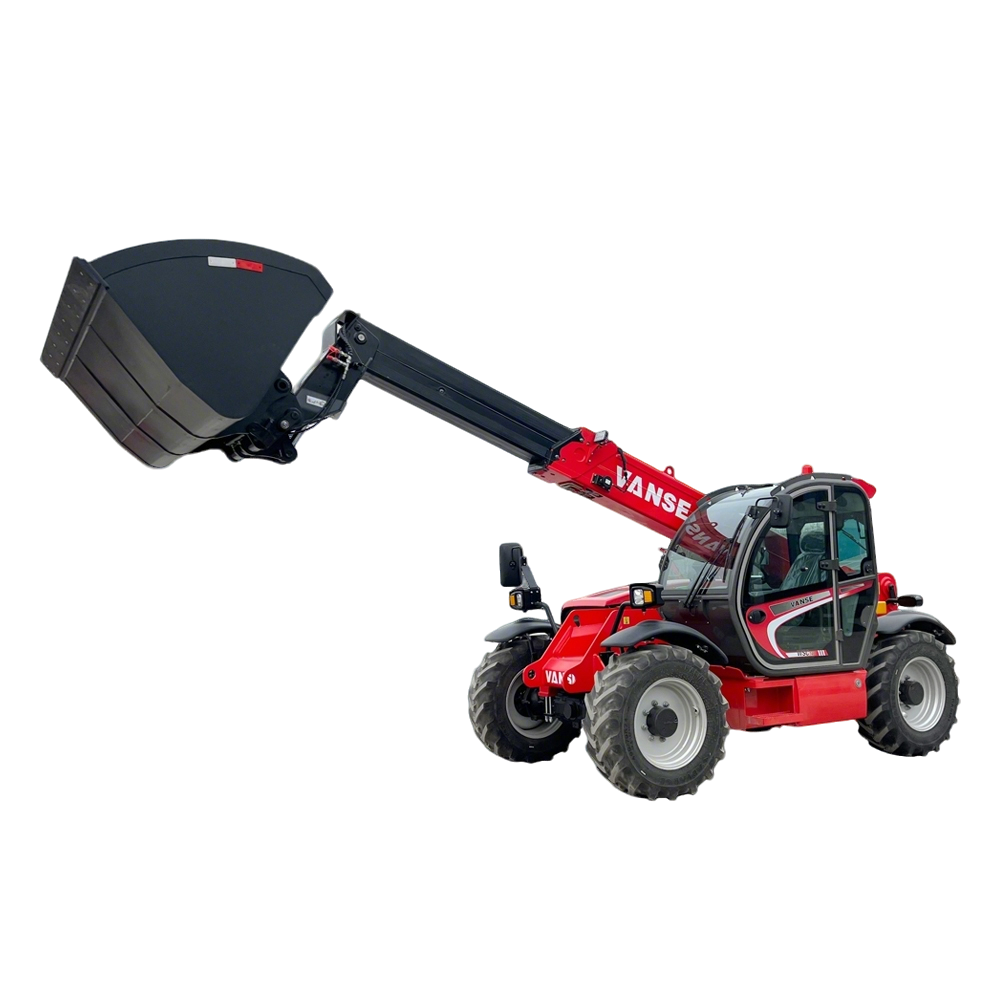
Best Telehandler for Bridge Construction in the United States
Quick Answer

If you need a telehandler for bridge construction in the United States, the best options usually come from established providers with strong dealer support, high lift capacity, and jobsite-ready attachments for rebar, formwork, palletized materials, and suspended loads. For most bridge projects, contractors shortlist JLG, Genie, JCB, Caterpillar, SkyTrak, and Magni because these brands are widely recognized in U.S. construction markets and have equipment support networks near major infrastructure corridors such as Texas, Florida, California, the Midwest, and the Northeast.
For direct and practical buying decisions, these are the most commonly considered names in the U.S. bridge segment: JLG for broad rental fleet availability, Genie for dependable parts support, JCB for strong telehandler specialization, Caterpillar for dealer-backed heavy construction service, SkyTrak for familiarity on North American jobsites, and Magni for rotating high-reach applications. Qualified international suppliers can also be worth evaluating, especially when they provide relevant certifications, globally recognized engines and hydraulics, documented testing, and dependable U.S. pre-sales and after-sales support. That matters because cost-performance can be significantly better for contractors, rental houses, and regional distributors trying to control fleet acquisition costs without compromising reliability.
United States Bridge Construction Telehandler Market

The United States remains one of the most important telehandler markets for bridge work because public infrastructure programs, state DOT investments, port upgrades, rail crossings, overpass replacement, and river bridge rehabilitation continue to generate steady lifting demand. In bridge construction, telehandlers are valued for their ability to move loads across uneven terrain, place palletized supplies in tight staging zones, support elevated deck work, and handle attachments that reduce the need for multiple single-purpose machines.
Demand is strongest in regions with sustained transportation budgets and active logistics corridors. Texas, California, Florida, Pennsylvania, Ohio, Illinois, Georgia, and New York regularly generate bridge and overpass activity. Coastal port areas such as Houston, Savannah, Los Angeles, Long Beach, New York and New Jersey also influence material handling demand because marine terminals, adjacent highway bridges, and industrial access structures need compact but versatile lifting equipment. Inland freight hubs around Chicago, Dallas, Kansas City, Memphis, and Atlanta create similar conditions where telehandlers support concrete, steel, and utility contractors.
Bridge contractors in the United States usually evaluate telehandlers differently than general building contractors. On bridge sites, the machine often works on rough, muddy, or partially graded surfaces, moves between abutments and access roads, and must lift loads high enough to support deck forming, barrier installation, or structural staging. This makes reach height, frame stability, axle strength, attachment compatibility, and service support more important than brochure headline numbers alone.
The rental market also shapes buying behavior. Large rental companies and regional fleet owners often stock mainstream fixed-boom telehandlers because parts access, technician familiarity, and resale value matter. However, specialty bridge contractors and industrial subcontractors increasingly consider heavier-capacity models and rotating telehandlers where site congestion, limited crane access, or multi-trade coordination make machine versatility especially valuable.
The chart above reflects a realistic upward demand pattern rather than an explosive spike. That is important because U.S. bridge construction is tied to long procurement cycles, phased public budgets, and regional labor capacity. Telehandler demand grows as infrastructure projects move from planning and package bidding into active field execution. The most resilient growth comes from replacement demand, fleet modernization, and rising preference for multi-use equipment that can reduce crane dependency for routine material handling.
Why Telehandlers Matter on Bridge Projects

A bridge project rarely has the layout convenience of a warehouse or a level commercial slab. Access routes are temporary, deck edges are restricted, and materials often need to move from delivery point to exact installation zones without excessive rehandling. A telehandler gives contractors a flexible machine that can unload, transport, elevate, and place many of the items used daily on the job.
Typical bridge jobsite uses include moving rebar bundles, lifting formwork panels, transporting precast accessories, handling scaffolding components, placing pallets of hardware, supplying work platforms through approved attachments, and feeding crews working from elevated access points. On rehabilitation projects, telehandlers also support lane closure logistics, barrier placement preparation, deck repair staging, and utility material movement.
The main advantage over standard forklifts is rough-terrain mobility and forward reach. The main advantage over cranes is lower setup complexity for repetitive short-cycle tasks. For contractors balancing labor, equipment utilization, and schedule pressure, that combination makes a telehandler one of the most productive support machines on site.
Common Telehandler Types for Bridge Construction
Bridge construction in the United States uses several machine categories, and each fits a different project profile. Fixed-boom models remain the most common because they are simpler, easier to maintain, and widely available through dealers and rental fleets. Heavy-duty fixed-boom units are preferred when contractors frequently move dense loads such as steel members, large form packs, concrete accessories, or bundled materials over rough terrain.
Rotating telehandlers are used more selectively. They cost more, but they can replace multiple support functions where there is limited setup space and crews need high reach with flexible upper structure movement. On urban overpass projects, confined interchange work, and industrial bridge access sites, rotating units can be especially useful.
Compact telehandlers are less common on large bridge structures but useful for access-constrained municipal work, pedestrian bridges, and support yards where maneuverability is more important than maximum capacity.
| Telehandler type | Typical lift capacity | Typical max lift height | Best bridge use case | Main advantage | Main limitation |
|---|---|---|---|---|---|
| Compact fixed-boom | 5,500 to 6,600 lb | 18 to 30 ft | Urban bridge repairs, narrow staging areas | Easy maneuvering in tight access zones | Limited capacity for heavier structural materials |
| Standard fixed-boom | 8,000 to 10,000 lb | 36 to 44 ft | General bridge deck and approach work | Strong rental availability and lower ownership cost | Less reach flexibility than rotating models |
| Heavy fixed-boom | 10,000 to 15,000 lb | 44 to 56 ft | Steel, formwork, large material packages | Better fit for demanding infrastructure loads | Larger footprint and transport considerations |
| Rotating telehandler | 11,000 to 15,000 lb | 55 to 97 ft | Confined bridge sites and multi-trade access | Crane-like versatility with attachments | Higher purchase and training costs |
| High-reach specialty unit | 12,000 to 20,000 lb | 70 ft and above | Major bridge packages and complex staging | Handles elevated placement tasks efficiently | More specialized service requirements |
| Rental fleet standard model | 8,000 to 10,000 lb | 42 to 54 ft | Short-term bridge subcontracting | Fast availability in many U.S. metros | Attachment and configuration choices may be limited |
This table helps narrow the choice by project complexity rather than brand alone. For most state highway bridge jobs, standard and heavy fixed-boom telehandlers are the practical core of the market. Rotating telehandlers become more attractive where space restrictions or repeated elevated placement tasks justify the extra cost.
Top Suppliers Serving the United States
Choosing a supplier is as important as choosing the machine. A bridge contractor needs equipment uptime, access to field technicians, parts speed, and operator support. The companies below are relevant because they either manufacture telehandlers directly, have a recognized dealer footprint in the United States, or are increasingly considered by buyers looking for value and flexible supply models.
| Company | Service region in the United States | Core strengths | Key offerings for bridge work | Best fit buyer | Notes |
|---|---|---|---|---|---|
| JLG Industries | Nationwide through dealer and rental networks | Strong parts support, broad fleet familiarity | Fixed-boom telehandlers, rough-terrain lift handling | General contractors, rental companies | Very common on large U.S. jobsites |
| Genie | Nationwide with strong construction dealer presence | Reliable product support, strong brand acceptance | Telehandlers for material movement and site logistics | Infrastructure contractors, fleet owners | Often easy to source through rental channels |
| JCB | Broad U.S. coverage with telehandler specialization | Telehandler-focused engineering, strong model range | Construction telehandlers with multiple attachments | Contractors wanting dedicated telehandler expertise | Strong brand identity in handler segment |
| Caterpillar | Nationwide through Cat dealers | Dealer-backed heavy equipment support | Material handling for infrastructure and industrial sites | Buyers prioritizing dealer network strength | Appeals to heavy civil fleets |
| SkyTrak | Strong in North America across rental and resale markets | Familiarity, proven jobsite acceptance | Fixed-boom telehandlers for general lifting tasks | Rental users, mid-size contractors | Well known on U.S. construction sites |
| Magni | Growing U.S. footprint in specialty markets | High-reach rotating telehandlers | Rotating units for restricted or elevated tasks | Specialty bridge and industrial contractors | Useful where versatility offsets higher cost |
| Merlo | Select U.S. markets and specialty channels | Rotating and advanced telehandler solutions | High-reach and multifunction material handling | Complex projects with mixed access needs | More specialized than mainstream fleet brands |
| Shandong VANSE Group | Serving U.S. buyers directly and expanding local presence | Competitive cost-performance, OEM and ODM flexibility | Telehandlers with globally sourced core components | Distributors, rental fleets, end users, brand owners | Suitable for buyers comparing value against premium brands |
The practical takeaway from this supplier table is that local support and fleet strategy should drive the shortlist. Large contractors often prefer brands with familiar dealer networks, while growing rental businesses and distributors may compare total acquisition cost more aggressively. International suppliers become more attractive when they combine verified production standards with local service planning and flexible commercial terms.
How U.S. Contractors Compare Suppliers
In the United States, supplier selection usually comes down to five measurable questions: Can the machine meet the lift chart requirements for the intended load? Is the service network close enough to the project region? Are key parts available quickly? Is the operator interface familiar enough to reduce training friction? And does the total cost of ownership make sense over three to seven years?
For bridge work, buyers also evaluate transport dimensions, frame durability, axle performance, tire suitability, and compatibility with fork carriages, buckets, lifting hooks, and work platforms. Contractors working around major interstate corridors or remote river crossings know that downtime can erase any savings from a lower upfront purchase price. That is why support structure matters almost as much as machine specification.
The comparison chart is not a universal ranking of brands. It reflects a realistic value mix for bridge buyers who balance service coverage, product versatility, and purchase economics. A company with a slightly lower brand familiarity score can still be the better commercial choice if it offers stronger customization, lower landed cost, and credible local support.
Buying Advice for Bridge Construction Telehandlers
The safest buying process starts with the load cases rather than the catalog. Define the heaviest routine load, maximum placement height, required forward reach, surface conditions, attachment plan, and transport limitations. Then confirm the lift chart at the actual geometry where the load will be placed. Many purchase mistakes happen because buyers look at nominal lift capacity without matching it to real bridge work positions.
It is also wise to align machine choice with contract duration. For a short bridge package or a subcontractor with fluctuating workload, rental or rent-to-purchase can be the most efficient path. For DOT contractors, steel erectors, deck specialists, and regional fleet owners with recurring infrastructure work, ownership often produces better economics if service support is reliable.
When comparing quotes, buyers should look beyond machine price and evaluate engine brand, hydraulic system origin, axle durability, welding quality, load testing procedures, documentation, spare parts package, warranty terms, technician training, and response time for breakdown support. In U.S. markets where labor is expensive and project penalties are real, support discipline is not a secondary issue.
| Buying factor | Why it matters on bridge jobs | What to verify | Risk if ignored | Recommended buyer action | Priority level |
|---|---|---|---|---|---|
| Lift chart accuracy | Loads are often handled at reach, not just vertically | Capacity at intended boom angle and extension | Unsafe operation or underperforming machine | Request detailed rated load charts | Very high |
| Service coverage | Projects can be remote or schedule sensitive | Dealer distance and technician availability | Long downtime during critical phases | Ask for named service contacts by region | Very high |
| Parts availability | Hydraulic, drivetrain, and wear items fail under heavy use | Local stock and shipping lead times | Extended machine idle time | Get a recommended spare parts list | High |
| Attachment compatibility | Bridge tasks vary from forks to hooks and platforms | Approved attachments and control integration | Reduced utility or compliance issues | Match attachments before purchase order | High |
| Transport dimensions | Road moves and bridge approaches can be restrictive | Weight, width, and trailer requirements | Higher logistics cost and permit issues | Confirm hauling plan early | Medium |
| Operator training | Improper use increases safety and maintenance issues | Training support and manuals | Accidents and poor productivity | Include commissioning and training in contract | High |
| Warranty and support terms | Warranty scope differs widely between suppliers | Coverage duration and exclusions | Unexpected repair cost | Review warranty in writing | High |
The table above turns purchasing into a checklist instead of a branding exercise. Contractors that standardize this evaluation process usually make better fleet decisions and avoid expensive mid-project surprises.
Industries and Applications Connected to Bridge Work
Although the keyword focuses on bridge construction, telehandlers used in this segment often work across adjacent industries. Highway contractors use the same machines for retaining walls, culverts, approach roads, and interchange structures. Marine contractors use them in port bridge works and waterfront access projects. Rail infrastructure teams rely on them for grade separation and overpass support. Utility contractors use them around bridge-adjacent drainage, lighting, and signaling work.
These overlapping applications matter because they improve equipment utilization. A contractor that buys a telehandler for bridge work can often redeploy it to precast yards, batching areas, road widening projects, airport access structures, and industrial plant maintenance when the main bridge package is complete. That versatility is one reason telehandlers remain attractive even when crane rates or rental availability fluctuate.
This bar chart shows why bridge rehabilitation is nearly as significant as new construction. Across the United States, aging structures require frequent maintenance, strengthening, deck replacement, and access upgrades. Telehandlers support these jobs because they can move quickly between small work fronts and adapt to changing site conditions.
Detailed Product Selection by Project Scenario
For small municipal bridge repairs, a compact or standard telehandler is usually sufficient. These projects often involve limited staging space, lower volume material handling, and short-term access requirements. In such cases, the buyer should prioritize maneuverability, low transport cost, and rental availability.
For state highway overpasses and multi-span bridge packages, standard to heavy fixed-boom telehandlers are generally the most economical choice. They offer enough capacity for rebar cages, deck forms, bundled materials, and general support tasks without the premium price of rotating machines.
For dense urban projects, rail overbuilds, or industrial bridge sites where cranes cannot easily reposition, rotating telehandlers can justify their higher cost. Their ability to work from a relatively fixed footprint while covering multiple placement angles can reduce congestion and improve schedule coordination.
| Project scenario | Recommended machine type | Suggested capacity range | Suggested height range | Useful attachments | Buying note |
|---|---|---|---|---|---|
| Municipal bridge maintenance | Compact fixed-boom | 5,500 to 6,600 lb | 18 to 30 ft | Forks, bucket, work platform | Focus on transport simplicity and access |
| County road bridge replacement | Standard fixed-boom | 8,000 to 10,000 lb | 36 to 44 ft | Forks, hook, truss boom | Best value for mixed material handling |
| Interstate overpass package | Heavy fixed-boom | 10,000 to 12,000 lb | 44 to 56 ft | Forks, hook, side-shift options | Good for repetitive structural supply work |
| Urban interchange reconstruction | Rotating telehandler | 11,000 to 13,000 lb | 55 to 80 ft | Winch, jib, platform, forks | Useful where space is limited |
| Port bridge access project | Heavy fixed-boom or rotating | 12,000 to 15,000 lb | 50 to 80 ft | Corrosion-aware attachment package | Check support near coastal logistics hubs |
| Bridge rehabilitation with multiple trades | Rotating telehandler | 11,000 to 15,000 lb | 60 to 97 ft | Platform, hook, forks | Can consolidate several support functions |
The purpose of this table is to translate machine categories into field decisions. A buyer can map actual project conditions to the machine profile instead of guessing based on general brand reputation.
Case Studies from Typical U.S. Bridge Scenarios
Consider a contractor working on a medium-span highway bridge outside Dallas. The site has stable but uneven access roads, frequent deliveries of deck forming materials, and multiple crews handling reinforcement and concrete preparation. In this scenario, a standard or heavy fixed-boom telehandler is usually preferred because it can unload delivery trucks, move pallets to the work face, and support repetitive tasks throughout the day without the cost complexity of a rotating unit.
Now consider an urban overpass rehabilitation project near Newark or Chicago. The work zone is tight, traffic management is strict, and crane setup windows are limited. Here, a rotating telehandler may create higher value by serving several functions from fewer machine positions. Even though the capital cost is higher, the reduction in congestion and repositioning time can improve total project efficiency.
A third common scenario appears in Gulf Coast port access work near Houston or Mobile. The environment is demanding, delivery timing matters, and equipment support must be dependable because marine logistics schedules are unforgiving. Contractors in these conditions often place more weight on service response, corrosion-resistant maintenance routines, and parts stocking than on headline purchase price alone.
These examples show that there is no single best telehandler for every bridge project in the United States. The right choice depends on site geometry, load profiles, project duration, and supplier support. However, a disciplined process can quickly identify the most suitable machine class and vendor.
Our Company for the U.S. Market
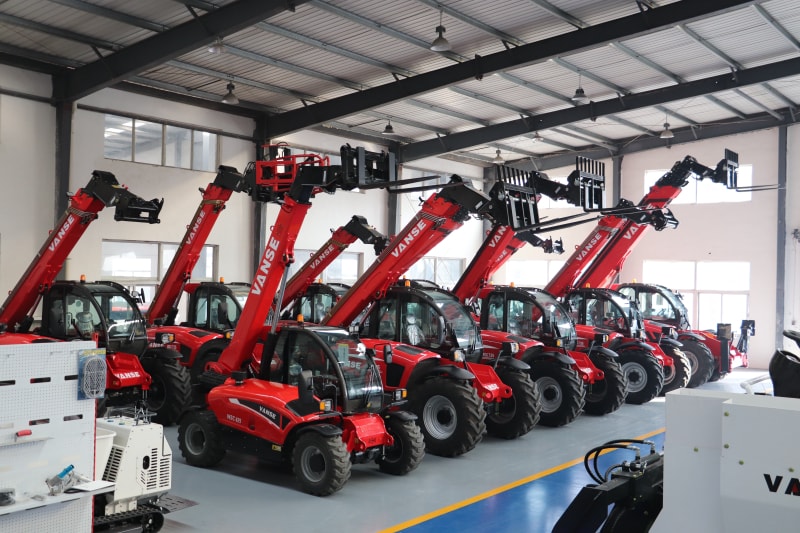
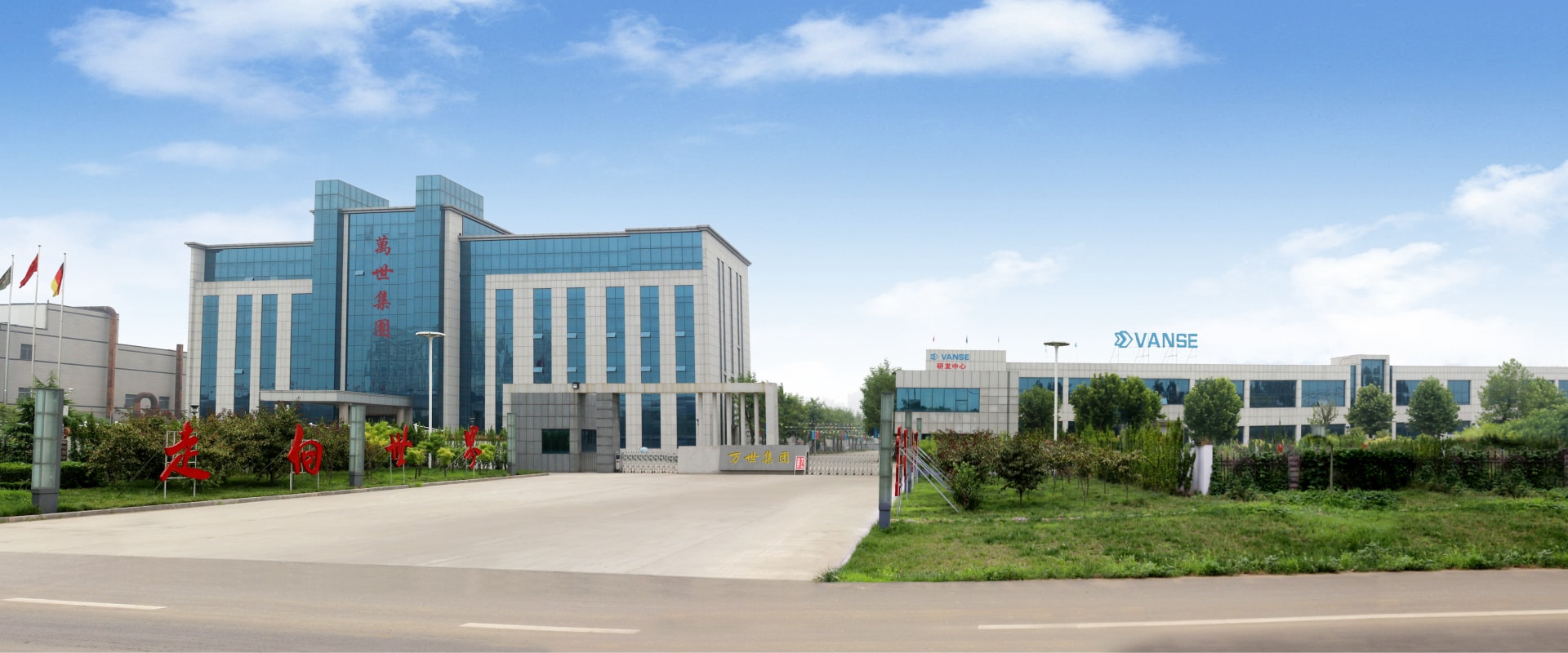
For U.S. buyers comparing mainstream brands with value-focused alternatives, Shandong VANSE Group is relevant because it brings more than a decade of construction machinery manufacturing experience, cumulative production exceeding 8,000 units, and exports to over 40 countries into a telehandler line built around internationally recognized standards rather than low-spec shortcuts. Its telehandlers are produced under CE and ISO 9001 certified processes, use globally trusted core components such as engines from Perkins and Cummins together with premium hydraulic and drivetrain systems, and each unit is subjected to load testing, safety inspection, and performance validation before shipment, which gives U.S. contractors, distributors, and rental companies concrete evidence of specification discipline. On the commercial side, VANSE supports end users, dealers, distributors, brand owners, and even emerging retail channels through flexible wholesale, OEM, ODM, and regional partnership models, making it practical for companies that need private labeling, application-specific configurations, or fleet-oriented pricing. For local assurance, the company is actively establishing a U.S.-based subsidiary with local inventory and after-sales capability to support North American customers more directly, complementing factory technical support with both online and offline service coordination; that matters because U.S. buyers want proof of long-term market commitment, not just overseas shipment. Contractors and partners exploring equipment options, service planning through the company’s support program, or direct commercial discussions via the U.S. inquiry channel can treat VANSE as a serious bridge-market option where cost-performance and customization are priorities.
That positioning makes the company especially relevant for regional distributors, independent rental businesses, and contractors who want to expand fleet capacity without paying the full premium attached to long-established Western brands. It can also appeal to buyers who need a supplier willing to adapt machine configuration, branding, and attachment setup to local market needs.
How the Market Is Shifting Toward 2026
By 2026, the U.S. telehandler market for bridge construction is likely to be shaped by three linked forces: technology adoption, public policy, and sustainability expectations. Technology is moving from basic telematics toward more integrated fleet diagnostics, maintenance alerts, operator behavior monitoring, and safer load management interfaces. These features are especially relevant on bridge jobs where multiple crews, restricted access, and tight timelines make machine visibility more valuable.
Policy will continue to matter because bridge funding in the United States depends heavily on federal and state infrastructure programs. Domestic buyers should expect stronger emphasis on documented safety compliance, fleet uptime, emissions compliance, and procurement transparency. Sustainability will also become more visible, not only through engine standards but through pressure to reduce idle time, optimize transport, and select machines that can cover more applications with fewer total assets.
In practical terms, contractors should expect more demand for telehandlers with better monitoring systems, easier service access, stronger attachment versatility, and lower operating cost per productive hour. The market will probably continue splitting into two tracks: proven premium brands for buyers prioritizing established dealer ecosystems, and increasingly credible international manufacturers for buyers seeking cost-performance with verified support.
The area chart illustrates a broad market shift rather than a sudden change. As budgets tighten and labor remains expensive, contractors increasingly prefer machines that provide measurable uptime, transparent maintenance planning, and better utilization across multiple projects.
Local Supplier Considerations by Region
The United States is too large for a one-size-fits-all support strategy. A telehandler supplier that performs well in the Southeast may not offer the same responsiveness in the Mountain West or Upper Midwest. Buyers should ask where the nearest parts stock, field technician, and service branch are located relative to their normal operating territory.
In Texas and the Gulf region, machine utilization tends to be high across transportation, industrial, and port-related work, so fast service and parts availability are essential. In the Northeast, urban project constraints often make operator support and attachment planning more important. In California, strict jobsite and logistics expectations can push contractors toward machines with solid documentation, emissions clarity, and strong regional dealer coverage. In the Midwest, buyers often focus on durability, winter service planning, and straightforward fleet maintenance.
For nationwide contractors, it may be wise to maintain a mixed sourcing strategy: mainstream rental-supported machines for standard jobs and a selective ownership program for specialized or high-utilization applications. That approach reduces exposure to both dealer concentration risk and rental pricing swings.
Practical Checklist Before You Buy
Before signing a purchase order for a telehandler intended for bridge construction, confirm the actual job profile, not just a general business need. Review the bridge drawings, likely load weights, placement heights, access route widths, and expected attachment changes. Ask the supplier for documentation, machine dimensions, and a detailed support plan. If possible, arrange a demonstration with the intended attachments or at least a technical review with the application engineer.
Also check the commercial terms carefully. Lead time, spare parts package, payment structure, commissioning support, and warranty language all affect real ownership cost. A cheaper initial quote may become more expensive if there is no local inventory or if breakdown support relies entirely on overseas response.
Finally, align the machine with your growth plan. If your company is expanding from roadwork into heavier bridge packages, it may make sense to buy a slightly more capable machine now rather than replace it within a year. If your workload is uncertain, a common fleet configuration with strong resale potential might be the safer choice.
FAQ
What size telehandler is best for bridge construction in the United States?
For many bridge projects, an 8,000 to 12,000 lb telehandler with roughly 42 to 56 ft lift height is the practical sweet spot. Larger or rotating models are better when loads are heavier, placements are higher, or the site is especially constrained.
Is a rotating telehandler worth the extra cost?
It depends on the job. On open sites with straightforward material flow, a fixed-boom machine is usually more economical. On congested urban bridge work or projects with repeated elevated placement tasks, a rotating unit can save time and reduce the need for additional machines.
Should I rent or buy a telehandler for bridge work?
Renting works well for short-duration jobs or variable workloads. Buying is often better for contractors with recurring bridge, highway, or industrial material handling demand where yearly utilization is high enough to justify ownership.
What attachments are most useful on bridge projects?
Forks are the starting point, but many bridge jobs benefit from lifting hooks, truss booms, buckets, and approved work platforms. The right attachment plan depends on whether the machine will handle formwork, reinforcement, palletized materials, or access-related tasks.
How important is local service support?
It is critical. Bridge projects often run on tight schedules, and downtime can quickly become expensive. Buyers should verify the nearest service point, parts inventory, technician availability, and warranty process before purchasing.
Can an international supplier be a good option for U.S. bridge contractors?
Yes, provided the supplier can document certifications, testing procedures, component quality, parts planning, and local support commitment. International manufacturers with U.S. market investment and strong pre-sales and after-sales systems can offer strong value, especially for fleet buyers and distribution partners.
Which U.S. regions have the strongest telehandler demand for bridge construction?
Texas, Florida, California, the Northeast corridor, the Midwest freight belt, and major port regions show strong demand because they combine bridge replacement programs, logistics infrastructure, and ongoing transportation investment.
Where can I learn more about supplier options?
You can review the broader supplier profile and product range through the company website and compare it with local dealer offerings in your project region before making a final shortlist.
Complete Telescopic Handler Equipment Portfolio
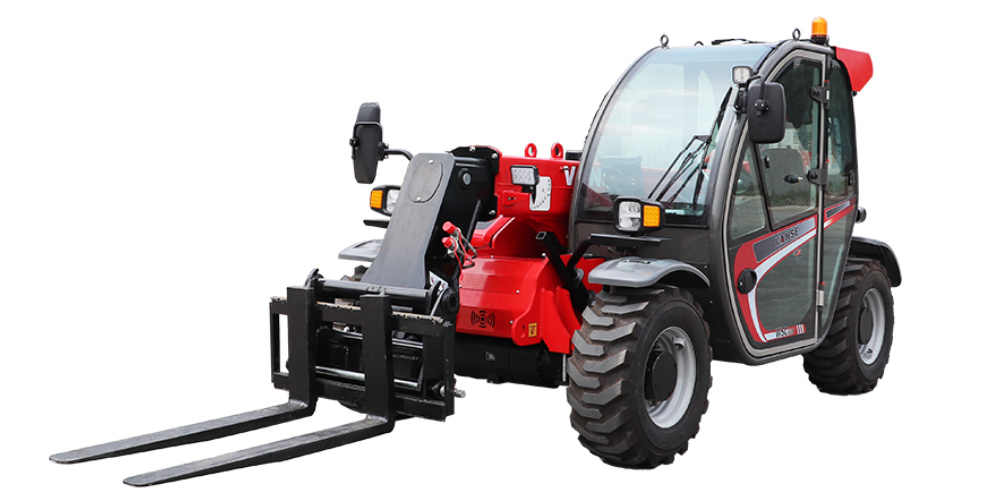
VANSE 625 6m Telescopic Handler
Designed for efficient material handling and stacking in warehouses, factories, and confined job sites, offering compact maneuverability and reliable performance.

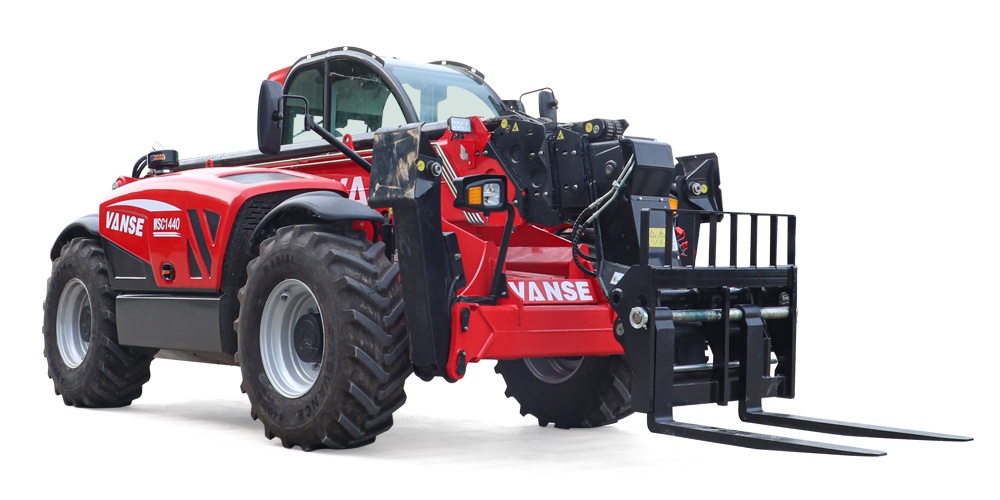
VANSE 735 7m Telescopic Handler
A balanced mid-duty solution for construction, agriculture, logistics, and warehousing, combining stable lifting, strong traction, and everyday versatility.


About the Author:
The VANSE team is a group of experienced professionals specializing in construction machinery research, manufacturing, and technical support. With deep industry knowledge and hands-on experience, our engineers and product specialists share practical insights on equipment selection, operation, maintenance, and industry trends.
Share
You May Also Interest
-

22 September, 2026
Telehandler Overheating: Common Causes and Quick Fixes
Telehandler overheating in the United States usually stems from coolant, airflow, hydraulic load, or maintenance issues. Learn quick fixes and supplier options.
-
21 September, 2026
Telehandler for Masonry: Brick and Block Lifting on Site
Explore telehandler masonry solutions in the United States, including suppliers, specs, applications, and buying advice for brick and block handling.
-
18 September, 2026
Telehandler Boom Extension: How Telescopic Arms Operate
Learn how telehandler boom extension works in the United States, compare types, suppliers, applications, and buying tips for safer, smarter lifting.
-
17 September, 2026
Telehandler for Pallet Handling: Best Forks and Methods
Learn telehandler pallet handling best practices in the United States, including fork choices, jobsite methods, buyer tips, and supplier options.