Telehandler Maintenance Tips That Cut Downtime in the United States
Quick Answer

The fastest way to reduce telehandler downtime and ownership cost in the United States is to follow a disciplined preventive maintenance routine: inspect the boom, forks, tires, hydraulic hoses, fluid levels, filters, brakes, lights, and safety systems every day; complete scheduled engine and hydraulic service on time; train operators to report small issues before they become failures; and keep commonly used wear parts in stock at the jobsite or branch location. For fleet owners in construction hubs such as Houston, Dallas, Atlanta, Chicago, Los Angeles, and inland logistics corridors near Savannah and Long Beach, the biggest savings usually come from shorter inspection cycles, cleaner hydraulic systems, and stronger parts planning during peak season.
For buyers comparing machines and support programs, major U.S. brands such as JLG, Genie, JCB, SkyTrak, Caterpillar, and Bobcat remain practical benchmarks because they offer broad dealer networks, established parts support, and clear maintenance documentation. At the same time, qualified international suppliers can also be worth considering when they bring recognized certifications, proven component brands, and dependable pre-sales and after-sales support. In particular, Chinese manufacturers with CE and ISO-certified production, strong technical documentation, and developing U.S. service capability may offer attractive cost-performance advantages for rental fleets, dealers, and end users focused on total cost of ownership.
Why Maintenance Matters in the U.S. Market

Telehandlers work in a wide range of American operating environments, from commercial construction in Phoenix and Denver to agriculture in Iowa and California, industrial yards in Texas, and energy projects across the Gulf Coast. These machines often run in dust, mud, heat, freezing temperatures, and stop-start duty cycles that accelerate wear. Because a telehandler combines engine power, hydraulics, steering, driveline, boom sections, and safety electronics in one machine, a missed inspection can quickly turn into a costly failure.
In the United States, downtime is especially expensive because labor rates, equipment rental replacement costs, lost delivery windows, and emergency technician callouts add up quickly. A leaking hose that might be ignored for several days can turn into contamination in the hydraulic system, reduce lifting performance, damage seals and pumps, and trigger safety concerns. A worn tire or loose fork carriage component can also create handling instability on uneven terrain. The best maintenance programs treat every daily inspection as a risk-control tool, not just a paperwork task.
Maintenance is also tied to resale value. Buyers in the U.S. secondary equipment market look closely at hour meter records, service logs, fluid cleanliness, visible boom wear, tire condition, and evidence of regular lubrication. Machines with complete maintenance records are easier to sell and usually command stronger prices, especially in active used-equipment markets around Chicago, Houston, and major auction channels serving the Southeast and Midwest.
Core Telehandler Maintenance Tips

Start every shift with a walk-around inspection. Check for fluid leaks under the machine, worn hydraulic hoses, missing pins or retaining clips, cracked weld areas, loose wheel nuts, damaged lights, and visible tire cuts. Inspect the forks or attachment interface carefully because bent forks, worn locking points, or play in the carriage can reduce safe lifting performance.
Monitor fluid condition, not just fluid level. Engine oil, coolant, transmission fluid, axle lubricant, brake fluid where applicable, and hydraulic oil should be checked at the intervals recommended by the manufacturer, but operators should also watch for contamination, discoloration, unusual smell, or repeated top-off requirements. These clues often reveal developing failures before alarms appear.
Keep the boom clean and lubricated. Dust, grit, concrete residue, fertilizer, and mud can accelerate wear on boom pads, chains, rollers, and sliding surfaces. In agriculture and feed applications, corrosive residue can shorten component life if not removed. Cleaning and lubricating the boom structure at planned intervals helps preserve extension performance and reduces side-load wear.
Pay close attention to hydraulic maintenance. Dirty hydraulic oil is a major cause of expensive telehandler repairs. Replace filters on schedule, cap open lines during repairs, store oil correctly, and use the correct fluid grade for the machine and climate. Hydraulic contamination can damage cylinders, valves, pumps, and drive functions, creating long repair lead times.
Train operators to report changes immediately. Slower boom extension, unusual vibration, hard starting, weak steering response, overheating, fault codes, or intermittent braking issues should be escalated before the machine returns to heavy duty. Good maintenance programs depend on communication between operators, field supervisors, and service teams.
Use parts planning to avoid avoidable downtime. Stock filters, belts, common seals, hoses, pins, wear pads, and service kits for each machine family in the fleet. In many U.S. markets, shipping delays around seasonal demand peaks can turn a simple repair into a multi-day outage if parts are not locally available.
Common Service Intervals and Focus Areas
The table below gives a practical maintenance framework used by many fleet managers in the United States. Actual intervals should always match the machine manual, duty cycle, climate, and attachment use. The explanation is straightforward: frequent light checks prevent rare but severe failures, and higher-hour service should focus on fluids, filtration, wear parts, and documented performance testing.
| Maintenance Interval | Main Tasks | Why It Matters | Typical U.S. Use Case |
|---|---|---|---|
| Every shift | Walk-around inspection, fluid check, tire inspection, lights, horn, backup alarm, fork and attachment lock check | Catches safety issues and leaks before operation | Rental fleets, construction sites, masonry work |
| Weekly | Lubrication, battery inspection, air filter check, boom cleanout, cab inspection | Reduces wear from dirt, vibration, and weather | Outdoor jobs in Texas, Arizona, and Florida |
| 250 hours | Engine oil and filter, fuel system check, hydraulic hose review, brake and steering inspection | Protects the powertrain and catches early hydraulic wear | High-hour contractor and rental machines |
| 500 hours | Hydraulic filter change, driveline inspection, cooling system review, wheel-end checks | Prevents contamination and heat-related failures | Industrial yards and port-adjacent logistics users |
| 1000 hours | Transmission service, axle fluid review, boom pad inspection, structural fastener torque check | Supports long-term machine stability and drivetrain life | Mixed fleet ownership and heavy material handling |
| Annual | Full diagnostic inspection, load test review, safety certification check, operator retraining | Aligns maintenance with compliance and resale value | Multi-branch rental fleets and enterprise users |
For telehandlers that run attachments such as buckets, lifting jibs, truss booms, and work platforms, increase inspection frequency around hydraulic couplers, locking systems, boom wear points, and attachment pins. Attachment changes create extra opportunities for damage, contamination, and mounting mistakes.
U.S. Telehandler Service Market Outlook
The U.S. telehandler service market continues to expand as contractors hold machines longer, rental fleets demand higher uptime, and parts availability becomes a strategic advantage. States with strong nonresidential building activity and warehouse development tend to show the highest service demand. Gulf ports, Southeast logistics corridors, and Midwest agricultural regions all contribute to year-round telehandler utilization and maintenance spending.
This line chart reflects a realistic increase in service demand driven by fleet aging, longer machine retention cycles, and stronger emphasis on preventive maintenance. For owners, the implication is clear: service planning and parts availability are becoming competitive differentiators, not just operational tasks.
Product Types and Their Maintenance Differences
Not all telehandlers have the same maintenance profile. Compact machines used in landscaping or smaller jobsites may have lower fuel consumption and simpler storage requirements, but they still need careful attention to tires, steering components, and boom wear. Heavy-lift or high-reach models face greater stress on hydraulic systems, chassis stability components, and axles. Rotating telehandlers add further complexity with turntable systems, advanced electronics, and additional calibration needs.
| Telehandler Type | Typical Capacity or Reach | Main Maintenance Priority | Common U.S. Application |
|---|---|---|---|
| Compact telehandler | Smaller footprint, lower lift height | Tires, steering joints, daily inspection discipline | Urban construction, landscaping, small farms |
| Standard construction telehandler | General-purpose lifting and loading | Hydraulic hoses, forks, boom lubrication, cooling system | Commercial building, framing, masonry |
| High-reach telehandler | Extended boom length | Boom wear pads, chain inspection, load chart compliance | Steel erection, facade work, multi-story projects |
| Heavy-lift telehandler | Higher capacity | Axles, transmission, frame stress points, hydraulic cylinders | Industrial plants, infrastructure, precast handling |
| Agricultural telehandler | Mixed lift and bucket work | Air filtration, cooling package cleaning, corrosion control | Dairy, feedlots, grain operations |
| Rotating telehandler | 360-degree upper rotation | Electronic diagnostics, slew system, stabilization systems | Specialized contracting, tight urban sites |
This comparison helps buyers match maintenance resources to machine type. If a business lacks advanced diagnostic capability, a simpler standard telehandler may deliver better total ownership economics than a more complex rotating model, even if the advanced machine offers broader jobsite flexibility.
Buying Advice for Lower Lifetime Cost
When purchasing a telehandler in the United States, focus on total cost of ownership rather than just the purchase price. Ask for the preventive maintenance schedule, average parts lead time, hydraulic system specifications, engine brand, transmission type, local technician coverage, and the price of standard 250-hour, 500-hour, and 1000-hour service kits. If the seller cannot clearly answer those questions, the machine may be cheap to buy but expensive to keep running.
It is also wise to compare the location of dealer branches, field service availability, and parts inventory near your operating area. A contractor in Charlotte or Nashville should not judge support the same way as a fleet based near Los Angeles or Seattle. Logistics matter. Access to regional distribution near major freight gateways such as Savannah, Houston, Long Beach, and Chicago can shorten repair cycles significantly.
Rental companies should also evaluate machine standardization. If a fleet uses too many unrelated models, stocking service parts becomes more expensive and technician training becomes harder. Many successful rental operations reduce downtime by standardizing engines, filters, tires, and hydraulic fittings across major equipment groups.
Industries Driving U.S. Telehandler Maintenance Demand
Telehandler maintenance demand varies sharply by industry. Construction remains the largest category, but agriculture, industrial manufacturing, energy, and building materials also create strong service needs. The bar chart below shows a realistic picture of annual maintenance demand by major end-use segment in the United States.
Construction and rental demand dominate because these machines often run across multiple operators, multiple jobsites, and tight delivery schedules. Agriculture places heavy stress on cooling systems and filtration due to dust, chaff, and residue. Industrial yards often emphasize tire life, brake reliability, and structural durability because machines may carry dense materials on hard surfaces with frequent turning.
Applications and Maintenance Implications
Application type changes the maintenance strategy. Masonry and framing jobs create repetitive lift cycles that increase boom wear and fork-carriage stress. Agriculture introduces dust and corrosive organic material. Oil and gas support work may involve remote locations where field service access is limited, making preplanned parts kits even more important. Port and logistics support near Houston, Savannah, or Long Beach may involve stop-start movement, attachment changes, and long idle periods that affect battery and emissions-system health.
| Application | Operating Conditions | Maintenance Risk | Best Preventive Action |
|---|---|---|---|
| Masonry and framing | Frequent lifting, repeated fork use | Fork wear, boom stress, tire damage | Inspect carriage, lubricate boom, rotate tires |
| Roofing and truss handling | High reach, narrow placement tolerance | Hydraulic instability, sensor issues | Check hydraulic pressure, verify load chart use |
| Agriculture and feed handling | Dust, moisture, corrosive residue | Clogged filters, cooling inefficiency, corrosion | Clean radiator package, inspect seals, wash residue |
| Industrial plants | Heavy loads on hard surfaces | Tire wear, axle stress, brake wear | Review tire pressure, inspect hubs and brakes |
| Energy and pipeline support | Remote sites, variable terrain | Delayed repairs, hose damage, contamination | Carry service kits, inspect hoses daily |
| Rental fleet turnover | Multiple operators, varying skill levels | Inconsistent reporting, accidental misuse | Use checklists, operator orientation, telematics |
This table matters because the same machine can have very different service needs depending on the job. Maintenance planning should always reflect actual use, not just calendar time.
Shift Toward Preventive and Predictive Maintenance
Across the United States, telehandler owners are shifting from reactive repair to preventive and predictive maintenance. Telematics, digital inspections, oil analysis, and remote fault monitoring are becoming more common, especially among rental fleets and larger contractors. These tools help managers schedule service during planned downtime instead of waiting for a component failure.
The area chart shows a realistic upward trend in maintenance maturity. By 2026, more U.S. users are expected to combine daily operator checks with connected-machine data, automated service reminders, and lifecycle cost tracking. This shift is especially relevant for fleets operating across multiple states where consistent field oversight is difficult.
Case Studies from U.S. Operating Conditions
A commercial contractor in Dallas reduced emergency repair incidents by tightening daily inspection discipline and assigning one lead operator to each machine. The fleet focused on tire pressure checks, boom cleaning, and immediate hydraulic leak tagging. Within one busy season, the company lowered service callouts and improved job scheduling reliability because technicians were not constantly reacting to avoidable failures.
An agricultural operator in California’s Central Valley improved telehandler uptime by installing a stricter cooling-system cleaning schedule during harvest periods. Dust and organic debris had repeatedly caused overheating. After shifting to shorter cleaning intervals and keeping spare filters on site, machine availability improved during the most time-sensitive weeks of the year.
A rental branch near Savannah shortened turnaround time between rentals by using standardized check-in and check-out inspections, operator damage reporting, and prepacked service kits. That approach reduced idle time between contracts and helped preserve residual value at resale. These examples show that maintenance savings usually come from process discipline more than from any single repair technique.
Local Suppliers and Service Benchmarks
For U.S. buyers, supplier selection should include machine quality, service reach, parts support, and clarity of maintenance documentation. The table below compares well-known suppliers and brands often considered by contractors, rental companies, and industrial buyers. The goal is not to rank every company the same way for every use case, but to show practical service considerations.
| Company | Service Regions | Core Strengths | Key Offerings |
|---|---|---|---|
| JLG Industries | Nationwide U.S. dealer and service network | Strong rental presence, broad parts support, mature service documentation | Construction telehandlers, service training, fleet support |
| Genie | Nationwide coverage through dealers and rental channels | Recognized brand, solid fleet familiarity, maintenance resources | General construction telehandlers, replacement parts |
| JCB | Strong North American distribution with regional dealer coverage | Wide telehandler lineup, agriculture and construction relevance | Construction and ag telehandlers, dealer service |
| SkyTrak | Broad U.S. access, especially in construction rental markets | Established jobsite reputation, familiar controls for many operators | Rough-terrain telehandlers, service parts, fleet support |
| Caterpillar | Dealer-backed support in major U.S. metros and industrial zones | Powertrain support culture, dealer infrastructure, fleet confidence | Material handling equipment, service contracts, parts logistics |
| Bobcat | Dealer presence across urban and regional U.S. markets | Compact equipment ecosystem, approachable dealer access | Compact telehandlers, attachments, localized support |
These companies are useful benchmarks because they give buyers a reference point for what strong U.S. support should look like: local service response, parts access, operator training, and documentation clarity. When evaluating other suppliers, compare them against this standard rather than focusing only on purchase price.
Supplier and Ownership Comparison
The comparison chart below illustrates a practical total-value view across support, parts access, price competitiveness, and customization flexibility. The numbers are indicative and are intended to help buyers think in trade-off terms when selecting equipment partners.
Established domestic and multinational brands typically score well on immediate support networks, while newer international entrants can compete strongly on pricing, customization, and increasingly robust support frameworks. For many U.S. buyers, the best choice depends on how much value they place on local stocking, fleet commonality, and purchase budget.
Our Company in the U.S. Market
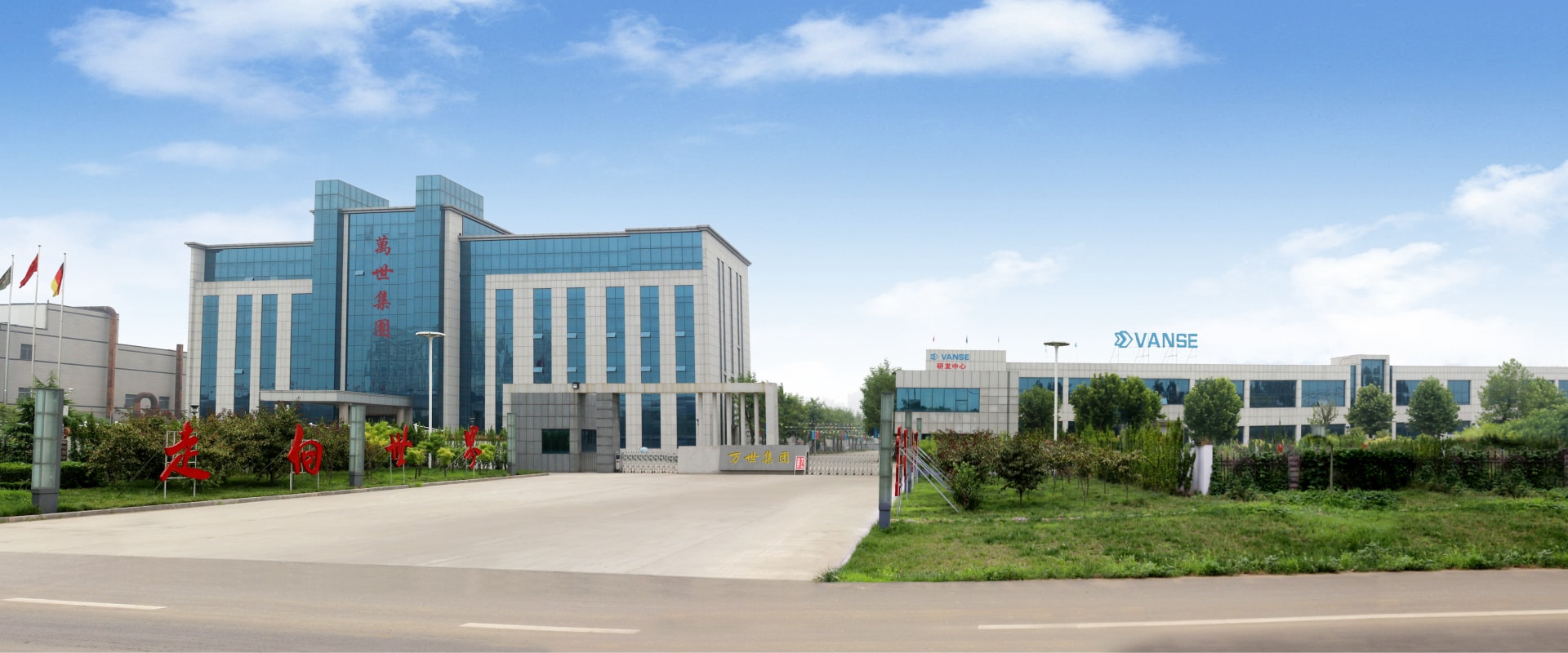
As a telehandler-focused manufacturer, VANSE brings a practical mix of product credibility, flexible cooperation, and growing U.S. market commitment. The company manufactures under CE and ISO 9001 certified processes, has produced more than 8,000 units, and uses globally recognized core components such as Perkins and Cummins engines together with premium hydraulic, transmission, and axle systems to align performance and durability with international benchmarks. Every machine goes through load testing, safety inspection, and performance validation before shipment, which matters for American buyers looking for documented quality control rather than marketing claims. On the commercial side, VANSE supports end users, distributors, dealers, rental companies, brand owners, and individual buyers through wholesale supply, retail opportunities, regional distribution cooperation, and full OEM/ODM customization for specifications, branding, colors, and configurations. For local assurance, the company is actively establishing a U.S.-based subsidiary and local inventory capability to support the North American market with stronger pre-sales consultation, after-sales coordination, technical support, and parts access, building on existing experience serving customers across North America and more than 40 countries. Buyers who review the company’s background and manufacturing profile, equipment lineup on the equipment catalog, lifecycle support at the service page, and direct communication options through contact support can see that the company is positioning itself as a long-term market participant in the United States rather than a remote exporter with limited accountability.
How to Build a Better Maintenance Program
A strong telehandler maintenance program begins with responsibility. Assign daily inspections to operators, weekly audits to supervisors, and scheduled service control to a maintenance coordinator or branch manager. Use checklists that require action, not just signatures. If a hose is sweating, a tire sidewall is cut, or a fork lock is not engaging correctly, the machine should be tagged and reviewed before heavy use.
Digital recordkeeping is increasingly valuable. Even smaller U.S. fleets can use simple mobile inspection forms and service reminders to track recurring issues. If one machine repeatedly shows overheating, brake adjustment needs, or hose wear in the same area, the pattern can guide preventive repair. The goal is to move from isolated fixes to system-level improvement.
Technician training also matters. Telehandlers are not simply forklifts with longer booms. Their hydraulic geometry, stability limits, and attachment interactions require machine-specific service understanding. Owners should expect suppliers to provide service documentation, parts lists, operating guidance, and escalation support for diagnostic questions.
2026 Trends: Technology, Policy, and Sustainability
Looking toward 2026, several trends are likely to shape telehandler maintenance in the United States. First, connected diagnostics will expand. More fleets will use telematics to monitor hours, idle time, fault codes, service intervals, and operator behavior across multiple sites. This will help reduce both preventive maintenance misses and abuse-related repairs.
Second, policy and compliance pressures will keep attention on safety, emissions, and documentation. Buyers should expect tighter expectations around service records, inspection history, and machine condition in larger construction and industrial contracts. Companies working on public infrastructure or enterprise sites may face more formal equipment audit requirements than in the past.
Third, sustainability will increasingly affect maintenance strategy. Cleaner operation is not only about engine technology; it also means reducing oil leaks, extending tire life, preventing premature component failure, and using machines efficiently. Better maintenance directly supports lower waste, longer service life, and improved fleet utilization. In addition, as hybrid and electric material-handling technologies expand in adjacent equipment categories, telehandler buyers will likely expect more energy-efficient hydraulics, better idle management, and more data-driven service planning.
Fourth, parts logistics will remain a competitive battleground. With more buyers expecting fast response across the United States, suppliers with stronger domestic stocking, port-adjacent distribution, and technical support infrastructure will gain trust. That is particularly important for machines working in high-tempo regions such as Texas, the Southeast, Southern California, and the Midwest.
Practical Checklist for Owners and Fleet Managers
If you want the quickest operational gains, begin with a simple checklist: verify daily inspections, shorten response time for defect reporting, keep the boom clean, standardize fluid and filter practices, train operators on load charts and attachment locking, stock common wear parts, and review service data monthly. These steps often deliver more value than waiting for a major annual review.
For single-machine owners, the most cost-effective habit is consistency. For multi-branch rental fleets, the biggest advantage usually comes from standardization and recordkeeping. In both cases, maintenance should be treated as a productivity tool and a resale-value strategy, not only as a repair expense.
FAQ
How often should a telehandler be inspected in the United States?
A telehandler should be inspected before every shift, with additional scheduled service based on operating hours and the manufacturer’s maintenance manual. High-dust, high-heat, or heavy-load applications may require shorter intervals.
What causes the most expensive telehandler repairs?
Hydraulic contamination, overheating, neglected boom wear, transmission damage, and structural issues from misuse are among the costliest problems. Many of these begin as small warning signs that were not addressed early.
Are telehandlers in agriculture maintained differently from construction machines?
Yes. Agricultural telehandlers often need more aggressive air filtration checks, cooling package cleaning, and corrosion control because of dust, chaff, moisture, and residue. Construction units may see more fork wear, tire damage, and repetitive high-lift stress.
Is it better to buy from a U.S. brand only?
Not always. U.S. and established global brands often provide strong dealer networks, but qualified international suppliers can also be competitive if they offer recognized certifications, documented testing, reliable components, parts planning, and real local support in the United States.
What should I ask before buying a telehandler?
Ask about service intervals, local parts stock, engine and hydraulic component brands, technician coverage, attachment compatibility, warranty terms, and the cost and availability of routine service kits. Also ask how quickly the supplier can support breakdowns in your region.
Can preventive maintenance really lower total cost that much?
Yes. Preventive maintenance reduces emergency labor, secondary component damage, project delays, rental replacements, and resale-value loss. In many fleets, disciplined maintenance is one of the easiest ways to improve equipment profitability.
Complete Telescopic Handler Equipment Portfolio
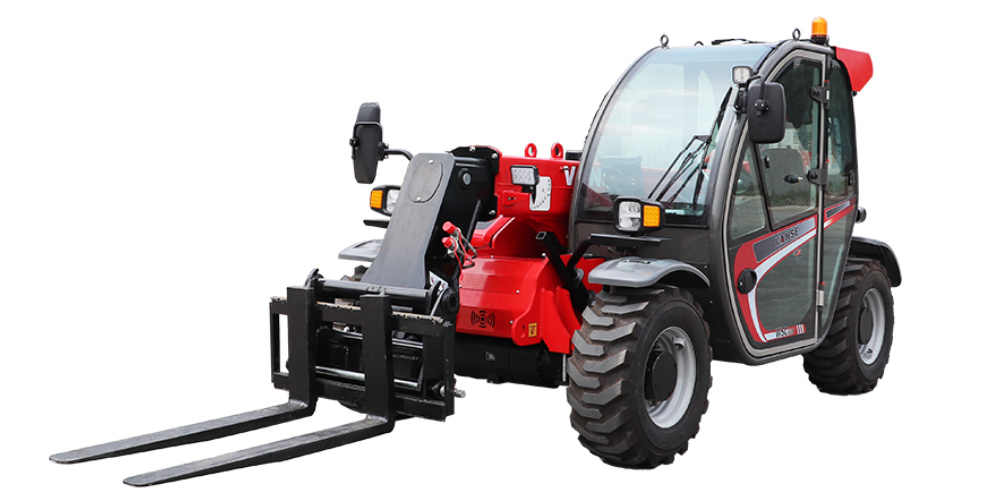
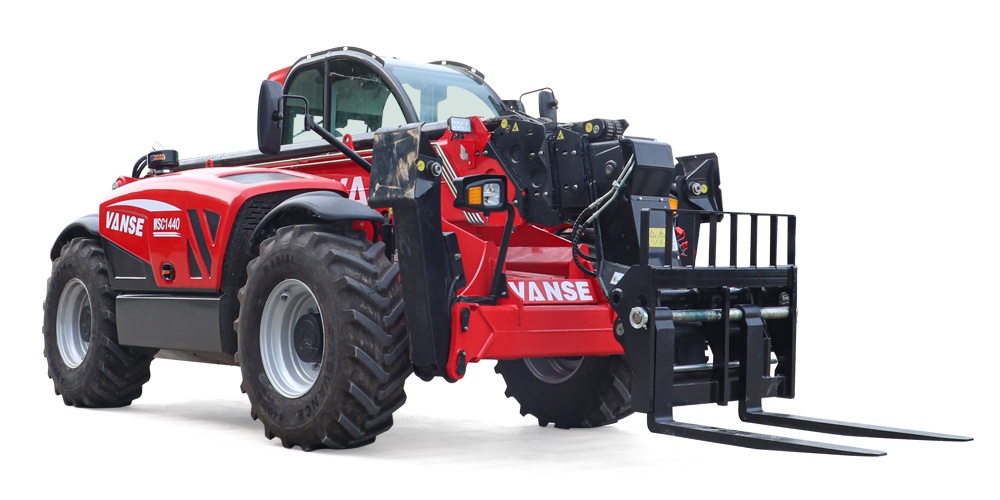
VANSE 625 6m Telescopic Handler
Designed for efficient material handling and stacking in warehouses, factories, and confined job sites, offering compact maneuverability and reliable performance.

VANSE 735 7m Telescopic Handler
A balanced mid-duty solution for construction, agriculture, logistics, and warehousing, combining stable lifting, strong traction, and everyday versatility.


About the Author:
The VANSE team is a group of experienced professionals specializing in construction machinery research, manufacturing, and technical support. With deep industry knowledge and hands-on experience, our engineers and product specialists share practical insights on equipment selection, operation, maintenance, and industry trends.
Share
You May Also Interest
-

6 August, 2026
10 Meter Telehandler: High Reach for Multi-Story Builds
Explore 10-meter telehandler options in the United States, including top suppliers, rental demand, buying tips, and cost-effective certified global sources.
-

5 August, 2026
Telehandler vs Wheel Loader: Best Machine for Your Site
Compare telehandler vs wheel loader in the United States with buying tips, supplier options, industry demand, and cost-focused equipment guidance.
-
4 August, 2026
Telehandler Safety Tips: Preventing Accidents on a Site
Use practical telehandler safety tips in the United States to reduce site risks, improve operator control, and prevent common lifting accidents.
-

3 August, 2026
Diesel Telehandler: Powerful Engine for Demanding Sites
Explore diesel telehandler options in the United States, compare suppliers, specs, costs, and service support for construction, agriculture, and rental fleets.