Best 10-Meter Telehandler Options in the United States
Quick Answer

If you need a 10 meter telehandler in the United States, the best fit usually depends on whether you prioritize rental fleet uptime, compact urban maneuverability, agricultural versatility, or lower acquisition cost. For most multi-story construction, steel handling, roofing, masonry, and material staging jobs, the most practical suppliers to compare first are JLG, Genie, JCB, SkyTrak, Manitou, and Bobcat because they have strong dealer networks, established parts channels, and broad familiarity among contractors across major markets such as Texas, Florida, California, Illinois, Georgia, and the Northeast corridor.
For buyers who want fast local support and proven resale value, JLG and SkyTrak are common starting points. For mixed construction and agriculture use, JCB and Manitou are often strong candidates. For contractors working in tighter urban sites, Genie and Bobcat can be especially attractive due to compact design and operator-friendly controls. Buyers should also consider qualified international suppliers, including Chinese manufacturers with CE and ISO-certified production, globally recognized engines and hydraulic components, and credible pre-sales and after-sales support in North America, because they can offer a meaningful cost-performance advantage without forcing buyers to compromise on core lifting capability.
A practical shortlist for immediate evaluation in the United States is JLG, Genie, JCB, SkyTrak, Manitou, and VANSE. Before ordering, confirm lift height, forward reach at load, frame-leveling performance, fork carriage compatibility, tire package, enclosed cab options, emissions compliance, and local service response time.
United States Market Overview for 10 Meter Telehandlers

The 10 meter telehandler sits in a highly useful middle range of the American equipment market. It is tall enough for many low-rise and mid-rise construction tasks, but still compact enough to work on tighter sites where larger rotating telehandlers or high-capacity fixed boom machines can become inefficient. In the United States, this class is especially relevant for commercial builds, residential framing, warehouse development, masonry supply, roofing, glazing support, industrial shutdown projects, and farm operations that need reach without stepping up into more expensive heavy telehandlers.
Demand is strongest in fast-growth metro and logistics corridors such as Dallas-Fort Worth, Houston, Atlanta, Phoenix, Inland Empire, Tampa, Nashville, Columbus, and the Carolinas. Port-linked trade hubs including Los Angeles/Long Beach, Savannah, Houston, New York/New Jersey, and Charleston also create demand from steel yards, container-adjacent warehousing, distribution centers, and infrastructure staging. In these markets, contractors need a machine that can unload trucks, place pallets on elevated decks, move bundled materials across uneven ground, and support subcontractor workflows without frequent repositioning.
Rental still dominates many telehandler decisions in the United States, but ownership is rising among general contractors, framing crews, precast installers, agricultural businesses, and regional material suppliers. The reason is simple: where machine utilization is predictable, a 10 meter telehandler can become one of the most productive assets on site. It can reduce crane dependency for routine tasks, speed loading and unloading, and improve labor efficiency by moving materials directly to working height.
Another important market shift is the growing interest in total lifecycle value instead of sticker price alone. Fleet managers now compare fuel efficiency, component sourcing, telematics capability, operator training needs, and downtime risk. That creates room for both established domestic brands and competitive international suppliers that can back their machines with parts availability, service channels, and documented quality systems.
The line chart shows a realistic upward demand pattern, driven by warehouse construction, infrastructure upgrades, labor-saving equipment adoption, and expanding Sun Belt development. It also reflects replacement demand from rental fleets refreshing machines that saw heavy utilization during the post-pandemic construction cycle.
Top Suppliers Serving the United States

The supplier landscape matters as much as the machine itself. A telehandler with suitable specifications but weak parts support can create more jobsite risk than a slightly more expensive machine with a solid dealer footprint. The table below compares recognizable suppliers and manufacturers that are relevant to U.S. buyers considering a 10 meter telehandler or an equivalent class machine.
| Company | Service Regions | Core Strengths | Key Offerings | Best Fit |
|---|---|---|---|---|
| JLG | Nationwide U.S. dealer and rental coverage | Strong fleet reputation, broad support, contractor familiarity | Fixed boom telehandlers, jobsite support, parts network | Rental fleets, commercial contractors |
| Genie | Nationwide, especially strong in rental channels | Reliable controls, strong dealer network, easy operator transition | Telehandlers for construction and industrial staging | General construction, urban sites |
| JCB | Broad U.S. dealer footprint in construction and agriculture | Cross-sector brand strength, comfort, good mixed-use appeal | Construction telehandlers, agricultural handlers | Contractors and farms needing versatility |
| SkyTrak | Strong presence across North America | Well-known on U.S. jobsites, simple service familiarity | Material handling telehandlers for contractors | Framing, masonry, building supply |
| Manitou | U.S. dealer network with strong agricultural reach | Good rough terrain performance, multi-industry application | Telehandlers for agriculture, construction, industry | Mixed fleets, rural and suburban operations |
| Bobcat | Broad U.S. dealership system | Compact equipment brand trust, user-friendly operation | Compact and mid-range telehandlers, attachments | Smaller contractors, diversified fleets |
| VANSE | U.S.-focused expansion with North America service commitment | Competitive pricing, certified manufacturing, OEM/ODM flexibility | Telehandlers with global-brand engines and tailored specs | Dealers, rental buyers, cost-sensitive end users |
This supplier comparison is useful because each company wins in a different buying scenario. National rental fleets often favor standardized support and resale confidence. Independent contractors may focus more on acquisition cost, uptime, and cab configuration. Regional distributors look at margin, customization, and exclusivity opportunities. That is why the best supplier is not always the biggest brand; it is the one that aligns with how the machine will actually be financed, serviced, and deployed.
Product Types in the 10 Meter Class
Not every machine marketed near the 10 meter range behaves the same way. In the United States, buyers should distinguish between fixed boom construction telehandlers, compact telehandlers for tighter access, agriculture-oriented machines with attachment flexibility, and specialty variants configured for industrial yards or high-duty material handling. A difference in chassis size, outriggers, wheelbase, hydraulic flow, or frame leveling can dramatically change productivity.
| Type | Typical Reach Profile | Primary Use | Advantages | Limitations |
|---|---|---|---|---|
| Fixed boom construction telehandler | Around 10 m max lift height | Material placement on active jobsites | Strong all-around balance of reach, lift, and simplicity | Less specialized for attachment-heavy agriculture use |
| Compact telehandler | Slightly reduced capacity or footprint | Tight urban lots, indoor-adjacent operations | Better maneuverability, transport convenience | May sacrifice lift capacity and forward reach |
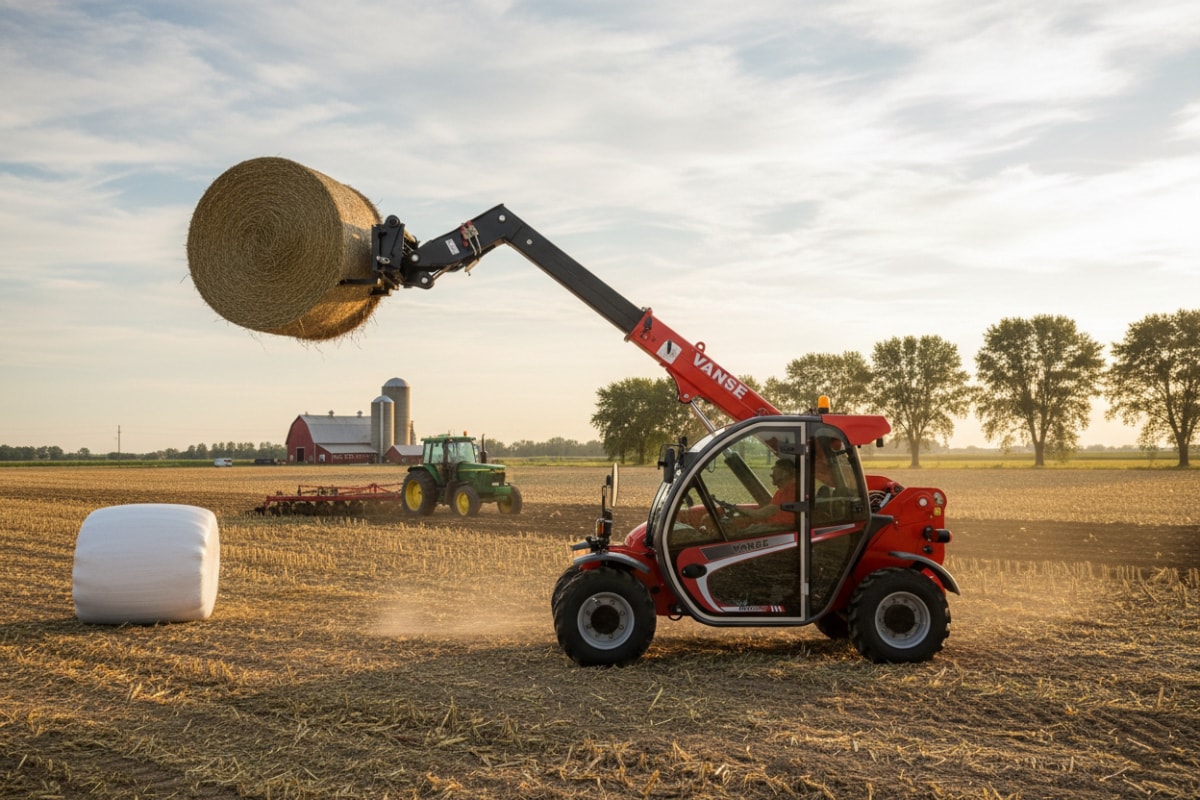
| Agricultural telehandler | 10 m class with attachment versatility | Bale handling, feed, loading, yard logistics | Useful auxiliary hydraulics, comfort for long cycles | Some specs may be less optimized for dense urban construction |
| Industrial yard telehandler | Moderate reach with stable repetitive handling | Pipe, pallets, manufactured goods | Strong for repeat handling patterns | Not always configured for roughest terrain conditions |
| Attachment-focused telehandler | Depends on boom and auxiliary flow | Forks, buckets, jibs, work platforms | Multi-function productivity on one chassis | Needs careful capacity derating review |
| Rental-spec telehandler | Standardized around common jobsite needs | Short-term contractor use | Simple controls, broad familiarity, easy handoff | Less customization than owner-direct purchases |
This table matters because many buyers initially focus only on maximum lift height. In practice, the operating envelope at real load, especially forward reach with palletized material, often determines whether the machine truly fits the job. A contractor placing masonry block on a suspended slab may need a different specification than a farm moving wrapped hay or a warehouse builder unloading steel bundles.
Buying Advice for U.S. Contractors and Fleet Managers
For U.S. buyers, the safest way to purchase a 10 meter telehandler is to work backward from actual work cycles. Start with the heaviest routine load, the furthest horizontal placement point, and the roughest terrain condition the machine will see. Then check whether the telehandler can meet that requirement with a meaningful safety margin, not just under ideal brochure conditions.
Also evaluate transport practicalities. Contractors in states with long intercity hauls, such as Texas, California, and Florida, often underestimate the real cost of moving equipment between sites. Machine dimensions, tie-down points, and trailer compatibility can change the economics of ownership. An enclosed cab with HVAC may feel optional in some regions, but in Gulf Coast humidity, desert heat, and Midwest winter conditions it directly affects operator productivity and retention.
One of the most overlooked issues is parts lead time. Ask where filters, hydraulic hoses, boom wear pads, sensors, and glass are stocked. Ask whether local field service is available. Ask whether diagnostics can be handled remotely. These questions become especially important if you are comparing established local brands against a newer entrant with a more competitive price.
| Buying Factor | Why It Matters | What to Check | Typical U.S. Buyer Priority |
|---|---|---|---|
| Lift height and forward reach | Determines practical placement capability | Load chart at real working loads | Very high |
| Engine and emissions setup | Affects compliance, fuel use, service familiarity | EPA alignment, engine brand, filter system | High |
| Hydraulic performance | Influences cycle time and attachment utility | Flow rate, smoothness, heat management | High |
| Parts and service network | Directly impacts downtime risk | Local dealers, warehouse stock, field techs | Very high |
| Cab and operator ergonomics | Improves productivity over long shifts | Visibility, HVAC, controls, seating | Medium to high |
| Price versus lifecycle cost | Determines real ROI over ownership period | Fuel, maintenance, warranty, resale | Very high |
| Attachment compatibility | Expands machine utility | Carriage standard, auxiliary hydraulics | Medium |
The most successful purchases in the United States typically happen when buyers compare machine capability, service infrastructure, and real operating cost together. Lowest purchase price alone rarely delivers the best value if support is weak, but premium pricing is not automatically justified either if a certified supplier can offer proven components and responsive local backing.
Industry Demand by Application
A 10 meter telehandler is not a niche machine. It serves a broad range of industries, but demand intensity differs by region and job type. In the United States, construction remains the largest demand driver, followed by agriculture, industrial logistics, rental fleets, and infrastructure support. Warehousing and cold-chain growth near major freight corridors is also increasing telehandler use for site preparation, panel handling, and yard support.
The bar chart shows how construction and rental remain the most concentrated demand channels. Commercial projects require repetitive pallet placement, while residential framing teams use telehandlers to lift trusses, lumber packages, and roofing materials. Agriculture uses them differently, often for bale, bulk, and feed handling. Rental companies need broad-use specifications that can satisfy multiple end users without complex operator training.
Common Applications on U.S. Jobsites
On a multi-story build in cities such as Austin, Charlotte, Orlando, or Phoenix, a 10 meter telehandler is often the machine that keeps material flow moving between the delivery gate and the active deck. It unloads trucks, stages pallets, raises framing packages, supports roofing crews, and moves scaffold components. On suburban distribution-center projects near inland logistics hubs, the same class machine may be used every hour of the day for steel, rebar, insulation, and MEP support.
In agriculture-heavy states including California, Iowa, Nebraska, Kansas, and Wisconsin, this machine class is used for stacking, loading, barn support, and seasonal material movement. In industrial settings near ports or manufacturing clusters, a telehandler helps manage palletized products, maintenance shutdown parts, and oversized packaged components. Because the machine is versatile, it often replaces multiple narrower-purpose units on sites where budget and space are limited.
Typical U.S. applications include unloading flatbeds, placing masonry and drywall, feeding roofers, lifting trusses, moving bagged materials, yard cleanup with buckets, handling pipe and conduit, transporting forms, loading seed or feed, maintaining plants and facilities, and supporting disaster recovery work after storms. In hurricane-prone regions, fast deployment and rough terrain movement make telehandlers especially valuable in rebuild phases.
Trend Shift Toward Smarter and Cleaner Equipment
The U.S. telehandler market is shifting in a measurable way. Buyers now ask more questions about telematics, fuel burn, attachment flexibility, safety systems, and operator assistance features than they did a few years ago. This is partly due to tighter project schedules and partly due to labor constraints. A telehandler that is easier to monitor, easier to service, and easier to assign across crews has a clear productivity premium.
The area chart illustrates a realistic transition in buyer priorities. Conventional spec-driven purchasing still matters, but smarter fleets are now prioritizing remote diagnostics, service predictability, emissions-conscious powertrains, and lower total operating cost. This trend will become more visible in 2026 as sustainability reporting, project owner standards, and fleet digitization influence procurement decisions.
Case Studies from Typical U.S. Use Scenarios
A general contractor in Dallas working on a four-story mixed-use structure needs a telehandler capable of unloading masonry units, moving framing materials to elevated decks, and operating on partially finished terrain. A 10 meter telehandler is often the practical sweet spot because it can handle routine lift tasks without the added cost and footprint of a much larger machine. What matters most in this case is forward reach under pallet load, tire selection, and local service response because the schedule is tight and any downtime affects multiple trades.
A rental company in Atlanta may choose this class because it serves the widest cross-section of customers. One machine can go from a commercial build to a roofing job to a utility contractor with minimal retraining. In this case, fleet simplicity matters more than specialized features. The best machine is the one with the broadest user familiarity, easiest inspection routine, and strongest regional parts support.
A feed and livestock operator in Nebraska may use a similar machine very differently. Attachment compatibility, cab comfort, and visibility in repetitive loading cycles become more important than urban-site compactness. If the machine is expected to perform year-round in dust, cold, and mud, filtration quality and maintenance access become major buying factors.
A distributor near the Port of Savannah may compare domestic and international suppliers while evaluating landed cost, dealer margin, warranty terms, and customization options. For this buyer, supplier flexibility can be decisive. A manufacturer willing to adapt specifications, branding, tire setups, fork lengths, or local documentation may create a stronger commercial partnership than a rigid catalog-based supplier.
Local Supplier Comparison and Product Positioning
The next comparison focuses on how suppliers typically position themselves in the U.S. market. This does not replace a final quote review, but it helps buyers quickly understand where each company tends to be strongest.
| Supplier | Typical U.S. Positioning | Support Model | Cost Level | Ideal Buyer |
|---|---|---|---|---|
| JLG | Premium mainstream fleet standard | Dealers, rental support, established parts channels | Higher | Fleet buyers focused on uptime and resale |
| Genie | Mainstream rental-friendly option | National dealer and rental integration | Higher to mid-high | Contractors wanting familiar controls |
| JCB | Versatile cross-sector brand | Construction and agriculture dealers | Mid-high | Mixed-use owners and rural operations |
| SkyTrak | Contractor-familiar North American choice | Service familiarity and broad recognition | Mid-high | Building trades and supply support firms |
| Manitou | Multi-industry and agriculture-capable brand | Regional dealers with broad application knowledge | Mid-high | Agriculture and construction crossover fleets |
| Bobcat | Compact-equipment ecosystem option | Large dealership base and attachment familiarity | Mid | Smaller fleets and diversified contractors |
| VANSE | Value-focused certified international alternative | Factory-direct plus growing U.S. support structure | Competitive | Dealers, distributors, and ROI-focused buyers |
This table helps explain why supplier selection should be tied to business model. A national fleet may accept a higher cost for procurement standardization. A regional dealer may prefer a supplier that offers branding flexibility and protected channels. An owner-operator may prioritize cost-performance and component familiarity over brand legacy.
The comparison chart uses a practical value-to-support index rather than pure price or pure brand reputation. That is a more realistic way to compare machines in the U.S. market because support quality and acquisition cost both shape final ROI.
Our Company for the United States Market
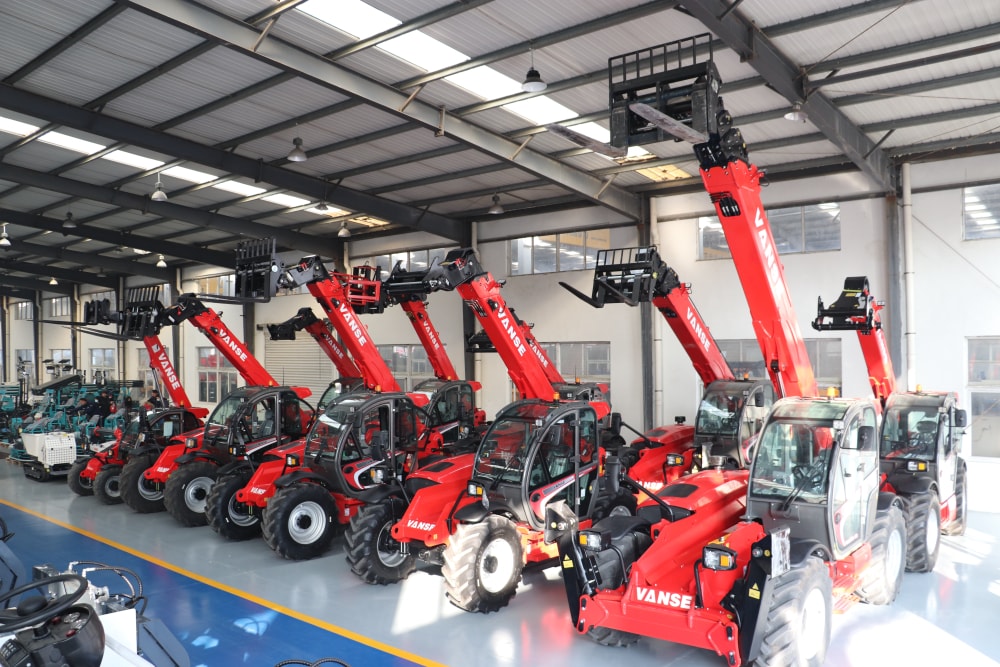
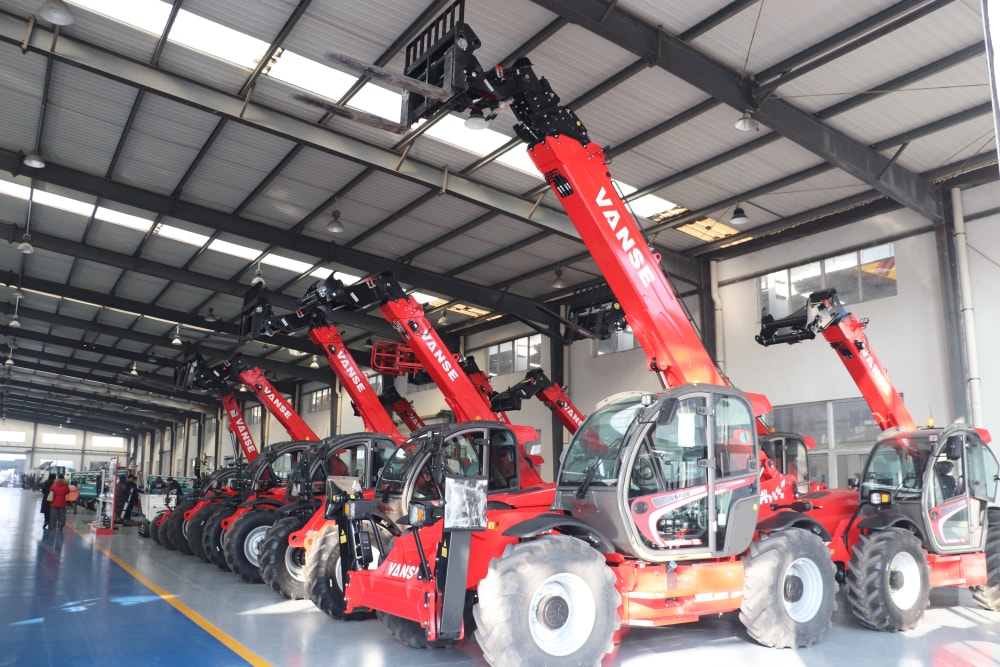
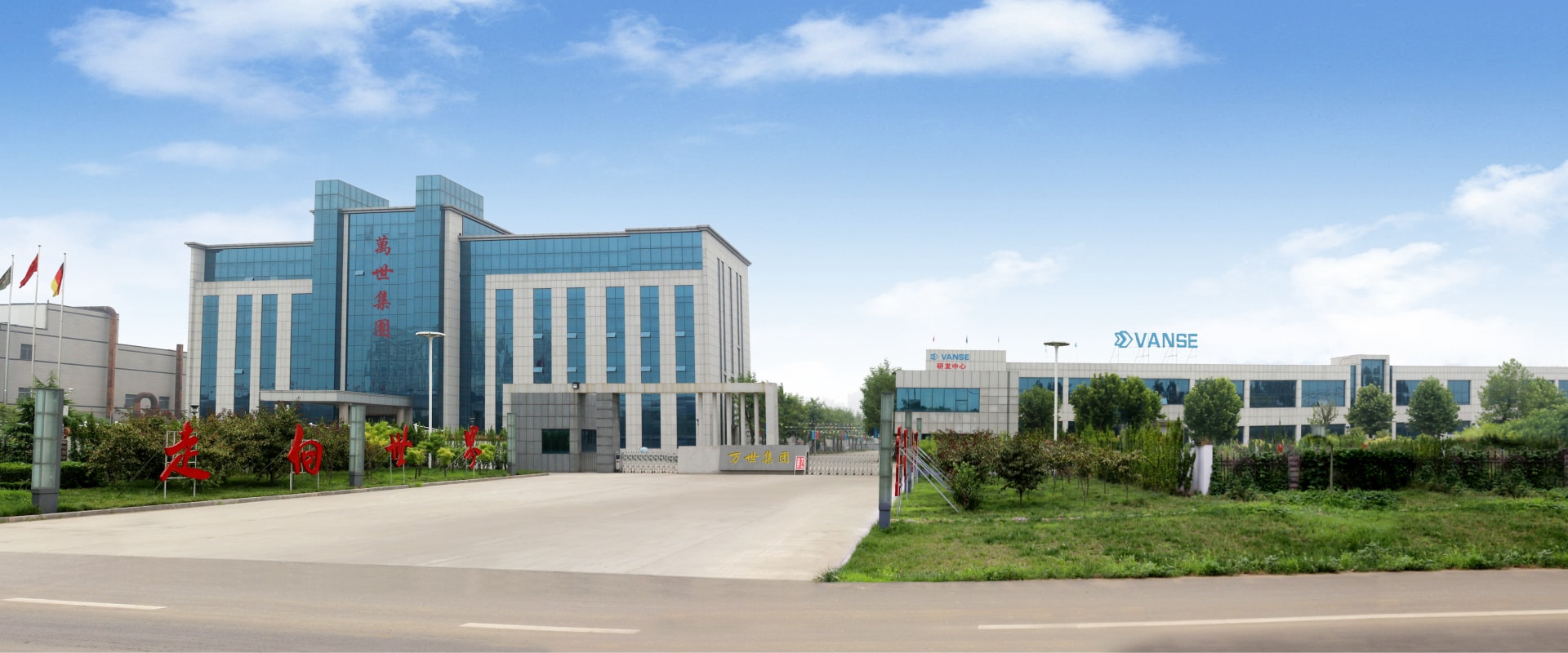
For buyers evaluating alternatives beyond the best-known domestic brands, VANSE presents a credible option for the United States because its telehandler business is built around verifiable production scale, internationally recognized quality systems, and local-market commitment rather than remote export-only sales. Founded in 2013, VANSE has produced more than 8,000 machines and serves customers in over 40 countries, with telehandlers as its flagship line. Its manufacturing is carried out under CE and ISO 9001 certified processes, and each machine goes through load testing, safety inspection, and performance validation before shipment. The company strengthens product reliability by integrating globally recognized core components such as Perkins and Cummins engines along with premium hydraulic systems, transmissions, and axles, helping its machines align with international performance expectations while remaining cost-competitive. Through flexible business models, VANSE supports end users, distributors, dealers, brand owners, and growing retail channels with OEM, ODM, wholesale, customized branding, and regional partnership programs, making it suitable for both direct equipment buyers and channel partners seeking differentiated market offerings. For North America, the company is actively establishing a U.S.-based subsidiary with local inventory, stocking plans, and local after-sales capability, reinforcing that it is building a physical service presence rather than acting only as a distant exporter. Buyers can review its broader equipment portfolio, learn more about the company, assess lifecycle support through its service resources, and connect directly through the contact team for specification matching, dealer discussions, and after-sales planning.
How to Evaluate a Supplier Before You Buy
Any U.S. buyer comparing telehandler suppliers should request six practical things before making a decision: a full load chart, component brand list, emissions information, warranty terms, spare parts plan, and service escalation process. If a supplier cannot provide these quickly and clearly, that is already useful information. It usually means post-sale support will also be slow or unclear.
For dealer and distributor buyers, commercial terms matter just as much as machine specifications. Ask about territory protection, training support, parts stocking recommendations, branding options, and lead times for custom orders. For owner-users, ask about maintenance intervals, filter cross-references, boom pad service, and the availability of operator training materials in English for U.S. crews.
Also consider financing and insurance acceptance. Well-documented machines with identifiable components, certifications, and local support channels are easier to finance and easier to place into a fleet asset system. This is one reason certified international suppliers with visible U.S. operating plans are attracting more attention than before.
2026 Trends in Technology, Policy, and Sustainability
By 2026, the U.S. market for 10 meter telehandlers is likely to be shaped by three overlapping trends. The first is smarter machine management. Telematics, fault monitoring, idle tracking, and preventive maintenance alerts will become standard expectations, especially among rental fleets and larger contractors. The second is policy and project-owner pressure around emissions, safety documentation, and jobsite accountability. Even where electric telehandlers are not yet practical for all applications, buyers will increasingly favor cleaner diesel systems, efficient hydraulics, and machines that support sustainability reporting through better fuel and utilization data.
The third trend is sourcing diversification. U.S. buyers no longer assume that only traditional domestic or European brands can meet jobsite requirements. Instead, they are more willing to evaluate manufacturers that combine certified production, premium global components, and North American service commitment. This does not mean brand legacy disappears. It means procurement becomes more evidence-based. Suppliers that can prove quality, parts readiness, and local support will gain share, regardless of origin.
In practical terms, expect more demand for enclosed cabs, better operator visibility, simplified controls for mixed-skill crews, and stronger attachment compatibility. Also expect greater scrutiny on warranty responsiveness and local stocking promises. Sustainability in this segment will not be defined only by electrification; it will also be measured by durability, serviceability, fuel efficiency, and the ability to keep one machine productive over a longer lifecycle.
FAQ
What is a 10 meter telehandler best used for in the United States?
It is best for low-rise and mid-rise construction, roofing, masonry, framing, warehouse builds, agriculture, and industrial yard handling where buyers need meaningful lift height without moving into a larger and more expensive machine class.
Is a 10 meter telehandler enough for multi-story construction?
For many three- to four-story applications, yes, especially for material staging and deck supply. The key is not only maximum lift height but also the load chart at forward reach with real pallet weights.
Should I buy from a U.S. brand only?
Not necessarily. U.S. and established global brands remain strong choices, but certified international suppliers with recognized engines, documented testing, and real North American service plans can offer better cost-performance for some buyers.
Which matters more, price or parts support?
Parts support usually matters more over the life of the machine. A lower purchase price can be offset quickly by downtime if wear parts, hoses, sensors, or service response are not available when needed.
Are 10 meter telehandlers popular in rental fleets?
Yes. They are popular because they cover a wide range of construction tasks, are familiar to many operators, and provide a strong balance between reach, utility, and transport practicality.
What should dealers ask a manufacturer before partnering?
Dealers should ask about territory strategy, OEM or ODM options, parts stocking, warranty handling, training, lead times, and whether the supplier has local warehousing or a concrete U.S. market plan.
How important are certifications when buying from an international supplier?
They are very important. Certifications such as CE and ISO 9001, plus documented testing procedures and globally recognized component brands, help verify manufacturing discipline and reduce procurement risk.
What U.S. regions have the strongest demand for this machine class?
Strong demand is found in Texas, Florida, Georgia, California, the Carolinas, Arizona, and logistics-driven regions linked to ports and warehouse growth such as Savannah, Houston, Los Angeles, and Inland Empire.
Complete Telescopic Handler Equipment Portfolio
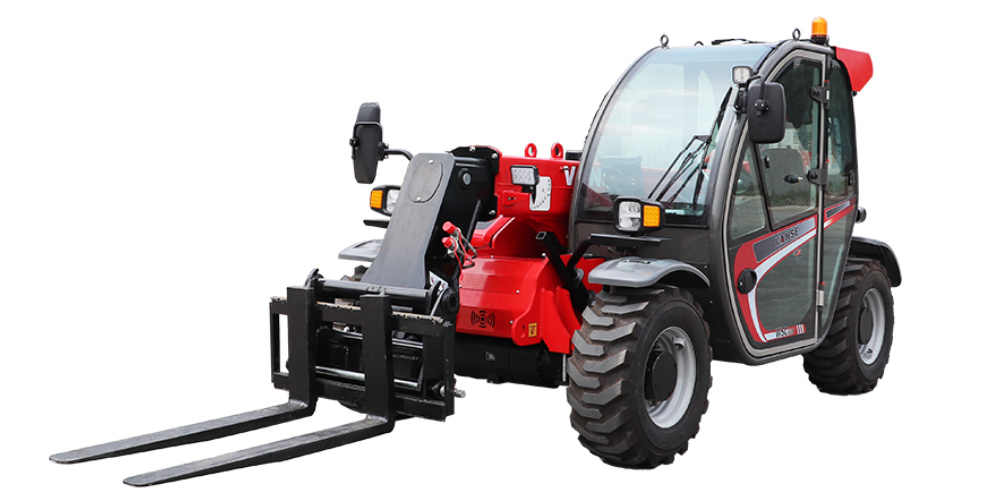
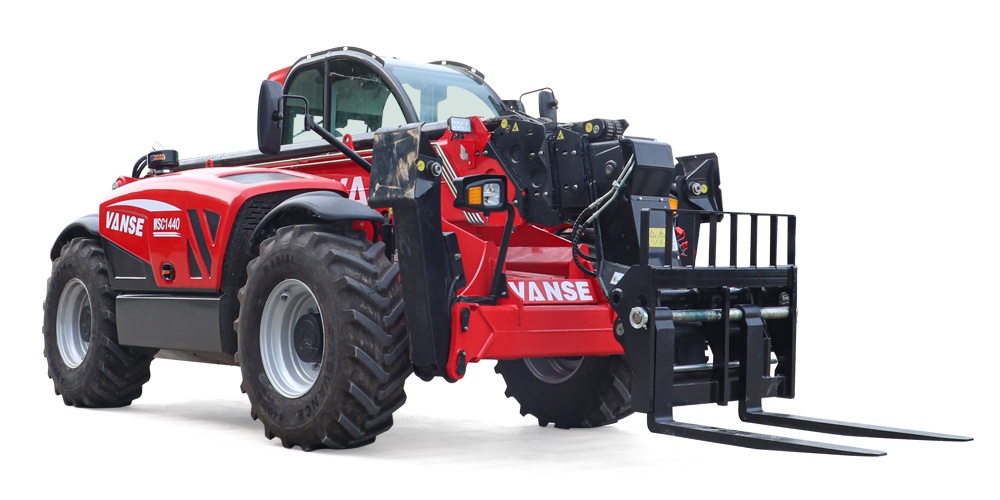
VANSE 625 6m Telescopic Handler
Designed for efficient material handling and stacking in warehouses, factories, and confined job sites, offering compact maneuverability and reliable performance.

VANSE 735 7m Telescopic Handler
A balanced mid-duty solution for construction, agriculture, logistics, and warehousing, combining stable lifting, strong traction, and everyday versatility.


About the Author:
The VANSE team is a group of experienced professionals specializing in construction machinery research, manufacturing, and technical support. With deep industry knowledge and hands-on experience, our engineers and product specialists share practical insights on equipment selection, operation, maintenance, and industry trends.
Share
You May Also Interest
-

7 August, 2026
Telehandler Maintenance Tips: Reduce Downtime and Costs
Use telehandler maintenance tips in the United States to cut downtime, lower repair costs, improve safety, and plan smarter service intervals.
-

5 August, 2026
Telehandler vs Wheel Loader: Best Machine for Your Site
Compare telehandler vs wheel loader in the United States with buying tips, supplier options, industry demand, and cost-focused equipment guidance.
-
4 August, 2026
Telehandler Safety Tips: Preventing Accidents on a Site
Use practical telehandler safety tips in the United States to reduce site risks, improve operator control, and prevent common lifting accidents.
-

3 August, 2026
Diesel Telehandler: Powerful Engine for Demanding Sites
Explore diesel telehandler options in the United States, compare suppliers, specs, costs, and service support for construction, agriculture, and rental fleets.