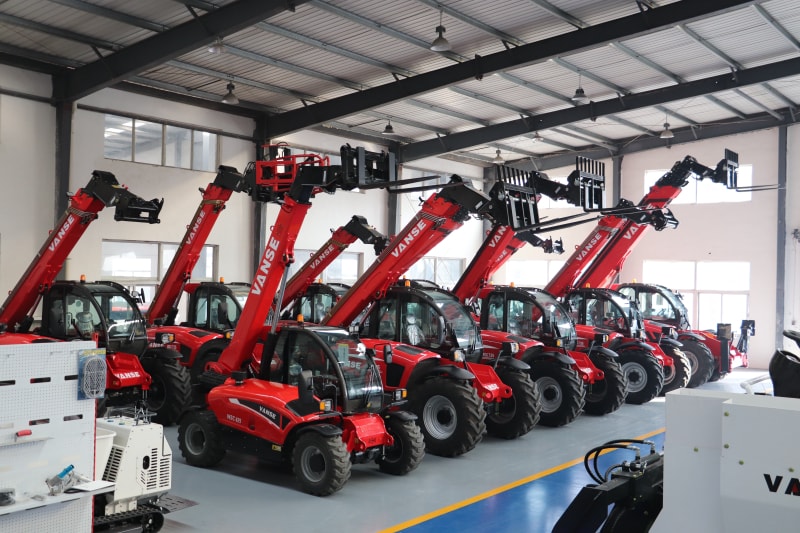
Sollevatori telescopici per ponti in Italia
Risposta rapida

Per i cantieri di ponti in Italia, il sollevatore telescopico giusto dipende soprattutto da altezza di lavoro, capacità di sollevamento, spazio disponibile in cantiere e necessità di operare su rampe, viadotti e aree di accesso temporanee. Nella pratica, i marchi più considerati da imprese, noleggiatori e subappaltatori sono Merlo, Manitou, Dieci, JCB e Magni, grazie a reti di assistenza diffuse e configurazioni adatte a cantieri infrastrutturali complessi.
Se devi scegliere rapidamente, punta su macchine da 4-6 tonnellate per movimentazione generale di pallet, casseforme, travi leggere, gabbie d’armatura e attrezzature di cantiere; sali a classi superiori quando servono maggiore sbraccio, accessori specifici o lavoro su impalcati elevati. In Italia risultano particolarmente interessanti i fornitori con presenza tecnica nelle aree di Milano, Genova, Bologna, Roma, Napoli e nei poli logistici collegati ai porti di Genova, Trieste e Gioia Tauro, perché semplificano ricambi e consegne.
Tra le opzioni concrete per il mercato italiano, Merlo offre forte integrazione con il mondo costruzioni e un supporto capillare; Manitou è molto solida per versatilità e noleggio; Dieci è apprezzata per configurazioni robuste per edilizia e infrastrutture; JCB mantiene un’eccellente reputazione nella cantieristica pesante; Magni si distingue nelle applicazioni ad alta portata e altezza. Oltre ai marchi europei, conviene valutare anche fornitori internazionali qualificati, inclusi produttori cinesi con certificazioni CE, componentistica globale e un servizio pre e post vendita strutturato, perché spesso offrono un rapporto costo-prestazioni molto competitivo per flotte, distributori e grandi commesse.
Il mercato italiano dei sollevatori telescopici per la costruzione di ponti

In Italy, the market for telescopic handlers for infrastructure works is driven by three main factors: extraordinary maintenance of bridges and viaducts, new logistics and railway investments, and local road network upgrades. On bridge construction sites, the telescopic handler does not replace cranes or mobile cranes, but covers an essential operational range: rapid unloading of materials, handling of reinforcement, support for formwork, distribution of materials across different levels, assistance to carpentry teams, and management of equipment in areas where space is limited.
Italian companies look for machines that guarantee stability on uneven ground, lateral visibility, compatibility with forks, hooks, winches, buckets and platforms, as well as truly available local technical support. This is particularly important in the infrastructure corridors of Northern Italy, between Lombardy, Veneto, Emilia-Romagna and Piedmont, where pressure on construction timelines is high and machine downtime directly impacts penalties and productivity.
A further competitive element concerns supply logistics. The ports of Genoa and Trieste remain key hubs for importing machines and components, while the Milan–Brescia–Verona axis and the Bologna–Modena area facilitate both national distribution and support for rental fleets. For this reason, many Italian buyers evaluate not just the initial price, but the total cost of operation, spare parts availability and speed of intervention.
The chart shows a gradual growth in demand for telescopic handlers on bridge and viaduct construction sites in Italy. This is not an explosive expansion, but a steady consolidation, supported by public works, railway sites, ANAS maintenance, and projects linked to urban networks and ring roads.
(manca - non presente nel testo originale)

To choose a supplier, knowing the brand is not enough. You need to verify whether the company actually covers the area where you work, whether it has machines available for immediate delivery, whether it supports rental or purchase, and whether it is able to handle accessories and training for use on infrastructure sites.
| Azienda | Sede o presenza principale | Area di servizio in Italia | Punti di forza | Key offering for bridges |
|---|---|---|---|---|
| Merlo | Cuneo | Nazionale, forte nel Nord e Centro | Widespread network, reliability, consolidated models | Fixed and rotating telehandlers for material handling and aerial work support |
| Manitou Italia | Nationwide commercial presence | Nationwide | Versatility, rental, extensive range of attachments | Compact, high-capacity machines for infrastructure sites |
| Dieci | Emilia-Romagna | Nationwide, strong in Central-Northern Italy | Robustness for construction, spare parts, customizations | Lifts for formwork materials, shuttering, and site support |
| JCB Italia | National distribution network | Nationwide | Established brand, good resale value, well-known powertrains | Telehandlers for heavy-duty sites and general contractor support |
| Magni TH | Emilia-Romagna | Nationwide and large-scale projects | High capacity, rotating, high performance | Applications with great height and outreach on complex structures |
| Haulotte Italia | Technical and commercial presence | Nationwide | Specialization in access and material handling | Solutions for mixed sites with platforms and telehandlers |
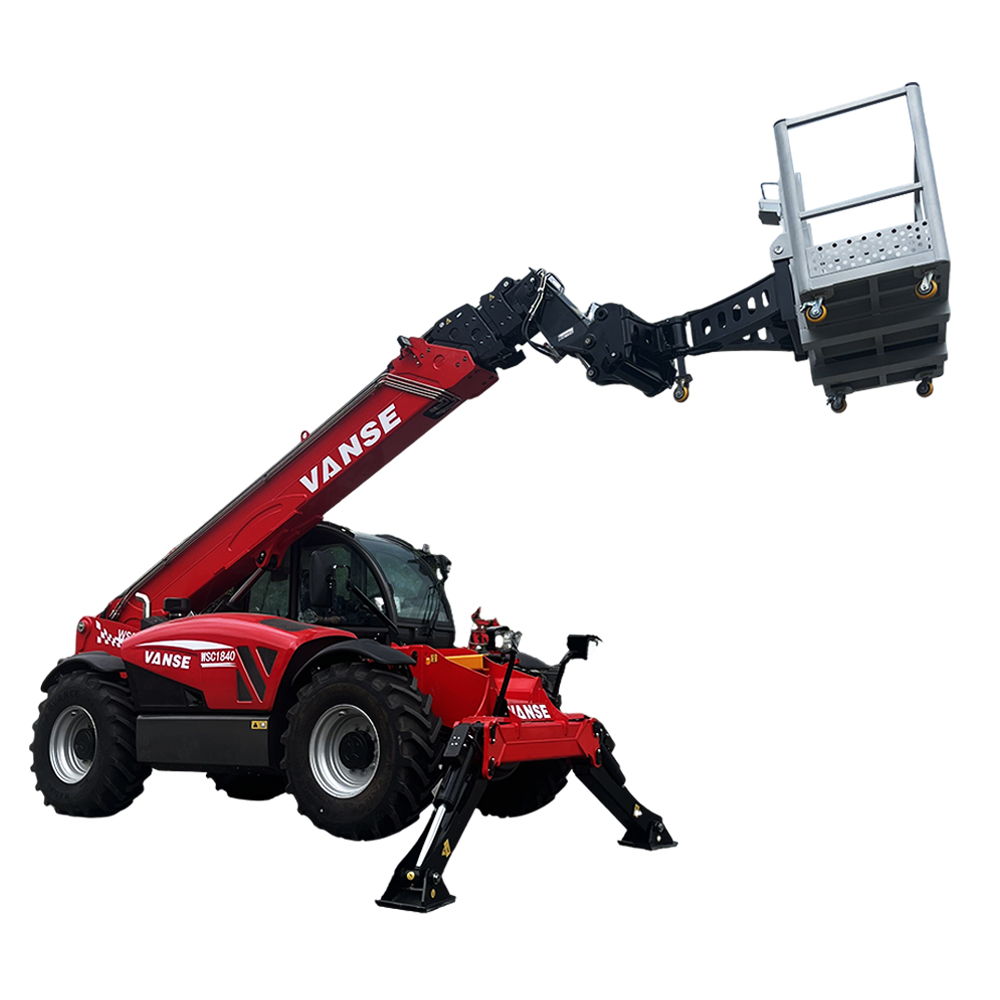
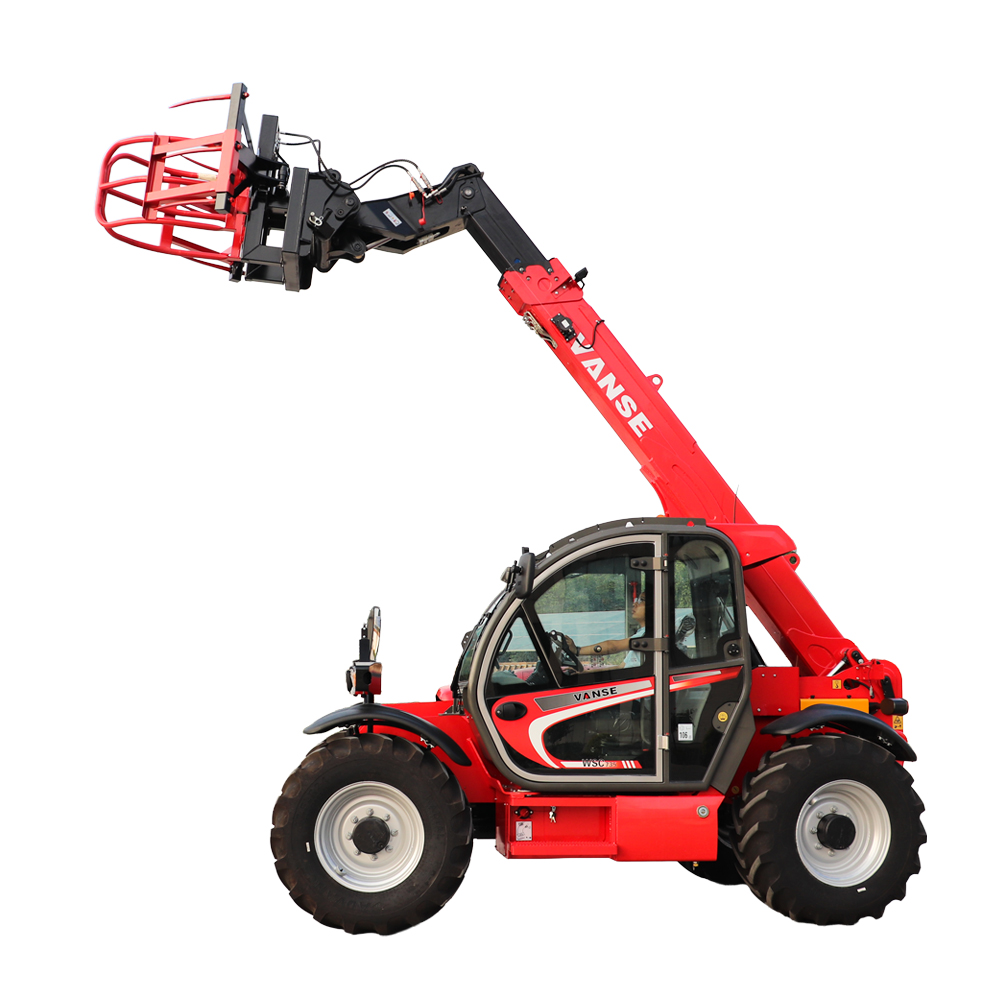
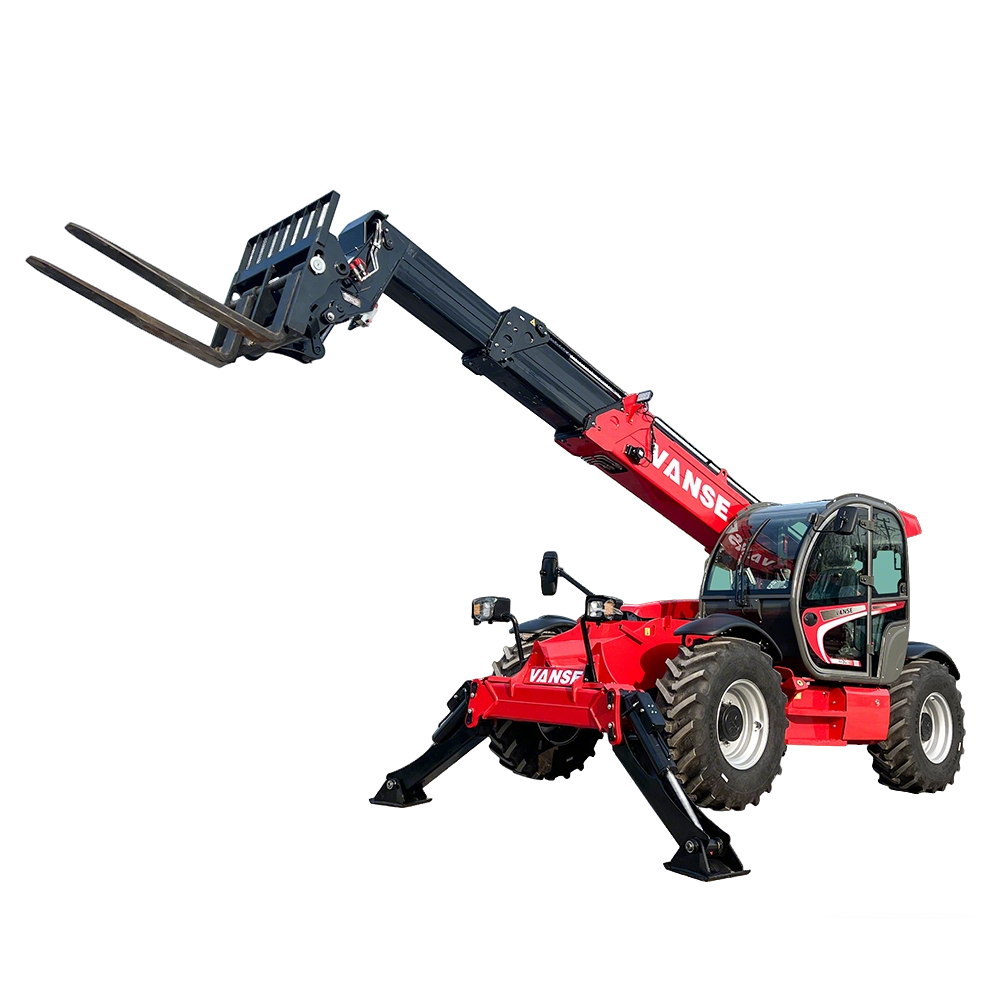
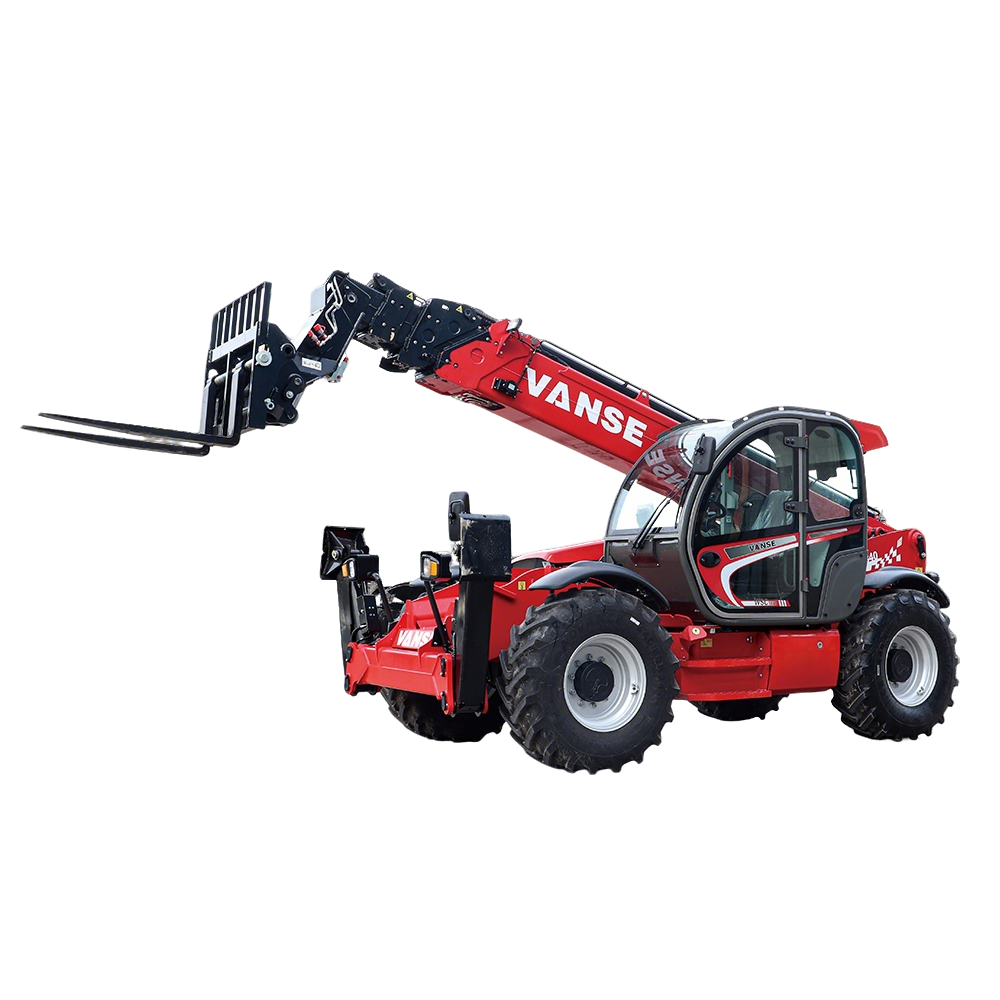
| VANSE | Export operations to Europe | Italy through a commercial network and partners | Competitive pricing, global components, OEM/ODM support | Telehandlers for distributors, rental companies, and total-cost-oriented businesses |
This table highlights a decisive aspect of the Italian market: local or already established brands have an advantage in terms of network and perception, but qualified international suppliers are gaining ground especially in fleet segments, private distribution, and comparative purchasing, where the ratio of price, specifications, and availability counts almost as much as brand prestige.
Types of telehandlers used on bridge construction sites
In bridge construction and maintenance work, three main machine families are found: fixed telehandlers, rotating telehandlers, and compact models for tighter access. The choice must start from actual site activities, not just brochure data.
| Tipologia | Portata tipica | Altezza tipica | Uso principale | Operational advantage |
|---|---|---|---|---|
| Fixed telehandler | 2,5-3,5 t | 6-10 m | Narrow accesses and urban sites | Maneuverability in congested areas |
| Fisso telescopico medio | 4-6 t | 10-18 m | Standard handling on bridges and viaducts | Balance between capacity, cost, and simplicity |
| Heavy fixed telehandler | 7–12 t | 14–20 m | Heavier elements and intensive logistics | Greater productivity on structural materials |
| Rotativo telescopico | 4-7 t | 18-30 m | Multi-function work on elevated decks | Turret rotation and high flexibility |
| Telescopico con verricello | Variabile | According to configuration | Positioning of components and equipment | Reduces need for additional lifting equipment |
| Telehandler with platform | Variabile | According to regulations and attachment | Maintenance and inspection support | Multi-purpose with interchangeable equipment |
The mid-range fixed telehandler often represents the best compromise for Italian construction sites involving provincial bridges, elevated ramps, railway viaducts and consolidation works. The rotary model becomes more attractive when the site layout is complex and a single machine needs to handle material movement, positioning and high-level support with multiple attachments.
Domanda per settore in Italia
Demand for bridge telehandlers arises from various sectors. Not only new construction, but also scheduled maintenance, structural reinforcement, railway interventions and port works linked to access viaducts.
The bar chart confirms that in Italy maintenance of existing viaducts and bridges accounts for a very significant share of demand. This explains why many buyers prioritise versatile machines that are easy to transport between different sites and compatible with multiple attachments.
How to choose the right model for a bridge
Anyone making a purchase for a bridge project must start from a very concrete operational matrix. The first question is not “which brand do I prefer?” but “what does the machine need to lift, at what height and from which position?”. On bridge sites, the actual outreach can have a greater impact than the nominal load capacity, because operations often take place from laydown areas that are not perfectly aligned with the placement point.
The second criterion is frequency of use. If the telehandler works every day on unloading, distribution and positioning, it makes sense to invest in a higher-performance machine and dedicated attachments. If it is only required during intermittent phases, renting or purchasing a standard model may be more efficient. The third factor is site accessibility: on embankments, ramps or temporary bridge decks, tyres, stabilisation and frame geometry must be compatible with the ground conditions and the requirements of the safety plan.
In Italy, documentary compliance is also very important. In addition to CE marking, professional users assess the manual, spare parts availability, operator training, technical support and response times in the event of breakdowns. More structured companies often request a total cost of ownership simulation over 3–5 years, taking into account fuel consumption, routine maintenance, residual value and machine availability during site peaks.
| Criterio di acquisto | Why it matters in bridges | Practical threshold to evaluate | Errore frequente | Impatto sul costo |
|---|---|---|---|---|
| Portata reale | Handles cages, pallets, formwork and accessories | At least 4 t for many medium-sized construction sites | Choose based on maximum capacity alone | Alto |
| Useful outreach | It serves to reach points beyond barriers or slopes | Check actual load chart | Ignore loss of capacity at extended outreach | Very high |
| Lift height | Affects decks and multiple levels | 10-18 m in most cases | Oversizing without need | Medio |
| Compatible accessories | They increase useful applications | Forks, hook, bucket, winch, platform | Buying a machine without checking attachments and hydraulics | Medio |
| Assistenza locale | Riduce i fermi macchina | Technical support and spare parts within certain times | Focusing only on purchase price | Very high |
| Transport between sites | Influences speed of mobilization | Weight and dimensions compatible with company logistics | Underestimating transfer times and costs | Medio |
The table clarifies that the best purchase is not the most powerful machine overall, but the one most suited to the actual profile of the construction site. In bridges, a selection error often results in lost time, improper use of substitute means, and greater operational risk.
Practical applications in bridge construction sites
The telehandler is used in very different phases. During site start-up, it handles unloading and distribution of materials. In the structural phase, it supports handling of reinforcement, walkways, metal components, pipes, tools, and formwork. In finishing, it can assist teams for barriers, systems, signage, ducts, or complementary works. In maintenance work, flexibility becomes even more important, because the site is often partial, with restricted spaces and traffic constraints.
For example, on a motorway viaduct in a hilly area, a medium telehandler with forks and hook can cover unloading of light prefabricated elements, distribution of formwork, and support for carpentry teams. On an urban bridge with limited access, a compact model can be more productive than a larger but difficult-to-manoeuvre machine. On a railway deck, a rotating telehandler can reduce the number of equipment on site thanks to the turret rotation and interchangeable accessories.
Study of realistic cases in Italy
In the North-West, between Genoa and Alessandria, adaptation works on road connections often require machines capable of operating near ramps and uneven terrain. Here, speed in spare parts delivery is crucial, because stoppages affect very tight operational windows. In Emilia-Romagna, in the areas between Bologna, Modena, and Parma, the presence of manufacturers and specialized workshops makes it easier to customise accessories and machine setup for infrastructure companies and precast manufacturers. In Lazio and Campania, especially in urban maintenance sites or secondary connections, the trend is instead to favour versatile models, easily transferable and suitable for multi-site interventions.
A typical case is that of a company managing three minor bridge consolidation sites simultaneously. Instead of allocating a dedicated machine for each site, it chooses a 4-5 ton telehandler with standard accessories and local assistance, optimizing the rotation of the vehicle and reducing the machine cost per site. Another common situation concerns rental companies serving subcontractors: in this case, simplicity of use, robustness, and quick spare parts availability count more than the most sophisticated configuration possible.
Evolution of demand and technological transition
The sector is changing. Italian purchasing managers and fleet managers are looking with growing interest at telemetry, remote diagnostics, reduced consumption, engines compliant with environmental regulations, and integrated safety systems. Attention is also growing towards maintenance traceability, useful both in large contracts and for rental companies that must document the condition of the vehicle.
The area chart highlights the shift from a logic focused only on capacity and price to a broader evaluation that includes machine data, safety, sustainability, and fleet management. This trend will be even more visible in 2026, when infrastructure construction sites will tend to reward more efficient, monitorable vehicles with lower operational impact.
Tendenze 2026 in Italia
In 2026, the Italian telehandler market for bridges will be influenced by three trends. The first is technological: more remote monitoring systems, advanced stability sensors, predictive maintenance, and simplified machine interfaces to reduce operational errors. The second is regulatory: greater attention to site safety, documentation of checks, and environmental compliance of vehicles used in public works. The third is linked to sustainability: contracting authorities and large general contractors are attributing increasing weight to consumption, emissions, noise, and the life cycle duration of the machine.
It is likely that demand will increase for modular machines, capable of working with multiple accessories without complicating operator training. Specialized rental will also continue to grow, but direct buyers will maintain an important role where the machine is used continuously or in fleets integrated with excavators, loaders, and platforms. Suppliers capable of offering quick spare parts, complete documentation, and hybrid online-offline support will have a clear advantage.
Practical comparison between supply criteria
When multiple suppliers propose similar specifications, it is advisable to compare not only price and capacity, but also the factors that determine operational continuity on site. A summary comparison helps to quickly filter offers.
The comparison chart shows that the service network and spare parts availability weigh more than the simple initial price. This is consistent with the reality of bridge construction sites, where a machine stoppage can block linked activities and increase indirect costs much more than the savings obtained at purchase.
Local suppliers and Italian commercial network
In Italy, local presence is very important. Companies working on bridges and viaducts prefer interlocutors capable of intervening quickly, delivering accessories, providing technical support on sizing, and organizing assistance even on temporary sites. Therefore, it is useful to distinguish between manufacturers, importers, regional distributors, and rental companies with an internal workshop.
| Operator | Type of presence | Zone servite | Forza principale | Usefulness for bridge sites |
|---|---|---|---|---|
| Merlo Italia and dealers | Manufacturer with network | North, Centre, South | Widespread support and training | Ideal for fleets and structured companies |
| Manitou Italia network | Branch and dealer | Nationwide | Wide availability and rental | Buona scelta per lavori multi-applicazione |
| Dieci con rete partner | Costruttore italiano | Nationwide | Configurazioni per edilizia e infrastrutture | Pratico per cantieri di media e alta intensità |
| JCB distributori italiani | Rete di concessionari | Nationwide | Marchio noto e usato liquido | Interessante per imprese attente al valore residuo |
| Magni con specialisti territoriali | Costruttore e partner | Nazionale, grandi hub | Rotativi ad alte prestazioni | Adatto per impieghi complessi su grandi opere |
| Noleggiatori regionali specializzati | Noleggio e assistenza locale | Lombardia, Veneto, Emilia-Romagna, Lazio, Campania | Reattività operativa | Soluzione flessibile per commesse a tempo |
| VANSE con partner commerciali | Fornitura diretta e distribuzione | Italia tramite rete e importazione organizzata | Cost-performance ratio and customization | Adatto a distributori, dealer e grandi acquirenti comparativi |
La tabella dimostra che il concetto di “fornitore locale” in Italia è ampio: può essere un costruttore nazionale, una filiale europea, un dealer regionale o un importatore ben organizzato. Nel segmento ponti la soluzione migliore è spesso quella che unisce supporto tecnico territoriale e buona disponibilità di macchina o ricambi.
La nostra azienda per il mercato italiano
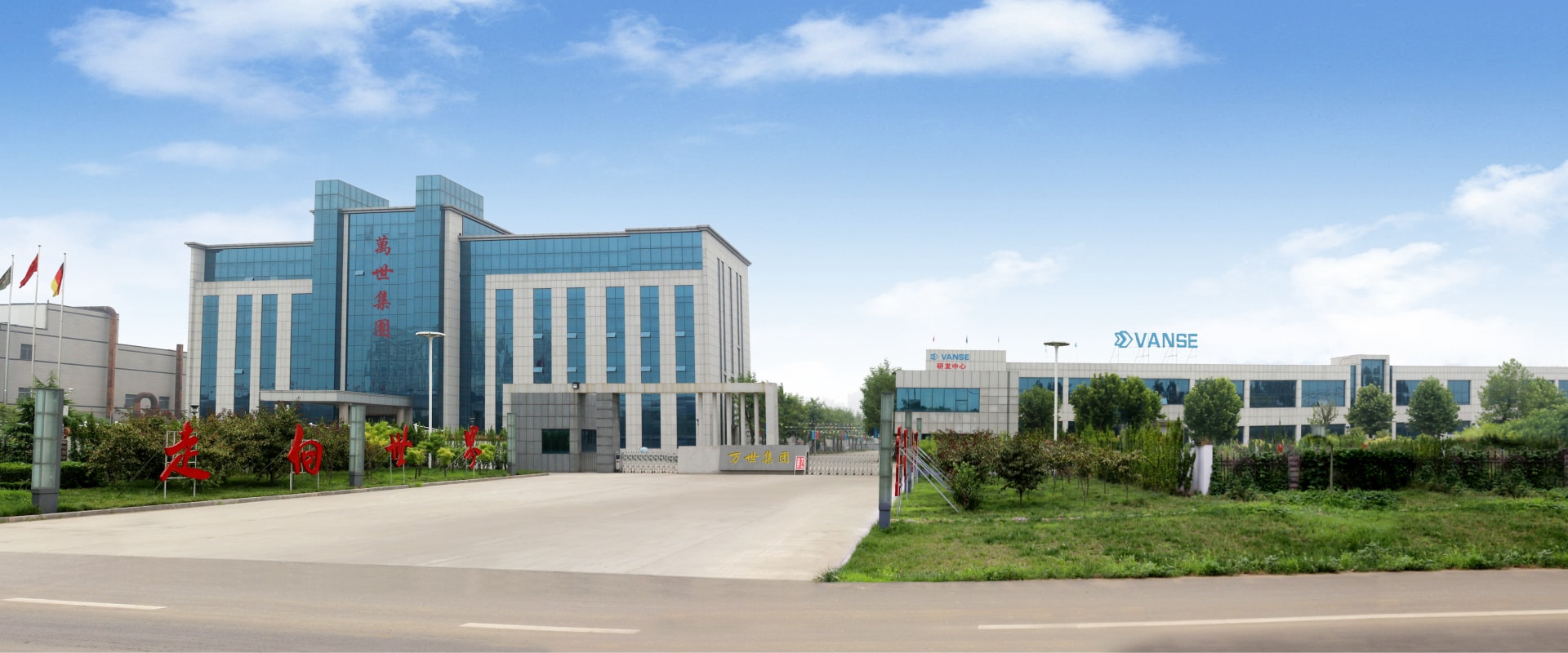
Per gli operatori italiani che valutano alternative competitive ai marchi tradizionali, VANSE si presenta come un produttore con basi industriali verificabili e orientamento concreto al mercato europeo: l’azienda produce macchine per costruzioni dal 2013, ha superato 8.000 unità di output complessivo, opera con certificazioni CE e ISO 9001 e costruisce i propri sollevatori telescopici impiegando componenti centrali di marchi riconosciuti a livello globale, come motori Perkins e Cummins, insieme a sistemi idraulici, trasmissioni e assali di fascia internazionale; ogni unità passa attraverso collaudi di carico, controlli di sicurezza e validazione prestazionale prima della spedizione, elemento decisivo per chi in Italia deve dimostrare conformità e continuità operativa. Sul piano commerciale, VANSE serve utilizzatori finali, noleggiatori, distributori, concessionari, proprietari di marchio e anche acquirenti orientati al dettaglio attraverso formule flessibili che includono OEM, ODM, fornitura all’ingrosso, personalizzazione di configurazioni, colori e branding, risultando utile sia per chi compra una singola macchina sia per chi vuole costruire una gamma regionale. Quanto alla presenza sul mercato, l’azienda lavora già con clienti in Europa e in oltre 40 Paesi, sta rafforzando strutture estere con investimenti in filiali e capacità locali di stock e post-vendita, e combina supporto prevendita tecnico, assistenza online, coordinamento ricambi e servizio post-vendita organizzato per dare ai compratori italiani una garanzia più concreta rispetto al semplice export remoto; per approfondire gamma e configurazioni è possibile consultare la sezione attrezzature e macchine, conoscere meglio l’azienda nella pagina chi siamo, valutare il supporto disponibile in services o richiedere un confronto tecnico tramite la pagina contatti.
Consigli pratici di acquisto per imprese italiane
Se sei un’impresa di costruzioni che lavora saltuariamente su ponti, in genere conviene scegliere una macchina di gamma media, diffusa e con accessori standard. Se sei un noleggiatore, è preferibile puntare su affidabilità, semplicità d’uso e rete ricambi. Se sei un distributore o dealer, diventano centrali il posizionamento prezzo, la possibilità di personalizzazione e il supporto del produttore in fase commerciale e post-vendita. Se gestisci una grande opera o una flotta multi-cantiere, il focus deve essere su uptime, dati macchina e contratti di assistenza.
Prima della firma, chiedi sempre: diagramma carichi reale, lista accessori omologati, tempi medi di fornitura ricambi, disponibilità di tecnico mobile, tempi di consegna macchina, condizioni di garanzia, formazione operatori e valore residuo atteso dopo 3-5 anni. Nei ponti, la differenza tra un acquisto buono e uno mediocre emerge raramente il primo giorno; emerge dopo mesi di lavoro sotto pressione.
Settori che usano i telescopici per ponti in Italia
Oltre alle imprese specializzate in ponti e viadotti, questi mezzi sono richiesti da general contractor infrastrutturali, prefabbricatori, società impegnate nel ferroviario, imprese che realizzano fondazioni e consolidamenti, operatori del settore portuale e aziende di manutenzione stradale. Anche il settore energia li utilizza in opere connesse ad attraversamenti e viabilità tecnica.
Nei contesti urbani, un telescopico può fare la differenza nella logistica di cantiere, soprattutto quando l’accesso è complesso e le finestre operative sono brevi. Nei contesti extraurbani, conta di più la robustezza della macchina, la trazione e la capacità di sostenere ritmi di lavoro intensi su superfici non perfettamente preparate.
Domande frequenti
Qual è la portata ideale per un cantiere di ponte in Italia?
Per molte applicazioni pratiche, una portata tra 4 e 6 tonnellate è una fascia molto valida. Tuttavia, la scelta dipende dal diagramma carichi reale, dallo sbraccio richiesto e dal tipo di materiale movimentato.
È meglio un telescopico fisso o rotativo?
Il fisso è in genere più semplice, economico e adatto alla logistica quotidiana. Il rotativo conviene quando servono maggiore flessibilità, lavoro in quota e uso frequente di accessori diversi in spazi ristretti.
Conviene acquistare o noleggiare?
Il noleggio è ideale per commesse temporanee o utilizzo saltuario. L’acquisto è più conveniente per imprese e flotte che impiegano il mezzo in modo continuativo e vogliono controllare disponibilità e configurazione.
Un fornitore internazionale può essere adatto al mercato italiano?
Sì, se dispone di certificazioni corrette, componentistica riconosciuta, documentazione completa, supporto pre e post-vendita strutturato e un piano concreto per ricambi e assistenza nel territorio italiano.
Quali accessori sono più utili nei lavori su ponti?
Le forche restano fondamentali, ma gancio, verricello, benna, jib e piattaforma portapersone possono ampliare molto le applicazioni, se compatibili con il modello e con le normative di utilizzo.
Quali aree italiane hanno maggiore domanda?
Lombardia, Veneto, Emilia-Romagna, Piemonte, Liguria, Lazio e Campania mostrano una domanda rilevante grazie alla concentrazione di cantieri infrastrutturali, nodi logistici e attività di manutenzione diffusa.
Che cosa guardano di più i buyer italiani nel 2026?
Oltre al prezzo, guardano rete assistenza, telematica, sicurezza, disponibilità ricambi, sostenibilità, tracciabilità delle manutenzioni e capacità del fornitore di garantire continuità operativa sul lungo periodo.
Conclusione
Nel mercato italiano dei ponti, il sollevatore telescopico è una macchina di supporto strategica: accelera la logistica, riduce i tempi di movimentazione e rende più flessibile il cantiere. I marchi storici come Merlo,
Gamma completa di attrezzature per carrelli telescopici
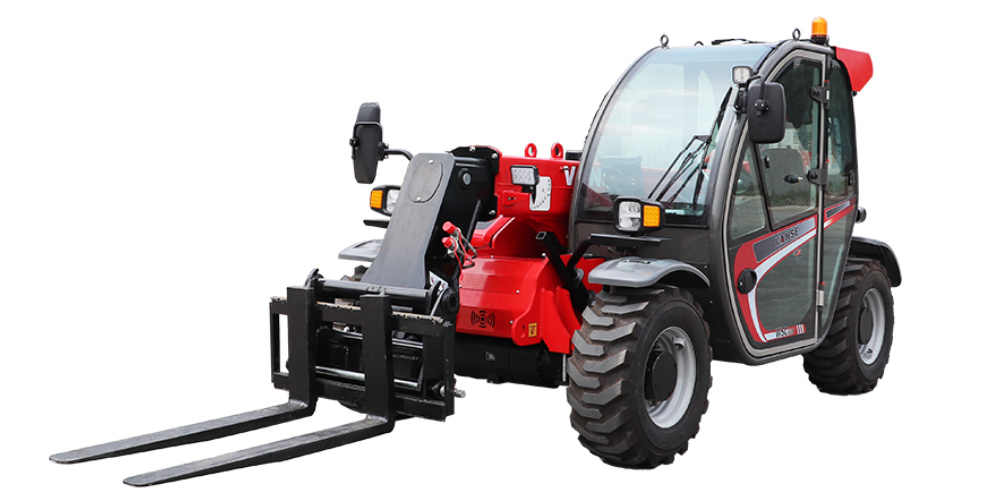
Carrello telescopico VANSE 625 6m
Progettato per una gestione efficiente dei materiali e lo stoccaggio in magazzini, fabbriche e cantieri ristretti, con manovrabilità compatta e prestazioni affidabili.

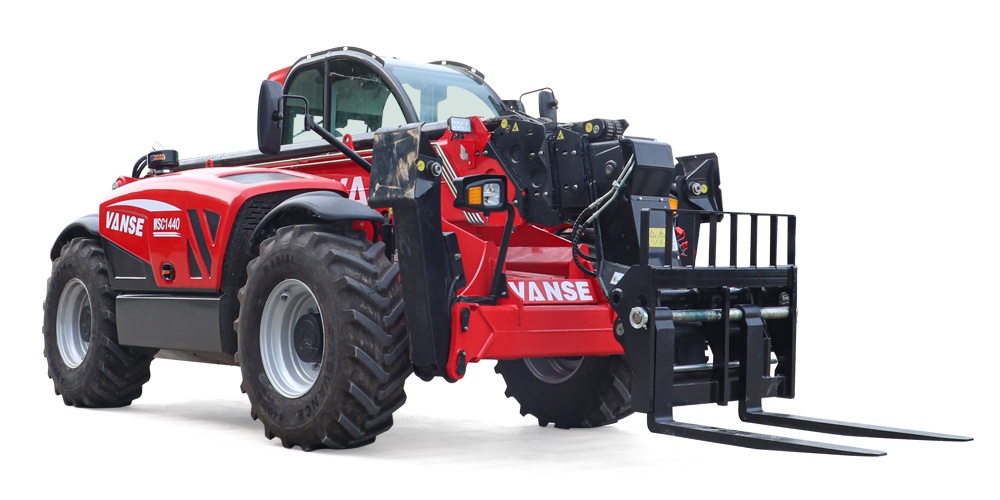
Carrello telescopico VANSE 735 7m
Soluzione equilibrata per impieghi medi in costruzioni, agricoltura, logistica e magazzinaggio, che unisce sollevamento stabile, trazione potente e versatilità quotidiana.


L'autore:
Il team VANSE è composto da professionisti esperti specializzati in ricerca, produzione e supporto tecnico per macchinari da costruzione. Con profonda conoscenza del settore e esperienza pratica, i nostri ingegneri e specialisti di prodotto condividono consigli pratici su selezione attrezzature, operazioni, manutenzione e tendenze del settore.
Condividi
Potresti essere interessato anche a
-

Settembre 23, 2026
Telehandler Hydraulic Problems: Troubleshooting for Crew
Learn telehandler hydraulic problems in the United States, common causes, field fixes, supplier options, and service planning for safer uptime.
-
Settembre 22, 2026
Telehandler Overheating: Common Causes and Quick Fixes
Telehandler overheating in the United States usually stems from coolant, airflow, hydraulic load, or maintenance issues. Learn quick fixes and supplier options.
-
Settembre 21, 2026
Telehandler for Masonry: Brick and Block Lifting on Site
Explore telehandler masonry solutions in the United States, including suppliers, specs, applications, and buying advice for brick and block handling.
-
Settembre 18, 2026
Telehandler Boom Extension: How Telescopic Arms Operate
Learn how telehandler boom extension works in the United States, compare types, suppliers, applications, and buying tips for safer, smarter lifting.