Why Telehandlers Make Sense on United States Jobsites
Quick Answer

A telehandler is worth using when you need one machine to lift, place, carry, and reach materials in ways that a standard forklift, wheel loader, or compact loader cannot. In the United States, telehandlers are especially valuable on construction sites, farms, industrial yards, ports, and energy projects because they combine forward reach, vertical lift, attachment flexibility, and rough-terrain mobility. For many buyers, the biggest advantages are fewer machine changes during the day, better productivity in tight or uneven areas, improved access to elevated work zones, and lower total operating cost compared with using multiple specialized machines.
For U.S. buyers comparing options, strong domestic names such as JLG, Genie, JCB, Caterpillar, SkyTrak, and Bobcat remain widely used across regions including Texas, California, Florida, Illinois, and the Mid-Atlantic. At the same time, qualified international suppliers can also be practical choices when they offer recognized certifications, dependable component brands, responsive pre-sale engineering, parts support, and after-sales coverage in the United States. That is particularly relevant for buyers focused on cost-performance, fleet expansion, dealer distribution, or private-label opportunities.
Why Use a Telehandler Instead of Other Equipment

The main reason to use a telehandler is simple: it does more than one core machine category at the same jobsite. A conventional forklift is excellent on flat, controlled surfaces, but it loses effectiveness on rough ground and cannot project a load outward to upper floors or over obstacles. A wheel loader can move bulk material efficiently, but it is not the best tool for placing palletized loads at height. A skid steer is compact and versatile, yet its reach and lifting geometry are limited compared with a telescopic handler. A boom lift can access elevated areas for people, but it is not a material handling machine in the same way. A telehandler bridges these equipment gaps.
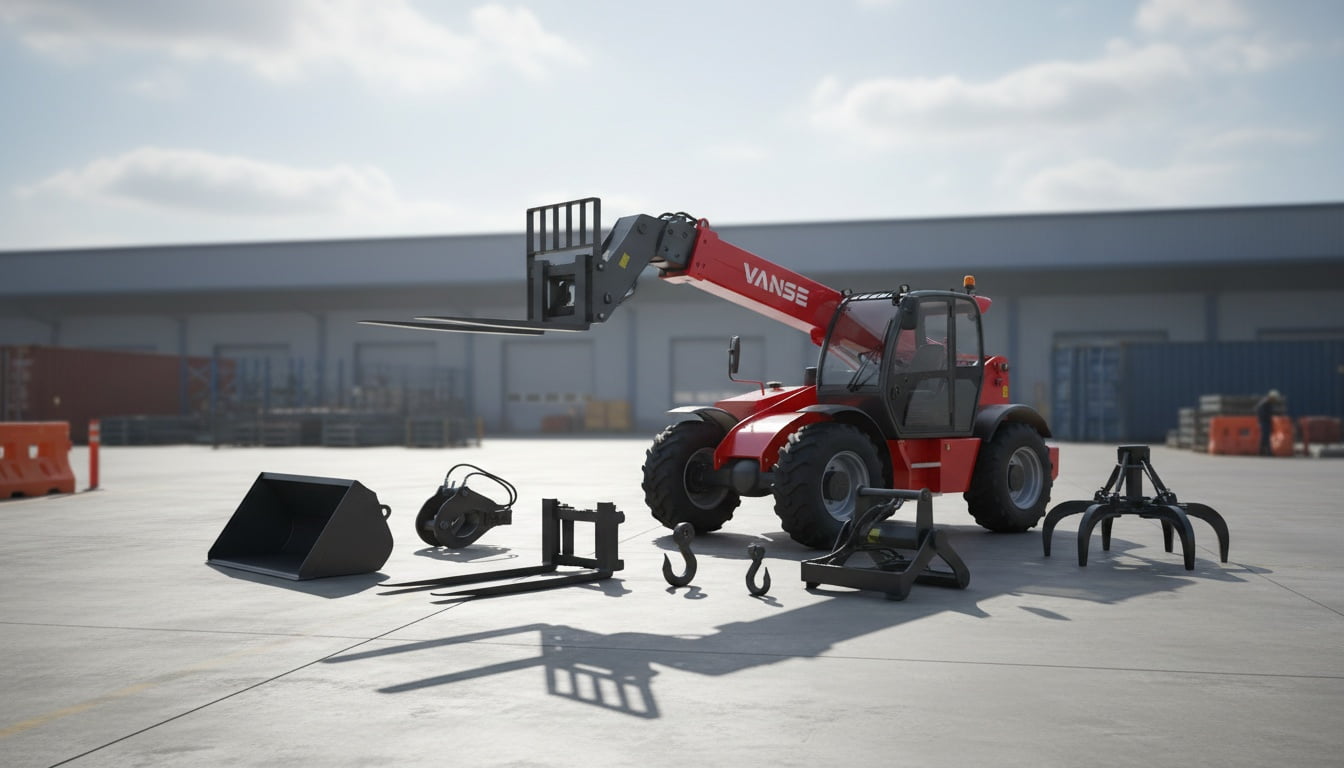
That combination matters in the United States because many jobsites are spread out, time-sensitive, and labor-constrained. A contractor working in Houston may need to unload masonry units, place trusses, carry pipe, and move debris without bringing in separate machines for each task. A farmer in Iowa may need to handle hay, feed, seed totes, pallets, and maintenance materials across uneven terrain. A rental company in Arizona may need one model that serves framing crews one week and landscaping contractors the next. Telehandlers answer these demands with a telescopic boom, all-terrain capability, multiple steering modes on many models, and the ability to switch from forks to buckets, jibs, platforms, or specialty attachments.
Another major benefit is workflow efficiency. Instead of staging materials far from the work area and then moving them again, operators can place loads closer to the point of use. That reduces manual handling, shortens cycle times, and limits congestion. On larger projects near logistics hubs such as Houston, Savannah, Los Angeles, Long Beach, Newark, and Chicago, where material timing affects schedules, this can have a measurable impact on productivity.
How the U.S. Market Uses Telehandlers

The United States is one of the most active telehandler markets in the world because so many industries need rough-terrain lifting and placement. Commercial construction remains a primary demand center, particularly in Sun Belt states where distribution centers, housing developments, schools, hospitals, data centers, and manufacturing projects continue to drive machine usage. Agriculture is another large segment, especially in California’s Central Valley, the Midwest grain belt, the dairy regions of Wisconsin and Idaho, and livestock operations across Texas, Kansas, and Nebraska. Industrial maintenance, warehouse expansion, ports, mining support, and oil and gas also contribute to steady demand.
Rental penetration is also high in the U.S. market. Many contractors rent telehandlers for seasonal or project-based needs, which has pushed manufacturers to offer models with broad application fit, simplified service access, and strong resale potential. Buyers are increasingly comparing fuel efficiency, operator visibility, emissions compliance, telematics, attachment ecosystems, and dealer support rather than looking only at lift capacity.
By 2026, demand is expected to remain shaped by infrastructure work, logistics development, warehouse automation support, renewable energy projects, and pressure to improve site productivity with fewer skilled operators. At the same time, fleet owners are watching maintenance intervals, machine uptime, operator safety features, and financing structures more closely than ever.
U.S. Telehandler Market Growth Outlook
The following chart illustrates a realistic growth pattern for U.S. telehandler demand tied to construction, agriculture modernization, and industrial fleet renewal. Growth is not perfectly linear, but the direction remains positive as more buyers prioritize versatile lifting equipment over single-purpose alternatives.
Core Benefits Compared With Forklifts, Loaders, and Lifts
| Equipment Type | Main Strength | Main Limitation | Where Telehandler Wins | Typical U.S. Use Case |
|---|---|---|---|---|
| Standard forklift | Efficient pallet handling on smooth surfaces | Limited rough-terrain ability and little forward reach | Reaches upper floors and uneven outdoor areas | Construction material delivery on active sites |
| Wheel loader | Bulk loading and earthmoving | Poor precision for elevated pallet placement | Places loads at height with forks or jib | Yards handling aggregate and bagged materials |
| Skid steer loader | Compact footprint and attachment versatility | Lower reach and lift path | Greater vertical and horizontal placement range | Tight jobsites needing material placement overhead |
| Boom lift | Access for personnel | Not intended for true material handling | Moves materials and can support multiple attachments | Mixed-use projects needing lifting and handling |
| Truck crane | Heavy, high-capacity lifts | Higher cost and less flexibility for daily material movement | Lower operating cost for routine site logistics | Framing, masonry, and daily supply movement |
| Telehandler | Reach, lift, carry, place, and attachment flexibility | Requires proper operator training and load planning | Best all-around balance for many outdoor material tasks | Construction, farming, rental, industry, and energy |
This comparison shows why telehandlers are often selected not because they outperform every machine in every single task, but because they reduce the number of machines needed to complete a broad mix of tasks. That is often the strongest argument for using a telehandler in the United States, where scheduling pressure, labor costs, and fleet utilization directly affect margins.
Telehandler Types and What They Are Best For
Not every telehandler is built for the same application. Buyers should understand the main categories before comparing price or lift charts. Compact models are often chosen for urban jobsites, nursery work, interior demolition support, and smaller farms. Mid-range units are common in general construction and rental fleets because they balance capacity, reach, and transportability. High-capacity telehandlers are used in heavy industry, infrastructure, ports, mining support, and large commercial projects. Rotating telehandlers, while less common in some U.S. fleets, are increasingly considered for specialty lifting where access is constrained and precision placement matters.
| Telehandler Type | Typical Lift Capacity | Typical Reach | Best-Fit Industries | Key Advantage |
|---|---|---|---|---|
| Compact telehandler | 5,000 to 6,600 lb | 15 to 25 ft | Landscaping, small construction, nurseries | Fits tighter spaces and lighter transport needs |
| General construction telehandler | 6,000 to 10,000 lb | 30 to 55 ft | Commercial construction, rental fleets | Versatile all-around performance |
| High-reach telehandler | 8,000 to 12,000 lb | 56 to 74 ft | Multistory projects, large framing, cladding | Improved upper-level material placement |
| High-capacity telehandler | 12,000 to 22,000 lb+ | 35 to 56 ft | Ports, heavy industry, mining, energy | Handles larger loads with rough-terrain mobility |
| Rotating telehandler | 8,000 to 15,000 lb | 50 to 100 ft+ | Specialty construction, maintenance, urban jobs | 360-degree placement flexibility |
| Agricultural telehandler | 6,000 to 12,000 lb | 20 to 45 ft | Dairies, grain operations, feedlots | Handles bales, feed, seed, and farm materials daily |
This table matters because telehandler value depends on fit. A buyer who chooses too large a machine may pay for unused capacity, while a buyer who chooses too small a unit may create safety risks, slower cycle times, or lost attachment flexibility.
Industry Demand in the United States
Demand is broad, but some sectors consistently lead telehandler usage. The chart below reflects realistic relative demand across key American industries.
Applications Where Telehandlers Deliver the Best Return
Telehandlers provide the strongest return where work changes frequently and material placement cannot be handled efficiently by a single-purpose machine. In structural framing, they lift lumber packs, trusses, steel components, and jobsite supplies. In masonry, they move palletized block, brick, and mortar tubs closer to active crews. In roofing, they elevate shingles, insulation, and panels. In agriculture, they stack bales, clean barns, load feed, unload inputs, and support maintenance. In industrial settings, they move heavy components, pipe, drums, and bulk-packed materials across rough exterior yards.
At ports and inland logistics corridors near Savannah, Houston, Charleston, Tacoma, Oakland, and New Jersey distribution zones, telehandlers can support yard operations where variable load types and rough conditions limit the usefulness of conventional warehouse forklifts. On solar and wind projects in the Southwest and Plains states, they are often used to place components, unload containers, move cable reels, and support maintenance crews across unpaved surfaces. In oil and gas service yards in Texas, New Mexico, and North Dakota, the value lies in transporting materials around active sites where conditions are unpredictable and job sequences change fast.
Trend Shift Toward Multi-Purpose Equipment
U.S. fleet managers increasingly prefer machines that replace multiple smaller assets. The area chart below shows a realistic trend shift from single-purpose handling machines toward telehandler-centered jobsite logistics strategies.
Buying Advice for U.S. Contractors, Farmers, and Rental Companies
If you are asking why use a telehandler, the next question should be which one matches your work profile. Start with actual load weights, required lift heights, surface conditions, trailer limits, and attachment plans. Many buying mistakes happen because buyers focus on maximum lift capacity at ground level but do not study derated capacity at reach or height. That matters when placing trusses, wall panels, or palletized materials onto elevated decks.
Service support should be treated as part of machine specification, not an afterthought. In the United States, downtime costs are high, especially in seasonal construction windows and during harvest or livestock feeding cycles. Buyers should ask about parts stock, field technicians, warranty response times, and remote troubleshooting. Rental companies should also evaluate how intuitive the machine is for multiple operators and whether telematics can support utilization tracking and preventive maintenance.
Fuel type, emissions compliance, and jobsite rules also matter. Some buyers continue to prefer diesel for range and torque, while others are exploring hybrid or electric options for indoor-adjacent work, municipal contracts, or sustainability reporting. By 2026, low-emission equipment policies, urban air-quality requirements, and customer ESG targets are expected to influence more procurement decisions, especially around major metros such as Los Angeles, Seattle, Denver, Boston, and New York.
| Buying Factor | What to Check | Why It Matters | Best For | Common Mistake |
|---|---|---|---|---|
| Lift chart | Capacity at full reach and max height | Prevents underperformance in real placement tasks | Construction and industrial buyers | Looking only at maximum ground-level capacity |
| Attachments | Forks, bucket, jib, bale clamp, work platform compatibility | Expands machine use across seasons and projects | Rental, farms, mixed-use contractors | Buying a machine without matching attachment plan |
| Service network | Parts stock, field support, warranty terms | Protects uptime and resale confidence | All buyers | Choosing by purchase price alone |
| Operator visibility | Cab design, camera options, sight lines | Improves safety and load placement accuracy | Busy construction and yard sites | Ignoring daily fatigue and blind-spot effects |
| Transport needs | Machine weight, trailer compatibility, width | Reduces mobilization delays and permit issues | Contractors moving across multiple sites | Buying a unit too large for normal transport setup |
| Telematics and diagnostics | Usage data, fault alerts, maintenance reminders | Supports fleet planning and lower lifetime cost | Rental companies and larger fleets | Missing long-term operating cost visibility |
This buying table is practical because it turns a broad equipment question into a real procurement checklist. In the U.S., buyers who evaluate uptime support and attachment versatility early often achieve better fleet ROI than those who focus only on sticker price.
Case Studies From Common U.S. Use Scenarios
Consider a mid-sized commercial contractor in Dallas building a warehouse shell. Before adding a telehandler, the crew used a combination of a rented forklift for unloads and a second lift solution for elevated material placement. Because the site changed daily, unloading was often separated from final placement, creating double handling. After switching to a general construction telehandler, the contractor reduced equipment handoffs, shortened unload-to-install time, and improved staging around steel, roofing, and masonry sequences. The machine was then reassigned to a second project, improving fleet utilization.
In California’s Central Valley, a farming operation handling hay, feed, and seed totes found that a telehandler outperformed its older tractor-loader setup for stacked storage and precise placement inside busy yard zones. The telescopic boom reduced repeated repositioning, and the farm used interchangeable attachments for year-round value. The result was not just faster handling, but safer access and cleaner material flow during peak activity.
On a Gulf Coast industrial yard near Houston, a service company working around pipe and maintenance materials selected a higher-capacity telehandler to support rough-ground movement where a standard forklift could not operate effectively. Because loads had to be placed around equipment racks and partially obstructed access lanes, forward reach was crucial. The telehandler reduced the need to bring in heavier lifting assets for routine tasks, cutting operating costs on smaller jobs.
Leading Telehandler Suppliers in the United States
The U.S. market includes long-established domestic and international brands with strong dealer footprints. The table below highlights widely recognized companies that buyers often compare when selecting a telehandler for construction, rental, agriculture, or industrial use.
| Company | U.S. Service Regions | Core Strengths | Key Offerings | Best Fit |
|---|---|---|---|---|
| JLG Industries | Nationwide through dealer and rental channels | Strong North American brand recognition and fleet support | Construction telehandlers, high-reach models, telematics support | Rental fleets and commercial contractors |
| Genie | Nationwide, strong in rental networks | Broad access-equipment ecosystem and operator familiarity | Rough-terrain telehandlers for building and material placement | General construction and rental companies |
| JCB | Nationwide, especially active in construction and agriculture | Deep telehandler specialization and varied model range | Construction, ag, and compact telehandlers | Mixed fleets needing diverse specifications |
| Caterpillar | Nationwide CAT dealer network | Dealer coverage, parts reach, and enterprise fleet confidence | Telehandlers for construction and industrial users | Large contractors and industrial buyers |
| SkyTrak | Widely available across the United States | Strong reputation in North American construction handling | Popular framing and masonry telehandlers | Residential and commercial building trades |
| Bobcat | Nationwide with strong compact equipment presence | Compact fleet integration and dealer familiarity | Telehandlers serving construction, landscaping, and farm tasks | Contractors wanting brand consistency across fleet types |
This supplier overview is useful because it shows how buyers often choose based on channel strength as much as machine specification. In the United States, dealer coverage, rental compatibility, and operator familiarity can be as important as raw performance figures.
Supplier Comparison by Buyer Priorities
Different suppliers stand out for different reasons. Some lead in dealer scale, others in telehandler specialization, and others in compact equipment integration. This comparison chart visualizes realistic relative strengths that many U.S. buyers consider during evaluation.
What to Look for in Local and Regional Supply Partners
Beyond the OEM brand, buyers should evaluate their actual supply path. In the United States, fast-moving regions such as Texas, Florida, Georgia, the Carolinas, Southern California, and the Midwest often rely on regional dealer capacity, branch inventory, and mobile service responsiveness. A strong supplier should be able to explain local stock availability, parts lead times, technician coverage, financing options, operator training, and attachment sourcing. Rental-oriented buyers should also ask about common wear items, refurbishment support, and residual value trends in their region.
Ports and inland freight connections can influence delivery timing for imported units. Buyers near Savannah, Houston, Los Angeles, Long Beach, Norfolk, and Newark may benefit from stronger import logistics, while interior customers may care more about regional warehouse stock and dealer trucking capacity. That is why procurement should balance machine specification with practical distribution realities.
Our Company in the U.S. Telehandler Market
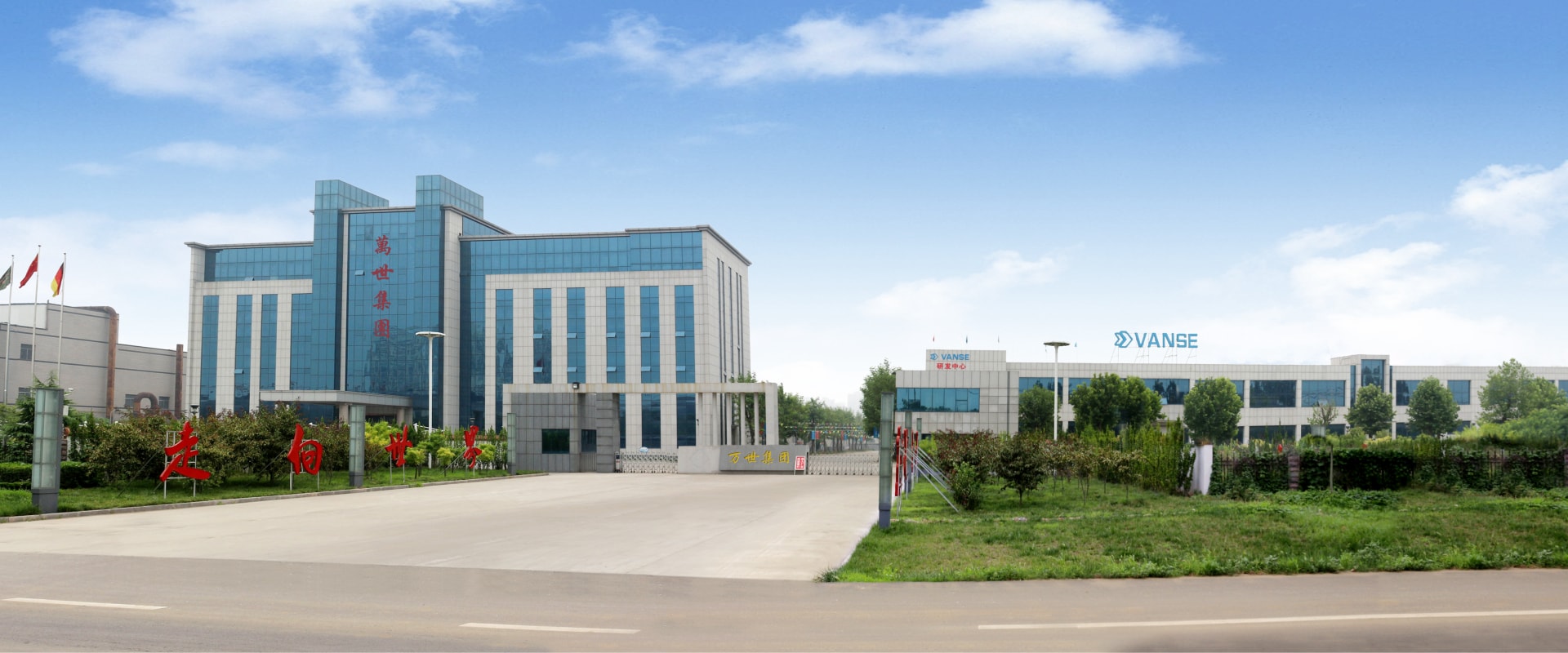
For buyers seeking an additional option beyond legacy domestic brands, VANSE Group brings a telehandler-focused manufacturing background with more than a decade in construction machinery and cumulative production exceeding 8,000 units supplied to over 40 countries, including North America. Its telehandlers are built under CE and ISO 9001 certified processes, use globally recognized powertrain and component brands such as Perkins and Cummins together with premium hydraulic and axle systems, and undergo comprehensive load testing, safety inspection, and performance validation before shipment, giving U.S. buyers concrete evidence of manufacturing discipline rather than generic quality claims. The company supports multiple cooperation models through OEM, ODM, wholesale, retail-oriented supply, and regional distribution partnerships, which makes it relevant not only for end users but also for distributors, dealers, fleet owners, brand owners, and buyers seeking customized specifications, private labeling, or market-specific configurations. Just as important for local trust, VANSE is actively establishing a U.S.-based subsidiary with local inventory, stocking plans, and stronger after-sales capability to support the North American market, backed by online and offline pre-sale consultation, technical support, lifecycle service, and expanding regional responsiveness; that means U.S. customers evaluating products through the equipment range, learning more about the company, reviewing available service support, or reaching the team through the contact page are dealing with a supplier investing in a long-term operating presence in this market rather than acting as a distant exporter.
How 2026 Trends Will Affect Telehandler Buying Decisions
Looking toward 2026, three trends are likely to matter most. The first is smarter machine technology. Telematics, remote diagnostics, operator-assist features, and maintenance analytics will become more common as fleet managers try to reduce downtime and standardize performance across multiple jobsites. The second is policy and compliance. Emissions rules, procurement standards on public projects, and corporate sustainability reporting will push some buyers toward cleaner engines, lower-idle strategies, and eventually more electrified or hybrid machine options where duty cycles allow. The third is labor efficiency. With persistent skilled labor shortages in parts of the U.S., machines that simplify operation, improve visibility, reduce repositioning, and support multi-role use will gain even more value.
Sustainability is not only about emissions. Buyers are also looking at machine longevity, rebuildability, fuel efficiency, service access, and how many separate assets one telehandler can replace. A durable machine with strong parts support and broad attachment compatibility may deliver a better sustainability profile over its lifecycle than several lightly utilized single-purpose machines.
Frequently Asked Questions
Is a telehandler better than a forklift?
It depends on the environment. On smooth warehouse floors, a standard forklift is often more efficient. On rough outdoor sites, farms, and construction projects where reach and height matter, a telehandler is usually the better choice.
Why use a telehandler on a construction site?
Because it can unload materials, move them across uneven terrain, and place them at height with fewer machine changes. That improves workflow and reduces handling delays.
Can one telehandler replace several machines?
In many cases, yes. A telehandler can reduce the need for separate lifting and handling equipment, especially when used with the right attachments. It may not fully replace cranes or loaders in all heavy-duty tasks, but it often reduces reliance on them for routine work.
Are telehandlers good for agriculture in the United States?
Yes. They are widely used for bale stacking, feed handling, seed totes, barn work, and general yard logistics across American farming and livestock operations.
What matters most when buying a telehandler?
Lift chart accuracy, service support, attachment compatibility, machine transport limits, operating environment, and total lifecycle cost all matter. Buyers should also consider dealer or supplier responsiveness in their region.
Should U.S. buyers consider international suppliers?
Yes, if those suppliers can show real certifications, proven export experience, recognized component brands, and credible local support commitments. Cost-performance can be attractive, but uptime support and parts availability should always be verified.
Final Takeaway
If you are asking why use a telehandler, the strongest answer is that it gives American businesses more flexibility per machine hour than many alternatives. It reaches where forklifts cannot, works where warehouse equipment struggles, and adapts to changing tasks with the right attachments. For construction firms, farms, rental fleets, industrial yards, and energy service companies across the United States, that versatility often translates directly into faster handling, fewer support machines, improved jobsite flow, and better return on capital. The best buying decision comes from matching lift performance, local support, and application fit to your actual work, not simply buying the highest specification on paper.
Complete Telescopic Handler Equipment Portfolio
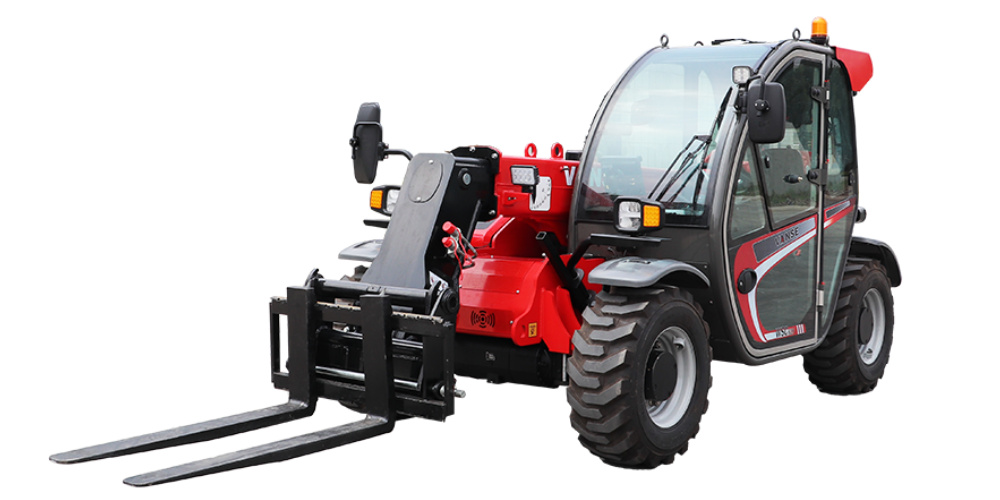
VANSE 625 6m Telescopic Handler
Designed for efficient material handling and stacking in warehouses, factories, and confined job sites, offering compact maneuverability and reliable performance.

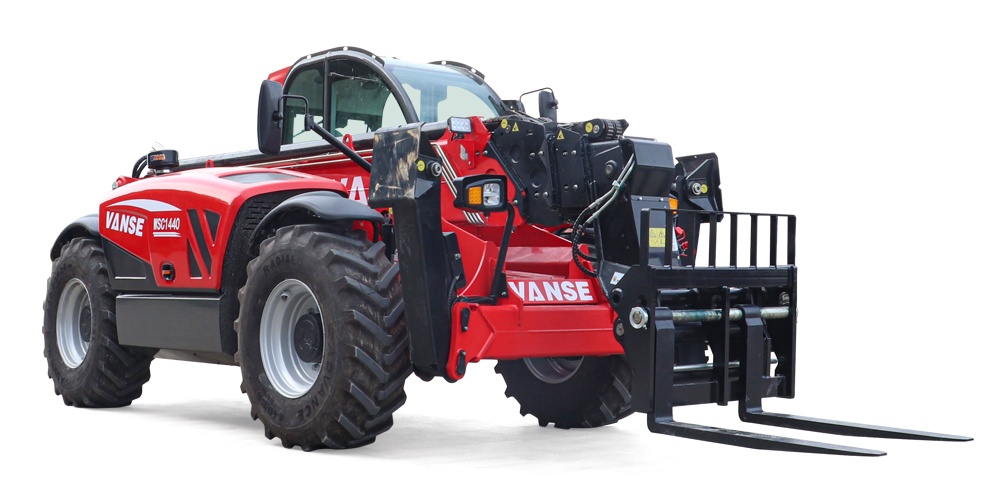
VANSE 735 7m Telescopic Handler
A balanced mid-duty solution for construction, agriculture, logistics, and warehousing, combining stable lifting, strong traction, and everyday versatility.


About the Author:
The VANSE team is a group of experienced professionals specializing in construction machinery research, manufacturing, and technical support. With deep industry knowledge and hands-on experience, our engineers and product specialists share practical insights on equipment selection, operation, maintenance, and industry trends.
Share
You May Also Interest
-

22 October, 2026
Telehandler for Grain Handling on Large Modern Farm Sites
Explore telehandler grain handling options in the United States, including suppliers, specs, farm uses, and cost-saving buying advice for grain operations.
-
21 October, 2026
Telehandler vs All Terrain Forklift: Which Lifts Better
Telehandler vs all terrain forklift in the United States: compare reach, lifting, terrain use, costs, and supplier options for smarter equipment buying.
-
20 October, 2026
10 Ton Telehandler: Extreme Lifting for Major Industrial
Explore 10-ton telehandler options in the United States, top suppliers, buying tips, applications, and service support for major lifting projects.
-
19 October, 2026
Telehandler for Demolition: Safe Structural Dismantling
Explore telehandler demolition options in the United States, including suppliers, attachments, safety, market trends, and cost-effective sourcing advice.