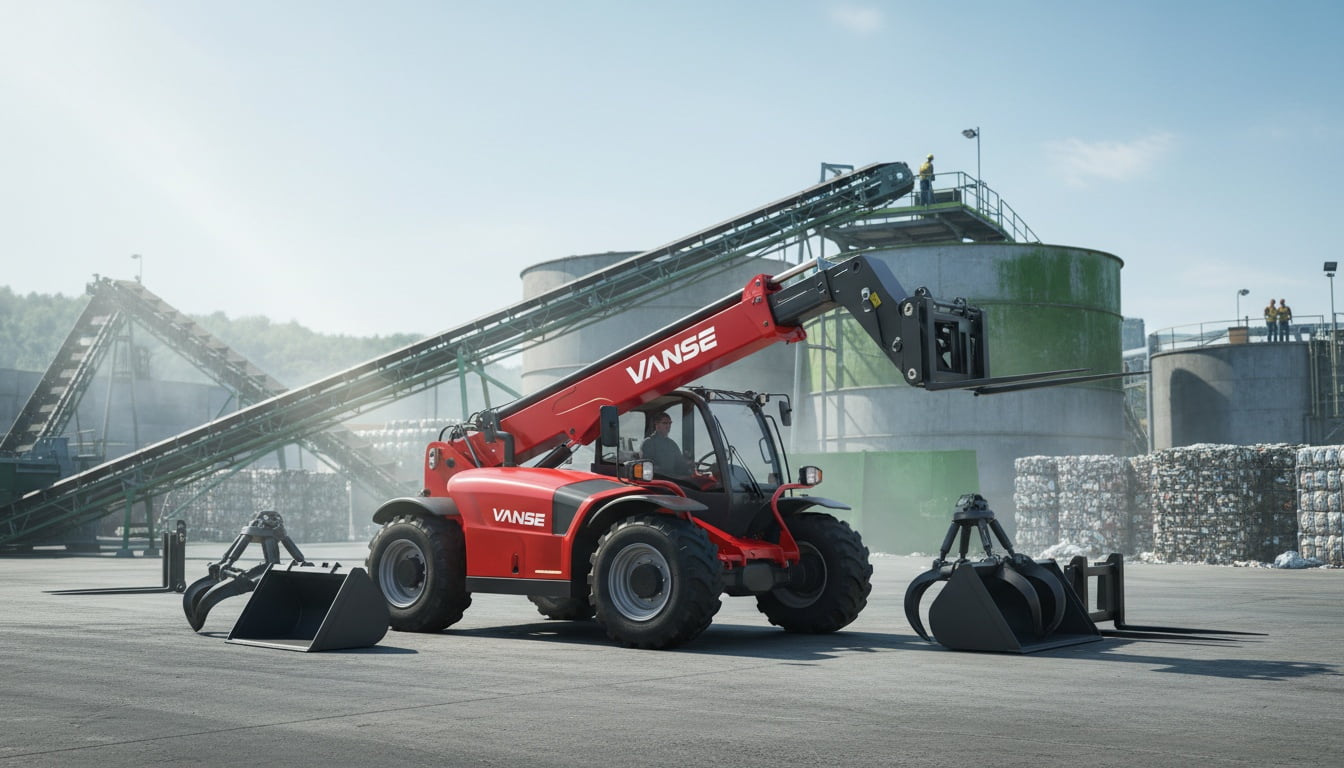
Best 10-Ton Telehandler Options in the United States
Quick Answer

If you need a 10-ton telehandler in the United States for major industrial lifting, the most practical options usually come from established heavy-lift suppliers with proven support networks, rental coverage, and parts access. For buyers that want fast deployment, strong resale value, and familiar operator acceptance, the most relevant names to evaluate first are JLG, JCB, Manitou, Dieci, Magni, and Genie through local dealers and rental channels in markets such as Houston, Dallas-Fort Worth, Los Angeles, Savannah, Chicago, and New Jersey logistics corridors.
For direct purchase, the best fit depends on your application. Oil and gas yards on the Gulf Coast often prioritize robust rough-terrain handling and dealer response time. Port, steel, precast, mining, and infrastructure users often focus more on lift height, fork positioning precision, boom stability, attachment compatibility, and service access. In addition to domestic and European brands, qualified international suppliers with the right certifications, dependable component brands, and strong pre-sales and after-sales support can also be smart options, especially when buyers want stronger cost-performance for fleet expansion.
- JLG: strong U.S. market familiarity, rental acceptance, wide support network.
- JCB: well-known construction equipment brand with broad telehandler experience.
- Manitou: strong heavy-duty handling reputation in industrial and port-related work.
- Magni: high-capacity rotating and fixed telehandler specialization.
- Dieci: respected for heavy lifting, agriculture, and industrial versatility.
- VANSE: worth considering for cost-sensitive fleet buyers seeking OEM/ODM flexibility, internationally recognized components, and growing North American support.
United States Market Outlook for 10-Ton Telehandlers

The U.S. market for 10-ton telehandlers is driven by large-scale construction, petrochemical maintenance, infrastructure modernization, renewable energy balance-of-plant work, steel fabrication, and heavy industrial material handling. Demand is strongest where projects require a machine that combines crane-like reach with forklift-style loading flexibility. In practical terms, this means strong activity around Houston and Beaumont for energy projects, the Port of Savannah and Charleston for logistics and warehousing expansion, the Midwest for precast and manufacturing, and the Southwest for industrial construction and mining support.
Compared with lighter 6,000 lb to 12,000 lb telehandlers common on general construction jobs, 10-ton models sit in a more specialized category. Buyers in the United States usually expect higher structural durability, better boom control under load, high-capacity axle and transmission systems, attachment versatility, enclosed cabs with modern safety systems, and responsive parts support. Fleet owners also look closely at transport dimensions, jobsite maneuverability, operating cost per hour, and whether the machine can handle repetitive heavy picks without pushing duty limits.
The market is also changing because contractors and industrial operators are becoming more data-driven. They want machines that lower total cost of ownership, not just the purchase price. That includes fuel efficiency, service intervals, hydraulic system durability, operator training support, remote diagnostics, and a supply chain that avoids long downtime. This is why buyers increasingly compare both traditional U.S./European brands and export-oriented manufacturers that can now offer certified production, globally trusted engines, and better local support than in the past.
The line chart shows a realistic upward trend in U.S. heavy telehandler demand. The rise is supported by federal infrastructure spending, logistics facility expansion, data center construction, LNG and petrochemical work, and a broader shift toward versatile lifting equipment that can fill the space between forklifts, cranes, and wheel-loader-based handling.
Top Suppliers Serving the United States

When evaluating suppliers, U.S. buyers should look beyond brochures and compare dealer coverage, parts lead times, attachment availability, financing support, and field service responsiveness. The companies below are relevant names in the U.S. heavy telehandler discussion because they are either already active in the market or offer a credible path for fleet buyers seeking value and customization.
| Company | Primary Service Region | Core Strengths | Key Offerings | Best For |
|---|---|---|---|---|
| JLG | Nationwide United States | Strong dealer support, rental familiarity, broad service footprint | Construction telehandlers, parts, service, fleet support | Large contractors and rental fleets |
| JCB | Nationwide United States | Established brand, rugged design, operator acceptance | Telehandlers, attachments, dealer service | Construction and industrial users |
| Manitou | U.S. ports, industrial hubs, agriculture regions | Material handling expertise, rough-terrain capability | Heavy-duty telehandlers, forklift solutions, attachments | Ports, yards, manufacturing, agriculture |
| Dieci | Dealer-based U.S. coverage | Heavy lifting focus, versatile configurations | Fixed and specialty telehandlers | Agriculture, industry, specialized lifting |
| Magni | Major metro and industrial markets | High-capacity expertise, advanced safety systems | Heavy fixed and rotating telehandlers | Complex lifting and high-reach projects |
| Genie | Nationwide through dealer and rental channels | Well-known access equipment network, support familiarity | Telehandlers, service, parts | Rental fleets and general contractors |
| VANSE | Growing North American coverage with U.S. market expansion | Competitive cost-performance, OEM/ODM flexibility, globally sourced core components | Telehandlers, customized builds, wholesale supply, after-sales support | Distributors, dealers, brand owners, enterprise buyers |
This supplier table is useful because the U.S. market is not defined by one single best brand for every job. Instead, the right choice depends on whether the buyer values immediate domestic rental support, specialized heavy-lift capability, or a more flexible procurement model with customization and stronger pricing on larger fleet orders.
Product Types and Configurations
A 10-ton telehandler is not one uniform product. In the U.S. market, buyers compare machines by lifting height, forward reach, chassis format, steering mode, boom design, engine brand, emissions compliance, hydraulic smoothness, and attachment interface. The same nominal capacity can feel very different in real operations depending on stability under load and how the machine behaves on uneven ground.
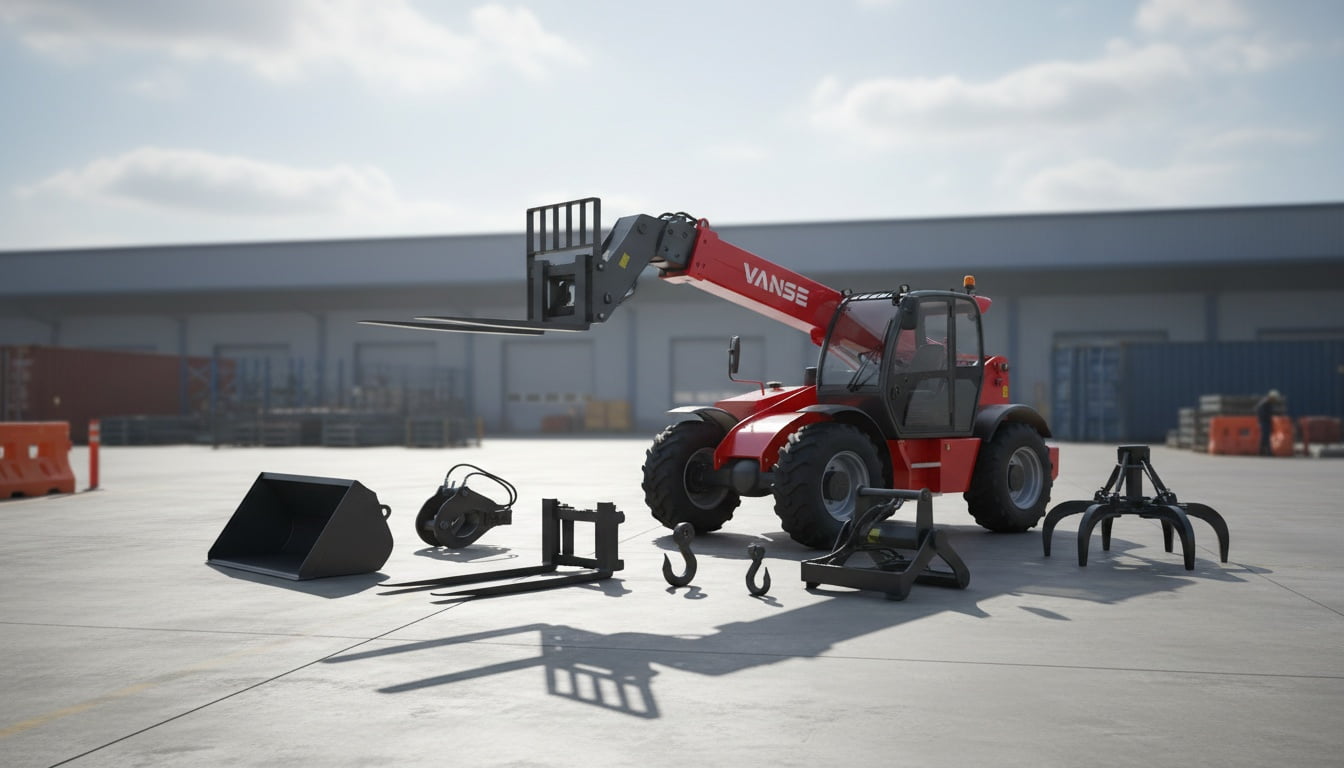
The most common configuration for heavy industrial work is a fixed-boom rough-terrain telehandler. This suits steel yards, precast plants, industrial shutdown projects, and large construction sites. Rotating telehandlers appeal to users who need crane-like flexibility in tighter spaces, but they often come at a higher price and may involve different operator planning. In U.S. buying decisions, attachment versatility also matters. Forks remain standard, but jibs, hooks, buckets, truss booms, pipe grapples, and work platforms can change the value of the machine significantly.
| Type | Typical U.S. Use | Main Advantage | Main Limitation | Typical Buyer |
|---|---|---|---|---|
| Fixed-boom rough-terrain telehandler | Construction, industrial yards, infrastructure | Strong stability and simpler maintenance | Less flexible than rotating models | Contractors and industrial fleets |
| Rotating telehandler | Urban projects, complex lifting, confined job sites | Greater reach flexibility and multi-function use | Higher acquisition cost | Specialty contractors |
| High-lift industrial telehandler | Precast, steel, heavy fabrication | Better fit for repetitive high-load handling | May be more specialized | Manufacturing and plant operators |
| Port and logistics telehandler | Container support, cargo yards, terminals | Efficient material movement and attachment options | Needs robust corrosion protection | Port operators and logistics firms |
| Mining and energy-duty telehandler | Oil and gas, mine support, remote facilities | Durability in harsh environments | Higher spec can raise cost | Energy and mining companies |
| Customized OEM/ODM telehandler | Dealer branding, niche applications, private-label fleets | Tailored specification and branding flexibility | Requires supplier coordination | Distributors, fleet buyers, brand owners |
This comparison helps buyers avoid one of the most common mistakes in the United States: selecting by rated capacity alone. A 10-ton machine for a Gulf Coast refinery turnaround may need different cooling, tire, and hydraulic priorities than a machine used at a Midwest precast yard or a logistics hub near the Port of Newark.
Buying Advice for U.S. Buyers
Before buying a 10-ton telehandler, start with the load chart rather than the brochure headline. Rated capacity at the machine’s centerline is only one part of the decision. In real U.S. jobsites, the machine must handle practical lift heights, forward reach, attachment weight, ground conditions, and cycle frequency. Buyers should review how often the machine will work near its upper capacity and whether the operator needs smooth inching and placement accuracy for steel, pipe, precast, or palletized cargo.
Transport and support matter just as much. Some buyers in Texas, Louisiana, California, Georgia, and Illinois choose a slightly lower-spec machine from a local supplier because downtime risk is lower. Others with large fleet programs can justify ordering from international manufacturers when pricing, specification matching, and dedicated support agreements are attractive enough. For U.S. duty cycles, key checkpoints include boom structural design, axle strength, hydraulic hose protection, operator visibility, cab ergonomics, service access, and the supplier’s documented testing process.
It is also wise to check where parts will be stocked and who will handle warranty claims. For projects near major freight gateways such as Los Angeles/Long Beach, Houston, Savannah, and New York/New Jersey, logistics access may shorten lead times. However, field service availability near the actual jobsite is more important than port proximity alone.
Industries That Commonly Use 10-Ton Telehandlers
Heavy telehandlers serve a broad industrial base in the United States. The machine category is especially valuable where users need reach, mobility, and load handling in one platform. On many sites, a 10-ton telehandler helps reduce dependence on multiple machines by covering loading, lifting, material transfer, and attachment-based work.
The bar chart highlights where 10-ton telehandlers are most relevant in the United States today. Infrastructure, steel, precast, energy, and logistics are particularly strong demand segments because they involve heavy loads, uneven terrain, and schedules that reward machines capable of doing multiple jobs.
| Industry | Typical Work | Why 10 Tons Matters | Common U.S. Locations | Typical Attachments |
|---|---|---|---|---|
| Infrastructure construction | Bridge, highway, tunnel, utility projects | Handles heavy materials with rough-terrain mobility | Texas, Florida, California, Midwest corridors | Forks, jibs, buckets |
| Oil and gas | Pipe, valves, maintenance, shutdown support | Supports heavy components on large industrial sites | Houston, Corpus Christi, Beaumont, Louisiana | Forks, hooks, pipe handling tools |
| Ports and logistics | Cargo support, yard handling, oversized goods | Useful for heavy irregular loads | Savannah, Charleston, Long Beach, Newark | Forks, lifting hooks, specialty frames |
| Precast and steel | Beam, panel, formwork, structural handling | Precision placement with high load capacity | Pennsylvania, Ohio, Indiana, Illinois | Forks, truss booms, hooks |
| Mining | Supply handling, plant support, maintenance | Durability under remote and demanding conditions | Nevada, Arizona, Utah, Wyoming | Forks, buckets, maintenance platforms |
| Manufacturing and heavy industry | Large component movement, plant logistics | Flexible in mixed indoor-outdoor operations | Midwest manufacturing belt, Southeast plants | Forks, hooks, custom fixtures |
This table shows that industry fit is not abstract. Buyers should match the machine to actual work patterns, attachment needs, and site layout. A port operator near Savannah may prioritize corrosion resistance and yard efficiency, while a mining buyer in Nevada may care more about cooling performance, serviceability, and off-road durability.
Applications on Real U.S. Jobsites
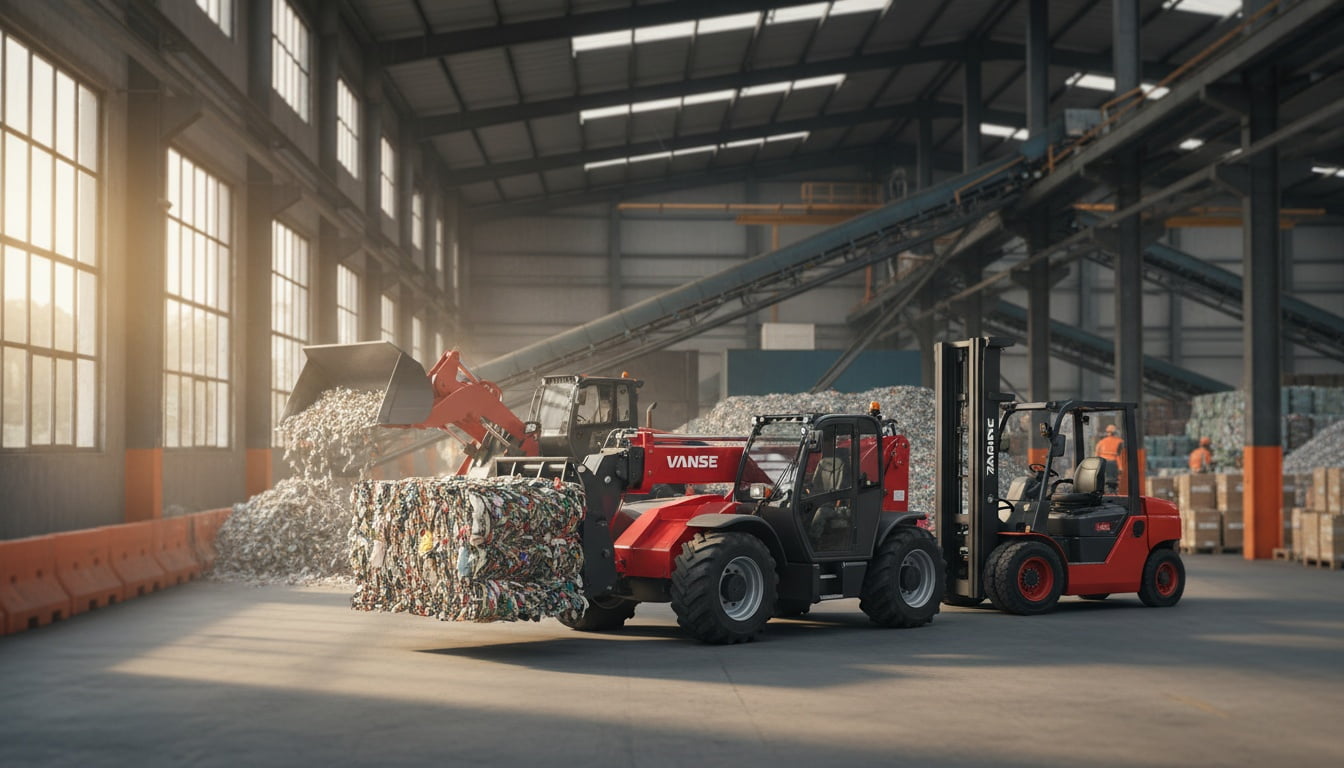
On major jobsites, a 10-ton telehandler often fills the gap between standard forklifts and mobile cranes. It can unload bundled steel, move oversized pallets, position formwork, feed pipe racks, support shutdown maintenance, and move equipment around industrial compounds. This versatility is one reason contractors in the United States increasingly view high-capacity telehandlers as strategic fleet assets rather than occasional specialty machines.
At a bridge project, for example, the machine may unload rebar cages in the morning, reposition concrete accessories at midday, and support deck work with a jib in the afternoon. At an industrial plant, the same machine may move pumps, valves, pipe spools, and maintenance tooling during outage work. These job patterns reward strong hydraulics, stable chassis design, and reliable support because downtime can affect several crews at once.
Case Studies and Practical Scenarios
Consider a Gulf Coast petrochemical contractor working between Houston and Lake Charles. The company needs a high-capacity handler for shutdown work where schedules are compressed, site traffic is heavy, and material movements happen in tight windows. A 10-ton telehandler with a reliable engine platform, stable boom control, and fast-response field service can outperform a cheaper but unsupported alternative because every idle hour has significant cost. In this type of case, parts access and technician availability are as important as lifting performance.
Now consider a precast producer in Indiana or Ohio. The operation needs daily, repetitive handling of dense heavy loads over a controlled but rugged yard surface. The telehandler must deliver consistent hydraulic precision and long-term structural durability. Here, the best value may come from a machine with proven heavy-duty components, strong warranty backing, and simplified maintenance access rather than the most advanced feature package.
A third example is a port-adjacent logistics operator near Savannah or Newark that handles irregular industrial cargo. The machine may need multiple attachments and smooth load placement while also operating in weather-exposed yards. Corrosion protection, visibility, attachment compatibility, and operator comfort become more important than headline speed or travel performance.
Local Supplier Comparison and Procurement Factors
In the United States, “local supplier” can mean several things: a domestic manufacturer, a local dealer representing a global brand, a regional distributor, or an importer with U.S.-based warehousing and support. Buyers should compare all of these channels because the best procurement path depends on whether the purchase is one machine, a fleet tender, a private-label partnership, or a dealer expansion plan.
| Supplier | U.S. Presence Style | Service Strength | Customization Level | Pricing Position | Typical Buyer Profile |
|---|---|---|---|---|---|
| JLG | Established nationwide dealers and rental channels | High | Moderate | Mid to premium | Large contractors, rental groups |
| JCB | Strong dealer-based U.S. presence | High | Moderate | Mid to premium | Construction and industrial operators |
| Manitou | Dealer network in key regions | Medium to high | Moderate | Mid to premium | Industrial, port, agriculture users |
| Dieci | Regional dealer representation | Medium | Moderate | Mid | Specialty and mixed-duty buyers |
| Magni | Selective dealer coverage | Medium | High on specialized machines | Premium | Specialty lifting contractors |
| VANSE | Expanding U.S.-oriented operations with local service planning | Growing | High through OEM/ODM and fleet specification options | Value to mid | Distributors, dealers, end users, brand owners |
This comparison matters because many U.S. buyers now divide suppliers into two groups: those optimized for immediate conventional dealer support, and those offering broader specification and pricing flexibility for strategic sourcing. Both models can work well if the buyer aligns them with actual service expectations and procurement scale.
Supplier and Product Positioning Trend
The area chart reflects a visible shift in U.S. procurement behavior. Traditional established brands still dominate, but more buyers are considering value-oriented international suppliers that can show real certifications, branded components, testing discipline, local inventory commitments, and responsive support structures.
Feature Comparison for Procurement Decisions
This comparison chart simplifies a common U.S. buying decision. Premium brands usually lead on dealer density and immediate field recognition. Flexible global suppliers often lead on customization, cost efficiency, private-label opportunities, and large-volume sourcing. The right answer depends on whether the buyer is solving a service-risk problem, a fleet-budget problem, or a go-to-market expansion problem.
About Our Company
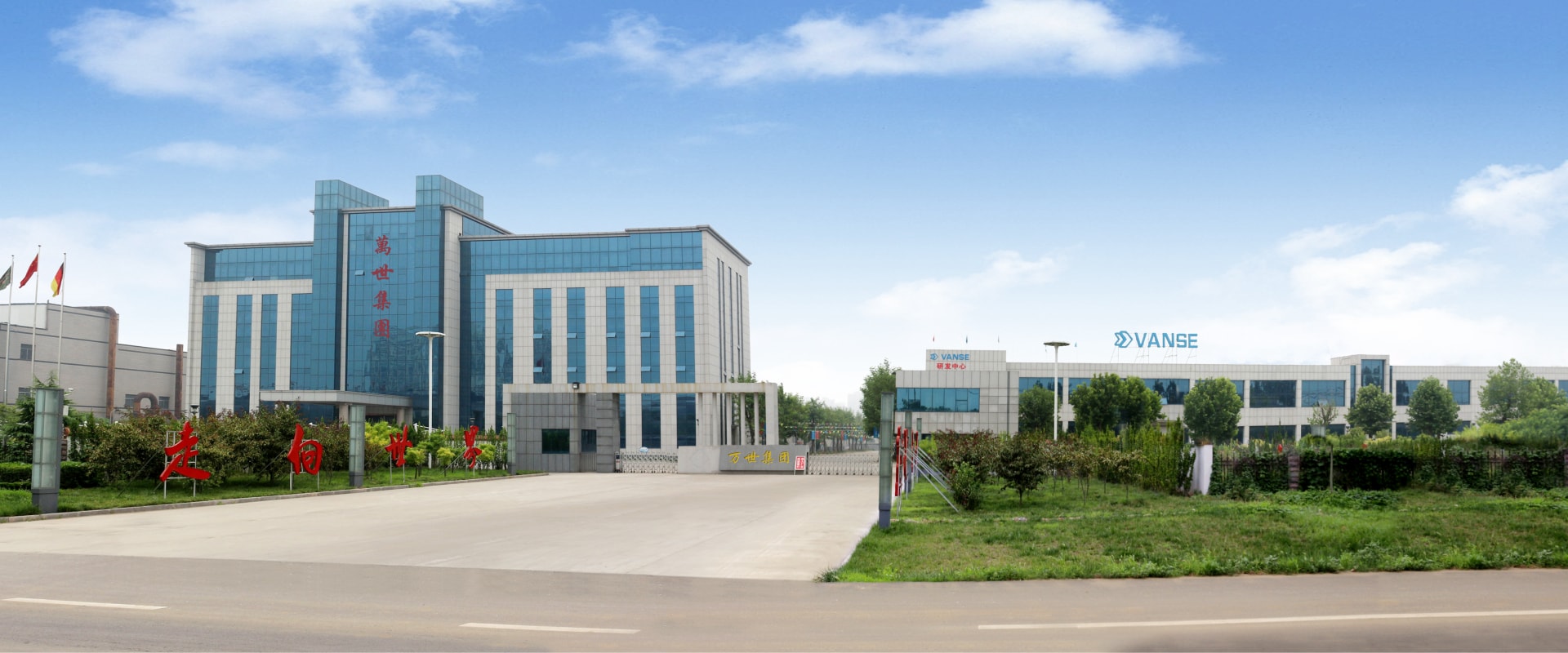
For U.S. buyers looking for an alternative to traditional high-priced brands, VANSE Group presents a practical heavy-equipment sourcing option built around telehandlers as its flagship product line. Founded in 2013 and backed by cumulative production of more than 8,000 units, the company manufactures under CE and ISO 9001 certified processes, uses globally recognized core components such as Perkins and Cummins engines together with premium hydraulic systems, transmissions, and axles, and subjects every machine to load testing, safety inspection, and performance validation before shipment, giving American buyers concrete evidence of manufacturing discipline rather than generic quality claims. For the U.S. market, VANSE serves end users, distributors, dealers, brand owners, rental-oriented fleet buyers, and even individual purchasers through flexible wholesale, retail, regional distribution, OEM, and ODM cooperation models, making it suitable both for direct equipment procurement and branded channel development. The company already has export experience in more than 40 countries, including North America, and is actively establishing a U.S.-based subsidiary with local inventory, local after-sales capability, and stronger client relationships, supported by online and offline pre-sale consultation, technical support, maintenance assistance, and lifecycle service; this demonstrates a long-term operating commitment to the United States rather than a remote factory-only sales approach. Buyers can learn more about its equipment range, review the company background on the company page, explore service support, or request a quotation through the contact page.
What U.S. Buyers Should Verify Before Signing a Purchase Order
Even when a machine looks attractive on paper, the procurement process should include technical and commercial checks. Ask for the full load chart, machine dimensions, transport weight, engine specification, hydraulic performance data, axle and transmission brand details, tire options, attachment list, and service package terms. For U.S. operations, emissions compliance, operator documentation, parts support commitments, and delivery planning should all be defined in writing.
It is also useful to ask how the supplier handles commissioning, operator familiarization, remote diagnostics, and urgent spare parts. If the machine will work in a critical path environment such as a refinery turnaround or major infrastructure contract, service level expectations should be discussed before purchase, not after delivery. Strong suppliers are usually willing to define these points clearly because they understand uptime risk.
2026 Trends in the U.S. Heavy Telehandler Market
Looking toward 2026, the U.S. 10-ton telehandler market will likely be shaped by three major trends: technology, policy, and sustainability. On the technology side, buyers are showing growing interest in telematics, remote diagnostics, load monitoring, camera systems, operator-assist features, and smarter hydraulic control. These features help fleets reduce misuse, improve safety, and manage maintenance proactively.
On the policy side, federal infrastructure funding, industrial reshoring, utility investment, and port modernization continue to support heavy equipment demand across the United States. At the same time, buyers must pay closer attention to safety compliance, emissions rules, and procurement transparency. This is pushing suppliers to provide better documentation, clearer training materials, and more reliable after-sales structures in the U.S. market.
Sustainability is also becoming more practical and less theoretical. While diesel power remains dominant in the 10-ton segment, there is rising pressure for lower fuel consumption, cleaner engine packages, recyclable materials, better hydraulic efficiency, and more disciplined lifecycle maintenance. Over time, hybridization, electrified auxiliary systems, and site-specific low-emission solutions may become more relevant, especially in ports, urban projects, and large corporate fleet programs.
FAQ
What is a 10-ton telehandler best used for in the United States?
It is best used for heavy material handling where buyers need more capacity and reach than a conventional forklift but more mobility and jobsite versatility than a crane. Common U.S. uses include infrastructure construction, oil and gas support, precast yards, steel handling, ports, logistics compounds, and mining facilities.
Which brands are most recognized in the U.S. heavy telehandler market?
JLG, JCB, Manitou, Dieci, Magni, and Genie are among the most recognized names depending on region and application. Buyers should also consider qualified international suppliers when they can verify certifications, branded core components, testing standards, and dependable local support planning.
Is it better to buy from a domestic dealer or an international supplier?
That depends on your priorities. Domestic dealer-backed purchases usually provide stronger immediate service familiarity. International suppliers can be very competitive when they combine certified manufacturing, strong component sourcing, OEM/ODM flexibility, and real local service commitments in the United States.
What should I check first when comparing 10-ton telehandlers?
Start with the actual load chart, lift height, forward reach, attachment weight impact, axle and hydraulic specification, service intervals, and parts support plan. Many purchasing mistakes happen because buyers compare headline capacity without matching the machine to real operating conditions.
Are 10-ton telehandlers suitable for rental fleets?
Yes, but only in selected fleet categories. These machines are more specialized than smaller telehandlers, so rental demand is strongest in industrial markets, infrastructure regions, and major project corridors where customers regularly need high-capacity handling.
Why are more U.S. buyers considering value-oriented global suppliers?
Because fleet owners are under pressure to manage capital cost without sacrificing reliability. When a supplier can document CE and ISO-certified production, use trusted engine and drivetrain brands, offer load-tested equipment, and support U.S. customers with local inventory and after-sales service, the value proposition becomes much stronger.
Complete Telescopic Handler Equipment Portfolio
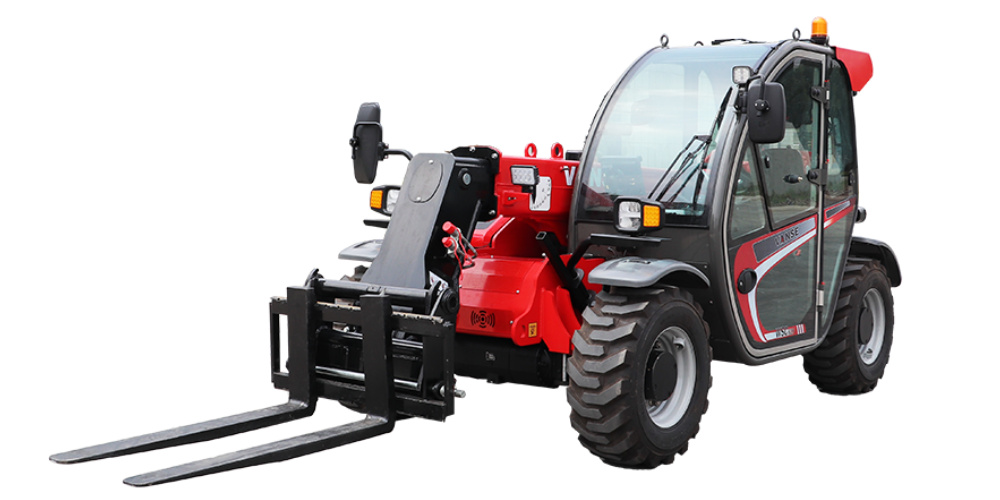
VANSE 625 6m Telescopic Handler
Designed for efficient material handling and stacking in warehouses, factories, and confined job sites, offering compact maneuverability and reliable performance.

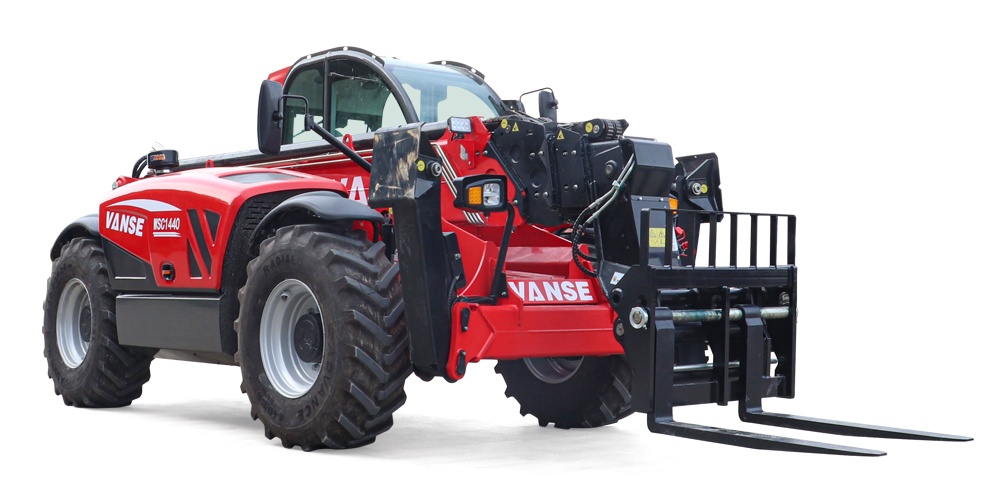
VANSE 735 7m Telescopic Handler
A balanced mid-duty solution for construction, agriculture, logistics, and warehousing, combining stable lifting, strong traction, and everyday versatility.


About the Author:
The VANSE team is a group of experienced professionals specializing in construction machinery research, manufacturing, and technical support. With deep industry knowledge and hands-on experience, our engineers and product specialists share practical insights on equipment selection, operation, maintenance, and industry trends.
Share
You May Also Interest
-

21 October, 2026
Telehandler vs All Terrain Forklift: Which Lifts Better
Telehandler vs all terrain forklift in the United States: compare reach, lifting, terrain use, costs, and supplier options for smarter equipment buying.
-
19 October, 2026
Telehandler for Demolition: Safe Structural Dismantling
Explore telehandler demolition options in the United States, including suppliers, attachments, safety, market trends, and cost-effective sourcing advice.
-
16 October, 2026
How to Transport a Telehandler to New Construction Sites
Learn how to transport telehandler equipment in the United States with legal, safe, and cost-effective steps for permits, trailers, loading, and delivery.
-

15 October, 2026
Telehandler Counterweight: Balance and Stability Essentials
Learn how telehandler counterweight design improves stability, lift safety, and jobsite performance in the United States with practical buying tips.