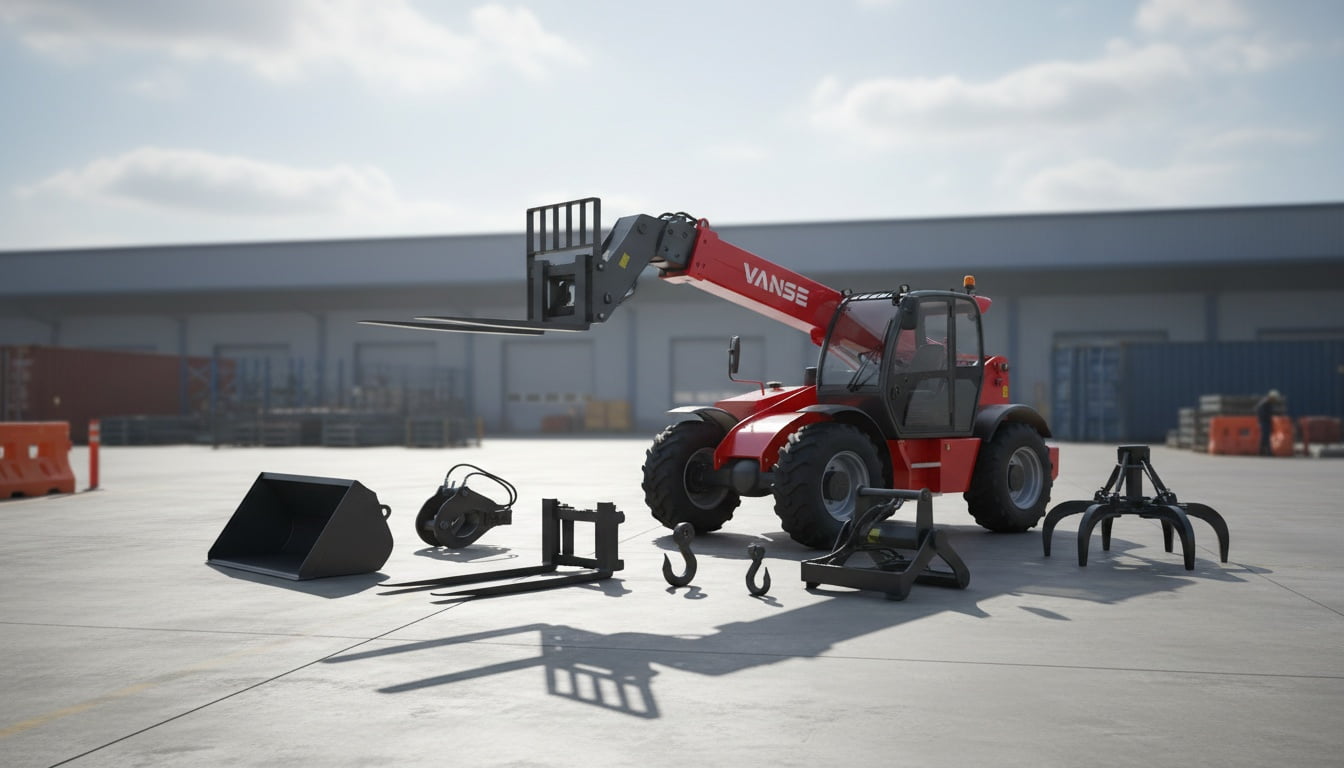
Telehandler vs All Terrain Forklift in the United States
Quick Answer

If the question is which machine lifts better, the telehandler is usually the better choice in the United States when the job requires higher reach, more forward placement, more attachment flexibility, and work across mixed construction or agricultural sites. An all terrain forklift is often better when the main need is simpler pallet handling, strong stability at lower heights, faster load cycling, and lower purchase complexity on rough outdoor ground. In short, a telehandler wins for reach and versatility, while an all terrain forklift wins for straightforward heavy lifting close to the machine.
For U.S. buyers in places such as Texas, Florida, California, Georgia, Illinois, and the Carolinas, the best decision depends on lift height, load center, ground conditions, operator skill, and whether you need forks only or also buckets, jibs, work platforms, or clamps. Well-known domestic and international brands such as JLG, JCB, Genie, Bobcat, Manitou, and SkyTrak are common reference points in the American market. Qualified international suppliers can also be worth considering, especially when they offer recognized certifications, strong technical support, local parts planning, and better cost-performance for fleet buyers, contractors, dealers, and rental companies.
Buy a telehandler if your crews need to place materials on roofs, upper floors, or behind obstacles. Buy an all terrain forklift if your operation mostly unloads trucks, moves pallets in yards, and works at lower lift heights with repetitive cycles. For many United States buyers, the telehandler delivers broader jobsite utility, but the all terrain forklift can produce a better return where the workflow is predictable and height requirements are limited.
Understanding the United States Market

The United States is one of the most diverse equipment markets in the world, and that diversity explains why both telehandlers and all terrain forklifts maintain strong demand. A contractor in Houston may need to place bundles of framing material onto a second-story slab. A farm in Iowa may need to stack bales, move seed pallets, and load bulk materials. A port-adjacent warehouse near Savannah may need rough-surface pallet transport in outdoor yards. A quarry in Arizona may need stable handling of dense loads over uneven terrain. These use cases are related, but not identical, and the machine choice changes with the work pattern.
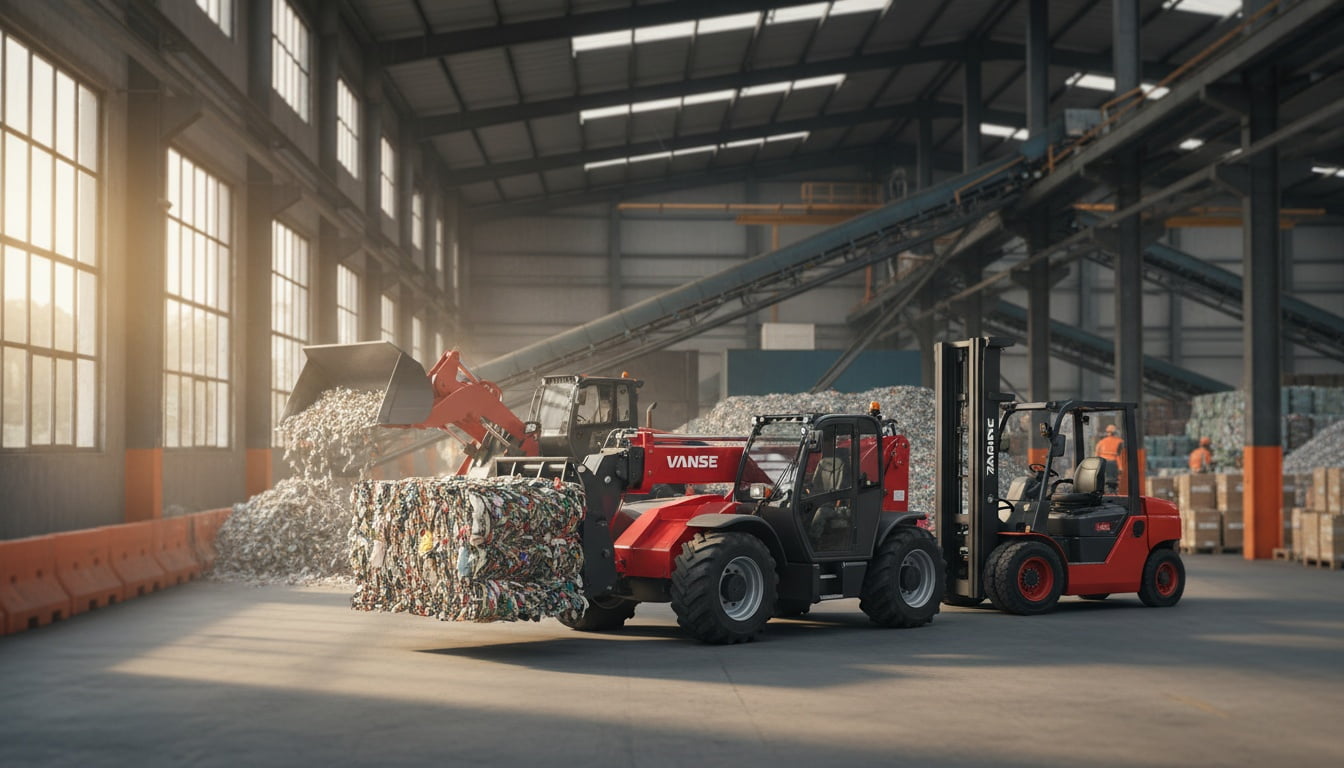
Telehandlers have become especially important across commercial construction, infrastructure upgrades, industrial maintenance, agriculture, and rental fleets because they combine vertical lift with forward reach. That matters on congested jobsites where the machine cannot drive directly next to the placement point. All terrain forklifts remain relevant because they are rugged, easier to understand for many operators, and highly efficient for moving palletized loads over gravel, dirt, aggregate, and unfinished surfaces.
In major trade and logistics corridors such as Los Angeles, Long Beach, Houston, Miami, Charleston, Savannah, Newark, and Chicago, buyers often compare total operating cost more closely than sticker price alone. They look at fuel consumption, attachments, resale value, technician availability, transport dimensions, and uptime support. In fast-growing Sun Belt states, many equipment decisions are driven by labor efficiency: one machine that can unload, place, and support multiple jobsite tasks is often more valuable than a machine optimized for only one task.
Recent demand in the United States also reflects several structural changes: warehouse expansion near transportation hubs, energy projects, agriculture modernization, tighter jobsite schedules, and increasing attention to operator safety. These changes favor machines with better visibility, more advanced load management, and stronger support networks. That is one reason telehandlers continue to gain share in applications once served by simpler rough terrain forklifts.
How the Two Machines Differ

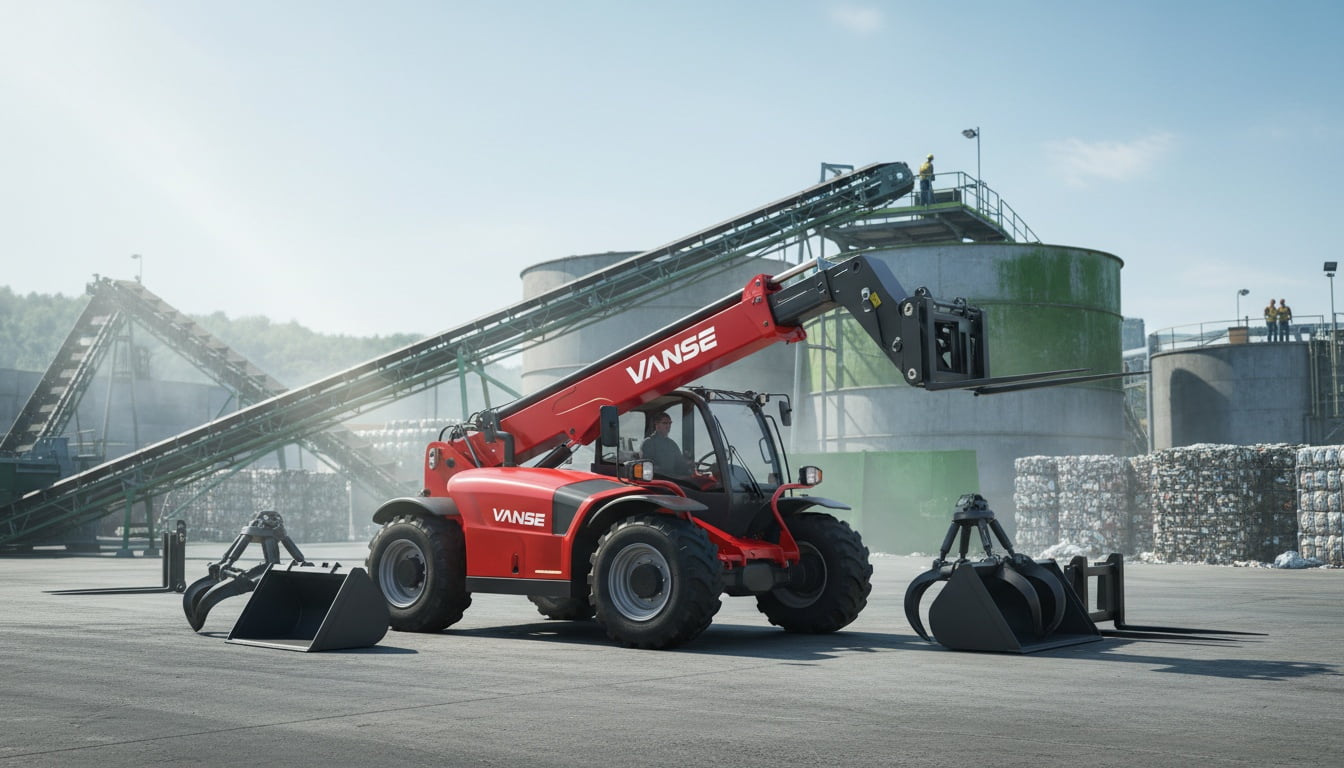
A telehandler, also called a telescopic handler, uses a boom that extends outward and upward. This allows the load to be lifted vertically and placed at distance. The machine can often use multiple attachments, turning it from a material handler into a multi-purpose site tool. By contrast, an all terrain forklift is built around a mast and carriage system. It is designed primarily for lifting and transporting palletized loads over rough outdoor surfaces. It tends to be more specialized and more direct in pallet-handling tasks.
The biggest practical difference is the lift path. A telehandler can reach over trenches, low walls, stacked materials, or partially completed structures. An all terrain forklift usually needs more direct access because the mast raises the load mostly upward rather than projecting it forward. If crews must set loads on elevated decks or place bundles where the chassis cannot safely approach, the telehandler often solves the problem faster.
The second major difference is attachments. Telehandlers may run forks, buckets, truss booms, jibs, winches, grapples, work platforms, bale handlers, and more depending on machine design and regulations. An all terrain forklift is generally fork-focused, though certain specialized attachments are available. If your workflow changes by season or by contract type, that flexibility can strongly affect ownership value.
The third difference is operator behavior and stability management. Telehandlers can do more, but they also require more attention to load charts, boom angle, extension, and terrain effects. All terrain forklifts are often easier to assign to straightforward handling tasks because the operating logic is simpler. For some buyers, especially those with high operator turnover, that simplicity matters.
At-a-Glance Comparison
The table below gives a practical comparison for United States buyers who want to match equipment choice to task, terrain, and ownership strategy rather than relying on general marketing claims.
| Factor | Telehandler | All Terrain Forklift | Why It Matters in the United States |
|---|---|---|---|
| Lift height | Typically much higher | Usually lower than telehandler | Important for commercial building, roofing, framing, and industrial maintenance |
| Forward reach | Strong forward placement ability | Limited compared with boom machines | Helps on congested jobsites and around obstacles |
| Pallet handling speed | Good, but not always fastest | Often faster for repetitive pallet cycles | Useful in yards, farms, and material distribution sites |
| Attachment flexibility | Very high | Moderate to limited | Can reduce fleet size when one machine does multiple tasks |
| Operator learning curve | Higher | Lower | Affects productivity, safety, and training cost |
| Best fit | Reach-intensive, mixed-use jobs | Lower-height rough-surface load transport | Determines total return on investment |
| Typical buyer profile | Contractors, rental fleets, farms, industrial users | Yards, farms, construction support, logistics sites | Helps align machine type with real workflow |
Market Growth and Demand Direction
Demand in the United States has generally trended toward more versatile lifting equipment, especially in rental fleets and mixed-use contractor operations. The line chart below illustrates a realistic market growth pattern for telehandler demand relative to broader rough-terrain material handling demand from 2021 through 2026.
This trend reflects how telehandlers increasingly serve as a bridge between forklift work, elevated placement, and attachment-based jobsite support. The all terrain forklift segment remains relevant and steady, especially where the work pattern is repetitive and lower-height. However, growth tends to be stronger in categories where one machine can replace several narrower-purpose units.
Product Types in the American Market
In the United States, not every telehandler or all terrain forklift belongs in the same decision set. Product categories matter because a machine built for masonry supply yards is different from one intended for agriculture or refinery maintenance. Buyers should separate machines by application class before comparing price.
| Product Type | Typical Capacity Range | Typical Reach or Lift Focus | Common U.S. Users | Main Advantage |
|---|---|---|---|---|
| Compact telehandler | 5,000 to 6,600 lb | Lower overall size, moderate reach | Landscaping, residential builders, urban contractors | Fits tighter sites and trailers more easily |
| Mid-size telehandler | 6,600 to 10,000 lb | Strong balance of reach and capacity | General contractors, rental fleets, farms | Best all-around versatility |
| High-capacity telehandler | 10,000 lb and above | Heavy material placement | Industrial, energy, large civil projects | Handles heavier loads at height |
| Rotating telehandler | Varies by model | 360-degree upper structure capability | Specialized contractors, urban sites | Advanced positioning flexibility |
| Standard all terrain forklift | 5,000 to 8,000 lb | Rough-surface pallet handling | Construction supply yards, farms | Simple, efficient, rugged operation |
| Heavy all terrain forklift | 8,000 lb and above | Dense loads, lower-height work | Industrial yards, quarry support, ports | Strong near-machine lift stability |
| Warehouse-oriented rough-use hybrid | Varies | Mixed indoor-outdoor handling | Large facilities near logistics hubs | Supports broader site movement patterns |
This table shows why the phrase “which lifts better” has no single answer without context. A high-capacity all terrain forklift can outperform a small telehandler in close-range heavy lifting. A mid-size telehandler can outperform that same forklift when the placement point is higher, farther, or obstructed.
Industry Demand by Sector
Demand patterns vary sharply across industries. The bar chart below reflects a realistic United States demand split based on how often each machine type is selected in common sectors.
The chart shows a common pattern. Telehandlers lead in construction, rentals, and infrastructure because they solve more placement challenges. All terrain forklifts remain strong in industrial yards, mining support, and certain agricultural workflows where lower-height stability and repetitive movement dominate the task list.
Buying Advice for United States Buyers
The most expensive mistake is buying by rated capacity alone. Buyers should review five practical questions before choosing a machine. First, what is the maximum lift height and forward placement distance actually required? Second, how often will the machine use non-fork attachments? Third, what are the dominant ground conditions: concrete, gravel, mud, compacted dirt, or mixed terrain? Fourth, what kind of operator training program is realistic for your business? Fifth, do you need one flexible machine or several specialized units?
Transport and service availability should also be considered. In states with long travel distances between jobsites, transport width, trailer compatibility, and dealer footprint can influence utilization more than a brochure specification. In coastal and port-driven markets like Houston, Savannah, and Los Angeles, uptime often depends on parts access and field technician response. For inland agricultural regions such as Nebraska, Kansas, Iowa, and the Central Valley of California, buyers may prioritize seasonal reliability, hydraulics, engine support, and cold-start or dust-control performance.
Financing structure matters too. Rental fleets may favor telehandlers because broader use improves utilization rates across varied customer segments. Owner-operators with repetitive yard handling may prefer all terrain forklifts because simplicity can lower training time and reduce misuse. Dealers and distributors should evaluate local market gaps: in many U.S. regions, there is room for competitively priced telehandlers with strong support plans, especially for buyers who want mainstream component brands without premium-brand pricing.
Applications by Industry
The following table connects industry needs with machine fit. It is especially useful for procurement teams comparing use cases across multiple branches or regional operations.
| Industry | Typical Job | Better Choice | Reason | Notes for U.S. Buyers |
|---|---|---|---|---|
| Commercial construction | Placing pallets on upper floors | Telehandler | Reach and elevated placement | Common in metro growth zones such as Dallas, Atlanta, Phoenix, and Nashville |
| Residential framing | Moving lumber and roof trusses | Telehandler | Can place materials over obstacles | Compact models work well on tighter suburban sites |
| Agriculture | Handling bales, feed, seed, and pallets | Depends on task mix | Telehandler for multi-use, forklift for repetitive pallet work | Seasonality strongly affects return on investment |
| Industrial yards | Moving palletized goods outdoors | All terrain forklift | Fast repetitive load cycles | Good fit when lift height is modest and access is direct |
| Infrastructure | Bridge, road, and utility material handling | Telehandler | Versatility on changing sites | Helpful for contractors moving between uneven project areas |
| Mining support | Transporting dense loads on rough ground | All terrain forklift | Stable lower-height rough-load handling | Heavy-duty models often preferred |
| Equipment rental | Serving mixed customer requests | Telehandler | Wider demand range and attachment use | High utilization across diverse end users |
In practice, companies that serve multiple sectors often prefer telehandlers because they can support more than one revenue stream. Businesses with a very narrow workflow may find an all terrain forklift more efficient.
Trend Shift in Equipment Selection
The area chart below shows how equipment preference is shifting in the United States as contractors and fleet managers prioritize versatility, labor efficiency, and site adaptability.
This shift does not mean all terrain forklifts are disappearing. Instead, it suggests that many buyers now value adaptability more than before. With labor pressures and tighter delivery schedules, machines that support multiple tasks without waiting for another unit often receive stronger budget support.
Case Studies from Common U.S. Scenarios
A subcontractor in suburban Atlanta handling framing packages and roofing bundles usually gains more from a telehandler because material must be placed onto elevated areas quickly. The machine saves labor by reducing manual repositioning and supports additional attachments for cleanup and site logistics. In this case, “lifting better” means reaching higher and placing farther, not just carrying weight.
A materials yard outside Kansas City moving palletized block, bagged materials, and packaged products over gravel lots may be better served by an all terrain forklift. The repetitive cycle is straightforward, the loads remain relatively close to the machine, and speed of pickup and set-down matters more than boom reach. Here, “lifting better” means efficient throughput and rugged simplicity.
A dairy or feed operation in Wisconsin that shifts between bale handling, pallet work, and bulk loading may choose a telehandler because one chassis can support more seasonal tasks. The broader role outweighs the extra training requirement. A stone and aggregate operation near Las Vegas handling dense packaged goods outdoors may continue to prefer a heavy all terrain forklift because close-range stability and ruggedness dominate the decision.
These examples show why buyers should define “better” by job outcome: reach, cycle time, site access, attachment use, training burden, or ownership cost. The machine that wins on paper capacity is not always the machine that wins on site productivity.
Local Suppliers and Major Brands in the United States
The United States market includes established manufacturers, major dealer networks, and rental-driven brands. The table below highlights recognizable names and what they are typically known for. This is useful for buyers building a shortlist for direct purchase, rental fleet evaluation, dealership partnerships, or regional sourcing.
| Company | Service Region in the United States | Core Strengths | Key Offerings | Best Fit |
|---|---|---|---|---|
| JLG | Nationwide through dealer and rental channels | Strong telehandler range, rental market presence | Construction telehandlers, parts support, fleet solutions | Contractors and rental businesses |
| JCB | Nationwide with strong construction and agriculture presence | Broad telehandler portfolio, recognized brand | Ag telehandlers, construction models, dealer support | Mixed-use buyers needing versatility |
| Genie | Nationwide, especially rental-oriented markets | Rental fleet familiarity and telehandler support | Telehandlers for construction and industrial use | Fleet owners and general contractors |
| SkyTrak | Broad U.S. availability | Popular construction telehandler platform | Conventional telehandlers, service parts | Building trades and site contractors |
| Bobcat | Nationwide with strong dealer footprint | Compact equipment integration and brand reach | Telehandlers and material handling support | Businesses wanting cross-equipment dealer relationships |
| Manitou | Nationwide, with agriculture and industrial relevance | Specialized material handling expertise | Telehandlers, rough-terrain handling equipment | Agriculture, industry, and specialized users |
| Sellick | Strong in industrial and specialty handling applications | Rough terrain and off-road forklift focus | All terrain forklifts and specialized outdoor handling machines | Industrial yards and rugged work sites |
| Harlo | Known in construction and agriculture channels | Rough terrain forklift specialization | All terrain forklifts for outdoor lifting | Users focused on straightforward rough-load handling |
For many United States buyers, local dealer depth still matters more than brochure language. Ask about field response time, stocked wear parts, warranty administration, and attachment compatibility. In states with severe weather swings or heavy rental turnover, service execution can be more important than minor differences in rated specifications.
Supplier and Product Comparison
The comparison chart below illustrates how representative supplier categories typically score in the U.S. market across four buying criteria. These are directional benchmarks designed to help buyers think through trade-offs.
This comparison explains why some buyers in the United States increasingly review qualified international suppliers alongside legacy domestic choices. If the machine specification fits the job and the supplier can prove parts planning, certified production, and local support readiness, the value equation can become very attractive.
What to Check Before You Buy
Before signing a purchase order, buyers should request a full load chart, attachment list, shipping dimensions, service interval schedule, engine and hydraulic component details, and local support commitments. Ask how the machine performs with the exact loads you handle most often, not only the maximum rated load in ideal conditions. If you buy for multiple branches, review whether one standard platform can reduce training, parts stocking, and attachment inventory across locations.
Also confirm whether the supplier understands U.S. operating realities. That includes transport rules, rental duty cycles, regional climate differences, and the need for quick downtime response. A machine that looks cost-effective at import stage may become expensive if basic filters, seals, or boom wear parts are hard to source. On the other hand, a competitively priced machine backed by clear local service planning can significantly improve fleet economics.
Our Company
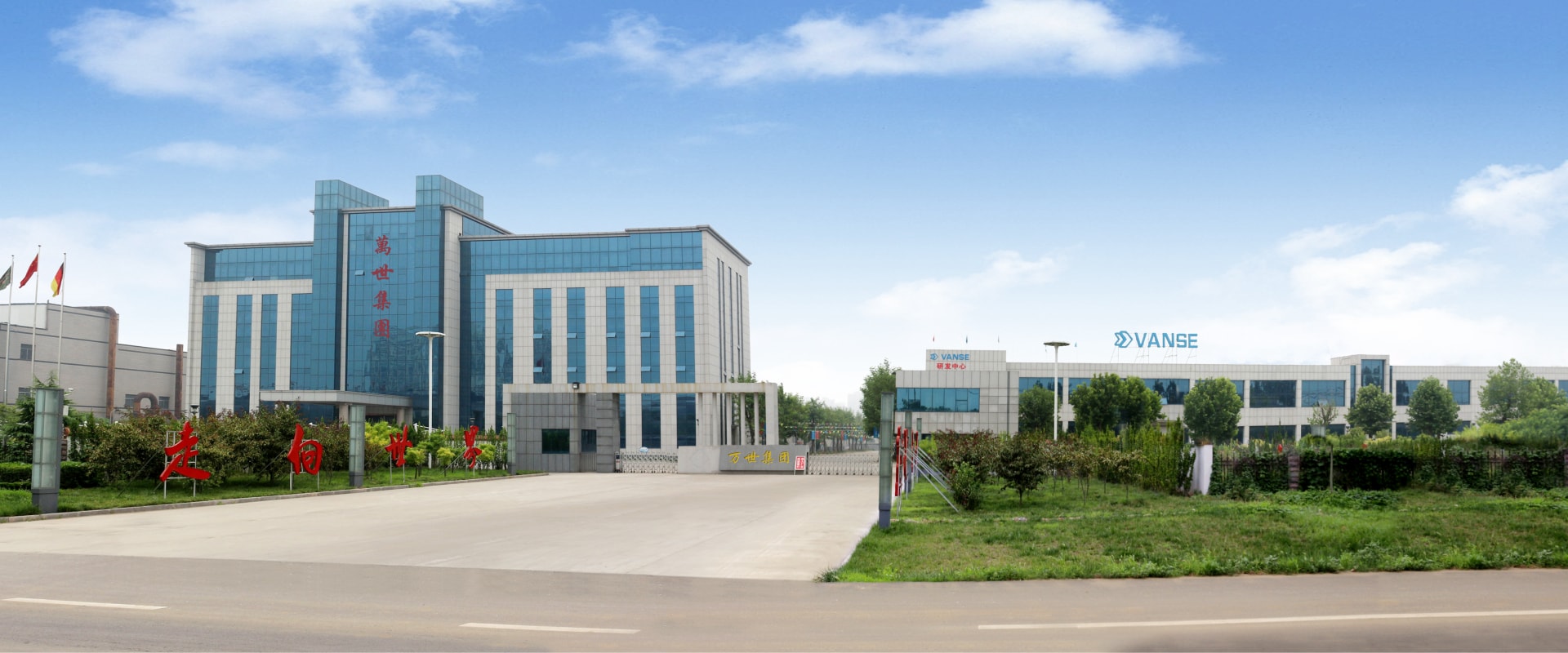
As a manufacturer focused heavily on telehandlers, VANSE Group brings a product profile that aligns well with what many United States buyers now expect from serious equipment partners: certified manufacturing under CE and ISO 9001 processes, documented production experience exceeding 8,000 units, and the use of globally recognized core components such as Perkins and Cummins engines together with premium hydraulic, transmission, and axle systems that support international benchmark performance rather than entry-level compromise. Through its equipment range, the company supports contractors, rental firms, enterprise end users, distributors, dealers, brand owners, and even smaller-volume buyers through flexible OEM, ODM, wholesale, retail, and regional partnership models, allowing machine specification, branding, color, and configuration to match local market demand. For U.S. customers, trust is reinforced not only by export experience across more than 40 countries and a decade-plus of manufacturing specialization, but also by active investment in a U.S.-based subsidiary, local inventory planning, stronger regional after-sales capability, and combined online and offline support covering pre-sale consultation, technical guidance, parts coordination, and lifecycle service. Buyers evaluating long-term supply options can review the company background on the about page, learn more about support through service resources, or discuss local needs directly through the United States contact channel.
Why Telehandlers Often Win in 2026 Planning
Looking ahead to 2026, three trends favor telehandlers in the United States. The first is technology. More buyers want load management displays, better visibility systems, telematics, maintenance alerts, and machine data that support fleet control. Telehandlers benefit strongly from these systems because they operate across more varied tasks and risk conditions. The second is policy and safety. Jobsites are under pressure to improve lifting procedures, reduce material handling inefficiencies, and document operator responsibility more clearly. Machines with better load monitoring and attachment-specific use protocols fit that direction. The third is sustainability and operating efficiency. Contractors increasingly want fewer idle machines, lower transport frequency, and higher utilization per unit. A versatile telehandler can support these goals by consolidating tasks.
That said, all terrain forklifts also have a place in 2026 planning. Where the task is repetitive, close-range, and outdoors on rough surfaces, their efficiency and straightforward mechanical logic remain appealing. They may also continue to perform well in sectors that prioritize rugged simplicity over multi-function capability.
For fleet managers, the key is not choosing a winner for every application. It is understanding where the market is moving. The broader trend in the United States points toward machines that do more, integrate data better, and help employers adapt to labor shortages and tighter project schedules. In that environment, telehandlers are positioned for stronger growth.
Frequently Asked Questions
Is a telehandler stronger than an all terrain forklift?
Not always in close-range lifting. Some all terrain forklifts can be extremely strong and stable for heavy loads carried near the machine. A telehandler is usually better at combining capacity with height and forward reach, but the exact answer depends on the load chart and application.
Which machine is better for construction in the United States?
For most general construction, a telehandler is usually the better choice because it can place materials at height, work around obstacles, and use multiple attachments. That is why it is common on commercial and residential building sites across the country.
Which machine is better for farms?
If the farm needs multiple tasks such as bale handling, loading, pallet movement, and seasonal versatility, a telehandler often provides better value. If the work is mostly repetitive pallet transport at lower height, an all terrain forklift can still be a practical option.
Is an all terrain forklift cheaper?
It can be cheaper in some cases, especially when comparing simpler models with fewer attachments and lower lift heights. However, total ownership cost should include how many tasks the machine replaces, operator productivity, and support availability.
What should a United States buyer ask a supplier first?
Ask for the real load chart, local parts support plan, attachment compatibility, operator training support, warranty process, and the nearest service coverage path. Those answers are usually more important than headline capacity alone.
Can an international supplier be a serious option in the U.S. market?
Yes, if the supplier can show certified manufacturing, recognized component brands, strong export experience, and real local service commitment such as inventory planning, after-sales capability, and responsive technical support for U.S. customers.
Final Decision
If your main goal is lifting higher, reaching farther, and handling more kinds of jobs with one machine, the telehandler is usually the better lift solution in the United States. If your work mainly involves transporting palletized loads across rough ground at modest heights with minimal complexity, the all terrain forklift may be the better operational choice. For many modern American jobsites, especially those facing labor pressure and changing workloads, telehandlers increasingly deliver the stronger all-around answer.
Complete Telescopic Handler Equipment Portfolio
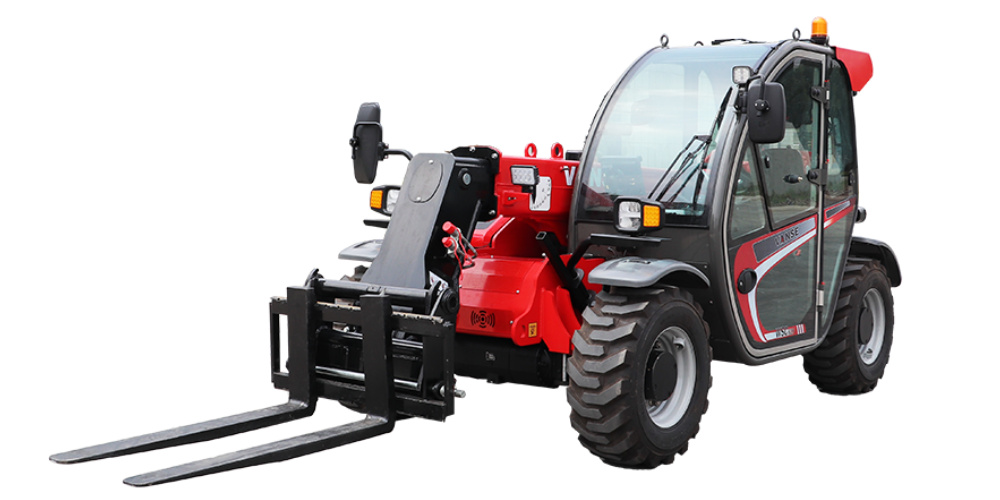
VANSE 625 6m Telescopic Handler
Designed for efficient material handling and stacking in warehouses, factories, and confined job sites, offering compact maneuverability and reliable performance.

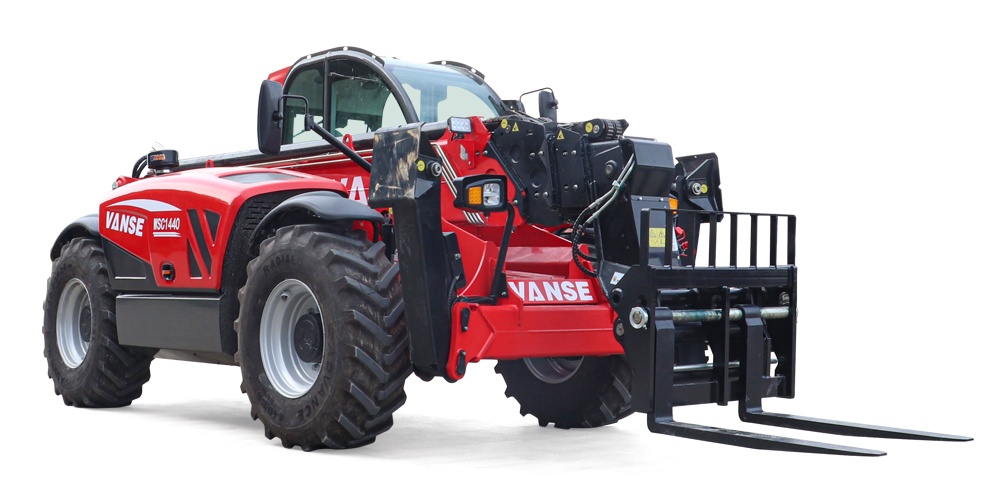
VANSE 735 7m Telescopic Handler
A balanced mid-duty solution for construction, agriculture, logistics, and warehousing, combining stable lifting, strong traction, and everyday versatility.


About the Author:
The VANSE team is a group of experienced professionals specializing in construction machinery research, manufacturing, and technical support. With deep industry knowledge and hands-on experience, our engineers and product specialists share practical insights on equipment selection, operation, maintenance, and industry trends.
Share
You May Also Interest
-

20 October, 2026
10 Ton Telehandler: Extreme Lifting for Major Industrial
Explore 10-ton telehandler options in the United States, top suppliers, buying tips, applications, and service support for major lifting projects.
-
19 October, 2026
Telehandler for Demolition: Safe Structural Dismantling
Explore telehandler demolition options in the United States, including suppliers, attachments, safety, market trends, and cost-effective sourcing advice.
-
16 October, 2026
How to Transport a Telehandler to New Construction Sites
Learn how to transport telehandler equipment in the United States with legal, safe, and cost-effective steps for permits, trailers, loading, and delivery.
-

15 October, 2026
Telehandler Counterweight: Balance and Stability Essentials
Learn how telehandler counterweight design improves stability, lift safety, and jobsite performance in the United States with practical buying tips.