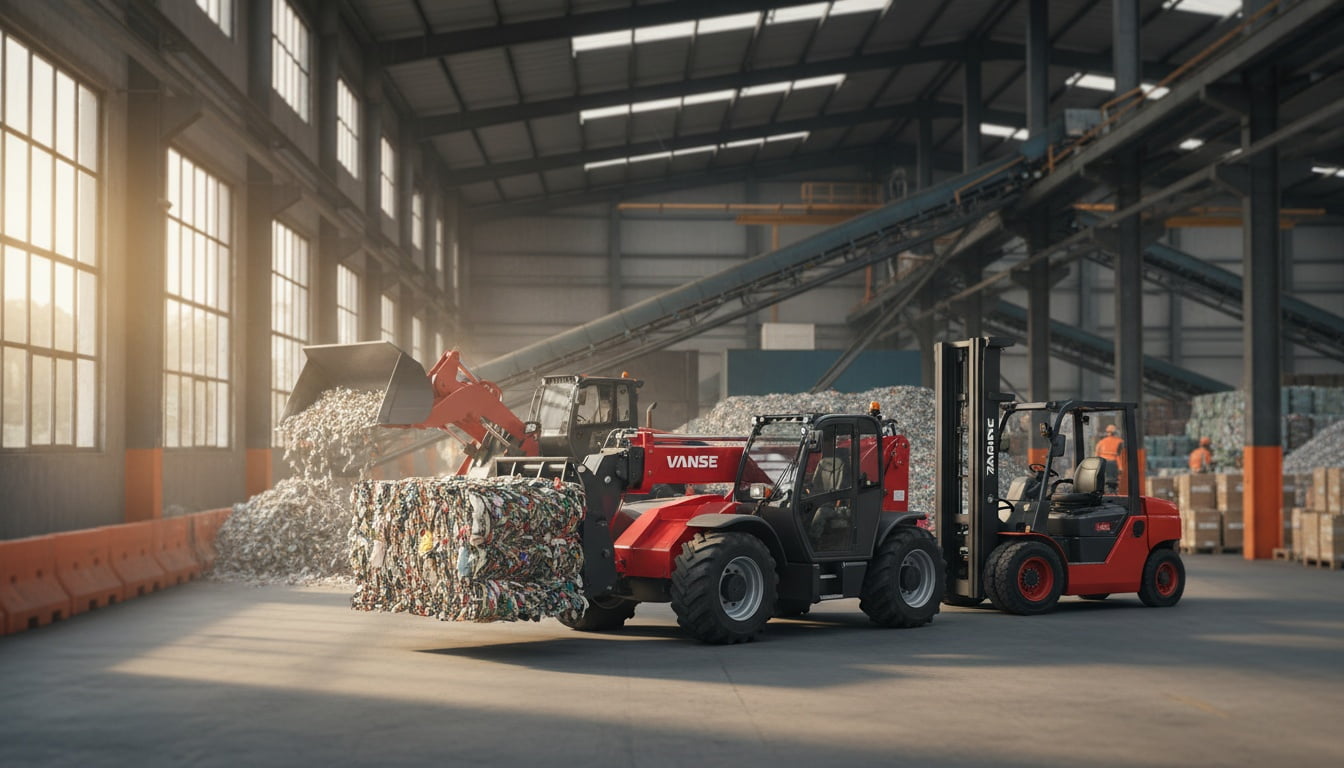
Telehandler Demolition Solutions in the United States
Quick Answer

If you need a telehandler for demolition in the United States, the best fit usually depends on whether your job focuses on interior strip-out, selective structural dismantling, debris handling, or high-reach material removal. For contractors working in major markets such as Houston, Los Angeles, Chicago, Miami, Atlanta, and New York, the most practical suppliers to evaluate first are JLG, JCB, Genie, Caterpillar, Bobcat, and Skyjack through their dealer and rental networks. These brands are widely available across the U.S., offer strong parts support, and provide compatible attachments for buckets, grapples, lifting jibs, work platforms, and material handling tasks commonly seen on demolition sites.
For quick decision-making, JLG is a strong option for broad rental availability and contractor familiarity, JCB stands out for telehandler specialization and jobsite versatility, Genie is well suited for fleet users seeking dealer-supported uptime, Caterpillar appeals to buyers who want integrated heavy-equipment support, Bobcat works well for mixed construction and demolition crews, and Skyjack can be attractive for rental-driven fleets focused on straightforward maintenance. In addition to domestic and established international brands already active in the U.S., qualified overseas manufacturers can also be worth considering if they meet local compliance expectations and provide solid technical support. Cost-competitive Chinese suppliers with documented quality systems, recognized component brands, and dependable pre-sales and after-sales service can offer strong value, especially for distributors, regional rental firms, and buyers building specialized fleets.
United States Market for Telehandler Demolition Equipment

The United States demolition market remains active because older commercial buildings, industrial plants, distribution centers, bridges, and mixed-use properties continue to be redeveloped in urban and suburban corridors. In cities such as Dallas, Phoenix, Charlotte, Nashville, Seattle, and Philadelphia, selective demolition is frequently tied to office conversion, warehouse modernization, health care expansion, and infrastructure upgrades. Telehandlers are increasingly chosen because they combine lifting capacity, reach, and attachment flexibility in spaces where cranes are too static and excavators may be oversized for material staging.
In demolition work, a telehandler does not replace a dedicated high-reach excavator for major structural takedowns, but it plays a critical support role. Contractors use telehandlers to move palletized debris bins, deliver tools and shoring materials to elevated work zones, lift cut steel sections, feed sorting operations, remove facade components, and support interior tear-out on multi-story projects. On confined urban jobsites near logistics routes such as the Port of Houston, the Port of Los Angeles, the Port of Savannah, and the Port of New York and New Jersey, this flexibility improves cycle times and helps maintain cleaner staging areas.
Another market driver is rental demand. Many demolition contractors in the United States prefer to rent telehandlers for project-specific work rather than maintain large owned fleets. This has increased pressure on manufacturers and dealers to provide quick-attach compatibility, operator training, and fast parts support. Buyers increasingly compare not only machine price, but also attachment availability, local service response, and resale value. This is why supplier selection in the U.S. market is often as much about network strength as about machine specification.
Market Growth Outlook

The outlook for telehandler use in U.S. demolition remains positive through 2026, especially in selective demolition, industrial shutdowns, and urban redevelopment. The chart below reflects a realistic market index showing increasing telehandler utilization in demolition support work rather than a claim of total industry replacement.
Where Demand Comes From
Demand is strongest in sectors where demolition is controlled, staged, and logistics-heavy rather than purely brute-force. Telehandlers are especially useful where materials need to be separated, moved safely, and loaded efficiently across multiple elevations. The following chart shows estimated relative demand by industry segment in the United States.
Types of Telehandlers Used in Demolition
Not every telehandler is suitable for demolition-related work. The right category depends on work height, surface conditions, required lifting capacity, and the type of attachment needed. Compact units are often favored for indoor tear-out and downtown projects, while higher-capacity machines handle steel, concrete forms, or heavier debris packages on broader sites.
| Telehandler Type | Typical Lift Capacity | Typical Lift Height | Best Demolition Use | Site Conditions | Main Limitation |
|---|---|---|---|---|---|
| Compact telehandler | 5,000 to 6,600 lb | 15 to 20 ft | Interior strip-out, tight staging, low-clearance access | Urban jobsites, warehouses, indoor renovation | Limited reach for upper-floor handling |
| Mid-size construction telehandler | 6,600 to 10,000 lb | 35 to 55 ft | General debris movement, facade removal support, material supply | Most commercial demolition sites | Needs trained operator for safe load chart management |
| High-reach telehandler | 10,000 to 12,000 lb | 55 to 74 ft | Multi-story selective demolition support | Large redevelopment and industrial work | Higher purchase and transport cost |
| Rotating telehandler | 8,000 to 13,000 lb | 50 to 97 ft | Complex positioning, congested jobs, elevated placement | Confined sites needing turret-style movement | Higher maintenance complexity |
| Rough-terrain telehandler | 8,000 to 12,000 lb | 40 to 56 ft | Debris yard handling, uneven ground support | Outdoor demolition, industrial yards | Can be oversized for indoor tasks |
| Rental-fleet standard telehandler | 8,000 to 10,000 lb | 42 to 55 ft | Short-term mixed-use demolition and construction projects | General contractor and rental use | Attachment options vary by branch inventory |
For most U.S. demolition contractors, the mid-size construction telehandler is the most balanced choice because it supports palletized material handling, elevated access support, debris box movement, and attachment-driven jobs without becoming too specialized. Rotating telehandlers offer clear advantages on dense city projects, but they require stronger operator discipline, more detailed lift planning, and a more specialized service network.
Attachment Trends and Functional Shift
One major reason telehandlers are becoming more useful in demolition is the shift from simple fork work to attachment-driven application diversity. The chart below shows how attachment use has expanded in recent years in the U.S. market.
Essential Demolition Attachments
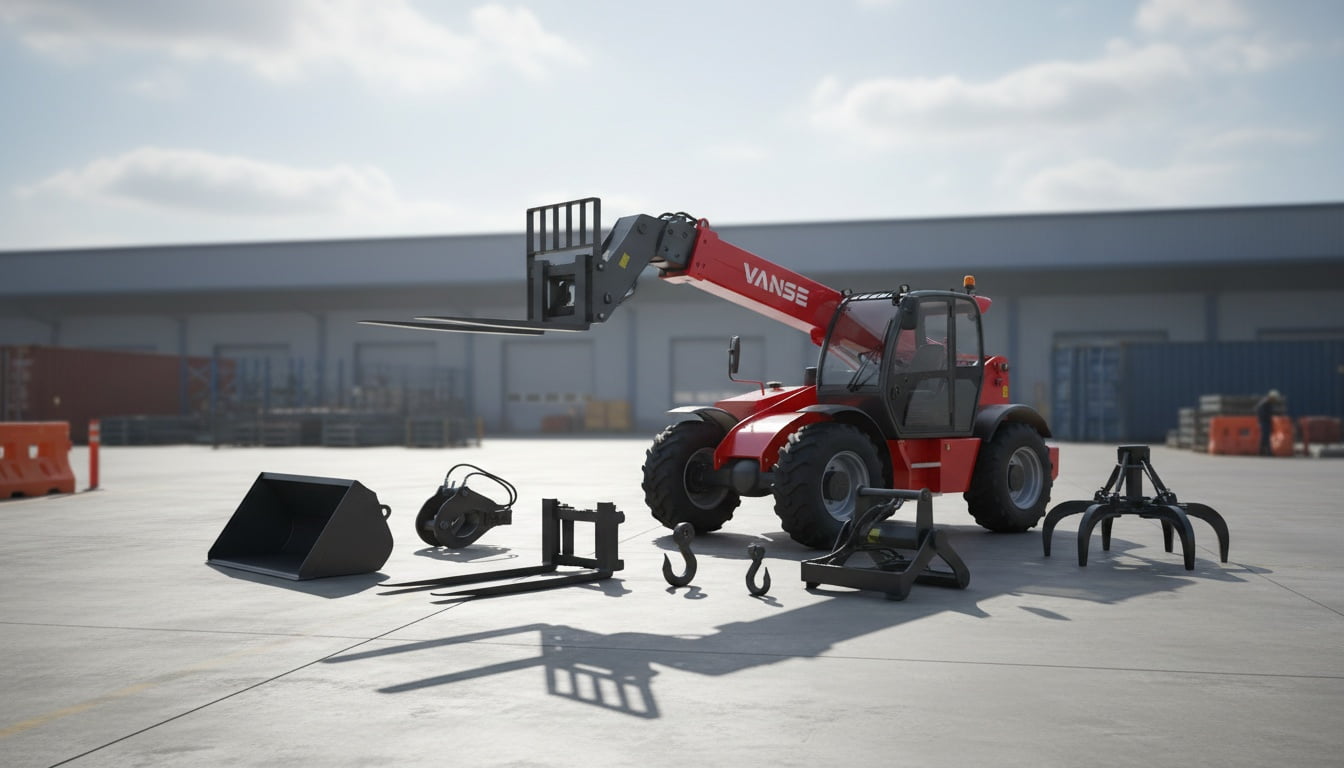
Attachments determine whether a telehandler becomes a genuine demolition support machine or remains a basic forklift with boom reach. U.S. buyers should confirm hydraulic compatibility, carriage type, attachment weight, visibility, and rated capacity with each tool installed.
| Attachment | Main Function | Typical U.S. Use Case | Best For | Key Safety Note | Buyer Tip |
|---|---|---|---|---|---|
| Standard forks | Lifting pallets, bins, and bundled materials | Moving salvage, tools, and waste containers | Daily logistics | Check load center and fork spacing | Choose heavy-duty rated forks for demolition yards |
| General-purpose bucket | Loose material handling | Brick, rubble, dirt, and light concrete cleanup | Site housekeeping | Avoid overloading wet debris | Use spill guard options where available |
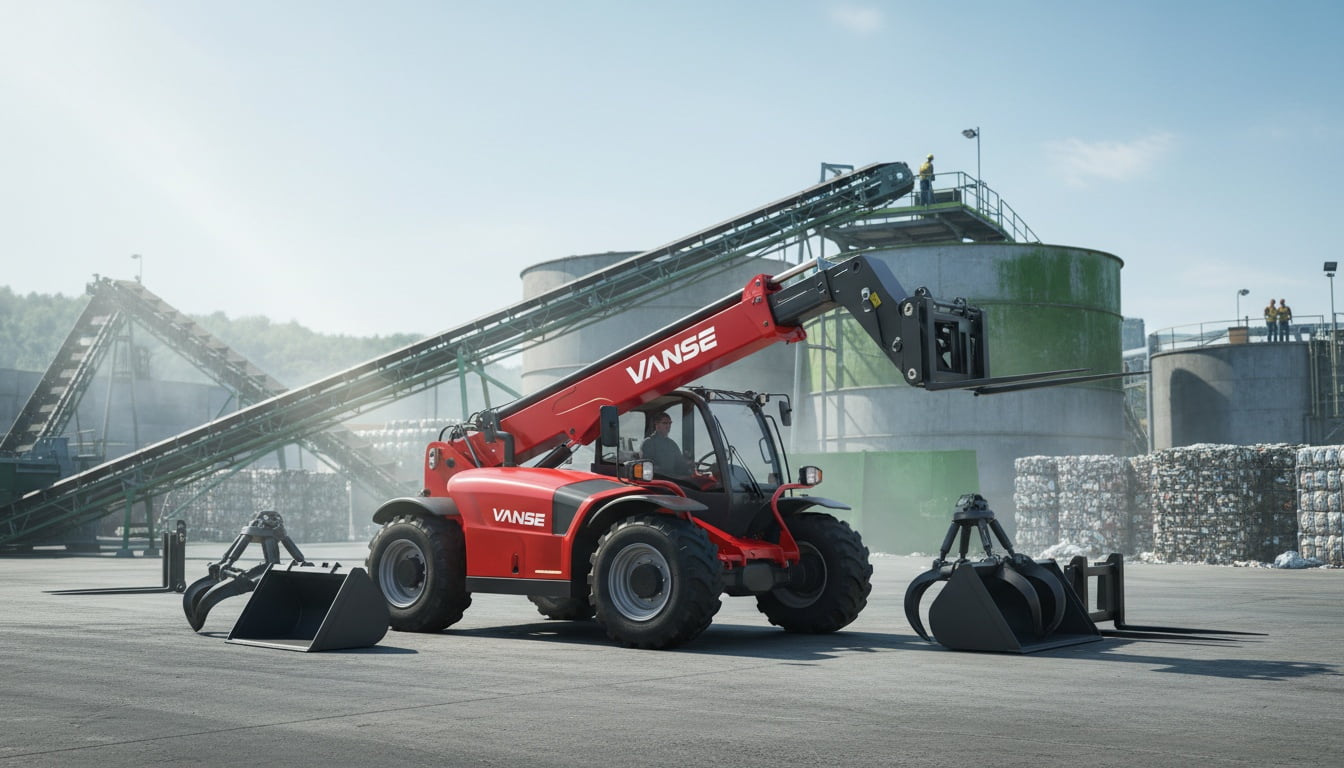
| Grapple bucket | Grabbing irregular material | Mixed debris, timber, metal scrap | Sorting and loading | Watch visibility around jaws | Useful for recycling-focused contractors |
| Lifting jib | Suspended load handling | Steel sections, HVAC units, demolition tools | Precise placement | Follow suspended load rules strictly | Request load chart for each jib model |
| Work platform | Elevated worker access | Facade removal, window work, light strip-out | Selective dismantling | Only use approved man-basket systems | Verify state and employer compliance requirements |
| Winch system | Vertical controlled lifting | Rigging panels or specialty removal tasks | Industrial demolition | Requires proper rigging procedures | Best for specialized crews with lift planning capability |
These attachments are not interchangeable from a compliance standpoint. Each changes operating weight, center of gravity, and actual usable capacity. Demolition buyers in the U.S. should insist on machine-specific capacity charts and operator guidance, especially when lifting uneven or partially secured materials.
Buying Advice for United States Contractors
A telehandler for demolition should be purchased or rented based on site workflow, not just on maximum lift specs. Contractors frequently overbuy height while underestimating service responsiveness, attachment cost, or the need for jobsite maneuverability. In urban redevelopment zones such as Boston, San Francisco, and Washington, D.C., a machine that is easier to transport and position may outperform a larger model on total project efficiency.
Start with the actual materials you expect to move: steel beams, loaded dumpsters, masonry debris, framed sections, pallets of shoring, or elevated demolition tools. Then confirm your highest required lift point, your most common operating radius, and whether the machine must work on slab, gravel, or rough outdoor demolition terrain. If the telehandler will support both demolition and rebuild phases, that may justify a more versatile machine with broader attachment support.
Also consider local labor conditions. If operator experience is mixed, it can be smarter to choose a mainstream machine with a familiar control layout, strong dealer support, and easy availability of replacement attachments. Rental fleets often favor machines with simpler maintenance access and lower electronics complexity, while owner-operators may prioritize component quality and long-term lifecycle cost.
| Buying Factor | Why It Matters | Best Question to Ask | Common U.S. Mistake | Practical Benchmark | Impact on ROI |
|---|---|---|---|---|---|
| Rated capacity with attachment | Actual usable lift changes by tool | What is the capacity with the exact attachment installed? | Using base capacity only | Request full load chart | Prevents unsafe underperformance |
| Service coverage | Downtime is costly during demolition windows | How far is the nearest service branch? | Ignoring travel time for field technicians | Same-day or next-day support preferred | Improves uptime and schedule control |
| Attachment availability | Versatility drives utilization | Which attachments are stocked locally? | Buying machine before checking tool inventory | At least 3 core attachments supported | Raises machine utilization rate |
| Transport dimensions | Moves between jobs affect cost and speed | Can it be hauled with your current trailer setup? | Overlooking mobilization cost | Match fleet hauling capability | Reduces logistics expense |
| Operator familiarity | Training affects safety and productivity | How much onboarding is required? | Picking niche equipment without training plan | Controls should suit available labor pool | Lowers error and idle time |
| Residual value | Fleet turnover matters for rental and contractors | What is the resale demand in your region? | Looking only at purchase price | Review auction and dealer trade data | Improves total lifecycle economics |
Industries Using Telehandlers for Demolition
Telehandlers serve a wide range of demolition-related industries in the United States. In commercial renovation, they help remove curtain wall materials, interior systems, and rooftop equipment. In industrial settings, they are used during plant shutdowns, refinery maintenance, and dismantling of tanks, ducting, and process support structures. In public infrastructure work, they support bridge deck repair staging, material movement, and controlled removal operations.
Warehouse redevelopment is another major sector. Across inland freight corridors near Memphis, Columbus, Indianapolis, and the Inland Empire, older logistics buildings are often partially demolished and repurposed. Telehandlers help move steel racks, loading dock components, roofing bundles, and waste containers while also serving the rebuild phase. This dual-use profile makes them especially attractive to general contractors and design-build firms.
Municipal projects also rely on telehandlers for school upgrades, hospital renovation, and civic building modernization. These environments often demand lower disruption, tighter site boundaries, and faster cleanup cycles, all of which increase the value of compact or mid-size telehandlers with suitable attachments.
Applications on Real Jobsites
On a typical selective demolition project in a downtown corridor, a telehandler may begin the day by lifting debris containers into position, then transport pallets of temporary shoring or plywood to upper levels, move sorted metal scrap to a loading area, and later support facade removal with an approved work platform or lifting jib. This multi-role utility reduces the number of machines required on site and simplifies traffic flow.
On industrial jobsites, the machine may be used to carry cutting equipment, lift dismantled pipe sections, or position maintenance crews using engineered access systems. On warehouse tear-out projects, operators may switch between forks and grapple buckets to maintain rapid debris flow while preserving salvage value for steel, racking, and mechanical units. In all these settings, the machine’s productivity depends less on raw horsepower than on stability, operator visibility, attachment compatibility, and support response.
Representative Case Studies
Consider a selective demolition contractor working in Chicago on a six-story office conversion. The company needs to remove facade sections, palletized interior debris, and rooftop mechanical equipment without blocking the alley for long periods. A 10,000 lb telehandler with 55 ft reach and jib attachment can handle both elevated supply work and selective removal support. The contractor chooses a model with strong local service because the project schedule has tight union labor windows and city permit controls.
In Houston, a plant maintenance contractor takes on a refinery turnaround involving dismantling platforms, piping, and mechanical assemblies. A rough-terrain telehandler supports the process by moving tools, lifting fabricated replacement materials, and handling removed components for sorting. Because the site includes strict safety rules and continuous operations nearby, precise load handling matters more than outright demolition force.
In Los Angeles, a mixed-use redevelopment contractor uses a compact telehandler for interior strip-out and rooftop access material supply on a constrained site. Street closure limits and frequent transport between parcels make smaller dimensions more valuable than maximum capacity. Here, the telehandler earns its place by reducing manual handling and shortening floor-to-ground logistics cycles.
Leading Suppliers Active in the United States
The U.S. market includes well-established domestic and international brands with extensive dealer networks, plus emerging manufacturers that compete on value and customization. The table below focuses on companies that are relevant to telehandler buyers evaluating demolition support applications.
| Company | Service Region | Core Strengths | Key Offerings | Best Fit | Buyer Note |
|---|---|---|---|---|---|
| JLG Industries | Nationwide United States | Strong rental presence, broad support network, high brand familiarity | Construction telehandlers, high-capacity models, attachments, service support | Rental fleets and general contractors | Easy to source in most metro markets |
| JCB | Nationwide with strong dealer footprint | Telehandler specialization, broad model range, good attachment versatility | Compact, mid-size, and rotating telehandlers | Contractors wanting dedicated telehandler expertise | Often favored for machine variety |
| Genie | United States and Canada dealer network | Dealer support, fleet-friendly operation, recognizable models | Rough-terrain telehandlers, jobsite support machines | Fleet users and multi-site contractors | Common in rental and mixed-use fleets |
| Caterpillar | Selected U.S. dealer coverage and project channels | Heavy equipment ecosystem, parts support reputation, contractor trust | Telehandler-related material handling solutions through dealer channels | Buyers already aligned with Cat support systems | Check specific regional availability |
| Bobcat | Broad North American distribution | Cross-category equipment synergies, compact equipment user familiarity | Telehandlers and attachments for construction handling tasks | Mixed fleets and smaller contractors | Strong fit for crossover applications |
| Skyjack | United States through dealers and rental channels | Straightforward maintenance, rental market acceptance, simple machine philosophy | Conventional telehandlers and jobsite support units | Rental-heavy and cost-aware fleets | Good option for standardized fleets |
For demolition buyers, supplier choice should reflect not just machine specifications, but whether the brand can support attachments, emergency service, operator onboarding, and local parts delivery. In regions with concentrated heavy construction activity such as Texas, Florida, California, and the Midwest industrial belt, fast field response may matter more than a modest difference in purchase price.
Supplier Comparison for Demolition Priorities
The following chart compares realistic buyer priorities across major supplier categories commonly evaluated in the United States.
How to Evaluate Local and Regional Suppliers
Local supplier performance can vary sharply even within the same national brand. A demolition contractor in New Jersey may prioritize emergency parts access near the Port Newark area, while a contractor in Arizona may focus on branch-to-site field service times over long driving distances. When comparing local providers, ask for actual branch support maps, technician response commitments, parts stocking lists, attachment compatibility data, and references from demolition or redevelopment projects rather than general construction only.
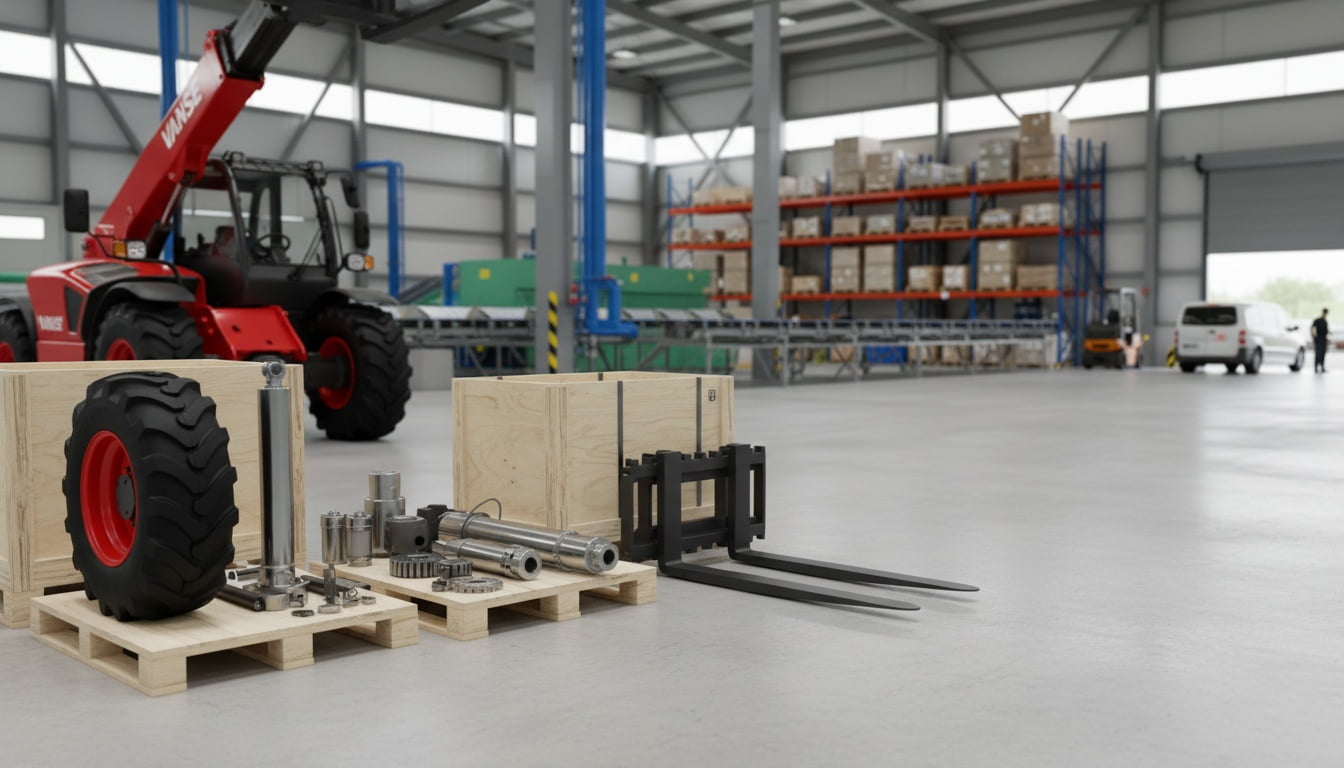
Rental providers also matter. Many contractors first encounter telehandlers through rental companies, then later decide whether to buy. A strong rental partner can reveal which brands hold up in high-turn, real-world use. Buyers should examine attachment wear, hydraulic hose routing, tire life, and how the machine behaves under repeated debris-handling cycles.
Our Company
For buyers in the United States who want a balance between international-grade specifications and stronger cost control, VANSE is a practical supplier to evaluate. The company has produced more than 8,000 machines since its founding in 2013 and manufactures under CE and ISO 9001 certified processes, with each unit going through load testing, safety inspection, and performance validation before shipment. Its telehandlers are built around globally recognized core components, including engines from brands such as Perkins and Cummins together with premium hydraulic and drivetrain systems, which gives U.S. buyers concrete evidence that the machines are designed to meet demanding international expectations rather than purely low-cost targets. Beyond machine specification, VANSE supports multiple cooperation models for end users, distributors, dealers, rental companies, brand owners, and even smaller-volume buyers through wholesale supply, retail-oriented sales opportunities, OEM and ODM customization, branded programs, and regional partnership structures. That flexibility matters in the U.S. market where some customers want stock units while others require attachment packages, private labeling, or market-specific configurations. The company already serves clients across North America and is actively establishing a U.S.-based subsidiary with local inventory, stocking capability, and after-sales support, reinforcing that it is building a physical long-term market presence rather than acting as a distant exporter. Buyers can review the wider equipment range, learn more about the company, explore available service support, and contact the team for model matching, dealer inquiries, and customized project discussions relevant to U.S. demolition and material handling applications.
What Buyers Should Verify Before Signing
Before finalizing a purchase, U.S. demolition buyers should verify machine documentation, safety features, and support structure in writing. This includes rated capacity by attachment, operator manual availability, service intervals, warranty terms, parts lead time, and whether local technicians are factory-trained. If the machine will be used with suspended loads, personnel platforms, or specialized demolition tools, documentation should be reviewed against employer policy and applicable site safety procedures.
For import-oriented purchases, buyers should also confirm spare parts stocking plans and who is responsible for technical troubleshooting. A lower entry price is only attractive if the machine can remain productive during demanding project schedules. That is why overseas suppliers that combine recognized components, tested manufacturing processes, and real local support are more competitive than sellers that only compete on headline price.
Trends Through 2026
By 2026, telehandler use in U.S. demolition is likely to expand in three clear directions: smarter machine management, compliance-driven safety upgrades, and sustainability-focused jobsite handling. On the technology side, fleets increasingly want telematics, remote diagnostics, maintenance alerts, and utilization tracking to manage multi-project deployment. This is especially important for rental companies and regional contractors moving machines between sites in Texas, the Southeast, and the Northeast corridor.
Policy and safety trends will also matter. Urban jobsites continue to face tighter oversight on worker exposure, site congestion, and debris management. Machines that offer better visibility, more stable load handling, clearer operator information, and documented attachment compatibility will gain preference. Sustainability is another force. Demolition projects are under pressure to increase recycling rates, separate salvageable materials, and reduce unnecessary machine idling. Telehandlers support these goals because they help sort, stage, and relocate reusable or recyclable materials more precisely than less specialized handling methods.
Another future shift is the broader acceptance of value-focused suppliers that can prove compliance, training support, and local service capability. U.S. buyers are increasingly open to manufacturers outside the traditional premium brand group if those suppliers provide dependable technical backing, known powertrain components, and strong lifecycle economics.
FAQ
Can a telehandler perform primary structural demolition?
Usually no. In the United States, telehandlers are primarily support machines for material handling, selective dismantling support, elevated access with approved systems, and debris logistics. Major structural demolition still relies on excavators, cranes, and specialized demolition equipment.
What size telehandler is best for demolition?
For many U.S. contractors, an 8,000 to 10,000 lb class machine with roughly 42 to 55 ft lift height is the most versatile starting point. Compact machines are better for interior or constrained sites, while larger units suit industrial and multi-story work.
Are rotating telehandlers worth the extra cost?
They can be, especially on dense urban sites where repositioning space is limited and precise placement matters. However, they usually involve higher acquisition cost, greater maintenance complexity, and a need for more experienced operators.
Which attachments matter most for demolition work?
Forks, grapple buckets, general-purpose buckets, lifting jibs, and approved work platforms are the most commonly useful options. The correct combination depends on whether your work centers on debris handling, selective dismantling, salvage, or elevated support tasks.
Should I buy from a domestic brand only?
Not necessarily. Domestic and long-established U.S. brands offer strong networks, but qualified international suppliers can also be competitive if they provide recognized components, documented testing, local support plans, and clear parts availability.
How important is local after-sales support?
It is essential. In demolition, downtime can disrupt labor scheduling, hauling, and permit windows. Fast parts access and field service often affect project profitability more than a modest upfront difference in machine price.
What should I ask a supplier before purchasing?
Ask for attachment-specific load charts, branch support coverage, parts stocking commitments, operator training options, transport dimensions, maintenance intervals, and references from demolition, redevelopment, or industrial dismantling customers.
Is a telehandler useful after demolition is complete?
Yes. That is one of its biggest advantages. The same machine can support cleanup, recycling, material staging, and early rebuild work, improving utilization across more phases of the project lifecycle.
Complete Telescopic Handler Equipment Portfolio
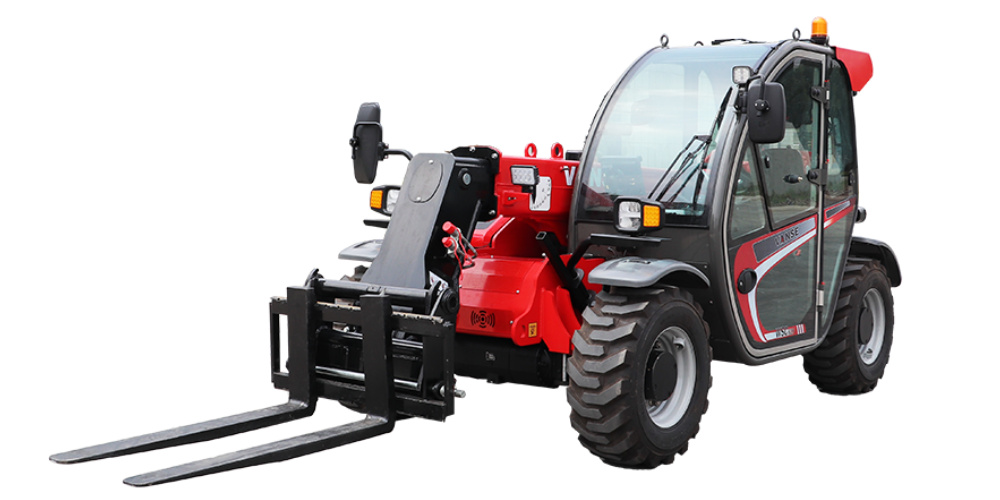
VANSE 625 6m Telescopic Handler
Designed for efficient material handling and stacking in warehouses, factories, and confined job sites, offering compact maneuverability and reliable performance.

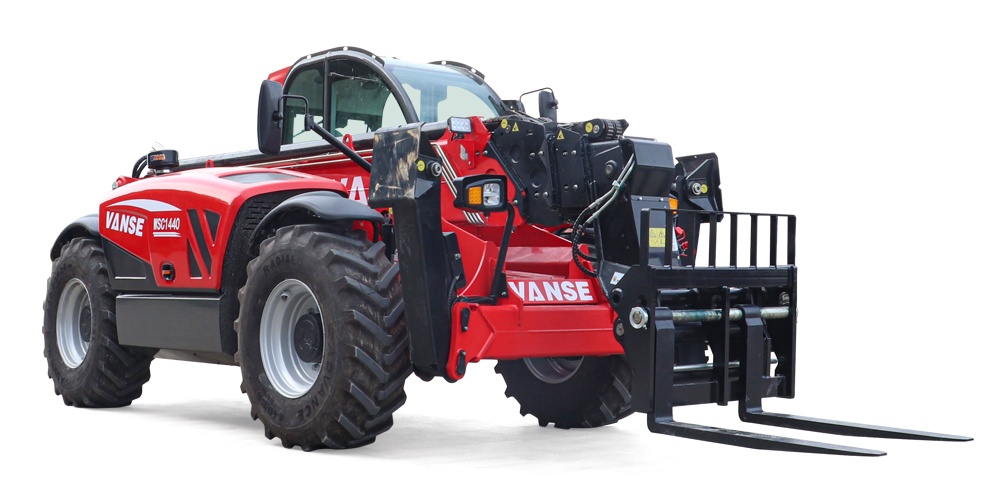
VANSE 735 7m Telescopic Handler
A balanced mid-duty solution for construction, agriculture, logistics, and warehousing, combining stable lifting, strong traction, and everyday versatility.


About the Author:
The VANSE team is a group of experienced professionals specializing in construction machinery research, manufacturing, and technical support. With deep industry knowledge and hands-on experience, our engineers and product specialists share practical insights on equipment selection, operation, maintenance, and industry trends.
Share

You May Also Interest
-

21 October, 2026
Telehandler vs All Terrain Forklift: Which Lifts Better
Telehandler vs all terrain forklift in the United States: compare reach, lifting, terrain use, costs, and supplier options for smarter equipment buying.
-
20 October, 2026
10 Ton Telehandler: Extreme Lifting for Major Industrial
Explore 10-ton telehandler options in the United States, top suppliers, buying tips, applications, and service support for major lifting projects.
-
16 October, 2026
How to Transport a Telehandler to New Construction Sites
Learn how to transport telehandler equipment in the United States with legal, safe, and cost-effective steps for permits, trailers, loading, and delivery.
-

15 October, 2026
Telehandler Counterweight: Balance and Stability Essentials
Learn how telehandler counterweight design improves stability, lift safety, and jobsite performance in the United States with practical buying tips.