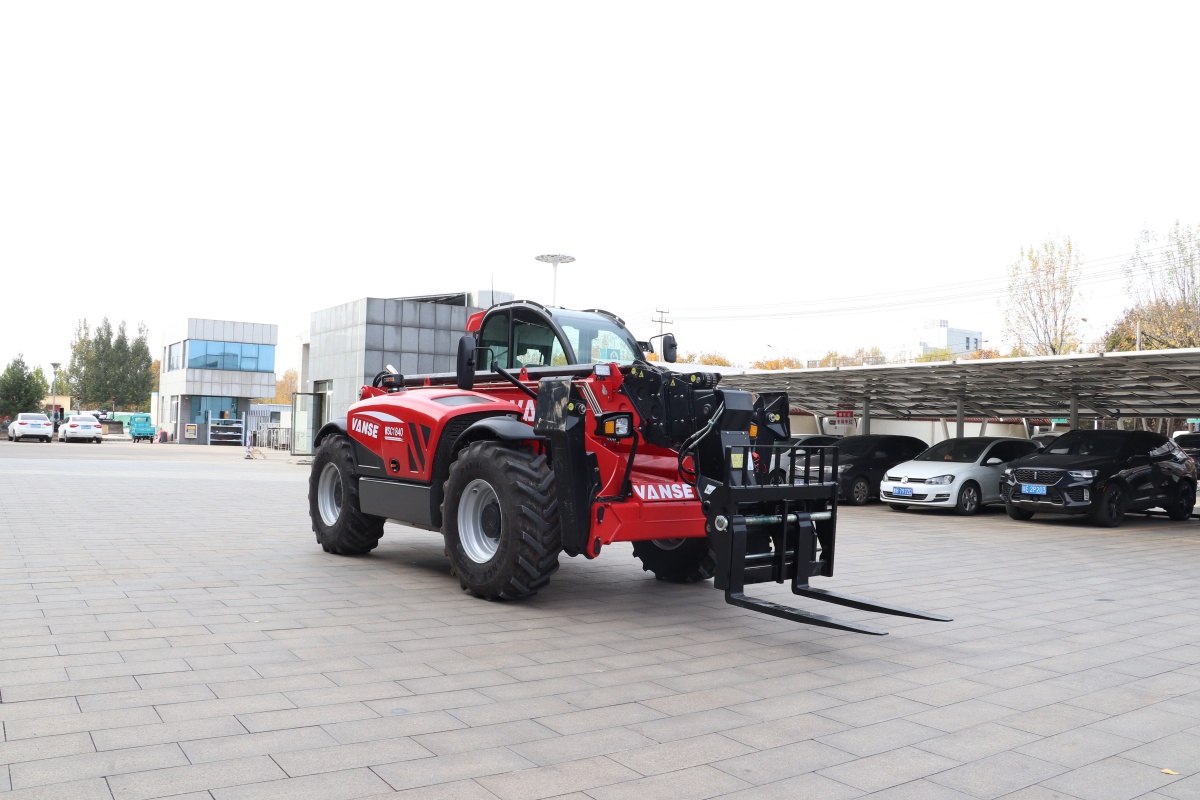
Telehandler vs Skid Steer in the United States
Quick Answer

For most builders in the United States, the best choice depends on whether the job requires reach and lift height or compact grading and attachment versatility. A telehandler is the better machine for lifting pallets, trusses, pipe, and materials to upper floors, over obstacles, or across uneven jobsites. A skid steer is usually the better fit for tight access, loading loose material, backfilling, grading, demolition cleanup, and frequent attachment changes. If your crews regularly work on multi-story commercial sites, roofing, framing, masonry, agriculture, or yard logistics, a telehandler often creates faster and safer material flow. If your crews need one compact machine for earthwork, site prep, and general utility work, a skid steer is usually more economical.
In practical terms, builders in Dallas, Houston, Atlanta, Phoenix, Chicago, and Los Angeles often run both: telehandlers for vertical lift and skid steers for ground-level production. Leading local and national suppliers include JLG, Genie, JCB, Bobcat, Caterpillar, and CASE through their U.S. dealer networks. Qualified international suppliers can also be worth considering, especially when they offer CE and ISO-backed manufacturing, globally recognized engines and hydraulics, competitive pricing, and dependable pre-sales and after-sales support in the U.S. market.
Direct Comparison for Builders

The core difference is simple. A telehandler is a reach machine. A skid steer is a compact power unit. On a U.S. construction site, that difference shapes everything from cycle times to operator visibility, trailer transport, crew planning, and rental strategy.
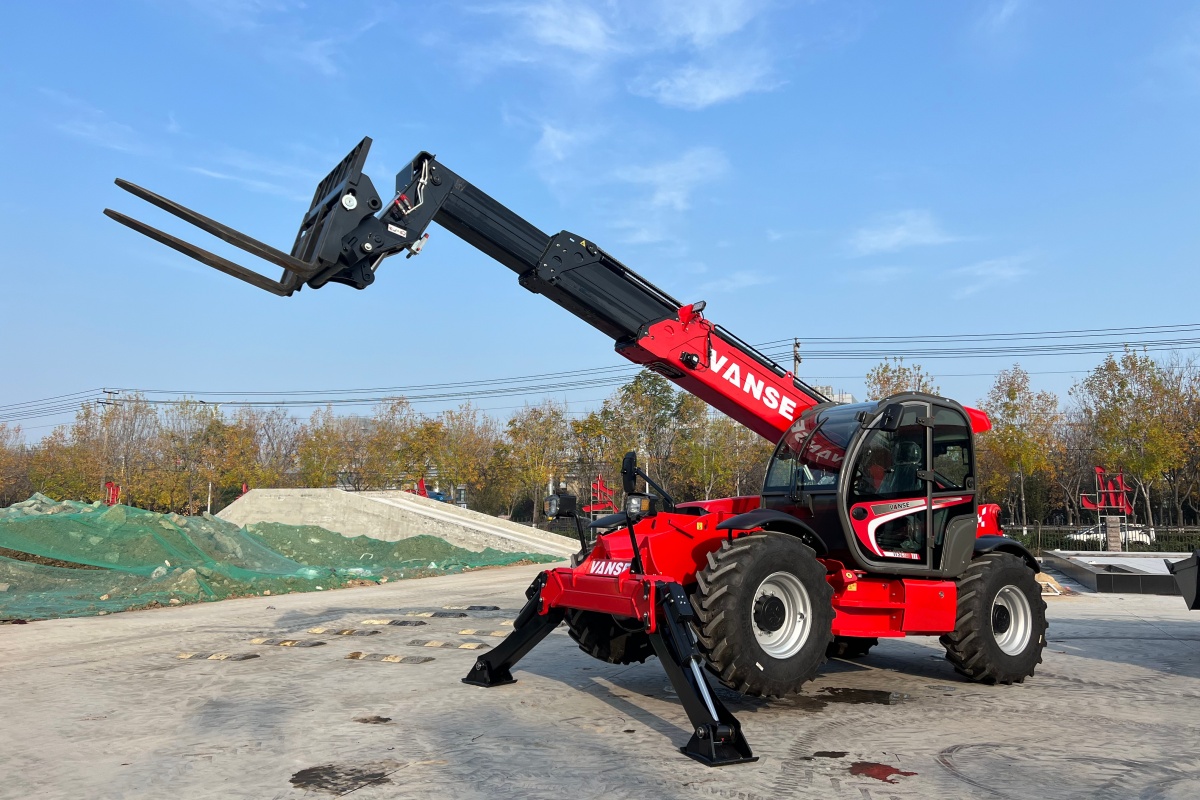
Telehandlers use a telescopic boom that can lift materials upward and outward. That matters on jobs where crews need to place framed wall bundles, drywall pallets, brick, rebar, HVAC units, pipe, or roofing loads at elevation. A skid steer uses lift arms on a compact chassis and excels at pushing, carrying, scraping, digging, sweeping, trenching with attachments, and working inside restricted site footprints. It cannot match a telehandler for safe forward reach or second-story placement.
In the United States, this distinction is especially important on suburban housing developments, port-adjacent warehousing, oil and gas support yards along the Gulf Coast, distribution facilities near Inland Empire logistics corridors, and agriculture operations in Iowa, Nebraska, and California’s Central Valley. Builders who choose the wrong machine often lose time in handling, need a second machine later, or rely too heavily on cranes or labor-intensive workarounds.
| Factor | Telehandler | Skid Steer | Why It Matters on U.S. Jobsites |
|---|---|---|---|
| Main advantage | High reach and forward placement | Compact maneuverability and attachment flexibility | Determines whether the machine solves lifting or ground-level production |
| Best for | Palletized materials, framing, masonry, roofing, agriculture stacking | Site prep, grading, debris handling, trenching, snow, landscaping | Helps contractors match machine type to crew workflow |
| Lift height | Commonly 19 to 56 feet or more | Usually far lower, focused on truck loading and short lift paths | Critical for multi-level access and elevated placement |
| Reach over obstacles | Strong | Limited | Important where materials must clear foundations, fences, or stockpiles |
| Work in tight indoor areas | Moderate to limited depending on size | Strong | Useful for urban renovation and interior fit-out support |
| Typical cost efficiency | Higher value on lift-heavy sites | Higher value on general-purpose compact work | Prevents overbuying or under-specifying equipment |
This comparison shows why many U.S. contractors do not treat telehandlers and skid steers as direct substitutes. They overlap in a few loading tasks, but their strongest value appears in different stages of the job.
United States Market Conditions

Demand in the United States remains strong for both machine categories, but the drivers differ. Telehandlers benefit from warehouse expansion, data center construction, multifamily development, agricultural handling, and infrastructure support. Skid steers benefit from residential construction, municipal work, landscaping, utility maintenance, and rental fleet turnover.
Regional patterns also matter. In Texas and Florida, telehandlers are common on fast-cycle commercial and residential builds where speed of material placement affects schedule performance. In the Midwest, both telehandlers and skid steers are active in agriculture and feed operations. In the Northeast, compact skid steers are favored in dense urban footprints, while telehandlers remain important on structural and roofing projects. Around major trade hubs such as Houston, Savannah, Long Beach, Newark, and Chicago, telehandlers support industrial yards and warehouse buildouts where reach and pallet handling are constant requirements.
The line chart reflects a realistic trend in which telehandlers gain slightly faster in demand due to logistics, warehousing, and elevated construction tasks, while skid steer demand remains broad and steady because of their role in everyday contractor and rental applications.
Product Types and Configurations
Not every telehandler or skid steer is built for the same role. The machine category is only the first filter. The second is specification. U.S. buyers need to look at rated operating capacity, lift height, hydraulic flow, engine brand, axle design, emissions compliance, attachment support, and local parts access.
Telehandlers in the United States are typically selected by maximum lift height, lift capacity, frame size, stabilizer layout, and whether the machine is intended for construction, agriculture, or industrial yard use. Skid steers are more often selected by radial or vertical lift path, wheeled or tracked undercarriage, hydraulic flow class, and attachment compatibility.
| Machine Type | Typical U.S. Use | Key Strength | Common Limitation | Best Buyer Profile |
|---|---|---|---|---|
| Compact telehandler | Urban construction, interior yards, smaller farms | Reach with smaller footprint | Lower capacity than large models | Contractors with restricted access sites |
| High-reach telehandler | Commercial framing, masonry, steel support | Excellent lift height and outreach | Higher purchase and transport cost | General contractors and rental fleets |
| Heavy-duty telehandler | Industrial yards, ports, mining support | Large load handling and rugged build | Less suited to compact jobsites | Industrial operators and infrastructure firms |
| Wheeled skid steer | Pavement, hardpack, interior demolition support | Speed and lower tire-driven operating cost | Reduced traction in soft ground | General construction and rental use |
| Compact track loader | Mud, soft soils, landscaping, utility work | Better flotation and traction | Higher undercarriage cost | Landscapers and site prep contractors |
| High-flow skid steer | Cold planers, mulchers, trenchers, heavy attachments | Expanded attachment performance | Can be overkill for basic loading | Specialty contractors and municipalities |
This table matters because many buyers compare a telehandler against a generic skid steer, when the real buying decision should be a specific telehandler class versus a specific skid steer or compact track loader setup.
When a Telehandler Makes More Sense
A telehandler is the stronger option when your jobs revolve around elevation, reach, or material flow between delivery points and active work zones. Builders placing trusses on a housing development near Austin, drywall on a distribution center in Columbus, or block on a school project near Charlotte often recover the higher machine price through fewer manual handling steps and cleaner site logistics.
Telehandlers also improve safety and staging when materials must move over trenches, unfinished grade, or temporary barriers. Fork attachments, buckets, work platforms where permitted and compliant, and specialty booms make them useful well beyond pallet handling. For agricultural users in the United States, stacking hay, loading feed, and moving bulk bagged inputs are classic telehandler tasks.
On large jobs, telehandlers reduce waiting time between delivery trucks and trade crews. That matters in labor-tight markets where the cost of idle crews is often greater than the monthly equipment payment.
When a Skid Steer Makes More Sense
A skid steer is usually the better answer when the machine must serve as a daily utility platform. Excavation support, grading, spoil movement, snow clearing, augering, trenching, and cleanup are where skid steers deliver strong utilization. On infill jobs in cities such as Boston, Seattle, and San Diego, a compact machine that can turn quickly and swap attachments may outperform a reach machine simply because the work zone is constrained.
Skid steers also tend to be easier to deploy in small fleets. Many U.S. contractors already own buckets, forks, trenchers, brooms, grapples, and breakers for skid steer couplers. That existing attachment ecosystem can make a new skid steer a lower-friction purchase than adding a telehandler category.
Where material only needs to be moved short distances or loaded into trucks, a skid steer may accomplish enough of the task set at a lower overall ownership cost. For contractors who self-perform site cleanup and grading but only occasionally need reach, renting a telehandler as needed while owning a skid steer can be a rational mix.
Buying Advice for U.S. Contractors
The best purchase decision comes from mapping machine use to billable hours, not just comparing upfront prices. Buyers should estimate how often they need vertical placement, how often they work in confined access, whether they need attachment-driven versatility, and how close they are to parts and service support. Transport width, trailer requirements, operator familiarity, financing, insurance, and resale value also matter.
For U.S. buyers, dealer support can be as important as specification. A machine with the right lift chart but weak service support in Arizona, Tennessee, or New Jersey can cost more in downtime than a higher-priced unit from a well-supported supplier. Contractors should ask for service response times, parts fill rates, lead times on wear items, training packages, and warranty detail in writing.
| Buying Question | If the Answer Is Yes | Best Direction | Why |
|---|---|---|---|
| Do you often place materials above one story? | Yes | Telehandler | Lift height and forward reach directly solve the task |
| Do you work in narrow access or compact urban lots? | Yes | Skid steer | Smaller chassis improves maneuverability |
| Do you already own many skid steer attachments? | Yes | Skid steer | Existing attachment investment lowers total cost |
| Do you move palletized materials all day? | Yes | Telehandler | Better for repetitive material handling cycles |
| Do you need one machine for varied earthwork tasks? | Yes | Skid steer | Greater tool versatility for compact jobsites |
| Do you need to clear obstacles or place loads across voids? | Yes | Telehandler | Outreach is a core telehandler advantage |
The value of this decision table is practical: it helps a contractor choose based on daily work patterns instead of brand familiarity alone.
Industry Demand Across the United States
Industry mix influences machine selection. Warehousing and steel erection lean toward telehandlers. Landscaping and utility support lean toward skid steers. Agriculture often uses both, but telehandlers usually win where stacking, loading reach, and feed management are central. Rental companies in the United States often keep larger skid steer fleets due to broader customer demand, while telehandlers command strong rates where reach is hard to substitute.
The bar chart highlights how industry demand splits by task profile. Commercial building and warehousing favor telehandlers because materials need to be lifted and placed. Landscaping, utility, and general residential support favor skid steers because attachment versatility and compact mobility drive productivity.
Applications by Jobsite Function
Builders can make a stronger buying decision by tracking machine applications rather than industry labels alone. For example, a contractor may identify as a commercial builder, but if 70 percent of its machine hours are spent cleaning, grading, and loading debris, the better ownership choice may still be a skid steer. Conversely, a residential builder may discover that every project involves roof truss placement, elevated framing support, and pallet movement, making a telehandler indispensable.
Typical telehandler applications in the United States include delivering masonry units to upper decks, unloading truckloads of lumber in subdivisions, placing HVAC materials on roofs, moving bagged seed and fertilizer on farms, handling pipe at infrastructure staging yards, and supporting disaster recovery material logistics after severe weather events. Typical skid steer applications include trench backfill, lot grading, loading spoil, asphalt patch support, brush clearing with attachments, snow removal in northern states, and municipal maintenance across public works departments.
Trend Shift Through 2026
By 2026, the market is likely to continue separating these machines by specialization while also improving overlap through smarter attachments, telematics, and operator-assist systems. Buyers in the United States are paying closer attention to fuel efficiency, emissions compliance, visibility, safety controls, and lifecycle service support. Rental companies are increasingly choosing models with strong telematics because utilization data improves fleet turnover decisions.
The area chart shows a realistic shift toward reach-oriented equipment in sectors where labor efficiency and elevated placement are becoming more important. Compact multi-tool equipment remains essential, but buyers are increasingly willing to add specialized machines when the utilization case is clear.
Case Studies from U.S.-Style Operating Conditions
A framing contractor working on three suburban housing projects outside Nashville compared owning two skid steers versus one skid steer and one telehandler. With the telehandler handling truss packs, lumber bundles, and rooftop staging, framing crews reduced wait time and cut manual movement. Although the telehandler carried a higher monthly ownership cost, the contractor estimated that schedule gains and lower labor handling made the fleet mix more profitable by the second project cycle.
A landscaping and site services company near Denver tested a compact telehandler against its existing high-flow skid steers. The telehandler proved valuable for nursery stock and palletized pavers but saw lower annual hours than the skid steer fleet. The company kept skid steers as core assets and rented telehandlers for seasonal material peaks. This is a common outcome where the business requires flexibility more often than reach.
An agricultural operator in California’s Central Valley found the telehandler more productive than a skid steer for stacking feed, loading bulk inputs, and handling irrigation materials across uneven yards. Reach, visibility over stockpiles, and the ability to place loads precisely reduced cycle congestion during harvest support periods.
A municipal public works department in Ohio continued choosing skid steers because the same units could run brooms, snow pushers, augers, forks, and buckets across the year. Their utilization profile favored one compact machine platform instead of a more specialized reach machine.
Local Supplier Landscape in the United States
For buyers comparing suppliers, machine capability is only half the equation. The other half is coverage: who can support your fleet in your region, how quickly they can supply parts, and whether they understand your application. U.S. buyers in California, Texas, Florida, Illinois, Georgia, and the Carolinas should evaluate dealer density, technician reach, financing options, and residual value in local resale markets.
| Company | Primary U.S. Service Regions | Core Strengths | Key Offerings | Best Fit |
|---|---|---|---|---|
| JLG | Nationwide through dealer and rental channels | Strong telehandler specialization and broad support | Construction telehandlers, access equipment, fleet support | Commercial builders and rental fleets |
| Genie | Nationwide, especially major metro and rental markets | Established material handling reputation | Telehandlers, lifts, rental-friendly support | Large projects and national rental users |
| JCB | Broad U.S. dealer footprint with strong South and Midwest presence | Experience in both telehandlers and skid steers | Telehandlers, skid steers, compact track loaders | Mixed-fleet contractors |
| Bobcat | Nationwide dealer network | Strong compact equipment brand and attachment ecosystem | Skid steers, compact track loaders, telehandlers in select channels | General contractors and landscapers |
| Caterpillar | Nationwide through Cat dealers | Excellent parts network and resale strength | Skid steers, compact track loaders, jobsite support | Buyers prioritizing support and residual value |
| CASE Construction Equipment | Nationwide dealer network | Competitive skid steer offerings and practical ownership economics | Skid steers, compact loaders, dealer support | Utility, construction, and municipal buyers |
This supplier table is useful because it connects real company names with regional support and realistic fleet use cases, helping buyers avoid selecting strictly by brochure specifications.
Supplier and Product Comparison
Below is a practical comparison view focused on factors that matter in procurement discussions: application fit, support depth, and portfolio breadth. Scores are directional rather than absolute, reflecting common U.S. market perceptions.
The comparison chart helps buyers quickly see that telehandler leaders and skid steer leaders are not always the same brands. This matters when building a mixed fleet or choosing a primary dealer relationship.
Detailed Supplier Snapshot
| Supplier | Machine Focus | Service Advantage | Typical U.S. Customers | Practical Consideration |
|---|---|---|---|---|
| JLG | Telehandlers | Strong support for construction and rental applications | General contractors, rental chains, industrial builders | Excellent for lift-heavy workflows |
| Genie | Telehandlers | Good fit with access equipment fleets | Rental fleets, large commercial projects | Useful when fleet standardization matters |
| JCB | Telehandlers and skid steers | Balanced product coverage | Dealers, agriculture, mixed contractors | Strong if you want one brand across categories |
| Bobcat | Skid steers and compact equipment | Attachment ecosystem and dealer familiarity | Landscapers, residential builders, municipalities | Often preferred for compact jobsite work |
| Caterpillar | Skid steers and compact track loaders | Excellent dealer and parts network | Enterprise contractors, utilities, public sector buyers | Support depth can justify premium pricing |
| CASE | Skid steers | Competitive ownership cost through dealer channels | General construction, roadwork, local contractors | Often strong value in practical fleet roles |
This second supplier table adds context beyond brand recognition. It helps buyers match supplier strengths to their operating model, whether that means rental turnover, dealer support, or attachment-led use.
Our Company in the United States Market
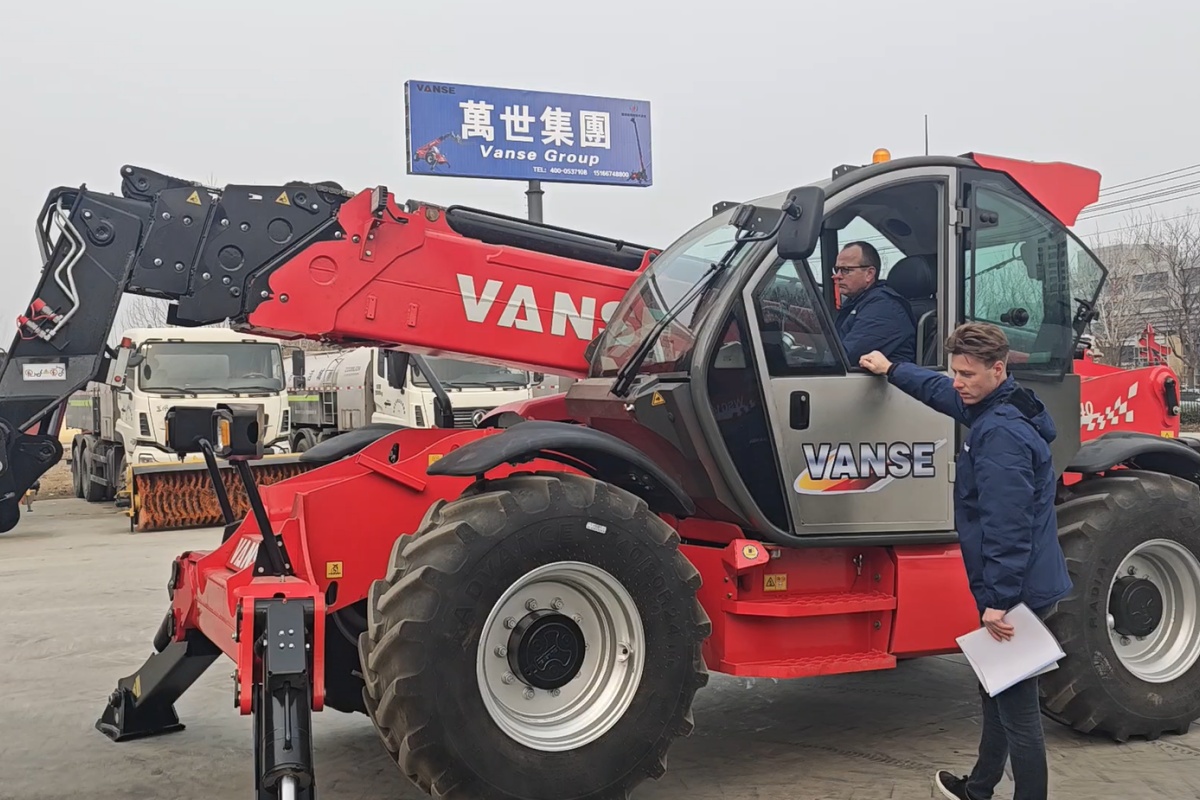
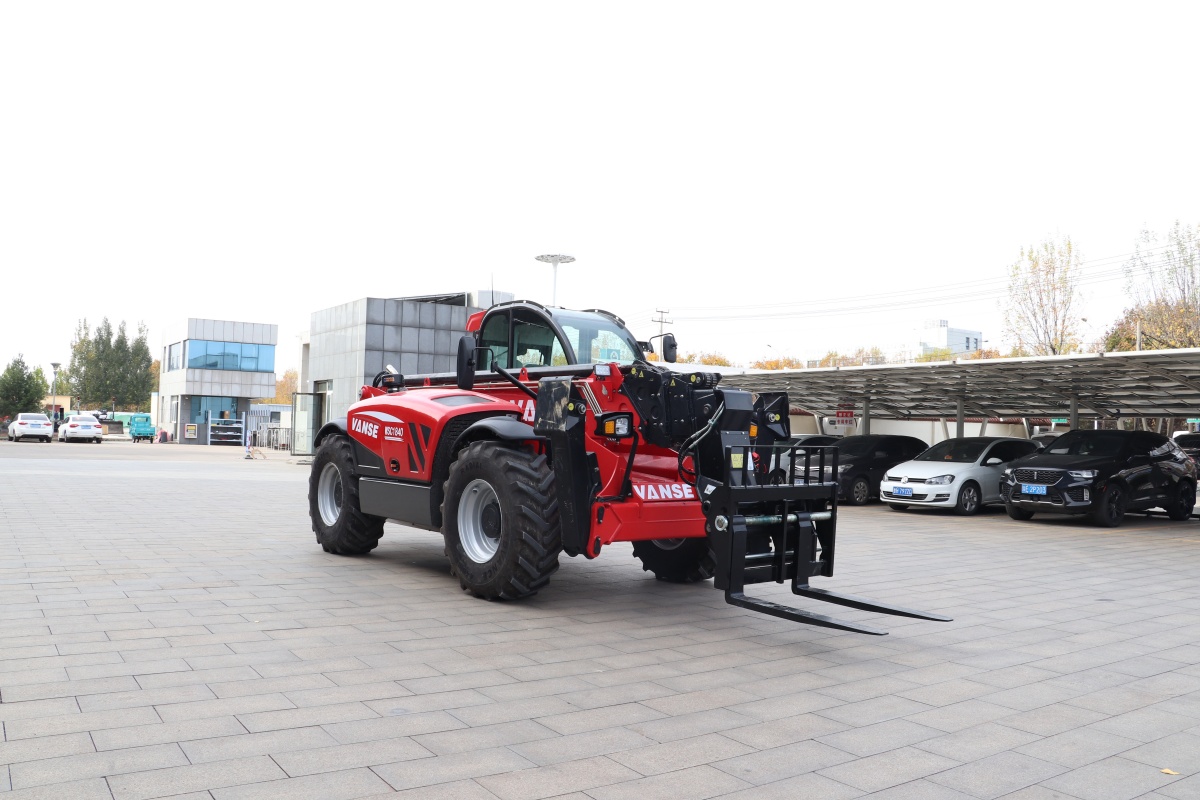
As buyers compare telehandler options, VANSE is positioned for U.S. customers who want reach-focused equipment with documented manufacturing discipline and a more competitive cost structure. The company has produced more than 8,000 machines since 2013 and operates under CE and ISO 9001 certified processes, with every unit going through load testing, safety inspection, and performance validation before shipment. Its telehandlers are built around globally recognized components such as Perkins and Cummins engines together with premium hydraulic systems, transmissions, and axles, which gives U.S. buyers concrete evidence on reliability and serviceability rather than generic quality claims. Beyond equipment performance, VANSE works through flexible models that fit end users, dealers, distributors, rental fleets, brand owners, and even smaller buyers, combining OEM and ODM programs with wholesale, retail, and regional partnership options through its broader equipment range. The company already serves customers across North America and is actively establishing a U.S.-based subsidiary with local inventory, stocking, and after-sales capability, adding physical market commitment to its online consultation, technical support, and lifecycle service system described through its service support. For American buyers who want a supplier invested in long-term local presence rather than one-time export transactions, that mix of production scale, component transparency, certification, and expanding U.S. infrastructure is meaningful. Buyers who want background on its manufacturing base and export experience can also review the company’s company profile or reach out directly through the U.S. inquiry channel.
How to Choose Between a Telehandler and a Skid Steer
If your team loses time waiting on materials to be delivered to elevation, buy or rent a telehandler. If your team needs one machine to do ten ground-level tasks every day, buy a skid steer. If you are a rental company, fleet mix should reflect local demand by ZIP code, contractor density, and project type. In markets with high levels of warehousing, steel erection, roofing, and commercial framing, telehandlers deserve stronger fleet representation. In markets driven by landscaping, utilities, and residential infill, skid steers usually turn faster.
Also consider operator availability. In some regions, experienced skid steer operators are easier to find than telehandler operators. That can influence short-term productivity, especially for smaller contractors. Insurance and site safety plans may also weigh differently depending on lift requirements and site layout.
Future Trends Through 2026
Several trends are shaping the telehandler versus skid steer decision in the United States. First, telematics is becoming standard. Fleet owners increasingly expect location tracking, service alerts, idle-time reporting, and maintenance planning. Second, tighter attention to sustainability and total fuel cost is pushing buyers toward more efficient engines, better hydraulic management, and lower idle strategies. Third, labor shortages are making purpose-built machines more attractive. Contractors are less willing to force a compact machine into a reach role when delays are expensive.
Policy and regulatory trends also matter. Public and private jobs increasingly emphasize safety documentation, emissions compliance, and machine visibility features. Urban and public-sector projects may place more weight on noise, fuel use, and machine right-sizing. Sustainability goals do not mean every fleet will switch to electrification immediately, but they do push buyers to evaluate lifecycle efficiency and utilization more carefully. By 2026, buyers are likely to make more data-backed equipment decisions using telematics records, attachment utilization, and service history rather than relying on habit or brand preference alone.
FAQ
Is a telehandler better than a skid steer for construction?
It is better for construction jobs that require lifting materials high, far, or over obstacles. It is not automatically better for grading, cleanup, or compact utility work.
Can a skid steer replace a telehandler?
Only in limited tasks such as short-distance loading, truck loading, and general material movement at ground level. It cannot replace the lift height and outreach of a telehandler.
Which machine is cheaper to own in the United States?
In many cases, a skid steer has a lower entry price and broader daily utilization. A telehandler can still be the cheaper ownership decision if it prevents labor bottlenecks and reduces the need for rented lifting equipment.
What industries use telehandlers most in the United States?
Commercial construction, warehousing, agriculture, industrial yards, roofing, masonry, and infrastructure support are among the strongest telehandler sectors.
What industries use skid steers most in the United States?
Residential construction, landscaping, utilities, municipal maintenance, demolition cleanup, and snow removal are major skid steer use cases.
Should a contractor own both?
Many medium and large contractors do. A telehandler handles elevated material placement while a skid steer covers compact, attachment-driven production tasks.
Are international telehandler suppliers viable for U.S. buyers?
Yes, especially when they can show recognized components, certified manufacturing systems, documented testing, and credible U.S.-based service plans. Cost-performance can be very attractive when local support is real and responsive.
What should I ask any supplier before buying?
Ask about parts stocking, warranty terms, service response times, operator training, engine and hydraulic brands, lead times, and whether the machine’s specification matches your actual daily load and reach requirements.
Final Takeaway
For U.S. builders, the telehandler versus skid steer decision is not about which machine is universally better. It is about which machine matches the revenue-producing task. Choose a telehandler when lift height, outreach, and elevated material placement are central to your workflow. Choose a skid steer when compact mobility, attachment flexibility, and daily ground-level production drive utilization. In many fleets, the strongest answer is a combination: telehandlers for vertical logistics and skid steers for site execution. Buyers who compare machine specifications together with dealer support, local parts access, and long-term operating economics will make the most profitable choice.
Complete Telescopic Handler Equipment Portfolio
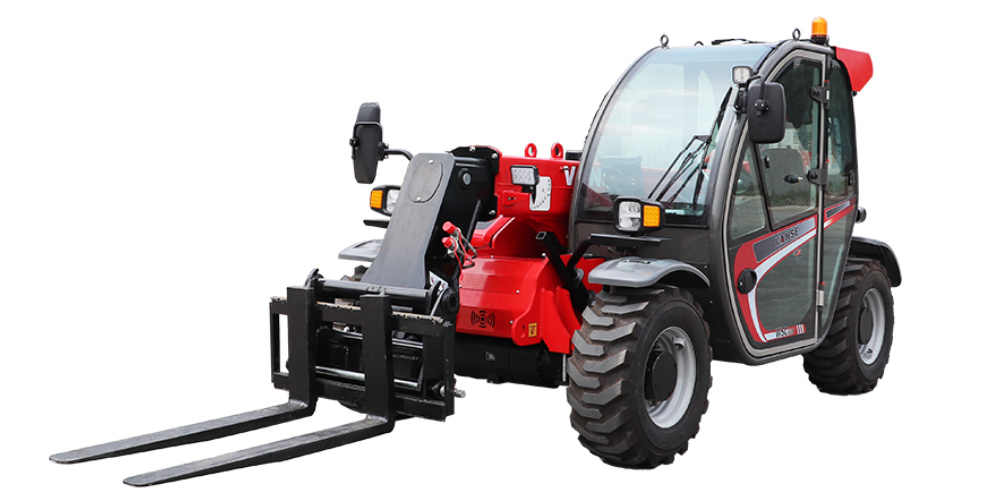
VANSE 625 6m Telescopic Handler
Designed for efficient material handling and stacking in warehouses, factories, and confined job sites, offering compact maneuverability and reliable performance.

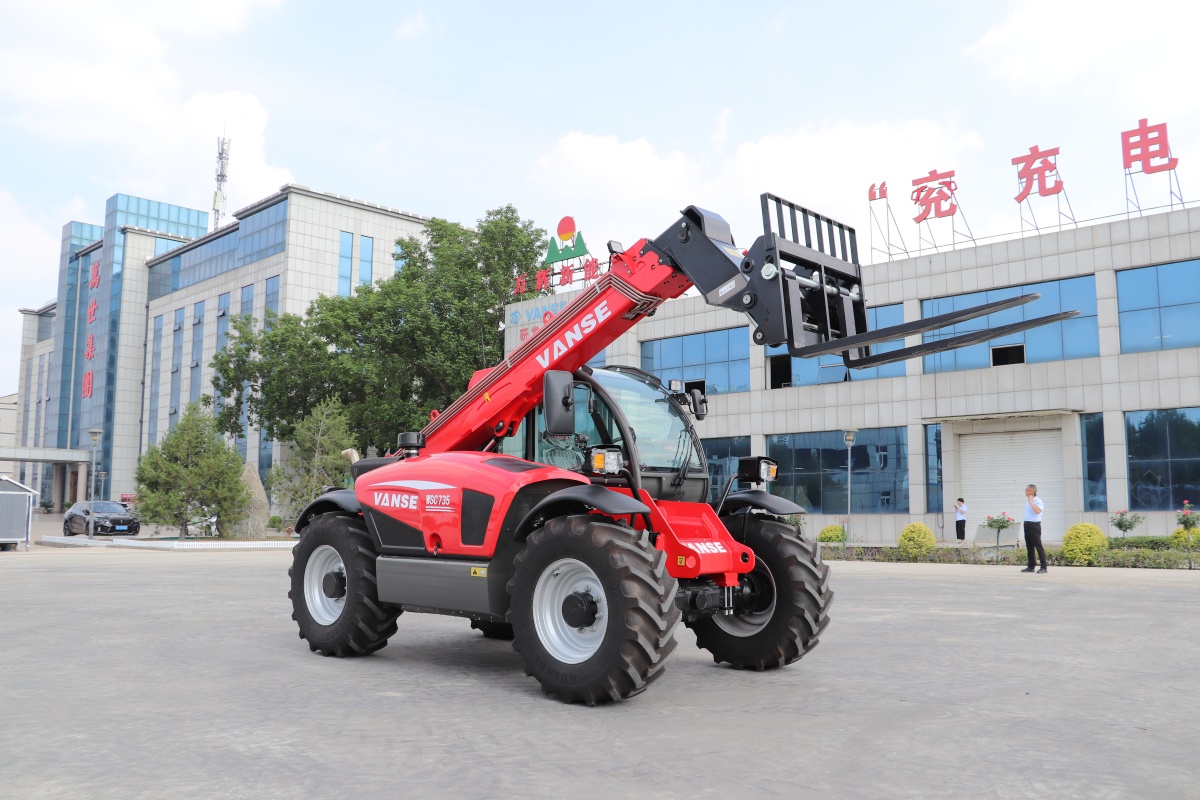
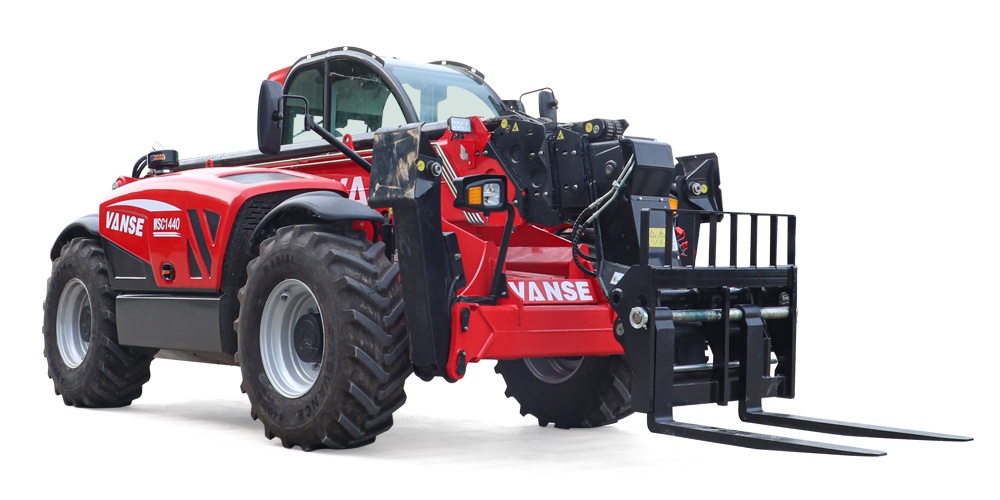
VANSE 735 7m Telescopic Handler
A balanced mid-duty solution for construction, agriculture, logistics, and warehousing, combining stable lifting, strong traction, and everyday versatility.


About the Author:
The VANSE team is a group of experienced professionals specializing in construction machinery research, manufacturing, and technical support. With deep industry knowledge and hands-on experience, our engineers and product specialists share practical insights on equipment selection, operation, maintenance, and industry trends.
Share
You May Also Interest
-

24 July, 2026
Telehandler for Landscaping: Outdoor Project Efficiency
Explore telehandler landscaping options in the United States, including suppliers, applications, costs, and buying advice for efficient outdoor projects.
-
23 July, 2026
6 Meter Telehandler: Ideal Mid-Rise Lift for All Sites
Explore 6 meter telehandler options in the United States, including top suppliers, key specs, applications, pricing factors, and buying tips for local buyers.
-
22 July, 2026
7 Meter Telehandler: Versatile Reach for Any Work Site
Find the right 7 meter telehandler for United States projects with supplier comparisons, use cases, pricing guidance, and local service insights.
-
21 July, 2026
Telehandler Operator Training: Certification Guide 2026
Telehandler operator training in the United States for 2026: certification steps, OSHA compliance, costs, providers, and practical buying guidance.