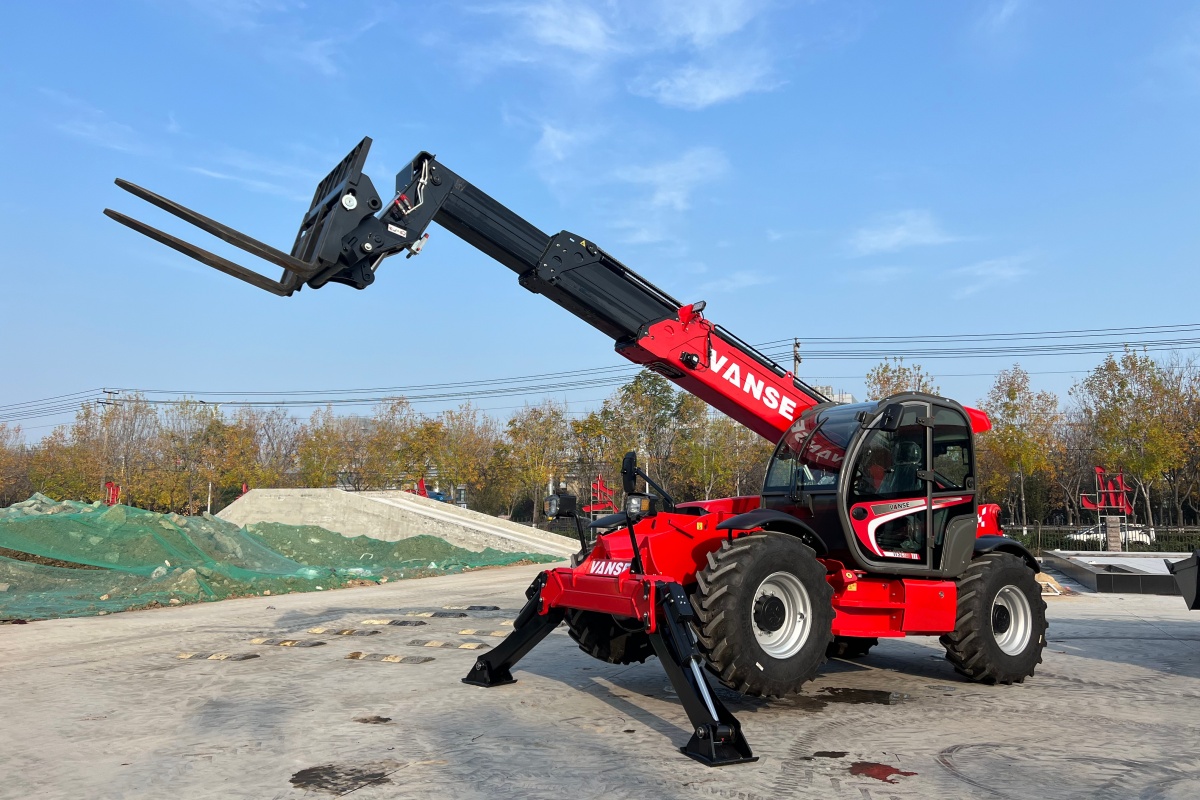
7 Meter Telehandler Options for United States Jobsites
Quick Answer

A 7 meter telehandler is one of the most practical choices for United States contractors, farmers, industrial yards, and rental fleets because it offers enough lift height for common loading, stacking, and material placement tasks without the operating bulk or transport penalties of larger rotating or high-reach machines. For buyers in the United States, strong options usually come from JLG, JCB, Genie, Bobcat, Skyjack, and Manitou, depending on dealer support, attachment needs, and total cost of ownership in your state.
If you need a short list to act on quickly, start with JLG for broad rental acceptance, JCB for construction and agriculture versatility, Genie for fleet-friendly operation, Bobcat for dealer familiarity, Skyjack for simple service access, and Manitou for agriculture and heavy-duty handling. Buyers in Houston, Dallas, Chicago, Atlanta, Los Angeles, Savannah, Newark, and inland logistics markets such as Kansas City should prioritize local parts support before comparing headline price alone.
Qualified international suppliers can also be worth considering in the United States when they offer recognized certifications, proven core components, documented testing, and dependable pre-sales and after-sales support. This matters especially for buyers seeking better cost-performance, private labeling, or dealer distribution opportunities while still expecting local stock planning, service responsiveness, and long-term parts continuity.
United States Market Outlook for 7 Meter Telehandlers

The United States market for mid-reach telescopic handlers remains healthy because these machines fit a wide span of work environments: low-rise commercial construction, lumber yards, precast placement support, roofing supply handling, farm feed loading, pallet movement, pipe yards, and equipment rental branches. A 7 meter telehandler typically sits in a sweet spot where reach, lift capacity, maneuverability, and transport convenience are balanced better than with either compact forklift alternatives or larger telehandlers exceeding 10 meters.
Demand patterns vary by region. In Texas and the Gulf Coast, telehandlers are heavily used around commercial development, industrial maintenance, warehousing expansion, and energy-adjacent facilities. In the Midwest, agriculture and seed handling support steady utilization. In Florida and the Southeast, hurricane recovery, roofing, masonry, and resort construction keep compact and mid-size telehandlers in circulation. On the West Coast, contractor fleets in California and Washington often compare telehandlers not only on capacity and outreach but also on emissions compliance, machine visibility, and support for mixed indoor-outdoor work.
Ports and freight hubs also affect buying patterns. Importers bringing telehandlers through Los Angeles, Long Beach, Houston, Savannah, or Newark generally plan differently from buyers using domestic dealer inventory. Some prefer immediate availability from established dealer networks, while others can accept a longer lead time to secure a lower landed cost or customized configuration. This is especially relevant for distributors, regional equipment dealers, and rental groups building private-label fleets.
The line chart shows a realistic demand trend for mid-reach telehandlers in the United States. Growth is not simply tied to new construction starts; it also reflects replacement demand in rental fleets, wider acceptance in agriculture, and the shift away from less flexible lifting methods on medium-scale jobsites. As labor efficiency becomes more important, telehandlers continue to gain share against older workflow models that relied on multiple machine types for the same handling tasks.
What a 7 Meter Telehandler Usually Means

In practical buying terms, a 7 meter telehandler usually refers to a machine with a maximum lift height of about 7 meters, or roughly 23 feet. Lift capacity often falls between 2.5 and 3.5 tons, though exact specifications differ by manufacturer. For many United States buyers, this class is attractive because it can load trucks, place pallets on elevated decks, support framing crews, stock masonry materials, and move feed or fertilizer while still fitting sites where larger telehandlers become awkward.
The right machine should not be chosen by lift height alone. Rated lift capacity at full height, forward reach performance, machine width, turning radius, hydraulic flow, attachment compatibility, operator visibility, enclosed cab options, and ease of service all have direct impact on ownership value. In cold-weather markets such as Minnesota and Michigan, cab heat and cold-start behavior matter. In southern states such as Arizona and Florida, buyers often prioritize air-conditioned cabs, dust handling, and cooling performance.
Product Types in the 7 Meter Class
Although many buyers casually refer to all mid-reach machines as 7 meter telehandlers, there are several distinct product styles in this category. Some are optimized for general construction material handling. Others lean toward agriculture, with stronger attachment use, better ground clearance, and more operator features for repetitive loading work. Rental-focused models emphasize intuitive controls and simplified maintenance. Dealer and OEM buyers may also seek configurable units for local market preferences.
| Product Type | Typical Lift Height | Typical Capacity | Best Fit in the United States | Main Advantage | Main Trade-Off |
|---|---|---|---|---|---|
| Compact construction telehandler | 6.8 to 7.2 m | 2.5 to 3.0 t | Urban jobsites, masonry, roofing, framing | Easier transport and tighter turning | Lower heavy-load margin |
| General-purpose telehandler | 7.0 m | 3.0 to 3.5 t | Rental fleets, mixed contractors, supply yards | Balanced all-around performance | May not excel in specialized work |
| Agricultural telehandler | 6.8 to 7.0 m | 3.0 to 3.5 t | Dairy, feed, hay, grain, livestock operations | Strong attachment versatility | Less optimized for urban construction specs |
| Fleet-optimized rental model | 7.0 m | 2.7 to 3.5 t | National and regional rental companies | Simple controls and lower training burden | Fewer premium options |
| OEM/ODM private-label unit | 7.0 m | 3.0 to 3.5 t | Distributors, dealers, brand owners | Better cost control and customization | Requires careful supplier validation |
| High-spec premium model | 7.0 m | 3.0 to 3.5 t | Enterprise fleets and long-cycle ownership | Advanced comfort and diagnostics | Higher acquisition cost |
This table matters because a buyer in the United States can overpay by selecting a telehandler designed for a use pattern that does not match the job. A roofing supplier in Phoenix, for example, may benefit more from compact dimensions and easy trailerability than from premium agriculture hydraulics. A dairy operator in Wisconsin may value bucket cycle performance more than construction-centric site features.
How Industry Demand Differs by Application
Demand in the United States is not evenly spread. Construction still leads in total visibility, but other sectors are often more stable through seasonal cycles. Agriculture, manufacturing support, building materials distribution, and municipal works all contribute to a reliable base of demand for the 7 meter segment.
The bar chart highlights that commercial construction and rental fleets remain major demand drivers, but agriculture is large enough to shape product development and attachment packages. This is why the most successful suppliers in the United States often tailor their sales strategy by territory. What works in Iowa, central California, or upstate New York is not identical to what works in downtown Nashville or suburban Denver.
Where 7 Meter Telehandlers Work Best
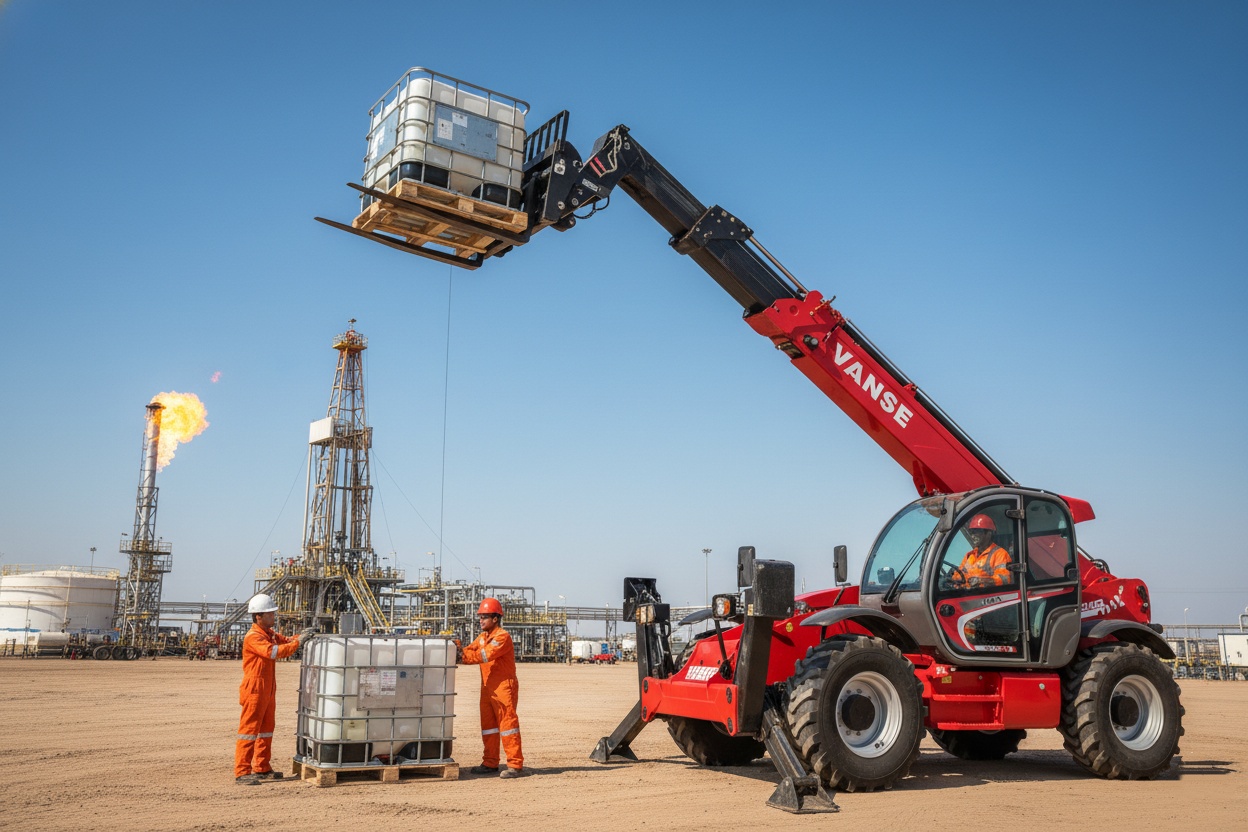
A 7 meter telehandler performs best on jobs that require a machine to do more than a forklift but less than a large reach unit. On low-rise construction projects, it can unload and place palletized block, framing lumber, drywall bundles, steel studs, insulation, windows, or roofing material. In industrial yards, it can support maintenance shutdowns and move bundled products. In agriculture, it can manage feed, bedding, seed, bagged inputs, and general yard loading.
This class also works well in dealer and rental environments because operators often adapt to it quickly. Attachment options such as pallet forks, buckets, truss booms, lifting hooks, bale clamps, and work platforms expand machine utility. For buyers who need one machine to cover several tasks, the 7 meter category offers a strong utilization case, especially when each attachment has real workflow value instead of being purchased only for occasional use.
Top Suppliers Serving the United States
The suppliers below include major domestic-market brands and qualified international options relevant to United States buyers. The aim is practicality: service coverage, product fit, and ownership economics matter more than brand visibility alone.
| Company | Service Region | Core Strengths | Key Offerings | Best Buyer Profile | Comments |
|---|---|---|---|---|---|
| JLG Industries | Nationwide United States dealer and rental presence | Strong fleet acceptance, parts access, broad support | Construction telehandlers, fleet-ready models | Rental companies, contractors, enterprise fleets | Often shortlisted where uptime and resale matter |
| JCB | Nationwide with strong construction and agriculture reach | Versatility, established telehandler reputation | Construction and farm telehandlers, attachment options | Mixed-use buyers, farms, dealers | Well known in markets needing multi-role machines |
| Genie | United States and major metro markets | Rental compatibility, intuitive controls | GTH series telehandlers | Rental fleets, contractors | Common in fleet replacement discussions |
| Bobcat | Broad North American dealer coverage | Dealer familiarity, compact equipment customer overlap | Telehandlers for construction and material movement | Existing Bobcat customers, local contractors | Attractive for buyers preferring one-brand relationships |
| Skyjack | North America focused support | Straightforward maintenance and fleet logic | Telehandlers aimed at rental and construction | Rental houses, service-driven buyers | Popular where simplicity is valued over complexity |
| Manitou | United States agriculture and construction channels | Strong telehandler heritage and application range | Ag and construction telehandlers | Farms, industrial handlers, specialized users | Often considered for demanding attachment work |
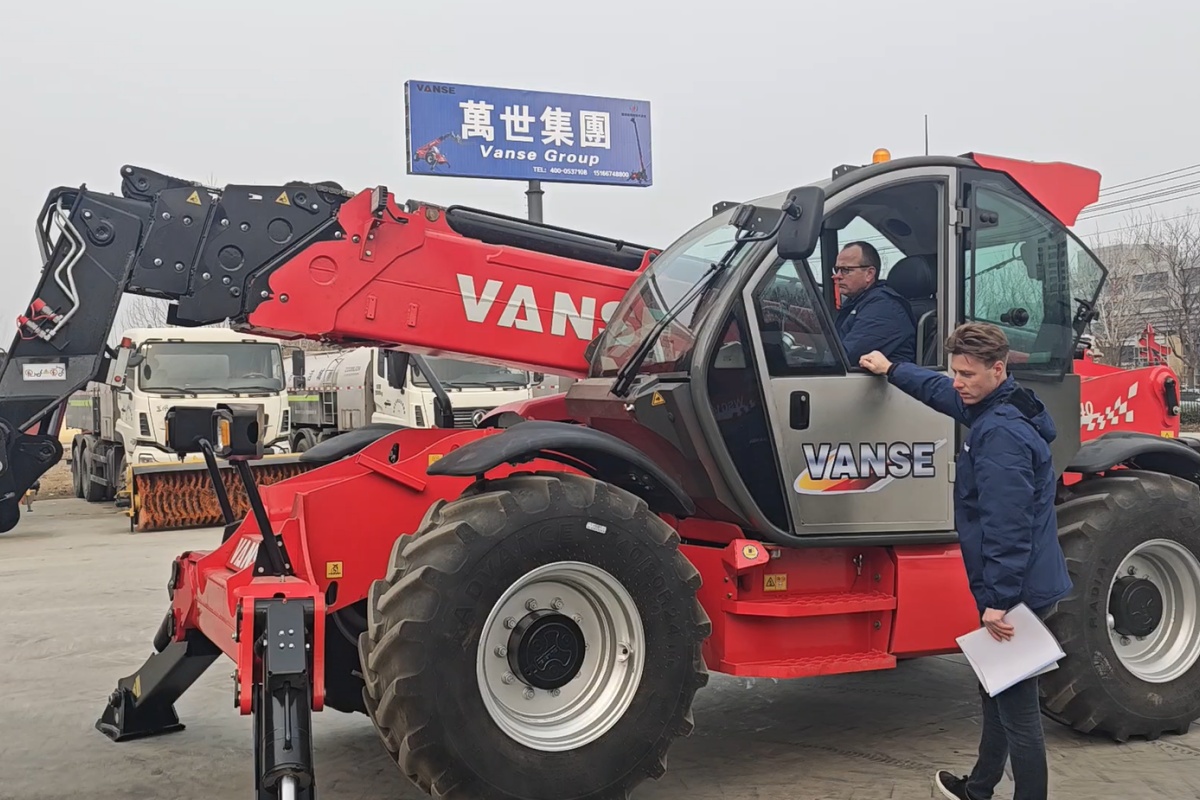
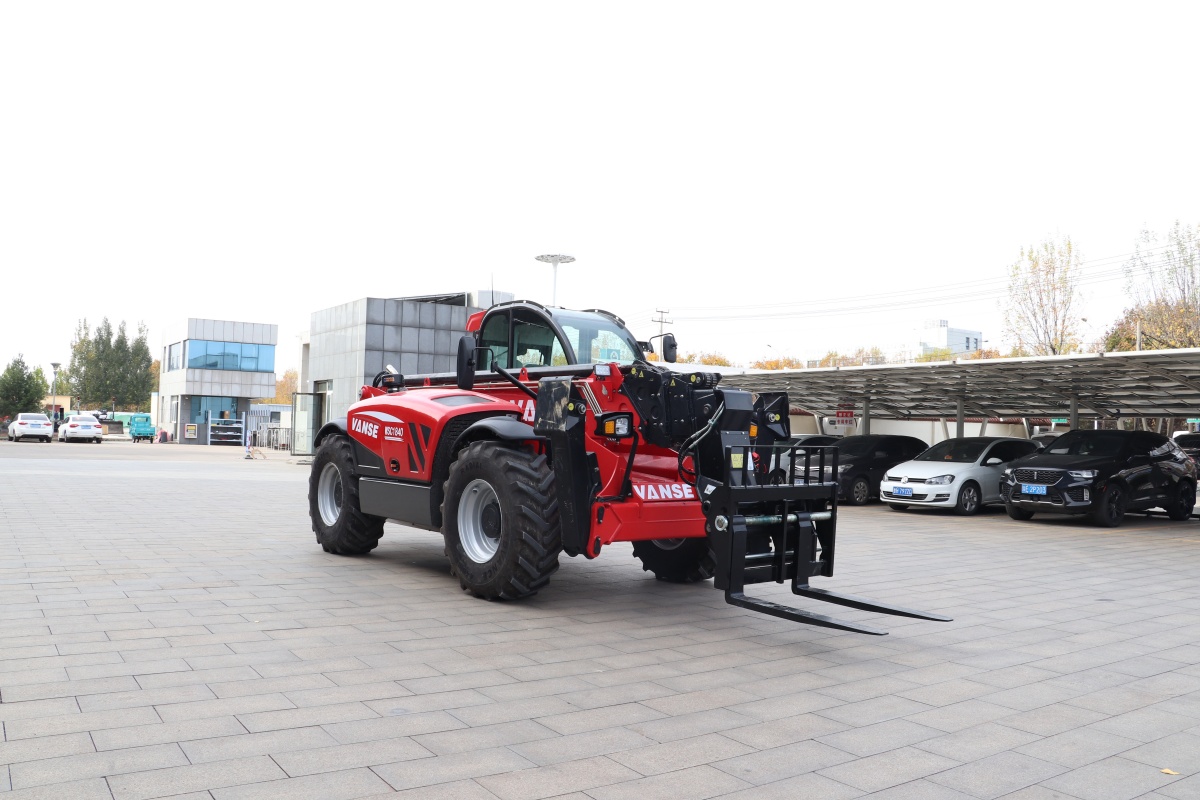
| VANSE | United States expansion with direct global supply support | Competitive cost-performance, OEM/ODM flexibility | Telehandlers with configurable specs and branding | Dealers, distributors, rental buyers, private-label partners | Relevant where landed cost and customization are priorities |
This supplier comparison gives buyers a workable starting point. Large contractors in Chicago or Atlanta may prefer brands with immediate dealer inventory. Regional distributors importing through Houston or Savannah may be more open to internationally sourced machines with stronger pricing and specification flexibility. The best supplier is the one that can support your utilization model for at least five to seven years, not just the one that can quote fastest this quarter.
Detailed Buying Factors for United States Buyers
When comparing a 7 meter telehandler, buyers should move through the decision in a disciplined order. First confirm actual lift tasks, not estimated ones. Second map where the machine will work most often: paved lots, rough terrain, barns, mud-prone jobsites, or mixed indoor-outdoor areas. Third calculate utilization by attachment and by season. Fourth compare dealer support, parts lead time, and training. Fifth evaluate transport and storage. Only after those steps should purchase price and financing become the main filter.
Many buyers underestimate the cost of weak service coverage. A lower machine price can quickly lose its advantage if parts must be shipped internationally without stocking support or if technicians cannot respond within a useful time window. On the other hand, some buyers overpay for premium branding even when their work is repetitive and does not justify the premium. The right answer depends on how mission-critical the machine is.
| Buying Factor | Why It Matters | Questions to Ask | United States Example | Risk if Ignored | Best Practice |
|---|---|---|---|---|---|
| Lift chart performance | Full-height and forward reach capacity vary widely | What can it lift at max height and max reach? | Loading framed wall bundles on low-rise jobs in Dallas | Underperforming machine onsite | Match the machine to the heaviest repeated task |
| Dealer and parts support | Downtime directly affects job schedules | Where is the nearest parts stock and field tech? | Service dispatch speed in Atlanta suburbs | Long idle periods and rental replacement costs | Request parts fill rate and response commitments |
| Attachment ecosystem | Real machine value depends on task flexibility | Which forks, buckets, hooks, or booms are approved? | Switching from forks to bucket use on a farm in Iowa | Extra machines needed for simple tasks | Buy only attachments tied to measured utilization |
| Operator environment | Comfort improves safety and productivity | Is the cab suitable for heat, dust, and winter work? | Summer heat in Phoenix or winter cold in Ohio | Lower productivity and higher fatigue | Specify climate features by region |
| Transport footprint | Size affects trailer and site movement planning | What trailer class and routing are required? | Moving between suburban jobs around Nashville | Unexpected logistics cost | Confirm dimensions before purchase approval |
| Lifecycle cost | Purchase price is only one part of ownership | What are fuel, tire, service, and resale assumptions? | Rental fleet budgeting in the Midwest | Misleading ROI calculations | Build a 5-year total cost model |
The table is useful because it prevents a common procurement mistake: comparing telehandlers only by brochure capacity and price. For United States buyers, logistics, support, and attachment productivity often create a bigger cost difference than a small gap in purchase price.
Industries That Commonly Choose This Reach Class
Commercial construction remains the most visible sector, but many of the strongest ownership cases come from recurring-use environments. Building supply distributors use 7 meter telehandlers for loading and yard movement. Agricultural operations use them for feed, bales, bulk materials, and maintenance work. Manufacturing plants and industrial contractors use them during shutdowns, expansion projects, and logistics support. Municipal and utility contractors also use them when a versatile rough-terrain handler is more efficient than sending multiple pieces of equipment.
In the United States, the strongest utilization often appears where work is varied but not extreme. A 7 meter machine is rarely too large for a regional lumberyard, yet it is capable enough for pallet placement at height. That is why this class appears so often in mixed fleets serving local contractors from places such as Charlotte, St. Louis, Salt Lake City, Indianapolis, and Sacramento.
Application Examples by Use Case
For a masonry contractor, the machine may unload block and mortar pallets in the morning, place materials on scaffold lines through midday, and move waste bins at the end of shift. For a dairy operation, it may handle bedding, move feed, load trucks, and support maintenance. For a steel building contractor, it may place structural components, stage tool pallets, and assist during enclosure work. In each case, the telehandler becomes more valuable when one operator can complete multiple workflows with minimal machine changes.
The area chart reflects a major shift in the United States market: more buyers now prioritize service assurance, lifecycle cost, and parts access over the lowest initial quote. This trend is particularly clear among larger fleets and experienced end users that have already learned the cost of downtime. It also creates room for well-prepared international suppliers that can prove local commitment rather than acting as remote exporters.
Case Studies from Typical United States Scenarios
A roofing materials distributor in Houston replaced a larger aging handler with a 7 meter class machine because most deliveries and yard stacking happened below full warehouse height. The result was easier maneuvering, lower fuel burn, and faster operator adaptation. A dairy farm in Wisconsin selected a similar reach class after calculating that a compact wheel loader could not match the same attachment flexibility and lift height for stacking and maintenance. A regional rental company in North Carolina added mid-reach telehandlers because customers preferred simple machines that could be delivered quickly to framing, remodeling, and masonry jobs.
Another useful example comes from inland logistics yards near Kansas City, where buyers often need a machine that can unload, shift, and stage palletized goods in mixed-surface environments. In these settings, the 7 meter telehandler succeeds because it bridges the gap between forklift tasks and rough-terrain field handling. It also avoids the cost and complexity of higher-reach units that would remain underused most of the year.
Supplier Comparison by Ownership Logic
The comparison chart is not a brand ranking. It shows the strategic trade-off many United States buyers face. Domestic-market leaders generally hold an advantage in dealer density and immediate rental familiarity. Qualified international suppliers often compete strongly on customization, private-label programs, and cost-performance. This is especially relevant for distributors, regional dealers, and enterprise buyers ordering multiple units rather than one machine at a time.
Local Supplier and Dealer Considerations
Local support still matters more than marketing language. A buyer in Los Angeles may expect different emissions discussions, technician travel patterns, and freight assumptions than a buyer in Oklahoma City. In the Northeast, dense urban delivery and winter operations place more weight on compact transport, enclosed cabs, and responsive parts dispatch. In the Southeast, storm repair and fast-moving commercial growth increase the importance of machine availability and attachment readiness.
When evaluating local suppliers, ask for branch locations, mobile technician coverage, in-stock wear parts, and average lead time for hydraulic, boom, drivetrain, and electrical components. If you are buying through a dealer rather than directly from a manufacturer, ask how much of the telehandler business they actually handle each month. A dealer that is excellent in skid steers may not necessarily be equally strong in telescopic handlers.
| Region | Typical Buyer Priorities | Important Local Conditions | Recommended Supplier Focus | Common Attachments | Procurement Note |
|---|---|---|---|---|---|
| Texas and Gulf Coast | Uptime, cooling, mixed commercial use | Heat, long travel distances, fast build schedules | Strong field service and parts stock | Forks, buckets, truss booms | Houston imports can help on fleet deals |
| Southeast | Fast delivery, rental compatibility | Storm recovery, roofing, residential expansion | Dealer responsiveness and easy training | Forks, hooks, work platforms | Savannah logistics may reduce landed cost |
| Midwest | Agriculture versatility, cold weather operation | Seasonal work cycles, farm attachments | Ag-oriented support and winter-ready cab options | Buckets, bale handling, forks | Farm use may justify premium hydraulic options |
| Northeast | Compact access, fast parts, enclosed cabs | Urban density, winter conditions | Dealer density and transport practicality | Forks, jibs, buckets | Newark-linked import planning can matter |
| West Coast | Compliance, visibility, mixed industrial use | Port traffic, emissions concerns, tight sites | Configuration accuracy and documentation | Forks, buckets, specialty handlers | Long Beach and Los Angeles remain key hubs |
| Mountain and Plains | Durability, service reach, transport ease | Remote sites, altitude, rough terrain | Simple maintenance and mobile tech support | Forks, booms, material buckets | Support coverage matters more than showroom size |
This regional table helps buyers make grounded decisions. Telehandler value changes with geography. A machine with an attractive price but weak support in remote states can become more expensive than a higher-priced option backed by real coverage. The same logic applies to importers and international manufacturers entering the market: local parts planning and service partnerships are not optional if they want to be credible in the United States.
Our Company
For buyers looking beyond standard dealer inventories, VANSE is relevant because it focuses heavily on telehandlers as its flagship line and backs that focus with tangible operational evidence rather than generic export claims. The company manufactures under CE and ISO 9001 certified processes, uses globally recognized core components such as Perkins and Cummins engines together with premium hydraulic, transmission, and axle systems, and subjects each machine to load testing, safety inspection, and performance validation before shipment, which gives United States buyers a measurable basis for comparing reliability against established brands. On the commercial side, VANSE supports end users, distributors, dealers, rental companies, brand owners, and even smaller-volume buyers through flexible wholesale, retail, OEM, ODM, and regional partnership models, making it practical for everything from direct fleet purchase to private-label channel development. Its expansion toward a United States-based subsidiary, local inventory planning, and localized after-sales capability shows a physical market commitment that goes beyond remote exporting, while its record of serving more than 40 countries and producing over 8000 units demonstrates scale, export discipline, and repeatable manufacturing experience. Buyers exploring telehandler equipment options can also review the company background on the about page, evaluate support scope through its service team, and discuss specifications, dealership opportunities, or after-sales planning through the United States inquiry channel.
How to Compare Domestic and International Purchasing Paths
United States buyers usually choose between two purchasing routes. The first is the established domestic dealer route, which often provides faster delivery, easier financing familiarity, and straightforward service contacts. The second is a direct or partner-based international route, which can offer better pricing, tailored configurations, dealer territory opportunities, and OEM/ODM branding potential. Neither route is automatically better. The better route is the one aligned to the buyer profile.
A one-machine contractor purchase often benefits from dealer convenience. A distributor planning to develop a regional brand may see more upside in a qualified manufacturing partner with customization capability. A rental company ordering several units may compare both channels carefully, especially if the supplier can provide structured parts packages, operator documentation, and remote technical support backed by domestic stocking plans.
Pricing and Total Cost Expectations
Pricing in the United States changes with spec level, emissions requirements, enclosed cab options, tire selection, hydraulic attachments, shipping assumptions, and service package design. Buyers should be cautious with simple advertised price comparisons because many quotes exclude freight, attachments, startup inspection, operator training, or regional delivery. A machine that appears cheaper may arrive with fewer included features or weaker warranty administration support.
For fleet buyers, total cost of ownership should include fuel use, routine maintenance intervals, wear parts, expected tire replacement, hydraulic hose exposure, parts stocking strategy, operator training time, and resale confidence. In many cases, a 7 meter telehandler produces stronger returns than larger models simply because it spends more days working instead of waiting for a task that truly needs extra reach. Utilization is the core economic driver.
What to Ask Before Requesting a Quote
Before asking any supplier for pricing, prepare a short list of operational facts. Clarify your most common lifted load, maximum placement height, ground conditions, yearly operating hours, preferred attachments, enclosed or open cab preference, and whether the machine will stay on one site or travel between many. Also clarify whether you are buying as an end user, rental fleet, dealer, or potential branding partner. These details will significantly improve quote accuracy.
It is also wise to ask for machine dimensions, shipping weight, spare parts recommendations for the first year, and documentation on pre-delivery testing. If buying from an international supplier, ask where replacement parts will be stocked, what support exists in your time zone, and how technical troubleshooting is handled when field service is needed quickly. Serious suppliers should answer these questions clearly.
2026 Trends in the United States Telehandler Market
Looking toward 2026, several trends are shaping the 7 meter telehandler segment in the United States. First, buyers will continue to push for lower total ownership cost, not just lower purchase cost. That means simpler maintenance access, telematics-ready diagnostics, and stronger parts planning will matter more. Second, emissions and sustainability expectations will continue influencing engine selection, idle management, and fleet renewal policies, especially among larger contractors and public-sector buyers.
Third, digital support is becoming part of the buying decision. Remote diagnostics, online parts ordering, video-based technical guidance, and operator training support will gain value even for mid-size fleets. Fourth, there will be more interest in flexible sourcing models. As procurement teams seek resilience, they are more open to evaluating qualified international manufacturers that can complement domestic channels with competitive pricing and private-label programs. Fifth, attachment-driven productivity will become a larger theme, especially in agriculture and rental, where one machine must perform multiple tasks efficiently.
Policy and sustainability trends will also affect specifications. Buyers in some states will pay closer attention to fuel efficiency, idle reduction, noise, and documentation supporting responsible equipment procurement. Although diesel remains dominant in this class, market pressure is increasing for smarter engine management, improved hydraulic efficiency, and cleaner operational profiles. In practical terms, that means machine design quality and data transparency will become more important than marketing claims.
FAQ
Is a 7 meter telehandler enough for most United States construction jobs?
For many low-rise commercial, residential, masonry, roofing, and supply-yard tasks, yes. It is often the most efficient size because it handles common material placement without the added transport and purchase burden of larger high-reach machines.
What lift capacity should I expect?
Most machines in this class are commonly found in the 2.5 to 3.5 ton range, but actual safe capacity changes with boom angle, extension, and load center. Always review the exact lift chart instead of relying on a single maximum number.
Which brands are most practical in the United States?
JLG, JCB, Genie, Bobcat, Skyjack, and Manitou are all practical depending on your region and application. Qualified international suppliers can also be competitive when they offer certifications, proven components, and local support planning.
Should I buy from a local dealer or import directly?
If you need one machine fast with immediate service access, a local dealer is often the easiest route. If you need multiple units, private labeling, custom specs, or better cost-performance, direct or partner-based international sourcing can make sense if local parts and service are addressed.
What attachments are most useful?
Pallet forks are the default. Buckets, lifting hooks, truss booms, bale handlers, and work platforms are also common depending on construction, agriculture, or yard applications. Only buy attachments that support regular usage.
How important is local service support?
It is one of the most important factors in the United States market. Downtime can erase any initial price advantage, so buyers should confirm parts stock, technician reach, and support procedures before signing a purchase order.
Is a Chinese supplier realistic for the United States market?
Yes, if the supplier can prove certifications, testing standards, quality components, export experience, and concrete local support commitments. Buyers should focus on evidence such as production scale, service structure, and stocking plans rather than country of origin alone.
What should dealers or distributors look for in a supplier partner?
They should look for stable manufacturing capacity, documentation quality, OEM/ODM flexibility, parts planning, technical support, branding options, and clear territory or after-sales arrangements. Long-term support matters more than first-order pricing.
A 7 meter telehandler remains one of the most useful machine categories for the United States because it aligns with real jobsite needs across construction, agriculture, industrial handling, and rental. Buyers who define their load profile, service expectations, and ownership model clearly will usually find this reach class delivers the best balance of reach, maneuverability, and return on investment.
Complete Telescopic Handler Equipment Portfolio
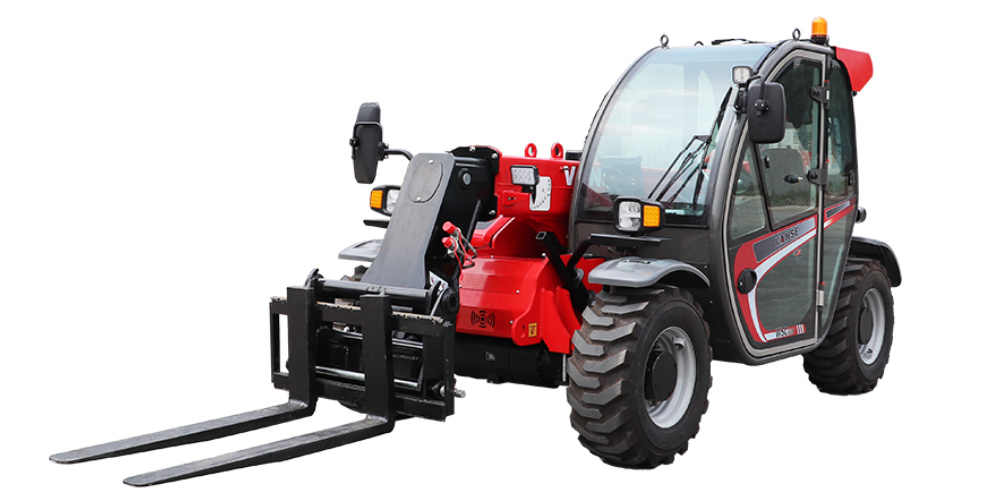
VANSE 625 6m Telescopic Handler
Designed for efficient material handling and stacking in warehouses, factories, and confined job sites, offering compact maneuverability and reliable performance.

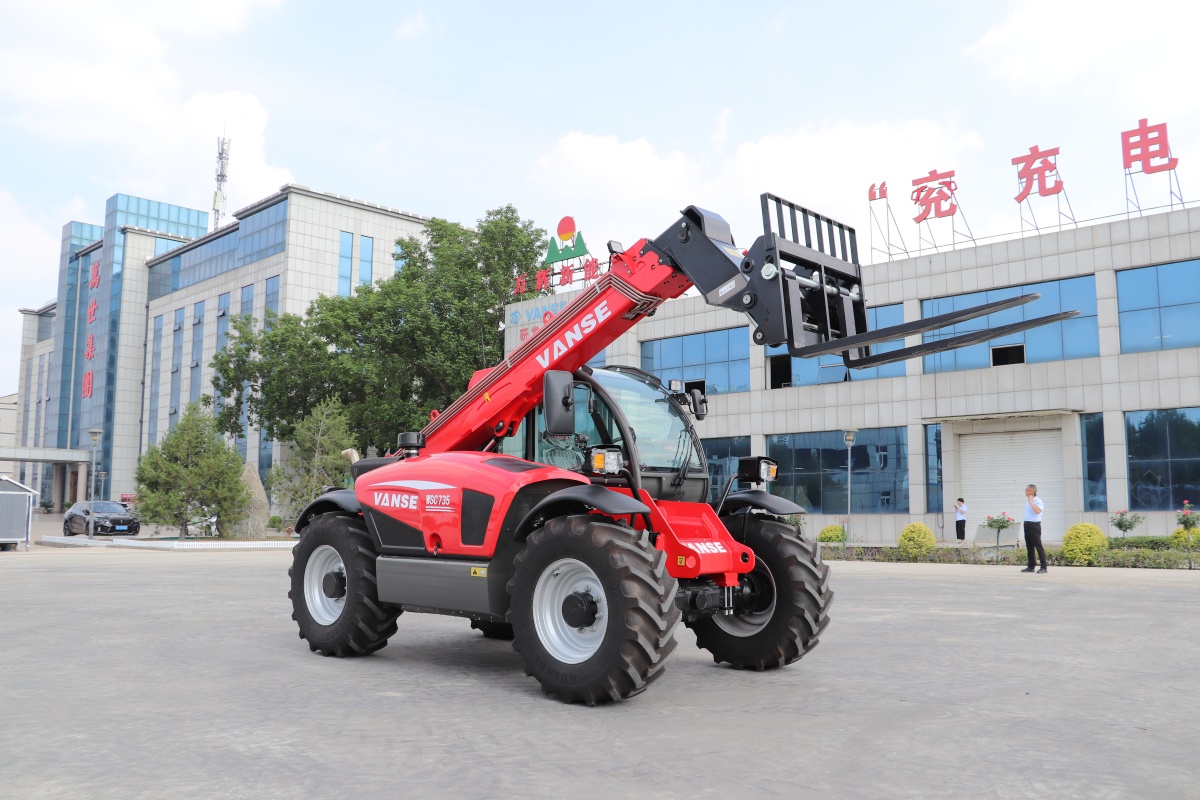
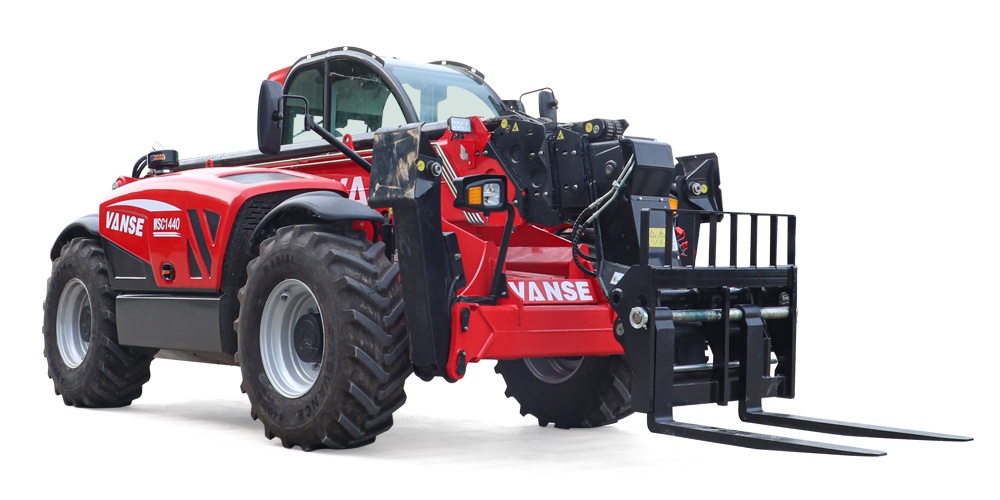
VANSE 735 7m Telescopic Handler
A balanced mid-duty solution for construction, agriculture, logistics, and warehousing, combining stable lifting, strong traction, and everyday versatility.


About the Author:
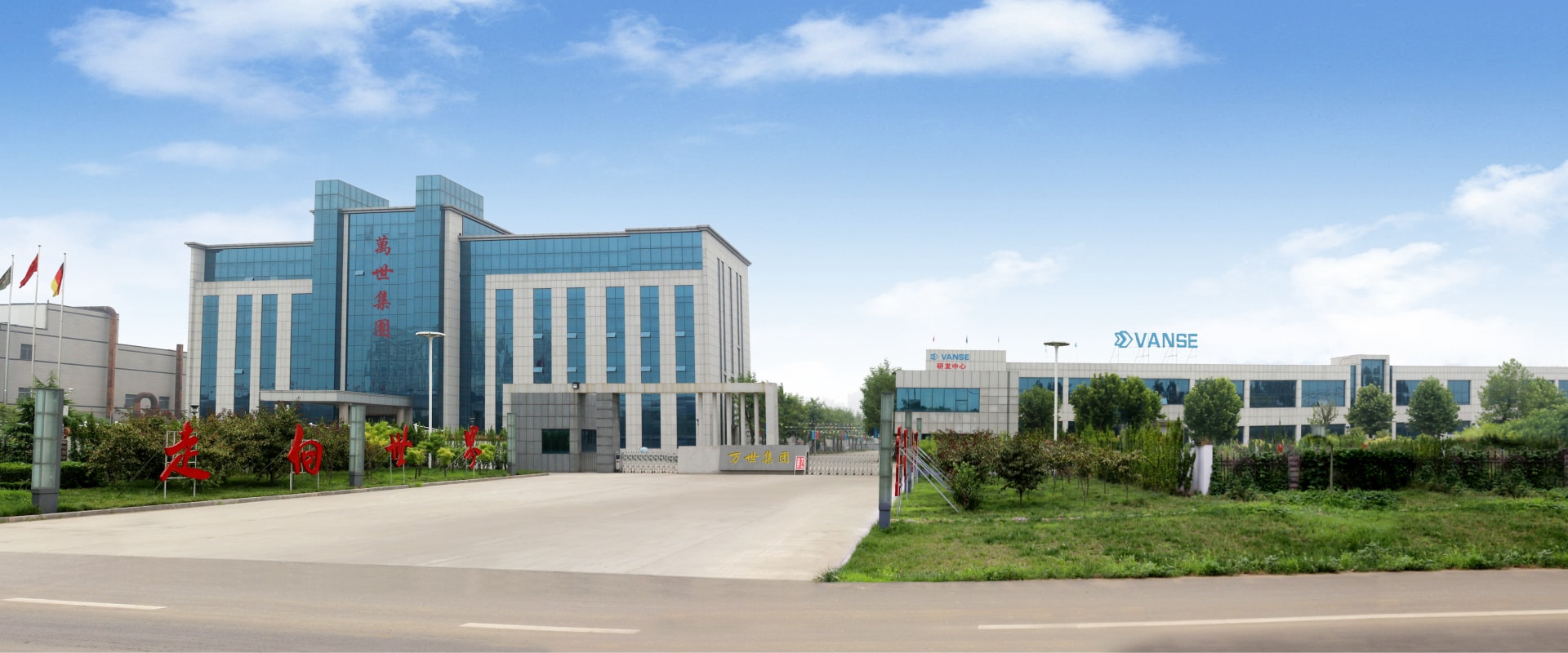
The VANSE team is a group of experienced professionals specializing in construction machinery research, manufacturing, and technical support. With deep industry knowledge and hands-on experience, our engineers and product specialists share practical insights on equipment selection, operation, maintenance, and industry trends.
Share
You May Also Interest
-

24 July, 2026
Telehandler for Landscaping: Outdoor Project Efficiency
Explore telehandler landscaping options in the United States, including suppliers, applications, costs, and buying advice for efficient outdoor projects.
-
23 July, 2026
6 Meter Telehandler: Ideal Mid-Rise Lift for All Sites
Explore 6 meter telehandler options in the United States, including top suppliers, key specs, applications, pricing factors, and buying tips for local buyers.
-
21 July, 2026
Telehandler Operator Training: Certification Guide 2026
Telehandler operator training in the United States for 2026: certification steps, OSHA compliance, costs, providers, and practical buying guidance.
-

20 July, 2026
5 Ton Telehandler: Heavy Lifting for Large Site Projects
Find the right 5 ton telehandler in United States with supplier comparisons, use cases, pricing factors, and service guidance for large jobsite lifting needs.