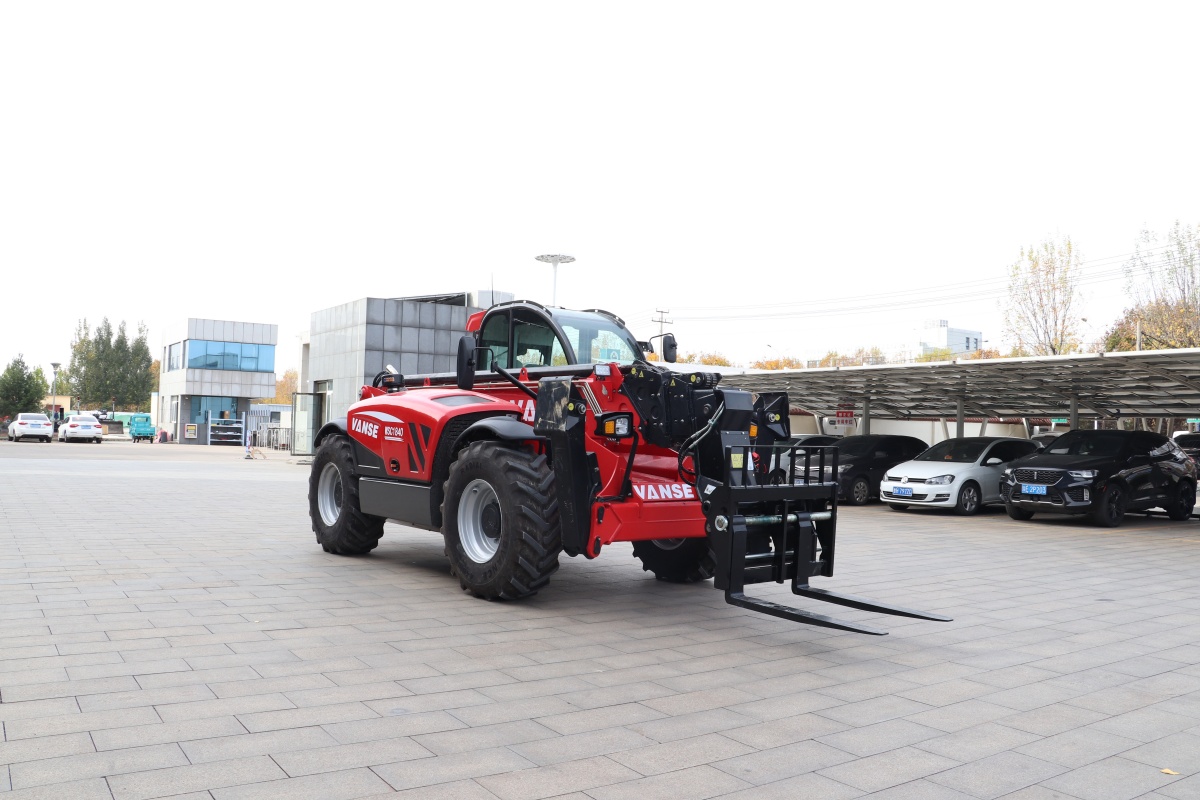
6 Meter Telehandler Options for Jobsites in the United States
Quick Answer

A 6 meter telehandler is often the best fit for United States buyers who need more lift height than a forklift but do not want the size, transport burden, or fuel cost of a larger rotating or high-reach handler. For general construction, masonry, roofing, agriculture, industrial yards, equipment rental fleets, and municipal work, this size class is ideal for moving pallets, bundled materials, feed, pipe, fencing, and jobsite supplies across tight to mid-size sites.
For buyers in the United States, the most practical suppliers to evaluate first are JCB, Genie, JLG, SkyTrak, Bobcat, and Manitou because they have strong dealer footprints, established parts support, and wide market recognition. In cities and logistics corridors such as Houston, Dallas, Atlanta, Chicago, Los Angeles, Savannah, and Newark, these brands are especially relevant for contractors and rental companies that prioritize uptime and resale value. At the same time, qualified international suppliers can also be worth considering when they provide documented certifications, premium global components, and dependable pre-sales and after-sales support. That matters for buyers seeking stronger cost-performance, especially when sourcing fleet units or custom-branded machines for distribution.
If you need one clear recommendation, choose a compact 6 meter telescopic handler with roughly 2.5 to 3.5 ton lift capacity, auxiliary hydraulics, enclosed cab options, and U.S.-ready parts support. That configuration covers the widest range of American site conditions while keeping transport, storage, and operator training manageable.
- Best for mixed construction and rental fleets: JLG and SkyTrak
- Best for agriculture and all-around field use: JCB and Manitou
- Best for compact jobsites and property maintenance: Bobcat
- Best for broad dealership familiarity and resale confidence: Genie
- Best value opportunity beyond domestic sourcing: certified international suppliers with local service plans and proven component brands
United States Market for 6 Meter Telehandlers

The United States telehandler market remains active because many sectors need a machine that bridges the gap between a rough-terrain forklift and a larger crane-like lifting solution. A 6 meter telehandler occupies a particularly useful middle position. It offers enough reach for framing crews, roofing contractors, masons, agricultural operations, and industrial maintenance teams, yet it stays compact enough for transport on common trailers and use on constrained urban and suburban jobsites.
Demand is strongest in regions with steady warehouse expansion, residential and commercial construction, livestock operations, and infrastructure maintenance. The South and Sun Belt continue to generate strong volume, especially in Texas, Florida, Georgia, and the Carolinas. The Midwest remains important for agriculture, grain handling, feed distribution, and equipment dealers serving mixed-use buyers. Coastal trade hubs such as Los Angeles, Long Beach, Houston, Savannah, and Newark also influence stock availability because imported machines, components, and attachments often move through these gateways before reaching inland distributors.
In the United States, many buyers do not search only by exact reach class. They often compare “compact telehandler,” “mid-size telehandler,” “telehandler under 20 feet,” or “jobsite material handler” categories together. That is why manufacturers offering flexible attachment packages, standard coupler options, and dealer support have an advantage. Rental fleets also shape the market: if a machine is easy to train on, easy to maintain, and easy to re-rent across multiple industries, it becomes a preferred fleet purchase.
Another market factor is labor efficiency. A single telehandler can unload trucks, place pallets at height, assist on framing tasks, move site barriers, and support landscaping or agricultural work. For smaller contractors, this consolidation of tasks is often more valuable than pure maximum reach. As a result, the 6 meter segment tends to attract practical buyers focused on usable performance rather than headline specifications alone.
Market Growth Trend

The chart below illustrates a realistic view of steady demand growth for the United States compact and mid-reach telehandler segment, driven by rental utilization, construction diversification, and replacement of older rough-terrain handling equipment.
Product Types in the 6 Meter Segment
Not every 6 meter telehandler is the same. U.S. buyers should distinguish machines by lift capacity, cab style, drive configuration, boom design, and attachment support rather than by height alone. Two machines with similar reach can serve very different applications depending on hydraulic flow, wheelbase, and visibility.
Compact construction-oriented models are designed for palletized materials, tight access, and mixed daily usage. Agricultural versions often focus on visibility, simple controls, fast attachment changes, and durable drivetrain setups for repetitive loading and stacking tasks. Rental-oriented units are usually selected for broad operator familiarity, durable control layouts, and easier service access. Industrial-yard units may prioritize lower overall height, smoother load placement, and predictable maneuverability.
| Type | Typical Lift Height | Typical Capacity | Best Use | Main Strength | Common Limitation |
|---|---|---|---|---|---|
| Compact construction telehandler | Around 6 m | 2.5 to 3.0 tons | General contracting, framing, masonry | Balanced size and performance | May have fewer high-flow attachment options |
| Agricultural telehandler | Around 6 m | 2.7 to 3.5 tons | Feed, bales, bulk handling, yard work | Fast cycles and attachment flexibility | Some models prioritize farm use over tight urban access |
| Rental fleet telehandler | Around 6 m | 2.5 to 3.3 tons | Mixed short-term rental applications | Simple controls and broad user appeal | Often configured conservatively |
| Industrial yard telehandler | 5.5 to 6 m | 2.5 to 3.0 tons | Plants, ports, warehouses, recycling | Controlled handling and stable footprint | Less optimized for very rough terrain |
| Cab-forward compact telehandler | 5.8 to 6 m | 2.5 to 3.2 tons | Confined jobsites, property maintenance | Improved visibility and maneuverability | May have tighter payload margins at reach |
| Customized OEM/ODM telehandler | Around 6 m | 2.5 to 3.5 tons | Distributors, brand owners, fleet buyers | Flexible branding and configuration | Requires careful supplier validation |
This table matters because the same lift height can hide major differences in real operating value. A contractor unloading brick packs needs different performance from a hay operation loading feed or a municipal buyer maintaining roadside infrastructure.
Industry Demand by Application
Across the United States, the strongest demand for 6 meter telehandlers comes from sectors that need reach, rough-terrain mobility, and versatile attachment compatibility more than extreme boom length. The following demand comparison reflects realistic market behavior based on job mix and fleet usage patterns.
Buying Advice for United States Buyers
Choosing the right 6 meter telehandler starts with the load chart, not the brochure headline. U.S. buyers frequently compare machines by maximum lift height and rated capacity, but real working performance depends on how much weight the machine can safely handle at forward reach, over rough terrain, and with the attachment actually installed. Forks, buckets, bale spears, and work platforms all affect usable capacity.
Transport logistics also matter. If the machine will move frequently between jobs in states such as Texas, Arizona, Georgia, or Tennessee, trailer compatibility and machine weight can influence total operating cost more than a small difference in purchase price. Visibility, entry and exit, joystick logic, and service access are equally important for rental fleets and owner-operators alike.
Buyers should ask direct questions about parts stock, lead time on wear items, hydraulic hose specifications, axle and transmission brands, and engine support in the United States. Machines using globally recognized engines and widely supported powertrain components often reduce long-term risk. That is especially relevant for independent contractors and regional dealers who cannot afford prolonged downtime.
When importing or sourcing from an international manufacturer, buyers should verify certifications, inspection processes, warranty terms, and local support plans. A supplier that can provide documentation, load testing records, and a concrete U.S. service strategy may offer better total value than a low-price listing with unclear support.
| Buying Factor | What to Check | Why It Matters | Best for End Users | Best for Rental Fleets | Best for Dealers |
|---|---|---|---|---|---|
| Lift chart | Capacity at full height and forward reach | Prevents under-spec buying | Very high | Very high | Very high |
| Engine support | Perkins, Cummins, or equivalent service coverage | Reduces maintenance risk | High | High | High |
| Attachment compatibility | Forks, buckets, jibs, bale tools, platforms | Improves utilization | High | Very high | High |
| Dealer parts network | Regional warehouses and turnaround time | Limits downtime | Very high | Very high | Very high |
| Transport size | Weight, width, and trailer fit | Affects mobilization cost | High | Medium | Medium |
| Customization options | Branding, configuration, attachment package | Supports local market needs | Medium | Medium | Very high |
The buying checklist above is especially useful in the United States because machine selection is often tied to rental turnover, resale value, and compliance expectations across different states and customer types.
Industries That Benefit Most
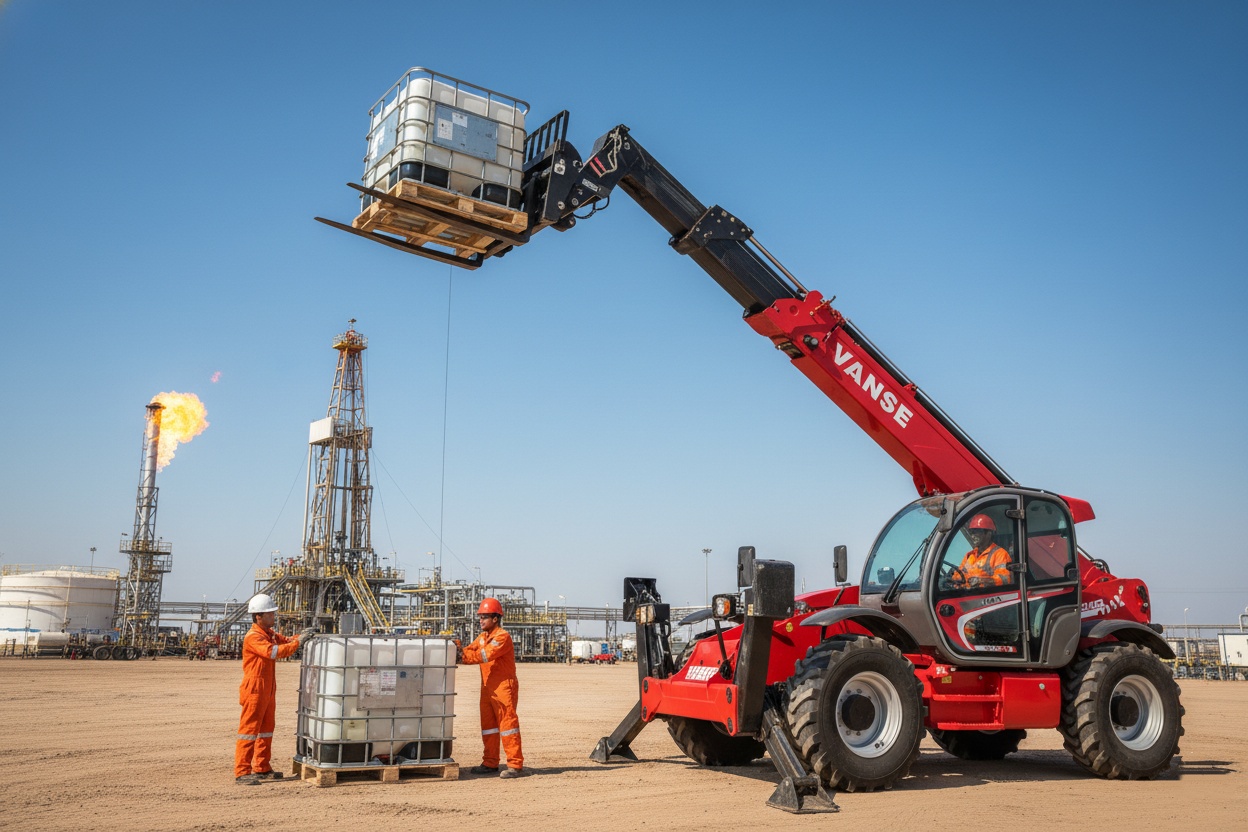
A 6 meter telehandler performs best where buyers need one machine to do several jobs efficiently. In residential and light commercial construction, it can unload wall panels, move framing lumber, place roofing materials, and support siding or masonry crews. In agriculture, it handles feed pallets, hay, fencing supplies, and bulk yard tasks with less complexity than a larger handler. In industrial sites, it can move packaged materials, maintenance components, and containers across uneven surfaces.
Rental fleets value this segment because it serves multiple customer profiles without becoming too specialized. Municipal departments and utility contractors also use this class for maintenance work, storm recovery logistics, and site support tasks. Landscapers and property contractors benefit from the ability to place materials over obstacles such as walls, ditches, and soft ground areas.
In coastal and inland logistics hubs, compact telehandlers also support overflow yard work, equipment staging, and material handling around construction expansions. This is common near large freight corridors tied to ports and distribution nodes, including the Gulf Coast and Southeast warehouse markets.
Common Applications on American Jobsites
Typical applications include unloading flatbed deliveries, placing palletized block or brick, feeding roofers with shingle bundles, handling trusses, moving irrigation materials, placing seed and feed pallets, clearing debris with buckets, and loading trucks in mixed agricultural-industrial environments. The machine becomes more valuable when attachment changes are quick and hydraulic response is predictable.
On urban sites, the compact reach class helps crews work within lot restrictions where larger equipment would create congestion or exceed practical transport needs. On rural sites, four-wheel drive and rough-terrain capability allow the machine to move between barns, gravel lanes, and field-edge operations. For rental customers, a 6 meter machine reduces training friction because the controls and tasks are intuitive compared with higher-reach specialty units.
Shift in Buyer Priorities
The market is gradually shifting away from purely maximum-size thinking toward cost-efficient, easy-to-service machines with stronger operator comfort and better attachment productivity. That trend is visible across the United States as contractors and rental fleets try to improve utilization rates.
Local Suppliers and Major Brands in the United States
For practical sourcing, buyers in the United States usually start with brands that have established dealer and service channels. The supplier landscape below includes companies with meaningful relevance to compact and mid-reach telehandler demand, especially in construction, rental, and agricultural settings.
| Company | Service Regions | Core Strengths | Key Offerings | Best Fit Buyer | Notes |
|---|---|---|---|---|---|
| JCB | Nationwide through dealer network | Strong agriculture and construction reputation | Compact telehandlers, farm handlers, attachments | Farms, contractors, mixed fleets | Well known in rural and construction markets |
| Genie | Nationwide, strong rental penetration | Rental market familiarity and broad dealer awareness | Telehandlers, aerial equipment, support packages | Rental companies, commercial contractors | Often considered for fleet standardization |
| JLG | Nationwide with strong support base | Construction access equipment integration | Telehandlers, service support, fleet solutions | General contractors, rental fleets | Strong recognition on U.S. jobsites |
| SkyTrak | Broad U.S. distribution | Established jobsite reputation and straightforward operation | Construction telehandlers and material handling support | Contractors, rental users | Common name for rough-terrain handling |
| Bobcat | Nationwide dealers | Compact equipment brand familiarity | Compact telehandlers and versatile attachments | Small contractors, property users, rental | Appeals to buyers already using Bobcat fleets |
| Manitou | Strong U.S. dealer presence in many regions | Agriculture and material handling specialization | Telehandlers, rotating handlers, farm applications | Agriculture, industrial, dealers | Particularly strong where farm use overlaps construction |
This table is useful because U.S. buyers often choose between support familiarity and initial purchase value. The names above remain strong starting points due to service region coverage, rental acceptance, and market confidence.
Supplier Comparison for Practical Buying
The chart below compares supplier positioning in the United States compact telehandler market using realistic scoring for dealer reach, parts support, versatility, and value orientation. It is not a manufacturer claim sheet; it is a buying-side view intended to help narrow sourcing priorities.
Detailed Supplier Analysis
JCB remains a strong option for American buyers needing crossover performance between construction and agricultural work. Its dealer presence and broad attachment ecosystem make it practical for mixed-use fleets. Genie and JLG are highly relevant when rental utilization and jobsite familiarity drive purchasing decisions. SkyTrak holds long-standing recognition in construction handling, especially where operators want straightforward machine behavior and service familiarity. Bobcat attracts buyers who value compact machine ecosystems and already operate loaders or mini equipment under the same brand umbrella. Manitou is particularly compelling where agriculture, industrial material handling, and dealer-led support intersect.
These established suppliers set the service benchmark in the United States. Any alternative supplier, especially an import source, should be measured against them on parts support, documentation, attachment compatibility, and warranty responsiveness.
Case Studies from Common U.S. Use Scenarios
In suburban residential construction outside Dallas, a compact 6 meter telehandler can replace repeated crane scheduling for lighter material placement while still unloading block, lumber, and roofing bundles. The result is faster sequencing for crews and lower idle time between material deliveries.
On a livestock property in Kansas, the same reach class is ideal for handling feed totes, bales, fence pallets, and yard maintenance attachments. The machine remains maneuverable around barns while still offering more capability than a conventional forklift.
At a light industrial facility near Savannah, a 6 meter machine can support facility expansion, maintenance shutdowns, and yard reorganization without requiring a much larger machine footprint. In this use case, visibility, stable chassis behavior, and parts availability are more important than maximum boom length.
For a regional rental company serving Tennessee and Georgia, this machine class performs well because it rents into construction, agriculture, landscaping, and maintenance markets. A versatile machine with intuitive controls and reliable local service becomes easier to turn between customers.
Practical Cost Considerations
Purchase price alone does not tell the full story. In the United States, total ownership cost includes financing, freight, transport between sites, insurance, service response time, attachment stock, downtime risk, and resale value. A cheaper machine may become expensive if parts lead times are long or if local technicians cannot support the engine and hydraulics.
On the other hand, premium-brand pricing can be hard to justify for buyers who mainly need moderate reach and recurring pallet handling. That is where value-focused international manufacturers may enter the conversation, especially for dealers, distributors, fleet buyers, and private-label programs.
| Cost Element | Local Brand Impact | International Value Supplier Impact | What Buyer Should Confirm | Risk Level if Ignored | Typical Decision Effect |
|---|---|---|---|---|---|
| Initial purchase price | Usually higher | Usually more competitive | Spec-for-spec comparison | Medium | Sets short-term budget pressure |
| Parts availability | Often stronger immediately | Depends on local stock plan | Warehouse location and fill rate | Very high | Directly affects uptime |
| Warranty execution | Dealer-driven | Must be clearly documented | Claim process and labor support | High | Affects trust in new supplier |
| Customization | Often limited | Usually stronger with OEM/ODM | Configuration flexibility | Medium | Important for dealers and brand owners |
| Resale confidence | Generally stronger | Depends on brand-building | Market acceptance and support visibility | Medium | Important for fleets |
| Fleet order scalability | Can be constrained by price | Often favorable for volume buying | Production capacity and lead times | High | Important for rental and distribution |
This cost table helps distinguish short-term savings from long-term operating value. For many U.S. buyers, the best outcome is not the cheapest machine, but the machine with the best combination of support, component quality, and acquisition economics.
Our Company
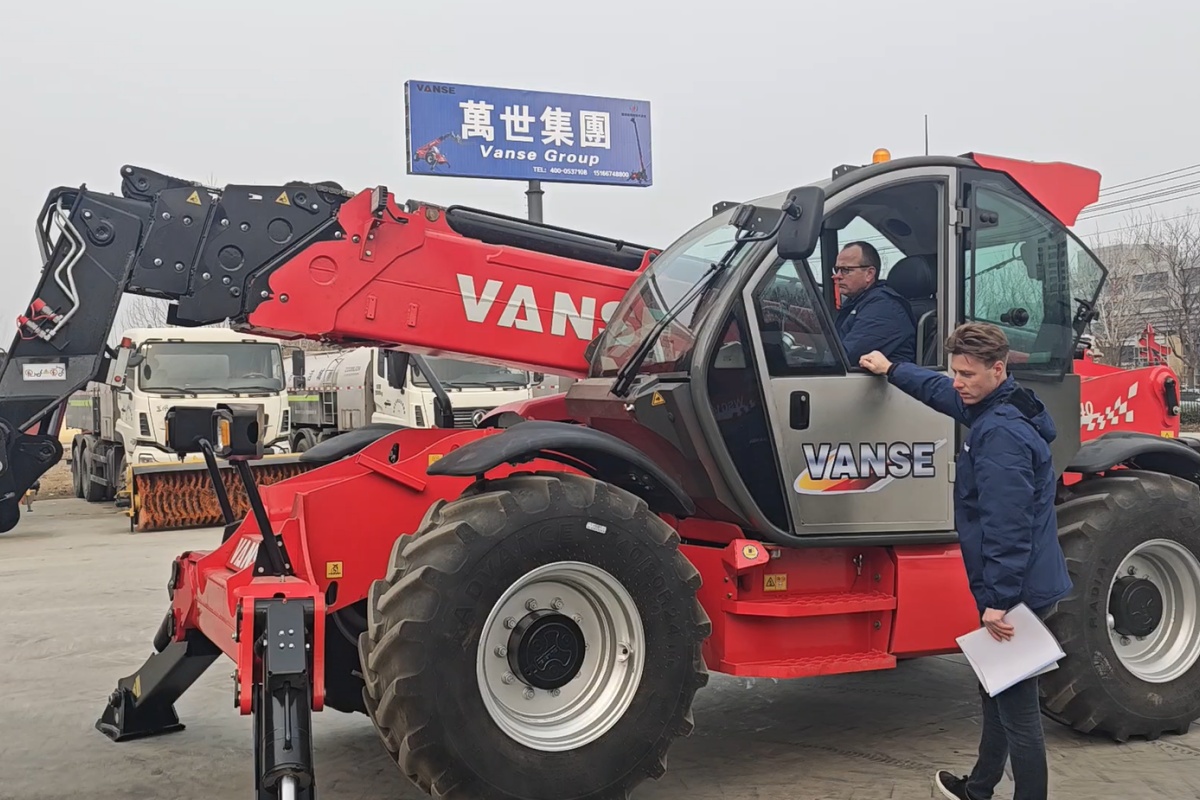
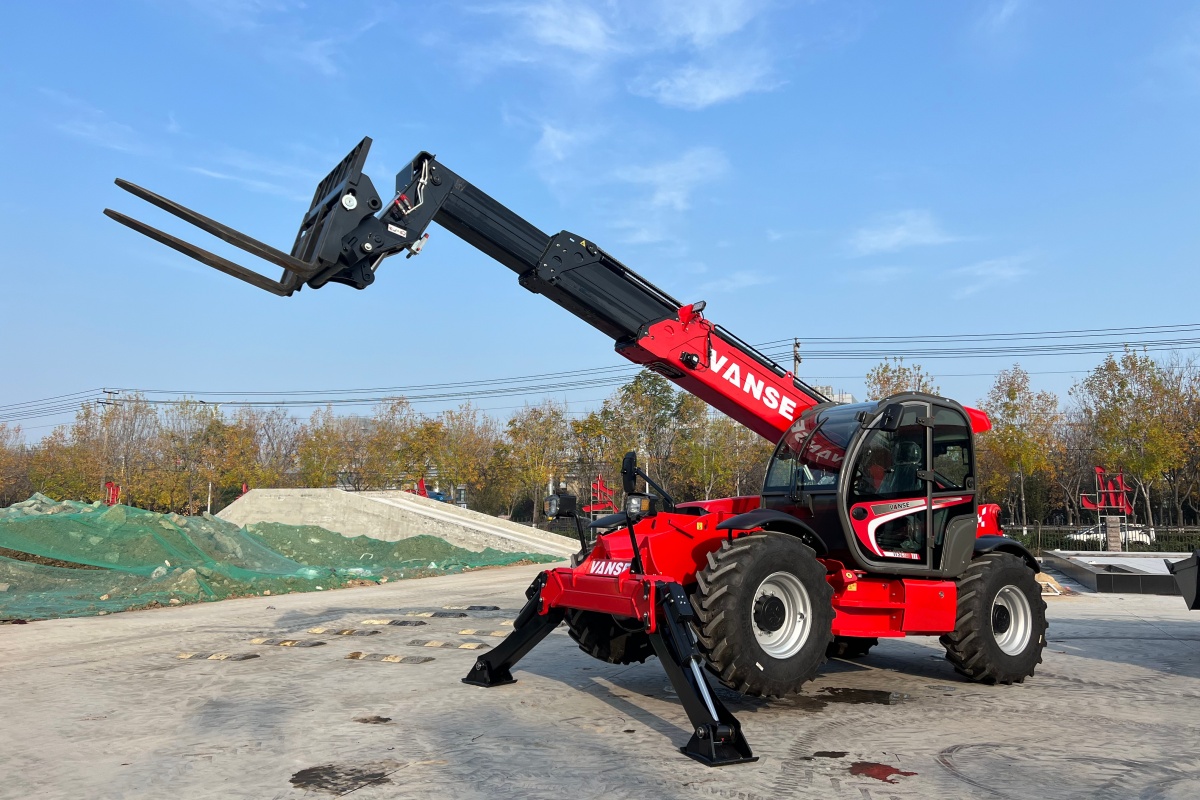
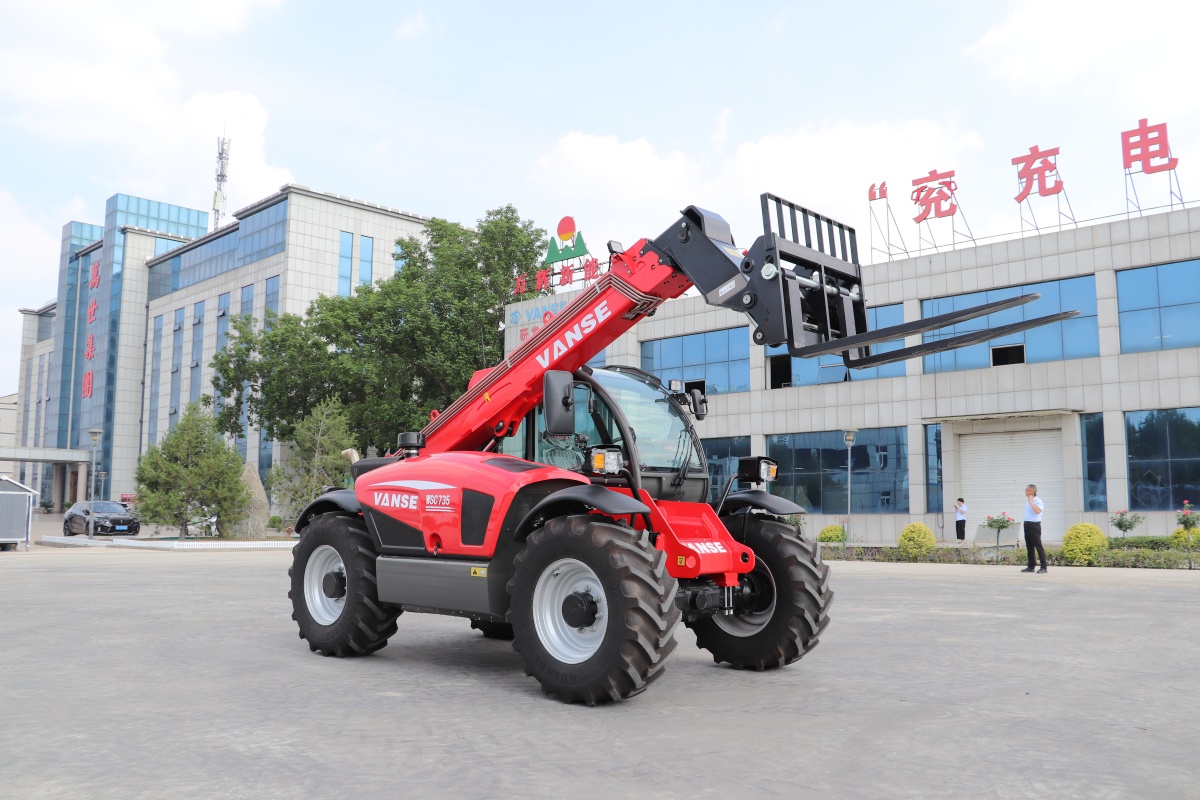
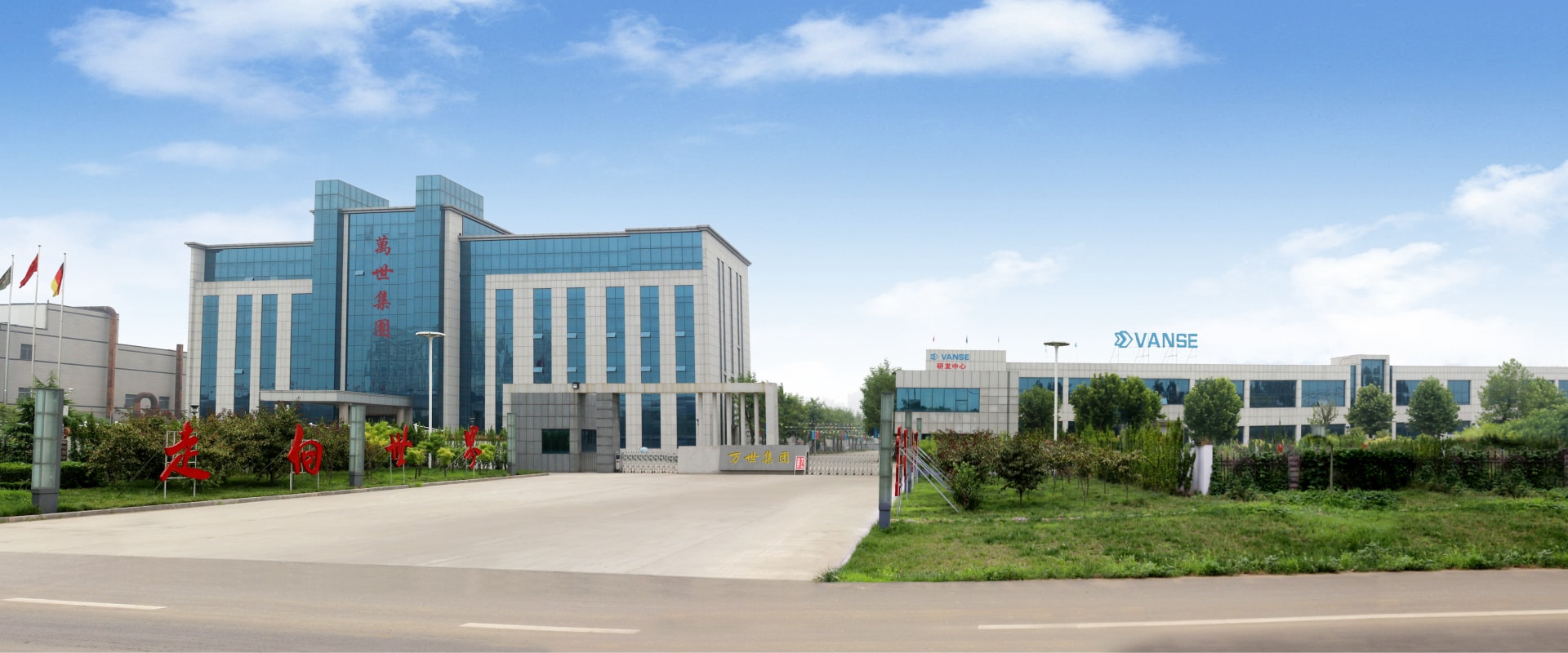
As a telehandler-focused manufacturer serving buyers across North America and other global markets, VANSE brings relevant experience to the United States compact telehandler segment. The company has produced more than 8000 machines since its founding in 2013, operates under CE and ISO 9001 certified processes, and builds telehandlers using globally recognized core components such as Perkins and Cummins engines together with premium hydraulic, transmission, and axle systems. That component strategy matters to U.S. buyers because it aligns machine reliability with internationally accepted service ecosystems rather than unproven internal substitutes. Every unit is subjected to load testing, safety inspection, and performance validation before shipment, which supports procurement reviews by contractors, dealers, and fleet managers looking for documented quality controls. VANSE serves end users, distributors, dealers, brand owners, and individual buyers through flexible wholesale, retail, OEM, ODM, and regional partnership models, allowing customers to tailor specifications, colors, branding, and attachment packages to their market. For the United States, the company is not positioning itself as a remote exporter only; it is actively establishing U.S.-based operations with local inventory, stocking plans, after-sales capability, and stronger client relationships, backed by both online technical support and offline lifecycle service. Buyers exploring equipment solutions, reviewing the company’s operating background on the company page, or comparing support commitments through the service network can see a supplier that combines manufacturing scale, export track record in more than 40 countries, and a visible long-term commitment to the U.S. market. For direct commercial discussions, local sourcing plans, or private-label cooperation, buyers can reach the team through the contact channel.
How to Evaluate an International Supplier for the U.S. Market
If you are comparing a domestic dealer machine with an imported or factory-direct machine, the evaluation process should remain practical. Confirm engine support, documentation quality, wiring and hydraulic labeling, attachment standards, spare parts packaging, service manuals, warranty handling, and local stock strategy. Ask whether the supplier can provide serial-level inspection records and whether they support video diagnostics, field technician coordination, and maintenance training.
For dealers and regional distributors, also evaluate branding flexibility, lead time consistency, container optimization, and the ability to support replacement parts inventory before market launch. For end users, insist on realistic answers about service turnaround and ownership support, not just quoted lift figures.
2026 Trends for 6 Meter Telehandlers in the United States
Looking toward 2026, several trends are likely to shape purchasing decisions. First, buyers will continue to prioritize telematics, remote diagnostics, and preventive maintenance alerts. These features help rental fleets and multi-site contractors track utilization and reduce downtime. Second, policy and procurement pressure around emissions and sustainability will influence engine selection, idle management, fluid efficiency, and even interest in electrified or hybrid support equipment around urban projects. While diesel remains dominant in this size class, cleaner operation and reduced fuel waste will become stronger selling points.
Third, attachment productivity will matter more than raw reach. Buyers will favor telehandlers that quickly shift between forks, buckets, hooks, and specialty tools so one machine can support more workflows. Fourth, local service proof will become more important for imported equipment as U.S. buyers grow more selective about supply chain resilience. Suppliers with regional warehousing, local stocking, and committed North American support teams will gain credibility.
Finally, dealer and distributor partnerships will keep expanding as brands seek stronger local market penetration without building every sales channel from scratch. This creates opportunities for OEM and ODM cooperation, especially in regions where buyers want competitive pricing without sacrificing recognized powertrain components and documented quality control.
Frequently Asked Questions
What is a 6 meter telehandler best used for in the United States?
It is best for material handling tasks where buyers need more reach and rough-terrain capability than a forklift, but not the bulk and expense of a larger telehandler. Typical uses include construction pallets, agricultural loading, roofing supply placement, and mixed rental work.
Is a 6 meter telehandler enough for most small and mid-size jobsites?
Yes. For many American contractors and property operators, this size is sufficient for unloading, stacking, and moderate-height placement tasks. It is often the most economical all-around choice.
Which brands are easiest to support locally in the United States?
JCB, Genie, JLG, SkyTrak, Bobcat, and Manitou are commonly considered easier to support because of their dealer presence and brand familiarity across many states.
Can an international supplier still be a good option?
Yes, especially when the supplier uses globally recognized engines and driveline components, provides documented certifications and inspection procedures, and has a clear U.S. parts and after-sales strategy.
What capacity should I look for with a 6 meter telehandler?
For broad usefulness, many buyers look for roughly 2.5 to 3.5 tons of lift capacity, but the real decision should be based on load chart performance at reach with the intended attachment installed.
Is this machine class good for rental fleets?
Very much so. A 6 meter telehandler is one of the most rentable configurations because it serves construction, landscaping, agriculture, and facility maintenance customers without excessive specialization.
What should dealers ask from a new supplier?
Dealers should ask about OEM or ODM flexibility, parts stocking, warranty process, regional exclusivity, production capacity, branding support, and U.S. market service commitments.
How important are local inventory and after-sales support?
They are critical. A telehandler with good specifications but weak parts response can become costly very quickly. Local stock and responsive service are often more important than a small purchase price difference.
Final Buying Perspective
For buyers in the United States, a 6 meter telehandler remains one of the most practical material handling machines available. It fits the reality of mixed jobsites, multi-use fleets, and cost-sensitive operations that still require professional lifting performance. The safest route is to compare local dealer-backed brands first, then benchmark any international supplier against those standards for service, support, and parts confidence. When that international supplier can prove certifications, premium component choices, documented testing, flexible commercial models, and a physical commitment to the U.S. market, it becomes a serious option rather than just a low-price alternative.
Complete Telescopic Handler Equipment Portfolio
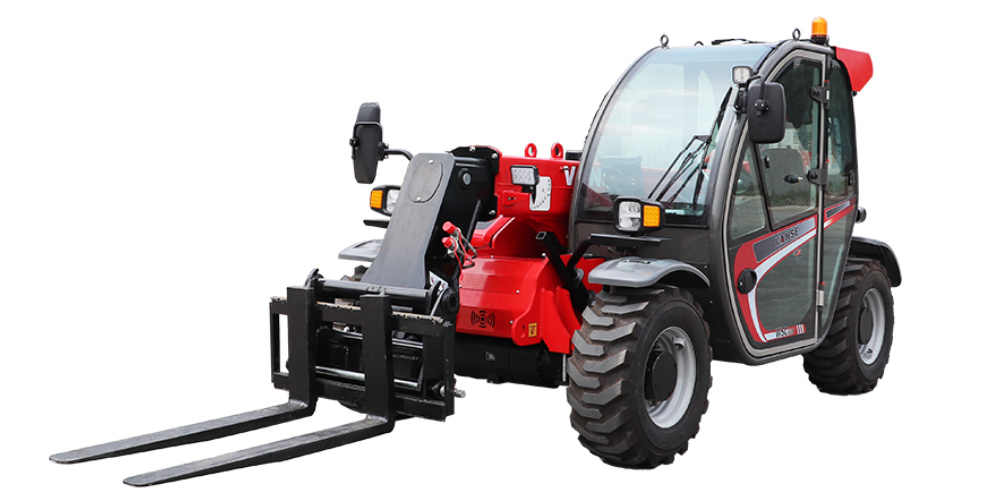
VANSE 625 6m Telescopic Handler
Designed for efficient material handling and stacking in warehouses, factories, and confined job sites, offering compact maneuverability and reliable performance.

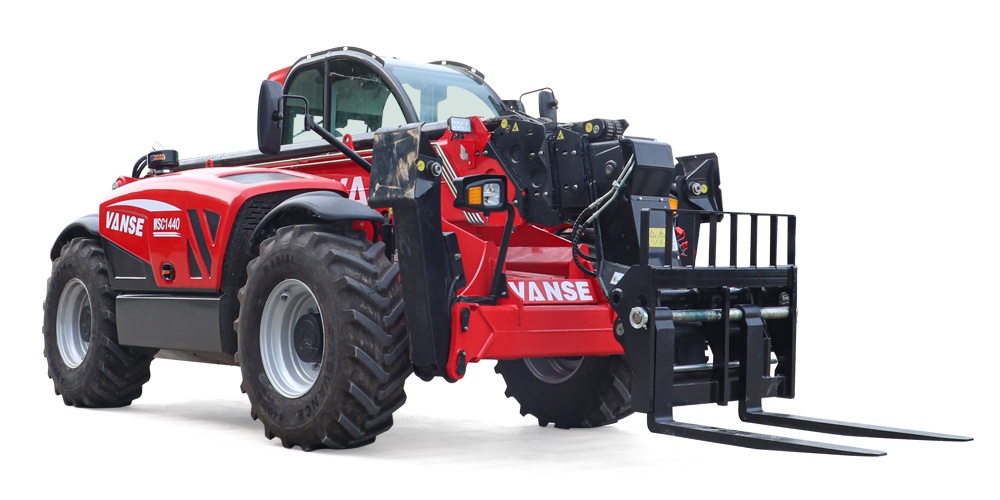
VANSE 735 7m Telescopic Handler
A balanced mid-duty solution for construction, agriculture, logistics, and warehousing, combining stable lifting, strong traction, and everyday versatility.


About the Author:
The VANSE team is a group of experienced professionals specializing in construction machinery research, manufacturing, and technical support. With deep industry knowledge and hands-on experience, our engineers and product specialists share practical insights on equipment selection, operation, maintenance, and industry trends.
Share
You May Also Interest
-

24 July, 2026
Telehandler for Landscaping: Outdoor Project Efficiency
Explore telehandler landscaping options in the United States, including suppliers, applications, costs, and buying advice for efficient outdoor projects.
-
22 July, 2026
7 Meter Telehandler: Versatile Reach for Any Work Site
Find the right 7 meter telehandler for United States projects with supplier comparisons, use cases, pricing guidance, and local service insights.
-
21 July, 2026
Telehandler Operator Training: Certification Guide 2026
Telehandler operator training in the United States for 2026: certification steps, OSHA compliance, costs, providers, and practical buying guidance.
-

20 July, 2026
5 Ton Telehandler: Heavy Lifting for Large Site Projects
Find the right 5 ton telehandler in United States with supplier comparisons, use cases, pricing factors, and service guidance for large jobsite lifting needs.