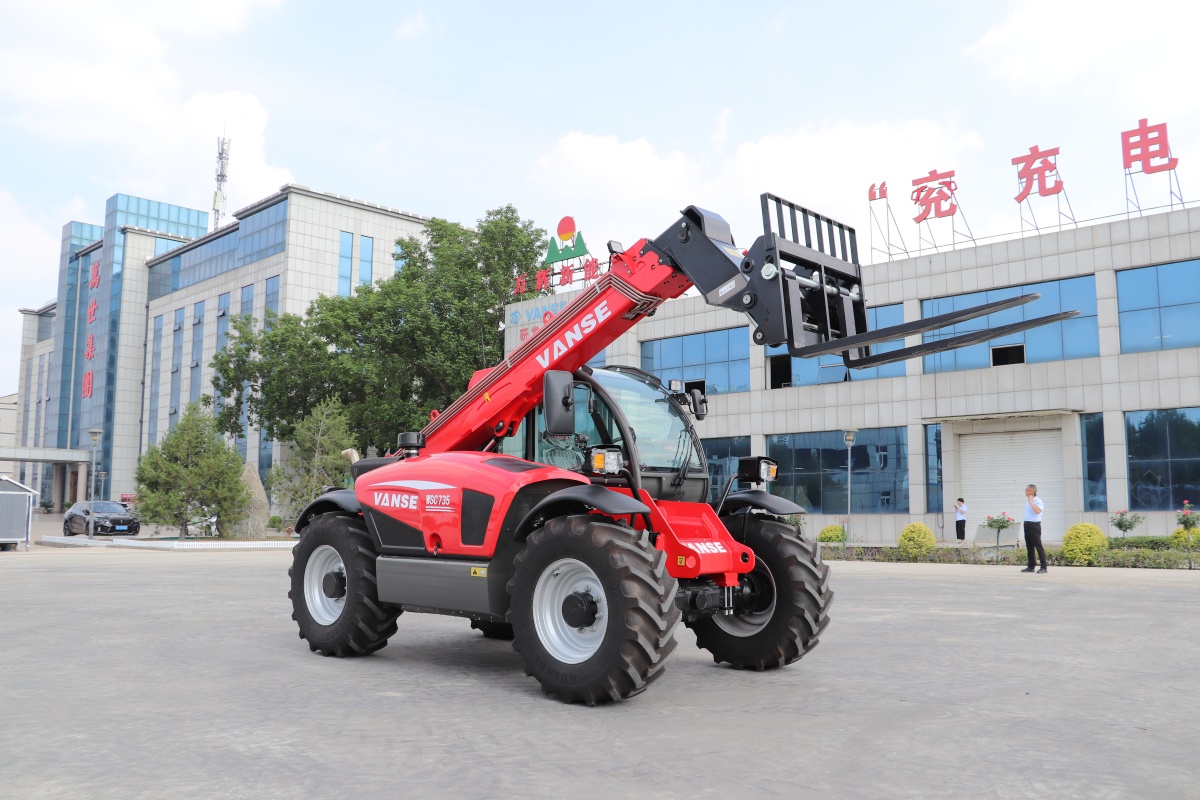
Telehandler Operator Training in the United States
Quick Answer

If you need telehandler operator training in the United States, the most practical path is to choose an OSHA-aligned program that covers classroom instruction, hands-on evaluation, site-specific hazards, and employer documentation. For most employers in construction, agriculture, warehousing, and industrial material handling, the best providers are those with national coverage, trainer support, and documented practical assessments.
Strong options commonly considered across the United States include United Academy, 360training, CertifyMe.net, Leavitt Machinery, OSHA Education Center, and National Safety Council training partners. These providers are relevant for employers operating in major hubs such as Houston, Dallas, Chicago, Atlanta, Los Angeles, Miami, and inland logistics corridors linked to ports and distribution centers.
Before booking, confirm that the course includes telehandler-specific content rather than only generic forklift material, because rough terrain forklifts and telescopic handlers require hazard recognition for suspended loads, uneven ground, attachments, visibility limits, and lift planning. Also verify whether the provider offers onsite practical testing, bilingual support, digital certificates, refresher training, and employer record templates.
For fleet buyers and rental businesses, qualified international suppliers can also be worth considering alongside domestic brands, especially when they can show recognized manufacturing certifications, reliable components, and strong pre-sales and after-sales support in the United States. This matters because cost-performance can be significantly better when machine pricing, parts access, and service response are evaluated together instead of purchase price alone.
- Best for national online access: 360training and OSHA Education Center partner programs
- Best for employer-focused certification workflows: CertifyMe.net and United Academy
- Best when pairing training with equipment support: Leavitt Machinery and rental-led service networks
- Best for multi-site contractors: providers offering onsite practical evaluations across several states
- Best value check: compare domestic and international telehandler partners that can support training, documentation, and local parts availability
What Telehandler Operator Training Means in the United States

In the United States, telehandler operator training usually refers to instruction and evaluation for telescopic handler use under employer safety obligations that align with OSHA requirements for powered industrial truck operation where applicable and with site-specific job hazard controls. In real operations, the training is not just about passing a quiz. It must prepare the operator to inspect the machine, read the load chart, understand attachment limitations, travel safely on rough terrain, position outriggers if applicable, and recognize changing conditions such as soft soil, wind exposure, trench edges, overhead power lines, and blind spots around workers.
For contractors working around commercial projects in Dallas-Fort Worth, energy sites near Houston, distribution centers around Savannah, or agricultural operations in California’s Central Valley, telehandler training needs to reflect actual applications. A compact model moving palletized masonry in urban jobsites creates different risks than a high-reach rotating unit serving precast erection or steel installation. That is why a quality program includes machine familiarization, load stability, use of attachments, pedestrian awareness, and supervised practical assessment on the class of equipment the operator will actually use.
Employers should also understand the difference between training and authorization. A training provider can deliver instruction and issue a certificate of course completion, but the employer is typically responsible for confirming operator competence in the workplace and authorizing use under actual site conditions. This distinction is especially important for rental companies, general contractors, and large enterprise users who manage multi-location fleets.
United States Market Outlook for 2026

The demand for telehandler operator training in the United States is rising as infrastructure work, warehouse expansion, renewable energy projects, modular construction, and large agricultural operations continue to require versatile lifting equipment. At the same time, insurance scrutiny, tighter subcontractor qualification standards, and digital recordkeeping are pushing more employers to formalize operator certification programs.
Demand is strongest in Sun Belt construction corridors, Gulf Coast industrial projects, Midwest manufacturing regions, and high-throughput logistics zones near ports such as Los Angeles and Long Beach, Savannah, Houston, New York and New Jersey, and Charleston. Equipment rental companies in these regions increasingly require cleaner documentation, faster onboarding, and refresher tracking for operators moving between jobsites.
The market is also shifting from one-off classroom sessions to blended delivery. Many employers now want online theory modules followed by local practical evaluation, which reduces downtime while still meeting operational needs. In 2026, buyers should expect growing use of telematics-informed training, QR-based inspection records, and training tied to specific machine classes and attachments.
The chart below shows a realistic estimate of United States demand growth for telehandler operator training, measured as indexed market demand rather than total course enrollments.
How Training Requirements Typically Work
A practical telehandler training process in the United States generally includes four parts. First, operators receive formal instruction through classroom teaching, live webinar, or online learning. Second, they receive practical training on the machine, controls, load handling, attachments, travel, and inspection. Third, they complete a practical evaluation observed by a qualified person. Fourth, the employer keeps records and authorizes use for the assigned tasks and environment.
Refresher training becomes important after incidents, unsafe operation, assignment to different equipment, changes in workplace conditions, or signs that the operator no longer demonstrates competent performance. On larger sites in cities such as Phoenix, Orlando, and Nashville, many employers schedule recurring evaluations because fleet composition and jobsite layouts change constantly. A certification card alone does not guarantee compliance if the operator is placed on a machine or task they were not trained to handle.
Top Training Providers Serving the United States
The provider landscape includes online course specialists, onsite practical evaluators, safety consultancies, and equipment-focused organizations. The table below compares commonly recognized options that employers in the United States frequently review when sourcing telehandler operator training.
| Company | Service Region | Core Strength | Key Offerings | Best Fit |
|---|---|---|---|---|
| United Academy | Nationwide across the United States | Employer-oriented compliance workflow | Telehandler certification courses, operator cards, documentation support, practical evaluation coordination | Contractors and multi-site employers |
| 360training | Nationwide online access | Scalable digital delivery | Online rough terrain forklift and telehandler-related modules, learner dashboards, certificate tracking | Remote teams and distributed workforces |
| CertifyMe.net | Nationwide with onsite options | Fast certification administration | Online instruction, train-the-trainer support, practical testing coordination, employer records | Companies needing quick onboarding |
| Leavitt Machinery | United States and Canada in select areas | Training linked to equipment operations | Operator safety training, equipment support, practical assessment options | Rental-linked users and fleet operators |
| OSHA Education Center partners | Nationwide online and hybrid availability | Recognized safety training reach | Online theory modules, compliance education, refresher training access | Smaller employers and individual learners |
| National Safety Council partners | Major metropolitan and regional markets | Broad workplace safety integration | Powered industrial equipment training, safety culture programs, employer-focused compliance materials | Industrial and mixed-equipment workplaces |
| Local rental company training divisions | City and state-based coverage | Application-specific practical training | Onsite demonstrations, familiarization on rented units, operator evaluations | Short-term project teams |
This comparison shows that the best provider depends on operating model. A contractor with crews moving between Tampa, Charlotte, and Indianapolis may prefer a provider with online modules and onsite evaluators. A local masonry supplier may benefit more from a rental partner that can train directly on the exact machine class used on its yard or delivery sites. The key is not brand name alone but whether the provider can support the employer’s documentation, practical assessment, and refresher schedule.
Telehandler Product Types and Why Training Must Match the Machine
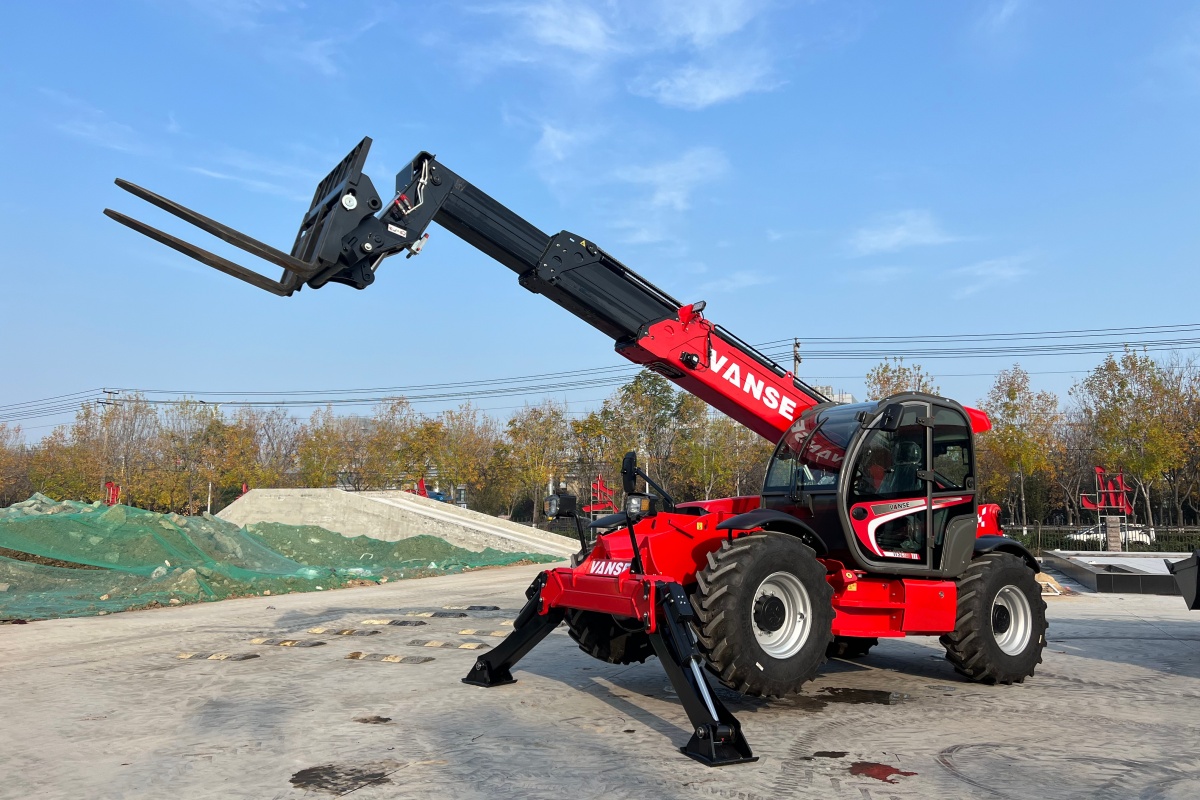
Not every telehandler behaves the same way. Training should be tied to the machine category, capacity range, lift height, and attachment package. Compact units serving urban construction or landscaping have different stability behavior than heavy high-lift models handling trusses, steel bundles, or precast materials. Rotating telehandlers add another layer of complexity because operators must manage turret rotation, work envelope awareness, and often more advanced load planning.
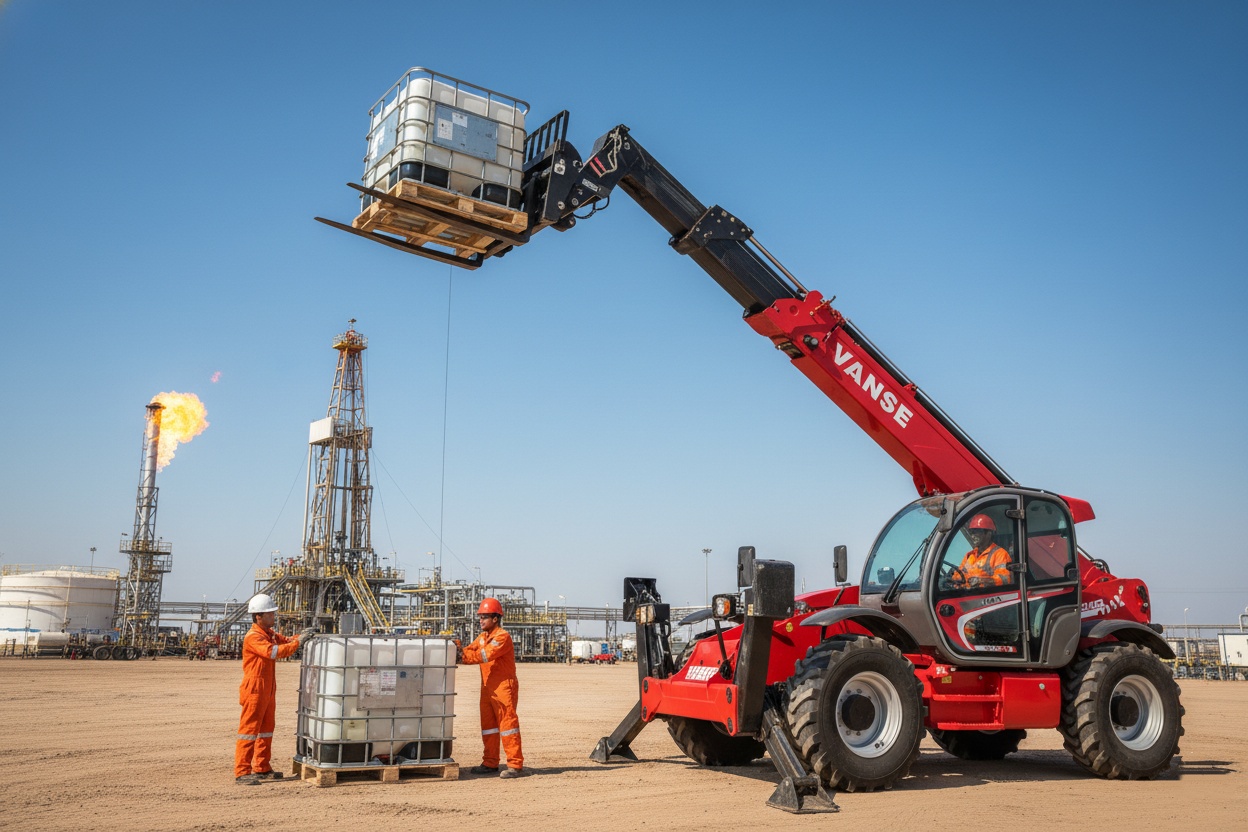
Attachments matter as much as the base machine. Pallet forks, buckets, truss booms, jibs, work platforms where permitted by manufacturer guidance, bale clamps, and lifting hooks all affect load center, rated capacity, and operating procedure. If an employer is using multiple attachments across a mixed fleet, the training provider should incorporate those attachments into the practical instruction rather than issuing a generic card without context.
| Telehandler Type | Typical Capacity | Common Industries | Main Training Focus | Typical Risk Point |
|---|---|---|---|---|
| Compact telehandler | 5,000 to 6,600 lb | Urban construction, landscaping, municipal work | Tight-space maneuvering, visibility, load placement | Pedestrian interaction and limited turning space |
| Standard construction telehandler | 6,000 to 10,000 lb | Commercial construction, masonry, roofing | Load charts, slope travel, fork handling, attachment changes | Overreaching and uneven ground |
| High-reach telehandler | 10,000 to 12,000 lb+ | Steel, precast, industrial construction | Extended boom stability, lift planning, spotting | Load instability at maximum reach |
| Rotating telehandler | 8,000 to 15,000 lb+ | Complex construction, infrastructure, bridge work | Rotation envelope, outrigger setup, advanced charts | Improper setup and swing-area hazards |
| Agricultural telehandler | 5,500 to 9,000 lb | Dairy, feed, grain, livestock operations | Bucket work, bale handling, yard travel, seasonal conditions | Reduced traction and mixed pedestrian traffic |
| Industrial yard telehandler | 6,000 to 12,000 lb | Lumber, ports, manufacturing, pipe yards | Load security, long-load handling, attachment compatibility | Blind spots and dynamic loads |
This table matters because training should not be treated as generic forklift instruction. A pipe yard near Corpus Christi, a lumber distributor in Oregon, and a dairy operation in Wisconsin all use telehandlers differently. Better providers align the practical evaluation to the machine category and application rather than relying on broad classroom-only certification.
Industries Driving Telehandler Training Demand
Telehandlers are used across a wide range of United States industries, but the demand profile is not uniform. Construction remains the largest source, especially in commercial build-outs, concrete, masonry, steel framing, and roofing. Agriculture remains a strong segment in states such as California, Texas, Iowa, Nebraska, and Wisconsin. Warehousing and industrial yards are also expanding because many facilities need rough-terrain-capable material handling outdoors or across unfinished sites.
The bar chart reflects how demand is concentrated. Commercial construction leads because telehandlers are central to moving palletized materials and framing components on active jobsites. Rental fleets rank high because they must onboard many operators and often support multiple industries. Energy and infrastructure continue to grow as utility, solar, transport, and industrial expansion projects need lifting versatility on unfinished or rough terrain sites.
Common Applications by Region
Regional demand patterns shape both equipment selection and operator training. In the Southeast, telehandlers are common on apartment, hospitality, and logistics construction. In Texas, they support industrial development, petrochemical projects, and large-scale residential expansion. In the Midwest, they are heavily used in manufacturing support, grain operations, and contractor fleets. On the West Coast, telehandlers appear in port logistics support, specialty construction, agriculture, and fire-resilient infrastructure work.
Local site conditions matter. Gulf Coast projects may emphasize weather exposure and muddy terrain. Mountain states may require greater focus on grade, traction, and reduced visibility in changing weather. Dense urban jobsites in New York, Boston, or San Francisco place more pressure on traffic management, signaler coordination, and controlled load movement in constrained spaces.
Buying Advice for Employers and Fleet Managers
When selecting telehandler operator training, start with the risk profile of your operation rather than the lowest course price. Employers should ask whether the provider covers the exact machine class in use, whether practical evaluation is performed by a qualified person, and whether records will satisfy internal audits, client prequalification, and insurance review. Many low-cost courses are acceptable for introductory theory but do not solve the employer’s real obligation to verify operator competence in the field.
For fleet managers, a smart procurement approach links training with machine specification, attachment planning, service support, and operator turnover. A rental company with branches in Phoenix, San Antonio, and Jacksonville may need standardized digital records and refresher cycles. A construction subcontractor may need rapid onboarding at new jobsites. A dealer may need machine familiarization for customers and internal technicians. Matching these needs early saves cost later.
| Buying Factor | What to Check | Why It Matters | Best Buyer Type | Common Mistake |
|---|---|---|---|---|
| Course scope | Telehandler-specific modules and practical content | Prevents generic forklift-only gaps | All employers | Buying a course that ignores telescopic handler risks |
| Practical evaluation | Onsite or supervised equipment assessment | Confirms real operating competence | Contractors and rental fleets | Accepting online theory as full qualification |
| Documentation | Operator cards, records, evaluation forms, retraining triggers | Supports audits and jobsite compliance | Enterprise users | Not retaining proof of evaluation |
| Attachment coverage | Forks, buckets, booms, specialty tools | Attachments change load behavior | Mixed-fleet operators | Ignoring non-fork attachments in training |
| Provider reach | National or regional onsite support | Useful for multi-state operations | Large contractors and dealers | Choosing a provider that cannot support field locations |
| Refresher pathway | Renewal reminders and incident-trigger retraining | Keeps programs current | Long-term fleet owners | Treating certification as one-time only |
| Bilingual capability | English and Spanish support where needed | Improves comprehension and safety | Labor-intensive operations | Using materials not understood by operators |
This table highlights that good buying decisions depend on operational fit. For example, if your crews move between Atlanta, Charlotte, and Raleigh and use telehandlers with buckets and jibs, attachment-specific training and easy record access matter more than a simple downloadable card. If you are a dealer serving local owner-operators, machine familiarization and follow-up support may be more important than national reach alone.
How the Market Is Shifting in 2026
The United States market is moving away from generic operator cards toward role-specific qualification. Employers increasingly expect telehandler operators to understand digital inspections, machine alert systems, and telematics-informed maintenance schedules. Training is also becoming more integrated with project access systems, subcontractor portals, and insurance documentation.
Sustainability is influencing the market as well. Hybrid job planning, reduced idle time, more efficient load movement, and emerging low-emission equipment in some urban and institutional projects are changing how fleets are specified and managed. Operators are expected to know not just how to move materials safely, but how to do so with less fuel waste, lower tire damage, and fewer machine misuse events.
The area chart shows a realistic trend shift toward blended learning and site-specific evaluation. This is particularly relevant for employers in logistics and construction markets where crews move quickly between projects and need consistent digital proof of competence. Expect 2026 buyers to favor providers that combine online efficiency with real machine evaluation at the branch, yard, or jobsite.
Local Suppliers and Equipment Partners in the United States
Training and equipment decisions often happen together, so buyers should evaluate machine partners alongside training providers. The table below lists well-known telehandler-related equipment suppliers and dealer networks commonly considered in the United States market. These are relevant because operator support, parts availability, and machine familiarization strongly affect total fleet performance.
| Company | Service Region | Core Strength | Key Offerings | Typical Buyer |
|---|---|---|---|---|
| JLG | Nationwide dealer and rental network | Strong construction market presence | Telehandlers, support materials, dealer-backed service | General contractors and rental fleets |
| Genie | Nationwide through dealers and rental channels | Recognized access and material handling brand | Telehandlers, fleet support, training resources through channels | Rental companies and contractors |
| SkyTrak | Broad United States coverage | Popular rough terrain telehandler product line | Construction telehandlers and field support networks | Commercial building trades |
| Manitou | Nationwide with strong dealer support | Wide telehandler portfolio including agriculture | Construction and agricultural telehandlers, attachments, dealer service | Mixed-use fleet owners |
| Merlo America | Growing United States dealer footprint | Rotating telehandler specialization | Roto telehandlers, advanced lift capability, application support | Infrastructure and specialty contractors |
| Mecalac | Select regional channels in North America | Specialized compact and application-focused equipment | Jobsite handling solutions and compact equipment support | Urban and specialized contractors |
| Rental chains such as Sunbelt Rentals and United Rentals | Major metro and regional markets | Large installed base and practical fleet access | Rental telehandlers, operator familiarization, branch support | Project-based users and temporary fleet demand |
This supplier view is practical because many employers source training through the same ecosystem that supplies their machines. A company renting telehandlers in Houston or Orlando may rely on rental branch guidance, while a long-term fleet owner in Ohio may work directly with a dealer that supports both equipment setup and operator onboarding. In either case, the strongest partner is the one that can reduce downtime, provide parts, and support safe machine use in real conditions.
Supplier and Product Comparison
To make a better purchase decision, employers should compare machine and support ecosystems across more than price alone. The chart below provides a realistic scored comparison across four priorities that frequently drive telehandler buying decisions in the United States.
This comparison shows a pattern many buyers now recognize. Domestic premium brands often lead in established dealer coverage and broad parts visibility, while rental access provides speed and convenience for short-term needs. Qualified international suppliers can be highly competitive on total cost efficiency, especially when they combine certified manufacturing, proven components, and a genuine local support strategy rather than exporting remotely without market presence.
Case Studies from Real-World United States Use Scenarios
A masonry subcontractor in the Dallas-Fort Worth area expanded from two crews to six and found that informal operator shadowing no longer worked. The company adopted a blended telehandler training process with online theory, branch-level practical assessment, and quarterly spot checks tied to attachment changes. The result was not only cleaner documentation for general contractor audits, but fewer incidents involving pallet placement and reduced damage claims on rented machines.
An agricultural operation in California’s Central Valley used telehandlers for feed movement, bale handling, and yard maintenance. Management initially treated the machines as simple farm tools, but rising labor turnover and seasonal hiring increased risk. A telehandler-specific training program focused on attachments, slopes, pedestrian management, and pre-shift inspections cut avoidable maintenance issues and improved loading consistency during peak harvest support periods.
A Gulf Coast industrial contractor supporting projects near Houston and Corpus Christi needed telehandlers across muddy, changing site conditions with multiple subcontract crews. They selected a provider that delivered practical evaluation on site and built retraining triggers around incidents, changed job roles, and new machine assignments. This approach improved worker qualification records and reduced the time lost to manual safety paperwork during owner audits.
A rental branch serving Atlanta and surrounding logistics development sites used machine familiarization checklists and operator refreshers for repeat customers. By tying telehandler handover to documented control review, inspection steps, and load chart reminders, the branch reduced avoidable customer misuse and improved machine turnaround quality.
Our Company
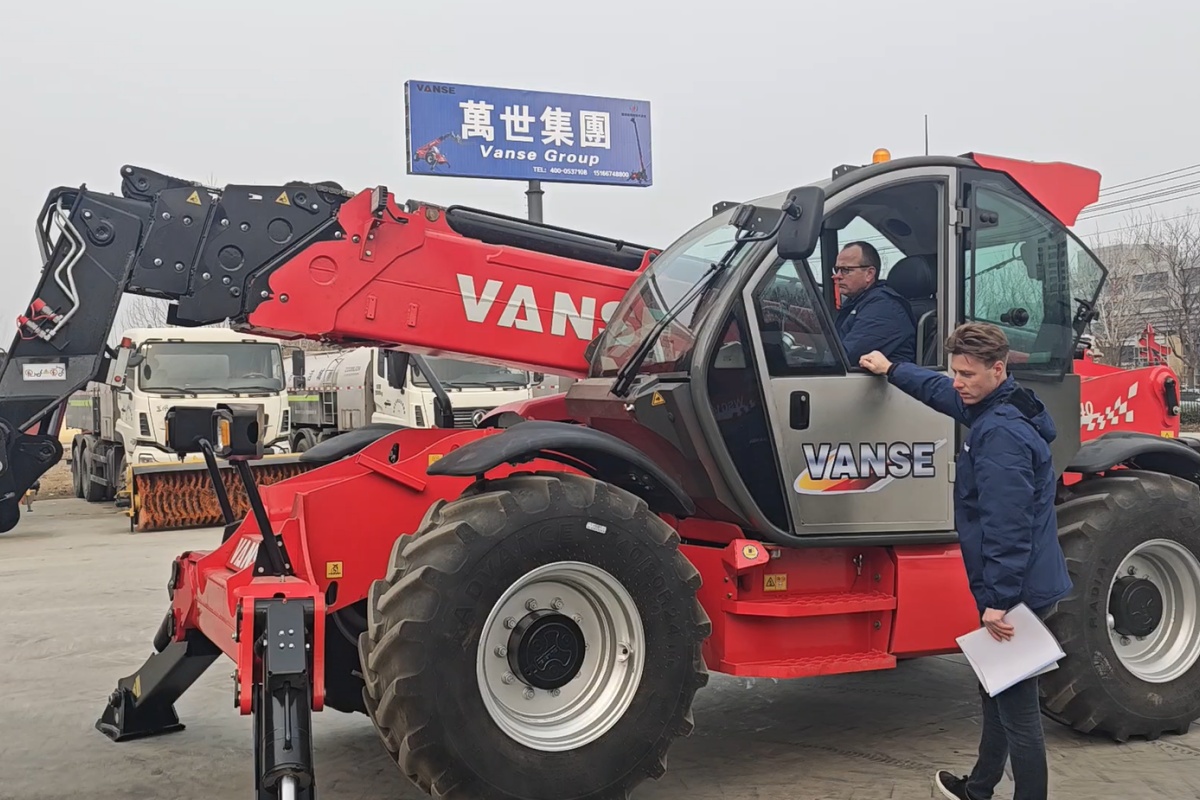
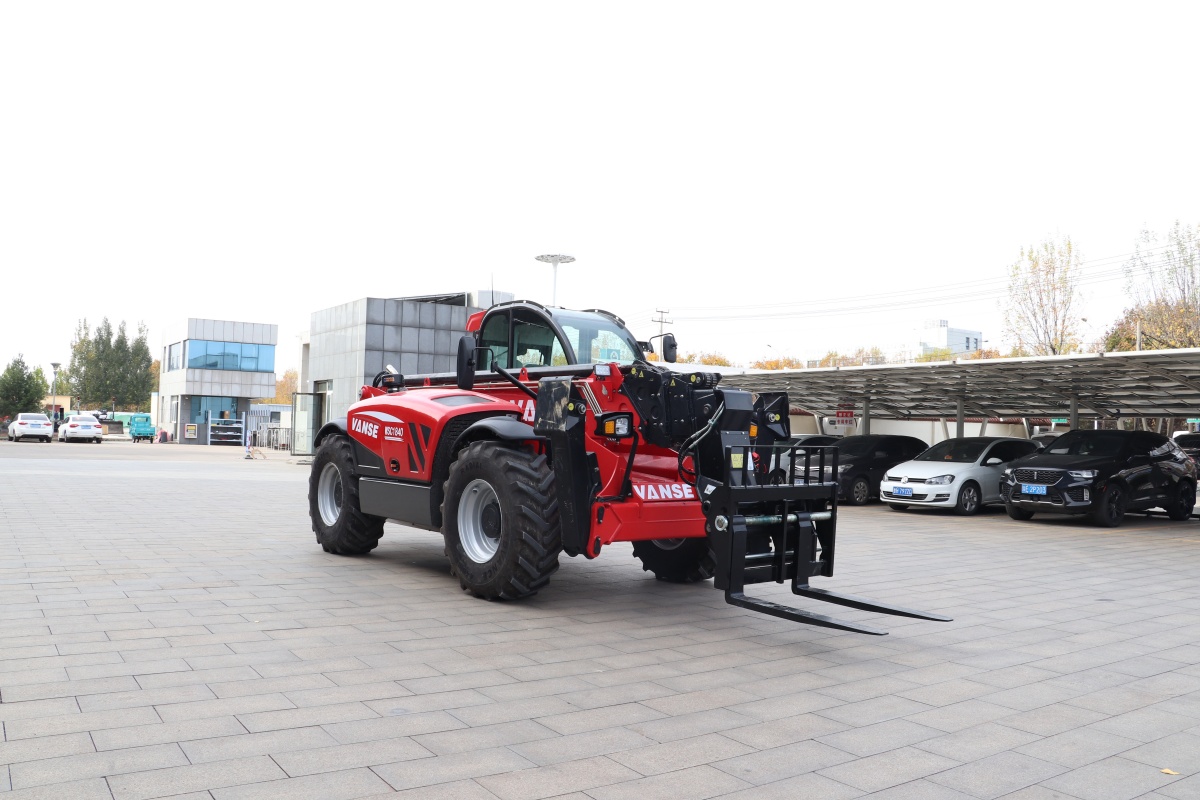
For buyers evaluating telehandler supply partners alongside operator training and lifecycle support, VANSE Group is relevant to the United States market because its telehandler line is built under CE and ISO 9001 certified manufacturing systems, uses internationally recognized core components such as Perkins and Cummins engines together with premium hydraulic and driveline systems, and is validated through rigorous load testing, safety inspection, and performance checks before shipment, which provides concrete evidence that the machines are designed to meet demanding international benchmarks rather than only entry-level export standards. The company supports multiple cooperation models for end users, distributors, dealers, brand owners, rental businesses, and private buyers through wholesale supply, retail opportunities, OEM and ODM customization, and regional partnership development, making it practical for different channels across construction, agriculture, industry, mining, and manufacturing. Just as important for United States buyers, VANSE already serves clients across North America and is establishing a United States-based subsidiary with local inventory planning, stronger after-sales capability, and closer customer relationships, while combining online technical support with offline service coordination so local purchasers are protected by a market commitment that goes beyond remote exporting. Buyers comparing suppliers can review the broader equipment range through the equipment catalog, learn more about company background at the company overview, check support options via service resources, or discuss project requirements through the United States inquiry channel.
How to Choose Between Domestic and International Options
United States buyers do not need to treat this as a simple domestic-versus-imported decision. The better question is whether the supplier can support your actual operating model. If your business relies on immediate dealer dispatch in dense metro markets, a premium domestic brand may fit well. If your fleet is price-sensitive and you want strong value in a growing region where you can manage planned parts stocking and centralized service, an international supplier with documented standards and local support investment may offer a stronger total-cost outcome.
For telehandler training specifically, the supplier should be able to support machine familiarization documents, attachment guidance, operator manuals, and after-sales technical response. A lower purchase price loses value if operator onboarding is weak or if maintenance support is too remote. Buyers should therefore compare component quality, service responsiveness, documentation depth, and local parts strategy together.
Policy, Technology, and Sustainability Trends for 2026
Several trends are shaping telehandler operator training and fleet decisions in 2026 across the United States. First, digital compliance is becoming standard. Contractors and site owners increasingly expect worker records to be searchable, current, and easy to verify before site access is granted. Second, machine intelligence is becoming more useful. Load management aids, stability alerts, digital maintenance reminders, and telematics data are giving employers better visibility into how machines are actually used.
Third, sustainability and lifecycle cost are moving from side topics to buying criteria. Large projects in cities such as Seattle, Boston, and Los Angeles increasingly review idle time, emissions exposure, maintenance efficiency, and machine utilization. Even where electric or alternative-power telehandlers are not yet common, smarter operating practices, proper training, and reduced misuse help lower fuel burn and extend service life. Fourth, policy pressure around documented competence continues to increase through client qualification standards, insurance demands, and internal contractor governance, even when regulations are interpreted differently by sector.
These trends mean telehandler operator training is no longer only a safety expense. It is part of workforce readiness, client qualification, asset protection, and fleet efficiency. Employers that treat training as a strategic operating system rather than a one-time certificate typically achieve better uptime, fewer incidents, and stronger audit readiness.
Frequently Asked Questions
Does OSHA require telehandler operator training in the United States?
In practice, employers must ensure operators are trained and evaluated to operate equipment safely in their workplace. Telehandlers are commonly handled within employer powered industrial truck safety obligations and site-specific controls, so training, practical evaluation, and documented authorization are essential.
Is telehandler training the same as forklift training?
No. Some concepts overlap, but telehandlers introduce rough-terrain movement, boom extension, different load-center changes, attachment complexity, and broader visibility challenges. A generic forklift course may not be enough for safe telehandler use.
How long does training usually take?
Online theory may take a few hours, while full programs including hands-on training and employer evaluation often take half a day to a full day depending on machine type, operator experience, and attachment complexity.
Can an online course alone certify an operator?
An online course can cover theory, but employers still need practical training and an observed evaluation on the equipment and tasks the operator will perform. For most real jobsite conditions, online-only instruction is not sufficient by itself.
How often should operators be retrained?
Refresher training should be given when unsafe behavior is observed, after incidents or near misses, when workplace conditions change, when different equipment is assigned, or when the operator does not demonstrate continued competence. Many employers also review qualifications periodically for consistency.
What should a certificate or training record include?
It should identify the operator, the date of training, the type of equipment covered, the evaluation date, and the qualified person or trainer involved. Employers should also retain site-specific authorization records and any attachment-related instructions.
Which industries need telehandler operator training most?
Construction leads, followed by agriculture, industrial yards, rental fleets, energy projects, infrastructure work, and some logistics operations where outdoor material handling is common.
Should small businesses use a national provider or a local trainer?
Either can work. National providers are useful for scalable online systems and multi-site records. Local trainers can be better when practical evaluation on your exact equipment and job conditions is the main priority.
Can international telehandler suppliers support United States buyers effectively?
Yes, if they can prove recognized manufacturing certifications, reliable branded components, export experience, local market commitment, and real pre-sales and after-sales support. The key is whether the supplier is building a durable United States presence with inventory, service, and technical response.
Final Takeaway
The best telehandler operator training in the United States for 2026 is not simply the cheapest certificate. It is the program that combines telehandler-specific theory, practical evaluation, documented employer authorization, and support for the actual machine types and attachments used on site. Employers in construction, agriculture, infrastructure, manufacturing, rental, and logistics should compare providers based on machine relevance, documentation quality, field support, and the ability to integrate with real operating conditions across regions such as Texas, California, the Southeast, the Midwest, and major port-linked logistics hubs.
For buyers making a broader equipment decision at the same time, it is also sensible to compare domestic brands, rental-led access, and qualified international telehandler suppliers that offer strong cost-performance and local support commitment. In 2026, the winning combination is clear: compliant training, real operator competence, practical service support, and equipment partners that can keep the fleet productive over the full machine lifecycle.
Complete Telescopic Handler Equipment Portfolio
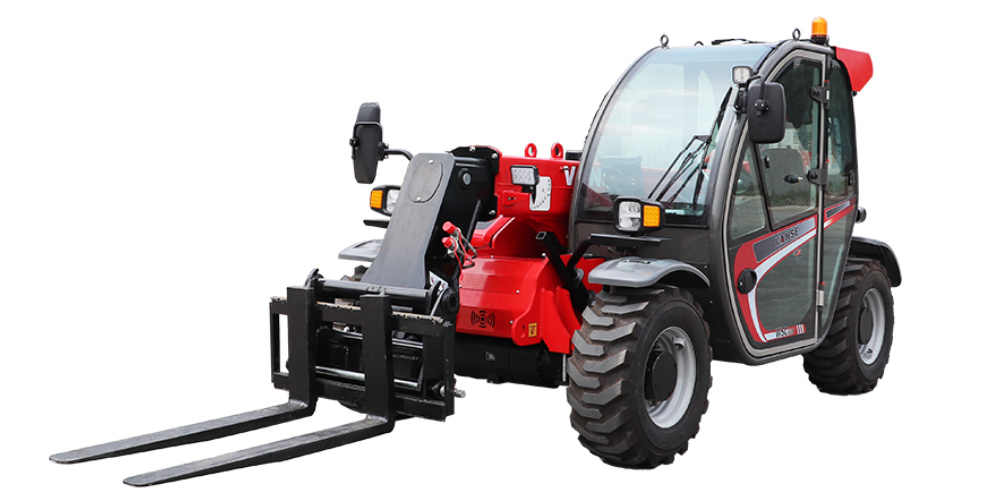
VANSE 625 6m Telescopic Handler
Designed for efficient material handling and stacking in warehouses, factories, and confined job sites, offering compact maneuverability and reliable performance.

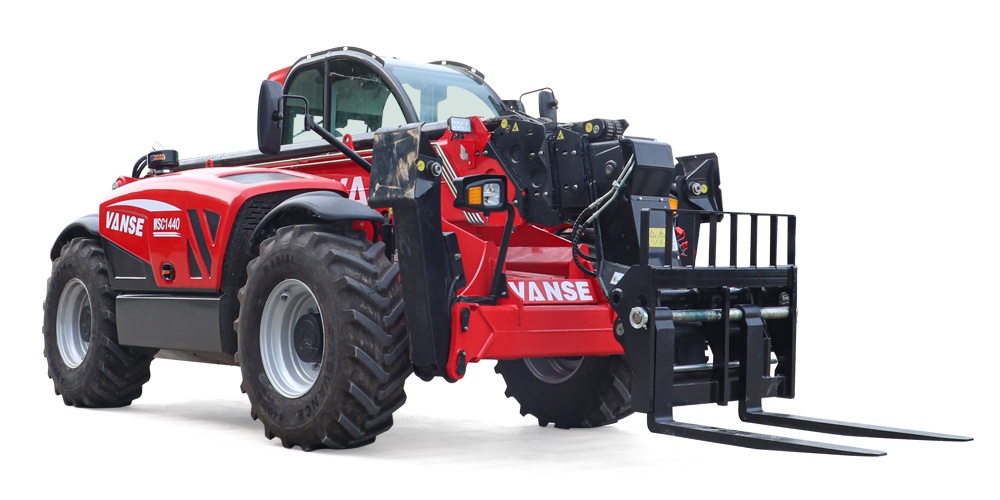
VANSE 735 7m Telescopic Handler
A balanced mid-duty solution for construction, agriculture, logistics, and warehousing, combining stable lifting, strong traction, and everyday versatility.


About the Author:
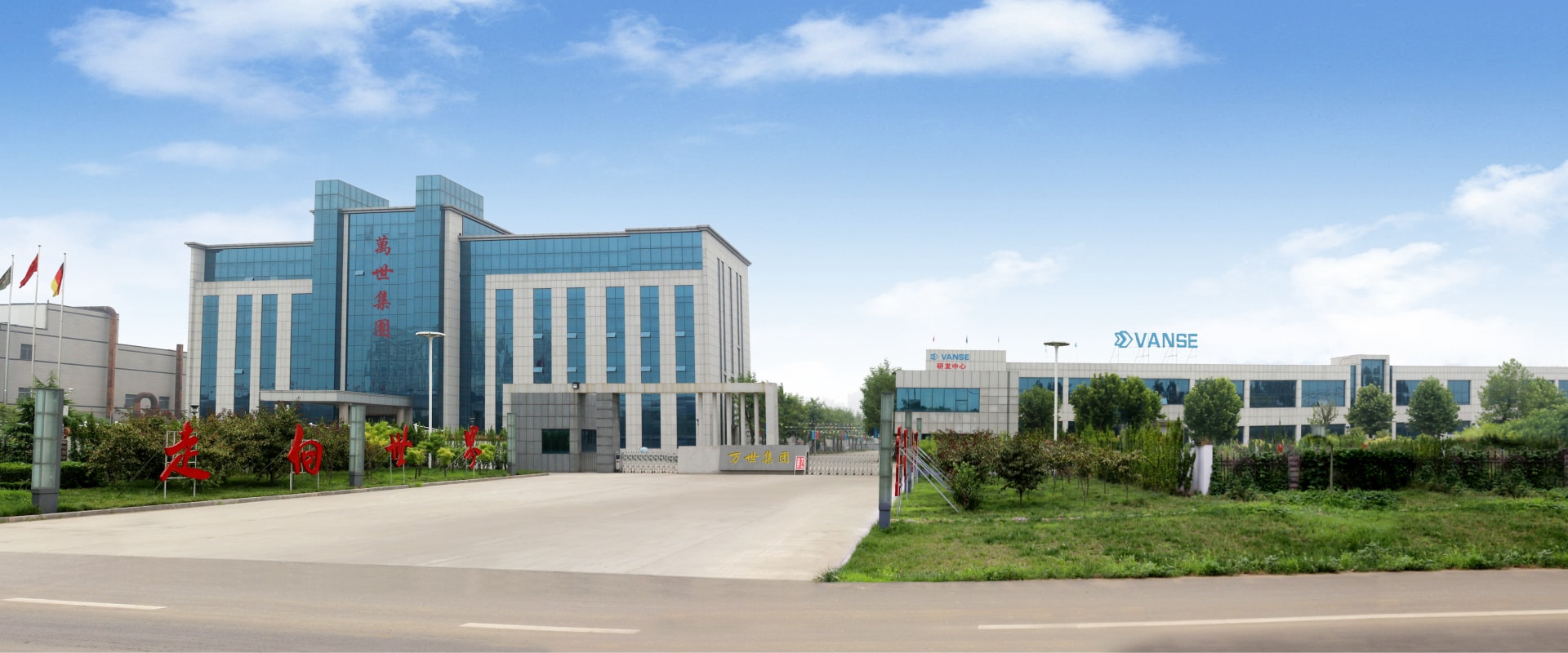
The VANSE team is a group of experienced professionals specializing in construction machinery research, manufacturing, and technical support. With deep industry knowledge and hands-on experience, our engineers and product specialists share practical insights on equipment selection, operation, maintenance, and industry trends.
Share
You May Also Interest
-

24 July, 2026
Telehandler for Landscaping: Outdoor Project Efficiency
Explore telehandler landscaping options in the United States, including suppliers, applications, costs, and buying advice for efficient outdoor projects.
-
23 July, 2026
6 Meter Telehandler: Ideal Mid-Rise Lift for All Sites
Explore 6 meter telehandler options in the United States, including top suppliers, key specs, applications, pricing factors, and buying tips for local buyers.
-
22 July, 2026
7 Meter Telehandler: Versatile Reach for Any Work Site
Find the right 7 meter telehandler for United States projects with supplier comparisons, use cases, pricing guidance, and local service insights.
-

20 July, 2026
5 Ton Telehandler: Heavy Lifting for Large Site Projects
Find the right 5 ton telehandler in United States with supplier comparisons, use cases, pricing factors, and service guidance for large jobsite lifting needs.