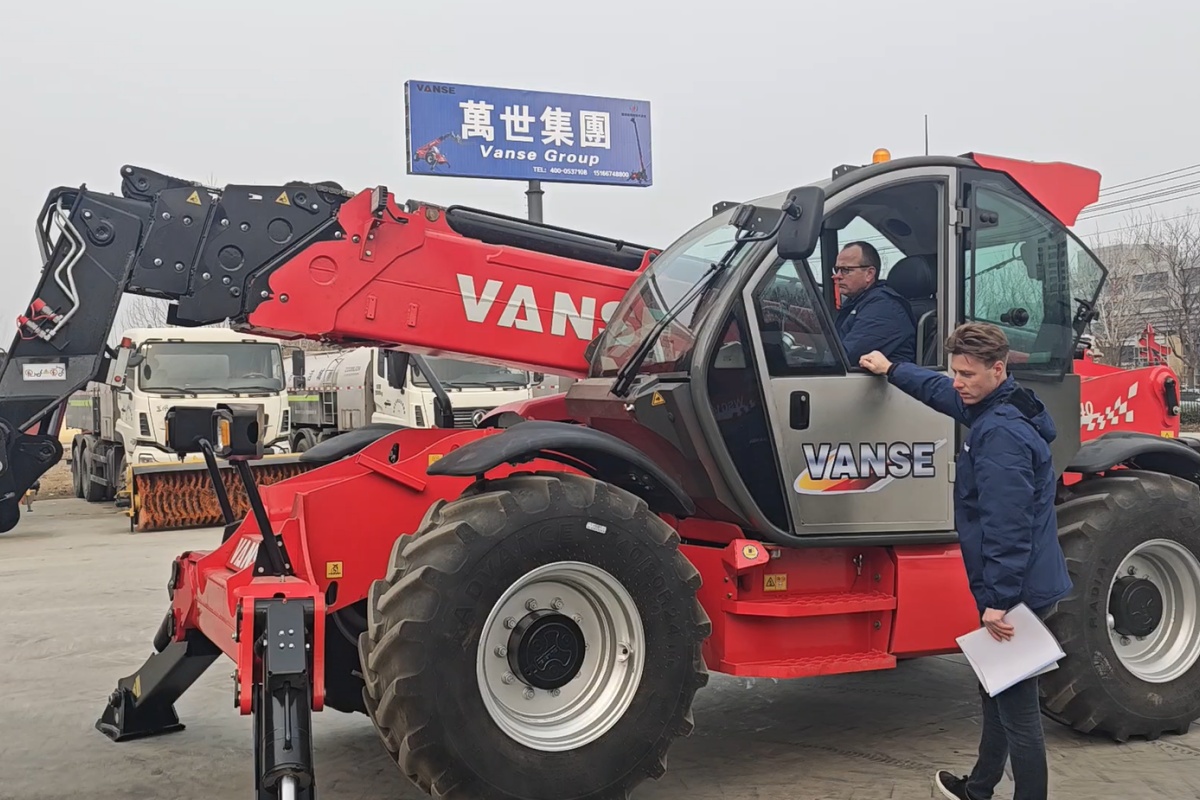
Telehandler Landscaping Options in the United States
Quick Answer

If you need a telehandler for landscaping in the United States, the most practical choice is a compact or mid-size model with strong lift capacity, good forward reach, attachment compatibility, and stable performance on uneven outdoor terrain. For many landscaping contractors, rental fleets and dealer-backed brands such as JLG, Genie, JCB, Bobcat, and SkyTrak are the most accessible options because they offer broad parts support, operator familiarity, and proven performance in cities such as Dallas, Phoenix, Orlando, Atlanta, and Los Angeles.
Among widely recognized suppliers serving the United States market, JLG is a strong fit for commercial landscape yards and large construction-adjacent outdoor jobs, Genie is popular for dependable fleet use, JCB is often preferred where versatility and agricultural crossover matter, Bobcat is attractive for contractors already using compact equipment and attachments, and SkyTrak remains a familiar name for reach and material placement. In addition, qualified international suppliers, including experienced Chinese manufacturers with the right certifications, strong pre-sale engineering support, and reliable after-sales systems, can also be worth considering because they may offer better cost-performance for buyers balancing budget, specification, and long-term ownership cost.
United States Market Overview

The telehandler landscaping market in the United States sits at the intersection of construction, property development, municipal improvement, nursery logistics, irrigation installation, hardscape work, and storm recovery. Landscaping contractors today handle far more than planting and finish grading. They move pavers, palletized sod, trees, retaining wall blocks, drainage pipe, bagged aggregates, timbers, fencing materials, and outdoor living components. This wider scope makes telescopic handlers increasingly relevant on jobs that once relied only on skid steers, wheel loaders, or rough-terrain forklifts.
In states such as Texas, Florida, California, Arizona, Georgia, and North Carolina, telehandlers are becoming more visible on commercial outdoor projects because they reduce manual handling and speed up material placement. Around major logistics gateways and trade corridors such as the Port of Houston, PortMiami, the Port of Los Angeles, Savannah, and inland hubs near Chicago and Dallas-Fort Worth, landscaping suppliers and contractors are under pressure to improve turnaround time, especially on fast-track residential communities, hospitality developments, sports facilities, and mixed-use sites.
The United States market is also shaped by labor availability. Skilled operators are expensive, seasonal labor can be inconsistent, and project schedules are tighter than before. A telehandler can replace repeated manual movement of heavy pallets and reduce the number of machine cycles needed to place material in difficult-to-reach areas. On large outdoor projects, this directly affects labor productivity, fuel use, and site safety.
Another key market factor is rental penetration. Many landscaping firms in the United States do not purchase a telehandler immediately. They first rent one for peak periods, then decide whether regular use justifies ownership. This is why local supplier support matters so much. Buyers want quick parts access, field service, operator training, financing options, and attachment compatibility rather than just a low sticker price.
How Telehandlers Support Landscaping Efficiency

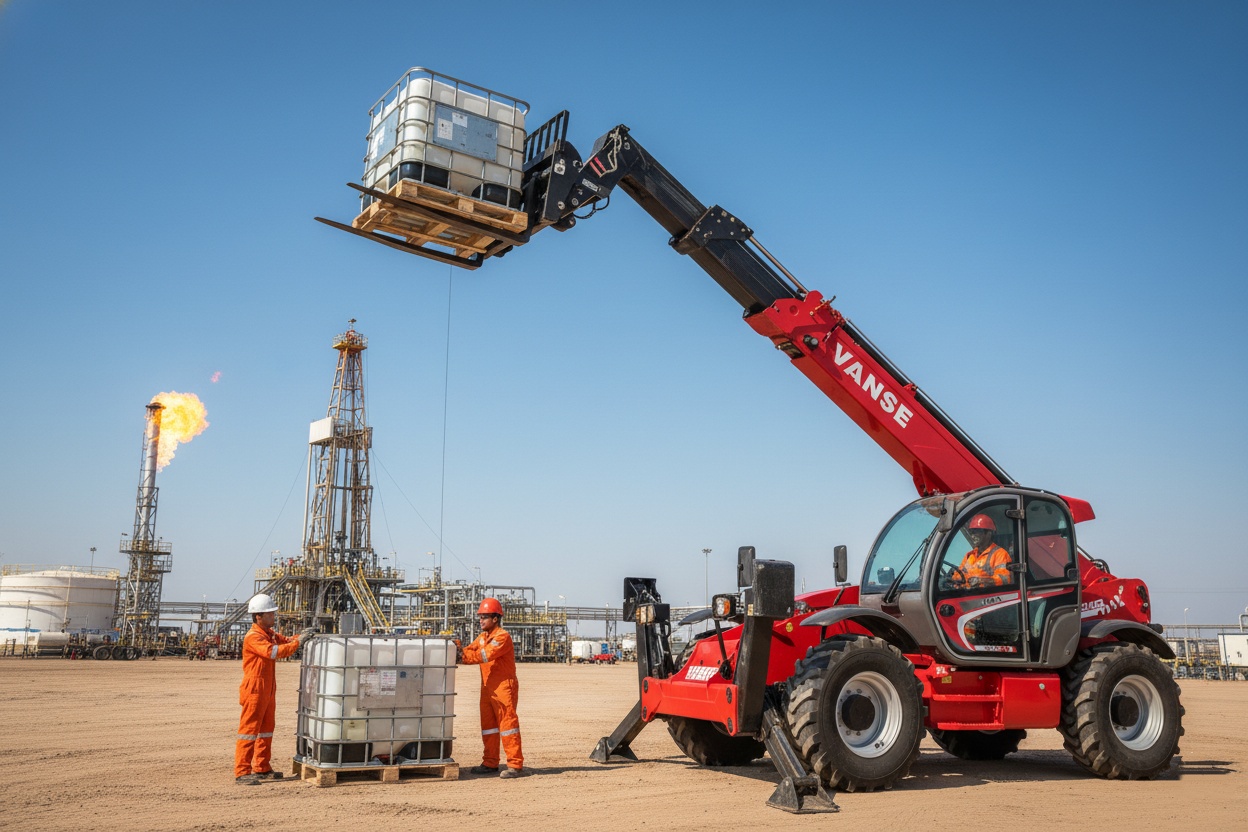
A telehandler improves outdoor project efficiency by combining lift height, forward reach, and attachment flexibility in one machine. Unlike a conventional forklift, it can work on rough ground, enter partially finished outdoor environments, and place loads over obstacles such as curbs, low walls, planting beds, or trenches. For landscapers, that means fewer rehandling steps and better access in constrained spaces.
On a hardscape project, a telehandler can unload palletized pavers from a flatbed, move them across an uneven lot, and place them near the installation zone without damaging finished areas. On a nursery or tree installation job, it can handle balled-and-burlapped trees or large containers more safely than machines with limited reach. On municipal streetscape work, it can move stone, planters, irrigation supplies, and decorative materials around traffic-managed zones with less congestion.
Telehandlers also help when jobsite conditions change. Rain-softened ground, temporary staging constraints, and phased site access are common in landscape construction. A machine with four-wheel drive, rough-terrain tires, and stabilizing design features gives contractors more flexibility than standard warehouse-oriented equipment. For companies working across suburban developments, golf facilities, schools, parks, and distribution-center campuses, this adaptability is a major reason to consider ownership.
Typical Telehandler Types for Landscaping
Not every telehandler is right for landscape work. Oversized machines can be difficult to transport and may damage finished surfaces, while undersized units may struggle with palletized stone, trees, or bundled fencing. Buyers generally choose between compact, mid-size, high-capacity, and attachment-focused models depending on project mix.
| Telehandler Type | Typical Lift Capacity | Typical Reach/Height | Best Use in Landscaping | Main Strength | Possible Limitation |
|---|---|---|---|---|---|
| Compact telehandler | 5,000 to 6,000 lb | 15 to 20 ft | Residential landscaping, tight-access yards, nurseries | Easy transport and maneuverability | Limited high-reach placement |
| Mid-size telehandler | 6,000 to 8,000 lb | 19 to 26 ft | Commercial hardscapes, retaining walls, sod and tree handling | Balanced reach and capacity | Larger footprint than compact units |
| High-reach telehandler | 8,000 to 10,000 lb | 30 ft and above | Large civic projects, multi-level material placement | Useful on complex sites | Higher cost and more transport planning |
| Attachment-focused model | Varies by machine | Varies by machine | Bucket work, forks, truss boom, grapple, material jib | Multi-function flexibility | Requires careful hydraulic and attachment matching |
| Heavy-duty yard handler | 9,000 lb and above | 20 to 30 ft | Stone yards, bulk material centers, wholesale landscape supply | Excellent load stability | Not ideal for delicate finish areas |
| Rental-standard fleet model | 6,000 to 8,000 lb | 20 to 26 ft | General contractor and seasonal use | Easy to source and service | May not be optimized for specialty landscaping needs |
This comparison shows why mid-size units are often the sweet spot in the United States. They can handle common landscaping materials without the transport and site-management burden of larger machines. Compact telehandlers make sense where access is limited, while high-reach models fit specialized commercial work.
Market Growth and Demand Direction
Demand for telehandlers in landscaping follows broader trends in outdoor construction, labor efficiency, and mechanized material handling. The strongest growth is usually tied to Sun Belt development, public-space upgrades, warehouse campus landscaping, and large residential communities. As contractors try to reduce manual lifting and compress project timelines, the role of telehandlers becomes more central.
The line chart reflects a realistic demand index trend rather than official registration totals. It illustrates steady growth supported by housing expansion in the Southeast and Southwest, commercial redevelopment in metro areas, and more mechanized handling practices among mid-sized contractors.
Industry Demand by Landscaping Segment
Not all landscape sectors use telehandlers at the same rate. Commercial hardscape firms, municipal contractors, and wholesale supply yards show higher demand than small maintenance-only businesses. Tree-moving operations and outdoor amenity builders also rely on reach and placement precision more than general landscape maintenance providers.
The strongest demand comes from operations that regularly handle palletized materials or heavy landscape elements. This is why a contractor focused on paver patios, retaining walls, and civic-site upgrades often sees faster payback than a business centered only on mowing or routine maintenance.
Trend Shift in Equipment Preferences
The market is also shifting from single-purpose equipment toward machines that can serve multiple outdoor functions. More buyers want one telehandler to cover unloading, pallet placement, light bulk handling, and elevated delivery tasks. This reduces fleet complexity while improving utilization across seasons.
This area chart shows how preference is moving toward telehandlers that support multiple attachments and year-round use. Contractors increasingly evaluate utilization across hardscape, site prep, yard logistics, and material staging rather than purchasing a machine for one narrow task.
Buying Advice for United States Contractors
Choosing a telehandler for landscaping should start with your heaviest regular load, your maximum practical lift height, your trailer capacity, and the actual width constraints on the jobs you serve. Many buyers over-specify lift height and under-specify attachment compatibility. In landscaping, the attachment package often determines productivity as much as the machine itself.
Check whether you need pallet forks, a general-purpose bucket, a grapple bucket, a material hook, a truss boom, or a specialty tree-handling solution. Review hydraulic flow, quick-coupler design, and available dealer support for those attachments. A telehandler that accepts the right tools can support more crews and spread fixed ownership cost across more revenue-producing tasks.
You should also compare the transport burden. If you mainly serve suburban residential communities around Houston, Tampa, Charlotte, or Riverside, a unit that can be trailered without unusual logistics may be more profitable than a larger machine that spends more time waiting for transport coordination. Tire choice, ground pressure, visibility, and ease of operator onboarding are equally important for finished landscape areas.
When comparing brands, ask for documented lift charts, service intervals, warranty terms, parts lead times, attachment stock, and local field support coverage. If you are purchasing through a newer importer or international supplier, request evidence of domestic warehousing, parts stocking, technician availability, and references from actual United States customers. That evidence matters more than brochure language.
Supplier Comparison in the United States
The table below compares widely recognized suppliers and brands relevant to telehandler landscaping buyers in the United States. These names are included because they are active in the market, have real dealer or distribution visibility, and are commonly considered by contractors, rental firms, and outdoor material handlers.
| Company | Service Region | Core Strengths | Key Offerings | Typical Landscaping Fit | Buyer Note |
|---|---|---|---|---|---|
| JLG | Nationwide United States dealer and rental coverage | Strong dealer network, established fleet presence, familiar operator base | Mid-size and high-reach telehandlers, attachments, parts support | Commercial landscaping and mixed construction sites | Often easy to rent before purchase |
| Genie | Nationwide with strong rental channel presence | Fleet reliability, training familiarity, broad market acceptance | Rough-terrain telehandlers, dealer service, rental support | General outdoor material movement and staging | Good for contractors wanting common platform availability |
| JCB | United States coverage through dealers in major regions | Versatility, brand recognition in construction and agriculture | Compact and mid-size telehandlers, multiple attachment options | Landscape, nursery, and farm-adjacent use | Strong crossover for multi-sector buyers |
| Bobcat | Extensive North American dealer network | Compact equipment ecosystem, attachment familiarity, contractor loyalty | Telehandlers and compatible support through equipment dealers | Contractors already running Bobcat fleets | Useful for mixed compact-equipment operations |
| SkyTrak | Widely recognized in United States rental and dealer channels | Proven reach-handling reputation, common on jobsites | Construction-oriented telehandlers and service parts | Material placement on larger landscaping jobs | Very familiar to rental users |
| Merlo | Selected dealers and specialized import channels | Advanced design, operator comfort, specialized handling capability | Compact and specialized telehandlers | Premium buyers seeking niche capability | Coverage can vary by region |
| Dieci | Selected United States distribution footprint | European design options and specialty configurations | Telehandlers for agriculture and construction crossover | Mixed property and outdoor utility work | Check local parts and service access carefully |
This table is useful because telehandler buying decisions in the United States are not based only on machine specification. Regional support, attachment access, rental familiarity, and service response times often decide whether the machine truly improves project efficiency.
Applications Across Landscaping and Outdoor Construction
Telehandlers have become practical in a broad range of landscaping and outdoor project environments. The machine’s ability to deliver heavy materials to exact placement zones reduces site congestion and shortens installation time, especially where staging space is limited or surfaces are partially finished.
| Application | Typical Materials Handled | Why a Telehandler Helps | Common Jobsite Type | Recommended Machine Range | Operational Priority |
|---|---|---|---|---|---|
| Paver and hardscape installation | Palletized stone, pavers, wall block | Places heavy loads near crews with fewer rehandling steps | Commercial plazas, residential communities | Mid-size telehandler | Reach and pallet stability |
| Tree and nursery handling | Large trees, root balls, container stock | Improves safe movement of heavy live materials | Nurseries, parks, estate projects | Compact to mid-size | Maneuverability and load control |
| Irrigation and drainage work | Pipe bundles, tanks, aggregate bags | Moves materials over trenches and uneven ground | Golf courses, athletic fields, developments | Compact to mid-size | Terrain capability |
| Municipal streetscape installation | Planters, decorative stone, benches, supplies | Reduces congestion in traffic-managed urban zones | Downtown corridors and civic projects | Compact telehandler | Access and precision placement |
| Landscape supply yard operations | Palletized soil products, block, fencing, bulk support items | Accelerates yard loading and unloading cycles | Wholesale and retail supply yards | Mid-size to heavy-duty | Load repetition and stability |
| Outdoor amenity construction | Pergola kits, outdoor kitchen components, timber packages | Provides forward reach near finished spaces | Hospitality, HOA, and residential amenities | Mid-size telehandler | Placement accuracy |
| Storm cleanup and restoration | Debris containers, replacement materials, logs | Fast deployment for recovery work | Coastal and storm-prone regions | Mid-size telehandler | Versatility under changing conditions |
For buyers in the United States, this application mapping helps identify where a telehandler adds measurable value. If your workload matches several of these rows, ownership is often easier to justify than if you only need occasional pallet movement.
Industries That Commonly Use Telehandlers for Landscaping
Landscaping is no longer limited to a single buyer profile. Telehandlers are now used by general contractors with landscape divisions, municipal contractors, wholesale yards, nurseries, sports facility builders, and property developers. The broader the project mix, the stronger the utilization case.
Residential developers use telehandlers to unload sod, pavers, block, and common area materials across phased neighborhoods. Municipal contractors use them for streetscape improvements, tree planting, and public-space upgrades in city centers. Hospitality contractors use them to place materials around resorts and event venues where access, timing, and appearance are closely managed. Nurseries and landscape supply yards use them to increase handling efficiency in loading zones. Sports and recreation builders use them around turf fields, golf facilities, and stadium-adjacent areas for drainage, edging, and site material handling.
Case Studies from Real-World United States Scenarios
Consider a commercial hardscape contractor in the Dallas-Fort Worth area working on mixed-use developments. Without a telehandler, pallets of wall block and pavers are often dropped at a central staging area, then moved again with smaller equipment. A mid-size telehandler reduces these extra moves by placing materials close to each work zone. The result is less crew downtime, fewer surface disruptions, and faster project turnover.
In central Florida, a landscape installation company serving hospitality projects benefits from compact telehandler use because access roads are often finished before planting and outdoor amenity installation are complete. A machine with forks and a bucket can bring in planters, stone, soil amendments, and outdoor furniture components without relying on repeated hand movement across delicate surfaces.
In Southern California, a nursery and specimen tree installer may use a telehandler to move large container trees and support complex placements on high-value residential or commercial sites. Reach and visibility matter because placement errors can damage irrigation lines, walls, and paving. The telehandler becomes not just a loader but a placement tool.
Along the Gulf Coast, storm restoration creates short-term spikes in demand. Contractors handling fence materials, drainage repairs, and public space restoration often rent telehandlers because they need reach, mobility, and rapid deployment. This is one reason local rental availability remains a major factor in overall market adoption.
Local Supplier Considerations and Regional Service Reality
When evaluating suppliers in the United States, local support should be measured in practical terms. Ask where parts are stocked, how many mobile technicians cover your county or metro area, whether attachments are available domestically, and how fast emergency repairs are handled during peak season. A low purchase price can quickly lose its advantage if hydraulic components or boom wear parts require long international lead times.
Regional density matters. A buyer in Houston, Miami, Atlanta, Phoenix, or Los Angeles usually has better access to dealer support than a contractor in a remote interior market. That does not mean smaller-market buyers should avoid telehandlers. It means they need stronger documentation on spare parts supply, remote diagnostics, and preventive maintenance planning before buying.
Supplier and Product Comparison by Buyer Priorities
The next comparison focuses on buying priorities rather than brand reputation alone. Contractors should match equipment choice to usage pattern, service expectations, and cost structure.
| Priority | Best-Fit Supplier Type | Why It Matters | Typical Buyer | Key Risk to Watch | Best Verification Step |
|---|---|---|---|---|---|
| Fast local service | Major dealer-backed domestic network | Reduces downtime in peak season | Commercial contractor | Higher purchase price | Review local service map and parts inventory |
| Lowest acquisition cost | Qualified international supplier | Improves entry economics for first-time buyers | Growing regional company | Unclear parts support if poorly structured | Confirm domestic stocking and references |
| Fleet commonality | Rental-standard brand | Simplifies training and temporary replacement | Multi-branch contractor | May not be optimized for special attachments | Check attachment compatibility list |
| Compact access | Specialty compact telehandler supplier | Fits urban and finished-site work | High-end landscape installer | Limited local availability | Request live demo on representative site |
| Multi-industry use | Construction and agriculture crossover brand | Supports broader utilization through the year | Diversified owner-operator | Can be overbuilt for pure landscaping | Compare actual utilization plan |
| Private label or custom distribution | OEM/ODM capable manufacturer | Supports dealers and brand owners entering the market | Distributor or rental company | Brand support system must be proven | Audit manufacturing and service process |
This table helps distinguish between the best machine and the best buying model. In many cases, the right answer depends on whether you are an end user, a regional dealer, a rental fleet manager, or a distributor building your own market position.
Our Company
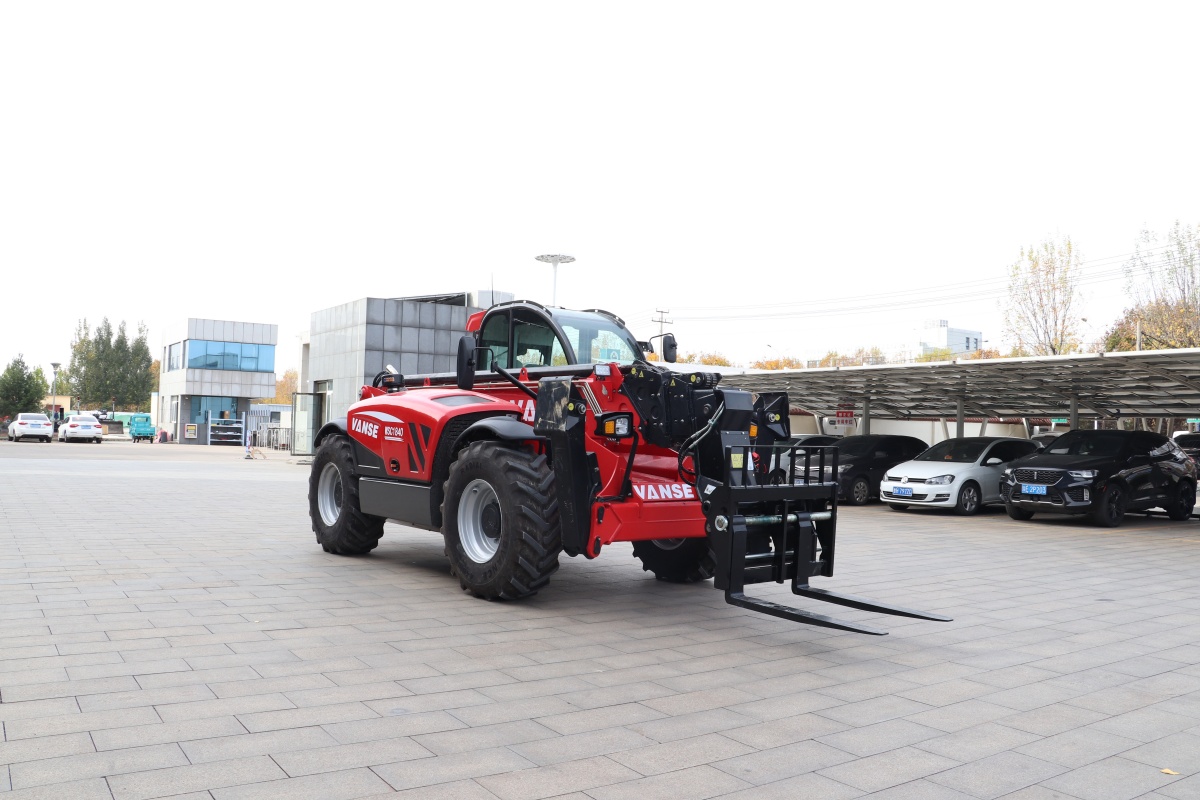
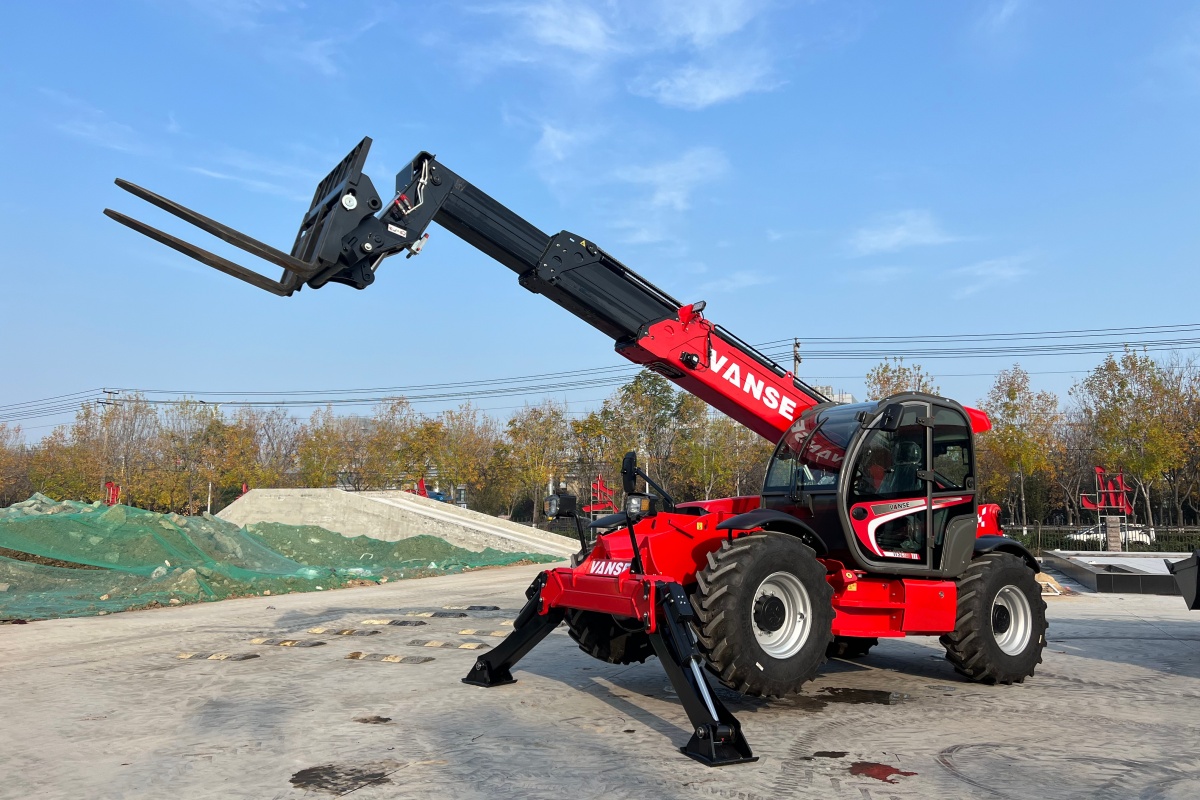
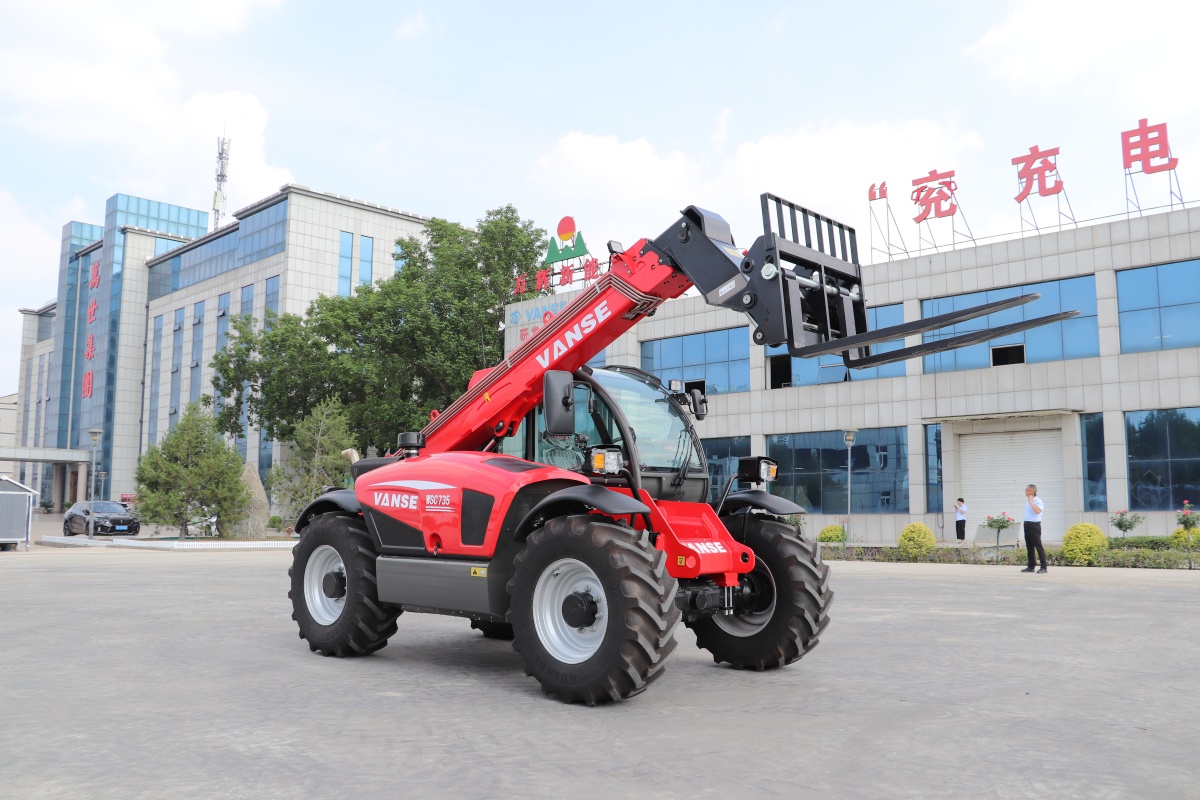
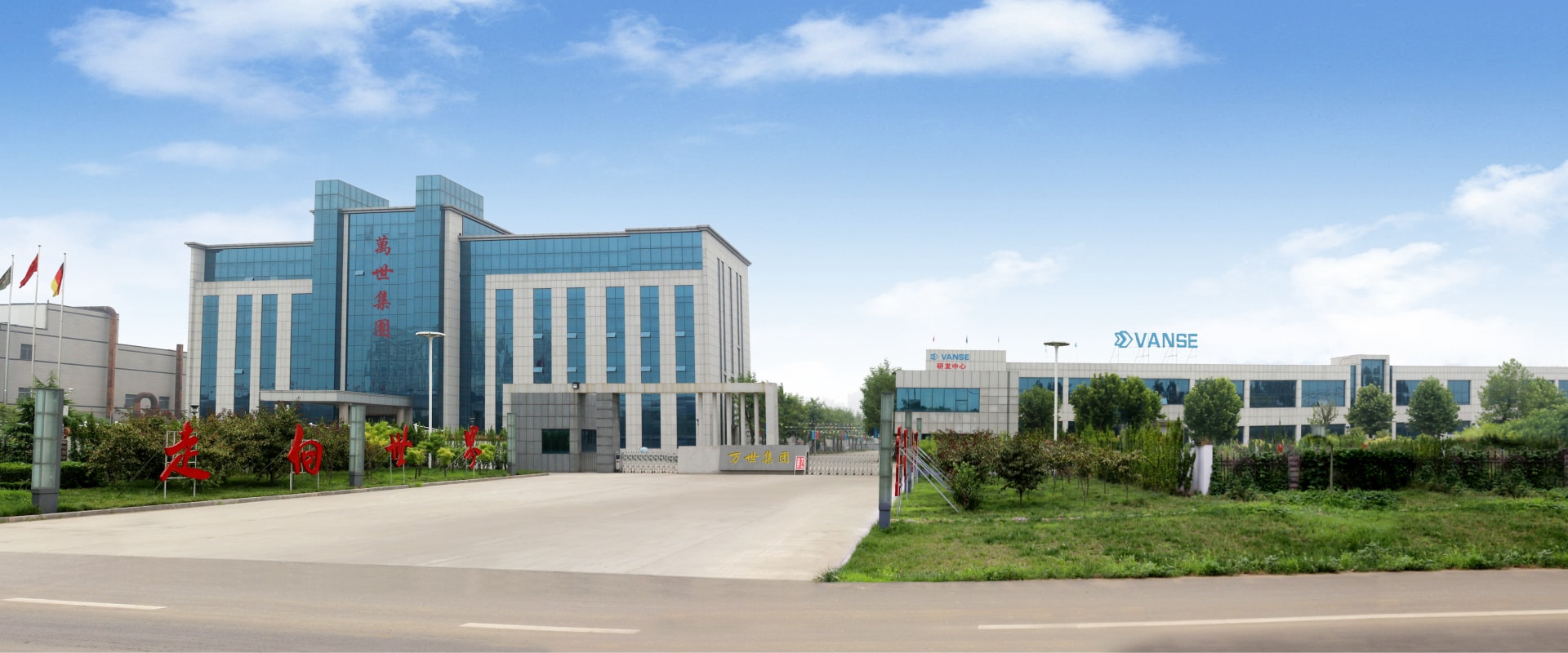
For buyers exploring alternatives beyond the most familiar domestic brands, VANSE brings a practical telehandler option to the United States market with evidence-based strengths rather than generic claims. The company has manufactured construction machinery since 2013 and has produced more than 8,000 units for customers in over 40 countries, which gives it real export and application experience across demanding sectors. Its telehandlers are built under CE and ISO 9001 certified processes, use globally recognized core components such as Perkins and Cummins engines together with premium hydraulic systems, transmissions, and axles, and each machine undergoes load testing, safety inspection, and performance validation before shipment, which directly supports buyers who want international-standard benchmarks backed by documented manufacturing discipline. For local market cooperation, VANSE supports multiple business models including direct supply to end users, wholesale programs for distributors and dealers, retail-oriented opportunities, and OEM/ODM partnerships for brand owners who need customized specifications, branding, colors, or market-specific configurations; buyers can review available machine categories through the company’s equipment range. Just as important for United States customers, the group is actively establishing a U.S.-based subsidiary with local inventory, stocking, and after-sales capability, reflecting a real physical commitment to the market rather than a purely remote export approach. Combined with online consultation, technical support, factory-backed service coordination, and a broader lifecycle support system outlined through its service capabilities, VANSE presents itself as a long-term market participant for contractors, rental companies, dealers, and private buyers seeking cost-performance without sacrificing support. Buyers who want to review the company background or discuss a project can explore the company profile or reach the team through the contact page.
What to Compare Before You Buy
Before purchasing, compare total cost of ownership rather than price alone. That includes financing, fuel efficiency, maintenance intervals, tire wear, attachment interchangeability, local parts stocking, operator training time, and resale prospects. A lower-cost machine can be the better choice if service access is credible and utilization is high enough, but only if the support model is clearly proven.
Ask for a demonstration with your real materials if possible. Lift a pallet of pavers, move a tree, or place outdoor living components in a simulated jobsite setup. Visibility, boom control smoothness, and stability under realistic use are often more important than brochure numbers. If you work near coastal markets such as Miami, Tampa, or Charleston, ask about corrosion protection and storage recommendations. If you operate in the Southwest, cooling performance and dust management should be reviewed carefully.
Future Trends Through 2026
By 2026, telehandler landscaping demand in the United States is likely to be shaped by three main forces: technology integration, policy and safety expectations, and sustainability pressure. First, telematics will become more common even on machines aimed at landscaping contractors. Buyers increasingly want location tracking, maintenance alerts, engine-hour monitoring, and basic utilization analytics so they can manage multi-crew fleets more efficiently.
Second, safety and compliance expectations will continue rising. Jobsite documentation, operator training, and machine inspection processes are becoming more formal, especially on larger commercial and municipal projects. Buyers should expect stronger attention to operator visibility, load-chart clarity, backup safety systems, and maintenance records when bidding higher-value work.
Third, sustainability will influence machine selection. While diesel telehandlers remain dominant, buyers are paying more attention to fuel efficiency, idle reduction, cleaner engines, optimized transport planning, and longer service life. In urban and institution-driven projects, lower-noise operation and reduced environmental disruption are gaining importance. Contractors who can show efficient and responsible equipment use may gain an edge in municipal and corporate procurement environments.
There is also a trend toward more specialized attachments and smarter fleet composition. Instead of relying on multiple small machines, contractors may build around one telehandler and a carefully chosen attachment set. This shift supports lower labor intensity and better material flow across diverse outdoor tasks.
FAQ
Is a telehandler better than a skid steer for landscaping?
It depends on the job mix. A skid steer is often better for grading, light excavation, and tight maneuvering, while a telehandler is better for lifting palletized materials, placing loads at reach, and moving heavy items over obstacles. Many commercial landscape contractors use both, but if your work includes heavy hardscape materials, trees, or repeated unloading and placement, a telehandler often provides a major productivity advantage.
What size telehandler is best for most landscaping contractors in the United States?
For many contractors, a compact or mid-size unit is the best fit. These machines usually provide enough lift capacity and reach for pavers, wall block, sod, irrigation materials, and tree handling without becoming too difficult to transport or too heavy for partially finished outdoor spaces.
Should I rent or buy a telehandler for landscape work?
If your need is seasonal or project-specific, renting makes sense. If you regularly handle heavy materials, operate multiple crews, or work on recurring commercial projects, buying may lower your long-term cost per use. Many contractors rent first to confirm utilization and then purchase once machine demand becomes consistent.
Are international telehandler suppliers realistic for United States buyers?
Yes, but only if they can show certifications, documented testing standards, domestic support plans, parts availability, and clear after-sales responsibility. A qualified international supplier can offer strong cost-performance, especially when it has local inventory, technical support, and long-term commitment to the United States market.
What attachments matter most for telehandler landscaping use?
Pallet forks are the starting point for most buyers. After that, common options include buckets, grapple buckets, lifting jibs, material hooks, and specialized tools for trees or bundled materials. The right attachment package depends on whether your work is focused on hardscaping, nurseries, civic improvements, or mixed outdoor construction.
Which regions in the United States show the strongest demand?
Demand is strongest in high-growth regions with active residential and commercial development, including Texas, Florida, California, Arizona, Georgia, and the Carolinas. Large metro areas and trade-linked markets such as Houston, Dallas, Miami, Los Angeles, Phoenix, Atlanta, and Charlotte are especially important because they combine development activity with established equipment support networks.
Complete Telescopic Handler Equipment Portfolio
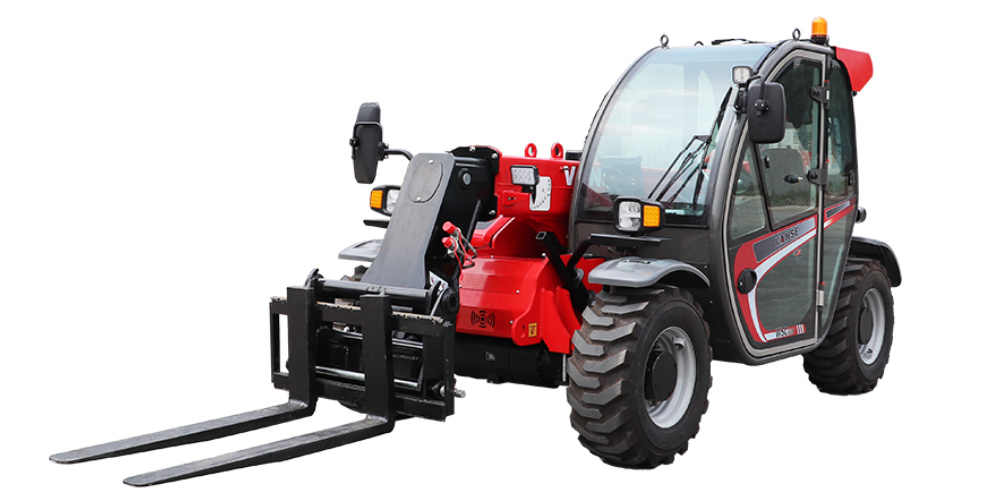
VANSE 625 6m Telescopic Handler
Designed for efficient material handling and stacking in warehouses, factories, and confined job sites, offering compact maneuverability and reliable performance.

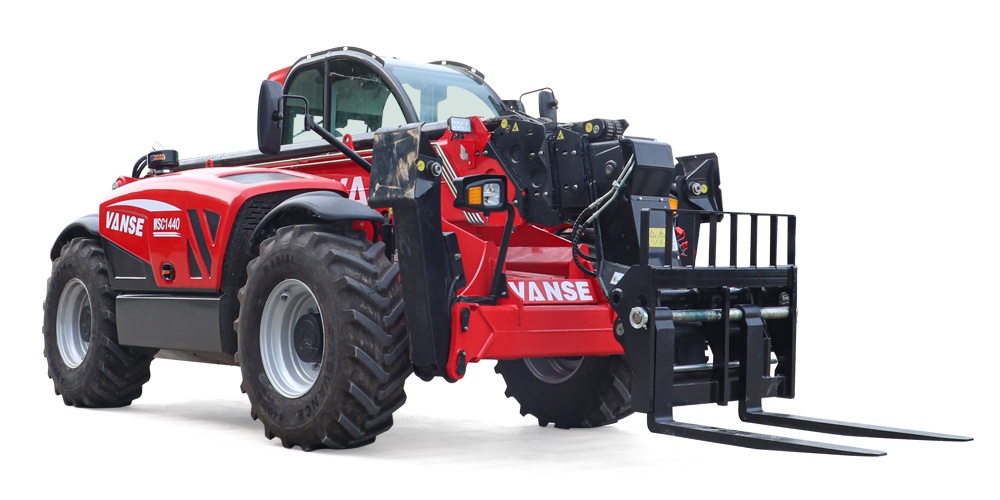
VANSE 735 7m Telescopic Handler
A balanced mid-duty solution for construction, agriculture, logistics, and warehousing, combining stable lifting, strong traction, and everyday versatility.


About the Author:
The VANSE team is a group of experienced professionals specializing in construction machinery research, manufacturing, and technical support. With deep industry knowledge and hands-on experience, our engineers and product specialists share practical insights on equipment selection, operation, maintenance, and industry trends.
Share
You May Also Interest
-

23 July, 2026
6 Meter Telehandler: Ideal Mid-Rise Lift for All Sites
Explore 6 meter telehandler options in the United States, including top suppliers, key specs, applications, pricing factors, and buying tips for local buyers.
-
22 July, 2026
7 Meter Telehandler: Versatile Reach for Any Work Site
Find the right 7 meter telehandler for United States projects with supplier comparisons, use cases, pricing guidance, and local service insights.
-
21 July, 2026
Telehandler Operator Training: Certification Guide 2026
Telehandler operator training in the United States for 2026: certification steps, OSHA compliance, costs, providers, and practical buying guidance.
-

20 July, 2026
5 Ton Telehandler: Heavy Lifting for Large Site Projects
Find the right 5 ton telehandler in United States with supplier comparisons, use cases, pricing factors, and service guidance for large jobsite lifting needs.