Telehandler vs Scissor Lift in the United States
Quick Answer

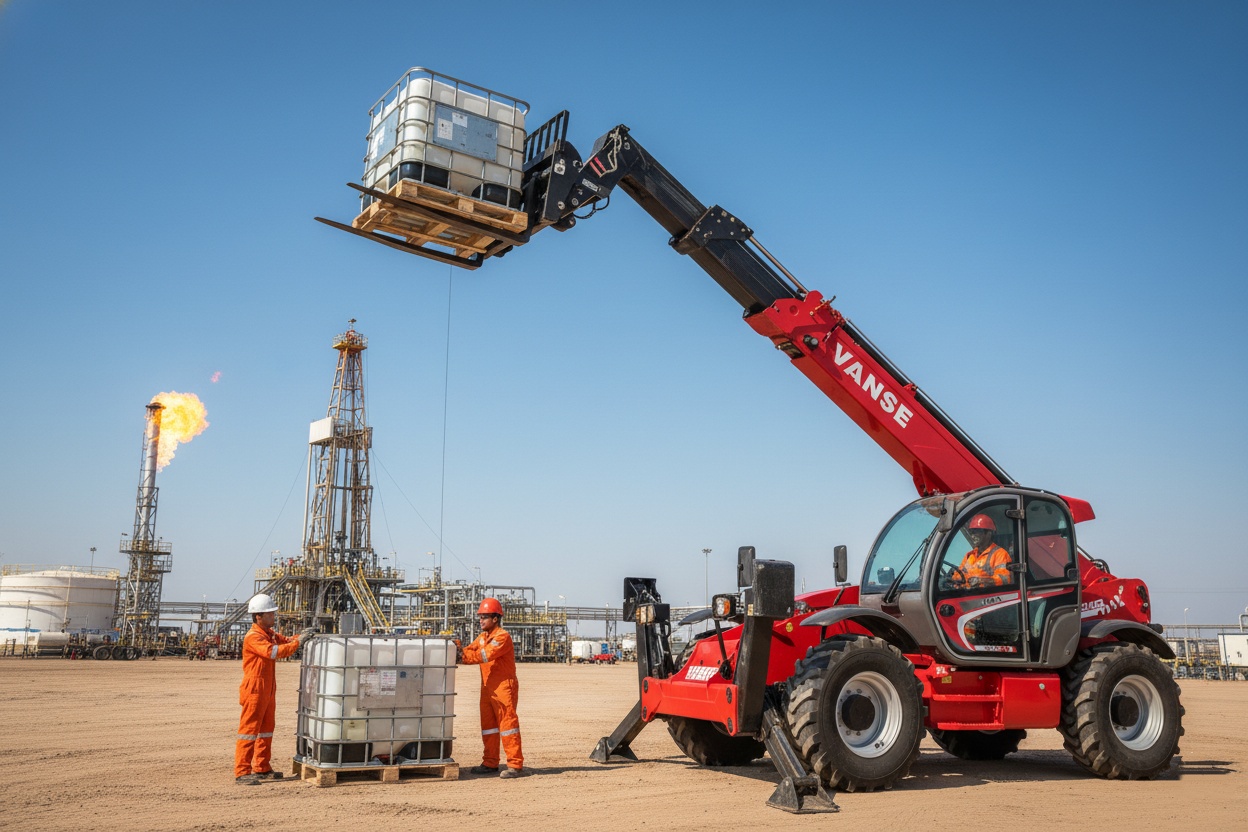
If you need vertical access for workers on flat, finished, and controlled surfaces, a scissor lift is usually the faster and safer choice. If you need to lift materials, reach over obstacles, work on rough terrain, or support multi-task jobs in construction, agriculture, energy, and industrial yards, a telehandler is typically the better machine. In the United States, buyers often choose scissor lifts for indoor maintenance, warehouse fit-outs, and slab work, while they choose telehandlers for framing sites, roofing, steel work, masonry, ports, farms, and oil and gas support yards from Texas to Pennsylvania.
Leading equipment brands active in the United States include JLG, Genie, Skyjack, JCB, Caterpillar, and Bobcat. Rental-heavy markets such as Houston, Dallas, Atlanta, Chicago, Los Angeles, Miami, and the Inland Empire often favor machines with strong dealer coverage, fast parts supply, and proven resale value. Qualified international suppliers can also be worth considering, especially when they hold recognized certifications, use premium engines and hydraulic components, and back sales with responsive pre-sale and after-sale support in North America. That cost-performance route matters for fleet buyers, dealers, and contractors seeking lower acquisition cost without giving up core reliability.
Direct Comparison: Which One Should You Buy?

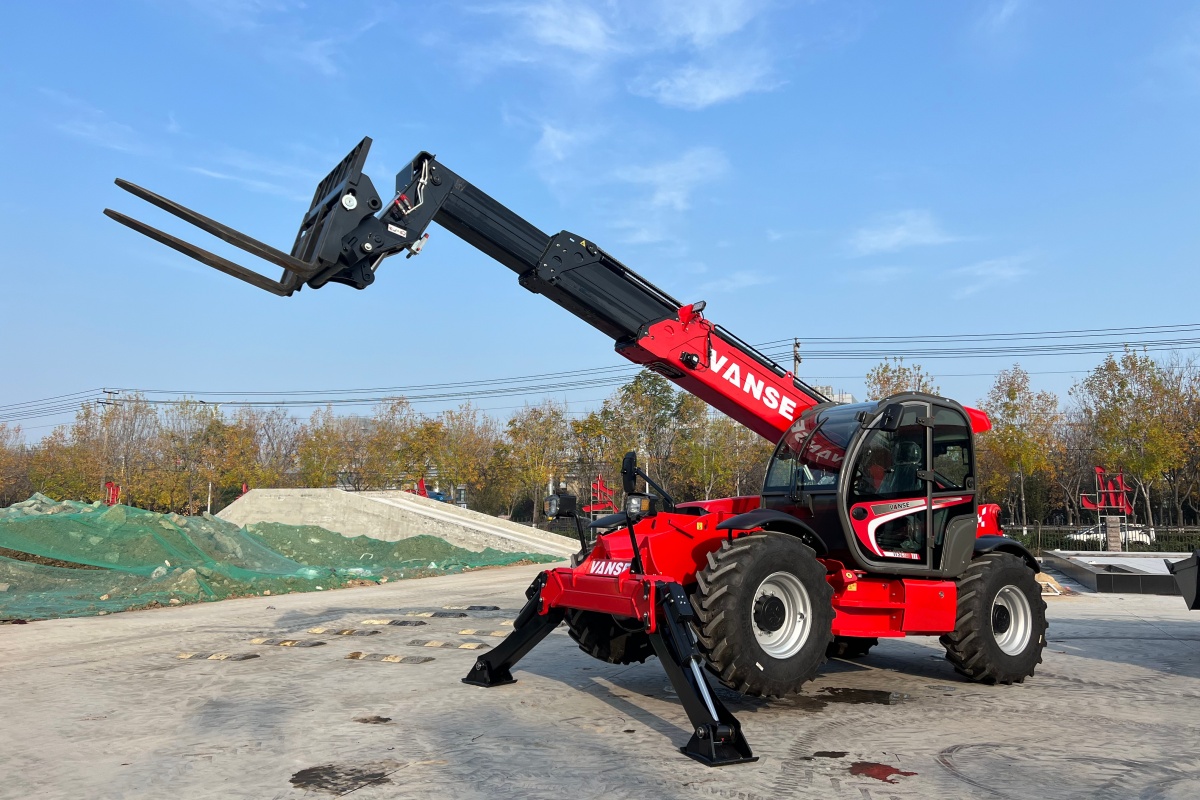
The short answer is this: a scissor lift is a personnel access platform, while a telehandler is primarily a material handler with reach. That single difference shapes almost every buying decision. A scissor lift is built to raise people and tools straight up. A telehandler is built to move palletized loads, place materials at height, and work across changing ground conditions. In real-world United States jobsites, the decision usually depends on whether the work is platform access or load placement.
Choose a scissor lift when the floor is level, the task is repetitive vertical access, and the crew needs a stable deck for one or more workers. This is common in airports, manufacturing plants, data centers, shopping centers, schools, hospitals, and commercial interiors. Choose a telehandler when the site has mud, gravel, slopes, staging congestion, or the work requires forks, buckets, jibs, work platforms, truss booms, or specialty attachments. This is common in homebuilding, bridge work, utility construction, lumber yards, ports, and agricultural operations across states such as California, Florida, Ohio, and North Carolina.
How the United States Market Uses These Machines

The United States equipment market is shaped by regional labor costs, safety regulations, rental penetration, and project mix. In Sun Belt states, telehandlers are especially common on fast-moving residential and commercial construction sites where rough terrain and open lots are normal. In dense urban centers such as New York City, Boston, and San Francisco, scissor lifts are widely used for indoor fit-outs, renovation, MEP installation, and facility maintenance where compact dimensions matter. At major logistics hubs near the Port of Los Angeles, Port of Long Beach, Port of Houston, Savannah, and New Jersey, both machine types appear, but they serve very different tasks.
Rental companies dominate access equipment distribution in the United States. Many contractors prefer to rent scissor lifts due to short project cycles and frequent model substitutions between electric slab units and rough-terrain units. Telehandlers are rented heavily too, but ownership is more common among framing contractors, agricultural businesses, masonry crews, equipment dealers, and enterprises that need year-round material handling capability. The growth of warehouse expansion, semiconductor plants, energy infrastructure, and data center construction is pushing steady demand for both categories, though purchasing criteria differ sharply.
The line chart above reflects a realistic demand pattern in the United States: supply chain disruptions eased after 2022, commercial and industrial construction strengthened in 2024 and 2025, and 2026 demand is expected to remain healthy as infrastructure, manufacturing reshoring, and regional warehousing continue to expand. The strongest demand pockets are typically around high-growth metros and freight corridors where machine uptime directly affects project schedules.
Core Product Differences
| Factor | Telehandler | Scissor Lift | Why It Matters in the United States |
|---|---|---|---|
| Main purpose | Material handling with forward reach | Personnel lifting with vertical elevation | Defines OSHA use pattern, crew planning, and attachment needs |
| Terrain suitability | Excellent on rough terrain and outdoor jobsites | Best on flat slabs or improved surfaces; RT models handle rougher ground | Critical for homebuilding, industrial yards, and finished interiors |
| Lift path | Up and out through telescopic boom | Straight up through scissor stack | Important when obstacles, setbacks, or overhangs are present |
| Typical load handling | Pallets, trusses, brick packs, feed, pipe, bundled materials | Workers, hand tools, light install materials | Separates logistics equipment from access equipment |
| Attachments | Forks, buckets, jibs, platforms, grapples, sweepers | Mostly platform-focused accessories only | Telehandlers offer better fleet versatility and seasonal value |
| Indoor suitability | Limited unless compact, low-emission, and floor load is acceptable | Very strong, especially electric slab models | Important for schools, hospitals, retail, and warehouse retrofits |
| Operator skill needs | Higher, especially with load charts and boom position changes | Lower relative complexity for vertical access tasks | Affects training cost, safety program, and productivity |
This table shows why the keyword comparison is not just about height. A telehandler changes what a crew can move and where it can place that load. A scissor lift changes how efficiently workers can access overhead areas. Many contractors in the United States actually need both, but not at the same stage of the job.
Where Telehandlers Win
Telehandlers outperform scissor lifts when the job involves both reach and load handling. A framing contractor in Phoenix may use a telehandler to unload lumber packs, elevate roof trusses, move pallets of sheathing, and reposition materials across a large subdivision without changing machine type. A masonry contractor in Charlotte can place block and mortar pallets where labor would otherwise lose time walking materials. On a port-adjacent yard near Houston, a telehandler may support pipe, bagged materials, maintenance tools, and attachment-driven cleanup tasks.
Another major advantage is versatility. Telehandlers can take on multiple seasonal roles. In agricultural regions from Iowa to California’s Central Valley, one unit may support feed handling, barn maintenance, bale movement, seed loading, and general yard work. Rough-terrain capability also matters. If your site sees rain, ruts, curbs, unfinished grades, or frequent layout changes, a telehandler is far more forgiving than a slab scissor lift and often more productive than a rough-terrain scissor lift when material placement is involved.
Where Scissor Lifts Win
Scissor lifts win on simplicity, repeatable overhead work, and worker efficiency. If the task is ceiling grid installation, lighting replacement, ductwork, sprinkler installation, painting, cable tray installation, or inventory access in a controlled facility, a scissor lift is generally the right answer. The platform offers room for workers, parts bins, and hand tools. Electric models are quiet and produce no jobsite exhaust, making them ideal for hospitals, schools, airports, distribution centers, and office towers.
In the United States, facility managers and specialty contractors often prefer scissor lifts because they are easy to transport within large campuses, easier to stage in interior spaces, and straightforward to assign across crews. Their lower acquisition cost relative to many telehandlers can also make them attractive for maintenance departments and rental fleets focused on metro demand.
Product Types to Consider
| Machine Type | Best Use | Typical U.S. Buyers | Main Advantage |
|---|---|---|---|
| Compact telehandler | Tight jobsites, landscaping, small farms, urban construction | Small contractors, municipalities, nurseries | Better maneuverability with real material-handling ability |
| Construction telehandler | Framing, masonry, roofing, steel support, general site logistics | General contractors, rental firms, builders | Strong all-around performance on rough terrain |
| High-reach telehandler | Multi-story projects, industrial plants, large materials placement | Large contractors, ports, industrial sites | Greater lift height and forward reach |
| Electric slab scissor lift | Indoor maintenance and fit-out | Facility managers, MEP trades, warehouses | Quiet operation and zero on-site emissions |
| Rough-terrain scissor lift | Outdoor elevated work on prepared but uneven ground | Commercial construction crews, event staging | Large deck with improved outdoor mobility |
| Micro scissor lift | Narrow aisles, low floor load, constrained interiors | Retail, data centers, hospitals | Small footprint and easy indoor access |
The right category depends on task sequence. If the project includes receiving materials, moving them through site, and placing them at elevation, a telehandler usually earns its keep. If the project requires multiple technicians to work overhead for days at a time, scissor lift productivity is hard to beat. In many large projects around Atlanta, Dallas, and Columbus, contractors rent both: telehandlers for logistics and scissor lifts for finishing trades.
Buying Advice for United States Buyers
Start with the jobsite surface. Flat finished floors usually point to electric slab scissor lifts. Muddy or unfinished jobsites point to telehandlers or rough-terrain scissor lifts. Then look at the work itself. If you are lifting people, pick equipment designed and configured for personnel access. If you are moving loads, compare rated capacity, lift height, forward reach, and attachment options. Do not buy a telehandler simply because it lifts higher; buy it because it performs a material-handling role your crew repeatedly needs.
Next, calculate utilization. A machine that works two hours a week may be better rented. A machine used daily for unloading, staging, and elevated placement usually supports ownership, especially when transport and scheduling delays from rental houses are common. Ownership becomes even more attractive in regional markets with long project pipelines, such as central Florida, North Texas, Tennessee, and the Carolinas.
Finally, evaluate support. In the United States, a lower purchase price does not create value if parts lead time is poor. Check dealer coverage, mobile service response, training availability, financing, warranty terms, and whether the supplier understands your state-level operating conditions. For imported machines, ask whether parts are stocked domestically, whether technicians are trained locally, and whether there is a genuine long-term market commitment.
Industry Demand in the United States
The bar chart illustrates where these machines are most actively used. Commercial construction remains the strongest combined demand segment, driven by schools, hospitals, retail renovation, warehouses, and mixed-use development. Residential building also ranks high because telehandlers are deeply embedded in framing and material movement workflows. Facility maintenance leans more heavily toward scissor lifts, while agriculture and energy often prefer telehandlers because of multi-role handling needs and outdoor conditions.
Industries and Applications
In commercial construction, telehandlers unload and distribute materials while scissor lifts support finishing trades and overhead systems. In manufacturing plants, scissor lifts are preferred for machine maintenance, lighting, signage, and line modifications because of their compact access and clean power options. In warehousing, scissor lifts support installation and maintenance, while telehandlers are used more selectively for yard work, outdoor loading zones, and specialized handling.
In agriculture, telehandlers are far more common because they can move feed, seed, fertilizer, pallets, and bales while also supporting maintenance tasks with attachments. In energy sectors, especially oil and gas support yards in Texas, Oklahoma, and North Dakota, telehandlers are valuable because the site environment is unpredictable and material movement matters as much as lift height. At airports and large campuses, scissor lifts dominate routine service access where floor quality and safety protocols favor stable vertical platforms.
Real-World Application Scenarios
| Application | Better Choice | Reason | Typical U.S. Location Pattern |
|---|---|---|---|
| Warehouse lighting retrofit | Scissor lift | Indoor, level floor, repetitive overhead access | Chicago, Indianapolis, Columbus logistics corridors |
| Residential framing support | Telehandler | Moves trusses, lumber packs, and wall materials across rough lots | Dallas-Fort Worth, Phoenix, Orlando |
| School HVAC replacement | Scissor lift | Safe platform for technicians and tools in finished spaces | Suburban school districts nationwide |
| Masonry block placement | Telehandler | High-capacity pallet movement close to point of use | Atlanta, Charlotte, Nashville |
| Convention center banner installation | Scissor lift | Wide platform and low-emission indoor operation | Las Vegas, Orlando, Chicago |
| Farmyard material handling | Telehandler | Multi-purpose loading, stacking, and elevated maintenance | Iowa, Kansas, California Central Valley |
| Outdoor facade finishing on prepared ground | Rough-terrain scissor lift | Large deck benefits crews working continuously at one elevation | Commercial sites in the Southeast and Southwest |
The scenarios above make the comparison practical. If access is the job, choose a scissor lift. If movement and placement are the job, choose a telehandler. Where the work blends both needs, many contractors pair telehandlers with a fleet of slab or rough-terrain scissor lifts to maximize labor productivity.
Case Studies from United States Buying Patterns
A homebuilder in the greater Houston area typically gains more from owning telehandlers than from owning scissor lifts because every phase of subdivision construction benefits from pallet movement, unloading, and elevated material placement. Scissor lifts may still be rented for clubhouse or amenity finish work, but the telehandler creates daily operational value from start to near finish.
A Midwest warehouse retrofit contractor usually sees the opposite pattern. Electric slab scissor lifts become the backbone of interior work because the tasks involve lights, sprinkler heads, conduit, racking modifications, and signage. Telehandlers are useful only if the project includes external staging or roof material movement.
A public-sector maintenance department serving schools, recreation centers, and municipal buildings often leans toward scissor lifts for accessibility, indoor use, and operator simplicity. However, a county public works department with road yards, signs, and outdoor maintenance may justify a compact telehandler because one machine can move pallets, support attachments, and assist with elevated work where ground conditions vary.
Local Suppliers and Major Brands
| Company | Primary Equipment Focus | Service Region in the United States | Core Strengths | Key Offerings |
|---|---|---|---|---|
| JLG Industries | Access equipment and telehandlers | Nationwide, strong dealer and rental presence | Large installed base, service network, familiar controls | Electric scissor lifts, rough-terrain scissor lifts, telehandlers |
| Genie | Aerial work platforms and telehandlers | Nationwide through dealers and rental channels | Strong reputation in access equipment, broad fleet adoption | Slab scissors, RT scissors, telehandlers |
| Skyjack | Scissor lifts and telehandlers | Nationwide, especially rental markets | Simple design, rental-friendly serviceability | Electric and RT scissor lifts, telehandlers |
| JCB | Telehandlers and construction equipment | Nationwide with strong construction and agricultural coverage | Deep telehandler expertise, broad application fit | Construction telehandlers, agricultural handlers |
| Caterpillar | Telehandlers via dealer network and broader equipment portfolio | Nationwide through Cat dealers | Dealer reach, parts support, fleet integration | Material handlers, site support equipment |
| Bobcat | Telehandlers and compact equipment | Nationwide, strong compact equipment footprint | Contractor familiarity, dealer coverage, compact-jobsite appeal | Telehandlers, compact loaders, attachments |
| United Rentals | Rental supply across both categories | Nationwide branch footprint | Fast rental access, fleet availability, jobsite delivery | Short-term and long-term rentals, managed fleet support |
This supplier comparison matters because buyers in the United States rarely purchase on specification alone. Support infrastructure, branch density, and fleet familiarity are often as important as peak height or lift capacity. JLG, Genie, and Skyjack remain especially visible in rental-dense metro markets. JCB has long-standing telehandler recognition, while Caterpillar and Bobcat benefit from dealer relationships and cross-equipment fleet loyalty. United Rentals is included because many buyers first validate machine fit through rental before committing to ownership.
Supplier and Product Positioning
This comparison chart does not rank overall quality in absolute terms. Instead, it reflects a realistic composite of buyer interest in the United States, combining dealer presence, brand familiarity, rental visibility, and fleet confidence. Value-focused importers can become very competitive when they combine certified production, recognizable core components, domestic stocking, and responsive service, especially for dealers and enterprise buyers managing acquisition cost closely.
Trend Shift: Telehandler Versus Scissor Lift Demand Mix
The area chart suggests a meaningful trend: telehandlers are gaining a larger share of mixed-fleet planning because contractors increasingly want machines that solve both logistics and reach-related placement problems on labor-constrained sites. Scissor lifts remain essential, especially indoors, but in ownership decisions telehandlers are benefiting from versatility, attachment ecosystems, and strong demand in housing, infrastructure, and agriculture.
What to Check Before You Buy
| Checklist Item | Why It Matters | Telehandler Priority | Scissor Lift Priority |
|---|---|---|---|
| Actual task definition | Prevents buying height instead of function | Very high | Very high |
| Ground conditions | Determines tire, traction, and stability needs | Very high | High |
| Indoor or outdoor use | Impacts power source and dimensions | High | Very high |
| Attachment requirements | Expands use cases and return on investment | Very high | Low |
| Parts and service network | Reduces downtime risk | Very high | Very high |
| Operator training burden | Impacts productivity and safety compliance | High | Medium |
| Transport and storage | Affects total cost of ownership | Medium | Medium |
The key takeaway from this table is that the better machine is the one aligned with the work pattern, not the one with the more impressive brochure. Many regrets in equipment buying come from overestimating multi-purpose use or underestimating service response time. In the United States, where project delays are expensive and labor is costly, uptime is often the most valuable specification.
Our Company
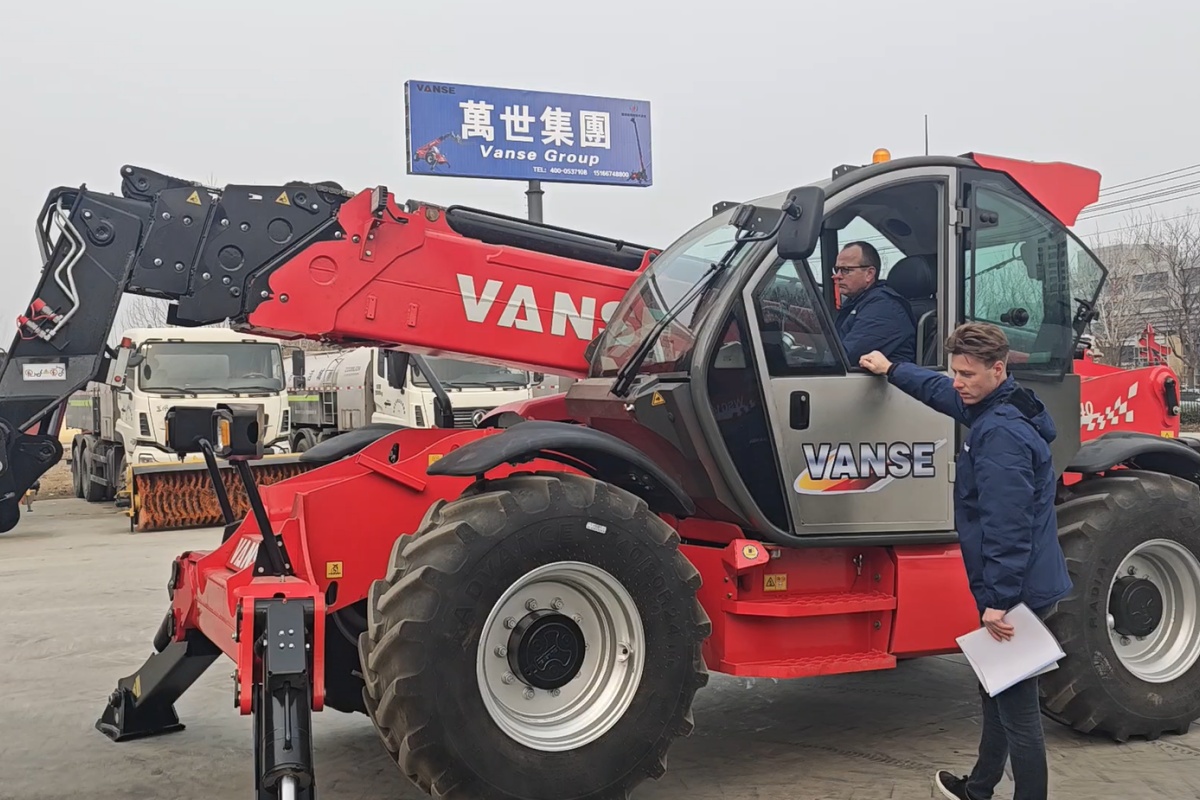
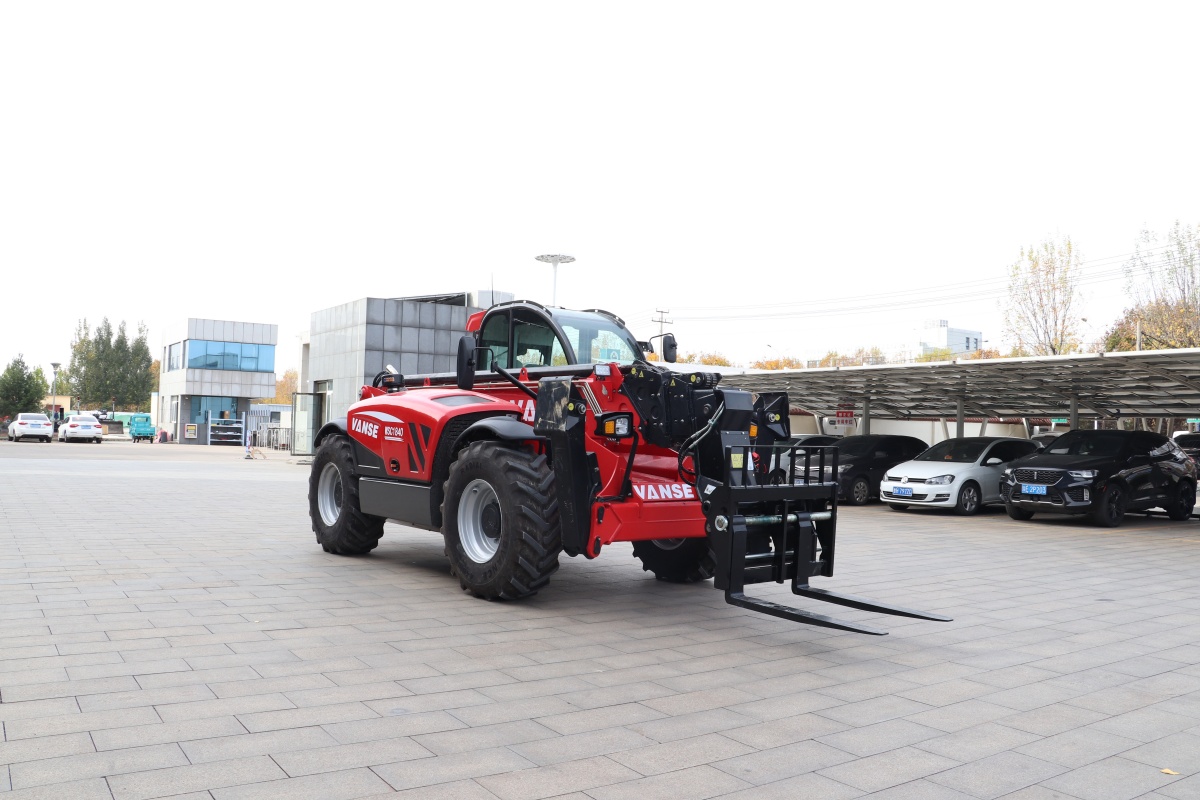
VANSE Group brings a telehandler-focused offering to the United States market with evidence that matters to practical buyers: the company has produced more than 8,000 machines, serves customers in over 40 countries, and manufactures under CE and ISO 9001 processes with comprehensive load testing, safety inspection, and performance validation before shipment. Its telehandlers are built around globally recognized core components such as Perkins and Cummins engines together with premium hydraulic systems, transmissions, and axles, which gives dealers, contractors, and rental buyers a familiar service foundation rather than an unknown parts stack. Beyond machine specification, VANSE works through flexible cooperation models that fit different customer types in the United States, including OEM and ODM programs for brand owners, wholesale supply for distributors, regional partnership opportunities for dealers, and direct solutions for enterprise end users and individual buyers looking for cost-efficient fleet expansion. The company is also investing in physical North American commitment through a planned U.S. subsidiary, local inventory strategy, and stronger after-sales capability, backed by online technical support and offline service coordination that reduce the risk normally associated with overseas sourcing. For buyers comparing value-focused options in the region, that combination of certified manufacturing, proven export experience, premium component choices, and local market buildout supports long-term confidence rather than one-off importing. Buyers can review the broader equipment lineup, learn more about the company, explore available service support, or contact the team in the United States market for application matching.
2026 Trends: Technology, Policy, and Sustainability
In 2026, telehandler and scissor lift buying in the United States will be shaped by three forces. First is technology. Telematics, remote diagnostics, and predictive maintenance will become standard expectations rather than premium extras. Rental companies and enterprise fleets increasingly want machines that report utilization, fault codes, idle time, geofencing, and service intervals automatically. Telehandlers with smarter load management and operator-assist systems will gain attention, especially where training consistency is difficult across large crews.
Second is policy and safety compliance. Buyers are paying closer attention to operator training, emissions rules, and project owner requirements. Electric scissor lifts already align well with indoor sustainability and air-quality requirements, while telehandler buyers are watching engine compliance, fuel efficiency, and jobsite policies tied to environmental reporting. Public projects and large private developments in states such as California, New York, and Washington may increasingly favor suppliers that can document manufacturing quality systems, emissions alignment, and traceable service support.
Third is sustainability and total life-cycle cost. Contractors are looking beyond sticker price to include fuel burn, battery charging strategy, maintenance intervals, tire wear, transport efficiency, and resale value. This creates a more favorable environment for suppliers that can combine competitive pricing with recognized engines, tested hydraulic systems, and documented production standards. It also strengthens the position of companies that support fleets locally rather than shipping parts case by case from overseas.
FAQ
Is a telehandler safer than a scissor lift?
They are safe for different tasks when used correctly. A scissor lift is generally safer for lifting workers vertically on stable surfaces. A telehandler is safer for moving materials on rough terrain when operated according to load charts and site conditions. Misusing either machine creates risk.
Can a telehandler replace a scissor lift?
Usually no. A telehandler can support certain elevated tasks with the right approved platform and configuration, but it does not replace the productivity and platform convenience of a dedicated scissor lift for repetitive personnel access work.
Is a rough-terrain scissor lift enough for outdoor construction?
It can be enough if the task is mainly worker access on reasonably prepared ground. If the job also requires unloading, carrying, and placing heavy materials, a telehandler is still the better fit.
Which machine has better resale value in the United States?
That depends on brand, hours, service history, and market timing. Telehandlers often hold strong value when they are from recognized brands and have attachment versatility. Scissor lifts maintain value well in rental-driven markets, especially common electric models with service records.
What matters most when buying from an international supplier?
Check certifications, engine and drivetrain brands, parts stocking in North America, technical documentation, warranty support, and whether the supplier has a clear local service plan. Price alone should never be the deciding factor.
Should small contractors buy or rent?
Rent if use is occasional or project-specific. Buy if the machine will work consistently across jobs, reduce labor hours, and avoid repeated delivery delays. Many small contractors in fast-growth U.S. markets start with rental and shift to ownership after utilization becomes predictable.
Final Takeaway
For most United States buyers, the answer to telehandler vs scissor lift comes down to job function. If your priority is efficient, safe, and repeated worker access at height, especially indoors, choose a scissor lift. If your priority is lifting and placing materials across rough terrain or changing jobsites, choose a telehandler. Contractors, rental companies, dealers, and industrial buyers who understand that distinction usually achieve lower operating cost, better crew productivity, and fewer equipment mismatches over the life of the fleet.
Complete Telescopic Handler Equipment Portfolio
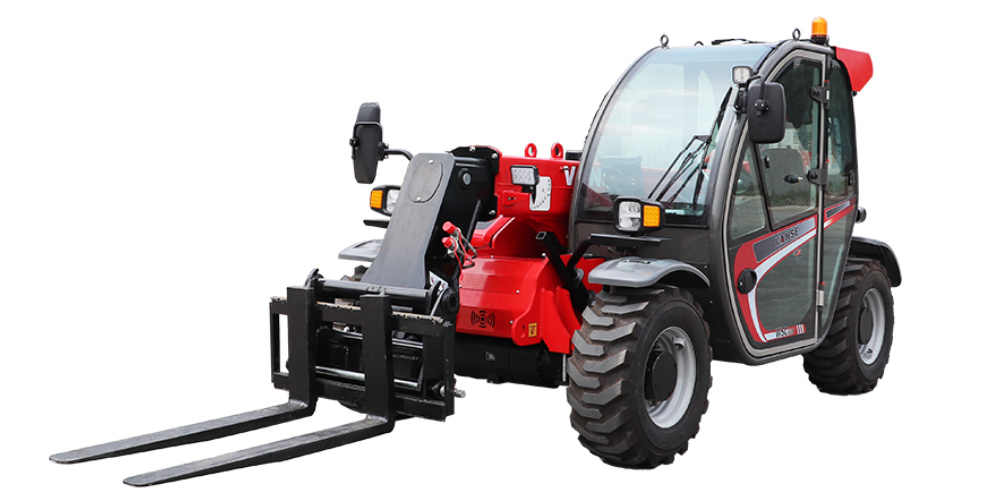
VANSE 625 6m Telescopic Handler
Designed for efficient material handling and stacking in warehouses, factories, and confined job sites, offering compact maneuverability and reliable performance.

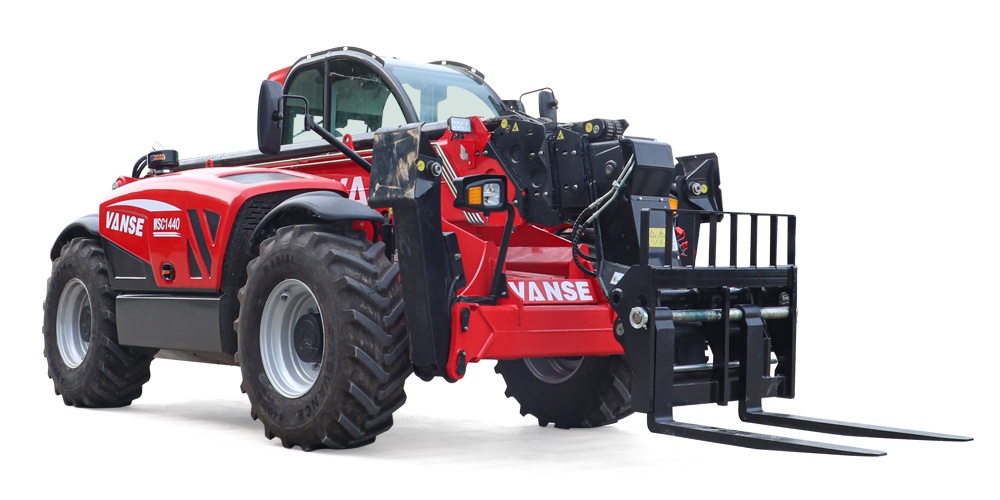
VANSE 735 7m Telescopic Handler
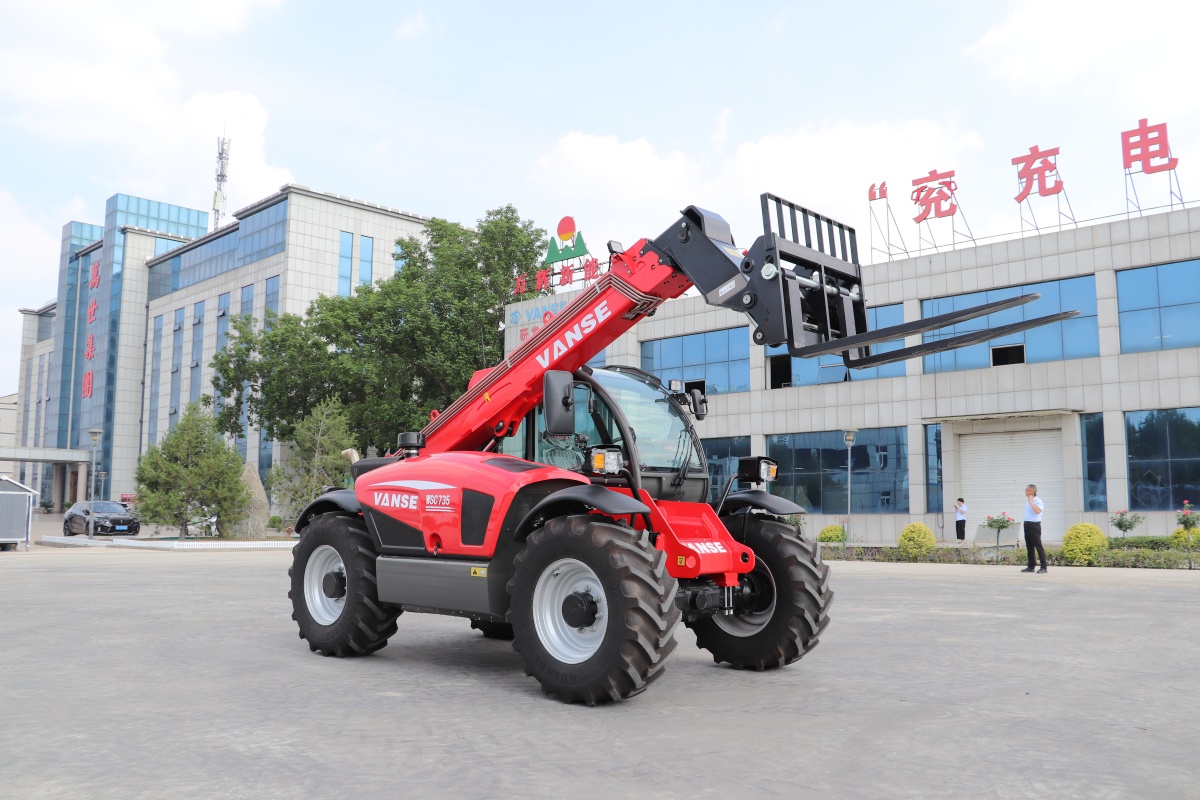
A balanced mid-duty solution for construction, agriculture, logistics, and warehousing, combining stable lifting, strong traction, and everyday versatility.


About the Author:
The VANSE team is a group of experienced professionals specializing in construction machinery research, manufacturing, and technical support. With deep industry knowledge and hands-on experience, our engineers and product specialists share practical insights on equipment selection, operation, maintenance, and industry trends.
Share
You May Also Interest
-

24 July, 2026
Telehandler for Landscaping: Outdoor Project Efficiency
Explore telehandler landscaping options in the United States, including suppliers, applications, costs, and buying advice for efficient outdoor projects.
-
23 July, 2026
6 Meter Telehandler: Ideal Mid-Rise Lift for All Sites
Explore 6 meter telehandler options in the United States, including top suppliers, key specs, applications, pricing factors, and buying tips for local buyers.
-
22 July, 2026
7 Meter Telehandler: Versatile Reach for Any Work Site
Find the right 7 meter telehandler for United States projects with supplier comparisons, use cases, pricing guidance, and local service insights.
-
21 July, 2026
Telehandler Operator Training: Certification Guide 2026
Telehandler operator training in the United States for 2026: certification steps, OSHA compliance, costs, providers, and practical buying guidance.