Telehandler vs Rough Terrain Crane: Which Machine Makes More Sense in the United States?
Quick Answer

In the United States, a telehandler is usually the better choice when you need one machine for lifting, placing, loading, pallet handling, and attachment-based work across construction, agriculture, industrial yards, and rental fleets. A rough terrain crane is the better choice when the main job is precision suspended lifting of heavier loads on uneven ground, especially where pick-and-carry limits, lift charts, and crane-specific safety planning matter more than multi-function versatility.
If your jobsite is in Houston, Dallas, Phoenix, Atlanta, or inland logistics corridors near Chicago and Kansas City, a telehandler often wins on utilization because it can unload trucks, move bundled materials, place roofing loads, handle pallets, and support site logistics in one shift. If your project is in refinery turnarounds along the Gulf Coast, bridge work, utility setting, heavy steel erection, or plant maintenance where repeated high-capacity suspended picks are critical, a rough terrain crane is usually the safer and more productive fit.
For most buyers and rental managers, the practical rule is simple: choose a telehandler for mixed daily tasks and broader utilization; choose a rough terrain crane for crane-duty lifting and stricter load-control requirements. In the U.S. market, local brands and national dealers remain important, but qualified international suppliers with relevant certifications, globally recognized core components, and strong pre-sales and after-sales support can also be worth considering because they may offer strong cost-performance value.
- Best for multi-use construction yards: telehandler
- Best for repeated suspended heavy picks: rough terrain crane
- Best for farm and industrial material handling: telehandler
- Best for refinery, utility, and steel erection lifting plans: rough terrain crane
- Best for maximizing fleet utilization across many tasks: telehandler
How the U.S. Market Looks Right Now

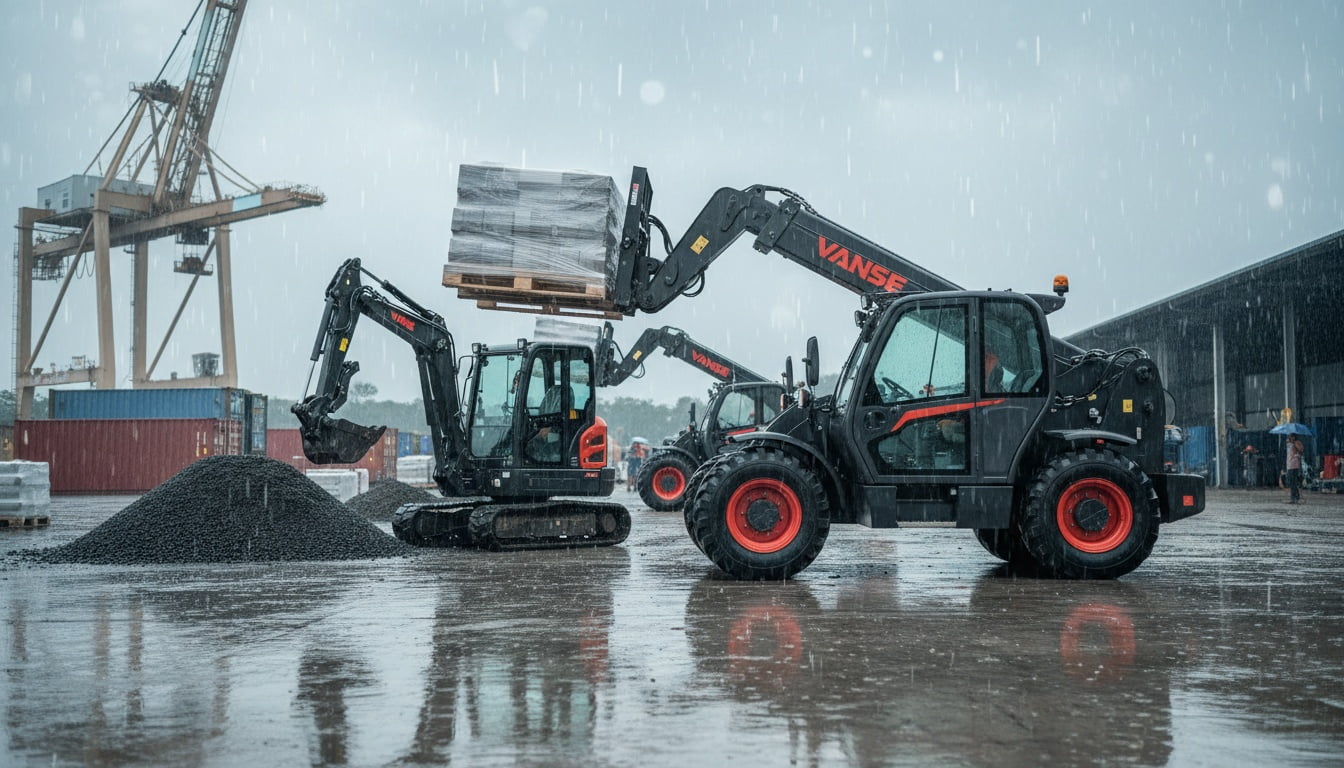
The U.S. equipment market continues to support demand for both telehandlers and rough terrain cranes, but the buying logic is different. Telehandlers are closely tied to nonresidential construction, agriculture, warehousing spillover, plant maintenance, building envelope work, and rental fleet rotation. Rough terrain cranes are more concentrated in infrastructure, energy, utility, petrochemical, and heavy industrial scopes. In practical terms, telehandlers show up on more jobsites every day, while rough terrain cranes are deployed when lifting complexity or capacity justifies crane-specific planning.
Regional patterns also matter. In Texas and Louisiana, rough terrain cranes are deeply connected to refinery, pipeline, oil and gas, and industrial shutdown work. In Florida, the Carolinas, Georgia, Tennessee, and Arizona, telehandlers remain common in commercial construction, masonry, framing support, roofing, glazing support, and site materials distribution. In California and the Pacific Northwest, telehandlers also benefit from applications in agriculture, ports, lumber, and industrial maintenance. Inland trade hubs such as Memphis, Columbus, and the Dallas-Fort Worth metroplex see steady demand for machines that can operate flexibly around loading zones and fragmented jobsite layouts.
At the port level, buyers importing machinery through Los Angeles, Long Beach, Houston, Savannah, and New York-New Jersey increasingly evaluate landed cost, parts support, and local stocking over brand familiarity alone. This has widened the conversation beyond legacy domestic and European names. Buyers now compare uptime guarantees, hydraulic component sourcing, operator familiarity, financing access, and dealer responsiveness with much more discipline than before.
Core Difference Between a Telehandler and a Rough Terrain Crane

The most important difference is not wheel type, boom shape, or brand. It is job intent. A telehandler is designed primarily as a versatile material handler. A rough terrain crane is designed primarily as a crane. That sounds obvious, but in purchasing, it changes everything: operator training, attachment logic, daily utilization, maintenance planning, lift planning, transport assumptions, and insurance exposure.
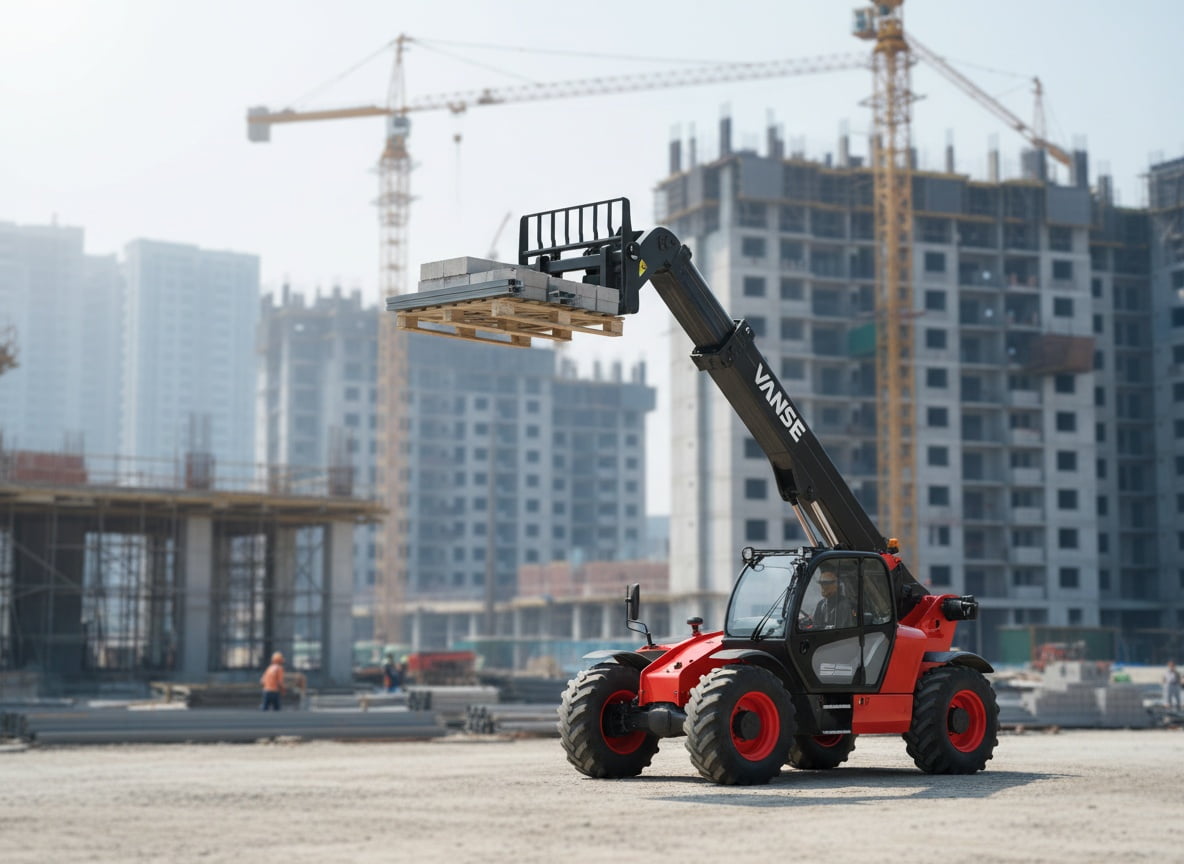
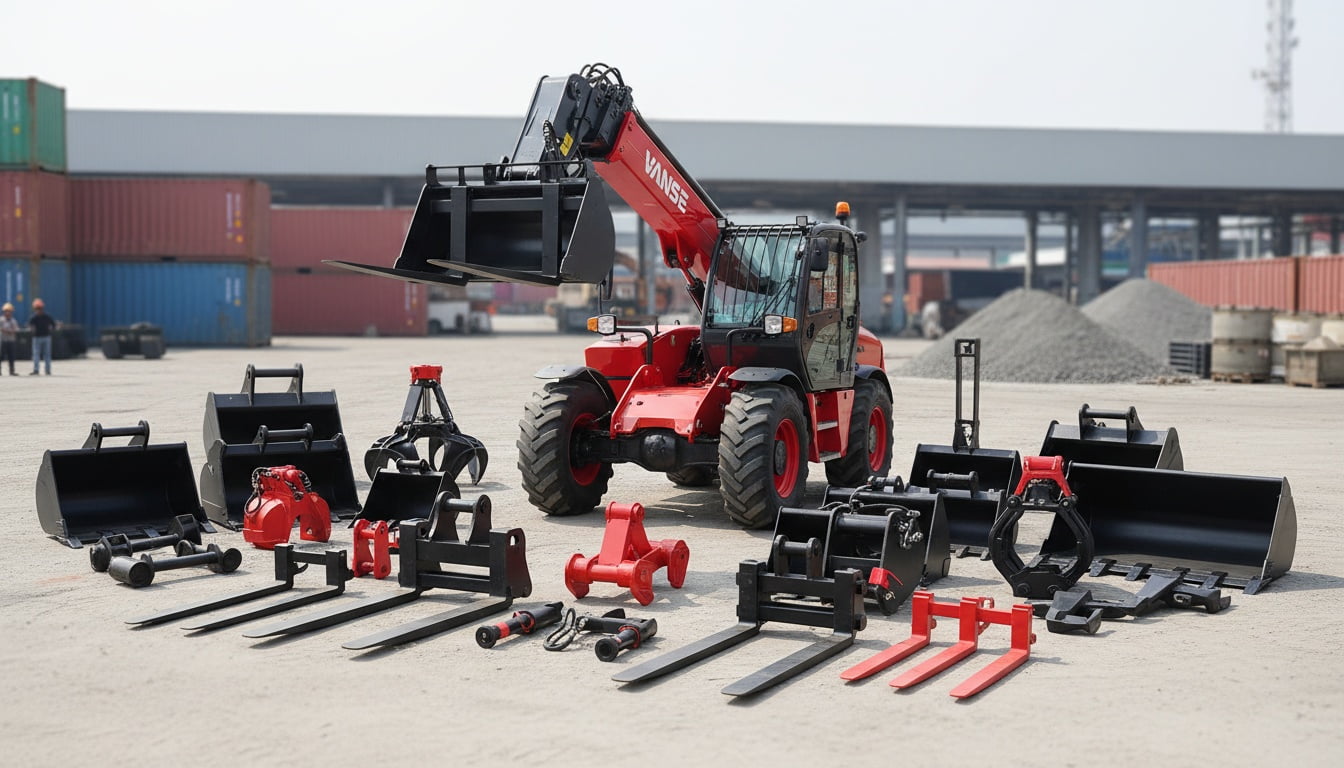
A telehandler typically lifts palletized or bundled materials using forks, carriages, buckets, jibs, truss booms, work platforms where permitted, and other attachments depending on local rules and manufacturer approvals. It is often chosen because one machine can cover several tasks throughout a week. A rough terrain crane is selected because the suspended load itself is the mission. It offers stronger crane-duty lifting behavior, more specialized load chart planning, and better alignment with jobs where controlled heavy picks drive schedule risk.
On many U.S. jobsites, decision-makers ask the wrong first question: “Which one lifts higher?” The better first question is: “What percentage of the machine’s hours will be spent doing crane-style suspended lifts versus routine material placement and site support?” If the answer is mostly placement, loading, and general handling, the telehandler usually wins. If the answer is mostly engineered picks, repetitive hoisting, and critical load control, the rough terrain crane wins.
Practical Comparison Table for U.S. Buyers
The table below helps buyers compare the two machine classes in real operating terms rather than brochure language. The differences shown here affect daily productivity, labor planning, and ownership cost in the United States.
| Factor | Telehandler | Rough Terrain Crane | What It Means on a U.S. Jobsite |
|---|---|---|---|
| Main role | Material handling and multi-purpose placement | Crane-duty suspended lifting | Choose based on whether you need versatility or dedicated lifting performance |
| Typical tasks | Pallets, bundles, loading, placing, attachment work | Heavy picks, precision placement, structural or industrial lifts | Telehandlers cover more mixed tasks per day |
| Attachment flexibility | High | Low to moderate | Telehandlers deliver broader fleet utilization |
| Lift planning intensity | Moderate, depending on use | High | Cranes usually require more formal planning and stricter pick procedures |
| Transport and deployment | Often simpler for mixed site work | More specialized depending on model and lift setup | Telehandlers are easier to justify for daily site logistics |
| Best-fit industries | Construction, agriculture, manufacturing, rental | Energy, infrastructure, industrial shutdowns, utilities | Match the machine to the dominant revenue-producing task |
| Operator utilization | Usually high across diverse tasks | High when heavy lifting is constant | Underused cranes are expensive; underused telehandlers are easier to redeploy |
Product Types and Where They Fit
Not all telehandlers or rough terrain cranes are equal. In the U.S., selection often comes down to machine class, not just machine type. Compact telehandlers suit confined urban builds, landscape yards, and low-rise trades. Mid-capacity telehandlers are common for commercial sites, masonry, and framing support. High-reach telehandlers are used in large industrial builds, stadium projects, and major envelope work. Rough terrain cranes range from lighter utility-focused units to high-capacity machines used in plants, ports, steel work, and major infrastructure.
For telehandlers, key distinctions include maximum lift height, forward reach, frame size, stabilizers or no stabilizers, powershift or hydrostatic drive configuration, and attachment ecosystem. For rough terrain cranes, the distinctions usually center on rated lifting capacity, boom length, pick-and-carry suitability, outrigger setup, travel profile, and ease of setup under changing ground conditions.
U.S. buyers should also think about serviceability. Machines with globally common engines and hydraulic components are often easier to support in distributed fleets. This is especially relevant for contractors who operate across multiple states and cannot afford long wait times for core service parts.
U.S. Industry Demand by Application
This chart reflects how different industries in the United States typically divide demand between telehandler-style utility and rough terrain crane-style lifting requirements. It is not a strict market-share statement; it is a practical buying lens that helps fleet managers evaluate likely utilization.
Buying Advice for Contractors, Rental Companies, and End Users
For contractors, the purchase decision should start with billed machine hours, not maximum specifications. Many contractors overbuy on headline capacity and then underuse the machine. If your teams frequently unload materials, support multiple trades, and switch tasks several times a day, a telehandler typically generates more revenue-producing hours. If your lifts are more specialized and tied to crane plans, engineered picks, and critical path scheduling, a rough terrain crane can protect productivity and reduce lifting risk.
Rental companies should look at utilization spread across customer types. Telehandlers typically appeal to general contractors, masons, framers, roofers, agricultural operators, and industrial users. That makes them easier to keep rented across seasons and regions. Rough terrain cranes can command strong rental rates, but the customer pool is narrower and more project-specific. They often require stronger application support and more deliberate fleet placement.
For enterprise end users such as refineries, utilities, mills, and large manufacturers, the best buying approach is often mixed-fleet logic. Use telehandlers to cover daily support and site logistics while reserving rough terrain cranes for critical lifting scopes. This avoids using a crane for tasks that do not justify crane economics and avoids forcing a telehandler into lifts that exceed its safe and practical role.
Private buyers and owner-operators should also think about resale channels. Telehandlers often have broader used-equipment liquidity in the U.S. because more sectors can absorb them. Rough terrain cranes may command strong value when capacity bands align with active infrastructure and industrial demand, but resale can be slower and more region-sensitive.
Cost, Utilization, and Ownership Trade-Offs
Ownership cost in the United States is driven by more than purchase price. Transport, insurance, operator availability, scheduled maintenance, wear rates, downtime response, and attachment strategy can change the total picture quickly. Telehandlers often appear less specialized because they are less specialized. That broader use profile can be a financial advantage. Instead of sitting idle between heavy-lift tasks, they can continue generating value through loading, distributing materials, and attachment-based operations.
Rough terrain cranes are different. Their economics can be excellent when the work genuinely needs them. On jobs where suspended loads define schedule performance, the crane is not a luxury; it is the right tool. Problems arise when buyers justify a crane based on occasional heavy lifts but then expect telehandler-style flexibility. That mismatch leads to underutilization, higher idle cost, and frustration for dispatch teams.
| Ownership Consideration | Telehandler Impact | Rough Terrain Crane Impact | Buyer Interpretation |
|---|---|---|---|
| Purchase price range | Usually lower for equivalent general-purpose needs | Usually higher due to crane-duty specialization | Telehandlers often lower entry cost for broader site work |
| Utilization across trades | High | Moderate to low unless lifting demand is constant | Telehandlers are easier to keep productive daily |
| Attachment ecosystem | Strong revenue enhancer | Limited | Attachments can materially improve telehandler ROI |
| Operator specialization | Moderate | Higher | Cranes often require more specialized staffing and planning |
| Downtime exposure | Affects logistics and handling tasks | Affects critical lifting schedules more severely | Service response is especially important for cranes |
| Resale liquidity | Generally broad | More project-cycle dependent | Telehandlers often resell into more sectors |
| Transport convenience | Often easier for mixed operations | Can involve more lift-specific mobilization planning | Telehandlers fit mobile jobsite logistics better |
Industries Where Telehandlers Usually Win
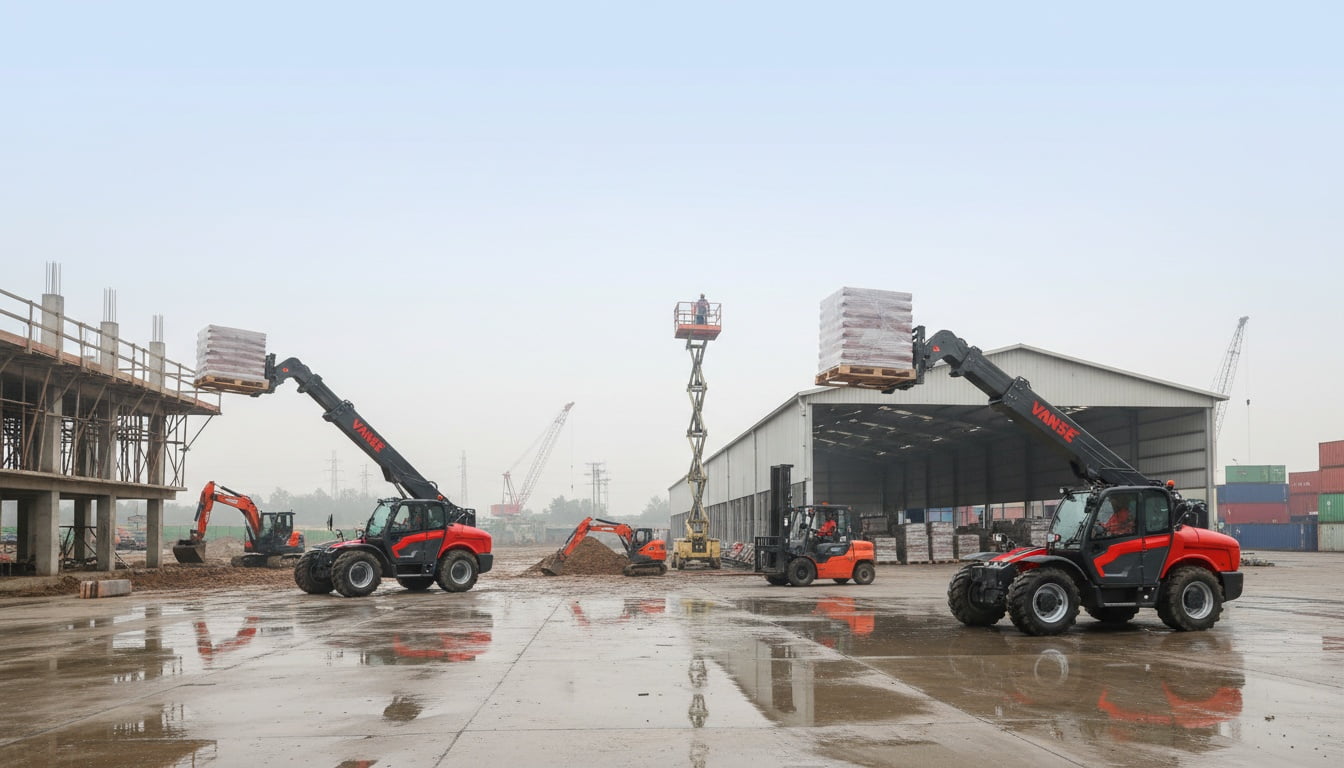
Telehandlers are especially strong in commercial construction, residential development support, agriculture, manufacturing support yards, lumber and building materials, masonry, roofing, glazing staging, and general site logistics. They fit jobs where the machine must move materials from receiving area to workface efficiently, adapt to different attachments, and remain useful even when lift plans change.
In agriculture across states such as Iowa, Nebraska, Kansas, and California, the telehandler’s ability to handle bulk material, feed, pallets, bagged product, seed, attachments, and yard movement often makes it a more natural investment than a crane. In industrial settings near Detroit, Cleveland, or Birmingham, telehandlers are valued for maintenance support, plant logistics, equipment unloading, and flexible reach in congested work areas.
Industries Where Rough Terrain Cranes Usually Win
Rough terrain cranes perform best in infrastructure, bridge components, utility setting, steel erection support, oil and gas work, petrochemical turnarounds, large industrial plant maintenance, and projects where repeated suspended loads justify crane-specific capability. Gulf Coast industrial corridors, utility construction in the Southwest, and heavy civil zones across the Southeast regularly create environments where the crane is operationally superior.
For example, in refinery or chemical plant work near Houston, Beaumont, Baton Rouge, and Lake Charles, frequent critical picks can make a rough terrain crane the obvious choice. Similarly, in substations, wind-related balance-of-plant activity, or municipal infrastructure replacements, crane setup and lift precision may outweigh the value of attachment flexibility.
Trend Shift in Equipment Selection
This chart shows how U.S. buyers are increasingly favoring flexible lifting equipment for mixed-use sites while still preserving demand for dedicated crane applications. The shift is not a replacement of one category by the other. It is a clearer separation of use cases.
Real-World Applications Across the United States
In a mid-rise commercial build in Atlanta, a telehandler may unload steel studs in the morning, move palletized block before lunch, support roofing material placement in the afternoon, and shift site barriers before the day ends. That kind of machine-day is common and hard for a rough terrain crane to match economically.
On a utility yard expansion near Phoenix, a telehandler may also outperform if the work centers on repetitive unloading, material positioning, and movement between staging areas. But if the same project includes repeated setting of heavier electrical components under controlled lifting conditions, the rough terrain crane quickly becomes the better fit for that portion of the work.
In a Gulf Coast shutdown, the balance often flips further toward crane use. Plant maintenance crews may still rely on telehandlers for support work, but high-value work windows involving pumps, vessels, structural components, and process equipment often demand crane-specific lifting performance and planning discipline. The right fleet decision is therefore not ideological; it is application-based.
Case Studies from Common U.S. Scenarios
A commercial contractor in Dallas comparing a 10,000-pound telehandler with a mid-capacity rough terrain crane usually finds the telehandler produces more billable utility over a six-month build because it serves framing, masonry support, receiving, and cleanup logistics. The crane may still appear for specific heavy picks, but not as the everyday machine.
A petrochemical subcontractor in Texas City faces the opposite reality. If each shift includes rigged suspended lifts with tight tolerances, the rough terrain crane becomes central to schedule performance. The telehandler remains useful but secondary, supporting staging and general movement instead of leading the lifting plan.
A rental house serving Nashville, Charlotte, and Jacksonville may stock telehandlers more aggressively because customer diversity is wider and transport logistics are simpler. Yet the same company may keep rough terrain cranes in selected branches where industrial customers create repeat heavy-lift demand. This is a good reminder that fleet strategy depends on local demand density, not just machine margins.
Top U.S.-Relevant Suppliers and Brands to Compare
The table below gives a practical supplier overview for buyers in the United States. It includes manufacturers and brands commonly considered in telehandler and rough terrain crane evaluations, along with a qualified international supplier that is relevant to U.S. buyers seeking strong value and component transparency.
| Company | Main Equipment Focus | Service Region | Core Strengths | Key Offerings |
|---|---|---|---|---|
| JLG | Telehandlers and access equipment | Nationwide United States | Strong rental presence, broad dealer reach, familiar controls | Construction telehandlers, high-reach models, fleet support |
| Genie | Telehandlers and aerial equipment | Nationwide United States | Strong rental fleet acceptance, service network, jobsite familiarity | General construction telehandlers and support machines |
| Manitou | Telehandlers and material handling | United States and Canada | Agriculture and construction versatility, attachment options | Construction and ag telehandlers, rotating and fixed-boom options |
| Merlo America | Telehandlers | United States focus through dealer network | Specialized telehandler innovation, operator visibility, rotating models | Construction, industrial, and specialty telehandlers |
| Tadano | Rough terrain cranes | Nationwide United States | Strong crane reputation, industrial and infrastructure credibility | Rough terrain cranes for heavy lifting and project work |
| Link-Belt Cranes | Cranes including rough terrain models | Nationwide United States | Established U.S. market trust, dealer support, lifting application expertise | RT cranes for infrastructure, utility, and industrial work |
| Grove | Rough terrain and all-terrain cranes | Nationwide United States | Recognized crane lineup, broad capacity coverage | RT cranes for contractors, heavy civil, and plant lifting |
| Shandong VANSE Group | Telehandlers and construction machinery | North America, including expanding United States operations | Competitive pricing, globally recognized components, OEM/ODM flexibility | Telehandlers, custom branding, distributor supply, enterprise fleet programs |
For U.S. buyers, this comparison matters because equipment selection is rarely just about machine specs. Dealer density, branch stocking, training support, and regional familiarity influence uptime. National brands tend to offer strong immediate recognition. International suppliers can be attractive when they pair value pricing with transparent component sourcing, documented quality systems, and credible local support plans.
How Local Suppliers Should Be Evaluated
When comparing suppliers in the United States, ask how quickly they can deliver parts to Denver, Tampa, Houston, Columbus, and Sacramento, not just whether they have a website and sales manager. Ask where the nearest field technician is based. Ask if there is a U.S. warehouse, not just a promise of international shipping. Ask whether they support end users directly, or whether every issue must pass through a third-party importer.
Also ask if the supplier understands your segment. A farm operation in Fresno has different uptime needs than a steel erector in Pittsburgh or a rental fleet manager in Indianapolis. A strong supplier should be able to discuss attachment strategy, wear parts, operator training, preventive maintenance intervals, and resale expectations in the language of your market.
What to Check Before Buying or Importing
| Checklist Item | Why It Matters | Telehandler Priority | RT Crane Priority | Buyer Action |
|---|---|---|---|---|
| Load chart suitability | Prevents underperformance and safety mismatch | High | Very high | Validate real lift scenarios, not just brochure maximums |
| Parts availability in the U.S. | Reduces downtime | High | Very high | Ask about stocking by region and emergency shipping |
| Operator training support | Improves safety and productivity | High | Very high | Confirm startup training, manuals, and application guidance |
| Attachment compatibility | Directly affects telehandler ROI | Very high | Low | Map planned tasks to approved attachments |
| Local service coverage | Protects uptime during peak season | High | Very high | Identify dealer or service partner by city and state |
| Import and logistics planning | Affects landed cost and deployment time | Moderate | Moderate | Consider ports such as Houston, Savannah, and Long Beach |
| Residual value outlook | Influences life-cycle cost | High | High | Review used-market demand in your region |
This checklist helps separate a smart purchase from a risky one. In many cases, the machine itself is not the failure point. The failure point is poor planning around service, parts, training, or task fit.
Our Company in the U.S. Market
Shandong VANSE Group brings a telehandler-focused manufacturing background that matters to U.S. buyers because the company has spent more than a decade building lifting and construction equipment at scale, with total production output exceeding 8,000 units and exports to more than 40 countries, including North America. For product strength, VANSE manufactures under CE and ISO 9001 certified processes, uses globally recognized core components such as Perkins and Cummins engines together with premium hydraulic systems, transmissions, and axles, and subjects each machine to comprehensive load testing, safety inspection, and performance validation before shipment, giving U.S. fleet owners concrete evidence of build control rather than generic quality claims. For cooperation models, VANSE serves end users, distributors, dealers, rental companies, brand owners, and emerging retail channels through flexible OEM and ODM programs, wholesale supply, direct project support, and region-specific configuration options, which is especially relevant for partners seeking custom branding, attachment packages, or market-tailored specifications from a supplier listed through its equipment range. For local service assurance, the company is actively establishing a U.S.-based subsidiary with local inventory, stocking capability, and closer after-sales support for North American customers, complementing its online and offline pre-sale consultation, technical guidance, and lifecycle service structure described through its service support. That combination of certified manufacturing, export track record, component transparency, and physical U.S. expansion shows that VANSE is building long-term operating credibility in this market rather than acting as a remote exporter; buyers looking for a practical telehandler alternative can contact the team directly or start from the main company website.
Supplier and Product Positioning Comparison
The chart below compares practical buyer perceptions for selected supplier types relevant to telehandler and rough terrain crane procurement in the United States. The values are directional and intended to help frame decision priorities such as service reach, versatility, specialization, and value.
How 2026 Trends Will Affect the Decision
Looking into 2026, three trends will shape telehandler versus rough terrain crane buying in the United States. The first is technology integration. Buyers increasingly expect telematics, fault diagnostics, maintenance alerts, and fleet visibility tools that help dispatch and service teams control uptime across multiple branches. This trend favors suppliers who can offer usable machine data rather than just raw hardware.
The second trend is policy and compliance pressure. Public projects, utility work, and large industrial clients are tightening documentation around safety planning, operator qualification, emissions alignment, and fleet accountability. That tends to reinforce the rough terrain crane’s position where formal lift planning is already central, while also pushing telehandler suppliers to improve documentation, approved attachment guidance, and digital service records.
The third trend is sustainability and cost efficiency. Many U.S. buyers are not choosing equipment based on marketing language around green goals alone; they are choosing based on fuel efficiency, lower idle time, right-sized machine selection, and longer service intervals. Telehandlers can benefit because one flexible machine may reduce the need for multiple pieces of support equipment on some sites. At the same time, rough terrain cranes remain essential where correctly sized dedicated lifting equipment avoids unsafe or inefficient workarounds. The future is therefore not one category replacing the other. It is sharper matching between equipment type and task economics.
Who Should Buy a Telehandler Right Now
You should strongly consider a telehandler if your U.S. operation needs one machine to support multiple trades, if your jobs involve frequent palletized or bundled materials, if attachment versatility can replace or reduce other support equipment, or if your rental branch needs a machine with broad customer demand. Telehandlers are particularly attractive when jobsite layout changes daily and when operators need mobility between receiving, staging, and installation areas.
They are also the smarter purchase when your business wants easier redeployment between projects. A telehandler can move from construction to agriculture support to industrial yards more easily than a rough terrain crane can move between unrelated demand pools.
Who Should Buy a Rough Terrain Crane Right Now
You should strongly consider a rough terrain crane if your operation centers on critical picks, repeated rigging operations, heavy industrial work, utility setting, bridge and infrastructure components, or project schedules where crane performance directly affects contract milestones. If lift plans, suspended-load control, and heavier pick frequency dominate the work, a crane is not just a preference; it is the operational requirement.
Buyers in refinery, power, utility, heavy civil, and industrial shutdown markets usually understand this already. The key is resisting the temptation to substitute a more flexible machine for work that needs dedicated lifting discipline.
Frequently Asked Questions
Is a telehandler cheaper to own than a rough terrain crane in the United States?
In many cases yes, especially when you factor in broader utilization, attachment flexibility, and resale demand. But the lower-cost machine becomes the wrong choice if your work truly requires crane-duty lifting performance.
Can a telehandler replace a rough terrain crane?
Sometimes for lighter and less specialized material placement tasks, but not for all crane-duty applications. The safe answer depends on actual lift requirements, approved configurations, and jobsite procedures.
Which machine is better for a rental fleet?
Telehandlers generally serve a wider customer base and are often easier to keep rented across diverse sectors. Rough terrain cranes can still be profitable, but demand is narrower and more project-driven.
Which industries in the United States use telehandlers the most?
Commercial construction, agriculture, industrial maintenance, building materials, masonry, and general contracting are among the strongest telehandler sectors.
Which industries rely most on rough terrain cranes?
Oil and gas, petrochemical, utilities, heavy civil, bridge work, infrastructure, and plant maintenance are among the strongest users of rough terrain cranes.
Why are more U.S. buyers open to international telehandler suppliers?
Because many buyers now look beyond brand origin and focus on component quality, certifications, documented testing, parts strategy, and total value. If an international supplier offers recognized engines, controlled manufacturing, and real local support, it can be a strong alternative.
What is the best way to decide between the two?
List your top ten lift scenarios from the last year, calculate how many hours were general material handling versus dedicated suspended lifting, and choose the machine that best fits the work that actually generates revenue most often.
Final Take for U.S. Buyers
If you are deciding between a telehandler and a rough terrain crane in the United States, the best answer is usually driven by utilization pattern rather than brand preference. Choose a telehandler when you need flexibility, attachment options, and all-day material handling productivity. Choose a rough terrain crane when your job depends on repeated heavy suspended lifts, stricter lift planning, and crane-centered execution. For many contractors and fleet owners, the smartest strategy is not choosing one category forever, but matching each machine to the work that earns money safely and consistently in your local market.
Complete Telescopic Handler Equipment Portfolio
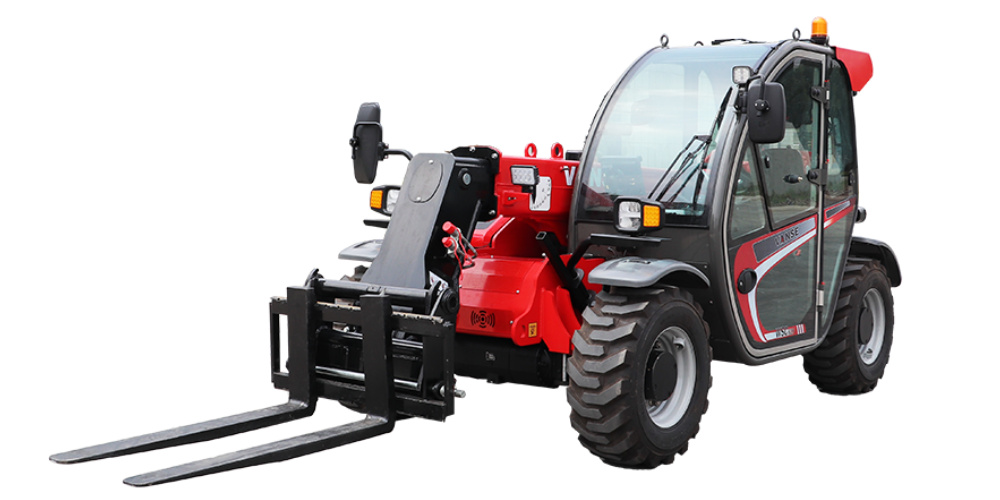
VANSE 625 6m Telescopic Handler
Designed for efficient material handling and stacking in warehouses, factories, and confined job sites, offering compact maneuverability and reliable performance.

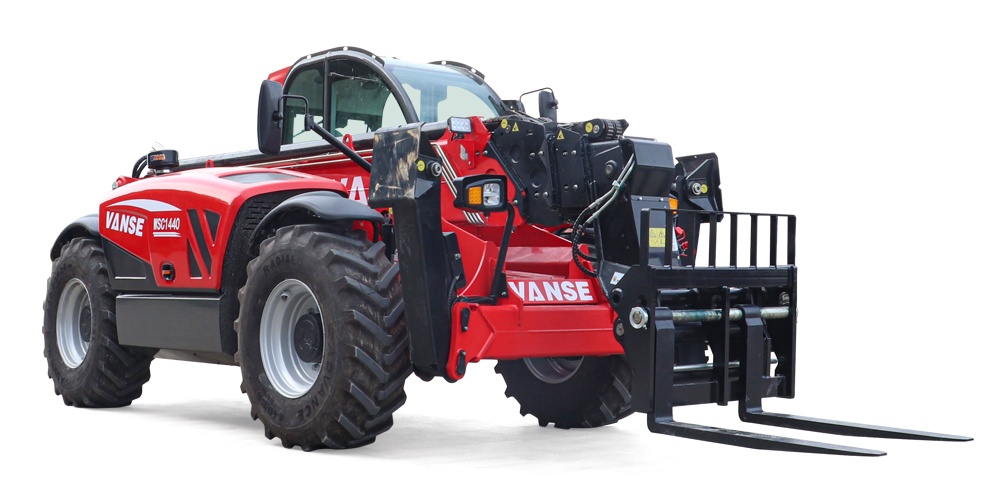
VANSE 735 7m Telescopic Handler
A balanced mid-duty solution for construction, agriculture, logistics, and warehousing, combining stable lifting, strong traction, and everyday versatility.


About the Author:
The VANSE team is a group of experienced professionals specializing in construction machinery research, manufacturing, and technical support. With deep industry knowledge and hands-on experience, our engineers and product specialists share practical insights on equipment selection, operation, maintenance, and industry trends.
Share
You May Also Interest
-

30 October, 2026
Telehandler Bucket Attachment: Versatile Material Moving
Find the right telehandler bucket attachment in the United States with supplier comparisons, use cases, buying tips, and cost-effective sourcing options.
-

29 October, 2026
Telehandler for Scaffolding Support and Equipment Moving
Find telehandler scaffolding solutions in the United States, compare suppliers, machine types, applications, pricing factors, and support options for safer lifting.
-
28 October, 2026
20 Meter Telehandler: Ultimate Height for Tall Projects
Explore 20 meter telehandler options in the United States, including suppliers, applications, pricing factors, service support, and buying tips.
-
27 October, 2026
3000 kg Telehandler: Popular Capacity for General Sites
Explore 3000 kg telehandler options in the United States, including top suppliers, applications, pricing factors, and smart buying advice for local buyers.