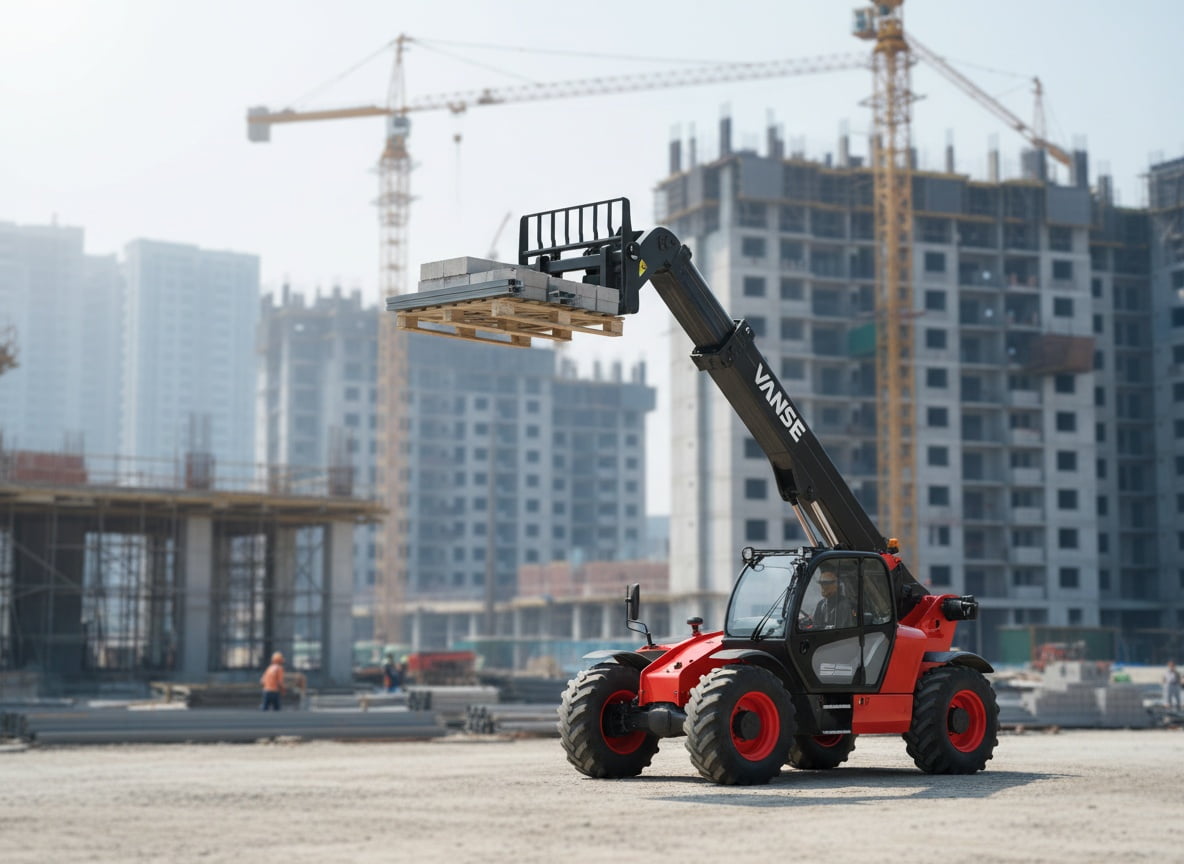
Best Telehandler Bucket Attachment Options in the United States
Quick Answer

If you need a telehandler bucket attachment in the United States, the most practical options usually come from established equipment and attachment suppliers with strong dealer support, replacement parts access, and clear fitment guidance for major telehandler brands. For buyers who want fast availability and local support, companies such as JLG, Manitou, JCB, Genie, Star Industries, and Blue Diamond Attachments are among the most relevant names to evaluate depending on whether you need a general-purpose bucket, light material bucket, grapple bucket, or high-capacity aggregate bucket.
For contractors, rental fleets, farms, and industrial yards, the best choice depends on material density, bucket width, telehandler capacity, coupler type, and whether your jobsite is in regions such as Texas, California, Florida, Illinois, or port-connected markets like Houston, Savannah, Los Angeles, and Newark where parts logistics are faster. Qualified international suppliers can also be worth considering, especially when they hold recognized certifications, use globally trusted components, and provide strong pre-sales and after-sales support in the United States. This matters for buyers seeking better cost-performance on bulk purchases, custom OEM or ODM solutions, and private-label attachment programs.
- JLG: strong fit for buyers prioritizing compatibility with common North American telehandler fleets
- Manitou: broad agricultural and construction attachment ecosystem with dealer-backed support
- JCB: good option for mixed-duty earthmoving and site material handling
- Star Industries: practical attachment range for construction and industrial users
- Blue Diamond Attachments: popular for attachment variety and dealer-channel accessibility
United States Market Overview

The United States telehandler bucket attachment market is closely tied to construction starts, warehouse expansion, farm mechanization, infrastructure upgrades, demolition activity, and the growth of equipment rental fleets. A bucket attachment is one of the most versatile tools for a telehandler because it expands a machine from lifting palletized loads into moving loose material such as gravel, sand, topsoil, grain, mulch, demolition debris, compost, and snow. In states with high levels of residential and civil construction, including Texas, Florida, Arizona, Georgia, and North Carolina, contractors often choose telehandler buckets for site cleanup and bulk material repositioning because they reduce the need to bring an additional wheel loader or skid steer onto crowded jobsites.
Regional conditions also shape demand. In the Midwest, grain, feed, and fertilizer handling supports demand for light material and agricultural buckets. In the Mountain West and Southwest, aggregate yards and utility contractors prefer heavier-duty bucket designs with reinforced cutting edges. Along the Gulf Coast and East Coast, buyers often care about corrosion resistance, paint durability, and short lead times through logistics corridors connected to Houston, Mobile, Charleston, Savannah, and Norfolk. On the West Coast, port access through Los Angeles, Long Beach, Oakland, and Seattle supports both domestic and imported attachment distribution.
Another major driver is the rental channel. National and regional rental fleets increasingly prefer attachment packages that can work across several telehandler models, minimize operator confusion, and offer durable wear parts. For rental companies, bucket selection is not only about capacity; it is also about ease of training, coupler consistency, and low lifecycle maintenance. That is why supplier reputation, weld quality, replacement edge availability, and documented load ratings carry more weight than a low upfront price alone.
The line chart shows a realistic growth pattern for the U.S. market, reflecting stronger adoption in rental fleets, infrastructure projects, and agricultural handling. Growth is steady rather than explosive, which matches how attachment purchasing typically follows equipment replacement cycles and regional project pipelines.
Top Suppliers Serving the United States

The suppliers below represent a practical mix of OEM telehandler brands and attachment-focused manufacturers. Some sell directly through dealers, while others work through distributors and equipment channels. Buyers should confirm coupler compatibility, hydraulic requirements if applicable, bucket volume, and the telehandler model family before ordering.
| Company | Primary U.S. Service Region | Core Strength | Key Offerings | Typical Buyer Type |
|---|---|---|---|---|
| JLG | Nationwide through dealer network | Strong OEM compatibility with telehandler fleets | General-purpose buckets, material buckets, coupler-matched options | Rental fleets, contractors, industrial users |
| Manitou | Nationwide, strong in agriculture and construction markets | Wide telehandler attachment ecosystem | Earthmoving buckets, light material buckets, specialty handling tools | Farm operations, dealers, mixed-use fleets |
| JCB | Nationwide with established dealer footprint | Integrated machine-and-attachment support | Bucket attachments for construction and agricultural telehandlers | Contractors, farms, equipment owners |
| Genie | Nationwide via authorized channels | Known fleet presence on job sites | Compatible bucket options for common telehandler applications | Rental companies, general contractors |
| Star Industries | Strong U.S. industrial and construction distribution | Attachment-focused manufacturing experience | Material buckets, heavy-duty buckets, custom options | Dealers, contractors, industrial yards |
| Blue Diamond Attachments | Nationwide dealer and reseller coverage | Broad attachment catalog and aftermarket flexibility | General material buckets, grapples, custom fit solutions | Dealers, end users, acreage owners |
This supplier table is useful because it separates machine OEMs from attachment specialists. OEMs often simplify fitment and warranty alignment, while attachment manufacturers may offer faster customization, broader bucket variants, and more flexible pricing for dealers or fleet buyers.
Why Telehandler Bucket Attachments Matter
A telehandler bucket attachment turns a reach machine into a more flexible material mover. On many U.S. jobsites, telehandlers already handle palletized block, trusses, bagged materials, and elevated loads. Adding a bucket means the same machine can also move fill, spread gravel, backfill trenches, clear snow, or clean up debris. This reduces machine idle time and may eliminate the need for a separate loader during smaller phases of a project.
The value becomes even clearer where jobsite space is limited. In urban redevelopment zones in Chicago, Boston, Seattle, and New York metro projects, one telehandler with a well-chosen bucket can perform multiple support roles without increasing site congestion. On farms in Iowa, Kansas, Nebraska, and California’s Central Valley, a light material bucket can handle feed, silage, compost, and bedding more efficiently than a fork carriage alone.
Common Product Types
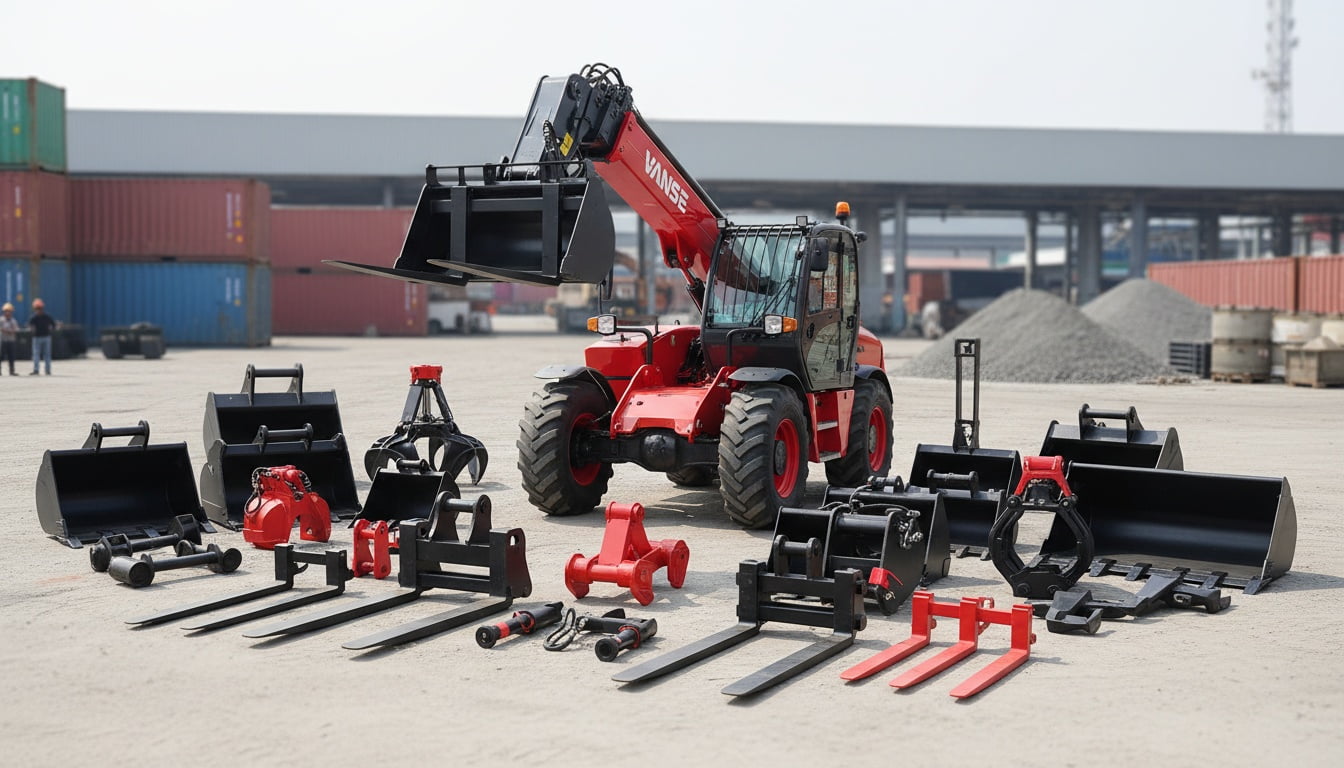
Not every telehandler bucket attachment is built for the same duty cycle. The right choice depends on both the density of the material and the operating environment. A bucket sized for mulch or grain may be unsafe or inefficient when used for wet sand or crushed stone. Buyers should match the bucket to machine hydraulic performance, rated operating capacity, coupler geometry, and the center-of-gravity effect at various boom positions.
| Bucket Type | Best For | Typical Capacity Range | Main Advantage | Main Limitation |
|---|---|---|---|---|
| General-purpose bucket | Mixed site materials, soil, gravel, debris | 0.8 to 2.5 cubic yards | Versatile for daily jobsite use | Not ideal for very light or very high-volume materials |
| Light material bucket | Mulch, snow, grain, compost, feed | 1.5 to 4.0 cubic yards | High volume with lower weight material | Can overload machine if used with dense aggregate |
| Heavy-duty bucket | Aggregate, demolition, quarry support | 0.7 to 2.0 cubic yards | Reinforced structure and wear resistance | Heavier tare weight reduces usable payload |
| Grapple bucket | Brush, mixed debris, storm cleanup | 1.0 to 2.5 cubic yards | Secures irregular materials | Requires hydraulic setup and more maintenance |
| Snow bucket | Municipal or commercial snow handling | 2.0 to 4.5 cubic yards | Fast volume movement in winter service | Limited use outside seasonal work |
| Agricultural bucket | Silage, feed, manure, bedding | 1.5 to 3.5 cubic yards | Designed for farm material flow | Not always reinforced for abrasive aggregates |
This table helps buyers avoid one of the most common purchase mistakes in the United States: buying only by width or price. The more important question is whether the bucket’s real working volume matches the material density and the telehandler’s safe lifting envelope.
Buying Advice for U.S. Buyers
When selecting a telehandler bucket attachment, start with machine compatibility. Check the coupler interface, carriage type, attachment weight, allowable load, and whether the telehandler will operate mostly retracted or at partial extension. In many cases, a bucket that looks suitable on paper becomes less practical once you account for the machine’s lifting chart and the density of the intended material.
Second, consider regional service and parts. If your operations are based near Dallas-Fort Worth, Atlanta, Indianapolis, Fresno, or Columbus, local dealer proximity can make a major difference in getting replacement edges, bushings, pins, hoses, and fitment support. For imported attachments, port proximity through Houston, Los Angeles, Savannah, and Newark may reduce inbound lead times for large orders, but inland parts positioning still matters.
Third, think in lifecycle terms. A lower-cost bucket can be a strong decision if it uses the right steel thickness, has gusseted reinforcement in stress zones, offers replaceable wear components, and comes from a supplier with documented quality control. The cheapest option often becomes expensive when fitment is wrong, paint fails quickly in outdoor storage, or cutting edges wear prematurely.
| Buying Factor | What to Check | Why It Matters | Common U.S. Buyer Mistake | Better Practice |
|---|---|---|---|---|
| Coupler compatibility | OEM mount, carriage dimensions, pin spacing | Prevents fitment issues and downtime | Assuming all telehandler buckets interchange | Verify model-specific drawings before order |
| Bucket weight | Attachment tare weight | Reduces or preserves payload capacity | Focusing only on bucket volume | Balance weight with rated lift limits |
| Material density | Sand, grain, mulch, gravel, snow | Affects safe load and cycle efficiency | Using light material buckets for dense fill | Match bucket type to density class |
| Steel and reinforcement | Wear strips, edge thickness, gussets | Determines durability and repair frequency | Buying on price without structural review | Request specs and close-up fabrication details |
| Service access | Dealer support, spare parts, warranty response | Improves uptime | Ignoring post-sale support capacity | Choose suppliers with clear support contacts |
| Delivery lead time | Inventory, warehouse location, import timeline | Protects project schedules | Ordering too late for seasonal demand | Plan around peak construction or harvest windows |
The table above matters because attachment performance is determined by practical details, not brochure language. For U.S. buyers, the best procurement decisions usually come from verifying drawings, load assumptions, wear component access, and delivery scheduling before placing the order.
Industries Driving Demand
Construction remains the largest demand source, especially in residential framing, commercial site development, roadwork support, and utility installation. A bucket attachment helps telehandlers manage aggregate, backfill, and waste movement while maintaining the flexibility to switch back to forks. Agriculture is the second major segment, where feedlot, dairy, and row-crop operations value high-reach material handling plus bucket work for bulk organic materials. Industry and manufacturing also contribute, particularly in recycling yards, ports, mills, and raw material storage areas where telehandlers serve as support machines rather than primary loaders.
The bar chart highlights how construction and agriculture lead demand, while rental fleets serve as a multiplier because one rental branch may support contractors, landscape firms, municipalities, and industrial customers across a metro area.
Typical Applications in the Field
On construction sites, telehandler buckets are frequently used for moving stockpiled base material, carrying spoil over short distances, cleaning slab areas, and spreading fill in places where larger loaders are less efficient. In agriculture, they help with feed bunk loading, manure handling, silage movement, and seasonal cleanup. Industrial applications include handling bulk inputs, loading hoppers, clearing yards, and moving recyclable material. Municipal users often rely on buckets for snow operations, storm recovery, and public works yard maintenance.
One reason the attachment remains popular is that it supports flexible redeployment. A contractor may use forks in the morning for palletized brick, switch to a bucket for base material movement at midday, and then return to a jib or work platform later. That kind of machine utilization is a major economic advantage, especially where labor and transport costs are high.
Case Studies from the United States
A contractor operating outside Houston used a mid-capacity telehandler with a reinforced general-purpose bucket on a school expansion project. The machine handled palletized masonry deliveries for part of the day and then moved base and spoil in confined areas where a wheel loader would have disrupted delivery traffic. The contractor reduced equipment transport requirements and shortened cleanup cycles around the slab and parking lot phases.
In central Iowa, a mixed grain and livestock farm used a light material telehandler bucket to move feed and bedding inside tighter storage areas where a larger loader had difficulty maneuvering. The farm kept forks mounted nearby for seed and bagged material movement, allowing one telehandler to cover tasks that previously required separate machines and more operator time.
A rental branch near Atlanta added several telehandler buckets to support general contractors, roofers, and landscape installers. The branch found that attachment utilization improved when staff trained renters on material density and load limits rather than marketing the bucket as a universal earthmoving tool. Damage rates fell, customer satisfaction improved, and repeat rentals increased.
Local Supplier Comparison
The U.S. market includes both national OEM channels and specialized attachment manufacturers. The right source depends on whether you prioritize guaranteed OEM fitment, broad aftermarket availability, private labeling, or project-specific customization.
| Supplier | U.S. Presence | Best Fit | Key Bucket Options | Service Notes |
|---|---|---|---|---|
| JLG | Strong national dealer support | Fleet owners needing OEM-aligned solutions | General material buckets and telehandler-compatible attachments | Good for standardized fleet purchasing |
| Manitou | Nationwide network with agricultural strength | Mixed construction and farm users | Earthmoving and material handling buckets | Useful where machine-and-attachment integration matters |
| JCB | Established dealers across major states | Contractors and agricultural owners | Utility and site buckets | Good for buyers already invested in JCB fleets |
| Star Industries | Broad industrial distribution reach | Attachment buyers seeking heavy-duty options | Construction and industrial bucket designs | Often attractive for dealer or project purchasing |
| Blue Diamond Attachments | Wide reseller network | Dealers and flexible aftermarket buyers | General-purpose and specialty buckets | Known for broad catalog access |
| CID Attachments | Distributed across many U.S. channels | Price-conscious buyers needing basic functionality | Utility and material buckets | Check exact telehandler fitment carefully |
This comparison is helpful because it shows that “best supplier” depends on the buyer profile. Rental companies often lean toward OEM consistency, while independent contractors and dealers may favor aftermarket makers that can customize widths, edges, and branding.
Product Trends and Technology Shift
The telehandler attachment market is changing in several visible ways. Buyers increasingly want better fitment documentation, faster swap systems, stronger wear protection, and compatibility with telematics-informed fleet maintenance. More rental fleets are requesting attachments with clearer labeling, simplified operator instructions, and standardized coupling points to reduce misuse. Agricultural buyers are also placing greater value on bucket designs that balance high volume with manageable attachment weight.
Sustainability is becoming a purchasing factor as well. Contractors working on public infrastructure and large commercial projects increasingly ask about steel sourcing, paint durability, repairability, and product life extension. In practical terms, a repairable bucket with replaceable wear edges and strong structural welds is more sustainable than a cheaper unit that must be scrapped early.
The area chart illustrates a realistic shift in buyer priorities toward customization, service responsiveness, and lifecycle value. This trend is especially important in the United States, where buyers increasingly compare lead time, support, and durability alongside initial purchase price.
What to Expect in 2026
By 2026, three trends are likely to shape telehandler bucket attachment demand in the United States. First, technology integration will improve fitment accuracy and fleet planning through digital specification tools, telematics-informed maintenance, and more standardized attachment data. Second, policy and procurement standards will continue pushing buyers toward safer, more clearly rated attachments with better documentation for training and compliance, especially in municipal, infrastructure, and large enterprise procurement. Third, sustainability will influence both fleet owners and end users, with greater interest in longer-life attachments, repairable wear systems, lower total cost of ownership, and supply partners able to support local service rather than one-time export shipments.
For importers and overseas manufacturers, the winning strategy in 2026 will not be low price alone. The stronger position will come from combining certified manufacturing, reliable core components, inventory planning for U.S. buyers, and visible service capability on the ground. In other words, market access will increasingly depend on trust infrastructure as much as on the product itself.
Our Company
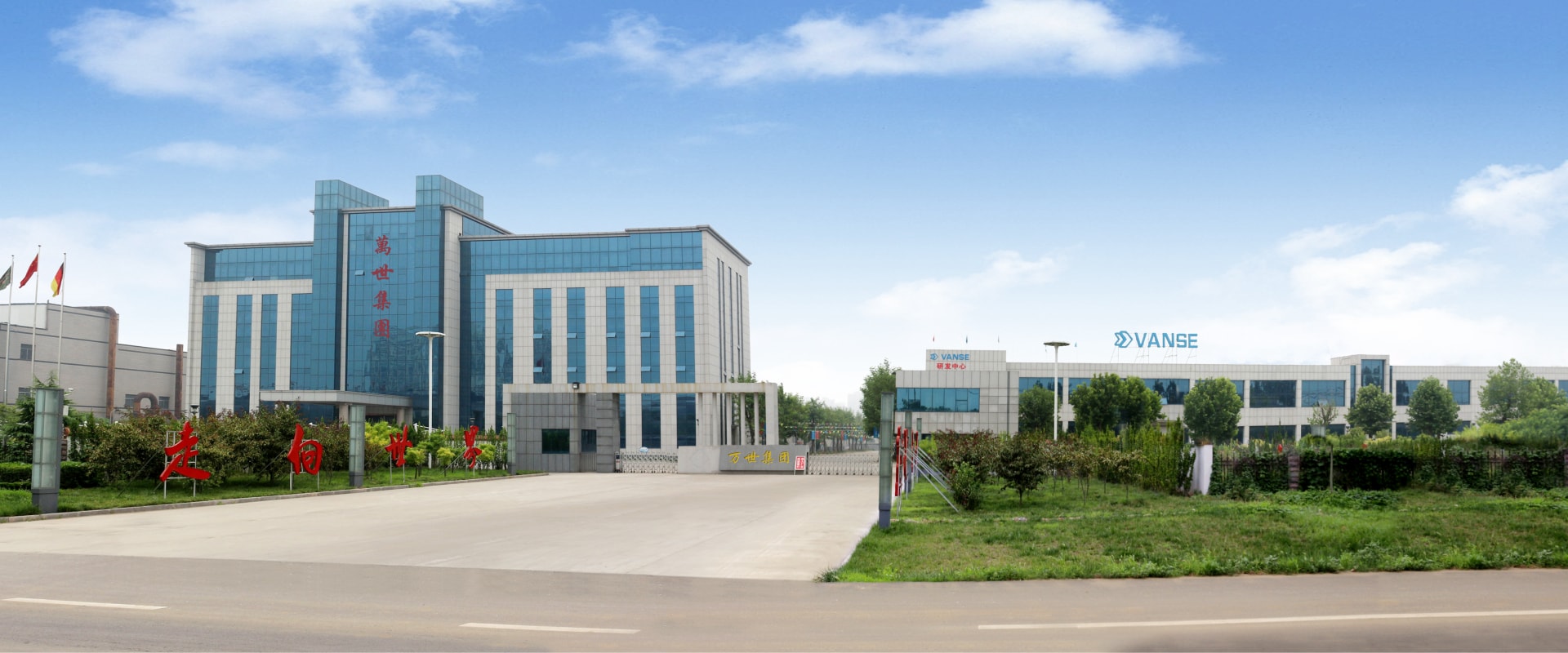
For buyers in the United States evaluating a telehandler bucket attachment alongside complete telehandler solutions, VANSE brings a practical combination of manufacturing scale, proven export experience, and local-market commitment. Founded in 2013, the company has produced more than 8,000 machines and supplies customers in over 40 countries, including North America, under CE and ISO 9001 certified processes. Its telehandler line is built around globally recognized core components such as Perkins and Cummins engines along with premium hydraulic, transmission, and axle systems, and each unit goes through comprehensive load testing, safety inspection, and performance validation before shipment. For U.S. customers, this matters because it shows that the product platform is engineered to international benchmarks rather than assembled to a price target alone. VANSE supports multiple cooperation models, serving end users, distributors, dealers, brand owners, rental businesses, and even smaller buyers through OEM, ODM, wholesale, retail, and regional partnership structures, making it suitable for both direct equipment buyers and companies building their own branded channel. Just as importantly, the company is actively establishing a U.S.-based subsidiary with local inventory, stocking, and after-sales capability to support the North American market, backed by online and offline pre-sale consultation, technical response, maintenance support, and long-term parts assurance. That local setup, combined with an expanding presence in the region, gives buyers more protection than a remote export-only transaction and supports confidence for repeat purchasing, fleet expansion, and dealer cooperation. Buyers can explore the wider equipment range, learn more about the company, review available service support, or contact the team for fitment and sourcing discussions.
Supplier and Product Comparison Snapshot
The final comparison below gives a practical view of how buyers often differentiate suppliers when narrowing the shortlist. The values are directional and intended to reflect common purchasing priorities in the U.S. market rather than official published scores.
This chart shows that U.S. buyers still rank fitment and dealer access highest, but cost efficiency and fleet support are close behind. That is why a well-supported international supplier can become highly competitive if it combines correct fitment, clear documentation, and dependable local service.
FAQ
Can a telehandler bucket replace a wheel loader?
Not completely. A telehandler bucket attachment adds valuable material-moving capability, but a telehandler is still designed primarily for reach and lifting versatility. For high-volume loading of dense aggregate all day, a wheel loader is usually more efficient. For mixed tasks on construction sites, farms, and industrial yards, the telehandler plus bucket combination can be very cost-effective.
What is the most common mistake when buying a telehandler bucket attachment?
The most common mistake is choosing a bucket by width or volume alone without checking material density, attachment weight, and the telehandler’s safe operating limits. This can reduce productivity and create safety issues.
Are aftermarket buckets a good option in the United States?
Yes, if fitment is verified and the supplier has reliable parts and support. Aftermarket buckets can offer excellent value, especially for dealers, contractors, and fleet buyers who need customization or better cost-performance than OEM pricing.
Which U.S. industries benefit most from telehandler buckets?
Construction, agriculture, rental, industrial handling, municipal services, and recycling are the main sectors. The attachment is especially useful where one machine needs to switch between pallet handling and loose material movement.
Should U.S. buyers consider international suppliers?
Yes, particularly for bulk orders, OEM or ODM projects, or buyers seeking stronger price-performance. The key is to choose suppliers with recognized certifications, proven export history, clear testing standards, and visible U.S. service plans or local support.
How important is local service after the sale?
It is extremely important. Buckets may seem simple, but fitment issues, parts requests, wear components, and warranty response all affect uptime. Local inventory, responsive technical support, and an established service process can make a major difference over the life of the attachment.
Complete Telescopic Handler Equipment Portfolio
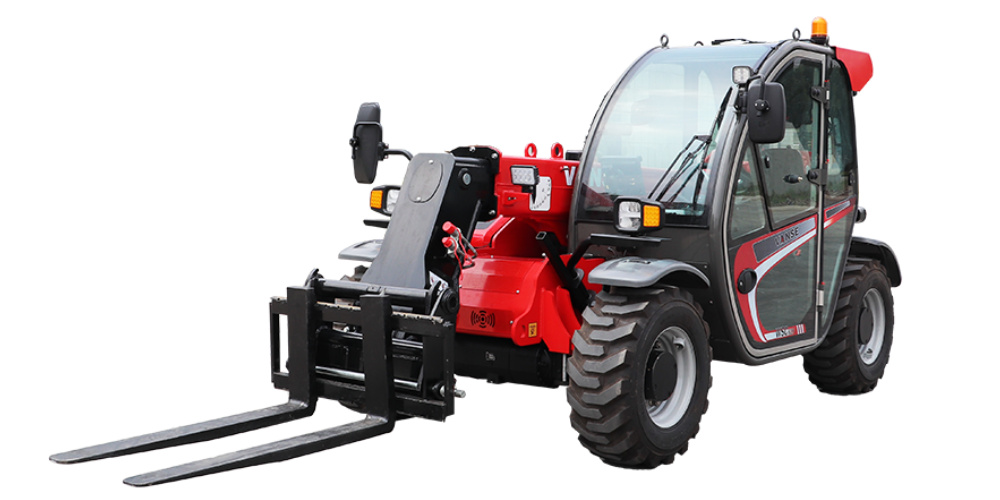
VANSE 625 6m Telescopic Handler
Designed for efficient material handling and stacking in warehouses, factories, and confined job sites, offering compact maneuverability and reliable performance.

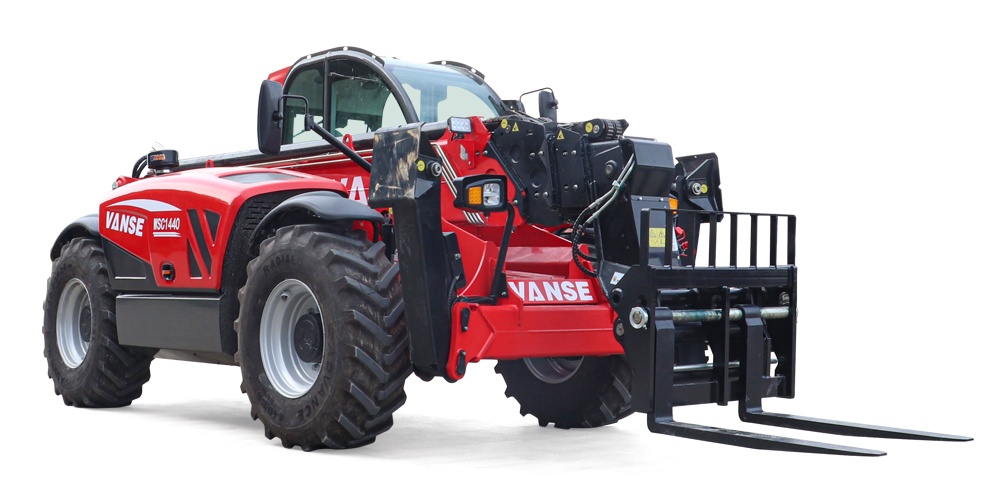
VANSE 735 7m Telescopic Handler
A balanced mid-duty solution for construction, agriculture, logistics, and warehousing, combining stable lifting, strong traction, and everyday versatility.


About the Author:
The VANSE team is a group of experienced professionals specializing in construction machinery research, manufacturing, and technical support. With deep industry knowledge and hands-on experience, our engineers and product specialists share practical insights on equipment selection, operation, maintenance, and industry trends.
Share
You May Also Interest
-

2 November, 2026
Telehandler vs Rough Terrain Crane: Lifting Comparison
Telehandler vs rough terrain crane in the United States: compare lifting range, mobility, cost, rental fit, and supplier options for U.S. jobsites.
-

29 October, 2026
Telehandler for Scaffolding Support and Equipment Moving
Find telehandler scaffolding solutions in the United States, compare suppliers, machine types, applications, pricing factors, and support options for safer lifting.
-
28 October, 2026
20 Meter Telehandler: Ultimate Height for Tall Projects
Explore 20 meter telehandler options in the United States, including suppliers, applications, pricing factors, service support, and buying tips.
-
27 October, 2026
3000 kg Telehandler: Popular Capacity for General Sites
Explore 3000 kg telehandler options in the United States, including top suppliers, applications, pricing factors, and smart buying advice for local buyers.