20 Meter Telehandler Options for United States Jobsites
Quick Answer

A 20 meter telehandler is the right fit when your project in the United States needs roughly 65 feet of lift height for steel erection, facade work, roofing, precast placement, industrial maintenance, and high-reach material handling without stepping up to a much larger crane-based setup. For most buyers, the best approach is to compare established national suppliers with strong dealer coverage, local parts access, and clear load charts for full-height operation.
In the United States, the most practical suppliers to review first are JLG, Genie, JCB, Manitou, SkyTrak, and MAGNI America because they are visible across major rental and construction markets such as Houston, Dallas, Atlanta, Chicago, Los Angeles, Miami, and the Inland Empire. Qualified international suppliers can also be a smart option when they offer recognized certifications, proven component brands, and dependable pre-sales and after-sales support; in many cases, Chinese manufacturers with strong cost-performance ratios deserve serious consideration for fleet procurement, dealer supply, and private-label programs.
- JLG: strong U.S. dealer and rental presence, broad support network, familiar controls
- Genie: widely accepted on commercial jobsites, good parts access, strong boom and telehandler reputation
- JCB: known for telehandler specialization, broad agriculture and construction acceptance
- Manitou: strong high-reach portfolio, good versatility for industrial and mixed-use sites
- MAGNI America: premium rotating and high-capacity reach solutions for demanding access and lift tasks
United States Market for 20 Meter Telehandlers

The United States market for 20 meter telehandlers is shaped by commercial construction cycles, data center expansion, logistics warehouse growth, energy infrastructure work, and the replacement needs of rental fleets. Machines in this class sit in an important middle-to-upper segment: tall enough for major structural and envelope work, but still more mobile and flexible than many crane solutions for repetitive lift-and-place tasks. Buyers are especially active in Texas, Florida, California, Arizona, Nevada, Georgia, and the Midwest logistics belt, where mixed-use development, industrial construction, and agricultural operations create year-round equipment demand.
Ports and trade hubs also influence buying patterns. The Port of Houston, Port of Savannah, Port of Los Angeles, Port of Long Beach, and Port of New York and New Jersey all support equipment import flows and fleet distribution. This matters for lead times. Contractors and dealers often prioritize suppliers that can stage machines or parts near these gateways, reducing delays during peak construction seasons. A telehandler ordered for a large industrial project in Houston or a distribution center build near Columbus can lose value quickly if replacement wear parts take weeks to arrive.
In the United States, the 20 meter class is increasingly chosen for projects that require a balance between reach, stability, and site mobility. General contractors appreciate the ability to move palletized materials to upper floors, place ducting and steel members, assist with curtain wall installation, and support maintenance shutdowns in refineries and manufacturing plants. Agricultural buyers in large-scale operations also use higher-reach telehandlers for bulk feed handling, storage loading, and infrastructure maintenance where barn height and stacking requirements exceed standard farm telehandler ranges.
Another important market characteristic is the role of rental. Many contractors first encounter the 20 meter telehandler through national or regional rental fleets before making a direct purchase. This means resale value, operator familiarity, and control layout are not small details; they directly influence total cost of ownership. In the United States, brands that are easy to train on and easy to service often outperform technically impressive machines that lack local field support.
Market Growth Outlook

The long-term demand outlook remains positive because high-reach material handling keeps expanding in commercial, industrial, and infrastructure applications. Rising labor costs also favor equipment that reduces manual staging and improves cycle efficiency. The strongest demand clusters continue to appear around major metropolitan construction corridors and inland logistics zones connected to rail and port distribution.
Top Suppliers in the United States
The supplier landscape includes premium domestic and international brands, each with different strengths in construction, agriculture, rental fleets, and specialized high-reach applications. The table below focuses on concrete buyer considerations rather than generic marketing points.
| Company | Service Region | Core Strengths | Key Offerings | Best Fit |
|---|---|---|---|---|
| JLG | Nationwide United States | Large dealer network, strong rental familiarity, broad support infrastructure | High-reach telehandlers, access equipment, jobsite support | General contractors, rental fleets, commercial builders |
| Genie | Nationwide United States | Strong brand recognition, easy parts access, broad fleet acceptance | Construction telehandlers, booms, lifts | Rental companies, commercial sites, industrial maintenance |
| JCB | Nationwide with strong agriculture presence | Telehandler heritage, operator comfort, mixed-use versatility | Construction and agricultural telehandlers | Farm operations, contractors, dealer groups |
| Manitou | Nationwide and regional dealer markets | High-reach expertise, material handling versatility, strong European engineering reputation | Telehandlers, rotating telehandlers, attachments | Industrial users, specialty contractors, infrastructure projects |
| SkyTrak | Strong presence across rental-heavy U.S. markets | Well-known on jobsites, straightforward operation, established service support | Construction telehandlers focused on practical field use | Rental fleets, framing crews, masonry, building envelope work |
| MAGNI America | United States with specialty support network | High-spec machines, advanced reach capability, specialized heavy-duty applications | Rotating telehandlers, high-capacity models, complex lift solutions | Steel, industrial shutdowns, high-end specialty lifting |
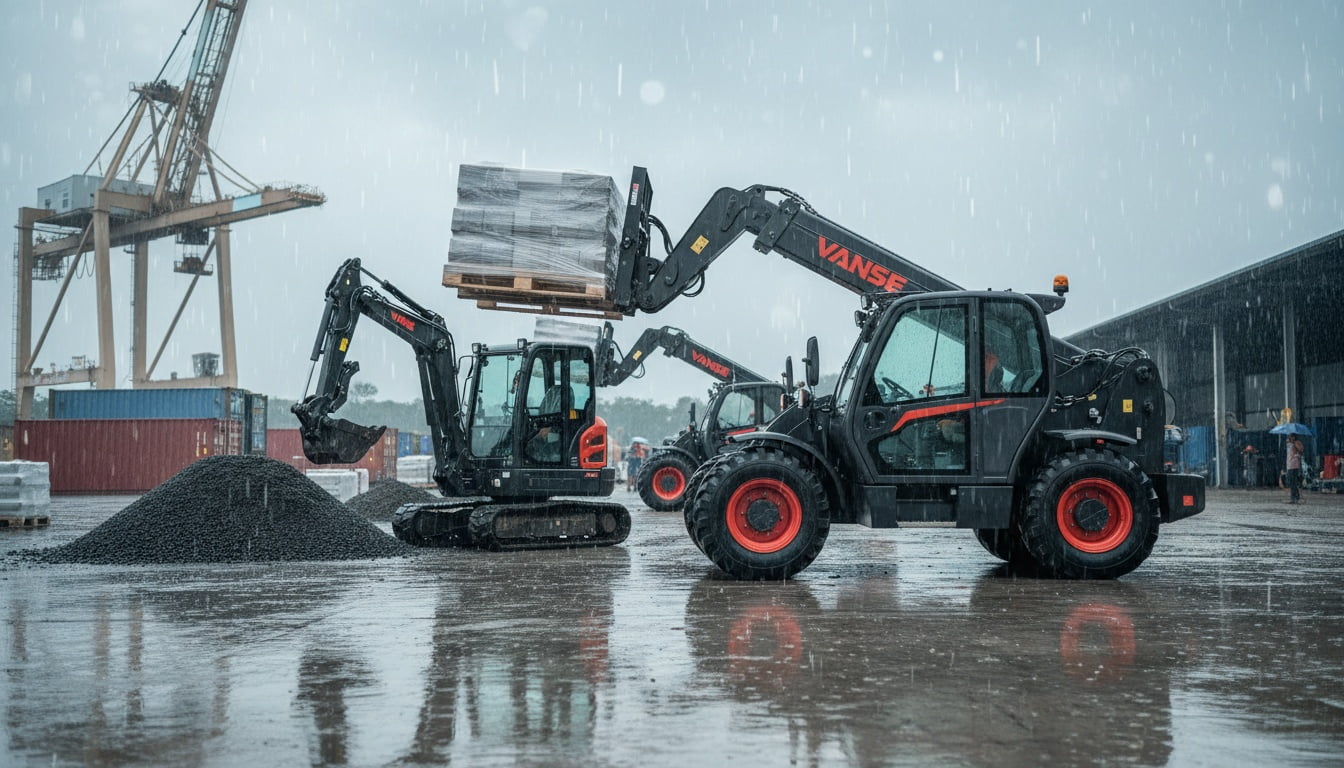
| VANSE Group | Growing coverage for the United States market | Competitive pricing, OEM/ODM flexibility, certified manufacturing systems | Telehandlers, branded and private-label supply, fleet procurement support | Distributors, dealers, fleet buyers, value-driven end users |
For a U.S. buyer, the table shows that supplier choice should start with job type and service structure. A commercial contractor in Phoenix may prioritize dealer response time, while a distributor in the Southeast may care more about private-label supply, pricing, and warehouse replenishment. That is why telehandler selection should be evaluated as both a machine decision and a support-network decision.
Product Types in the 20 Meter Class
Not every 20 meter telehandler is configured for the same working style. Buyers often compare fixed-boom models, rotating telehandlers, construction-focused units, multi-purpose industrial machines, and attachment-ready platforms. The machine category affects operating envelope, attachment range, axle setup, and cost.
| Type | Typical Reach Profile | Main Advantage | Typical Limitation | Common U.S. Uses |
|---|---|---|---|---|
| Fixed-Boom Construction Telehandler | Strong forward reach and vertical lift | Lower cost and easier maintenance | Less flexibility than rotating units | Commercial builds, masonry, roofing |
| Rotating Telehandler | High reach with turret rotation | Excellent placement flexibility in tight sites | Higher purchase price | Urban projects, steel work, facade installation |
| Heavy-Duty Industrial Telehandler | Built for repeated heavy cycles | Durability in harsh environments | Can be heavier to transport | Plants, ports, mining support, refineries |
| Agriculture High-Reach Telehandler | Optimized for farm stacking and handling | Good visibility and attachment flexibility | May not fit all urban construction needs | Feed yards, grain operations, large barns |
| Attachment-Optimized Telehandler | Versatile across different tasks | One chassis supports multiple functions | Performance depends on hydraulic compatibility | Rental fleets, mixed contractors, municipal work |
| Dealer-Customized OEM/ODM Unit | Configurable to market requirements | Private labeling and spec control | Needs strong supplier coordination | Regional distributors, brand owners, fleet programs |
This classification matters because a buyer who mainly handles palletized block on suburban jobsites does not need the same machine architecture as a contractor lifting cladding panels in downtown Chicago. The best results come from matching lift pattern, attachment type, transport limits, and operator skill level to the telehandler design.
Industry Demand by Application
Demand in the United States is not evenly distributed. Construction remains the largest segment, but industrial and infrastructure uses are gaining share because shutdown projects, warehouse retrofits, and utility installations increasingly require precise high-level material placement.
Buying Advice for United States Buyers
Buying a 20 meter telehandler should start with the load chart, not the advertised maximum lift height. In practice, many project failures happen because a machine can technically reach the height but cannot safely carry the required load at the needed forward distance. Buyers should review maximum lift capacity at full height, capacity at forward reach, frame leveling capability, stabilizer requirements if any, axle design, and attachment-specific derating. A machine that looks similar on paper can behave very differently once forks, buckets, jibs, or work platforms are fitted.
The second key issue is service geography. A machine used around Houston, Baton Rouge, Mobile, and New Orleans may need fast hydraulic and drivetrain support because humid, high-cycle environments expose wear points quickly. A fleet in Denver or Salt Lake City may care more about cold-weather starts, grade performance, and transport convenience across elevation changes. Always ask where parts are stocked, how warranty claims are processed, and whether field service technicians can reach your jobsite directly.
Total ownership cost includes more than purchase price. Buyers should compare financing, attachment compatibility, operator training, tire options, software diagnostics, telematics capability, and expected resale value. Rental companies often focus on uptime and fleet standardization; owner-operators often focus on monthly payment, maintenance simplicity, and all-in operating cost. Distributors care about spare-parts packaging, private branding options, minimum order quantity, and lead times from factory to warehouse.
For imported machines, compliance and support quality are decisive. The right international supplier should provide documented testing, clear specification sheets, component traceability, and a workable parts pipeline into the United States. A lower price only creates value if the machine can stay productive through multiple years of real field use.
What United States Buyers Should Check Before Signing
| Checkpoint | Why It Matters | Buyer Question | Risk If Ignored | Best Practice |
|---|---|---|---|---|
| Load Chart | Confirms real lifting ability at height and reach | What is the capacity at full height with my attachment? | Machine cannot perform planned lifts | Review chart with actual job loads |
| Parts Stock | Reduces downtime | Where are fast-moving parts warehoused in the United States? | Long repair delays | Choose suppliers with regional inventory |
| Engine and Hydraulics | Determines long-term durability and serviceability | Which engine and hydraulic brands are installed? | Poor reliability or difficult servicing | Prefer globally recognized component brands |
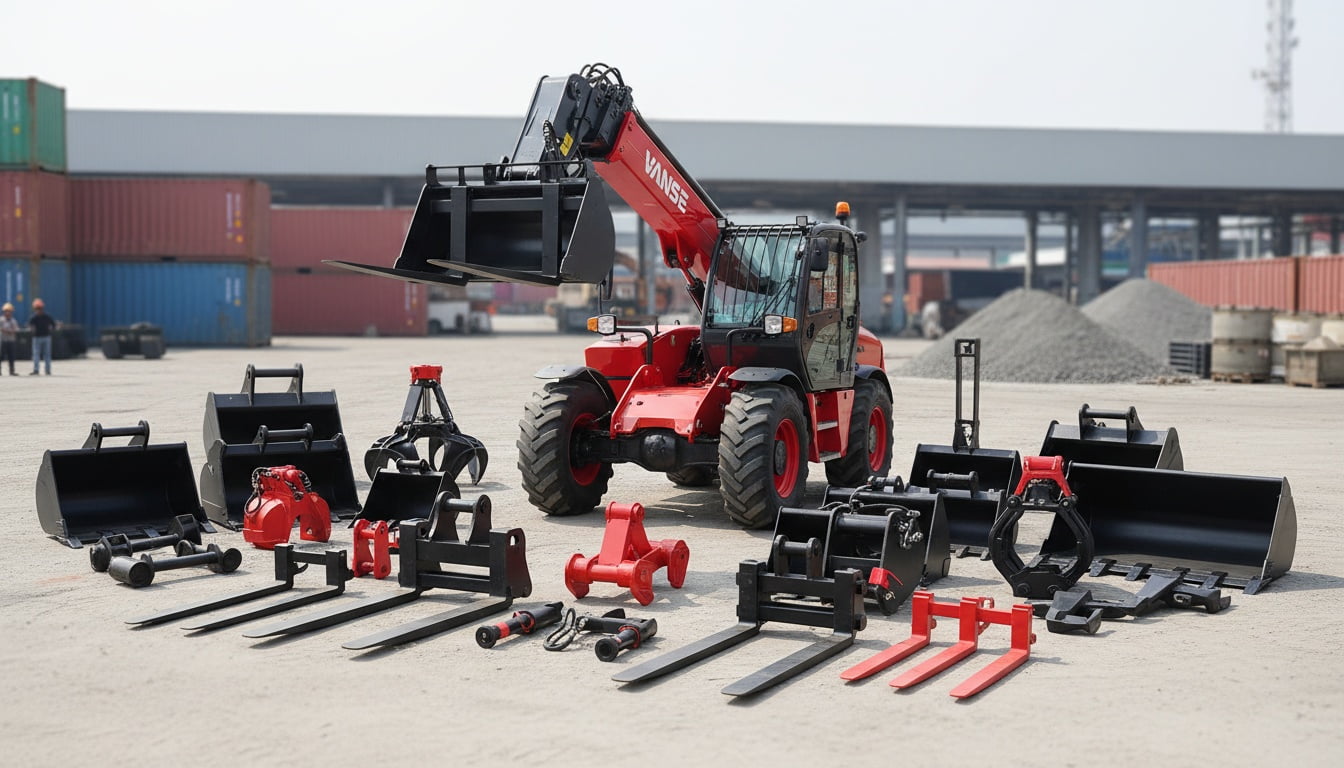
| Attachment Compatibility | Affects machine versatility | Can the unit use forks, buckets, jibs, and work platforms? | Extra equipment costs later | Verify hydraulic and mounting interfaces |
| Operator Support | Improves safety and productivity | Do you provide training and documentation? | Higher misuse and accident risk | Include startup training in purchase |
| Warranty and Field Service | Protects investment after delivery | Who handles service in my state? | Unclear responsibility during breakdowns | Get service terms in writing |
| Resale and Fleet Familiarity | Affects long-term asset value | Is this brand recognized in my local market? | Lower residual value | Compare regional used-equipment demand |
This checklist is especially useful for buyers comparing domestic suppliers with imported alternatives. It keeps the conversation practical and avoids buying decisions based purely on brochure claims.
Industries That Benefit Most
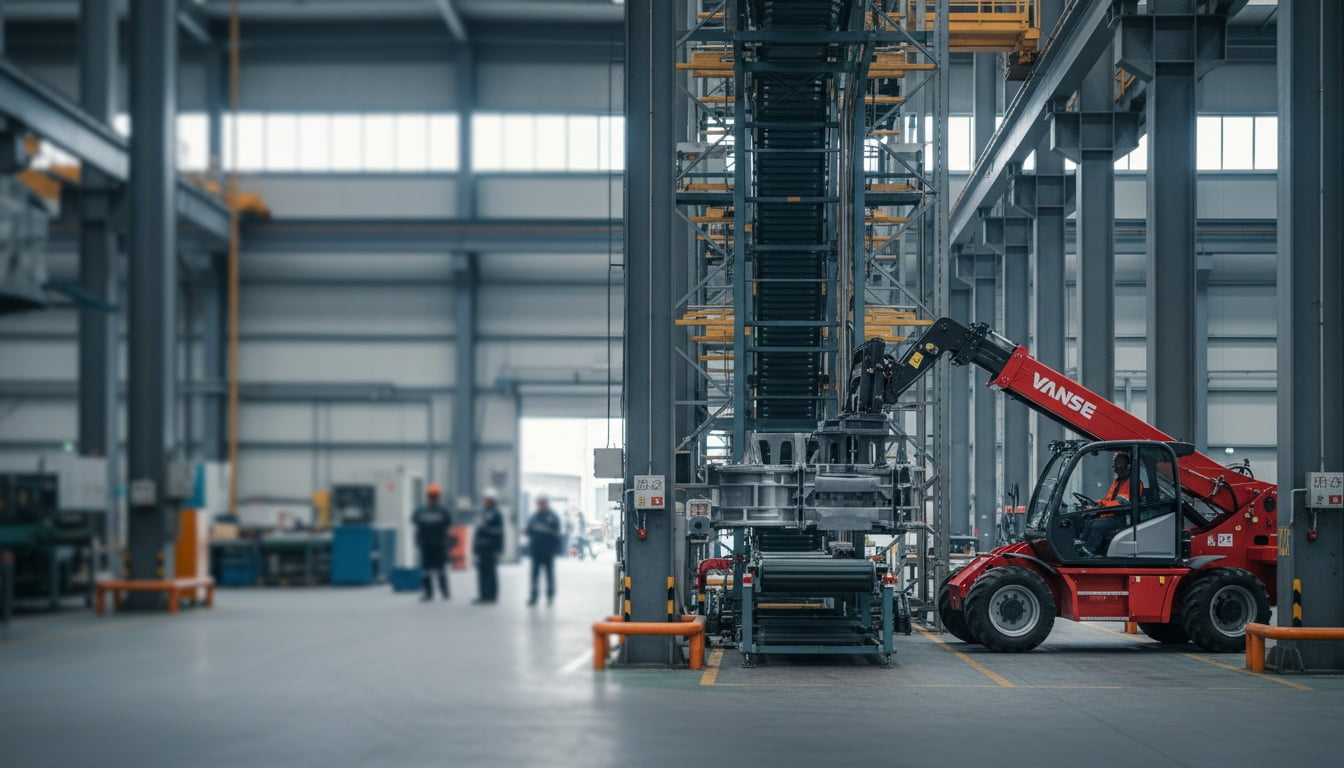
Construction is still the dominant sector, but the 20 meter telehandler is far from a single-industry machine. In the United States, its sweet spot lies in industries that need repeated vertical handling across changing site conditions. Distribution center projects around Atlanta and Dallas use these machines for structural materials and roofing support. Petrochemical work along the Gulf Coast uses them during shutdowns and maintenance turnarounds. Utility and infrastructure contractors use them for bridge approaches, precast staging, and jobsite support where crane deployment may be excessive for smaller repetitive lifts.
Large agriculture operations in California’s Central Valley, Nebraska, Kansas, and parts of Texas also benefit from higher-reach telehandlers, especially where bulk storage, maintenance, and seasonal handling demand more than a standard compact handler can offer. Manufacturers and industrial plants choose them because they can move quickly between indoor and outdoor tasks while carrying pallets, cages, and specialty attachments.
Common Applications on Real Jobsites
On a typical U.S. commercial project, a 20 meter telehandler may unload steel and framing packs in the morning, support upper-level mechanical placement by midday, and move cladding or roofing materials in the afternoon. This flexibility is exactly why contractors keep them on jobsites for months at a time. In urban cores such as Boston, Seattle, and downtown Austin, rotating versions become more attractive because they reduce repositioning in constrained spaces. On larger suburban sites, fixed-boom models often provide a better cost balance.
In industrial plants, the machine supports maintenance teams with elevated material delivery, pipe handling, vessel-area support, and platform access attachments where permitted by site rules. In logistics warehouses, it helps with high-bay installation work, dock area expansion, and structural fit-out. In agriculture, common uses include bale stacking, feed movement, facility repairs, hopper loading, and seasonal storage tasks.
Application Shift in the United States
The current trend is moving from single-purpose construction use toward multi-industry fleet deployment. More fleet owners want telehandlers that can move between commercial construction, industrial shutdowns, municipal work, and agricultural support depending on seasonal demand.
Case Studies from Typical United States Scenarios
Consider a data center project near Dallas–Fort Worth. The contractor needed a machine that could place ducting, cable tray supports, packaged HVAC materials, and facade items over a long build cycle. A 20 meter telehandler proved more flexible than relying on crane scheduling for every repetitive lift. The result was reduced waiting time between trades and better utilization of a single machine across multiple crews.
In another example from the Southeast, a warehouse expansion near Savannah required frequent vertical movement of roofing materials and upper-level framing bundles. Because the site also handled imported material streams arriving through the port corridor, schedule reliability mattered more than headline lift specs. The winning supplier was the one with dependable regional support and available service technicians, not necessarily the one with the most aggressive base quote.
A Gulf Coast industrial turnaround presents a different case. There, a telehandler in the 20 meter range supported maintenance material handling in a congested plant where access paths changed daily. Operators valued precise boom control, visibility, and fast service response because downtime had a direct impact on shutdown economics. In this setting, a machine with robust hydraulic performance and proven support coverage created more value than a lower-cost option without local field backing.
On a large agricultural property in the Midwest, the machine was used year-round for building maintenance, bulk material handling, and high stacking. The buyer focused on engine reliability, parts simplicity, and compatibility with multiple attachments. This case shows why the same lift class can serve completely different industries when the specification is matched carefully to the work pattern.
Supplier Comparison by Buyer Priority
This comparison helps buyers weigh support coverage, customization, and value. It is not a universal ranking; it is a practical screening tool based on common U.S. procurement concerns.
| Supplier | Support Coverage | Customization | Fleet Familiarity | Value Position | Ideal Buyer |
|---|---|---|---|---|---|
| JLG | Very strong | Moderate | Very high | Premium-mainstream | National contractors and rental fleets |
| Genie | Very strong | Moderate | Very high | Premium-mainstream | Rental and commercial users |
| JCB | Strong | Moderate | High | Premium | Agriculture and mixed-use buyers |
| Manitou | Strong | Moderate to high | High | Upper mid to premium | Industrial and specialty contractors |
| MAGNI America | Specialty strong | High | Medium | Premium-specialty | High-reach specialized applications |
| VANSE Group | Growing U.S. presence | Very high | Developing | Cost-performance focused | Dealers, brand owners, value-driven fleets |
For established rental fleets, national support and technician familiarity often push JLG, Genie, or SkyTrak to the front. For private-label programs, dealer expansion, and cost-sensitive fleet growth, a company with OEM/ODM flexibility may offer stronger commercial value. That is why distributors and regional equipment groups increasingly compare not just brand recognition, but business-model fit.
Local Supplier Considerations Across Major U.S. Regions
Supplier quality in the United States varies by region because dealer density and parts logistics differ sharply. In Texas, telehandler support is generally strong because of the scale of construction, energy, and industrial demand. In California, buyers should consider emissions-related rules, logistics congestion around the Port of Los Angeles and Port of Long Beach, and service coverage across large geographic distances. In Florida and the Southeast, storm recovery, warehouse growth, and resort development create spikes in fleet demand, so fast delivery and high parts availability can become decisive during peak periods.
The Midwest favors practical uptime and transport efficiency. A contractor working between Indianapolis, Columbus, and St. Louis may prioritize easy towing coordination, simple service procedures, and all-season reliability. In the Northeast, tighter urban projects often reward compact maneuverability and advanced placement precision. The right supplier is therefore not just the one with the strongest brand, but the one whose service structure matches your operating map.
When reviewing providers, buyers should naturally explore the equipment range available for telehandler procurement and compare whether the supplier can support additional machines for fleet standardization. It is also worth checking how the company presents its service capability through pages such as after-sales and technical support rather than relying only on product brochures.
Our Company
For United States buyers evaluating international supply, VANSE Group offers a practical telehandler proposition grounded in measurable evidence rather than generic factory claims. Founded in 2013, the company has produced more than 8,000 units and serves customers in over 40 countries, including North America, with manufacturing operated under CE and ISO 9001 certified processes and each machine subjected to load testing, safety inspection, and performance validation before shipment. Its telehandlers are built around globally recognized core components such as Perkins and Cummins engines, along with premium hydraulic, transmission, and axle systems, which gives U.S. distributors and end users a familiar service base and stronger confidence in long-term parts support. Beyond direct supply to contractors and enterprise users, VANSE works with distributors, dealers, brand owners, and individual buyers through OEM, ODM, wholesale, retail, and regional partnership models, making it suitable for private-label programs as well as fleet replacement orders. The company is not approaching the U.S. as a distant exporter; it is actively establishing a United States subsidiary with local inventory, local after-sales capability, and closer client support, backed by both online technical assistance and offline service coordination. Buyers who want to understand the company’s operating background can review the company profile, explore the main telehandler business, or contact the team for specification matching, dealer cooperation, and local support planning.
How to Choose Between Domestic and International Supply
Domestic brands often win on immediate recognition, technician familiarity, and used-equipment liquidity. International suppliers can win on purchase economics, flexible specification, and dealer partnership models. For a United States buyer, the decision should come down to support certainty, machine specification, and commercial structure. If a supplier can document certifications, component sourcing, testing, warranty procedures, and U.S.-based service commitments, international sourcing becomes far more practical than it was a decade ago.
This is especially relevant for distributors and rental groups trying to expand fleets without absorbing the full cost of premium-brand pricing. If the machine uses proven engines and major hydraulic systems, arrives with documented testing, and is backed by local warehousing or a growing U.S. subsidiary, then the value proposition can be compelling. The key is disciplined due diligence rather than country-of-origin assumptions.
2026 Trends: Technology, Policy, and Sustainability
By 2026, several trends are likely to shape the 20 meter telehandler segment in the United States. First, telematics will become more important in fleet control. Buyers increasingly want remote fault alerts, utilization tracking, idle-time analysis, and service scheduling, especially in rental and multi-state contractor fleets. Second, emissions and sustainability pressures will continue pushing cleaner powertrain choices, lower-idle operating strategies, and jobsite productivity improvements that reduce fuel burn per task.
Third, safety policy and insurance requirements are likely to tighten around training, site access, and attachment use. Suppliers that can provide stronger documentation, onboarding, and operator support will hold an advantage. Fourth, the labor shortage in construction and industrial maintenance will continue encouraging equipment that multiplies crew efficiency. A 20 meter telehandler fits this trend well because it lets smaller teams complete more elevated handling work without waiting on larger lifting equipment for every repetitive task.
Finally, product design is moving toward higher attachment integration, more precise hydraulic control, and better operator visibility. Buyers should expect demand to rise for machines that support a wider range of workflows with lower complexity. In practical terms, the best-performing suppliers in 2026 will be those combining machine capability, digital fleet support, and local service depth.
FAQ
What is the main benefit of a 20 meter telehandler?
The main benefit is access to roughly 65 feet of lift height while keeping the versatility of a telehandler platform. It is ideal for high-reach material handling where repeated movement, repositioning, and jobsite mobility matter more than the raw lifting power of a crane.
Is a 20 meter telehandler suitable for rental fleets in the United States?
Yes. It fits well in rental fleets serving commercial construction, industrial maintenance, and infrastructure work. The most successful rental units are machines with intuitive controls, strong parts support, and attachment compatibility that broadens utilization.
Which U.S. industries use this class most?
Commercial construction, industrial maintenance, logistics warehouse construction, infrastructure, energy, and large-scale agriculture are the main sectors. Usage varies by region, with especially strong demand in Texas, California, Florida, the Southeast, and the Midwest logistics belt.
Should I buy a fixed-boom or rotating model?
Choose fixed-boom for mainstream construction use and lower total cost. Choose rotating if your site is tight, your placement angles are complex, or you need greater flexibility for facade, steel, or urban projects.
What matters more: lift height or load chart?
The load chart matters more. Maximum height alone does not tell you whether the machine can safely handle your actual material at the needed reach and attachment setup.
Are Chinese suppliers a realistic option for U.S. buyers?
Yes, if they provide credible certifications, globally recognized components, strong testing standards, and real pre-sales and after-sales support tied to the United States market. The best value comes from suppliers that combine cost advantages with local inventory and service commitment.
How can I reduce downtime risk?
Choose suppliers with U.S. parts stock, documented warranty procedures, technician access, and familiar engine or hydraulic components. Also confirm training support and preventive maintenance schedules before delivery.
What should distributors look for in a supply partner?
Distributors should look for consistent production capacity, OEM/ODM support, reliable lead times, private-label options, documented quality systems, and evidence of long-term commitment to the U.S. market.
Final Takeaway
For projects in the United States, a 20 meter telehandler is often the best balance between reach, versatility, and jobsite productivity when your lifting needs exceed standard telehandler classes but do not justify constant crane dependence. The smartest buying path is to compare real suppliers, verify local support, examine load charts carefully, and match the machine type to your actual work pattern. Established U.S. brands remain strong choices for immediate service familiarity, while qualified international suppliers with proven certifications, premium components, and growing U.S. operations are increasingly competitive for buyers focused on value, fleet expansion, and dealer partnerships.
Complete Telescopic Handler Equipment Portfolio
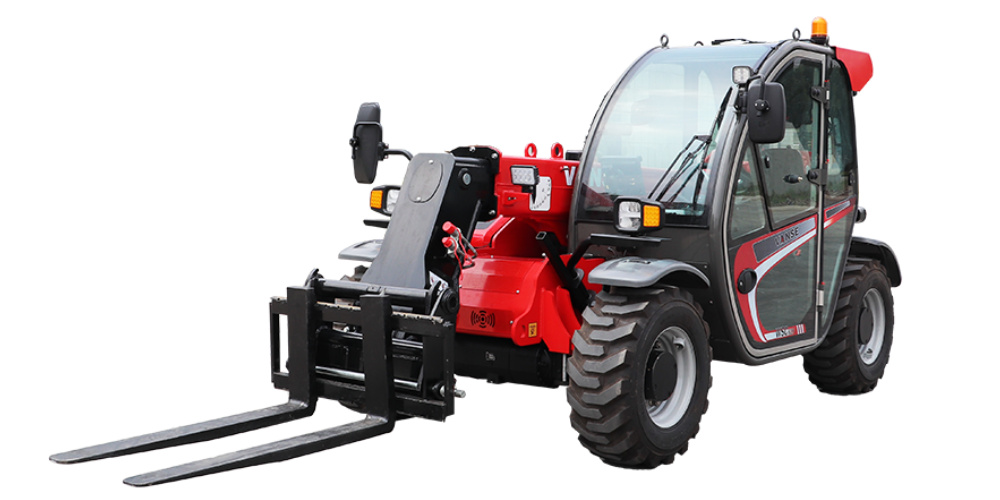
VANSE 625 6m Telescopic Handler
Designed for efficient material handling and stacking in warehouses, factories, and confined job sites, offering compact maneuverability and reliable performance.

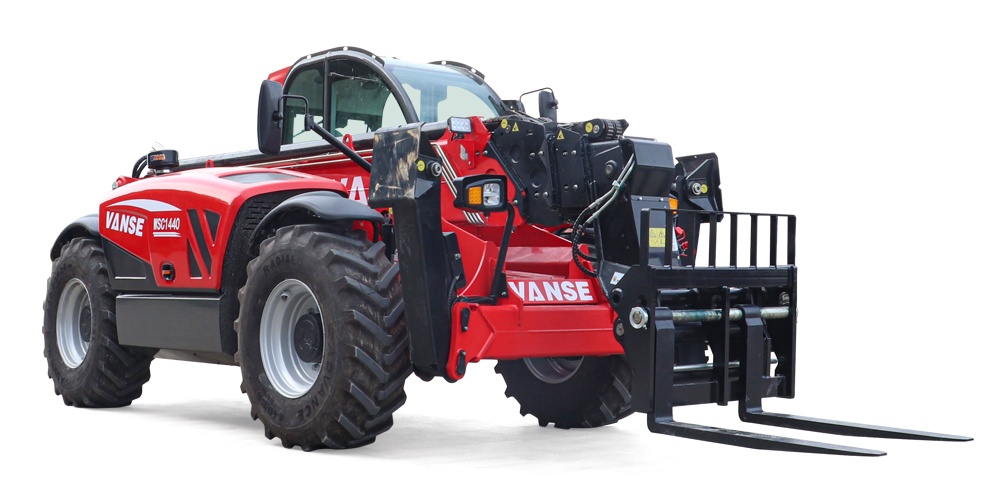
VANSE 735 7m Telescopic Handler
A balanced mid-duty solution for construction, agriculture, logistics, and warehousing, combining stable lifting, strong traction, and everyday versatility.


About the Author:
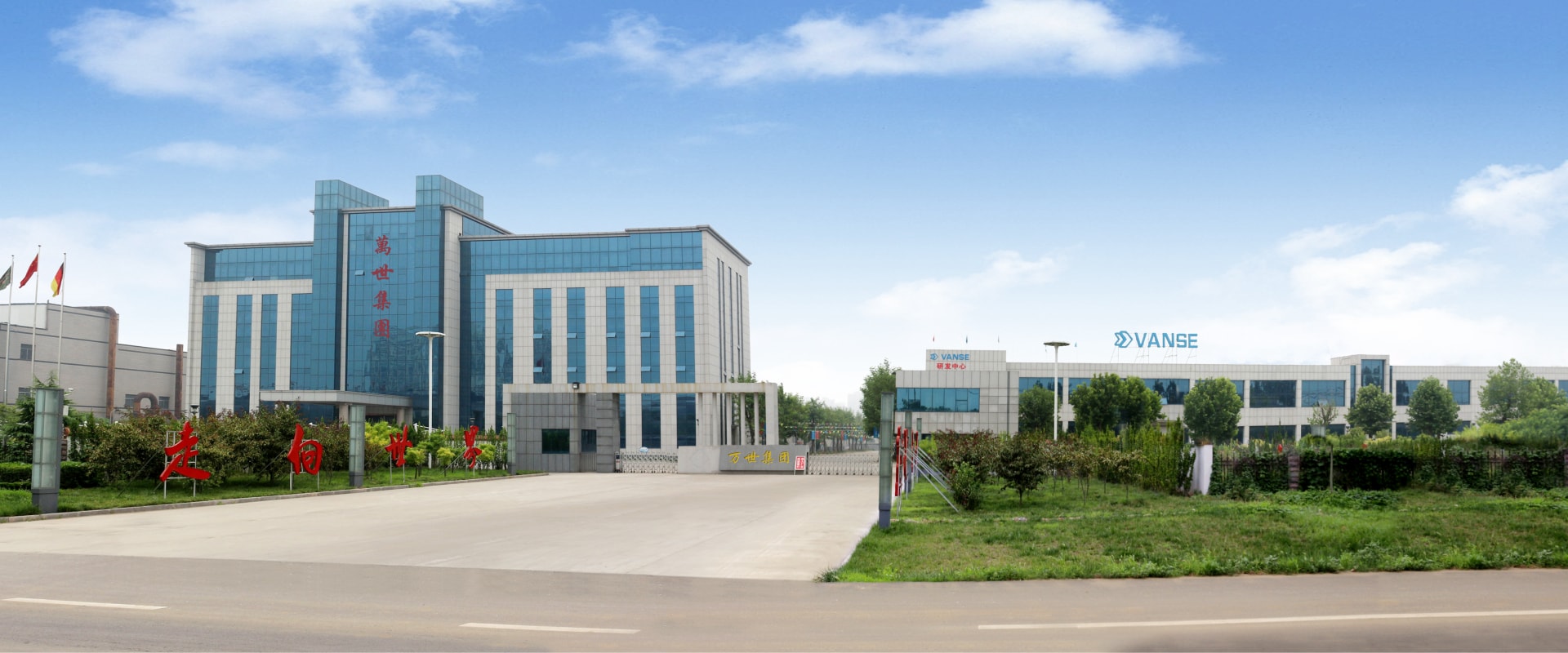
The VANSE team is a group of experienced professionals specializing in construction machinery research, manufacturing, and technical support. With deep industry knowledge and hands-on experience, our engineers and product specialists share practical insights on equipment selection, operation, maintenance, and industry trends.
Share
You May Also Interest
-

27 October, 2026
3000 kg Telehandler: Popular Capacity for General Sites
Explore 3000 kg telehandler options in the United States, including top suppliers, applications, pricing factors, and smart buying advice for local buyers.
-

26 October, 2026
Telehandler Stability: Preventing Tip Over on Rough Sites
Learn telehandler stability best practices in the United States, including rough-site setup, load control, slope limits, and buyer guidance for safer lifting.
-

23 October, 2026
Why Use a Telehandler: Top Benefits Over Other Equipment
Learn why use a telehandler matters in the United States: higher reach, fewer machines, faster handling, and better jobsite versatility.
-
22 October, 2026
Telehandler for Grain Handling on Large Modern Farm Sites
Explore telehandler grain handling options in the United States, including suppliers, specs, farm uses, and cost-saving buying advice for grain operations.