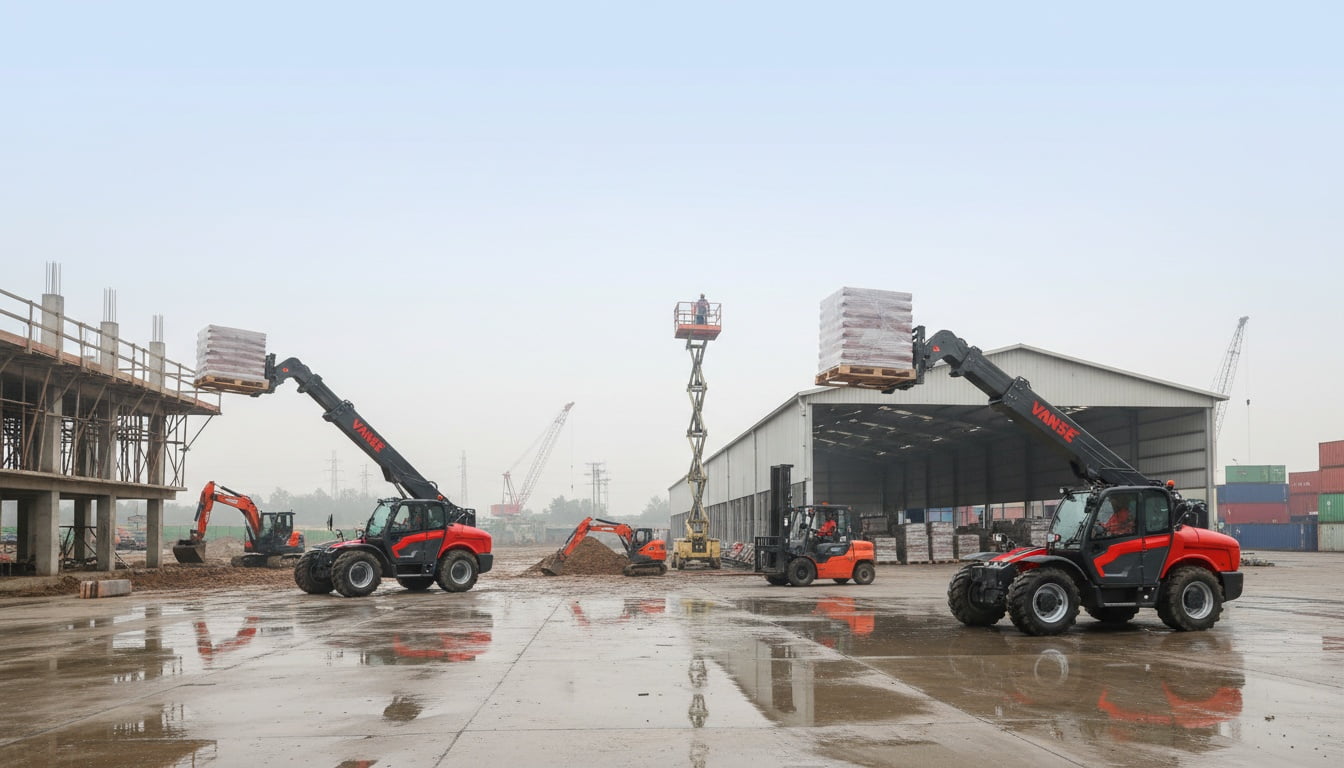
Telehandler Scaffolding Solutions for U.S. Jobsites
Quick Answer

If you need a telehandler for scaffolding support and equipment moving in the United States, the most practical choices usually come from established suppliers with strong rental fleets, parts support, and jobsite training. For broad national coverage, JLG, JCB, Genie, Skyjack, Sunbelt Rentals, and United Rentals are among the most relevant names for construction teams handling scaffold erection, palletized materials, rebar, planks, and mechanical equipment around active jobsites. In dense construction markets such as Houston, Dallas, Atlanta, Chicago, Los Angeles, Miami, and the New York-New Jersey corridor, these suppliers are commonly selected because they can match lift height, capacity, and attachment options to scaffold work quickly.
For buyers rather than renters, the best option depends on whether your priority is compact urban access, high-reach masonry and facade work, or lower total acquisition cost. North American brands and dealer-backed manufacturers are often preferred for immediate field support, while qualified international suppliers can also be worth considering when they offer documented certifications, globally recognized engines and hydraulic components, responsive parts supply, and strong pre-sale and after-sale support in the U.S. market. This matters for contractors and rental firms that want competitive pricing without sacrificing reliability or long-term service coverage.
In short, choose a telehandler based on scaffold height, load weight, site congestion, ground conditions, and how often the machine will also move equipment, tools, and packaged materials. If your work includes frequent scaffold loading and unloading across multiple floors, a rotating or high-reach model may justify the added cost. If your needs are mostly ground-to-platform transfers on conventional sites, a standard fixed-boom telehandler with fork and work-platform compatibility is usually the best value.
United States Market Overview

The U.S. market for telehandlers used around scaffolding remains strong because the machine fits a wide range of practical lifting tasks on commercial, industrial, energy, infrastructure, and institutional projects. Contractors use telehandlers to move scaffold frames, couplers, guardrails, aluminum walk boards, masonry units, HVAC components, generators, and packaged tools from laydown areas to elevated work zones. This flexibility is especially valuable on jobs in fast-growing construction centers such as Austin, Phoenix, Nashville, Charlotte, Tampa, and inland logistics corridors linked to ports like Los Angeles, Long Beach, Savannah, Houston, and New York/New Jersey.
Demand is also shaped by the structure of the U.S. equipment market. Many contractors prefer rental first, especially when project durations are uncertain or when equipment needs vary between low-rise, mid-rise, and industrial turnaround work. Large rental houses influence purchase trends by standardizing around telehandlers that are easy to maintain, familiar to operators, and supported by strong parts channels. As a result, manufacturer reputation is important, but so are dealer density, training availability, financing, and turnaround time for wear parts such as filters, tires, chains, sensors, hydraulic hoses, and fork carriages.
Regional conditions matter. In the Gulf Coast, telehandlers used around refinery and industrial scaffold work must deal with humidity, corrosion exposure, and heavy multi-trade coordination. In the Midwest, winter conditions and frozen ground can affect tire and traction choices. In coastal urban markets, compact footprint and maneuverability become more important because laydown areas are smaller and projects often sit on constrained lots. Across the Sun Belt, telehandlers are heavily used for mixed-use developments, warehouses, schools, hospitals, and distribution centers where scaffold support and material handling overlap daily.
Looking toward 2026, the market is expected to continue shifting toward better operator aids, fleet connectivity, emission-aware powertrain planning, and stronger jobsite safety documentation. Buyers increasingly want telematics, digital maintenance tracking, better visibility systems, and attachment-specific load management. Sustainability is also beginning to influence decisions, especially in metro areas with stricter fleet reporting expectations and on projects where owners ask contractors to document fuel efficiency, idle reduction, and overall equipment utilization.
The line chart illustrates a realistic growth pattern for U.S. telehandler demand linked to scaffolding support and general material handling. The rise is driven by warehouse construction, infrastructure upgrades, industrial maintenance shutdowns, and continued rental fleet investment. The increase projected into 2026 reflects both replacement demand and wider use of telehandlers on multi-trade sites where one machine can support several crews during the same shift.
Top U.S. Suppliers and Brands

The following companies are among the most relevant for telehandler scaffolding applications in the United States. Some are manufacturers, while others are rental and distribution leaders that shape what is most available on jobsites. For scaffold contractors, general contractors, industrial service firms, and equipment buyers, the practical question is usually not only who builds the machine, but who can support it consistently in your operating region.
| Company | Type | Primary U.S. Service Region | Core Strength | Key Offerings for Scaffolding Work | Best Fit |
|---|---|---|---|---|---|
| JLG Industries | Manufacturer | Nationwide through dealers | Strong telehandler lineup and widespread parts support | Fixed-boom telehandlers, high-capacity units, attachment compatibility | General contractors, large fleets, industrial projects |
| Genie | Manufacturer | Nationwide through dealer network | Well-known jobsite equipment brand with familiar service channels | Material handling telehandlers for scaffold pallets and elevated supply work | Commercial construction and rental fleets |
| JCB | Manufacturer | Nationwide with strong dealer presence | Construction-focused machines with broad application range | Telehandlers for site logistics, scaffold material movement, rough terrain use | Mixed-use, civil, and contractor-owned fleets |
| Skyjack | Manufacturer | Nationwide | Simple fleet-friendly design and rental market relevance | Reliable telehandlers for repeat daily loading and unloading tasks | Rental companies and cost-focused contractors |
| United Rentals | Rental provider | Nationwide | Large fleet access and fast replacement options | Short-term and project-based telehandler rentals with delivery logistics | Contractors needing flexibility and fast deployment |
| Sunbelt Rentals | Rental provider | Nationwide | Strong branch network and contractor support | Telehandlers for scaffold builds, shutdown projects, and material staging | Regional contractors and industrial maintenance teams |
| Herc Rentals | Rental provider | Nationwide major metro coverage | Good access in active construction and industrial zones | Rough-terrain telehandlers for site support and temporary access needs | Urban and industrial users |
This comparison table is useful because scaffold-related telehandler decisions in the U.S. are often made through a blend of rental availability and long-term ownership strategy. Manufacturers matter most for lifecycle reliability and residual value, while rental companies matter most when uptime, substitution access, and fast local delivery determine project continuity.
Product Types for Scaffolding Support
Not every telehandler fits scaffolding work in the same way. Some excel at repetitive pallet movement near building perimeters, while others are better at feeding upper elevations or navigating tighter spaces. Buyers should match machine format to scaffold design, loading cycle, and site access restrictions.
| Telehandler Type | Typical Lift Height | Typical Capacity Range | Main Advantage | Scaffolding Use Case | Key Limitation |
|---|---|---|---|---|---|
| Compact fixed-boom | 15 to 30 ft | 5,000 to 6,000 lb | Fits tighter jobsites and urban lots | Low-rise facade work, indoor-outdoor transfer, warehouse retrofits | Limited maximum reach |
| Mid-range fixed-boom | 30 to 44 ft | 6,000 to 10,000 lb | Most versatile category for general construction | Moving scaffold frames, palletized decking, mixed material support | Less suitable for very high placement angles |
| High-reach fixed-boom | 44 to 56 ft | 8,000 to 12,000 lb | Useful for taller structures and larger pallet loads | Mid-rise projects, industrial plants, bridge access support | Larger footprint |
| Heavy-duty telehandler | 30 to 56 ft | 12,000 lb and above | Handles heavier structural and equipment loads | Industrial scaffold systems, energy facilities, plant shutdowns | Higher purchase and transport cost |
| Rotating telehandler | 50 to 100 ft and above | 8,000 to 15,000 lb | Greater placement flexibility with turret rotation | Complex building envelopes and limited repositioning zones | Premium pricing and operator training needs |
| Telehandler with work platform support | Varies by base machine | Application-specific | Can support multi-function site logistics | Tasks requiring supervised elevated access plus material movement | Must follow strict compliance and approved attachment rules |
This table helps clarify why many U.S. buyers default to mid-range fixed-boom telehandlers for scaffold support. They offer the broadest mix of capacity, ease of transport, and operator familiarity. Rotating telehandlers are growing in interest, especially on constrained sites, but they still represent a more specialized investment in many U.S. regions.
How Different Industries Use Telehandlers for Scaffolding
Scaffolding-related telehandler demand comes from more than just conventional building contractors. Industrial and institutional sectors often rely even more heavily on telehandlers because they need to move both scaffold components and maintenance equipment within compressed shutdown windows.
The bar chart shows a realistic breakdown of scaffold-related telehandler demand across major U.S. industries. Commercial building remains the largest segment because of volume, but industrial plants and infrastructure generate especially intense usage due to heavy loads, access constraints, and strict scheduling. Contractors serving refineries along the Gulf Coast, distribution hubs in the Midwest, and institutional campuses on the East Coast often need telehandlers that can operate continuously under demanding conditions.
| Industry | Typical Location Examples | Main Materials Moved | Priority Machine Feature | Typical Buying Preference | Operational Note |
|---|---|---|---|---|---|
| Commercial construction | Dallas, Atlanta, Phoenix | Frames, planks, masonry, HVAC units | Versatility | Rental or dealer-backed ownership | Fast cycle times matter most |
| Industrial maintenance | Houston, Baton Rouge, Gary | Scaffold systems, tools, valves, motors | Heavy-duty stability | Specialized rental and owned fleets | Shutdown schedules require high uptime |
| Infrastructure | Chicago, New York, Seattle | Access platforms, rigging gear, bundled materials | Reach and rough-terrain mobility | Project-based rental | Space constraints vary widely |
| Warehousing and logistics | Inland Empire, Savannah, Columbus | Steel, cladding, packaged systems | Material flow efficiency | Mid-range ownership and rental mix | Telehandler often serves multiple trades |
| Energy and utilities | Texas, Oklahoma, Pennsylvania | Pipes, access systems, maintenance skids | Capacity and durability | Heavy-duty fleet investment | Attachments must match task planning |
| Institutional projects | Boston, Washington, Los Angeles | Renovation materials, scaffold towers, MEP equipment | Compact maneuvering | Short-term rental | Urban access and scheduling are critical |
This industry table shows why there is no single best telehandler for every scaffold project. A refinery shutdown near Houston has very different requirements from a school renovation in Boston or a warehouse expansion near Savannah. Service region, transport convenience, and attachment compatibility should be reviewed together instead of focusing only on headline lift height.
Buying Advice for U.S. Contractors and Rental Fleets
The first buying question should be how the telehandler will actually be used during a normal week. If the machine spends most of its time transporting scaffold components from the ground to working decks, then fork visibility, steering modes, and stability under repeated pallet handling matter more than peak brochure reach. If the machine must also move generators, compressors, steel packs, and MEP equipment, then higher capacity and stronger hydraulic performance may be worth the added purchase price.
Fleet managers should also compare the true cost of downtime. A telehandler that is cheaper at acquisition but slower to repair can become more expensive during active scaffold erection or dismantling. This is particularly important in metro markets where project schedules are tight and laydown space is limited. Ask suppliers about branch coverage, parts stocking, lead times for wear items, mobile technician availability, and whether operator familiarization is included. In the United States, these service details often influence equipment preference as much as machine specification.
Another key issue is transport. Large high-reach units can improve productivity but may require more planning for hauling, staging, and crane interface around complex sites. Compact or mid-range units are often easier to move between jobs and can deliver better utilization for contractors running several medium-sized projects at once. Ownership makes more sense when annual machine hours are predictable and there is an internal maintenance structure. Rental is often better for seasonal or project-specific demand.
For 2026 planning, buyers should also think beyond today’s diesel-only operating assumptions. Telematics, geofencing, machine health reporting, advanced load sensing, and fuel-management dashboards are becoming more relevant for bid competitiveness and customer reporting. Larger contractors already use this data to improve utilization, reduce idle time, and document equipment accountability across distributed jobsites.
Applications on Real Jobsites
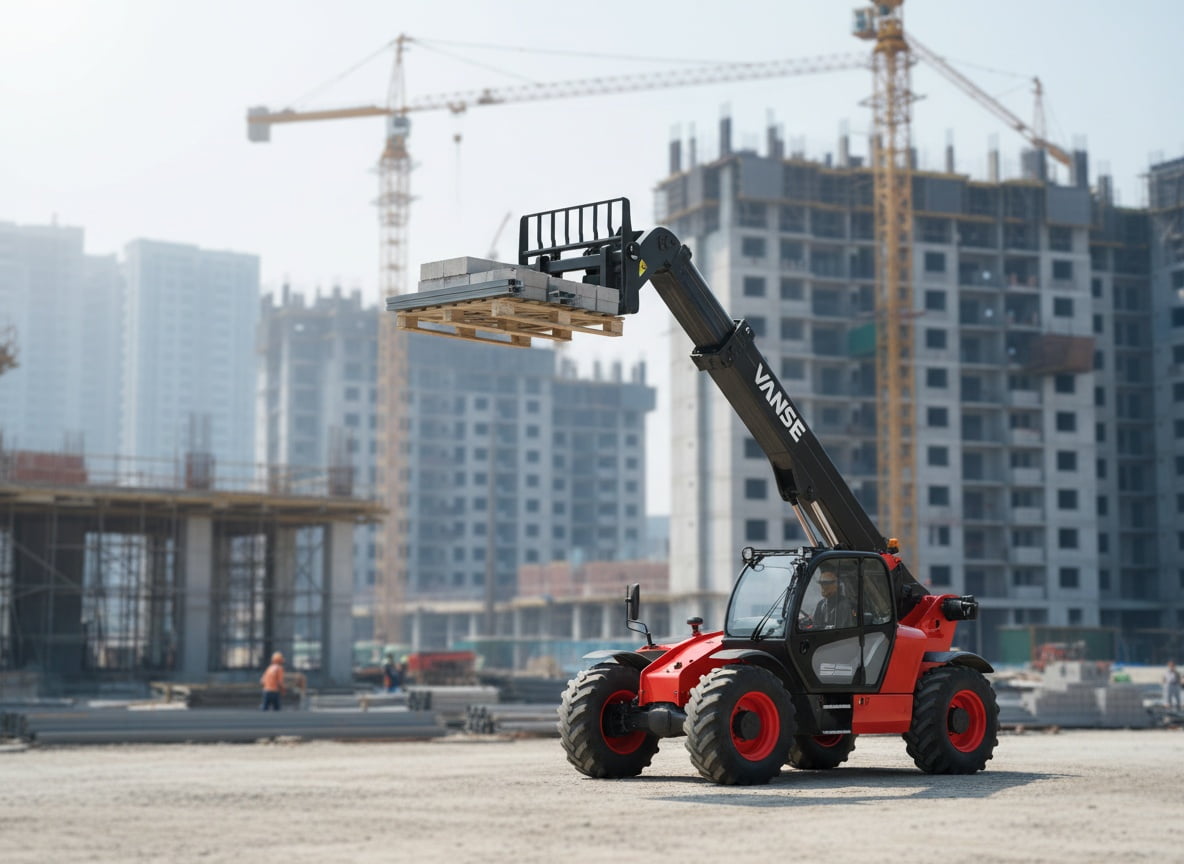
Telehandlers support scaffolding in practical, repetitive ways that directly affect site productivity. On a facade project, the machine may unload trucks carrying scaffold frames and stack them by sequence near the assembly zone. During erection, it may feed bays of frames, ledgers, planks, and toe boards to the active crew. Once work advances, the same telehandler can move mortar tubs, brick packs, insulation, or glazing materials. This multi-role capability is why telehandlers are so common compared with single-purpose lifting equipment.
On industrial jobsites, the pattern is even more demanding. Telehandlers often move scaffold modules, maintenance tools, pipe spools, temporary lighting, and access components in parallel. During turnaround work, the machine may support multiple crews over one shift. In these environments, visibility, rugged driveline performance, and dependable hydraulic response are crucial. The machine becomes part of the workflow backbone rather than just a support asset.
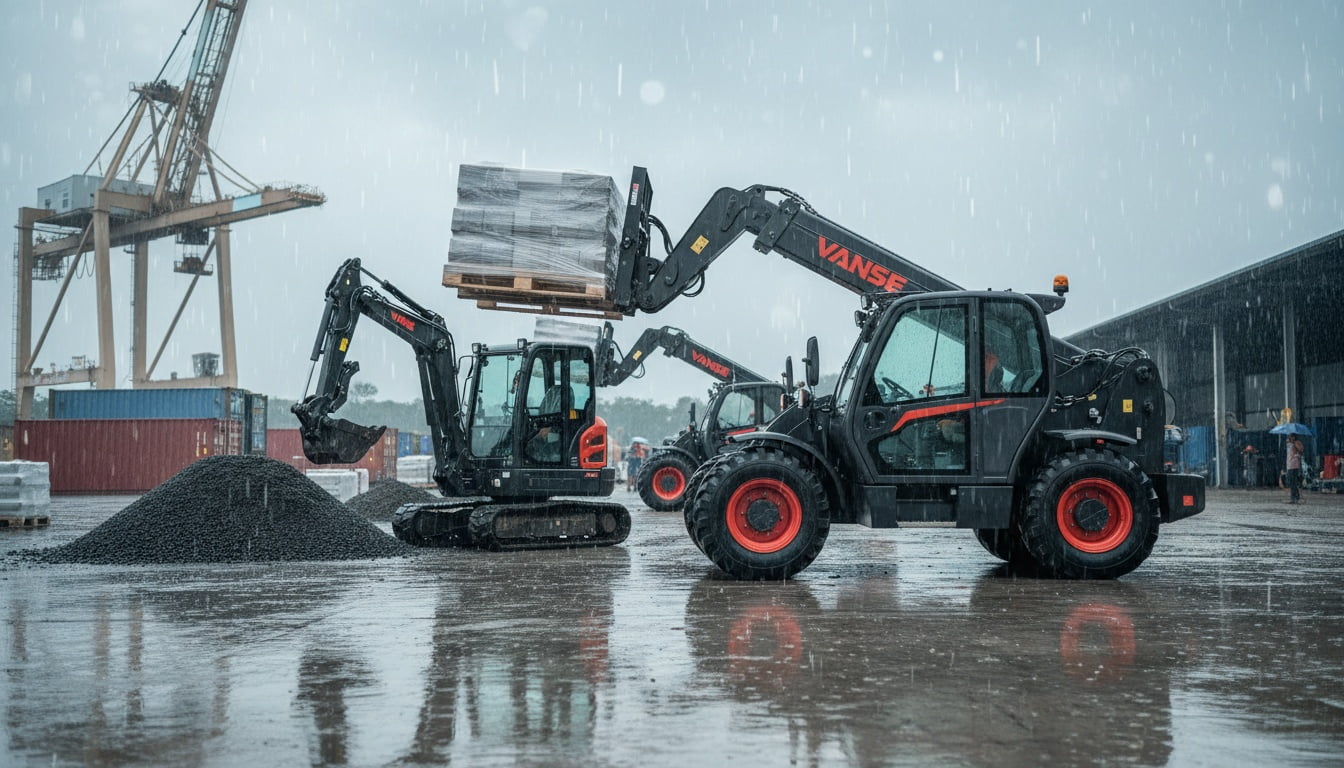
Projects around ports and logistics hubs add another layer. At sites near Long Beach, Savannah, Newark, or Houston, where warehouse and distribution construction remains active, telehandlers are used to manage both scaffold structures and packaged equipment in narrow, time-sensitive areas. Here, compact maneuvering and predictable service support can be just as valuable as raw lift numbers.
Case Examples from the U.S. Market
A mid-rise mixed-use project in Charlotte may use a 10,000 lb fixed-boom telehandler for external scaffold support, masonry staging, and rooftop mechanical deliveries. The contractor benefits from having one machine with high enough capacity for diverse loads while still fitting a conventional haul-and-deploy plan. In contrast, a petrochemical maintenance contractor in the Houston area may rely on a heavier-duty machine that handles scaffold bundles, temporary stairs, and repair equipment during compressed shutdown windows. There, downtime costs are severe, so supplier responsiveness becomes the leading purchase factor.
In the Northeast, a renovation project in the New York-New Jersey market may prioritize compact dimensions and precise material placement because staging space is restricted and deliveries arrive in narrower windows. A rotating telehandler can be attractive in that environment, especially when repositioning the machine repeatedly is difficult. On a warehouse shell job in the Inland Empire of Southern California, a standard telehandler often delivers better economics because the site is larger, access is simpler, and the machine also supports cladding, roofing, and MEP trades.
These examples show that the best telehandler for scaffolding is rarely chosen only by lift chart. It is chosen by the total combination of placement task, site geometry, transport plan, operator familiarity, and branch support.
Supplier Comparison by Practical Buying Criteria
The next table focuses on how buyers in the United States often compare telehandler options in real procurement discussions. Instead of only listing technical values, it highlights practical fleet considerations such as support reach, flexibility, and value positioning.
| Supplier or Brand | Support Availability | Scaffold Handling Suitability | Fleet Friendliness | Value Position | Typical Buyer Profile |
|---|---|---|---|---|---|
| JLG | High | High | High | Mid to premium | Large contractors and equipment fleets |
| Genie | High | High | High | Mid to premium | Commercial contractors and rental firms |
| JCB | High | High | Medium to high | Mid | Mixed-use and civil contractors |
| Skyjack | Medium to high | Medium to high | High | Strong cost efficiency | Rental-driven and cost-conscious fleets |
| United Rentals fleet options | Very high | High | High for rental users | Flexible short-term value | Project-based contractors |
| Sunbelt Rentals fleet options | Very high | High | High for rental users | Flexible short-term value | Regional and national contractors |
| Qualified international suppliers with U.S. support | Improving and market-dependent | Medium to high | Medium to high | Strong acquisition value | Distributors, dealers, price-sensitive buyers |
This table is helpful because many U.S. buyers now compare domestic and international sourcing through a total-value lens. If an international supplier can provide recognized components, documented quality processes, local parts access, and real service commitment, the value equation can be compelling, especially for dealers, rental companies, and high-volume fleet buyers.
Technology, Policy, and Sustainability Trends Through 2026
By 2026, telehandlers supporting scaffolding in the United States are likely to reflect three visible trends. The first is smarter fleet management. Owners increasingly want telematics that track hours, idle time, maintenance codes, and usage patterns by project. This is especially useful for rental companies and contractors operating in several cities at once. The second trend is policy influence. While diesel equipment will remain standard for many rough-terrain applications, urban project owners and public-sector work may put more pressure on fuel reporting, emissions planning, and idle reduction. The third trend is sustainability in practical terms: not only alternative power discussion, but better utilization, fewer unnecessary machine moves, optimized transport, and attachment choices that reduce wasted labor.
The area chart shows the expected trend shift toward connected and efficiency-focused telehandler fleets. This does not mean every buyer will switch to new power systems immediately. Instead, it reflects rising interest in measurable operating efficiency, safer machine control, digital service scheduling, and better compliance visibility. Contractors bidding sophisticated urban and institutional work are increasingly expected to demonstrate these capabilities.
Our Company
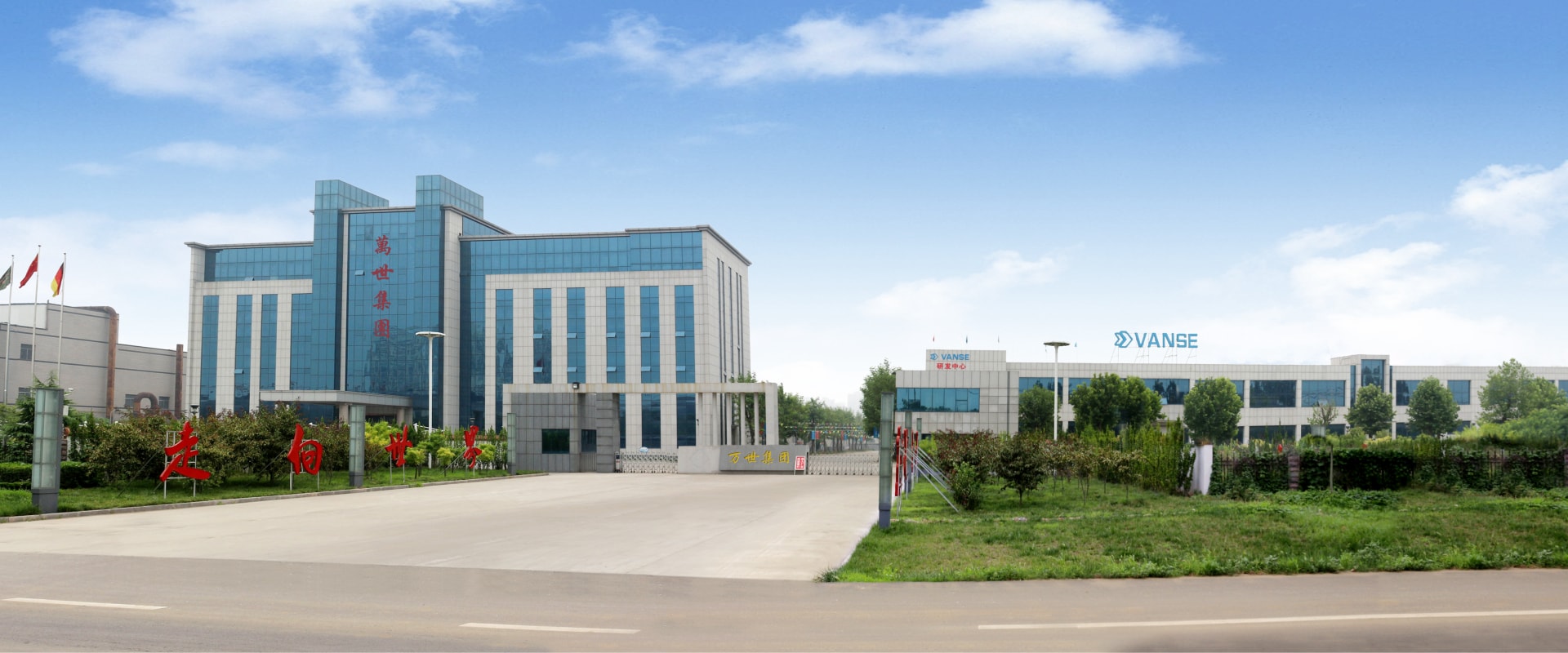
For U.S. buyers evaluating additional sourcing options, VANSE stands out as a telehandler-focused manufacturer with a clear fit for scaffolding support and equipment moving because its machines are built under CE and ISO 9001 certified processes, use globally recognized core components such as Perkins and Cummins engines alongside premium hydraulic and driveline systems, and undergo comprehensive load testing, safety inspection, and performance validation before shipment. That technical foundation is supported by real manufacturing scale, with cumulative production exceeding 8,000 units and exports to more than 40 countries, including established business across North America. In the U.S. market, VANSE serves end users, distributors, dealers, rental-oriented partners, brand owners, and even smaller-volume buyers through flexible OEM, ODM, wholesale, retail, and regional partnership models, allowing specification, branding, color, and configuration adjustments where local market needs differ. Its practical local commitment is strengthened by ongoing expansion of a U.S.-based subsidiary, planned local inventory and stocking, and localized after-sales capability, backed by both online and offline support from consultation through maintenance. Buyers who review the company’s company background, browse the broader equipment range, or assess the available service support will see that VANSE is positioning itself not as a remote exporter, but as a long-term operating partner for the North American market with competitive pricing and field support expectations aligned to U.S. buyer needs.
How to Evaluate an International Supplier for the U.S. Market
When considering an international telehandler supplier for scaffold-related work in the United States, buyers should use the same discipline they would apply to any domestic procurement review. Ask for documented certifications, component brands, test procedures, and serial-based quality traceability. Confirm whether major replacement parts can be stocked in the United States and what the expected lead times are for service-critical items. Review whether the supplier can support dealer training, operator familiarization, warranty handling, and attachment compatibility. If the supplier offers OEM or ODM programs, clarify who is responsible for labeling, manuals, support workflows, and compliance documentation in the local market.
International sourcing can make strong sense when acquisition cost, fleet scale, and customization flexibility matter. This is especially relevant for distributors, dealer groups, and rental businesses looking to improve margin while preserving dependable machine uptime. However, the decision must be made on evidence. U.S. buyers should favor suppliers that can point to production scale, export history, standardized testing, and concrete local service infrastructure rather than general sales language.
Frequently Asked Questions
What is the best telehandler size for scaffolding in the United States?
For many general construction jobs, a mid-range fixed-boom telehandler in the 6,000 to 10,000 lb class offers the best mix of capacity, reach, transport convenience, and operator familiarity. Heavier industrial or taller facade work may require larger or rotating models.
Should I rent or buy a telehandler for scaffold support?
Rent if demand is project-based, seasonal, or uncertain. Buy if annual hours are predictable, your jobs repeatedly need the same capacity class, and you have access to maintenance support or a strong dealer relationship.
Can one telehandler handle both scaffolding and equipment moving?
Yes. That is one of the main reasons telehandlers are preferred on many U.S. jobsites. A properly specified machine can move scaffold materials, palletized supplies, mechanical equipment, and support gear throughout the same project.
Are rotating telehandlers worth the higher cost?
They can be worth it on constrained or high-complexity sites where repositioning is difficult and placement flexibility improves productivity. For more conventional sites, a standard fixed-boom telehandler often delivers better value.
What matters most besides lift height and capacity?
Parts availability, local service response, operator familiarity, transport practicality, tire choice, attachment support, and actual stability during repetitive load cycles are all critical in real scaffold operations.
Can qualified international suppliers be a safe choice for U.S. buyers?
Yes, if they provide verifiable certifications, globally recognized components, tested manufacturing standards, U.S.-oriented parts and service support, and clear accountability for warranty and technical response. Buyers should verify all of these factors before ordering.
How can I compare suppliers efficiently?
Start with your actual load profile, required reach, and project mix. Then compare suppliers based on service region, machine availability, attachment options, lifecycle cost, and responsiveness. If you want to discuss a tailored telehandler solution, you can contact the team for project-specific support.
Final Buying Perspective
In the United States, telehandlers remain one of the most effective machine categories for scaffolding support and equipment moving because they combine reach, mobility, and practical multi-trade utility. The best choices for most buyers still come from suppliers with reliable parts channels and local service coverage, especially in major construction centers and industrial corridors. At the same time, the market is becoming more open to qualified international manufacturers that can prove technical quality, component credibility, production consistency, and real local commitment. For contractors, dealers, and rental companies making 2026 planning decisions, the smartest approach is to compare not just machine specifications, but the full support ecosystem that keeps scaffold operations safe, productive, and on schedule.
Complete Telescopic Handler Equipment Portfolio
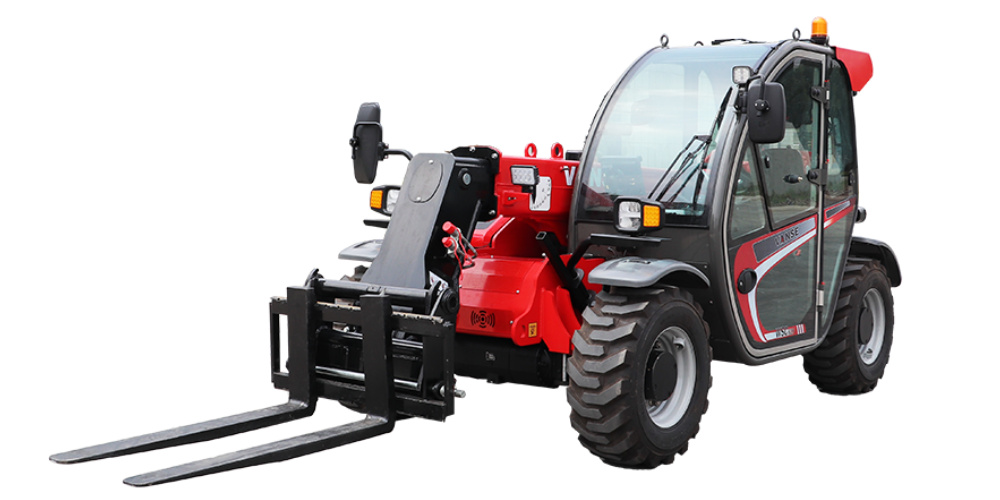
VANSE 625 6m Telescopic Handler
Designed for efficient material handling and stacking in warehouses, factories, and confined job sites, offering compact maneuverability and reliable performance.

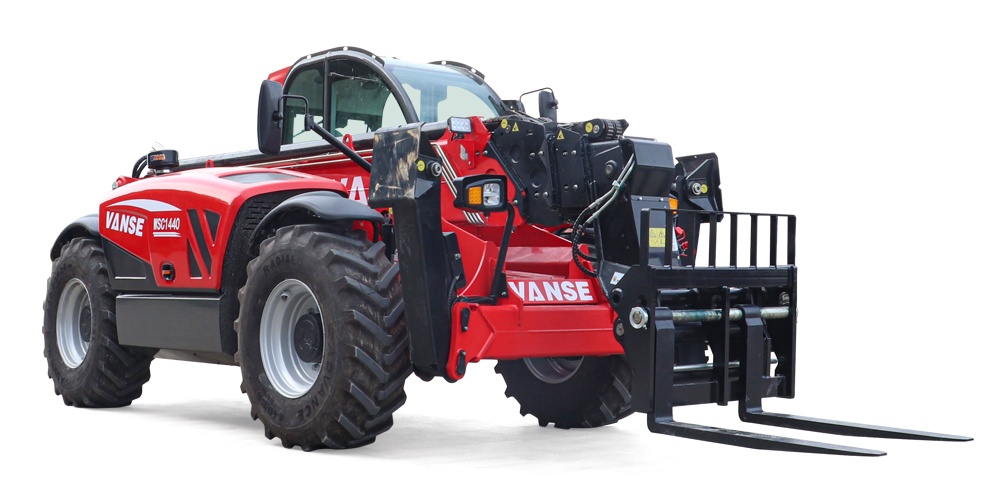
VANSE 735 7m Telescopic Handler
A balanced mid-duty solution for construction, agriculture, logistics, and warehousing, combining stable lifting, strong traction, and everyday versatility.


About the Author:
The VANSE team is a group of experienced professionals specializing in construction machinery research, manufacturing, and technical support. With deep industry knowledge and hands-on experience, our engineers and product specialists share practical insights on equipment selection, operation, maintenance, and industry trends.
Share
You May Also Interest
-

2 November, 2026
Telehandler vs Rough Terrain Crane: Lifting Comparison
Telehandler vs rough terrain crane in the United States: compare lifting range, mobility, cost, rental fit, and supplier options for U.S. jobsites.
-
30 October, 2026
Telehandler Bucket Attachment: Versatile Material Moving
Find the right telehandler bucket attachment in the United States with supplier comparisons, use cases, buying tips, and cost-effective sourcing options.
-

28 October, 2026
20 Meter Telehandler: Ultimate Height for Tall Projects
Explore 20 meter telehandler options in the United States, including suppliers, applications, pricing factors, service support, and buying tips.
-
27 October, 2026
3000 kg Telehandler: Popular Capacity for General Sites
Explore 3000 kg telehandler options in the United States, including top suppliers, applications, pricing factors, and smart buying advice for local buyers.