3000 kg Telehandler Options in the United States
Quick Answer

A 3000 kg telehandler is one of the most practical lifting classes for general sites in the United States because it fits the daily needs of construction crews, masonry teams, farms, lumber yards, equipment rental fleets, and industrial yards without moving into the higher cost and transport complexity of larger machines. For most buyers, the best-known names to evaluate first are JLG, Genie, JCB, Skyjack, Manitou, and Bobcat through local dealer networks in major markets such as Texas, Florida, California, Georgia, Illinois, and the Mid-Atlantic. These brands typically offer strong parts support, operator familiarity, and financing access, which matters on jobs where uptime is more important than a small purchase-price difference.
If you need a fast shortlist, focus on suppliers that can document rated capacity, maximum lift height, forward reach, ANSI compliance, service response time, and parts availability in your operating state. For urban construction in cities such as Houston, Dallas, Atlanta, Miami, Los Angeles, and Phoenix, compact dimensions and easy trailer transport can matter as much as lift charts. For agriculture in the Midwest and West, attachment compatibility, engine reliability, and maintenance simplicity are often more important. Qualified international suppliers can also be worth considering, especially when they combine recognized engines, certified production systems, and real local support in the United States, because the cost-performance advantage can be meaningful for dealers, rental fleets, and value-focused end users.
Why 3000 kg Capacity Is a Popular Fit for U.S. General Sites

The 3000 kg telehandler class, roughly equivalent to about 6,600 lb rated lift capacity, sits in a useful middle ground. It is strong enough for pallets of block, rebar bundles, framing materials, bagged feed, seed totes, fencing supplies, jobsite equipment, and warehouse loads, yet it remains more manageable than larger heavy-lift telehandlers. On many U.S. sites, especially mixed-use construction sites and agricultural operations, machine selection is a balance between lift performance, transport cost, operator confidence, and maintenance burden. This class often wins because it covers a wide range of work without requiring oversized trailers, special planning, or premium fuel and tire budgets.
In states where labor efficiency is a daily concern, crews want one machine that can unload trucks, place palletized materials, feed upper floors, move attachments, and support seasonal work. A 3000 kg telescopic handler often becomes that multi-role machine. Rental companies also favor this category because utilization remains broad across customer types. A single unit can move from a residential framing project outside Nashville to a commercial fit-out in Charlotte, then to a farm operation in Iowa or a yard in New Jersey with minimal reconfiguration beyond attachments and tires.
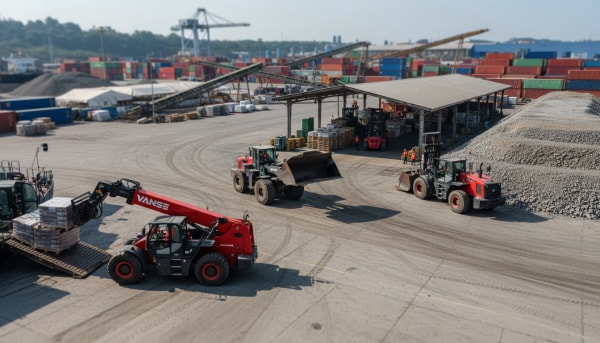
Another reason this category remains popular is ground practicality. Many American jobsites are not perfectly prepared surfaces. Mixed terrain, gravel staging yards, muddy access paths, and uneven loading areas are normal. Buyers therefore want a machine that can combine stable lifting with reasonable maneuverability. In this respect, the 3000 kg range is often easier to deploy than heavier units, especially for contractors who do not need extreme lift heights every day.
United States Market Overview

The U.S. telehandler market remains closely tied to nonresidential construction, infrastructure upgrades, equipment rental growth, logistics yard handling, and agricultural mechanization. Demand is strongest in states with active housing starts, distribution center construction, energy investment, and broad agricultural activity. Ports such as Houston, Savannah, Long Beach, Los Angeles, Charleston, and Newark influence regional equipment flows because imported machines and parts often move through these gateways before reaching dealer yards inland. Buyers in the United States also place greater emphasis on service support than many first-time importers expect. A competitive machine on paper can lose value quickly if parts lead times stretch during the busy season.
Telehandlers in the 3000 kg segment are especially relevant for mixed fleets. Contractors that do not want multiple dedicated material handlers often select this size to cover enough applications while keeping operator training straightforward. In the rental market, branch managers prefer models that can be rented to masonry crews one week and to agricultural or industrial users the next. That cross-sector appeal helps explain why this capacity continues to hold a durable position in the market.
The chart below shows a realistic estimate of U.S. market growth for mid-capacity telehandlers, including the 3000 kg class, based on broad demand trends across construction, rental, and agriculture from 2021 through projected 2026.
Top Suppliers Active in the United States
For buyers comparing real suppliers, the most useful approach is to look beyond brand recognition and examine service footprint, stock support, machine range, and how well each supplier handles your application. The table below compares recognized companies with active relevance to the U.S. market.
| Company | Primary Service Region in the United States | Core Strengths | Key Offerings in the 3000 kg Class | Best Fit Buyer Type |
|---|---|---|---|---|
| JLG Industries | Nationwide through established dealer and rental channels | Strong brand familiarity, broad parts support, jobsite acceptance | Construction-focused telehandlers, attachments, fleet support | Contractors, rental fleets, large accounts |
| Genie | Nationwide, strong in rental-heavy metro markets | Rental market penetration, easy operator adoption, dealer access | General construction telehandlers, service-backed fleet units | Rental companies, commercial contractors |
| JCB | Strong dealer coverage in South, Midwest, and East Coast markets | Wide telehandler portfolio, agriculture and construction crossover | Compact and mid-size telehandlers with broad attachment options | Agriculture, construction, mixed-use fleets |
| Skyjack | Major urban and regional rental markets | Simple maintenance philosophy, fleet-oriented design | General-purpose telehandlers suited to rental turnover | Rental houses, cost-conscious fleet buyers |
| Manitou | Nationwide with strong relevance in agriculture and industrial handling | Material handling heritage, attachment versatility | Telehandlers for farm, industrial, and construction work | Farms, industrial yards, specialized handlers |
| Bobcat | Broad U.S. dealer network, especially mixed compact equipment markets | Dealer familiarity, cross-selling with compact equipment fleets | Compact telehandlers for site logistics and yard work | Small contractors, farms, owner-operators |
| VANSE Group | Growing U.S. presence with expanding local support commitment | Value-focused specification, OEM/ODM flexibility, export experience | Telehandlers built with globally recognized core components | Dealers, brand owners, enterprise buyers, value-focused users |
This comparison matters because the right supplier depends on operating pattern. If your telehandler will work in multiple states under a rental contract, national parts support may outrank initial purchase price. If you are a regional distributor or dealer, however, flexible branding, protected territory discussions, and factory-direct pricing may create more value than buying a standard package from a mainstream brand. That is why both established domestic channels and qualified overseas manufacturers deserve review.
How Demand Varies by Industry
Not every sector uses a 3000 kg telehandler in the same way. Construction often prioritizes lift height and rough-terrain mobility, agriculture may focus on attachment flexibility and long service intervals, and industrial users usually care about duty cycles, operator visibility, and yard efficiency. The following chart illustrates typical demand weight by sector in the United States.
Common Product Types Within the 3000 kg Segment
Although buyers often ask simply for a 3000 kg telehandler, machines within this class are not identical. Differences in boom geometry, wheelbase, engine package, cab design, and attachment systems can significantly affect suitability. Some are optimized for general construction, while others are more compatible with agricultural use or indoor-outdoor industrial handling. Before requesting quotes, buyers should define whether they prioritize lift height, forward reach, loading speed, compact access, or attachment versatility.
| Product Type | Typical Lift Height | Typical Use Case | Main Advantage | Main Trade-Off |
|---|---|---|---|---|
| Compact construction telehandler | 6 to 9 meters | Urban jobsites, residential builds, site logistics | Easier transport and tighter turning | Lower reach than larger site machines |
| General-purpose rough-terrain telehandler | 7 to 10 meters | Commercial building, masonry, mixed fleets | Balanced performance across applications | May be heavier than compact units |
| Agricultural telehandler | 6 to 9 meters | Feed yards, grain handling, bale stacking | Attachment flexibility and repetitive loading efficiency | Some setups may prioritize farm use over construction visibility needs |
| Industrial yard telehandler | 5 to 8 meters | Manufacturing yards, ports, precast handling | Good daily material handling control | Not always ideal for rough remote terrain |
| Rental fleet configuration | 6 to 10 meters | Multi-customer branch deployment | Standardized controls and simplified maintenance | Less customization for niche applications |
| Customized OEM or private-label unit | Depends on specification | Dealers, distributors, brand owners | Branding and configuration flexibility | Requires supplier coordination and planning |
This table shows why the exact 3000 kg machine specification matters. Two telehandlers with the same rated lift capacity may perform very differently in real work. If the machine must operate under roof structures, inside material yards, or on trailer deliveries across multiple states, dimensions and weight may matter more than headline height. If it is used on a masonry or framing site, the working envelope at forward reach becomes more important than a simple capacity number.
Buying Advice for U.S. Buyers
In the United States, telehandler buying decisions are rarely based on base price alone. Contractors and rental companies usually compare total ownership cost across uptime, attachment ecosystem, parts availability, transport practicality, fuel use, operator training, resale, and service responsiveness. Buyers in dense metro areas such as New York, Chicago, Los Angeles, and Seattle may have stricter delivery logistics and lower tolerance for large machine footprints. Buyers in agricultural states such as Iowa, Kansas, Nebraska, and California may want easy service access and broad compatibility with buckets, forks, bale clamps, and work platforms.
A smart buying process starts with five core questions: what is the heaviest real load you will move, how high and how far forward must that load be placed, what surfaces will the machine work on, how quickly do you need parts in peak season, and who will service the machine in your area. It is also worth asking whether the machine must meet fleet standardization requirements, telematics integration, or customer-specific rental expectations.
For imported equipment, one of the most important buying questions is whether the supplier has established channels that protect local buyers after delivery. This includes technical response, parts stocking, warranty process clarity, documentation quality, and the ability to support training remotely and on-site. A lower machine price has little value if the first hydraulic or electrical issue stalls work for weeks.
Cost Factors That Shape a Good Purchase
The total landed and operating cost of a 3000 kg telescopic handler in the United States depends on far more than machine invoice value. Freight from factory to port, U.S. inland delivery, attachments, tires, emissions-related configuration, optional cabs, financing, insurance, and service package structure all influence the real business case. Buyers using Gulf and East Coast ports such as Houston, Savannah, or Newark may compare different logistics timelines than buyers receiving shipments through Los Angeles or Long Beach and forwarding inland.
| Cost Factor | Why It Matters | Typical U.S. Buyer Concern | How to Evaluate It | Potential Savings Lever |
|---|---|---|---|---|
| Base machine price | Direct capital outlay | Budget approval and financing structure | Compare like-for-like specification only | Factory-direct procurement or fleet package deals |
| Freight and delivery | Changes final landed cost materially | Port selection and inland transport cost | Request delivered-to-yard pricing | Consolidated shipment planning |
| Attachments | Drives application flexibility | Need for forks, buckets, jibs, clamps, platforms | Price attachment package as a whole | Bundle at initial purchase |
| Service and parts support | Affects uptime and long-term cost | Peak-season downtime risk | Ask for parts list and response commitment | Preventive service package |
| Operator familiarity | Impacts productivity and misuse risk | Training time for new controls | Review cab layout and documentation | Choose standardized fleet controls |
| Resale or residual value | Important for fleet turnover | Trade-in and auction performance | Check local market recognition and support | Maintain documented service history |
This cost table is useful because many buyers underestimate the value of parts support and attachment planning. A telehandler purchased for pallet handling may later be needed for bucket work, suspended loads, or seasonal yard operations. A supplier with better accessory compatibility and support often delivers stronger long-term value than a machine with a slightly lower initial quote.
Industries Where the 3000 kg Class Performs Well
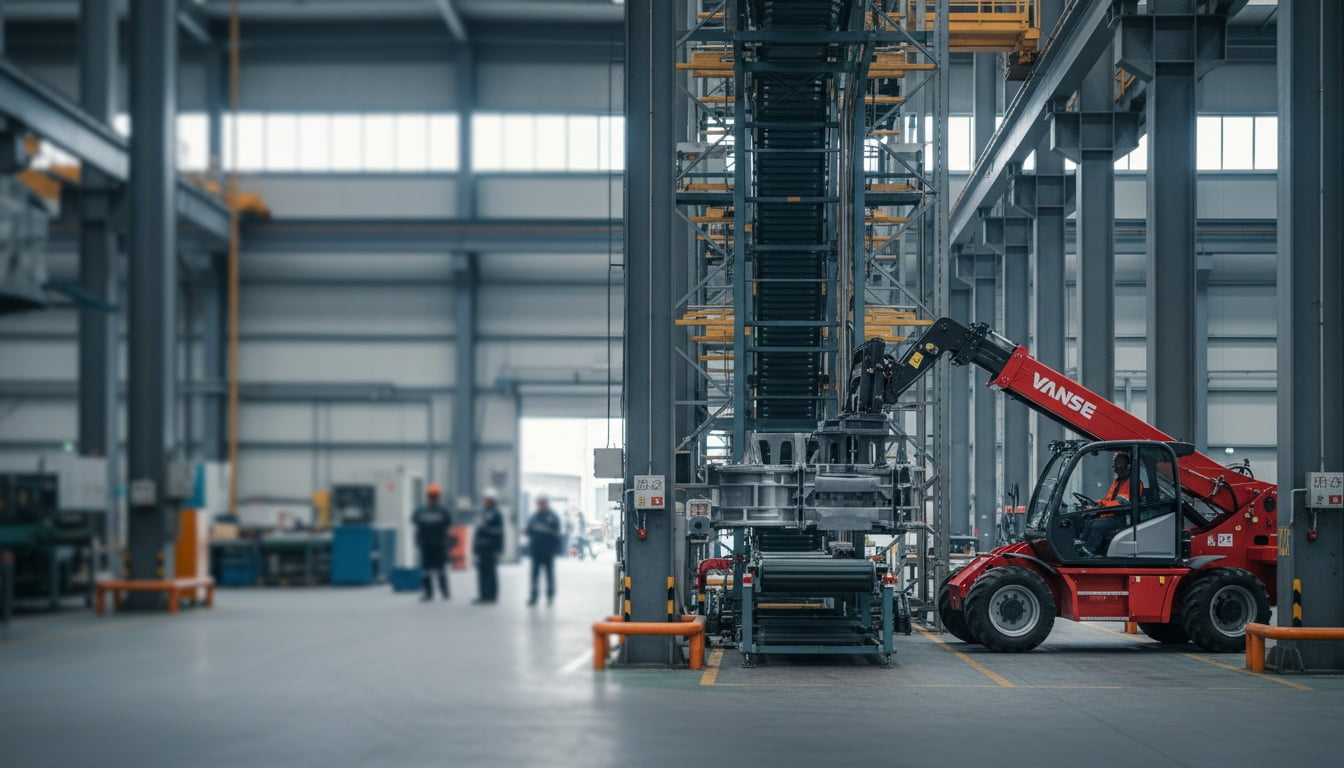
This capacity class is widely used across U.S. industries because it is flexible enough to handle daily loads without locking the owner into a specialized machine. In construction, it supports framing, drywall staging, masonry pallets, steel deliveries, and roofing materials. In agriculture, it helps with feed movement, bale stacking, pallet unloading, maintenance work, and fertilizer or seed handling. In industrial and manufacturing yards, it can move packaged materials, dies, crates, and finished goods where forklift-only movement is limited by outdoor conditions.
Rental fleets appreciate this class because it bridges user types. A contractor may rent the machine for six days of block work; a local utility contractor may need it for fenced compound handling; a farm may need seasonal lifting. That cross-utilization helps explain why mid-capacity telehandlers often stay relevant even when market conditions shift between construction and agricultural demand.
Applications Buyers Should Specify Before Ordering
Applications decide specification. If your main use is unloading flatbed deliveries, fork carriage design and visibility may be decisive. If you place loads onto second-story decks or scaffolding support areas, boom stability at reach becomes more important. If the machine will run inside feed yards or manufacturing facilities, cab filtration, tire choice, and service access may matter more than maximum lift figures.
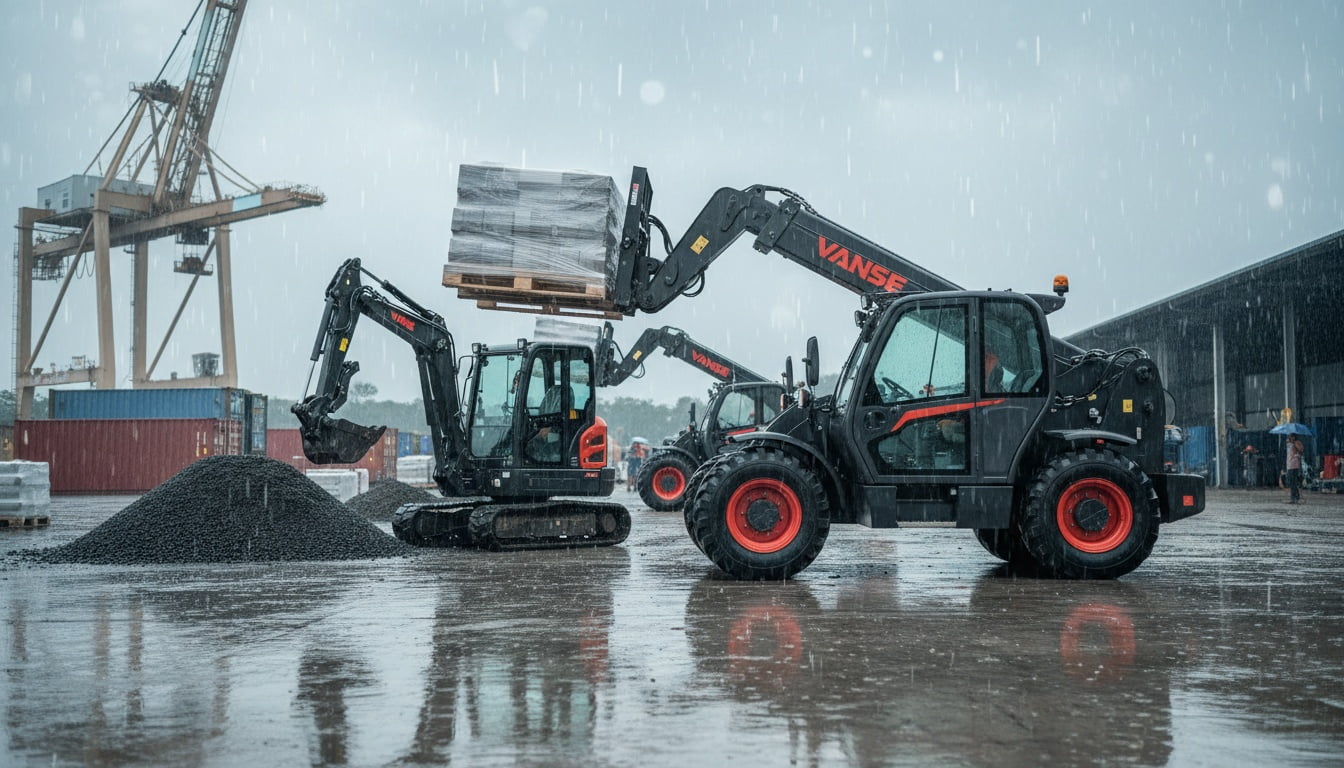
American buyers should also specify climate and regional conditions. A machine working in Arizona and Nevada may need different cooling performance considerations than one working through freeze-thaw cycles in Minnesota or New York. Gulf Coast buyers may pay closer attention to corrosion resistance and hydraulic sealing due to humidity and long seasonal duty. Coastal and port-side users handling cargo or yard loads near Charleston, Houston, or Newark often value consistent maintenance planning because downtime can ripple through delivery schedules.
Trend Shift in Buyer Priorities Through 2026
Buyer priorities in the United States are changing. Simple capacity and price remain important, but more buyers are now tracking service response, telematics, emissions compliance, operator comfort, and fuel efficiency. The area chart below illustrates how purchase weight is gradually shifting from purely upfront cost toward lifecycle value and compliance-related concerns through 2026.
Local Supplier and Dealer Considerations
Local support can outweigh specification differences between brands. In the United States, dealer performance varies not only by brand but by branch. A strong dealer in Dallas may deliver excellent field service, while a weaker branch in another state can create downtime even with the same manufacturer. Buyers should evaluate the actual local support structure serving their county or metro area, not just the national marketing promise. Ask where parts are stocked, whether mobile service technicians are available, and how warranty claims are handled when a machine is urgently needed.
| Supplier | Typical U.S. Strength Area | Service Style | Attachment/Configuration Flexibility | What to Verify Locally |
|---|---|---|---|---|
| JLG | Commercial construction and rental | Dealer and fleet-oriented support | Good standard construction configurations | Nearest parts hub and field technician coverage |
| Genie | Rental fleets and urban jobsite markets | Structured branch and dealer support | Common fleet-ready options | Turnaround time during peak rental season |
| JCB | Agriculture and mixed construction use | Dealer-led service with broad model familiarity | Strong cross-application setup range | Local telehandler parts stocking depth |
| Manitou | Agriculture, industrial, and specialized handling | Application-focused support through network partners | Strong attachment versatility | Availability of model-specific service expertise |
| Bobcat | Compact fleet customers and owner-operators | Dealer support linked to compact equipment ecosystem | Useful for buyers already in Bobcat fleets | Telehandler-specific service capacity |
| VANSE Group | Dealer development, private label, and value-focused procurement | Factory-backed support with growing U.S. local commitment | High flexibility through OEM/ODM and market-specific setup | U.S. inventory plan, parts response, and partner support structure |
The explanation behind this table is straightforward: local execution matters. A telehandler is not just a factory product; it is a service-backed working asset. Buyers should compare dealer coverage, branch competence, and application knowledge at the city or state level. For distributors and private-label partners, the ability to secure technical documents, spare parts, training support, and customized branding can be as important as machine specification.
Case Studies from Typical U.S. Use Scenarios
Consider a commercial subcontractor in Houston handling mixed palletized materials on retail and warehouse builds. This user may not need a larger 10,000 lb machine every day, but they do need a telehandler that can unload deliveries, support façade materials, and move tools around a rough site quickly. In this situation, the 3000 kg class often reduces fuel and transport burden while still meeting most daily lift tasks. If paired with local parts access and standard forks plus a bucket, it becomes a versatile fleet unit.
Now consider a feed and hay operation in central California. The owner needs a machine with enough lift capacity to stack, move inputs, clean yards, and support maintenance jobs. A 3000 kg machine often works well if visibility, attachment speed, and service intervals are strong. Here, agricultural suitability may matter more than extreme reach. A model with comfortable controls and stable repetitive-cycle performance can outperform a larger machine that costs more and is underused.
Another example is a regional rental branch in Georgia serving both contractors and farm customers. Branch managers usually want one machine that is easy to explain, easy to maintain, and hard for renters to misuse. A standardized 3000 kg telehandler with common forks, basic telematics, clear decals, and predictable service intervals can achieve better utilization than a more specialized machine. This is one reason mid-capacity telehandlers remain strong rental assets in the Southeast and Midwest.
Supplier Comparison by Buyer Priorities
The comparison chart below illustrates a practical scoring model across supplier priorities relevant to U.S. buyers: local support, value, customization, brand recognition, and cross-industry flexibility. It is not a universal ranking, but it helps buyers visualize the trade-offs that usually appear during sourcing.
Our Company
Buyers in the United States looking for a competitive alternative to traditional European and American pricing can also evaluate VANSE Group, a manufacturer with more than a decade of experience in construction machinery and a production record exceeding 8000 units supplied to over 40 countries, including markets across North America. For telehandlers, the company combines CE and ISO 9001 certified manufacturing processes with globally recognized core components such as Perkins and Cummins engines, supported by premium hydraulic systems, transmissions, and axles, while every machine passes load testing, safety inspection, and performance validation before shipment. That technical foundation matters for U.S. buyers because it shows the machine is built against measurable standards rather than price-only positioning. On the commercial side, VANSE serves end users, distributors, dealers, brand owners, rental businesses, and private buyers through flexible factory-direct, wholesale, retail, OEM, ODM, and regional partnership models, which is particularly relevant for customers that need custom branding, market-specific configurations, or a protected development strategy. For local assurance, the company is actively establishing a U.S.-based subsidiary with local inventory planning and after-sales capability to support the North American market more directly, adding practical protection beyond remote export service. Buyers can review its broader equipment range through its equipment portfolio, learn more about its operating background on the company page, understand support coverage through its service program, or discuss machine configuration and partnership needs via the contact team.
How to Shortlist the Right Machine
A useful shortlist in the United States usually includes three paths. The first is a mainstream brand with dense dealer support. The second is a value-oriented supplier with strong local commitment and documented component quality. The third is a custom-capable manufacturer that can support dealer development, private labeling, or specific application packages. Once these paths are defined, buyers should request the same data set from all suppliers: rated load, lift height, forward reach, operating weight, dimensions, tire options, attachment compatibility, engine brand, hydraulic configuration, service schedule, warranty coverage, and expected parts response.
It is also wise to compare where the machine will actually live. A telehandler in Florida may need different corrosion-management planning than one in Colorado. A machine working around shale, sand, or concrete dust needs filtration and maintenance discipline. Buyers who document their real jobsite conditions make better sourcing decisions and avoid paying for specifications they rarely use.
Future Trends Through 2026
Looking into 2026, several trends are shaping the 3000 kg telehandler market in the United States. The first is smarter fleet management. Even in this mid-capacity segment, buyers increasingly expect telematics, maintenance reminders, usage visibility, and operator monitoring. Rental companies especially value machines that simplify service planning across branch networks. The second trend is policy and compliance awareness. U.S. buyers are watching emissions expectations, jobsite safety requirements, and procurement rules more closely, particularly on public works and larger enterprise projects. Suppliers that provide clear documentation, reliable labeling, training support, and compliance-ready configuration will gain an advantage.
The third trend is sustainability through efficiency rather than marketing claims alone. Fleet owners are paying more attention to fuel use, idle control, service intervals, and durable component selection because these factors lower both cost and environmental burden over the machine life. There is also gradual interest in cleaner powertrain development and alternative driveline paths for some applications, although diesel remains dominant in rough-terrain and mixed outdoor work. Finally, sourcing strategy is becoming more flexible. Some U.S. buyers still prefer only established domestic dealer brands, but many are now open to qualified international suppliers when those suppliers can prove recognized component choices, certified production systems, serious pre-sale support, and genuine local after-sales investment.
FAQ
Is a 3000 kg telehandler enough for most general U.S. construction sites?
Yes, for many everyday tasks it is. It commonly handles palletized materials, framing supplies, block, tools, and yard logistics efficiently. If your loads regularly exceed this class or require longer placement reach, a larger model may be necessary.
What is the biggest mistake buyers make when comparing telehandlers?
The most common mistake is comparing only price and rated capacity. Real performance depends on lift height, forward reach, stability, local service, attachment compatibility, and how quickly parts can be obtained in your state.
Which U.S. regions show the strongest demand for this capacity?
Strong demand is common in Texas, Florida, Georgia, California, the Carolinas, the Midwest farm belt, and logistics-heavy regions near major ports and distribution corridors.
Should I buy from a local dealer or import directly?
That depends on your support needs and business model. End users with limited service capacity often benefit from a strong local dealer. Distributors, fleet buyers, and experienced operators may find direct or factory-backed international sourcing attractive if local support and parts planning are clearly established.
Are Chinese telehandler suppliers worth considering in the U.S. market?
Yes, provided they can show certified manufacturing, recognized components, transparent technical specifications, clear warranty procedures, and real local support commitment. Cost-performance can be favorable, especially for dealers, rental fleets, and wholesale buyers.
What attachments are most common for a 3000 kg telehandler?
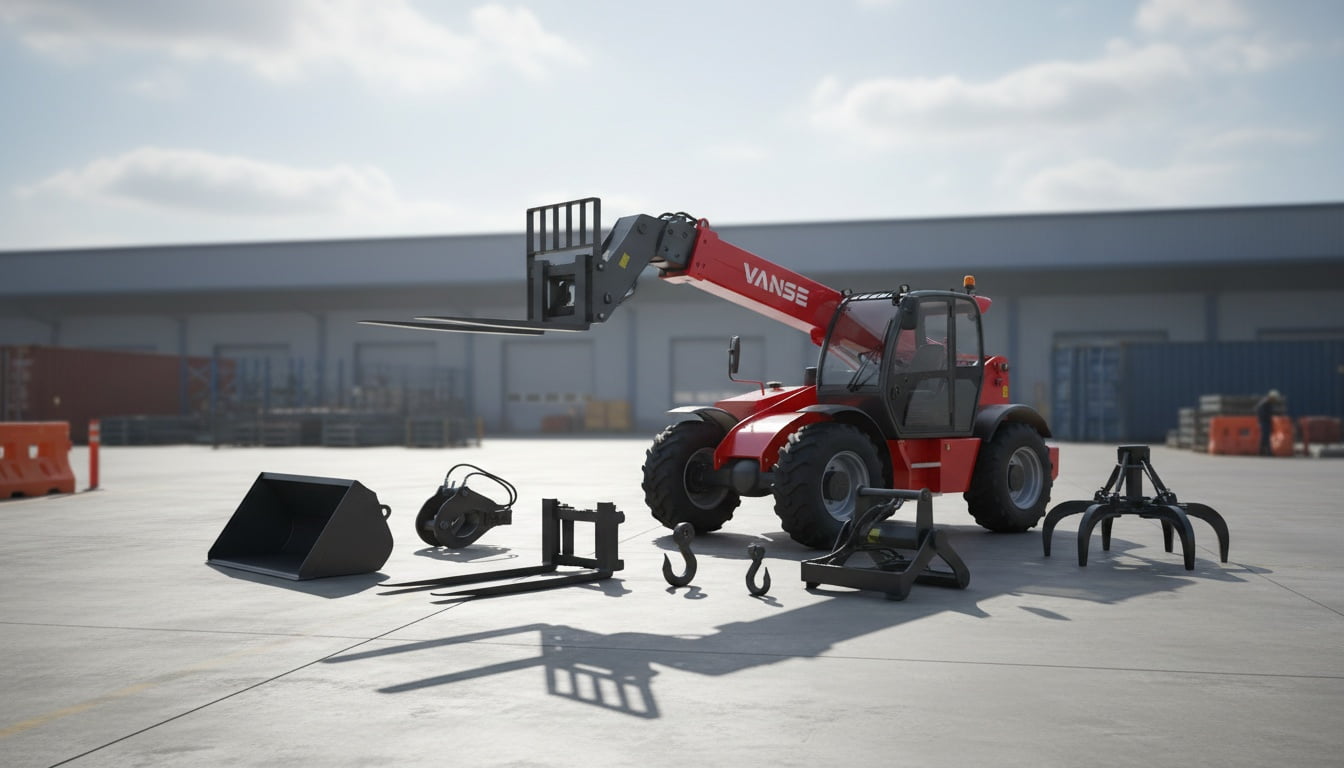
Pallet forks are standard, but many users also require buckets, lifting jibs, work platforms where permitted, bale handlers, and other job-specific tools. Buyers should confirm hydraulic and mounting compatibility before ordering.
How important is the engine brand?
It is important because engine support affects parts access, technician familiarity, and long-term reliability. Recognized brands such as Perkins and Cummins can strengthen buyer confidence when supported by proper service documentation.
What should rental fleets prioritize?
Rental fleets should prioritize machine simplicity, clear operator controls, attachment interchangeability, fast-turn service access, and predictable maintenance schedules. These factors often matter more than chasing maximum specification on paper.
How does 2026 likely change buying priorities?
By 2026, buyers are likely to place more weight on telematics, lifecycle cost control, policy compliance, operator comfort, and sustainable efficiency. Machines that combine practical performance with better support visibility will stand out.
Final Takeaway
For the United States, the 3000 kg telehandler remains one of the most balanced choices for general sites because it delivers practical lifting power without the cost and complexity of larger heavy-lift units. It works well across construction, agriculture, rental, and industrial handling, especially in markets where one machine must perform multiple daily roles. Buyers should compare mainstream brands such as JLG, Genie, JCB, Manitou, Skyjack, and Bobcat with qualified international suppliers that can prove certification, recognized components, rigorous testing, and local support commitment. The best purchase is rarely the cheapest quote; it is the machine and supplier combination that keeps your operation productive in the city, on the farm, in the yard, and through the busiest season.
Complete Telescopic Handler Equipment Portfolio
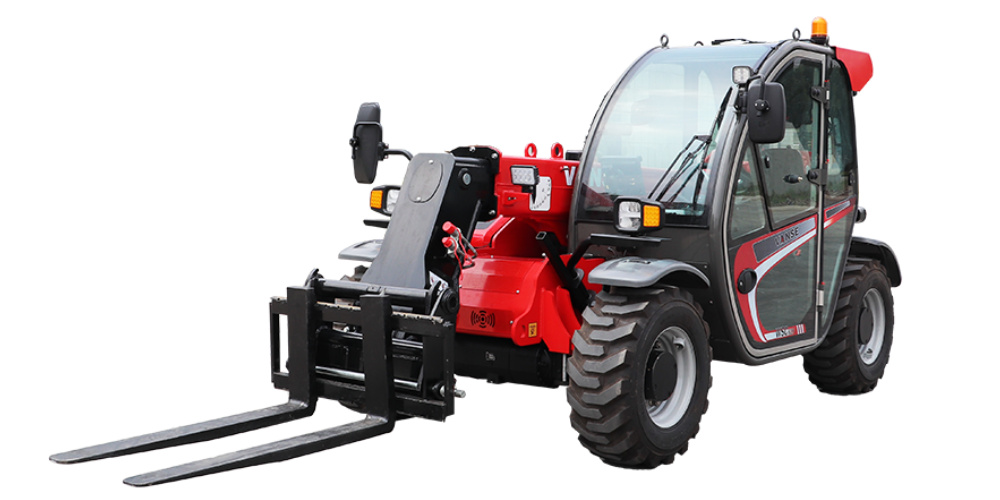
VANSE 625 6m Telescopic Handler
Designed for efficient material handling and stacking in warehouses, factories, and confined job sites, offering compact maneuverability and reliable performance.

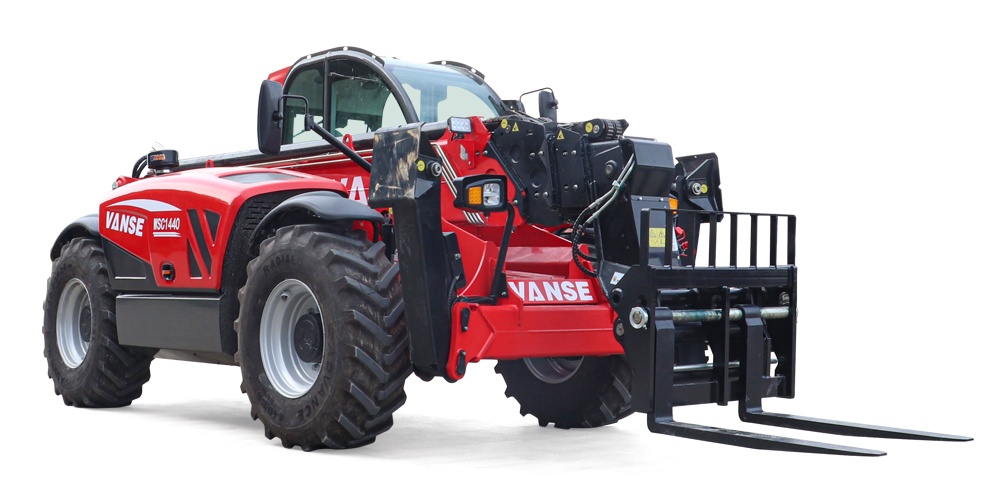
VANSE 735 7m Telescopic Handler
A balanced mid-duty solution for construction, agriculture, logistics, and warehousing, combining stable lifting, strong traction, and everyday versatility.


About the Author:
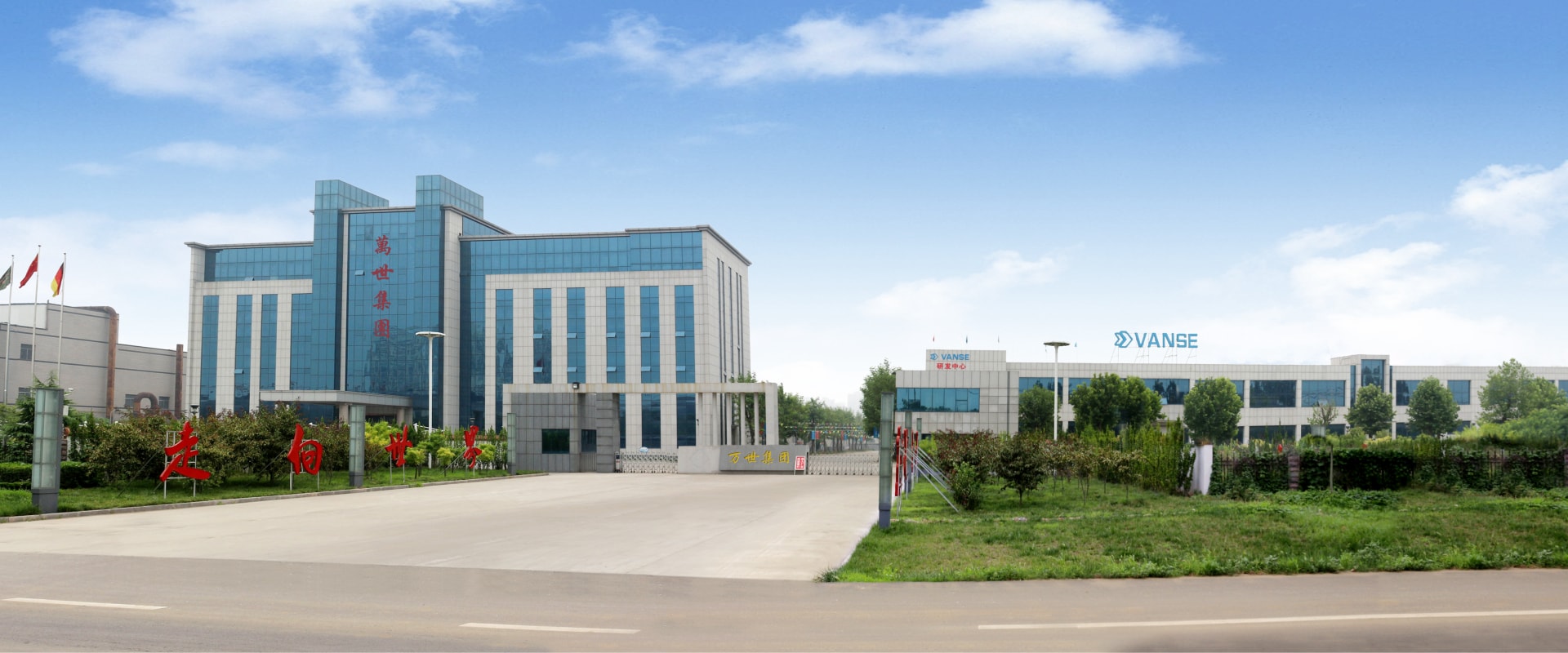
The VANSE team is a group of experienced professionals specializing in construction machinery research, manufacturing, and technical support. With deep industry knowledge and hands-on experience, our engineers and product specialists share practical insights on equipment selection, operation, maintenance, and industry trends.
Share
You May Also Interest
-

26 October, 2026
Telehandler Stability: Preventing Tip Over on Rough Sites
Learn telehandler stability best practices in the United States, including rough-site setup, load control, slope limits, and buyer guidance for safer lifting.
-

23 October, 2026
Why Use a Telehandler: Top Benefits Over Other Equipment
Learn why use a telehandler matters in the United States: higher reach, fewer machines, faster handling, and better jobsite versatility.
-

22 October, 2026
Telehandler for Grain Handling on Large Modern Farm Sites
Explore telehandler grain handling options in the United States, including suppliers, specs, farm uses, and cost-saving buying advice for grain operations.
-
21 October, 2026
Telehandler vs All Terrain Forklift: Which Lifts Better
Telehandler vs all terrain forklift in the United States: compare reach, lifting, terrain use, costs, and supplier options for smarter equipment buying.