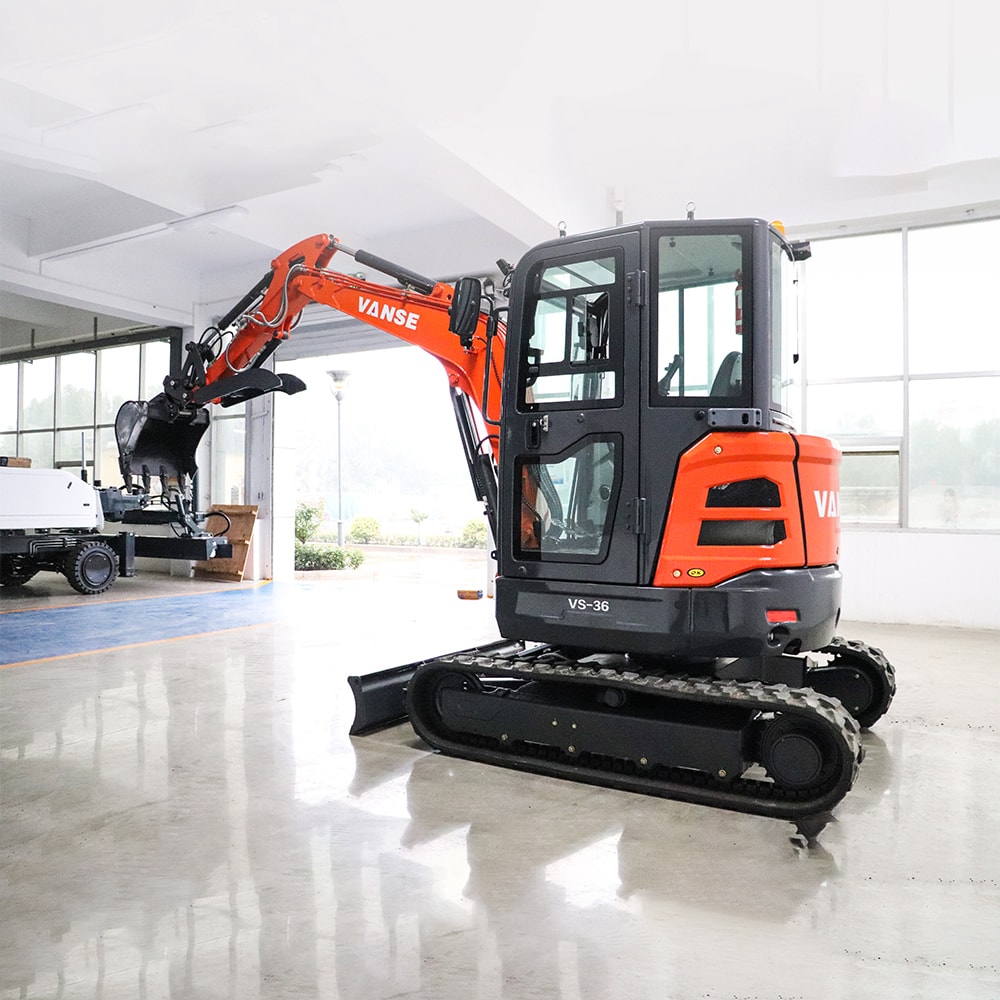
Telehandler vs Excavator in the United States
Quick Answer

If your main task is lifting, placing, stacking, loading pallets, moving pipe, or reaching upper floors on a jobsite in the United States, a telehandler is usually the better choice. If your main task is digging, trenching, grading, demolition, site clearing, or earthmoving, an excavator is the better machine. In practical terms, telehandlers win on reach-and-lift versatility, while excavators win on breakout force and digging productivity.
For U.S. contractors, rental fleets, farms, industrial yards, and municipal buyers, the fastest decision rule is simple: choose a telehandler when vertical reach and material handling matter most; choose an excavator when the project depends on excavation depth, bucket power, and attachment-driven ground work. In mixed operations, many buyers in Texas, California, Florida, Georgia, Illinois, and the Carolinas keep both in their fleet because the machines solve different bottlenecks.
Common U.S. brands to compare include JLG, Genie, Caterpillar, JCB, Bobcat, John Deere, Komatsu, and Volvo Construction Equipment. Qualified international suppliers can also be worth considering, especially when they offer CE and ISO 9001 controlled manufacturing, globally recognized engines and hydraulics, U.S.-focused parts planning, and strong pre-sale and after-sale support. That is particularly relevant when buyers want better cost-performance without sacrificing core component reliability.
Direct Comparison: What Really Separates a Telehandler from an Excavator

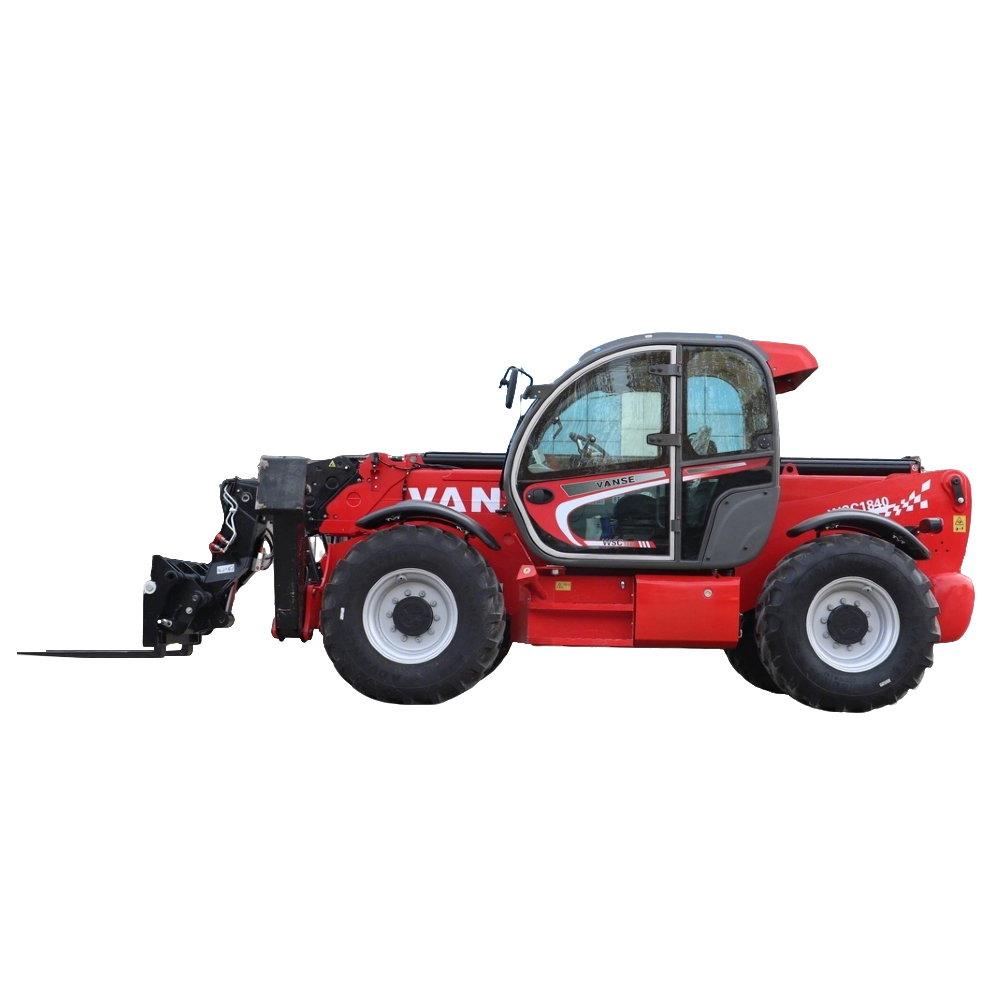
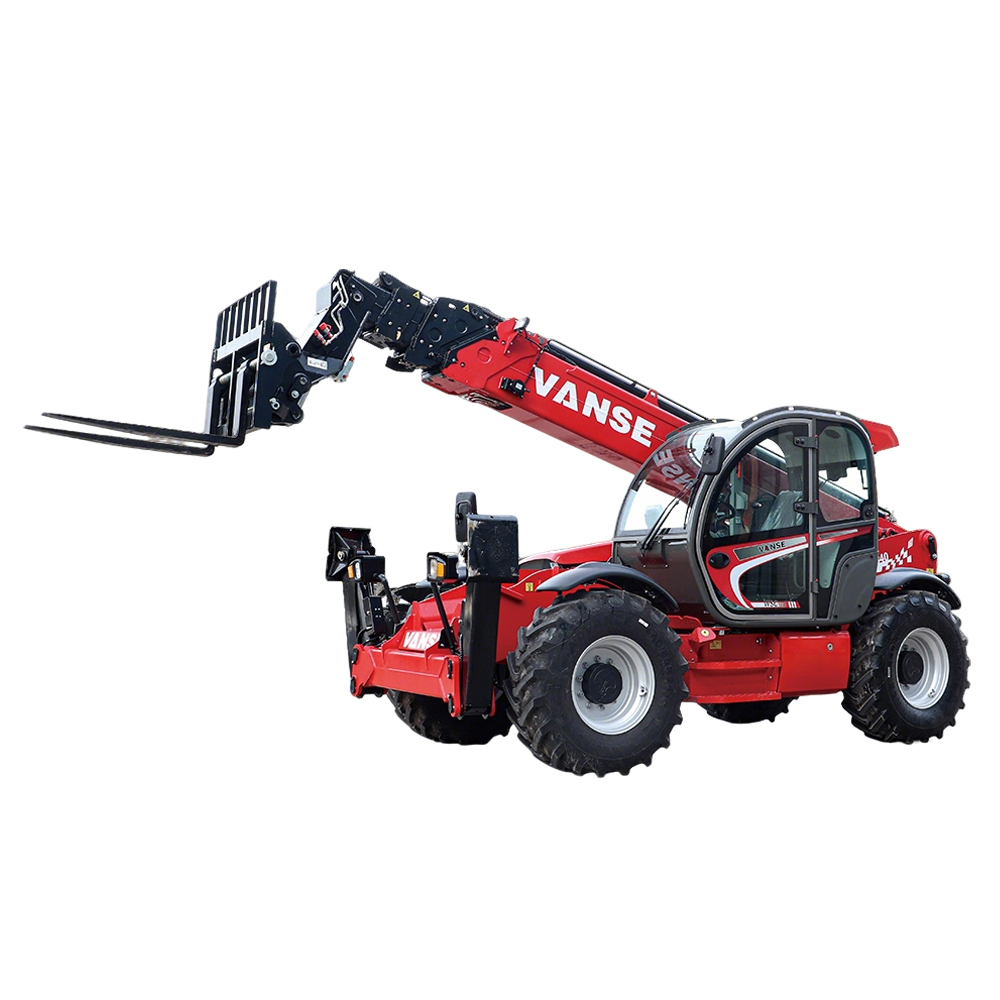
A telehandler is essentially a telescopic lifting and handling machine. Its boom extends outward and upward, allowing operators to place loads onto roofs, into second-story framing, over obstacles, and across uneven jobsite conditions. In the United States, telehandlers are common on commercial construction, agriculture, industrial warehousing, ports, lumber yards, and oil and gas support yards from Houston to Oklahoma City and from Savannah to Los Angeles.
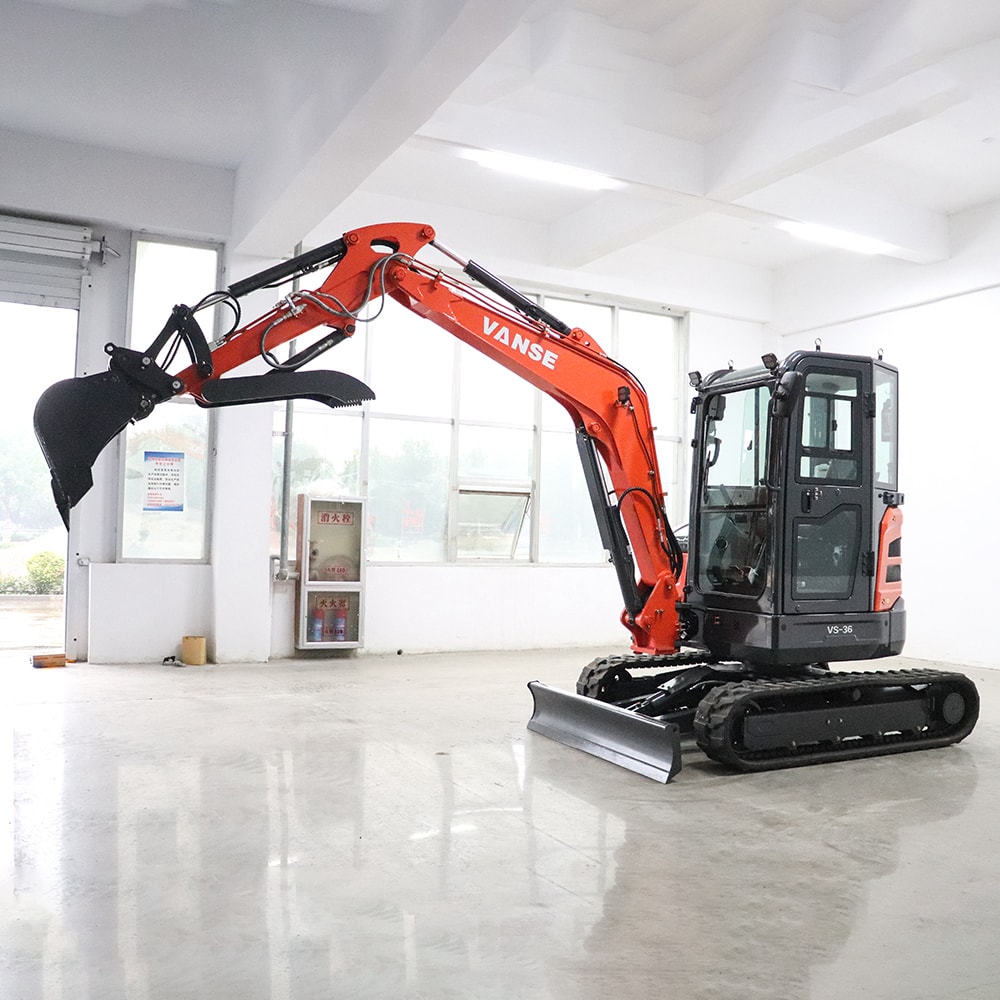
An excavator is a digging platform built around hydraulic breakout force. It is designed to excavate foundations, trenches, utility channels, retention ponds, and demolition zones. The machine rotates, digs below grade, and works with buckets, breakers, grapples, augers, and compactors. Excavators dominate civil works, roadbuilding, utility installation, pipeline work, land development, and demolition jobs throughout major U.S. growth corridors such as Dallas-Fort Worth, Phoenix, Atlanta, Nashville, and Inland Empire logistics developments in Southern California.
The biggest mistake buyers make is treating them as direct substitutes. They overlap only in a few attachment-based applications. A telehandler can move materials around a site far faster than an excavator. An excavator can reshape ground and trench with far more efficiency than a telehandler. That is why fleet managers often assign telehandlers to support crews and excavators to production excavation crews.
| Factor | Telehandler | Excavator | What it means on a U.S. jobsite |
|---|---|---|---|
| Primary purpose | Lifting, placing, loading, handling | Digging, trenching, demolition, grading | Choose based on whether your bottleneck is material movement or earthwork production |
| Reach direction | Upward and forward | Downward and around the machine | Telehandlers serve framed structures; excavators serve below-grade work |
| Main attachment style | Forks, buckets, jibs, work platforms, grabs | Buckets, breakers, grapples, augers, thumbs | Attachment ecosystem affects resale and rental utilization |
| Surface interaction | Travels with loads across site | Stays positioned for digging cycle efficiency | Telehandlers reduce manual rehandling; excavators reduce digging time |
| Best for buildings | Excellent | Limited | Telehandlers are standard for steel, framing, roofing, and masonry delivery |
| Best for trenching | Poor to limited | Excellent | Excavators remain the right tool for utilities and drainage packages |
| Operator skill focus | Load charts, stability, placement accuracy | Digging control, depth, cycle times, swing safety | Training and safety programs differ significantly |
This comparison shows why procurement teams should start with task flow, not machine price. A less expensive excavator does not solve elevated material placement needs, and a competitively priced telehandler does not replace trench productivity. The right machine is the one that removes the most expensive delay in your operation.
United States Market Overview

Demand in the United States remains strong for both machine types, but the drivers differ. Telehandler demand is tied to nonresidential construction, warehouse expansion, modular building, farm operations, and rental fleet renewal. Excavator demand is tied more heavily to infrastructure, utility replacement, roadwork, housing site prep, and demolition. The best buying windows often align with seasonal regional demand: spring and summer in the Midwest, year-round in the Sun Belt, and hurricane recovery cycles in Gulf and Atlantic states.
Ports and trade hubs also influence supply and lead time. Buyers near Houston, Savannah, Charleston, Los Angeles, Long Beach, Tacoma, and Newark often watch inbound machine availability carefully, especially when comparing domestic inventory against imported units. Rental chains and regional dealers also shape pricing in large construction corridors such as Miami, Orlando, Charlotte, Chicago, Denver, and Las Vegas.
Another major U.S. trend is the shift toward total cost of ownership analysis rather than simple sticker price. Fleet managers increasingly compare fuel burn, parts lead time, attachment compatibility, operator onboarding, and residual value. That is where telehandlers with premium powertrain components and excavators with common hydraulic service parts hold an advantage.
The line chart illustrates realistic market growth momentum through 2026. Excavators continue to hold larger absolute demand because of infrastructure and utility work, but telehandlers are growing steadily as logistics-heavy construction methods expand. For buyers, this means telehandler lead times and used inventory competition may stay tighter than expected in active regional markets.
Product Types and Configurations
In the United States, telehandlers are commonly segmented by lift height, rated capacity, frame size, and whether they are built for construction, agriculture, or industrial handling. Compact telehandlers work well in urban infill projects, indoor material yards, and farms. Mid-size machines are the mainstream choice for commercial jobsites. High-reach telehandlers support steel erection, precast handling, large framing projects, and heavy rooftop material delivery.
Excavators are typically segmented as mini, compact, mid-size, and large excavators. Mini excavators dominate landscaping, residential utility work, and tight-access jobs. Mid-size excavators are the workhorse category for site development and municipal utility work. Large excavators take over in quarry support, major earthmoving, roadbuilding, and production demolition.
| Machine type | Typical U.S. size band | Best applications | Strength |
|---|---|---|---|
| Compact telehandler | 5,000 to 6,600 lb capacity | Urban builds, farms, nurseries, interior yards | Good maneuverability with lifting reach |
| Mid-size telehandler | 6,600 to 10,000 lb capacity | Commercial framing, masonry, roofing | Balanced lift capacity and site versatility |
| High-reach telehandler | 10,000 lb and above | Steel erection, precast, industrial placement | Extended reach for larger jobsites |
| Mini excavator | 1 to 6 ton class | Residential utilities, landscaping, repairs | Access in confined spaces |
| Compact excavator | 6 to 10 ton class | Light commercial, drainage, local utilities | Useful blend of mobility and digging power |
| Mid-size excavator | 10 to 25 ton class | Site prep, trenching, demolition | Mainstream production machine |
| Large excavator | 25 ton class and above | Heavy civil, quarry, major infrastructure | Maximum breakout force and volume |
This table helps buyers avoid category mismatch. Many U.S. businesses do not need the largest machine; they need the right class for transport, operator availability, and utilization rate. Oversizing often reduces ROI, especially for seasonal users and owner-operators.
Where Telehandlers Win
Telehandlers are the better choice when jobsites need fast, repeatable material movement and elevated placement. Think framing lumber to upper levels in Nashville, truss placement in suburban Dallas, palletized block movement in Phoenix, feed handling on Midwest farms, or bulk bag movement at industrial yards near the Port of Savannah. A telehandler can replace multiple manual handling steps, reduce labor fatigue, and improve crew sequencing.
On modern U.S. commercial projects, schedule compression matters. Telehandlers keep roofing, HVAC, glazing, masonry, and framing crews supplied with materials when cranes are not practical or are too expensive to keep on site full time. Rental companies also favor telehandlers because they fit a wide range of customer profiles, from general contractors to agricultural operators.
Where Excavators Win
Excavators dominate any project where the primary output is earth removed, soil moved, trench completed, foundation cut, or concrete broken. Utility contractors in Chicago, roadbuilders in Florida, and site developers in Arizona rely on excavators because no telehandler can match the digging cycle, bucket penetration, or below-grade control of a dedicated excavator.
Excavators also excel in attachment versatility where the work is ground-engaged. Hydraulic breakers for demolition, augers for pole and foundation drilling, grapples for debris sorting, and compaction attachments for trench restoration all expand the machine’s role. If the crew’s day starts with grade stakes and ends with spoil piles, the excavator is almost always the correct choice.
Buying Advice for United States Contractors and Fleet Managers
Start with utilization, not brand preference. Ask what the machine will do for at least 60 percent of its working hours. If the answer is lift, place, carry, and load, prioritize telehandler specifications such as lift capacity, max reach, stabilization, frame width, and attachment interchangeability. If the answer is trench, dig, break, scrape, and load spoil, focus on excavator operating weight, arm configuration, hydraulic flow, bucket force, and transportability.
Second, review local dealer or support density. A machine with attractive pricing can become costly if service delays are common in your state. U.S. buyers should compare parts stocking, field service response, and whether support covers regions such as the Southeast, Gulf Coast, Midwest, Mountain West, and Northeast. This is especially important for rental fleets and project-based contractors working under liquidated damages.
Third, consider transport logistics. A telehandler may simplify internal site movement, but a larger unit may require more planning for highway transport. Excavators also vary widely in trailer and permit needs. For contractors running multiple small jobs per week, transport efficiency can outweigh pure machine performance.
Finally, compare lifecycle value. Used resale is important, but uptime matters more. Machines built with recognized engines, durable axles, stable hydraulics, and tested booms or structures tend to lower ownership risk. That is why buyers increasingly ask detailed questions before committing through a dealer, distributor, or direct importer.
| Decision factor | Questions for telehandler buyers | Questions for excavator buyers | Why it matters |
|---|---|---|---|
| Main job output | How often do you lift palletized or elevated loads? | How many trenching or digging hours per week? | Aligns purchase with revenue-producing work |
| Worksite conditions | Do you need reach over obstacles or rough terrain travel? | Do you need swing clearance and stable digging position? | Directly impacts productivity and safety |
| Attachment needs | Will you use forks, buckets, jibs, platforms, clamps? | Will you use buckets, breakers, augers, grapples? | Attachments increase ROI when used consistently |
| Transport | Can your trailer handle machine size and job frequency? | Is permit-free transport important for local jobs? | Mobilization cost affects total ownership cost |
| Service network | Is there regional support near your operating radius? | Are hydraulic and undercarriage parts readily available? | Downtime is often more expensive than finance cost |
| Operator hiring | Can operators read load charts and lift safely? | Can operators maintain grade accuracy and cycle speed? | Skill fit protects productivity and insurance profile |
| Resale strategy | Will you sell into rental, agriculture, or contractor markets? | Will you trade into utility, demolition, or sitework markets? | Residual value varies by region and end market |
This checklist turns a broad equipment decision into a practical buying process. For U.S. businesses, it is often the fastest way to narrow a purchase down to the machine category that will actually stay busy.
Industry Demand Across the United States
Different industries value these machines differently. Telehandlers are especially strong in commercial construction, agriculture, industrial plants, ports, and distribution facilities. Excavators dominate utilities, roadbuilding, site development, demolition, and land improvement. Understanding where your company fits in this demand landscape helps with both purchase decisions and rental revenue planning.
The bar chart highlights the practical split. Telehandlers are most valuable when materials need to move efficiently around structures and yards. Excavators dominate industries where the ground itself is the work zone. Many mixed fleets in the United States carry both because telehandlers support crews while excavators perform production excavation.
Applications by Job Type
On a hospital expansion in Atlanta, a telehandler may unload rebar, move drywall, place mechanical units, and feed masonry crews all in one shift. On a subdivision utility package in Tampa, an excavator may trench water lines, place bedding material, set structures with support from another machine, and backfill efficiently. On an agricultural property in Iowa, the telehandler handles feed, seed, bales, and maintenance lifts. On a municipal stormwater repair in Ohio, the excavator is the key revenue machine.
For warehouse development near Inland Empire and New Jersey logistics hubs, telehandlers are used extensively during steel erection, insulation delivery, and dock equipment installation. Excavators handle site prep, drainage, retention basins, and utility crossing work before the vertical build accelerates.
Real-World Case Studies
A framing contractor in Texas running three suburban commercial builds found that replacing repeated crane calls with a mid-size telehandler reduced waiting time for material placement and improved crew continuity. The machine’s value was not just in lift capacity but in eliminating bottlenecks between deliveries and installation crews. The contractor still rented excavators when site prep was needed, but the telehandler became a daily-use asset.
A utility subcontractor in North Carolina tested whether a telehandler with bucket attachment could support light earthmoving on a pipe replacement job. It helped with loading and moving pipe, but trench production lagged badly. After shifting back to a compact excavator, trench speed, spoil handling, and restoration improved. The lesson was clear: a telehandler can support excavation, but it should not replace an excavator where digging is the core scope.
An industrial plant maintenance team near Houston used a telehandler for turnaround support because the job needed elevated material handling, pallet movement, and positioning over obstacles. The same facility relied on excavators only for drainage maintenance and occasional demolition. The equipment mix reflected task frequency, not the broadest possible machine capability.
Local Suppliers and Major Brands in the United States
U.S. buyers usually compare established global OEMs, dealer-backed regional supply, and carefully selected international manufacturers with strong compliance and support planning. The best supplier is not always the biggest brand; it is often the one that matches your application, region, service expectations, and budget discipline.
| Company | Main product focus | Service region in the U.S. | Core strengths | Key offerings |
|---|---|---|---|---|
| JLG Industries | Telehandlers and access equipment | Nationwide dealer and rental presence | Strong brand recognition, jobsite lift expertise | Construction telehandlers, high-reach models, rental-friendly units |
| Genie | Telehandlers and aerial work platforms | Nationwide, especially strong in rental channels | Rental fleet familiarity and broad support | Standard and rotating telehandler options in select markets |
| JCB | Telehandlers and excavators | Broad U.S. distribution with strong construction and agriculture reach | Well-known telehandler heritage and diverse lineup | Agricultural telehandlers, site telehandlers, excavators |
| Caterpillar | Excavators and full construction fleet | Extensive nationwide dealer network | Parts support, resale strength, fleet integration | Mini to large excavators, attachments, telehandler options via market channels |
| Bobcat | Compact equipment and telehandlers | Strong local dealer footprint across many states | Compact equipment loyalty and accessible ownership | Compact telehandlers, mini excavators, light construction solutions |
| John Deere | Excavators and earthmoving | Strong national network, especially Midwest and South | Contractor familiarity and machine support | Compact and mid-size excavators for construction and utilities |
| Komatsu | Excavators and heavy construction equipment | Nationwide support with strong heavy civil relevance | Production excavation performance and telematics | Mid-size and large excavators for infrastructure and sitework |
| Volvo Construction Equipment | Excavators and construction equipment | Broad national dealer support | Operator comfort, fuel efficiency, fleet productivity | Compact to large excavators for civil and commercial work |
This supplier table is most useful when narrowed by region. For example, buyers in the Southeast may prioritize fast field support and storm-season uptime, while West Coast buyers may focus more on lead times through Los Angeles and Long Beach channels. In the Midwest, agricultural telehandler demand can shape availability as much as construction demand.
Supplier and Product Comparison Snapshot
When buyers compare suppliers, they usually weigh four things: support coverage, product specialization, price-to-spec value, and parts predictability. A strong supplier may not lead every category, but it should fit your use case better than the alternatives.
This comparison chart reflects a realistic buying pattern in the United States. Established OEMs usually win on dealer density and broad fleet reputation, while qualified international suppliers often stand out on cost-performance and customization. That is why many distributors, private-label buyers, and regional fleet owners review both groups rather than defaulting to only one sourcing model.
Trend Shift Through 2026
The market is shifting toward multi-role fleets, telematics, emissions-aware procurement, and lower total lifecycle cost. Telehandlers are benefiting from the growth of prefabricated construction, logistics-heavy commercial projects, and labor-saving handling needs. Excavators are benefiting from federal and state infrastructure work, water system upgrades, energy projects, and resilient utility construction.
The area chart shows a gradual shift rather than a replacement effect. Excavators remain essential, but telehandlers are claiming a larger share of project-critical hours in material staging and installation. This is especially visible in warehouse construction, large-format retail, manufacturing expansions, and agricultural modernization.
Our Company in the United States Market
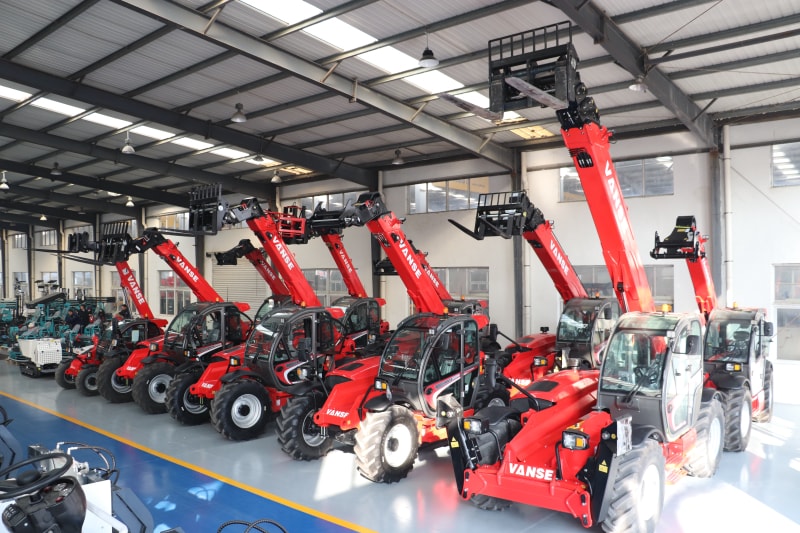
For buyers comparing telehandler-focused suppliers, VANSE offers a practical option for U.S. businesses that want strong specifications without paying premium-brand pricing. The company has been manufacturing construction machinery since 2013, has delivered more than 8,000 units globally, and serves customers in over 40 countries, including North America. Its telehandlers are produced under CE and ISO 9001 controlled processes, use internationally recognized core components such as Perkins and Cummins engines along with premium hydraulic systems, transmissions, and axles, and every machine goes through load testing, safety inspection, and performance validation before shipment. That product discipline matters for U.S. buyers looking for verifiable build standards rather than generic import claims. On the commercial side, VANSE supports multiple cooperation models for contractors, equipment rental fleets, distributors, dealers, brand owners, and even smaller-volume buyers through wholesale supply, OEM and ODM customization, regional distribution cooperation, and direct project matching for different applications; buyers can explore its broader machinery lineup through the equipment catalog or learn more on the company page. Just as important for local trust, VANSE is actively establishing a U.S.-based subsidiary with local inventory, stocking support, and localized after-sales capability, complementing its online technical support and factory-backed service process so buyers in the United States are dealing with a supplier building long-term physical market presence rather than acting only as a remote exporter. That combination of export track record, component transparency, customization flexibility, and local service investment is why the brand can be worth evaluating for telehandler sourcing, especially where cost-performance and partnership support are both important. Buyers needing maintenance planning or service coordination can also review available service support or use the contact channel for application-specific guidance.
How to Decide If You Need One Machine or Both
If your business handles structural materials every week, a telehandler often earns its keep quickly. If your business cuts trench, loads spoil, or performs site prep every week, an excavator usually does the same. If you do both types of work at meaningful volume, it often makes financial sense to own one core machine and rent the second category during peak periods until utilization data proves a full purchase is justified.
Small U.S. contractors often start with the machine that drives billable production and rent the support machine. Larger fleets frequently reverse that logic and buy both, because downtime and scheduling conflicts cost more than monthly payments. For rental houses, telehandlers can produce strong utilization across multiple sectors, while excavators remain indispensable in local utility and sitework rental demand.
Common Mistakes to Avoid
One common mistake is buying a telehandler because it appears more versatile on paper, then discovering the core work is trenching. Another is buying an excavator because it feels universally useful, while material handling delays continue to slow every building crew. A third mistake is ignoring regional service conditions. A machine with attractive specs means little if parts support is weak in your operating area.
Buyers also underestimate operator fit. Telehandler safety depends heavily on stable load handling, reach awareness, and proper use of forks and attachments. Excavator performance depends heavily on smooth cycle control, trench accuracy, and attachment management. Training should be treated as part of the purchase decision.
Future Trends in 2026: Technology, Policy, and Sustainability
Looking into 2026, the United States market will continue to reward equipment that improves labor efficiency, fuel management, and service predictability. Telematics will become even more standard, allowing fleet managers to monitor idle time, fault codes, and operator habits from regional headquarters. This matters for both telehandlers and excavators, but telehandler fleets will especially benefit where multiple crews share the same machine across a site.
Policy trends will also influence buying choices. State and local procurement rules are increasing interest in emissions compliance, fleet reporting, and cleaner operations, especially around public works and urban construction zones. Contractors working in California and other regulation-sensitive markets will continue to evaluate engine compliance, noise, maintenance planning, and future electrification pathways more carefully than before.
Sustainability is no longer only a branding issue. Reduced idle time, right-sized fleets, better hydraulic efficiency, and fewer unnecessary delivery cycles lower both operating cost and carbon intensity. Telehandlers can contribute by consolidating material handling steps. Excavators contribute when advanced hydraulics and matched attachments reduce rework and excess fuel burn. For buyers looking ahead, the strongest value is likely to come from machines that combine reliable core components, data visibility, and practical service support rather than from headline technology alone.
FAQ
Is a telehandler better than an excavator?
Neither is universally better. A telehandler is better for lifting and placing materials. An excavator is better for digging and earthwork. The correct machine depends on the primary task that generates revenue on your jobs.
Can a telehandler replace an excavator?
Not for serious excavation. A telehandler can assist with light loading or handling tasks, but it does not replace the digging force, depth control, and trench productivity of an excavator.
Can an excavator replace a telehandler?
Only partially and usually inefficiently. An excavator can move some materials with the right attachment, but it cannot match a telehandler for forward reach, pallet handling, or elevated load placement on buildings and industrial sites.
Which machine is more useful for construction in the United States?
Commercial building contractors often get more daily value from telehandlers, while civil and utility contractors get more value from excavators. Mixed contractors often need both, especially on larger projects.
Which is easier to rent in the United States?
Both are widely available, but availability depends on region and season. Telehandlers can tighten during peak commercial construction periods, while excavators can tighten during infrastructure, utility, and storm-recovery surges.
Which machine usually costs less to buy?
That varies by size and specification. Small excavators can be less expensive than larger telehandlers, while premium excavators can cost more than mid-range telehandlers. Price should always be compared against utilization and service support, not just purchase value.
What should distributors and dealers look for in a telehandler supplier?
They should look for certified manufacturing processes, transparent component sourcing, flexible OEM or ODM support, reliable production capacity, and credible local after-sales planning. Those factors affect not only initial sales but repeat business and brand reputation.
What should end users ask before buying from an international supplier?
Ask about certification, engine and hydraulic brands, testing procedures, spare parts planning, warranty process, local stocking strategy, and whether the supplier has a real U.S. service commitment. Those details separate dependable long-term partners from transactional exporters.
Final Takeaway
For most U.S. buyers, the telehandler versus excavator decision becomes simple when framed around output. If you need reach, lift, placement, and site material flow, buy a telehandler. If you need digging, trenching, demolition, and ground production, buy an excavator. If your company handles both scopes regularly, build a fleet strategy that uses each machine where it creates the most value. In the United States, where labor pressure, project schedules, and service expectations are high, the winning decision is the one that reduces downtime, keeps crews productive, and matches the real work your business performs every week.
Complete Telescopic Handler Equipment Portfolio
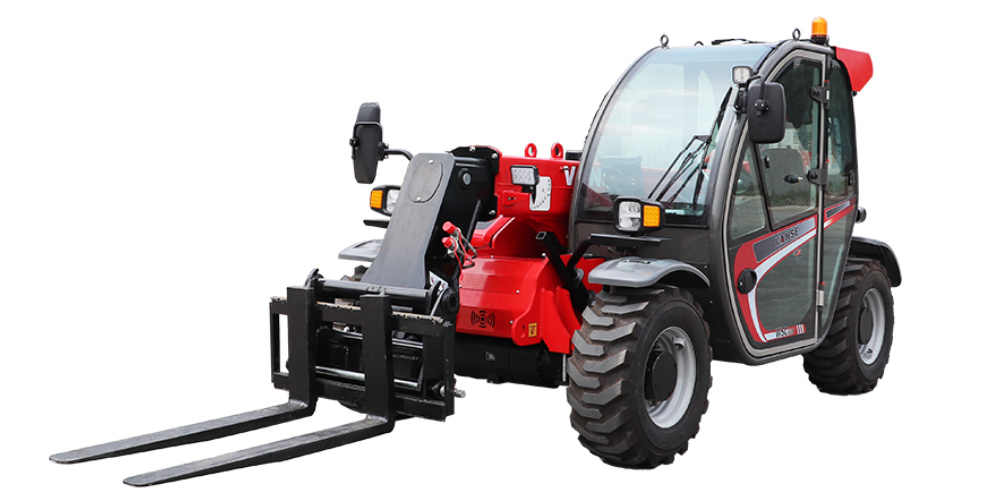
VANSE 625 6m Telescopic Handler
Designed for efficient material handling and stacking in warehouses, factories, and confined job sites, offering compact maneuverability and reliable performance.

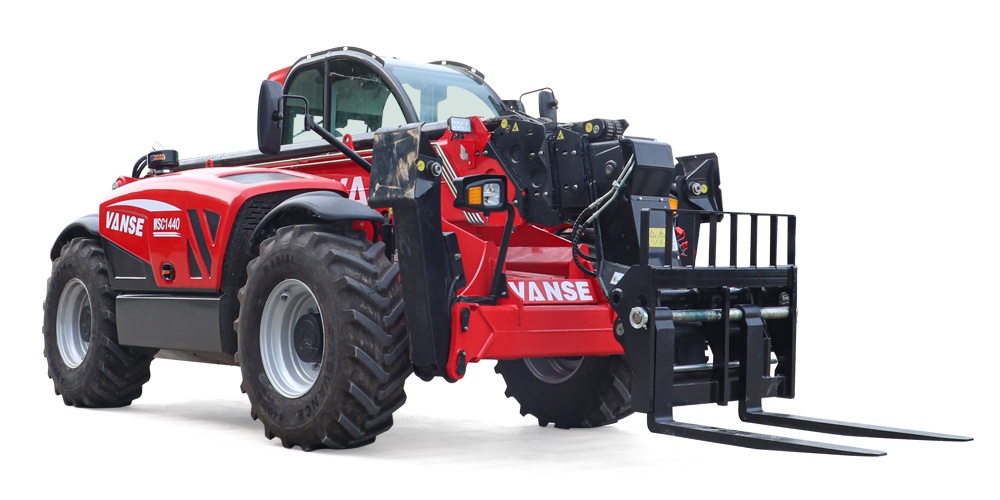
VANSE 735 7m Telescopic Handler
A balanced mid-duty solution for construction, agriculture, logistics, and warehousing, combining stable lifting, strong traction, and everyday versatility.


About the Author:
The VANSE team is a group of experienced professionals specializing in construction machinery research, manufacturing, and technical support. With deep industry knowledge and hands-on experience, our engineers and product specialists share practical insights on equipment selection, operation, maintenance, and industry trends.
Share
You May Also Interest
-

29 May, 2026
Telehandler vs Mast Forklift: Comparison
Telehandler vs mast forklift in the United States: compare reach, load, cost, safety, and jobsite fit to choose the right material handling machine.
-
28 May, 2026
Telehandler vs Backhoe: Comparison
Telehandler vs backhoe in the United States: compare reach, digging, lifting, costs, jobsite fit, suppliers, and buying tips for smarter equipment choices.
-
27 May, 2026
Telehandler vs Mini Crane: Comparison
Compare telehandler vs mini crane in the United States with costs, jobsite fit, supplier options, and 2026 buying trends for safer lifting decisions.
-

26 May, 2026
Electric Telehandler vs Diesel Telehandler
Compare electric telehandler vs diesel telehandler in the United States with costs, suppliers, use cases, and buying tips for construction and agriculture.