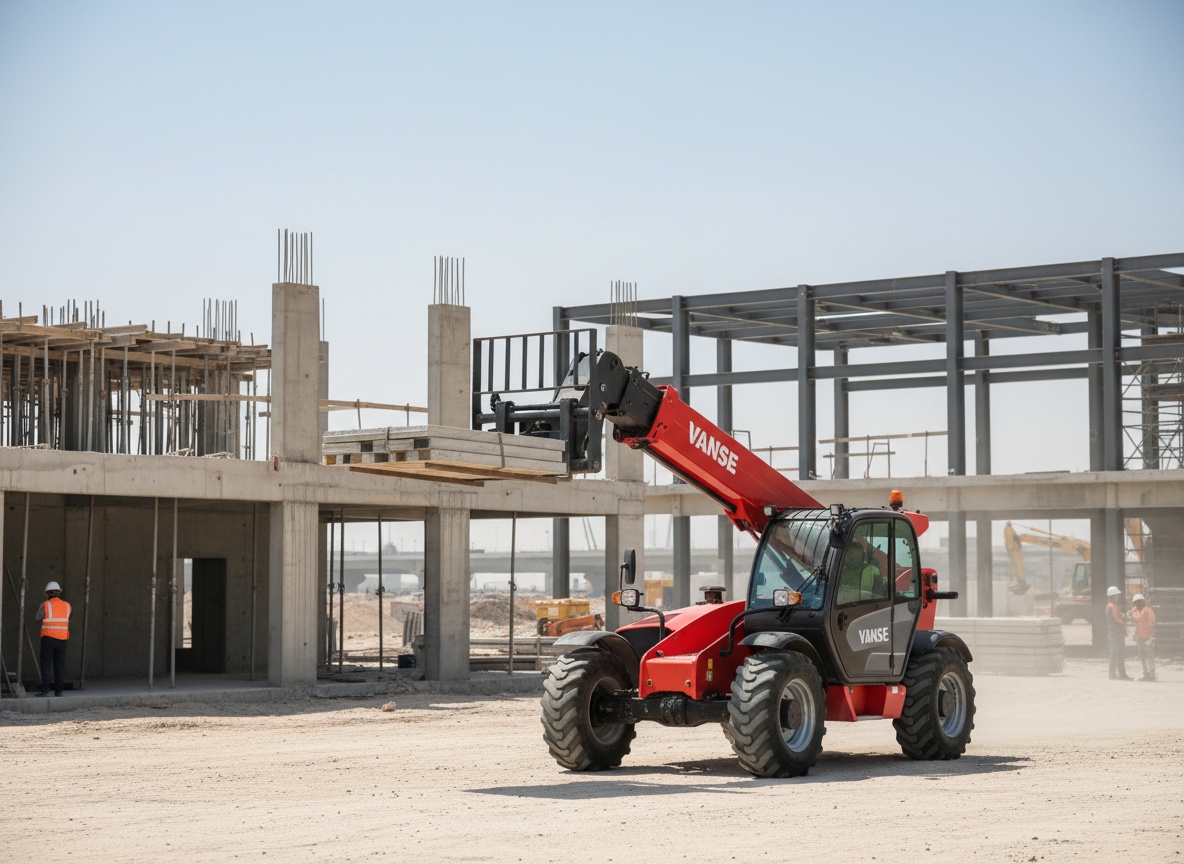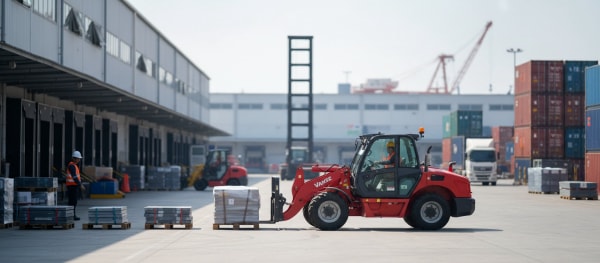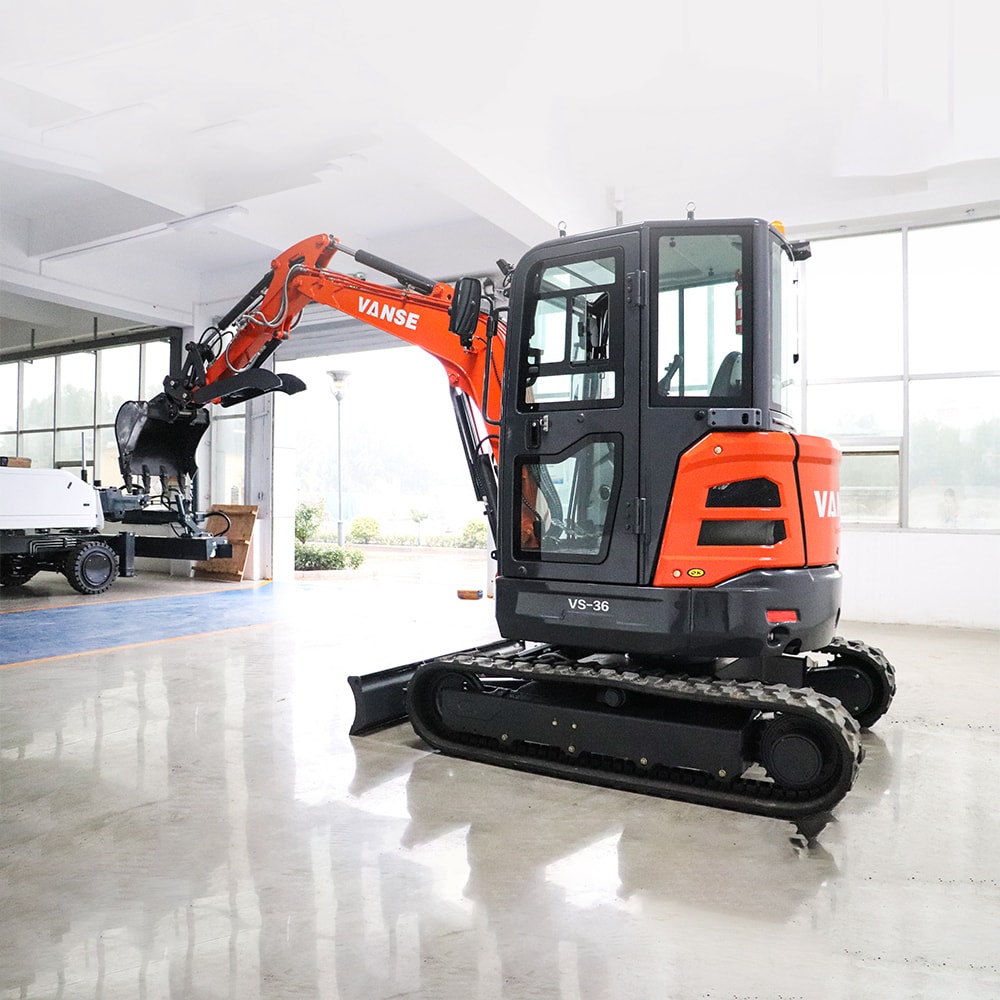
Sollevatore telescopico o escavatore in Italia?
Risposta rapida

In Italia, il sollevatore telescopico è la scelta migliore quando il lavoro richiede sollevamento in altezza, movimentazione pallet, carico di materiali e versatilità con accessori; l’escavatore è invece la macchina giusta per scavo, demolizione, sbancamento, trincee e lavori di fondazione. Se il cantiere è edile o agricolo e bisogna spostare carichi, raggiungere quote elevate o servire più attività con una sola macchina, il telescopico offre spesso un miglior ritorno operativo. Se l’obiettivo principale è scavare in modo continuo e preciso, l’escavatore resta più produttivo.
Per acquisti immediatamente operativi in Italia, conviene confrontare marchi e reti assistenza con presenza concreta in aree come Milano, Bologna, Verona, Torino, Roma, Napoli e nei nodi logistici vicini ai porti di Genova
- Per logistica di cantiere, prefabbricati, agricoltura e noleggio multifunzione: meglio il sollevatore telescopico.
- Per scavi, drenaggi, movimento terra e demolizione: meglio l’escavatore.
- Per lavori misti in aziende agricole o cantieri compatti: il telescopico con accessori può sostituire più mezzi.
- Per produttività su terreno duro e cicli di scavo intensivi: l’escavatore vince quasi sempre.
- Per budget controllato, flotte e distribuzione: valutare anche fornitori esteri con magazzino ricambi e assistenza locale.
Il mercato italiano dei sollevatori telescopici per il lavoro sul calcestruzzo si muove lungo tre assi principali: edilizia residenziale e commerciale, infrastrutture e prefabbricazione. Nelle aree del Nord, tra Lombardia, Veneto ed Emilia-Romagna, la domanda è trainata da cantieri ad alta rotazione, stabilimenti di prefabbricati, piattaforme logistiche e impianti industriali. Nel Centro Italia, poli come Roma e Firenze richiedono macchine compatte ma potenti per contesti urbani, ristrutturazioni complesse e cantieri con accessi limitati. Nel Sud e nelle aree portuali di Napoli, Bari, Taranto e Palermo, il focus è spesso sulla combinazione tra costruzioni civili, opere stradali e movimentazione materiali vicino ai nodi logistici.

Il confronto tra sollevatore telescopico ed escavatore in Italia non dipende solo dalla funzione tecnica della macchina, ma anche dal contesto operativo del mercato nazionale. L’Italia ha una domanda molto frammentata: edilizia residenziale, ristrutturazione urbana, agricoltura intensiva, logistica industriale, cave, impiantistica, manutenzione stradale e noleggio professionale. Questo mix spinge gli acquirenti a cercare macchine sempre più flessibili, facili da rivendere e supportate da una rete capillare di officine e ricambi.
Nelle regioni del Nord, come Lombardia, Veneto ed Emilia-Romagna, il sollevatore telescopico è fortemente richiesto per cantieri ad alta rotazione, filiere agricole e movimentazione in stabilimenti. In Piemonte e Friuli-Venezia Giulia cresce il suo utilizzo anche in contesti industriali e logistici. L’escavatore mantiene una domanda stabile e spesso dominante nelle opere di scavo, urbanizzazione, posa sottoservizi, bonifiche e manutenzione infrastrutturale. Nel Centro e nel Sud, inclusi Lazio, Campania, Puglia e Sicilia, le decisioni di acquisto spesso tengono conto di costo iniziale, consumi, disponibilità di operatori già formati e rivendibilità dell’usato.
Per molte imprese italiane, la scelta non è assoluta ma strategica: un’impresa di costruzioni può usare l’escavatore come macchina primaria per il lavoro a terra e il telescopico come macchina di supporto per la movimentazione. Le società di noleggio, invece, analizzano la frequenza delle richieste giornaliere. In diversi bacini, il telescopico è apprezzato perché può servire edilizia, agricoltura, eventi, impiantistica e magazzino esterno con la sola sostituzione dell’attrezzatura.
Questa dinamica spiega perché il mercato italiano premi sia i costruttori storici locali sia i marchi globali con disponibilità ricambi veloce. Chi compra oggi non guarda solo al prezzo, ma al costo totale di possesso: tempi di fermo, assistenza, consumi, versatilità, valore residuo e compatibilità con norme di sicurezza e circolazione di cantiere.
Crescita del mercato macchine in Italia

Il grafico seguente mostra una stima realistica dell’andamento della domanda combinata di macchine compatte e da cantiere con particolare attenzione ai segmenti vicini a telescopici ed escavatori nel mercato italiano.
Differenze operative tra sollevatore telescopico ed escavatore
Il sollevatore telescopico è progettato per alzare, trasportare e posizionare materiali. Il suo braccio telescopico consente di raggiungere altezze e distanze utili per pallet, laterizi, balle, tubazioni, casse e componenti prefabbricati. La macchina può essere equipaggiata con forche, benne, jib, ganci, pinze e accessori speciali. In molte aziende agricole e imprese di servizi, questa multifunzionalità riduce il numero di mezzi necessari.
L’escavatore, invece, è costruito per scavare. La cinematica del braccio, il bilanciamento e l’impianto idraulico lo rendono superiore in trincee, sbancamenti, scavi di fondazione, carico camion, frantumazione e lavori di precisione a terra. Anche quando monta accessori come martelli, trivelle o pinze, la sua natura operativa resta legata allo scavo e alla forza di penetrazione nel terreno.
Se si osservano i cicli di lavoro, il telescopico eccelle quando il materiale deve essere spostato e depositato in quota o oltre un ostacolo. L’escavatore eccelle quando il terreno deve essere rimosso, sagomato o demolito. Questa distinzione, apparentemente semplice, è il punto più importante per evitare investimenti sbagliati.
Confronto pratico delle principali caratteristiche
La tabella seguente aiuta a capire dove ogni macchina rende meglio in un contesto italiano di cantiere, azienda agricola o noleggio.
| Characteristic | Telehandler | Escavatore | Indicazione pratica in Italia |
|---|---|---|---|
| Main function | Sollevamento e movimentazione | Scavo e movimento terra | Scegliere in base al lavoro dominante |
| Lavoro in quota | Molto efficiente | Limited | Il telescopico è preferibile in edilizia e logistica |
| Scavo continuo | Non adatto | Ottimo | L’escavatore è la scelta corretta per trincee e fondazioni |
| Affidabilità e assistenza | Alta con forche, ganci, benne, cestelli | Alta con benne, martelli, pinze, trivelle | Entrambi sono versatili, ma in ambiti diversi |
| Movimentazione pallet | Eccellente | Scarsa | Il telescopico riduce tempi e mezzi ausiliari |
| Demolizione e roccia | Limited | Molto efficace | Escavatore favorito in cantieri pesanti |
| Agricultural use | Very widespread | Specifico e meno trasversale | Il telescopico è spesso più redditizio |
| Facilità di impiego multifunzione | Molto alto | Media | Vantaggio per noleggio e aziende multiservizio |
La lettura corretta di questa tabella è semplice: il telescopico non sostituisce un escavatore nei lavori di scavo strutturale, e l’escavatore non sostituisce un telescopico nelle attività di sollevamento rapido e sicuro in quota. Gli errori più comuni nascono quando si tenta di usare una macchina fuori dal suo profilo produttivo.
Tipologie di prodotto disponibili sul mercato
Nel mercato italiano, il sollevatore telescopico si divide in modelli compatti per aziende agricole e cantieri urbani, modelli medi per edilizia generale, versioni rotative per massima flessibilità in altezza e mezzi heavy duty per grandi carichi. Gli escavatori, invece, si articolano in miniescavatori, midi escavatori, escavatori cingolati standard, gommati e mezzi speciali per demolizione o cave.
Un piccolo costruttore o manutentore urbano che lavora in centri storici come Firenze, Bologna o Roma può preferire un miniescavatore per accesso e manovrabilità. Un’azienda agricola in Emilia-Romagna o Puglia, che ogni giorno movimenta balle, mangimi e bancali, spesso ottiene più valore da un telescopico compatto o medio. Nei poli logistici vicino a Verona, Piacenza e Novara, i telescopici sono usati per piazzali, manutenzione e movimentazioni occasionali fuori dai magazzini coperti.
Domanda per settore in Italia
Il grafico a barre sintetizza dove la domanda relativa è più forte per questo tipo di macchine.
Come scegliere in base all’uso reale
Per scegliere bene tra telehandler ed escavatore bisogna osservare cinque variabili: attività principale, frequenza di lavoro, accessori richiesti, condizioni del sito e organizzazione della squadra. Se una macchina lavora ogni giorno per scavare, l’escavatore è la risposta. Se la macchina deve servire molti compiti diversi e in particolare il sollevamento, il telescopico diventa più interessante.
Un altro criterio essenziale riguarda la produttività oraria. Se per completare un cantiere servono continue operazioni di carico di pallet, posa in quota e supporto alla squadra, un telescopico evita perdite di tempo e noleggi aggiuntivi. Se invece l’attività centrale è la rimozione di terra o la formazione di scavi tecnici, nessun accessorio renderà un telescopico efficiente quanto un escavatore.
Occorre poi analizzare accessibilità e superficie. In spazi stretti con fondo delicato o urbano, un miniescavatore può entrare dove un telescopico medio non opera bene. In piazzali, fattorie e cantieri prefabbricati aperti, il telescopico lavora con più fluidità. Infine conta la formazione degli operatori e il rispetto delle procedure di sicurezza, tema molto importante per imprese italiane soggette a verifiche, assicurazioni e responsabilità di cantiere.
Guida all’acquisto: quando scegliere il sollevatore telescopico
Il sollevatore telescopico è particolarmente indicato quando l’azienda vuole una macchina polivalente. È una scelta forte per imprese agricole che caricano mangimi, balle e big bag; per aziende edili che devono movimentare blocchi, tavolati e materiali in quota; per noleggiatori che cercano una macchina richiesta in più settori; per industrie con piazzali esterni; per manutentori che cambiano spesso accessorio.
In Italia il telescopico è spesso una macchina “ponte” tra cantiere, azienda agricola e attività logistica. Questo aumenta il suo tasso di utilizzo annuo. Se l’utilizzo annuo è elevato e distribuito su lavori diversi, la macchina genera un miglior assorbimento del costo. Vale ancora di più se il modello dispone di ricambi rapidi, buona visibilità, stabilità su terreni misti e una rete assistenza seria.
Guida all’acquisto: quando scegliere l’escavatore
L’escavatore va scelto quando il terreno è il vero oggetto del lavoro. È l’opzione corretta per urbanizzazioni, sottofondi, scavi per fognature, drenaggi, posa cavidotti, demolizioni leggere e carico materiale inerti. Inoltre, per imprese stradali e di infrastrutture, la produttività dell’escavatore resta difficilmente sostituibile.
Se il c
Decision table for Italian buyers
The following table translates concrete cases into an operational decision.
| Scenario operativo | Recommended machine | Main reason | Nota pratica |
|---|---|---|---|
| Farm with bales, pallets, and bucket | Telehandler | A single machine for loading, height work, and handling | Very useful in Emilia-Romagna, Veneto, and Lombardy |
| Excavation for urban underground utilities | Escavatore | Precision and productivity in digging | Compact or wheeled versions preferable in cities |
| Prefabricated elements and block handling site | Telehandler | Reaches heights and handles material placement | Stability and proper attachments are essential |
| Light demolition and trenching | Escavatore | Hydraulic power and dedicated equipment | Check operating weight and transport requirements |
| Multi-client rental | Telehandler | Cross-sector usage in multiple fields | High fleet rotation potential |
| Quarry, continuous earthmoving | Escavatore | Productivity in heavy-duty cycles | Consider higher class and reinforced attachments |
| Outdoor warehouse and industrial yard | Telehandler | Efficient handling and useful reach | Visibility and suitable tyres are important |
This table is useful because it links the machine's function to the business context, avoiding theoretical comparisons. In Italy, many wrong choices stem from wanting to buy a machine "that does everything", whereas in reality every investment should be calibrated on the work that generates the most billable hours.
Typical applications in different sectors
In construction, the telehandler is used to serve bricklayers, carpenters, plant installation contractors and roofing teams. It delivers materials to floor level, unloads trucks, feeds the site's operational flow and reduces the use of less efficient manual solutions. The excavator, on the same site, prepares the work area, digs foundations, moves earth and supports demolition or external finishing works.
In agriculture, the telehandler finds one of its natural environments: storage, feeding, cleaning, loading of cereals, fertilisers and bulky materials. The excavator on the farm is instead used more specifically for ditches, drainage, water management works, internal digging and land maintenance.
In industry and outdoor logistics, the telehandler is appreciated where a robust machine with height and reach is needed, but without wanting to invest in more fixed equipment or less versatile vehicles. The excavator comes into play in civil works linked to new plants or plant expansions.
Shift in purchasing preferences
The area chart shows how, in Italy, the weight of decisions oriented towards versatility, operational efficiency and total cost of ownership is increasing, often favouring the telehandler in mixed fleets.
(manca - non presente nel testo originale)
To purchase well in Italy, it is not enough to choose the model: you need to evaluate the supplier. Parts availability, response times, the quality of the technical network and the value of used equipment count almost as much as the machine itself. The following brands have a recognisable presence or a concretely available offering on the Italian market for telehandlers, excavators or both.
| Azienda | Area di servizio in Italia | Punti di forza | Offerta chiave |
|---|---|---|---|
| Merlo | National presence, strong in the North and Centre | Historic specialisation in telehandlers, well-established network | Telescopic handlers for construction, agriculture and industry |
| Dieci | National network with good coverage in agriculture and construction | Wide range, good local reputation, multiple applications | Compact, medium, rotating telehandlers and special machines |
| JCB | Italian coverage through dealers and widespread service | Strong global brand on both telehandlers and excavators | Telehandlers, compact excavators and construction site machines |
| Manitou | Wide distribution in Italy | Versatile solutions for construction, agriculture and logistics | Fixed and rotating telehandlers, platforms and material handling |
| Caterpillar | Established network for infrastructure and earthmoving | High reputation on excavators and technical support | Crawler excavators, mini excavators and earthmoving range |
| Komatsu | Good presence on infrastructure sites and in industry | Reliability on excavators and earthmoving machines | Compact and standard excavators for professional use |
| Volvo CE | Coverage through official network and regional partners | Comfort, efficiency and premium brand support | Excavators and solutions for construction sites and infrastructure |
| VANSE | International supply to Italian customers with dedicated support | Strong cost-performance ratio, focus on telescopic handlers | Telehandler, mini excavators, attachments and OEM/ODM configurations |
This table is useful for guiding initial screening. Merlo, Dieci, JCB and Manitou are often the most mentioned names when the question concerns telescopic handlers. Caterpillar, Komatsu and Volvo CE come more frequently into consideration for excavators and heavy earthmoving. VANSE, on the other hand, represents an option to be evaluated for importers, dealers, rental companies, contractors and buyers looking for configuration flexibility and a more competitive price positioning without sacrificing international specifications.
Synthetic comparison between supplier profiles
The following chart indicatively compares four decisive factors for the buyer: product versatility, network strength, customization and economic advantage.
Analysis of local and international suppliers
In the Italian context, local suppliers often offer the advantage of proximity, regulatory knowledge and a more immediate technical network. This carries significant weight in regions where a single day of machine downtime can block crews, trucks and deliveries. However, in recent years attention has grown towards international suppliers capable of ensuring CE standards, recognized componentry and well-organized spare parts support. The correct evaluation is therefore not “local versus foreign”, but “who offers the safest combination of reliability, service and total cost”.
Italian rental companies, in particular, look with interest at manufacturers capable of supplying multiple lots, customization, technical support and competitive supply lead times. Regional dealers seek brands that can differentiate themselves without creating problems of homologation, spare parts or reputation in the territory.
Realistic use cases in Italy
A construction company in the Milan area involved in the redevelopment of residential buildings often chooses a compact telescopic handler to serve the site with blocks, pallets and finishing materials. In this scenario, an excavator remains useful only for the initial phase or for external works. The machine that accumulates the most operating hours during work progress may well be the telescopic handler.
A subcontractor for underground utilities in Rome or Naples, on the contrary, needs to dig continuously for water networks, fiber optics or ducting. Here the excavator is the center of productivity. A telescopic handler could help with logistics, but does not replace the main machine.
A large agricultural company in the province of Verona or Parma that manages hay, feed, fertilizers and seasonal maintenance usually gains more value from a telescopic handler. If, however, it needs to carry out drainage, ponds or ditch cleaning, it integrates a mini excavator or entrusts those hours to contractors.
A rental company in Bologna can keep both in the fleet, but will notice that the telescopic handler finds customers in more segments. This does not mean the excavator is less important: it means the demand curve is different and each machine must be purchased with a coherent commercial plan.
Costs, residual value and return on investment
The initial purchase cost is only part of the decision. In Italy, where companies carefully monitor margins, transport, insurance, maintenance and downtime, the true indicator is return on investment. A telescopic handler can have an economic advantage if it replaces a forklift, a small site crane and a support vehicle. An excavator can offer a faster return if it works every day on high-intensity excavation activities.
Residual value depends on brand, hours, documented maintenance and liquidity in the used segment. For telescopic handlers, the condition of the boom, chassis, hydraulic system and wear from heavy applications count heavily. For excavators, the undercarriage, mechanical play, hydraulic pump, maintenance history and condition of the front equipment matter.
Practical economic evaluation table
This table summarizes the economic factors most observed by buyers, rental companies and Italian businesses.
| Fattore | Telehandler | Escavatore | Impact on the decision |
|---|---|---|---|
| Multi-sector utilization rate | Generally high | More specialized | Advantage to the telescopic handler in mixed fleets |
| Productività nello scavo | Bassa | Molto alto | Clear advantage to the excavator |
| Cross-sector daily rental potential | Alto | Medio-alto | Depends on the local customer base |
| Number of useful attachments | Molto elevato | High | Telescopic handler expands commercial uses |
| Machine downtime cost | High if the machine is central to the site | Very high in scheduled excavations | Rapid assistance is needed in both cases |
| Used resale value | Good for strong brands | Very good in high-demand segments | Depends on network, hours and maintenance |
| Transport and logistics | Variable according to reach and height | Variable according to weight and undercarriage | To be verified before purchase |
The table shows that there is no universally better machine: there is the one that is most profitable for the real workflow. If these elements are neglected, the risk is buying a machine that is technically valid but economically inefficient.
Our company
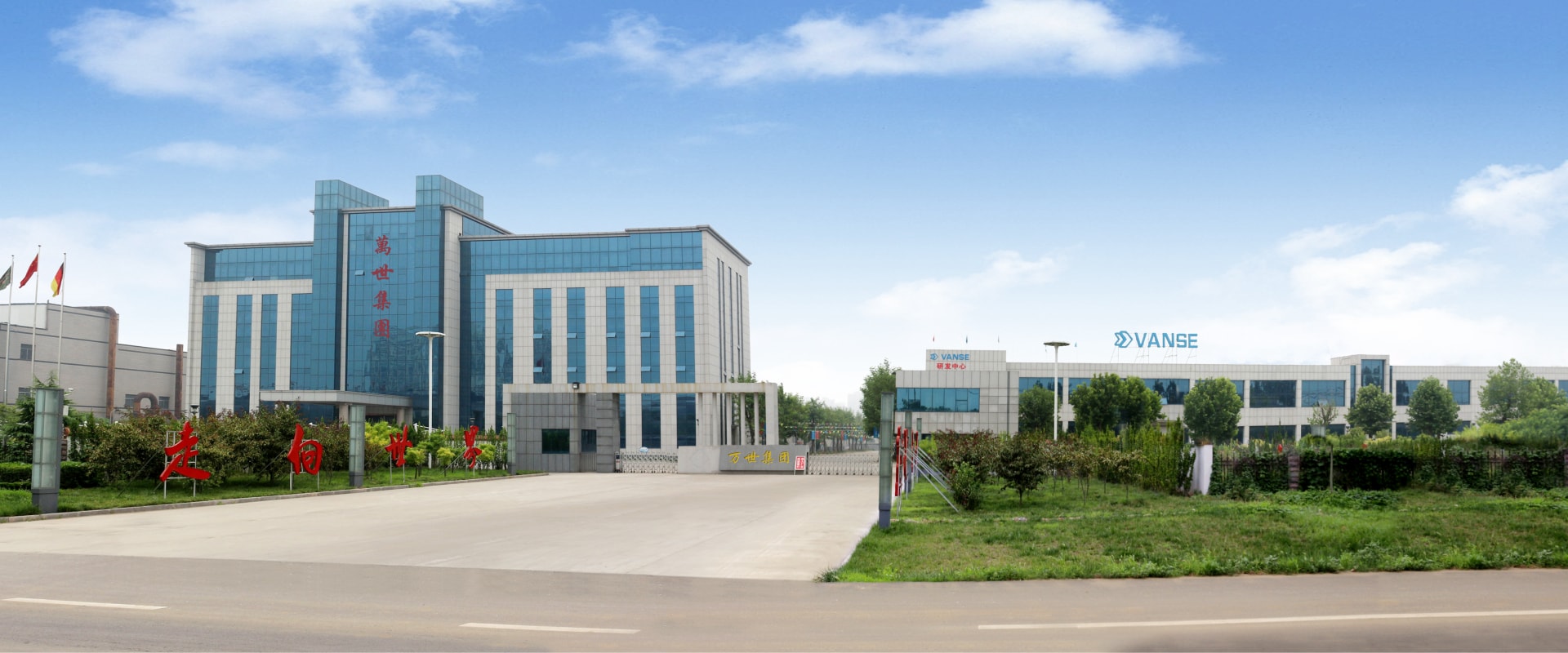
For those in Italy who are evaluating an international partner with strong focus on the telescopic segment, VANSE Group presents itself with verifiable elements that truly matter in the professional purchasing process: the company has been operating since 2013 in construction machinery production, has exceeded 8,000 total production units and serves customers in over 40 countries, including mature markets in Europe, the Middle East, North America and Oceania. For its flagship line of telescopic handlers it uses engines from recognized brands such as Perkins and Cummins along with premium components for hydraulic systems, transmissions and axles, while production takes place under CE and ISO 9001 certified processes with load tests, safety checks and performance validation on each unit before shipment. This demonstrates a level of industrial discipline and component selection aligned with the standards expected even by the most demanding Italian buyers. Commercially, VANSE does not limit itself to direct sales but works with flexible models including OEM, ODM, wholesale supply, collaboration with regional distributors, dealers, rental companies, large end users and also customers with customized needs for branding, color, specifications and configuration; those wishing to explore the range can consult the equipaggiamento disponibile or request a technical comparison through the channel assistance and support page. On the market presence and buyer protection front, the group is strengthening its international footprint with a subsidiary in the United States, local stock and dedicated after-sales capabilities, a concrete sign that it does not operate as a simple distant exporter but as a builder oriented to preside over key markets with online and offline pre-sales and after-sales support; this structured experience, already matured in numerous export regions, also offers Italian partners greater confidence in spare parts continuity, technical relationship and long-term collaboration prospects. For an initial commercial contact or for local distribution projects, you can use the page contatti or visit the main website of VANSE.
Advice for buying well in Italy
Before signing an order, it is advisable to always request a complete technical sheet, verify marking and compliance, estimate the cost of wear parts, evaluate the average technical intervention time and, when possible, visit a machine already operational in Italy. For telescopic handlers, examine useful height, load capacity at various extensions, stability, cabin visibility and speed of attachment change. For excavators, check digging depth, breakout force, control precision, consumption and ease of maintenance.
Another good practice is to estimate the value of machine downtime. If every day of stoppage generates chain delays, the difference between a supplier with effective support and one without real structure becomes enormous. Even the spare parts warehouse within European territory can change the economic outcome of the investment.
2026 Trends: Technology, Policies, and Sustainability
In 2026 the Italian market will continue to push towards more efficient machines, with greater attention to safety, maintenance traceability, reduced consumption and fleet digitalization. Telescopic handlers will benefit from the growing demand for multifunctional machines on sites with limited space and fast cycles, while excavators will evolve with more precise control systems, wider telematic adoption and increasingly optimized emission options.
From a regulatory and policy standpoint, buyers in Italy will pay close attention to rules on emissions, operational safety, operator training and site sustainability, especially in projects linked to urban regeneration, infrastructure and public investment. The availability of efficient powertrains, reliable components and preventive maintenance programmes will carry increasing weight in tenders and corporate procurement.
Sustainability will not only mean full electrification – which remains more immediate for certain compact classes – but also dead-time reduction, correct use of attachments, more efficient engines, telematics to optimise consumption and longer machine service life. In this context, the manufacturer that can combine technology, parts availability, competitive cost and local support will be favoured.
Domande frequenti
Can a telescopic handler replace an excavator?
No, not for actual excavation work. It can replace other handling equipment on many construction sites and farms, but it does not offer the productivity of an excavator in trenches, foundations and demolition.
For an Italian construction company just starting out, which machine makes sense?
It depends on the order book. If the main job is serving the site and handling materials at height, the telehandler is often more useful. If the business is earthmoving or underground utilities, the excavator is the priority.
Is the telehandler suitable for rental?
Yes, very often. In Italy it is in demand in construction, agriculture, external logistics and maintenance, so it can generate good fleet utilisation if backed by an effective service network.
Does the excavator hold its used value better?
In many segments yes, especially if the brand is strong, maintenance is documented and hours are consistent with age. Telehandlers from respected brands also still command a good market.
Is it worth buying from an international supplier?
Yes, if the supplier has CE certifications, recognised components, serious production testing, spare parts support and a credible service model for the Italian market. The main advantage is often the cost-performance ratio.
For agriculture in Italy, is the telehandler better?
In most cases yes. For daily handling, storage, loading and work with attachments, the telehandler is generally more profitable than an excavator.
Why do many companies choose both machines?
Because they perform complementary functions. The excavator works the ground, the telehandler serves the materials. On fully equipped sites or structured companies, the combination increases overall efficiency.
Conclusione
If the question is “telescopic handler or excavator?”, the answer in Italy is clear: choose the telehandler to lift, move and work at height; choose the excavator to dig, demolish and shift earth. For many buyers the right decision comes from analysing duty cycles, not from brand popularity or initial price alone. The Italian market rewards machines that work hard, have little downtime and retain their value.
This is why it is crucial to evaluate not just the machine but the partner: network, parts, support, configuration, delivery times and documented reliability. Those operating in construction, agriculture, industry or rental can find excellent solutions both from established Italian brands and from qualified international suppliers with certifications, global components and structured service. The goal is not to buy the best-known machine, but the one best suited to the real work in Italy.
Gamma completa di attrezzature per carrelli telescopici
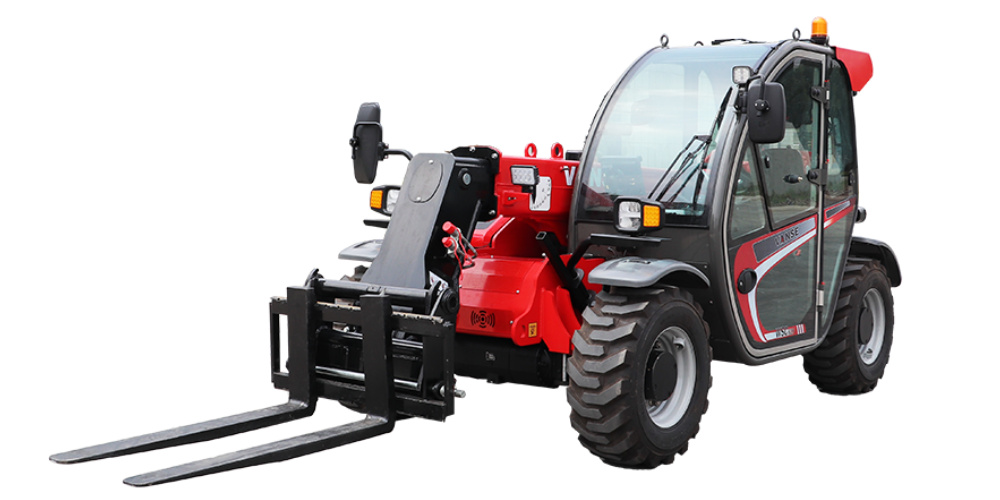
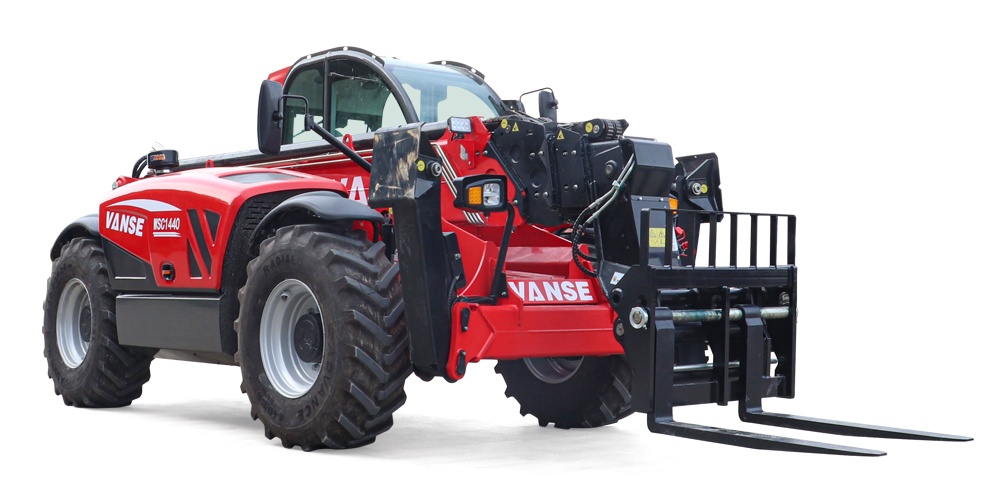
Carrello telescopico VANSE 625 6m
Progettato per una gestione efficiente dei materiali e lo stoccaggio in magazzini, fabbriche e cantieri ristretti, con manovrabilità compatta e prestazioni affidabili.

Carrello telescopico VANSE 735 7m
Soluzione equilibrata per impieghi medi in costruzioni, agricoltura, logistica e magazzinaggio, che unisce sollevamento stabile, trazione potente e versatilità quotidiana.


L'autore:
Il team VANSE è composto da professionisti esperti specializzati in ricerca, produzione e supporto tecnico per macchinari da costruzione. Con profonda conoscenza del settore e esperienza pratica, i nostri ingegneri e specialisti di prodotto condividono consigli pratici su selezione attrezzature, operazioni, manutenzione e tendenze del settore.
Condividi
Potresti essere interessato anche a
-

Novembre 20, 2026
Telehandler vs Cherry Picker: Aerial Work Platform Guide
Compare telehandler vs cherry picker for United States jobsites, including uses, costs, safety, suppliers, and buying tips for contractors and rental fleets.
-

Novembre 19, 2026
All Terrain Telehandler: Navigating Uneven Ground Safely
Find the right all terrain telehandler in the United States with supplier comparisons, buying tips, industry uses, and practical guidance for safer off-road handling.
-

Novembre 18, 2026
Telehandler for HVAC Installation: Equipment Lifting Help
Find telehandler HVAC installation options in the United States, including suppliers, machine types, buying tips, service regions, and cost-saving support.
-
Novembre 17, 2026
Telehandler for Shipyard Operations: Port Material Moving
Explore telehandler shipyard solutions in the United States, including suppliers, port applications, buying tips, and cost-effective equipment options.