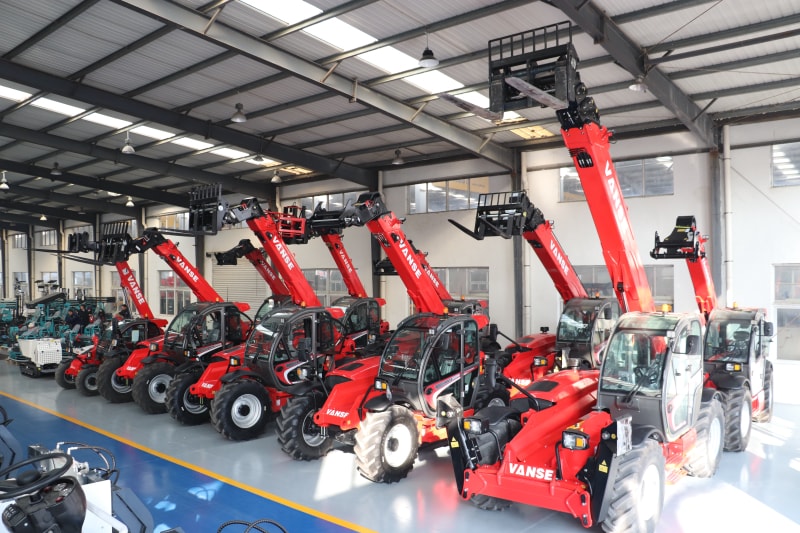
Electric Telehandler vs Diesel Telehandler in the United States
Quick Answer

For buyers in the United States, the best choice between an electric telehandler and a diesel telehandler depends on where and how the machine will work. Electric telehandlers are the stronger option for indoor facilities, urban projects, food plants, logistics yards, and jobs with strict noise or emissions limits. Diesel telehandlers remain the practical choice for heavy-duty outdoor work, long shifts, rough terrain, and remote sites where charging access is limited. In simple terms, choose electric when clean operation, low noise, and lower daily energy costs matter most; choose diesel when maximum runtime, easier field refueling, and consistent power in rugged conditions matter more.
For most U.S. contractors, rental fleets, and agricultural operators, electric models are gaining traction in California, New York, Texas distribution hubs, and large metro construction zones where environmental compliance is becoming more important. Diesel still dominates earthmoving support, oil and gas yards, major infrastructure sites, and larger farm operations across the Midwest and Mountain West. Local buyers should compare duty cycle, site power availability, attachment use, operator shift length, and service support before making a final decision.
Well-known brands active in the U.S. market include JLG, JCB, Genie, Bobcat, Skyjack, and Manitou. Buyers can also consider qualified international suppliers with strong certifications, reliable component sourcing, and practical pre-sales and after-sales support, especially when cost-performance is a major factor. For import-focused buyers, a supplier that can document quality testing, provide parts planning, and support local service in the United States can be a smart alternative to legacy domestic brands.
United States Market Overview

The U.S. telehandler market is changing quickly. Diesel machines still account for the majority of current fleet volume, but electric telehandlers are moving from niche products into serious fleet consideration. This shift is especially visible in California, New Jersey, Illinois, Florida, and major urban development corridors where emissions standards, indoor work requirements, and total cost of operation are shaping procurement decisions.
Ports and logistics centers also influence buying behavior. Buyers near Los Angeles and Long Beach, Houston, Savannah, Newark, and Seattle are increasingly balancing machine performance with warehouse compatibility, sustainability reporting, and municipal contracting rules. In parallel, large agriculture regions such as Iowa, Nebraska, Kansas, and California’s Central Valley continue to value diesel telehandlers for long workdays and mixed terrain. The result is not a replacement market where electric eliminates diesel overnight, but a segmentation market where each power source wins in specific use cases.
Another major factor is fleet economics. Equipment rental companies in the United States increasingly want machines that satisfy broader customer demand. Diesel telehandlers remain easier to place across a wide range of jobs, but electric units are becoming attractive in premium urban rental categories because they support indoor renovation, industrial maintenance, university campuses, data center builds, and regulated municipal projects.
Market Growth and Adoption Trend

The chart below shows a realistic estimate of U.S. telehandler market value growth, including the stronger acceleration expected for electrified equipment categories through 2026.
How Electric and Diesel Telehandlers Differ
Electric telehandlers use battery power and electric drive systems. Their biggest advantages are zero on-site tailpipe emissions, lower noise, fewer engine-related maintenance points, and easier operation in enclosed areas. They are especially attractive in manufacturing, warehousing, recycling buildings, event infrastructure, and downtown construction support where ventilation and neighborhood noise matter.
Diesel telehandlers use internal combustion engines and remain the standard for high-output lifting over long shifts in rough outdoor environments. They offer fast refueling, broad service familiarity, and strong performance with heavy attachments. Contractors working in highway construction, utility yards, bridge work, concrete supply, and outdoor agriculture still depend heavily on diesel units because uptime in remote locations often outweighs emissions concerns.
The key buying difference is not only power source but operating context. A buyer with stable grid access, predictable daily operating windows, and indoor or mixed-use jobs can often justify electric. A buyer serving changing outdoor sites across several states may still get more practical value from diesel. In the United States, both categories are viable, but they fit different duty cycles.
Core Comparison Table
The table below gives a practical side-by-side comparison focused on real U.S. fleet decisions rather than marketing language.
| Factor | Electric Telehandler | Diesel Telehandler | Best Fit in the United States |
|---|---|---|---|
| Emissions | Zero tailpipe emissions on site | Produces exhaust emissions | Electric for indoor, urban, and regulated sites |
| Noise Level | Low operating noise | Noticeably louder engine noise | Electric for campuses, warehouses, night work |
| Runtime | Depends on battery size and charging plan | Long runtime with quick refueling | Diesel for remote, long-shift outdoor sites |
| Maintenance | Fewer engine-related service items | More frequent engine, filter, and fluid maintenance | Electric can reduce routine service complexity |
| Upfront Cost | Usually higher purchase price | Often lower initial purchase price | Diesel for budget-sensitive acquisition |
| Energy or Fuel Cost | Often lower per operating hour | Dependent on diesel price volatility | Electric gains where power is available and stable |
| Attachment Use | Good for moderate duty and controlled cycles | Strong for intensive hydraulic attachment use | Diesel often better for demanding field attachments |
| Cold and Remote Conditions | Requires battery planning | More familiar in remote field conditions | Diesel still preferred in many rural applications |
This comparison shows why fleet managers in the United States increasingly operate mixed fleets. Electric is not simply replacing diesel; it is taking over jobs where compliance, operator comfort, and indoor access provide measurable value. Diesel remains dominant where mobility and long autonomous runtime are essential.
Product Types in the U.S. Market
Telehandlers sold in the United States are commonly grouped by lift capacity, reach class, drive configuration, and application. Compact electric telehandlers are growing in demand for municipal work, warehouse yards, commercial renovation, and specialty industrial sites. Mid-range diesel telehandlers still form the center of most rental fleets. Heavy-duty diesel machines continue to serve industrial, infrastructure, and agriculture buyers that prioritize lift capacity and rough-terrain reliability.
Buyers should also evaluate whether they need a fixed boom unit or a machine intended for frequent attachment changes. Pallet forks, buckets, truss booms, jibs, and work platforms affect hydraulic demand, stability requirements, and operating range. This can change the electric-versus-diesel decision significantly. For example, a telehandler that mainly moves palletized building materials on a controlled site may fit electric well, while one that powers aggressive attachments across mixed terrain may still point to diesel.
Industry Demand by Segment
Demand patterns differ by industry. The chart below highlights how U.S. sectors currently lean toward telehandler deployment volume, with construction and agriculture remaining the strongest segments.
Best Industries for Electric Telehandlers
Electric telehandlers perform best in industries where emissions, noise, and controllability matter more than unrestricted field runtime. In the United States, these include warehousing, industrial manufacturing, indoor construction phases, food processing support, and projects near hospitals, schools, airports, or residential neighborhoods. They are also well suited to enclosed renovation work in dense urban markets like New York City, Boston, San Francisco, Chicago, and Washington, D.C.
Another good fit is the data center and advanced manufacturing segment. These projects often demand clean operation, reliable site compliance, and quieter equipment in partially enclosed structures. Electric telehandlers also align well with companies that report sustainability metrics to investors, municipalities, or procurement partners.
Best Industries for Diesel Telehandlers
Diesel telehandlers remain the preferred option in heavy construction, large-scale agriculture, road and bridge projects, infrastructure staging, energy fields, and rugged rental applications. Sites in Texas, Oklahoma, North Dakota, Wyoming, and other remote operating environments often favor diesel because fuel logistics are simpler than charging logistics. The same applies to large farm operations in the Midwest where machines may run extended shifts during harvest or material movement periods.
Diesel is also easier to deploy when operators need predictable uptime across multiple outdoor locations in a single week. For dealers and rental fleets, that flexibility still gives diesel a strong advantage in broad utility.
Buying Advice for U.S. Buyers
Start with the jobsite instead of the machine. Ask whether the telehandler will work mainly indoors or outdoors, whether charging infrastructure exists, whether the machine will return to a central depot nightly, and how many hours it will operate per shift. These questions matter more than brand preference.
Second, calculate total cost of ownership rather than acquisition cost alone. Electric machines often cost more upfront, but they may reduce fuel expense, engine maintenance, and downtime from routine service. Diesel machines may still produce a lower cost per productive hour if the machine runs long outdoor shifts and charging interruptions would reduce utilization.
Third, check parts and service support in your region. A machine with excellent specifications but weak dealer support in Georgia, Arizona, Pennsylvania, or Colorado can become expensive quickly. This is why supplier location, parts stocking, and field technician coverage remain central purchasing criteria in the United States.
Total Cost Factors Table
This table helps buyers estimate which cost drivers most influence the power-source decision.
| Cost Driver | Electric Impact | Diesel Impact | Buyer Note |
|---|---|---|---|
| Purchase Price | Higher initial investment | Lower relative entry cost | Important for small fleets and first-time buyers |
| Fuel or Energy | Potentially lower daily energy cost | Sensitive to fuel market changes | Electric savings improve with stable utility rates |
| Scheduled Maintenance | Lower engine-related maintenance burden | More filters, fluids, and engine service | Electric gains value in high-hour urban fleets |
| Charging or Refueling Time | Requires planning and infrastructure | Fast refueling with established process | Diesel wins for decentralized jobsite movement |
| Compliance and Permits | Can simplify low-emission job compliance | May face tighter restrictions in some zones | Electric improves access to sensitive sites |
| Residual Value | Still developing resale benchmarks | More established secondary market | Diesel has stronger historical resale data |
| Operator Comfort | Less vibration and noise | Traditional feel with more noise | Electric may improve adoption on indoor fleets |
In practice, electric delivers the strongest financial case where the machine returns to the same yard, works in controlled shifts, and operates in settings that value low emissions. Diesel remains financially superior when downtime for charging would interrupt revenue generation or when fleet redeployment is highly unpredictable.
Applications Across the United States
Electric and diesel telehandlers both serve important applications, but each fits different American operating environments. Electric models are increasingly used for pallet handling in warehouse expansions near Inland Empire logistics parks, indoor steel placement in commercial construction, material handling on university campuses, and support work in airport redevelopment projects. Diesel models dominate bulk material transport, framing support, precast handling, farm feeding operations, pipe yards, and heavy site staging.
In coastal and urban markets, the compliance advantage of electric can become a contract advantage. On remote inland sites, the self-sufficiency of diesel remains difficult to replace. That is why the smartest purchasing strategy often involves assigning the machine category to the work profile rather than forcing one technology across all operations.
Trend Shift Through 2026
The chart below shows how U.S. buyer interest is shifting from diesel-only fleets toward a more balanced portfolio that includes electric telehandlers, especially in regulated metro markets and depot-based fleets.
Case Studies from Common U.S. Scenarios
A rental company serving downtown projects in Los Angeles may add electric telehandlers because customers need lower noise and easier indoor deployment. Even if those machines cost more upfront, they command strong placement in premium urban jobs and reduce objections from general contractors concerned about emissions.
A steel erection subcontractor in Dallas may still prefer diesel because the machine moves constantly between outdoor sites, often works long shifts, and relies on quick refueling rather than charging windows. In that setting, diesel protects productivity.
An agriculture operator in Nebraska moving feed, pallets, and bulk materials over large property footprints may choose diesel because machine utilization is irregular and remote charging is inconvenient. By contrast, a food processing plant in New Jersey handling controlled material movement on paved surfaces may find electric far more practical and compliance-friendly.
These examples illustrate a simple rule: when the work is centralized and controlled, electric becomes stronger; when the work is mobile and rugged, diesel usually remains safer.
Leading Suppliers and Brands in the United States
The U.S. market includes domestic, European, and international suppliers. The table below focuses on recognizable brands and practical fleet relevance rather than simply listing the largest names.
| Company | Service Region | Core Strengths | Key Offerings |
|---|---|---|---|
| JLG | Nationwide across the United States | Strong dealer network, rental fleet familiarity, broad construction focus | Rough-terrain telehandlers, construction support machines, fleet service programs |
| JCB | Nationwide with strong agriculture and construction presence | Well-known telehandler specialization, global engineering footprint | Agricultural telehandlers, construction telehandlers, varied lift classes |
| Genie | Nationwide with strong rental channel access | Rental market penetration, familiar service base, rough-terrain lineup | Material handling telehandlers, contractor fleet units |
| Manitou | United States and Canada with broad dealer coverage | Strong agricultural and industrial expertise, global product depth | Rotating and fixed telehandlers, agriculture models, industrial units |
| Bobcat | Nationwide dealer footprint | Compact equipment brand recognition, attachment ecosystem | Telehandlers for construction, landscaping, and industrial handling |
| Skyjack | United States rental and dealer markets | Fleet simplicity, serviceability, rental focus | Rough-terrain telehandlers for general construction use |
| VANSE Group | Expanding in the United States with growing local support plans | Competitive pricing, OEM and ODM flexibility, export experience | Telehandlers, custom configurations, distributor and private-label cooperation |
For U.S. buyers, brand selection should include more than machine specification. Service response time, parts availability, operator familiarity, and financing options often matter more than small differences in lift numbers. Established domestic and European brands still hold strong trust in the market, but cost-sensitive import programs are becoming more attractive for distributors, fleet owners, and regional equipment businesses seeking better margin.
Supplier Comparison by Buyer Need
The following comparison chart shows a practical way buyers often score suppliers across support, flexibility, and cost-performance.
How to Evaluate Local Suppliers
When reviewing telehandler suppliers in the United States, buyers should confirm whether the seller can support the machine after the sale. Ask where parts are stocked, what response time applies to field service, whether operator training is available, and whether financing or lease structures are possible. Also verify if the supplier has experience with your specific application, such as roofing supply, masonry, industrial maintenance, or agriculture handling.
In metro regions like Atlanta, Chicago, Phoenix, and the Inland Empire, parts availability can directly affect utilization. For fleet owners, a lower machine price means little if key components require long international lead times without backup stock planning. This is why supplier due diligence matters as much as technical specification review.
Our Company
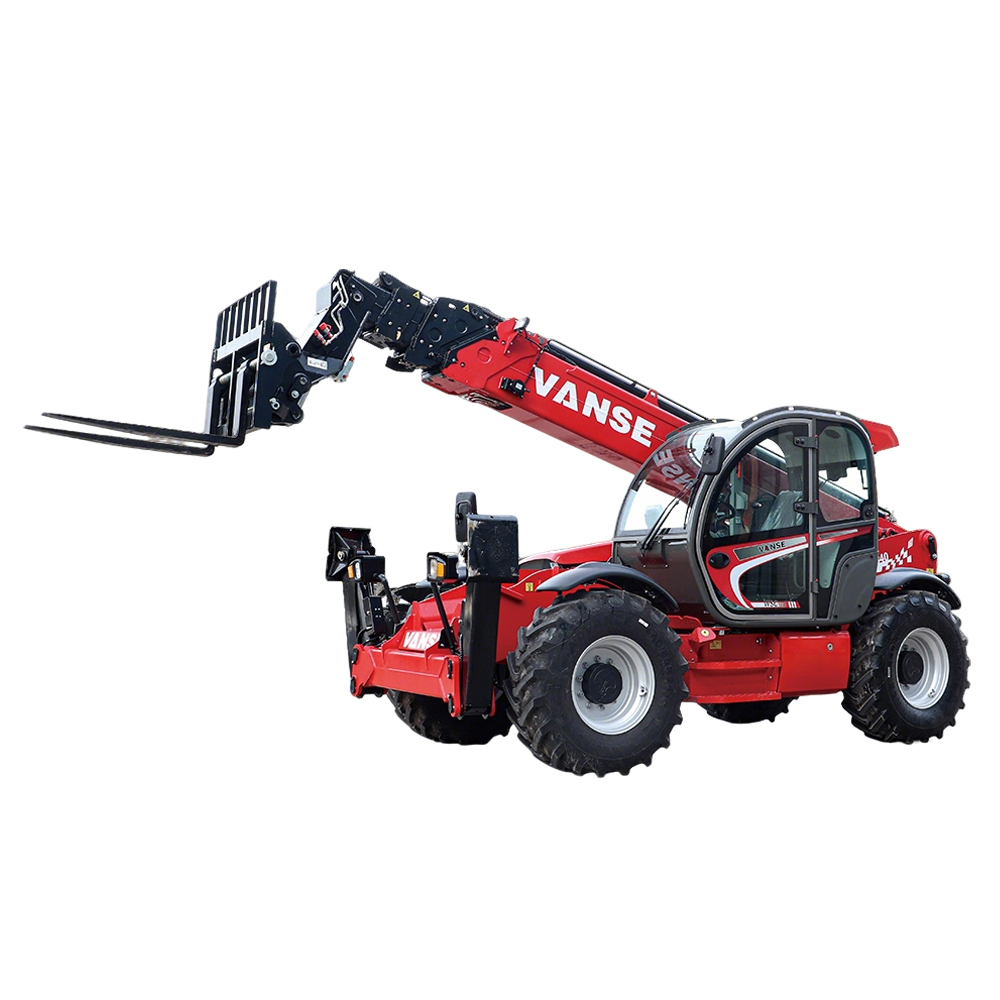
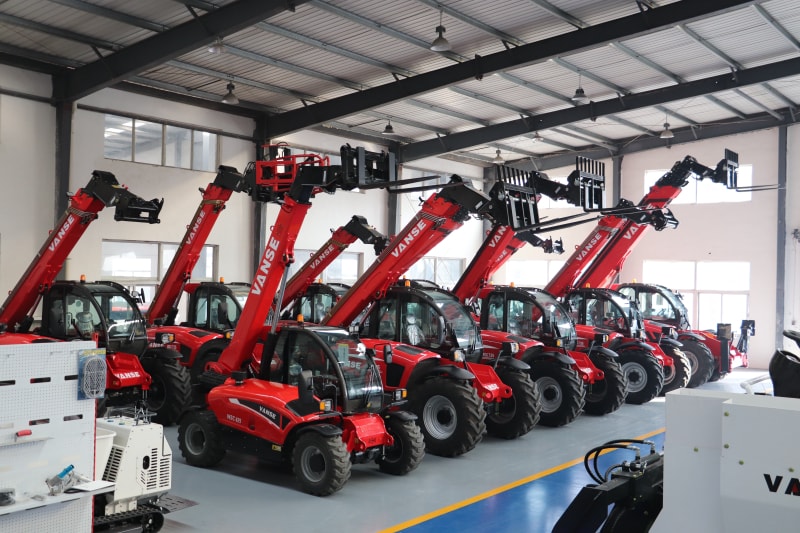
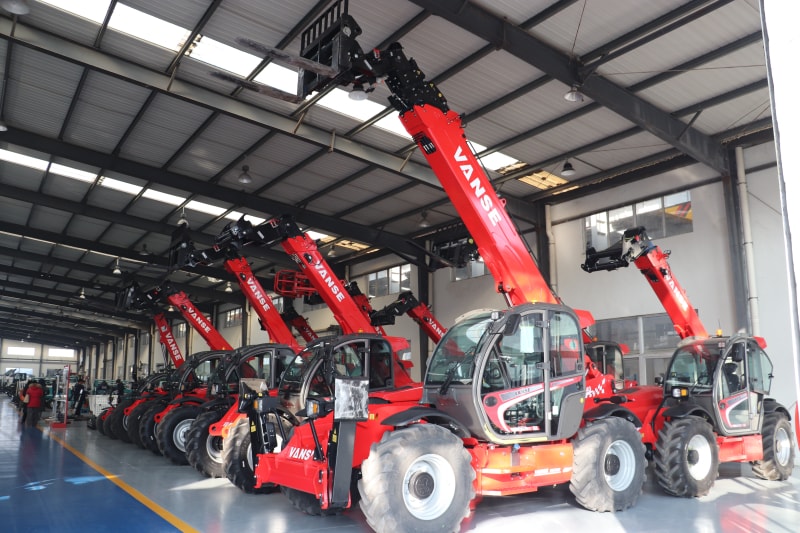
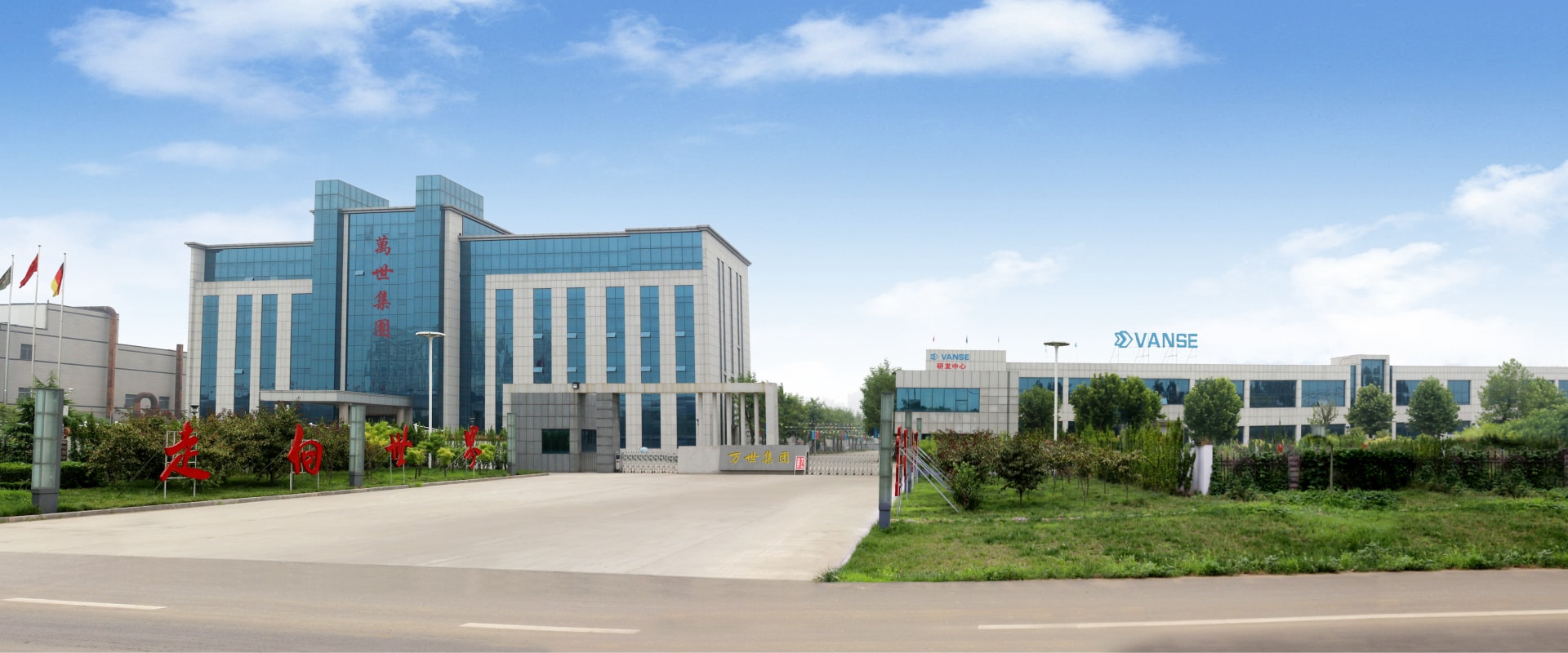
As a telehandler-focused manufacturer serving the United States, VANSE Group combines scale, engineering discipline, and practical commercial flexibility in ways that matter to local buyers. Founded in 2013, the company has produced more than 8,000 units and exports equipment to over 40 countries, including North America, which gives it an established operating record rather than a trial-stage market presence. Its telehandlers are built under CE and ISO 9001 certified processes, use globally recognized core components such as Perkins and Cummins engines together with premium hydraulic and axle systems, and pass comprehensive load testing, safety inspection, and performance validation before shipment, which provides concrete evidence that product standards are aligned with international expectations. For U.S. customers, the company supports multiple cooperation models through its equipment range, including OEM, ODM, wholesale supply, dealer partnerships, regional distribution, and direct solutions for end users, brand owners, contractors, and individual buyers who need tailored specifications, branding, or configuration. Just as important, VANSE is actively building a stronger physical commitment to the U.S. market through a planned American subsidiary, local inventory strategy, and localized after-sales capability, backed by both online technical support and offline service coordination, so buyers are not relying on a distant factory with limited accountability. That combination of export track record, certified manufacturing, known component brands, production capacity, and local service investment gives U.S. distributors and equipment owners a practical reason to consider VANSE telehandler solutions when they need a competitive alternative to higher-cost legacy brands. Buyers seeking support can review service options or make a direct inquiry through the U.S. contact channel.
Product Categories Buyers Should Compare
Not every telehandler decision is only about electric versus diesel. Buyers should compare machine categories by lift height, rated capacity, frame size, steering behavior, and jobsite turning radius. A compact electric unit can outperform a larger diesel machine in indoor maneuverability and building access. A larger diesel machine can outperform electric options in all-day high-load handling with frequent travel over rough surfaces.
For rental fleet strategy, compact electrics can open new revenue opportunities in urban work, while diesel mid-size units remain the volume backbone. For agriculture and industrial yards, the choice often depends on whether the machine stays near a charging point or operates continuously across open ground.
Common Use Cases Table
This table maps common U.S. applications to the power source that usually delivers the best operating result.
| Application | Typical Location | Recommended Power Source | Reason |
|---|---|---|---|
| Indoor material staging | Warehouses in New Jersey and Illinois | Electric | Low noise, no on-site tailpipe emissions, better indoor suitability |
| Urban construction support | New York City, Boston, San Francisco | Electric | Helps meet noise and emissions expectations |
| Road and bridge projects | Texas, Ohio, Pennsylvania | Diesel | Long shifts, outdoor ruggedness, easy refueling |
| Large farm material handling | Iowa, Kansas, Nebraska | Diesel | Remote use and variable duty cycles favor diesel logistics |
| Food and beverage support | California Central Valley, Wisconsin plants | Electric | Cleaner operating environment and quieter performance |
| Equipment rental general purpose fleet | Nationwide | Mixed fleet | Diesel for broad utility, electric for premium compliant jobs |
| Oil and gas yard handling | Texas and North Dakota | Diesel | Harsh outdoor conditions and field refueling advantages |
The takeaway is straightforward: electric machines win in contained, regulated, and predictable operations; diesel machines win in decentralized, rugged, and long-duration operations. Mixed fleets increasingly offer the best commercial flexibility for U.S. businesses.
Practical Procurement Checklist
Before issuing a purchase order, U.S. buyers should confirm the machine’s rated capacity with the intended attachment, verify warranty coverage in their state, and understand battery or engine service requirements under local operating conditions. Buyers should also ask for parts lead-time commitments, telematics options, operator training resources, and references from similar industries.
Importing buyers should review port routing and inland delivery. For shipments entering through Los Angeles, Houston, Savannah, or Newark, coordination around spare parts and pre-delivery inspection can save weeks later. These logistics details matter even more when purchasing from international manufacturers or building a distribution program.
Local Supplier Questions to Ask
| Question | Why It Matters | Electric Buyer Priority | Diesel Buyer Priority |
|---|---|---|---|
| Where are parts stocked? | Reduces downtime and protects utilization | High | High |
| Is field service available in my state? | Determines repair response time | High | High |
| What is the expected runtime per charge or tank? | Impacts shift planning | High | Medium |
| Can the machine support my attachments? | Affects productivity and safe operation | High | High |
| What financing or fleet terms are offered? | Changes acquisition strategy | Medium | Medium |
| Do you support dealer, OEM, or private-label programs? | Important for distributors and brand owners | Medium | Medium |
| What compliance documentation is available? | Supports municipal and regulated projects | High | Medium |
This checklist is especially useful for dealers, equipment rental businesses, and contractors comparing established brands against emerging international suppliers. The strongest suppliers are the ones that can answer these questions clearly and in writing.
2026 Trends: Technology, Policy, and Sustainability
By 2026, the U.S. market is likely to see stronger growth in battery-electric telehandlers, especially in compact and mid-range categories. Better battery chemistry, faster charging capability, and smarter energy management will improve real jobsite usability. Telematics will also play a larger role, helping fleet owners monitor charge cycles, idle patterns, duty intensity, and maintenance intervals with greater accuracy.
Policy trends will continue to matter. Municipal procurement rules, state clean-air initiatives, and private developer sustainability goals will push more fleets to consider electric equipment for at least part of their operations. California will remain a major influence, but similar pressures are spreading into other metropolitan markets where noise, emissions, and public reporting affect project access.
Sustainability expectations from general contractors, industrial clients, and institutional buyers will also increase. This does not mean diesel disappears in 2026. Instead, diesel machines will become more targeted toward high-demand field applications, while electric telehandlers gain share in controlled and compliance-sensitive environments. The near-term future is coexistence, not total replacement.
FAQ
Is an electric telehandler cheaper to operate than a diesel telehandler in the United States?
Often yes, but only when charging access is convenient and work cycles are predictable. Electric models can reduce energy and maintenance costs, but higher acquisition cost and charging logistics may offset those savings in some operations.
Are diesel telehandlers still the best choice for construction sites?
For many outdoor construction sites, yes. Diesel remains stronger for long shifts, uneven ground, and remote work where refueling is easier than recharging. However, electric is becoming more attractive for urban and partially enclosed construction work.
Which U.S. regions are adopting electric telehandlers fastest?
Adoption is strongest in coastal and urban markets, especially California, the Northeast corridor, and large logistics and industrial hubs where emissions rules and indoor applications are more common.
Can international suppliers compete with established U.S. brands?
Yes, especially when they provide documented certifications, reliable core components, practical spare parts planning, and local service commitment. Cost-performance is a major reason many U.S. buyers explore international options.
What matters more: purchase price or total cost of ownership?
Total cost of ownership matters more for most professional buyers. Fuel or energy cost, downtime, maintenance, resale, and service support can make a lower-priced machine more expensive over time.
Should rental companies in the United States buy electric telehandlers now?
Many should consider adding them selectively. Electric units are especially useful in urban rental markets and for customers working in indoor or regulated environments, while diesel should still anchor general-purpose fleet volume.
Final Takeaway
In the United States, electric telehandler vs diesel telehandler is not a question with one universal winner. Electric is the better option for indoor work, low-noise environments, sustainability-driven projects, and depot-based fleets with consistent charging access. Diesel remains the better option for rough-terrain performance, remote operations, long hours, and high-intensity outdoor work. The most effective strategy for many contractors, rental companies, distributors, and end users is a mixed-fleet approach that assigns each power source to the applications where it creates the most value.
For buyers comparing brands, the smartest decision combines machine fit, local service coverage, parts support, and long-term operating cost. Whether sourcing from a major domestic name or a qualified international supplier expanding in the United States, the best telehandler is the one backed by proven manufacturing standards, application-specific engineering, and dependable support after the sale.
Complete Telescopic Handler Equipment Portfolio
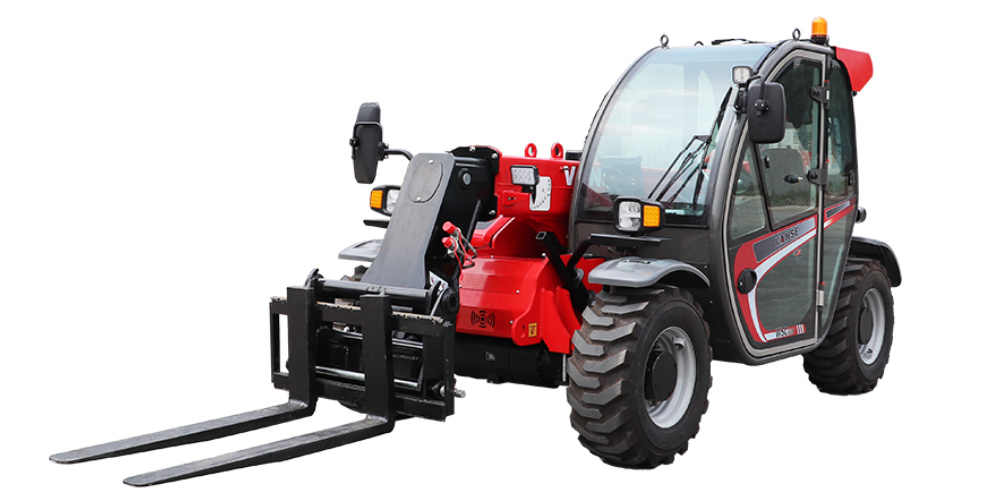
VANSE 625 6m Telescopic Handler
Designed for efficient material handling and stacking in warehouses, factories, and confined job sites, offering compact maneuverability and reliable performance.

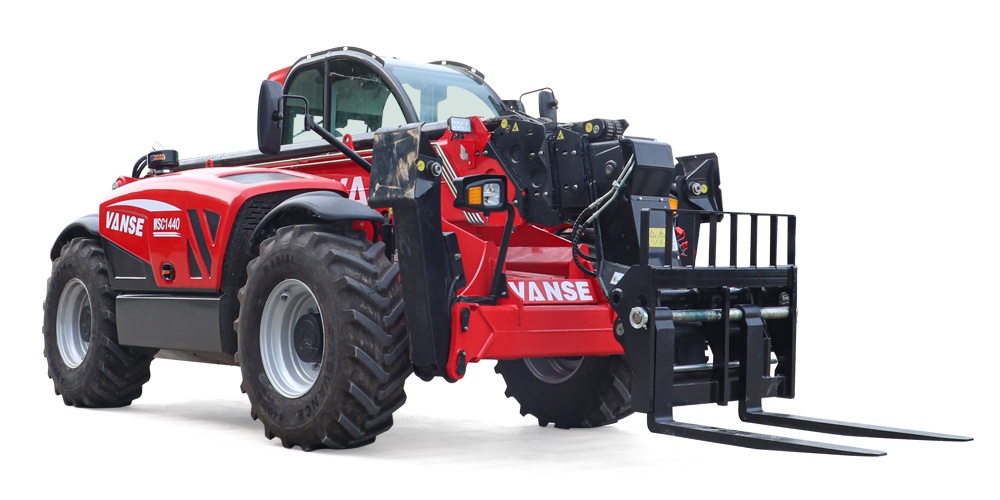
VANSE 735 7m Telescopic Handler
A balanced mid-duty solution for construction, agriculture, logistics, and warehousing, combining stable lifting, strong traction, and everyday versatility.


About the Author:
The VANSE team is a group of experienced professionals specializing in construction machinery research, manufacturing, and technical support. With deep industry knowledge and hands-on experience, our engineers and product specialists share practical insights on equipment selection, operation, maintenance, and industry trends.
Share
You May Also Interest
-

27 May, 2026
Telehandler vs Mini Crane: Comparison
Compare telehandler vs mini crane in the United States with costs, jobsite fit, supplier options, and 2026 buying trends for safer lifting decisions.
-

25 May, 2026
Telehandler for Bridge Construction Guide
Find the right telehandler for bridge construction in the United States with supplier insights, machine types, buying tips, and local support options.
-
22 May, 2026
Telehandler for Demolition: Full Guide
Find the best telehandler for demolition in the United States with supplier comparisons, buying tips, safety advice, and practical jobsite guidance.
-
21 May, 2026
Telehandler for Loading Trucks: Guide
Find the best telehandler for loading trucks in the United States with supplier comparisons, buying tips, applications, and cost-smart sourcing options.