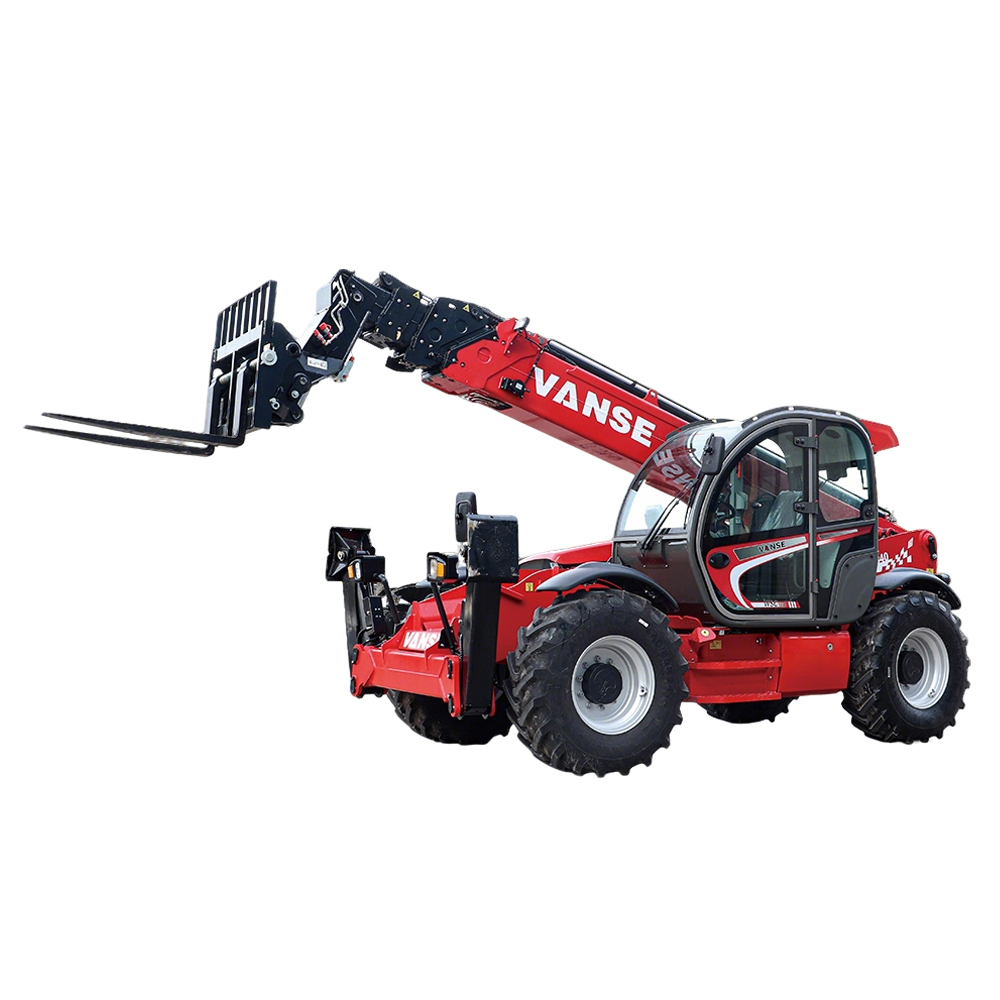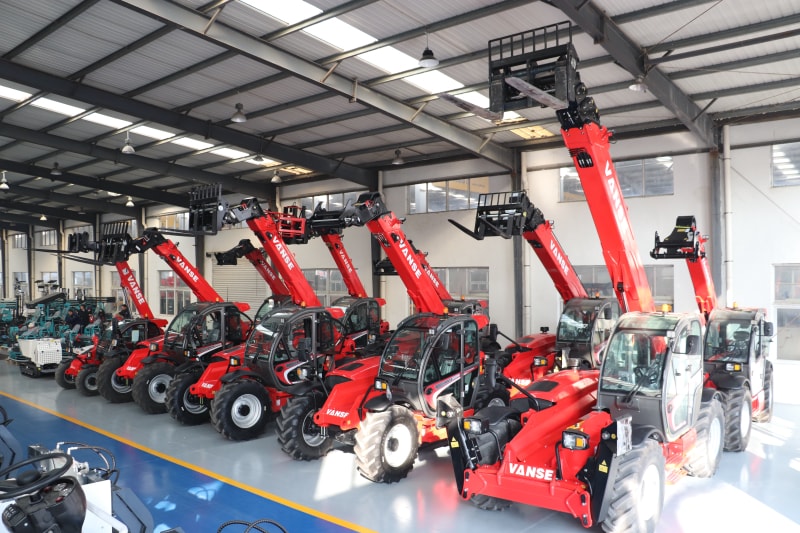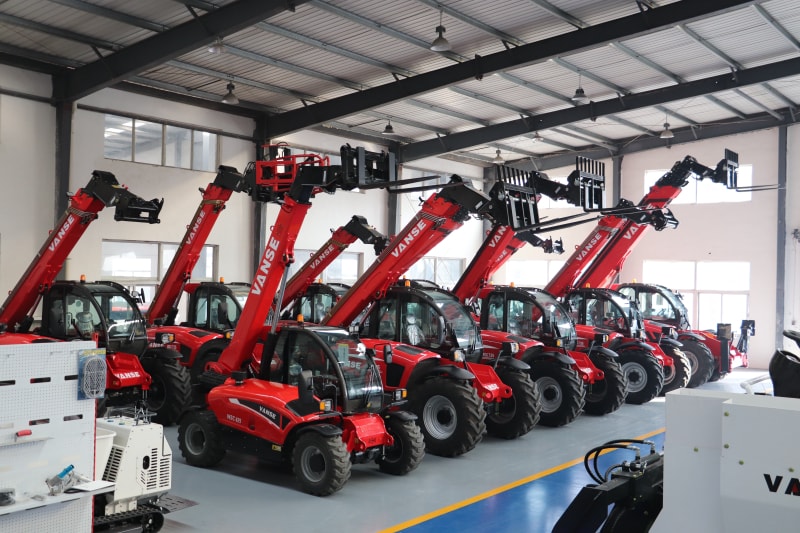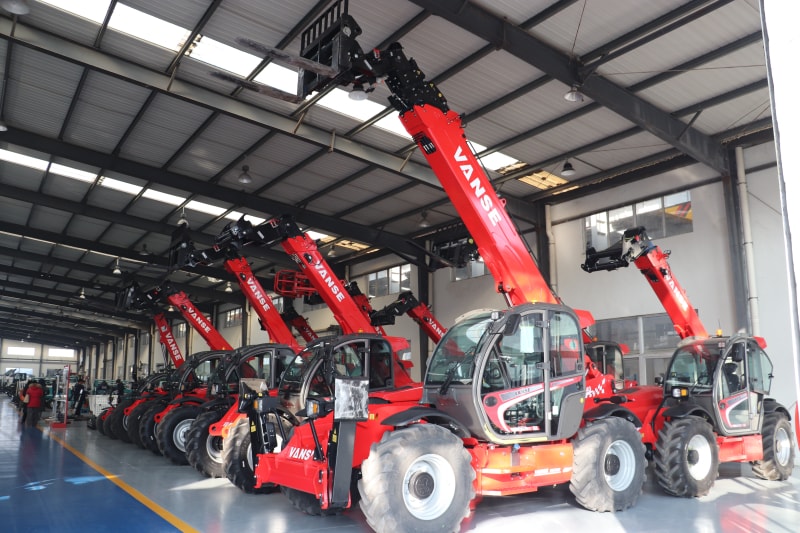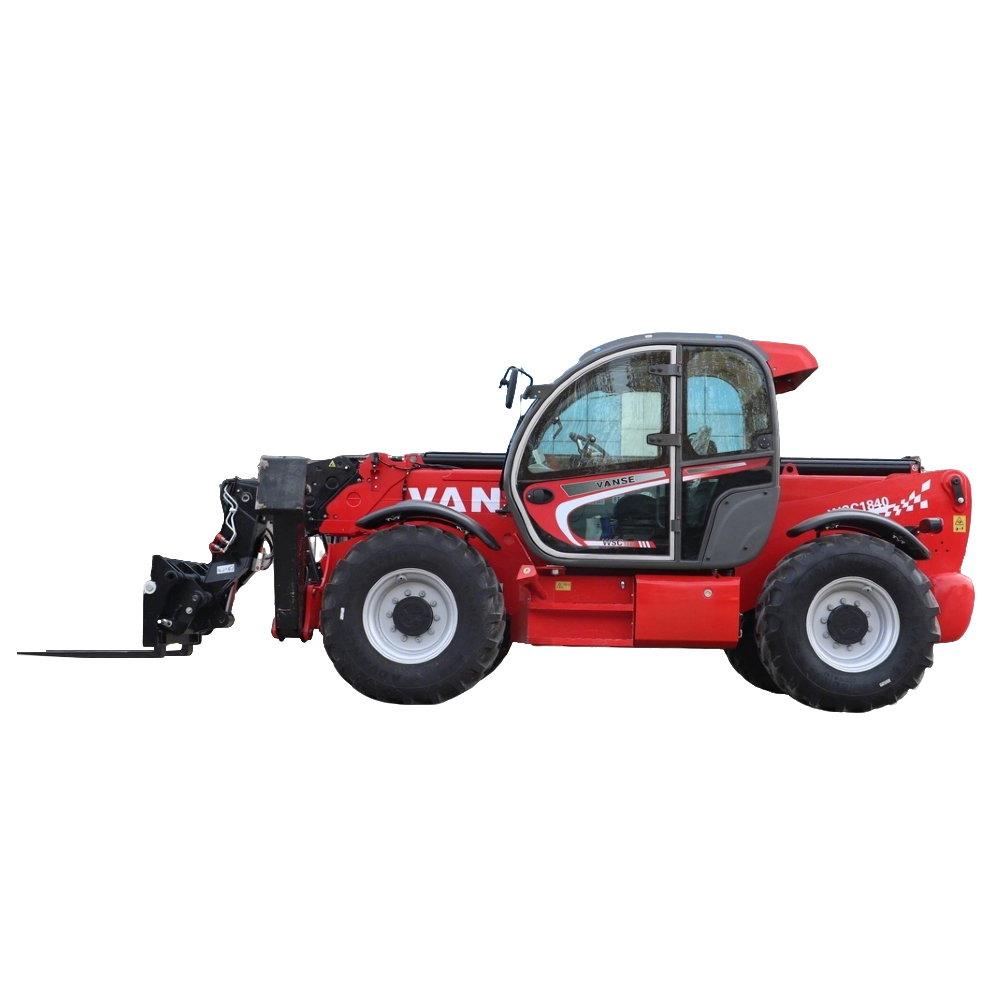
Telehandler vs Backhoe in the United States: Best Uses
Choosing between a telehandler and a backhoe is a common decision for contractors, farmers, rental fleets, and facility operators across the United States. Although both machines are versatile, they solve different jobsite problems. A telehandler is primarily a lifting and material-handling machine with forward reach and height advantages, while a backhoe is primarily a digging and trenching machine with the added benefit of front-loader work. In U.S. markets such as Texas, Florida, California, Georgia, Illinois, and the Carolinas, the right choice often depends on whether your daily work centers on placing pallets and materials at height or digging utilities, foundations, and drainage lines. This guide gives a direct answer first, then breaks down market conditions, product types, buying criteria, industries, applications, case studies, suppliers, and what buyers should know before making a purchase.
Quick Answer

If your work in the United States mainly involves lifting pallets, placing materials on upper floors, feeding hoppers, moving loads in yards, or handling agriculture and industrial materials, a telehandler is usually the better choice. If your work mainly involves trenching, excavation, utility repair, small demolition, loading spoil, and general municipal or site-prep digging, a backhoe is usually the better choice. For many U.S. buyers, the decision is simple: choose a telehandler for reach and lift capacity; choose a backhoe for digging depth and all-around earthmoving. In local markets, well-known brands such as JCB, Caterpillar, John Deere, CASE Construction Equipment, Bobcat, and JLG remain practical benchmarks because of broad dealer support. At the same time, qualified international suppliers with relevant certifications, proven component brands, and strong pre-sale and after-sale support can also be worth serious consideration, especially when buyers are focused on cost-performance, fleet expansion, or OEM/ODM requirements.
- Best for lifting and reach: telehandler
- Best for digging and trenching: backhoe
- Best for masonry, roofing, framing, warehousing, and feed handling: telehandler
- Best for utilities, drainage, landscaping, road repair, and general excavation: backhoe
- Best for mixed fleets that need both vertical handling and digging: buy or rent both based on utilization rate
Direct Comparison for U.S. Buyers

In the United States, telehandlers are increasingly common on commercial construction sites, precast yards, farms, ports, distribution facilities, and industrial plants because they can place loads where a wheel loader or forklift cannot. Their telescopic boom gives operators reach over obstacles, onto elevated decks, and into trucks or storage stacks. Backhoes remain deeply established in municipal work, residential construction, utility service, landscaping, and road maintenance because they can travel between tasks, excavate efficiently, and perform light loading without bringing multiple machines to a small site.
From a total equipment strategy perspective, the telehandler and the backhoe are not direct substitutes in every case. A telehandler can sometimes replace a rough terrain forklift, small crane for light picks, or wheel loader for selected material movement. A backhoe can sometimes replace a compact excavator and loader combination for small contractors. However, once work becomes highly specialized, each machine shows its limits. Telehandlers do not match the excavation efficiency of dedicated digging equipment. Backhoes do not match the safe, productive reach and placement capability of a telehandler equipped with proper forks, buckets, work platforms, or jibs.
| Comparison Factor | Telehandler | Backhoe | What It Means for U.S. Buyers |
|---|---|---|---|
| Primary Strength | Lifting, reaching, placing materials | Digging, trenching, loading | Match the machine to the task that earns the most hours |
| Typical Reach | High forward and vertical reach | Limited front-loader lift height | Telehandlers win for multi-story and obstacle clearance work |
| Digging Ability | Minimal, attachment dependent | Strong rear digging performance | Backhoes win for utilities and earthmoving |
| Attachment Range | Forks, buckets, jibs, platforms, grapples | Buckets, hammers, augers, compactors | Both are versatile, but in different task families |
| Site Mobility | Good on rough terrain jobsites | Good road-to-site flexibility | Backhoes remain attractive for service crews moving between jobs |
| Best Buyer Profile | Contractors, farms, rental fleets, industrial yards | Utility crews, municipalities, landscapers, site contractors | Utilization profile matters more than purchase price alone |
The table shows the core trade-off clearly. U.S. buyers should not ask which machine is universally better. They should ask which machine spends more billable hours on the kind of work they perform every week in their local market.
U.S. Market Outlook

The U.S. equipment market continues to support demand for both telehandlers and backhoes, but their growth drivers differ. Telehandler demand is pushed by warehouse expansion, non-residential construction, agriculture modernization, renewable energy projects, steel erection, masonry, and logistics activity around trade hubs such as Houston, Savannah, Los Angeles/Long Beach, Miami, Newark, and Chicago. Backhoe demand is supported by municipal infrastructure, water and sewer rehabilitation, residential development, road repair, stormwater projects, and smaller contractors who need one machine that can dig and load on scattered sites.
Rental penetration is especially important in the United States. Many contractors rent telehandlers for peak building phases and own backhoes for daily service work. This affects resale values, attachment demand, and how dealers structure financing and service support. It also means buyers should pay close attention to service response time, parts availability, and operator familiarity, not only machine specifications.
This market growth line chart illustrates a realistic U.S. trend: telehandler demand is growing faster than backhoe demand due to broader use in material handling, rental fleets, and multi-industry applications. Backhoes remain stable and important, but their growth curve is usually flatter because compact excavators and skid steers have also taken some share in certain segments.
Product Types and Configuration Differences
Not all telehandlers or backhoes are configured the same way. In the U.S. market, telehandlers are sold in compact, mid-size, high-reach, rotating, and heavy-lift configurations. Compact units suit feed yards, nurseries, and tight sites. Mid-size models are common in framing, roofing, and masonry. High-reach units work well for steel, commercial construction, and industrial maintenance. Rotating telehandlers serve specialized urban sites and complex lifting positions. Backhoes are generally classified by operating weight, digging depth, horsepower, and whether they offer side-shift or center-mount backhoe arrangements. Some emphasize loader performance; others prioritize excavation capability or road mobility.
| Machine Type | Typical U.S. Use | Main Advantage | Main Limitation |
|---|---|---|---|
| Compact Telehandler | Farms, landscaping yards, confined jobsites | Good maneuverability and lift reach | Lower max capacity than larger units |
| Mid-Size Telehandler | General construction, rental fleets | Strong balance of lift height and capacity | Not ideal for deep excavation work |
| High-Reach Telehandler | Commercial construction, industrial projects | Excellent vertical placement and forward reach | Higher cost and operator training needs |
| Rotating Telehandler | Dense urban sites, specialized lifting | Flexible positioning in tight spaces | Premium pricing and specialized support |
| Standard Backhoe | Utilities, site prep, municipal maintenance | Strong digging and front loading in one machine | Limited lift height and fork-style handling |
| Heavy-Duty Backhoe | Roadwork, pipe work, larger earthmoving tasks | More breakout force and depth | Less efficient than dedicated loaders for bulk movement |
This table helps buyers compare where each format fits in practice. A telehandler family covers a broader range of material placement needs, while the backhoe family remains focused on digging and loading efficiency.
Buying Advice for Contractors, Farms, and Rental Fleets
Buying decisions in the United States should start with utilization, attachment strategy, transport logistics, operator skill, and service coverage. A telehandler may appear more expensive than a backhoe on a direct sticker comparison, but if it replaces multiple lifting tasks and shortens cycle times on commercial jobs, it can produce better returns. A backhoe may offer stronger value if crews need to travel locally, dig frequently, and perform loading without adding another machine to the trailer.
Ask practical questions before purchasing. How many hours per month will the machine lift versus dig? Do projects require palletized materials at elevation? Are you working in subdivisions, municipal rights-of-way, agricultural yards, or industrial plants? Is there a dealer within a few hours that stocks wear parts and dispatches field service? What financing terms are available? Is the machine intended for owner-operation, a mixed rental fleet, or multi-operator use?
U.S. buyers also need to consider transport regulations and trailer compatibility. A machine that fits your operating needs but complicates transportation between jobs can create hidden costs. Tire choice matters too. Foam-filled or rough-terrain tires may be ideal on debris-heavy sites, while agricultural tread or mixed-surface designs may suit farm operations better. Attachment availability should be evaluated as part of the original purchase, not as an afterthought.
Industry Demand by Segment
Telehandlers and backhoes serve overlapping but distinct industries. Telehandlers are increasingly preferred in agriculture, material yards, roofing supply handling, and commercial building projects. Backhoes remain strong in utility service, local government maintenance, septic and drainage work, and landscaping businesses that need trenching and loading in one package.
The industry demand bar chart shows that telehandlers dominate where vertical lifting, bulk material handling, and reach are essential, while backhoes dominate where excavation and service versatility are more important. This split is visible across states from California and Arizona to Ohio, Florida, and New York.
Applications Across U.S. Jobsites
On a U.S. commercial building site, a telehandler may unload masonry units, raise framing materials, position roof trusses, place HVAC components, and move debris containers using different attachments. That versatility reduces dependence on multiple machines during critical stages. On a utility repair project, a backhoe may open a trench, load spoil, set pipe bedding, and backfill the repair area in one continuous cycle, making it far more productive than a telehandler in excavation-led work.
In agriculture, telehandlers are often favored for stacking bales, loading feed mixers, handling pallets of seed or fertilizer, cleaning yards, and moving bulk materials around barns and storage areas. Backhoes still have a place on farms for drainage repairs, ditch maintenance, and digging water or utility lines, but they are typically not as efficient as telehandlers for repetitive feed and material movement. In industrial facilities and ports, telehandlers can support maintenance shutdowns, bulk bag movement, and component installation, particularly around logistics hubs near Houston, Norfolk, Savannah, and inland freight corridors around Dallas and Memphis.
Trend Shift in the United States
One of the clearest market changes is the shift from single-purpose fleet buying to application-based fleet optimization. Contractors now compare ownership costs against rental flexibility, machine uptime, and labor productivity. Telehandlers are gaining share where contractors want to reduce crane dependence for lighter lifts and accelerate material flow. Backhoes remain resilient in service-led work because they can arrive quickly, road between short distances in some scenarios, and complete digging tasks without mobilizing a separate excavator and loader.
This area chart shows a realistic trend shift: a growing share of buyers are prioritizing reach, placement efficiency, and multi-industry material handling, while the proportion centered on classic digging applications is comparatively stable or slightly declining. This does not make backhoes obsolete. It simply reflects how U.S. fleet planning is evolving.
Case Studies by Use Scenario
A masonry contractor in Atlanta working on mid-rise residential projects typically benefits more from a telehandler. Materials need to be staged on upper levels, moved over obstacles, and repositioned quickly as crews advance. The machine may also support loading and yard handling when paired with buckets or jibs. In contrast, a utility subcontractor in Ohio repairing water lines across multiple townships will usually gain more from a backhoe. The backhoe can trench, load spoil, and backfill with fewer mobilization steps.
A dairy operation in Wisconsin may prefer a telehandler because it handles feed, bales, pallets, and shed cleaning more efficiently than a backhoe. A county maintenance department in the Southeast may prefer a backhoe because it supports culvert repair, roadside ditching, sign footing excavation, and general public works tasks. In a Gulf Coast industrial plant turnaround, a telehandler may deliver higher value by moving components, reaching elevated work zones, and supporting maintenance crews where forklifts cannot safely operate.
Local Suppliers and Major Brands in the United States
In the United States, buyers usually compare dealer-backed domestic and international brands based on uptime, support footprint, financing, and resale value. The suppliers below are real companies that U.S. buyers commonly evaluate when considering telehandlers, backhoes, or both.
| Company | Primary Product Focus | Service Region in the U.S. | Core Strengths | Key Offerings |
|---|---|---|---|---|
| JCB | Telehandlers and backhoes | Nationwide through dealer network | Strong reputation in both categories, broad model range | Construction telehandlers, agricultural telehandlers, backhoe loaders |
| Caterpillar | Backhoes and material handling through dealer channels | Nationwide | Deep dealer support, strong parts distribution, fleet management | Backhoe loaders, attachments, service contracts |
| CASE Construction Equipment | Backhoes and construction equipment | Nationwide with strong municipal and contractor presence | Backhoe heritage, operator familiarity, service accessibility | Backhoe loaders, loaders, compact equipment |
| John Deere | Backhoes and site equipment | Nationwide | Strong brand recognition, financing options, widespread service | Backhoe loaders, construction support packages |
| Bobcat | Telehandlers and compact equipment | Nationwide | Strong compact machine ecosystem and dealer reach | Telehandlers, compact loaders, attachments |
| JLG | Telehandlers | Nationwide, especially rental-oriented channels | Material handling focus, rental fleet penetration | Telehandlers for construction and industrial work |
| Manitou | Telehandlers | Nationwide via dealer network | Agriculture and construction expertise, wide attachment support | Construction and ag telehandlers |
This table is useful because it connects each company to the types of tasks and support systems buyers actually need. The strongest supplier is not always the biggest brand. It is the one with the best match for your application, local dealer responsiveness, and total lifecycle cost.
Supplier and Product Comparison Snapshot
Comparing suppliers purely on brand recognition can be misleading. A realistic procurement review should examine service territory, attachment support, financing, operator training, and machine fit. The chart below provides a simple comparison index based on four practical purchase criteria often used by U.S. buyers.
This supplier comparison chart is not a resale-price chart or a formal test result. It is a practical visualization showing how dealer support, product specialization, and application fit often shape buying choices more than raw horsepower alone.
Detailed Supplier Analysis for Practical Procurement
| Company | Best Fit Customer | Best Known For | Service Consideration | Typical Decision Trigger |
|---|---|---|---|---|
| JCB | Contractors needing both telehandlers and backhoes | Balanced lineup across both machine categories | Check nearest dealer stocking level and field service response | Buyer wants one brand to compare in both segments |
| Caterpillar | Large contractors and municipalities | Dealer network, fleet support, telematics integration | Often strong where CAT dealer territory is active and mature | Buyer prioritizes uptime systems and national coverage |
| CASE Construction Equipment | Utility crews, local governments, general contractors | Backhoe performance and familiarity | Evaluate attachment inventory and local technician support | Buyer needs proven backhoe productivity |
| John Deere | Mixed construction and land development users | Financing and broad North American support | Confirm model availability and after-sale package options | Buyer wants strong financing and easy service access |
| Bobcat | Compact fleet owners and rental channels | Compact equipment ecosystem and attachment flexibility | Telehandler offering should be matched carefully to lift needs | Buyer already runs Bobcat loaders or compact equipment |
| JLG | Rental fleets and building contractors | Telehandler focus and construction market presence | Best assessed through dealer rental-support capability | Buyer wants telehandler-centered expertise |
| Manitou | Agriculture, construction, material handling users | Strong telehandler specialization and ag familiarity | Check local parts support and operator training resources | Buyer needs telehandler versatility beyond pure construction |
For U.S. procurement teams, this table turns brand names into practical purchasing logic. It shows why the right supplier varies depending on whether you are a municipal buyer in Missouri, a rental fleet in Florida, a dairy operator in Idaho, or a contractor in Southern California.
Our Company
For buyers in the United States who are evaluating telehandler options beyond traditional premium brands, VANSE brings a focused telehandler proposition backed by measurable evidence rather than generic claims. Founded in 2013, the company has produced more than 8,000 machines and serves customers in over 40 countries, including North America, which demonstrates real export experience and manufacturing scale. Its telehandlers are built under CE and ISO 9001 certified processes, and each unit undergoes load testing, safety inspection, and performance validation before shipment. The machines are designed around globally recognized core components, including engines from Perkins and Cummins together with premium hydraulic and drivetrain systems, giving U.S. buyers a credible benchmark for reliability and serviceability. VANSE supports multiple cooperation models for end users, distributors, dealers, brand owners, rental companies, and individual buyers through wholesale supply, retail opportunities, regional partnerships, and full OEM/ODM customization for specifications, branding, colors, and configurations. For U.S. market assurance, the company is actively establishing a local subsidiary with local inventory, stocking, and after-sales capability, reinforcing that it is building a long-term market presence rather than operating only as a remote exporter. Buyers can review its broader equipment lineup, learn more about the company, explore service support, or discuss local requirements through the contact team.
Why Telehandlers Are Gaining Ground in the United States
Telehandlers are gaining momentum because U.S. contractors face labor pressure, tighter schedules, and more demand for flexible material handling on congested jobsites. A single telehandler with the right attachments can support framing, masonry, roofing, general material staging, and some light lifting functions that would otherwise require several pieces of equipment or additional manual handling. This is especially relevant near high-growth corridors such as Dallas-Fort Worth, Phoenix, Nashville, Orlando, Charlotte, and Inland Empire logistics markets, where construction timelines and site density reward efficient material flow.
Another reason is resale and fleet flexibility. Telehandlers fit well into rental fleets because they serve construction, agriculture, events, industry, and infrastructure support. Their utilization can therefore stay healthier across different economic cycles than a highly specialized unit. However, that advantage only materializes when service support and operator training are in place.
Why Backhoes Still Matter
Backhoes remain important because many U.S. contractors still need one machine that can travel, dig, lift spoil, and complete quick response work without additional support equipment. Water departments, electric cooperatives, small excavation businesses, cemetery maintenance crews, and landscaping firms continue to rely on backhoes because they are familiar, versatile, and effective on scattered service tasks. In suburban and rural markets, a backhoe may still be the best ownership choice when most revenue comes from trenching, drainage, repair work, and light material loading.
Cost Considerations and Total Ownership Logic
Cost should be evaluated in layers: purchase price, financing cost, fuel burn, attachment budget, maintenance intervals, operator efficiency, transportation, and resale. A cheaper machine that fails during peak season or lacks regional parts coverage can become the most expensive option. In the United States, downtime cost is often higher than buyers expect because labor, schedule penalties, and subcontractor coordination can quickly outweigh monthly payment differences.
| Cost Factor | Telehandler Impact | Backhoe Impact | Buyer Interpretation |
|---|---|---|---|
| Initial Purchase | Can be higher for high-reach models | Often competitive for standard units | Compare by application value, not sticker alone |
| Attachment Spend | Often rises with forks, jibs, buckets, platforms | Usually centered on digging and loader attachments | Budget attachments at the start of procurement |
| Fuel Efficiency | Varies by lift cycles and idle time | Varies by digging intensity and travel use | Use actual duty cycle estimates, not generic averages |
| Maintenance | Boom wear, hydraulics, tires, safety systems | Pins, bushings, buckets, hydraulics, loader wear | Service intervals and dealer access matter greatly |
| Operator Productivity | Very high in material placement tasks | Very high in trenching and service work | Pick the machine that finishes the main task fastest |
| Resale and Rental Appeal | Strong in broad-use construction and ag markets | Strong in service and municipal work | Regional demand influences retained value |
This ownership table matters because it reframes the purchase decision around operating reality. The lowest acquisition cost does not automatically produce the lowest cost per productive hour.
2026 Trends: Technology, Policy, and Sustainability
Looking toward 2026, several trends are shaping the telehandler versus backhoe decision in the United States. First, telematics and predictive maintenance are becoming standard expectations. Fleet owners want visibility into idle time, utilization, operator behavior, and service intervals. Second, safety expectations are rising. Load management, stability monitoring, visibility improvements, and operator-assist features are increasingly influencing procurement, especially for rental fleets and large contractors.
Third, policy and sustainability pressures are affecting engine choices, emissions compliance, and fleet replacement timing. While diesel remains dominant in this equipment class, buyers are paying more attention to fuel efficiency, low-idle practices, maintenance-driven emissions performance, and lifecycle environmental impact. In urban and institutional projects, procurement teams may also weigh noise, operator comfort, and compatibility with sustainability reporting goals. Fourth, attachment-driven versatility will continue to matter. Equipment that can adapt to more tasks with fewer mobilizations will likely gain preference as labor remains tight.
For telehandlers specifically, expect stronger demand in renewable energy support, industrial maintenance, building product distribution, and agriculture. For backhoes, expect steady demand in water infrastructure renewal, storm resilience work, utility service, and local government maintenance programs.
How to Make the Final Choice
If your core workday is dominated by moving palletized loads, placing material at height, clearing obstacles, and switching attachments for handling tasks, choose a telehandler. If your core workday is dominated by trenching, digging, spoil loading, and small site repair tasks, choose a backhoe. If your business has balanced need for both and enough annual utilization, the smartest strategy may be to own one and rent the other during peak periods. Rental data can often reveal the right ownership decision after one busy season.
In practical U.S. terms, a framing contractor in Texas, a masonry crew in New Jersey, a dairy in Wisconsin, and an industrial facility in Louisiana will usually get more value from a telehandler. A utility repair crew in Indiana, a county road department in Georgia, a drainage contractor in the Carolinas, and a residential site-prep operator in Tennessee will often get more value from a backhoe.
FAQ
Is a telehandler better than a backhoe?
It depends on the main task. A telehandler is better for lifting, reaching, and placing materials. A backhoe is better for digging, trenching, and general earthmoving.
Can a telehandler replace a backhoe?
Usually no for excavation-heavy work. A telehandler can support many handling tasks but does not replace the digging efficiency of a backhoe on utility, drainage, or trenching jobs.
Can a backhoe replace a telehandler?
Only in limited low-height handling situations. A backhoe cannot match a telehandler’s forward reach and elevated material placement capability.
Which machine is better for farms in the United States?
For feed handling, bale stacking, pallet movement, and yard operations, a telehandler is often the better farm machine. For drainage work and occasional trenching, a backhoe still has value.
Which machine is better for rental fleets?
Telehandlers often offer broader rental appeal across construction, agriculture, and industry, while backhoes remain strong in utility and contractor segments. Fleet mix should follow local demand patterns.
What should U.S. buyers prioritize when comparing suppliers?
Prioritize local dealer response, parts stock, field service, training, attachments, financing, and whether the machine truly matches your most profitable applications.
Are international telehandler suppliers worth considering in the United States?
Yes, if they offer verified certifications, proven major components, clear testing standards, local service plans, and strong pre-sale and after-sale support. Cost-performance can be attractive when those fundamentals are in place.
What is the simplest buying rule?
Buy a telehandler if height and reach make money for you. Buy a backhoe if digging and trenching make money for you.
Complete Telescopic Handler Equipment Portfolio
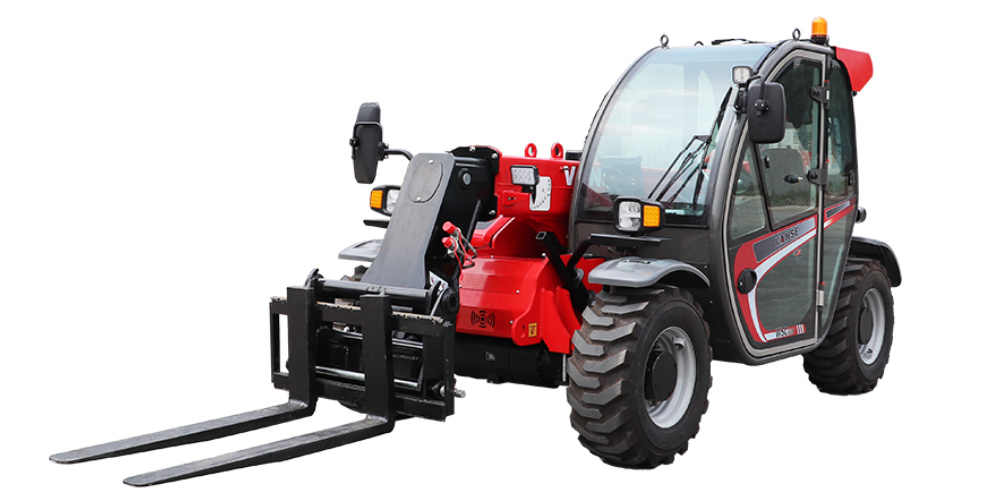
VANSE 625 6m Telescopic Handler
Designed for efficient material handling and stacking in warehouses, factories, and confined job sites, offering compact maneuverability and reliable performance.

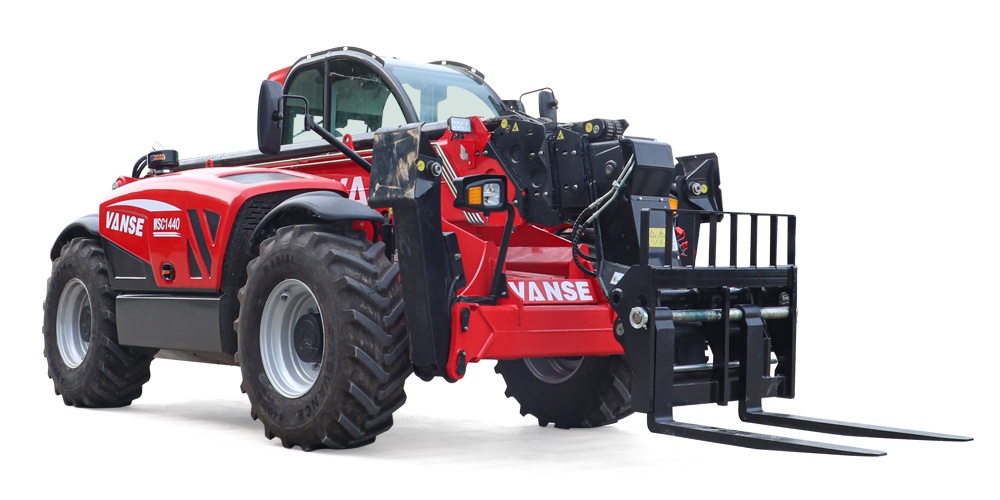
VANSE 735 7m Telescopic Handler
A balanced mid-duty solution for construction, agriculture, logistics, and warehousing, combining stable lifting, strong traction, and everyday versatility.


About the Author:
The VANSE team is a group of experienced professionals specializing in construction machinery research, manufacturing, and technical support. With deep industry knowledge and hands-on experience, our engineers and product specialists share practical insights on equipment selection, operation, maintenance, and industry trends.
Share
You May Also Interest
-

27 May, 2026
Telehandler vs Mini Crane: Comparison
Compare telehandler vs mini crane in the United States with costs, jobsite fit, supplier options, and 2026 buying trends for safer lifting decisions.
-

26 May, 2026
Electric Telehandler vs Diesel Telehandler
Compare electric telehandler vs diesel telehandler in the United States with costs, suppliers, use cases, and buying tips for construction and agriculture.
-
25 May, 2026
Telehandler for Bridge Construction Guide
Find the right telehandler for bridge construction in the United States with supplier insights, machine types, buying tips, and local support options.
-
22 May, 2026
Telehandler for Demolition: Full Guide
Find the best telehandler for demolition in the United States with supplier comparisons, buying tips, safety advice, and practical jobsite guidance.