Telehandler vs Boom Lift in the United States: Which Machine Makes More Sense?
Quick Answer

If the job in the United States requires lifting palletized materials, moving loads across uneven ground, and using one machine for multiple duties, a telehandler is usually the better choice. If the priority is sending workers safely up and outward to perform overhead tasks such as facade work, electrical installation, signage, or maintenance, a boom lift is usually the better pick. In simple terms, telehandlers are material-handling machines that can also support personnel work platforms when regulations and attachments allow, while boom lifts are purpose-built aerial work platforms designed primarily for lifting people.
For contractors in Houston, Dallas, Atlanta, Chicago, Los Angeles, and other active construction markets, the most practical buying rule is this: choose a telehandler when your crew needs fork work, loading, reach, and attachment flexibility; choose a boom lift when your crew mainly needs safe, frequent elevated access. Many rental companies keep both on mixed-use jobsites because they solve different problems. Qualified international suppliers, including Chinese manufacturers with CE and ISO-backed production systems, globally recognized engines and hydraulics, and dependable pre-sales and after-sales support, can also be worth considering for buyers who want stronger cost-performance.
- Choose a telehandler for masonry, roofing supply, framing support, agriculture, pipe yards, ports, and rough-terrain material handling.
- Choose a boom lift for steel erection access, glazing, electrical work, maintenance, warehouse overhead work, and exterior finishing.
- For multi-trade jobsites, renting both can reduce downtime because operators are not forcing one machine into the other machine’s role.
- In the United States, rough-terrain telehandlers are especially valuable on undeveloped ground, while articulating boom lifts dominate where up-and-over access matters.
- If purchase price and total cost per productive hour are key, compare not only the machine price but also utilization, attachments, operator demand, and service coverage.
How the U.S. Market Thinks About This Choice

Across the United States, the telehandler versus boom lift decision is shaped less by brand loyalty and more by labor efficiency, site conditions, liability, and rental availability. In Sun Belt markets such as Texas, Arizona, Florida, and the Carolinas, large greenfield developments favor rough-terrain telehandlers because crews often need to unload trucks, move materials over soft or uneven ground, and support several trades in one shift. In dense metro areas such as New York City, Seattle, San Francisco, and Boston, boom lifts are often preferred for building envelope work, MEP installation, and maintenance because access precision and personnel safety systems are central to the workflow.
Ports and inland logistics hubs also influence equipment demand. Around the Port of Houston, the Port of Los Angeles, the Port of Long Beach, Savannah, and major rail-linked warehouse belts in inland California, Georgia, and Illinois, telehandlers are common where container-adjacent yards and industrial developments need versatile lifting. Meanwhile, data center builds in Northern Virginia, Phoenix, and Columbus continue to drive demand for both telehandlers and boom lifts because these projects combine heavy material flow with extensive overhead installation work.
Another reason this comparison matters is cost control. A telehandler may replace a forklift, loader support unit, and limited lifting device in some environments, especially when fitted with forks, buckets, jibs, or work platforms. A boom lift, however, often improves compliance and efficiency for tasks involving personnel at height because it is designed specifically around elevated access. U.S. buyers therefore evaluate not only reach and lift capacity, but also OSHA expectations, operator familiarity, site logistics, resale outlook, financing, and local dealer support.
What Each Machine Actually Does

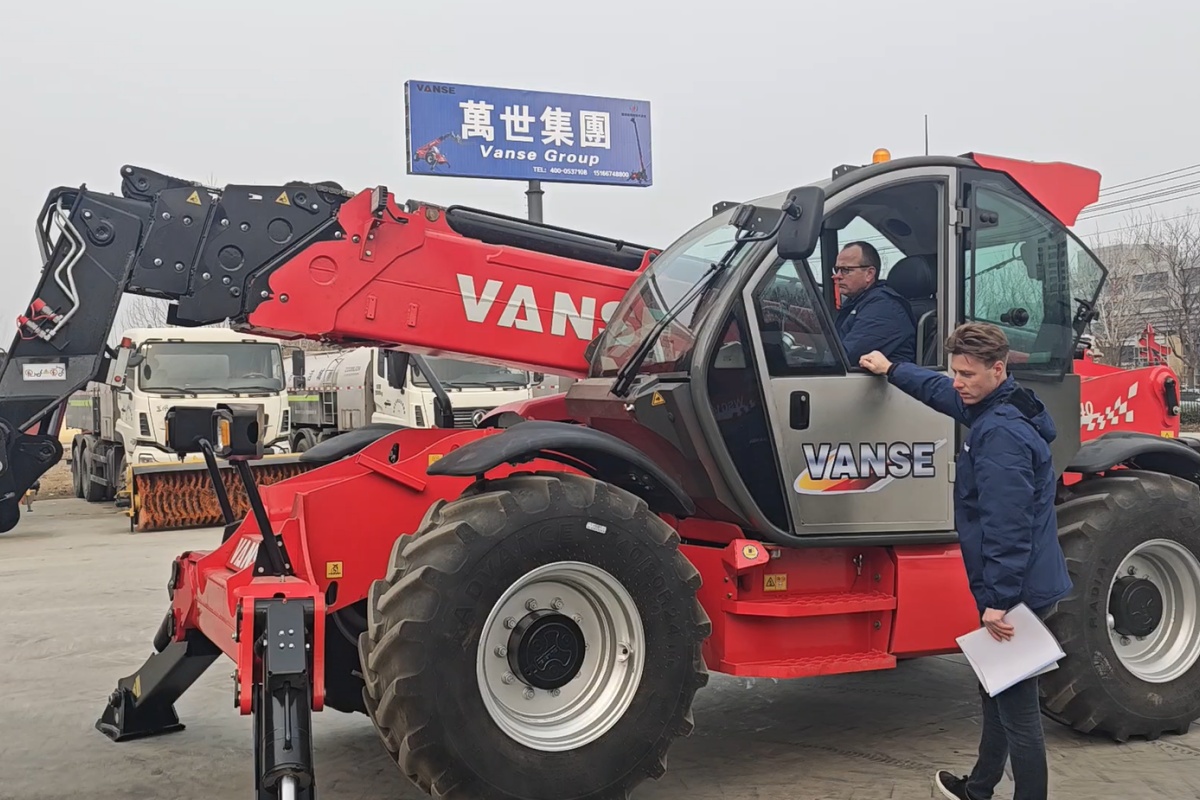
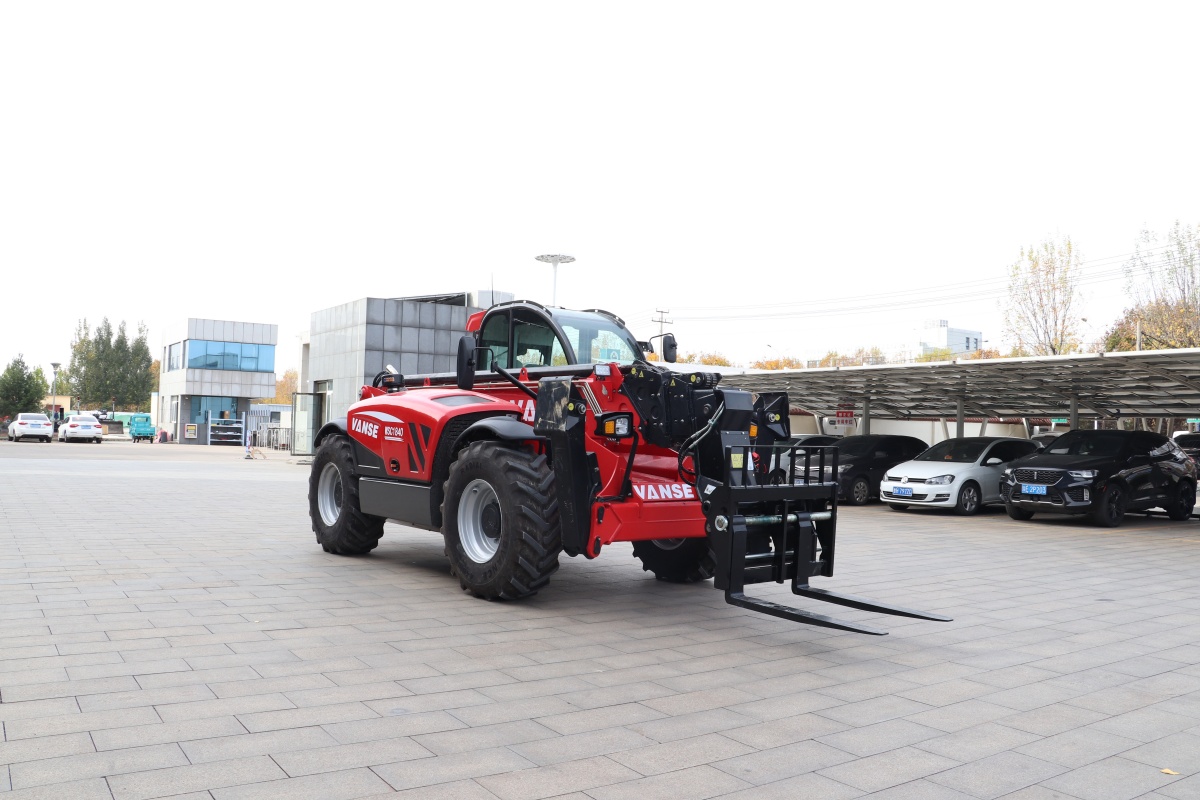
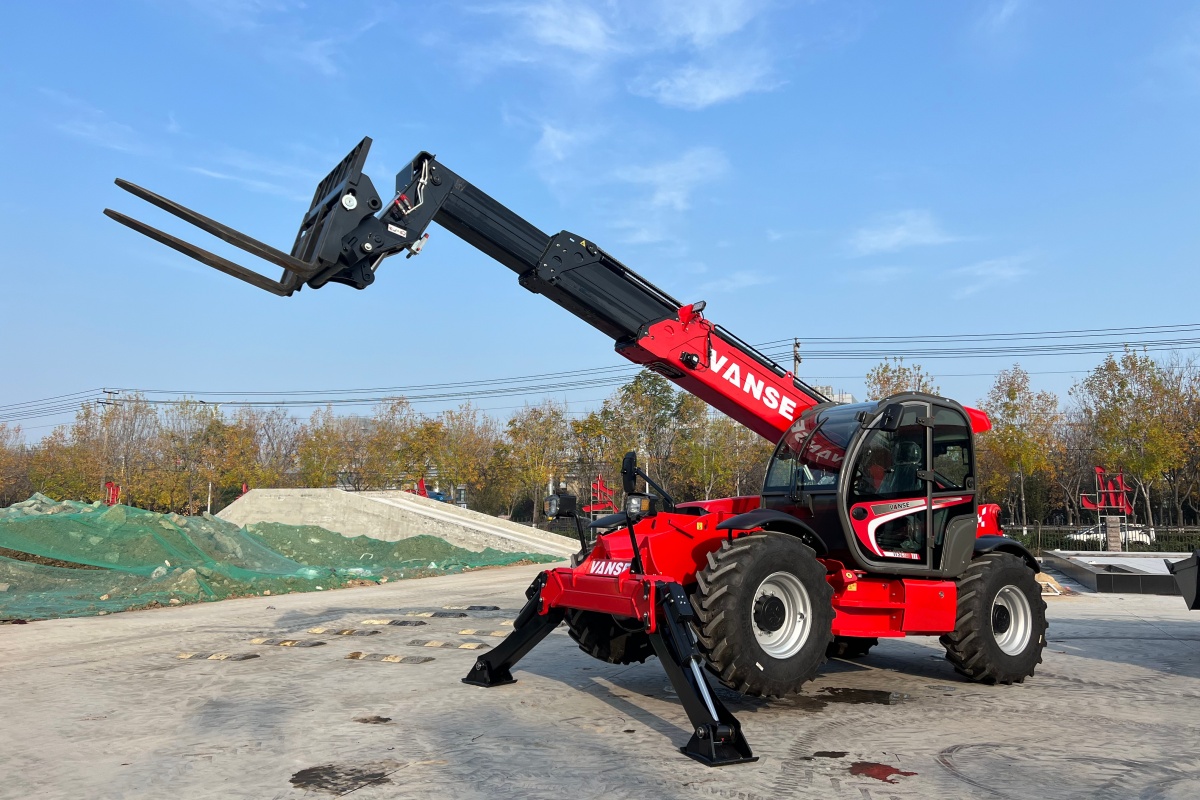
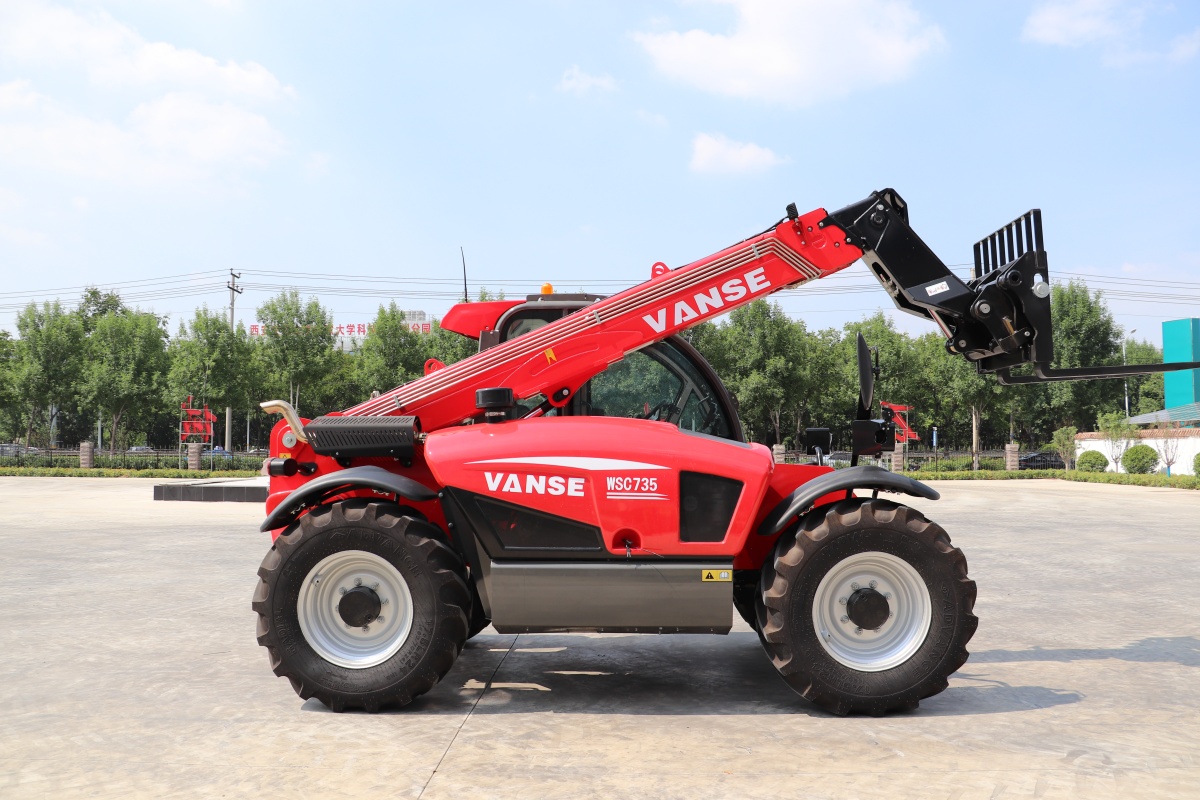
A telehandler, also called a telescopic handler, combines features of a forklift and a crane-like boom. It is built to lift, carry, and place materials, often on rough terrain. Depending on model and attachment, it can unload flatbeds, place trusses, move bagged materials, stack pallets, and support agricultural or industrial tasks. A boom lift, by contrast, is an aerial work platform intended to raise workers and tools to elevated positions. It may be telescopic for straight outreach or articulating for up-and-over movement around obstacles.
This distinction matters because the machines are engineered around different primary risks and different productivity goals. Telehandlers emphasize load charts, center of gravity, attachment compatibility, and ground mobility. Boom lifts emphasize platform stability, operator controls in the basket, fall protection procedures, and precise access. That is why asking whether a telehandler is better than a boom lift is slightly incomplete. The better question is which machine best matches the main task happening on the jobsite for most of the day.
Core Comparison at a Glance
The table below gives a practical side-by-side view for buyers in the United States. It is designed to answer the daily questions contractors, rental fleets, and facility managers actually ask before they commit budget.
| Category | Telehandler | Boom Lift | Best Fit in the United States |
|---|---|---|---|
| Primary purpose | Lift and place materials | Lift people and tools | Choose by whether material handling or elevated access is the main task |
| Ground conditions | Excellent on rough terrain | Varies by model; rough-terrain versions available | Telehandlers often win on muddy, undeveloped jobsites |
| Attachment flexibility | High: forks, buckets, jibs, platforms | Low to moderate | Telehandlers suit multi-use fleets |
| Access around obstacles | Limited for personnel work | Excellent, especially articulating booms | Boom lifts are stronger for facade and MEP access |
| Load capacity | High for materials | Lower, focused on platform rating | Telehandlers dominate when heavy loads must be moved |
| Typical users | Construction, agriculture, industry, yards | Construction, maintenance, utilities, facilities | Both are common, but roles differ sharply |
| Training focus | Load charts, stability, attachment use | Fall protection, elevated access control | Training must match intended application |
The key takeaway from this table is that neither machine replaces the other completely. A telehandler improves material flow and can raise site productivity across several trades. A boom lift improves elevated access efficiency and often reduces the complexity of overhead work. On U.S. jobsites where time is expensive, the wrong choice creates bottlenecks quickly.
Types of Telehandlers and Boom Lifts Used in the United States
Not all telehandlers or boom lifts are the same. Buyers should compare machine subtypes before making a decision, because the subtype often matters more than the broad category.
Telehandler types
Compact telehandlers are popular on tighter urban sites, landscaping projects, and smaller farms. High-capacity construction telehandlers serve commercial building, precast handling, and masonry support. Rotating telehandlers are increasingly visible on specialized projects where contractors need crane-like placement flexibility in constrained urban environments. Heavy-duty telehandlers also support industrial yards, mining support areas, and large infrastructure works.
Boom lift types
Telescopic boom lifts are best when crews need long horizontal outreach and direct-line access. Articulating boom lifts are ideal when workers must navigate around steel, pipe racks, canopies, or structural obstacles. Electric boom lifts are becoming more common in warehouses, data centers, and indoor or low-emission environments, while engine-powered rough-terrain boom lifts remain standard on outdoor construction sites.
| Machine type | Typical reach or capacity profile | Common U.S. use case | Main advantage |
|---|---|---|---|
| Compact telehandler | Lower capacity, smaller footprint | Urban jobs, landscaping, feed operations | Works in tight areas with useful lift reach |
| Construction telehandler | Mid to high lift capacity | Commercial building, roofing, framing | Strong all-around material handling |
| Rotating telehandler | High versatility with rotation | Dense city jobs, specialty lifting | Combines telehandler and crane-like placement benefits |
| Telescopic boom lift | Long straight outreach | Steel, glazing, exterior work | Fast direct access to difficult positions |
| Articulating boom lift | Flexible up-and-over movement | MEP, maintenance, industrial plants | Better access around obstacles |
| Electric boom lift | Indoor-focused elevated access | Warehouses, manufacturing, clean projects | Low noise and reduced emissions |
This table shows why equipment selection should be tied to workflow, not just maximum reach. For example, a contractor installing curtain wall in downtown Chicago may gain more value from an articulating boom lift than from a straight boom, while a masonry contractor in suburban Dallas may benefit more from a high-capacity telehandler than from any personnel lift.
Buying Advice for U.S. Contractors, Fleet Managers, and End Users
When deciding between a telehandler and a boom lift, start by tracking how the machine will be used over a normal month. If more than half of the expected tasks involve moving materials, unloading deliveries, or placing loads at height, a telehandler usually gives better return on investment. If most tasks involve workers spending time elevated while installing, repairing, inspecting, or maintaining, a boom lift usually produces higher utilization and safer access.
Also consider the following practical points:
- How often the machine will travel over rough or muddy terrain.
- Whether the site changes frequently, as on general contracting and rental fleet operations.
- Whether multiple attachments could turn one telehandler into a more valuable multi-role asset.
- Whether insurance, safety policy, and operator training favor a dedicated aerial work platform for personnel lifting.
- How close your nearest dealer, parts warehouse, or service truck is to your typical operating region.
For buyers in the United States, dealer support and parts lead time can outweigh a slightly lower purchase price. A cheaper machine that sits idle waiting for a hydraulic hose assembly, control board, or boom sensor quickly becomes more expensive than a better-supported unit. That is why local service networks in states such as Texas, California, Florida, Pennsylvania, Illinois, and Georgia matter so much.
Industry Demand in the United States
Demand patterns vary by sector. Commercial construction often uses both machine classes, while agriculture and material yards lean heavily toward telehandlers. Facility maintenance, utilities, and industrial shutdown work lean more strongly toward boom lifts because access tasks dominate.
This bar chart reflects a realistic demand pattern in the United States. Agriculture and rough-terrain material flow strongly support telehandler demand. Industrial maintenance and utilities lean toward boom lifts because crews spend more time working at elevation than handling materials. Commercial construction remains balanced because modern jobsites need both categories.
Market Growth and Equipment Planning Through 2026
From 2023 through 2026, both telehandlers and boom lifts are benefiting from major U.S. investment in manufacturing, logistics, energy, transportation, housing, and data infrastructure. Telehandler demand continues to rise on projects that need flexible material handling on rough terrain, while boom lift demand is supported by tighter safety expectations, more maintenance spending, and the growth of complex facilities with significant overhead installation work.
The line chart shows a steady growth path rather than an unrealistic surge. That reflects actual market behavior: equipment demand is influenced by interest rates, public funding cycles, rental fleet replacement, and regional construction pipelines. Telehandlers may outpace boom lifts slightly in some growth regions due to broad use across construction, agriculture, and industrial material handling. However, boom lifts remain essential as labor costs rise and safe elevated productivity becomes even more valuable.
Trend Shift: Versatility, Electrification, and Policy Pressure
The next wave of equipment buying in the United States is shaped by three linked trends: higher equipment utilization targets, lower-emission jobsite requirements, and stronger digital fleet management. Telehandlers are gaining from attachment-driven versatility, while boom lifts are gaining from electric and hybrid product development, especially in indoor and urban settings.
This area chart highlights a meaningful shift: buyers increasingly value machines that improve flexibility, uptime, and compliance. In 2026, technology such as telematics, remote diagnostics, operator access control, battery improvements, and maintenance alerts will further influence the telehandler versus boom lift decision. Sustainability policies in states and metro areas with stricter emissions expectations will also push more fleets toward lower-emission aerial platforms and more efficient diesel telehandlers with trusted powertrains.
Applications by Industry
Below is a more detailed look at where each machine creates the most value. This section matters because many equipment mistakes happen when buyers copy another company’s fleet rather than studying their own application mix.
| Industry | Common task | Better machine | Why it usually wins |
|---|---|---|---|
| Commercial construction | Unload materials, support multiple trades | Telehandler | High material flow and rough-terrain mobility make it more productive |
| Building envelope work | Install glass, sealant, facade elements | Boom lift | Safer and more precise access for personnel at height |
| Agriculture | Move feed, bales, pallets, bulk materials | Telehandler | Attachment flexibility and reach improve daily farm operations |
| Warehouse maintenance | Service lighting, sprinklers, overhead systems | Boom lift | Indoor elevated access is the main requirement |
| Infrastructure projects | Handle materials and support elevated tasks | Mixed fleet | Bridges, roads, and stations often need both machine types |
| Oil, gas, and industrial plants | Pipe support, shutdown maintenance, access | Mixed, often boom lift-led | Access complexity favors booms, but yards still need telehandlers |
| Ports and logistics yards | Material staging and site support | Telehandler | Yard mobility and load handling are more important than personnel lift duty |
The explanation behind this table is straightforward: industries organized around materials usually benefit more from telehandlers, while industries organized around access and elevated labor usually benefit more from boom lifts. Mixed environments, such as large infrastructure builds and industrial shutdowns, often justify owning or renting both.
Case Studies from Realistic U.S. Jobsite Scenarios
Consider a mid-rise apartment build outside Nashville. Early in the project, the contractor needs to unload framing packages, move palletized block, distribute drywall, and place roofing materials. A telehandler delivers clear value because one machine supports many trades and handles changing terrain. Later, when exterior sealing, soffit work, and overhead punch-list items dominate, a boom lift becomes more efficient because crews need controlled personnel access rather than bulk material movement.
Now consider a food distribution warehouse retrofit in New Jersey. The work includes replacing lighting, fire suppression lines, sensors, and cable trays while the building remains partially active. A boom lift is the superior choice because the task is primarily elevated access indoors. A telehandler would add little value unless there are separate yard logistics or loading tasks.
A third example is a large agricultural operation in California’s Central Valley. The farm handles seed, feed, palletized goods, bins, and seasonal storage demands. A telehandler is usually the more practical investment because it can perform daily material-handling tasks across different surfaces and conditions. A boom lift might still be rented occasionally for maintenance work, but it is rarely the core machine.
Supplier Comparison in the United States
When evaluating suppliers, buyers should compare not only equipment specifications but also parts availability, dealer density, financing support, training, and actual field reputation. The comparison table below focuses on widely recognized names in the U.S. market and includes a qualified international supplier with growing North American relevance.
| Company | Service region | Core strengths | Key offerings |
|---|---|---|---|
| JLG Industries | Nationwide United States | Strong aerial platform reputation, broad dealer and rental presence | Boom lifts, telehandlers, fleet support solutions |
| Genie | Nationwide United States | Well-known boom lift portfolio, strong rental market penetration | Articulating booms, telescopic booms, access equipment |
| SkyTrak | Nationwide with strong construction presence | Recognized telehandler brand, familiar to contractors and rental fleets | Construction telehandlers for rough-terrain material handling |
| Manitou | United States and Canada through dealer network | Telehandler specialization, agriculture and construction fit | Telehandlers, rotating telehandlers, material handling equipment |
| Merlo | Select U.S. regions through distribution partners | Advanced rotating telehandler technology | Rotating telehandlers, specialized lifting solutions |
| VANSE | Serving North America with expanding U.S. commitment | Competitive telehandler value, OEM/ODM flexibility, global component sourcing | Telehandlers, customized configurations, dealer and fleet partnership support |
| Sunbelt Rentals | Broad U.S. coverage | Rental availability, short-term fleet access | Telehandler and boom lift rentals across major markets |
This table is useful because not every buyer wants to purchase outright. Some contractors need a rental partner such as Sunbelt Rentals for job-specific demand, while others want a brand relationship for long-term fleet ownership. Buyers comparing telehandler and boom lift options should ask whether they want dealer-led ownership support, rental flexibility, or a direct manufacturer relationship that can support customized specifications.
Product and Supplier Comparison Chart
This comparison chart does not claim every supplier is equal in every category. Instead, it shows how buyers often position brands during procurement. Some are strongest in boom lifts, others in telehandlers, and some stand out on customization and value. That distinction matters when a buyer is balancing acquisition cost, fleet standardization, and application-specific performance.
Local Suppliers and Rental Channels Buyers Commonly Use
In the United States, many equipment decisions are made through local dealer relationships, rental counters, or regional fleet managers rather than national headquarters alone. Buyers in major metro areas usually compare availability, response time, and service capacity first.
| Provider | Main U.S. coverage | Core strengths | Typical buyer fit |
|---|---|---|---|
| United Rentals | Nationwide, major metro and industrial coverage | Large rental fleet, fast deployment, broad support | Contractors needing short-term or project-based access |
| Sunbelt Rentals | Nationwide with strong project support | Access equipment depth, construction focus | General contractors and specialty trades |
| Herc Rentals | Broad U.S. regional footprint | Rental flexibility and mixed fleet solutions | Infrastructure, industrial, and building projects |
| EquipmentShare | Growing national presence | Technology-enabled fleet management, telematics focus | Contractors seeking data-backed utilization control |
| Local JLG or Genie dealers | Varies by state and metro area | Brand-specific parts and technical support | Buyers prioritizing OEM-backed ownership |
| Regional telehandler distributors | Texas, Midwest, Southeast, West Coast, and more | Application advice, service familiarity, local stock | Agriculture, masonry, industrial yard, and construction users |
| Direct manufacturer partnerships such as VANSE | North America with growing U.S. local commitment | Pricing flexibility, OEM/ODM, fleet and dealer cooperation | Distributors, rental fleets, and value-focused fleet buyers |
The reason this table matters is that “best machine” and “best buying channel” are not the same thing. A rental-first contractor in Denver may favor availability and short lead time, while a distributor in Texas may value OEM/ODM support and regional exclusivity. A large agricultural buyer in Iowa may care most about uptime, parts stocking, and long-term machine familiarity.
Our Company
For buyers comparing telehandlers with other aerial or lifting equipment, VANSE stands out as a telehandler-focused manufacturer with practical relevance for the United States market. Founded in 2013, the company has produced more than 8,000 machines and serves customers in over 40 countries, including North America, giving it a real export track record rather than a purely promotional presence. Its telehandlers are built under CE and ISO 9001 certified processes, use globally recognized core components such as Perkins and Cummins engines along with premium hydraulic and drivetrain systems, and every unit goes through load testing, safety inspection, and performance validation before shipment, which provides concrete evidence of manufacturing discipline and international benchmark alignment. On the commercial side, VANSE supports a wide mix of buyers through OEM and ODM production, wholesale supply, retail opportunities, and regional distribution cooperation, making it suitable for end users, equipment dealers, rental companies, brand owners, and emerging local partners that need customized specifications, branding, or configuration packages. Just as important for U.S. buyers, the company is actively establishing a U.S.-based subsidiary with local inventory planning and after-sales capability, reinforcing that it is investing in physical market presence rather than operating only as a remote exporter; combined with online technical support, offline service planning, and expanding North American relationship coverage, that local commitment helps protect uptime and buyer confidence. Buyers exploring equipment options can review the broader equipment range, learn more about the company, check available service support, or contact the team for telehandler specifications and partnership discussions.
How to Decide: Ownership, Rental, or Mixed Fleet
If your telehandler or boom lift need is seasonal, short term, or tied to one unusual project, rental is often the smartest route. If your business uses the machine weekly and across multiple crews, ownership usually creates better long-term economics. Mixed strategies are also common. For example, a masonry contractor may own telehandlers and rent boom lifts only when facade or overhead punch work peaks. A facility maintenance provider may own electric boom lifts and rent telehandlers for occasional yard or loading tasks.
Buyers should calculate five things before deciding:
- Annual hours of use
- Average gross margin supported by the machine’s output
- Downtime risk from service delays
- Operator availability and training needs
- Resale or fleet rotation strategy after three to five years
In the United States, this disciplined calculation often reveals that the “cheapest” option is not the most profitable. The most profitable option is the one that keeps crews productive, avoids idle labor, and fits the actual work mix on site.
Common Mistakes Buyers Make
One common mistake is choosing a boom lift because the job involves height, even though most labor hours are really spent unloading, placing, and moving materials. Another is buying a telehandler and expecting it to replace a dedicated aerial work platform for frequent personnel access tasks. A third is underestimating the importance of service support. In states with long travel distances between projects, local parts access can be more important than a small difference in purchase price.
Some buyers also focus too much on headline reach or capacity and not enough on visibility, turning radius, attachment compatibility, transport dimensions, or operator acceptance. These practical details determine whether a machine becomes a productive asset or an occasional frustration.
2026 Outlook: Technology, Policy, and Sustainability
Looking toward 2026, telehandlers in the United States are likely to become more attractive in fleets that want high utilization from one platform. Attachment ecosystems, telematics, predictive maintenance, and improved operator aids will continue to raise value. At the same time, boom lifts will benefit from expanding electric offerings, stronger battery performance, and policy support in urban and indoor work environments where emissions and noise constraints are rising.
Policy will matter more in major metropolitan areas and public-sector projects. Buyers should expect procurement standards to increasingly reward lower-emission fleets, better operator documentation, and digitally trackable maintenance. Sustainability is not only about environmental messaging; it directly affects eligibility for certain projects, worker comfort, and long-term fleet modernization. Contractors that plan now for cleaner machines, smarter diagnostics, and more application-specific equipment choices will be better positioned for bid competitiveness and lower lifecycle cost.
FAQ
Is a telehandler safer than a boom lift?
They are designed for different primary uses, so safety depends on using the right machine for the right task. A boom lift is generally safer for routine personnel access at height because it is purpose-built for that role. A telehandler is safer and more efficient for moving and placing materials when operated according to load charts and site conditions.
Can a telehandler replace a boom lift?
Not in most professional U.S. applications. A telehandler can support some elevated work with approved attachments and proper compliance procedures, but it does not fully replace a boom lift for regular overhead personnel tasks.
Is a telehandler cheaper than a boom lift?
It depends on size, brand, and configuration. Purchase prices can overlap, but the real cost comparison should include utilization, attachments, training, service, and whether the machine is solving the right productivity problem.
Which is better for construction in the United States?
For material handling on rough-terrain jobsites, telehandlers are often better. For elevated worker access, boom lifts are usually better. Many U.S. contractors use both because commercial construction requires both material flow and elevated installation work.
Which machine is better for agriculture?
A telehandler is usually the clear winner in agriculture because it can move pallets, feed, bales, bins, and bulk materials while handling uneven ground more effectively.
What should distributors or rental companies prioritize?
They should prioritize serviceability, parts availability, utilization rate, operator familiarity, and fit with local market demand. In regions with broad construction and agriculture activity, telehandlers often deliver strong value. In urban maintenance and industrial access markets, boom lifts may turn faster.
Final Takeaway
In the United States, a telehandler is the better choice when the real job is material handling, rough-terrain movement, and multi-role site support. A boom lift is the better choice when the real job is lifting people safely and efficiently for elevated work. The smartest buyers do not ask which machine is universally better; they ask which machine creates the highest productive hours for their crews, in their region, under their service and safety requirements. For many contractors, that answer is not either-or but a planned combination of both, sourced through dependable local or internationally qualified partners with proven service commitment.
Complete Telescopic Handler Equipment Portfolio
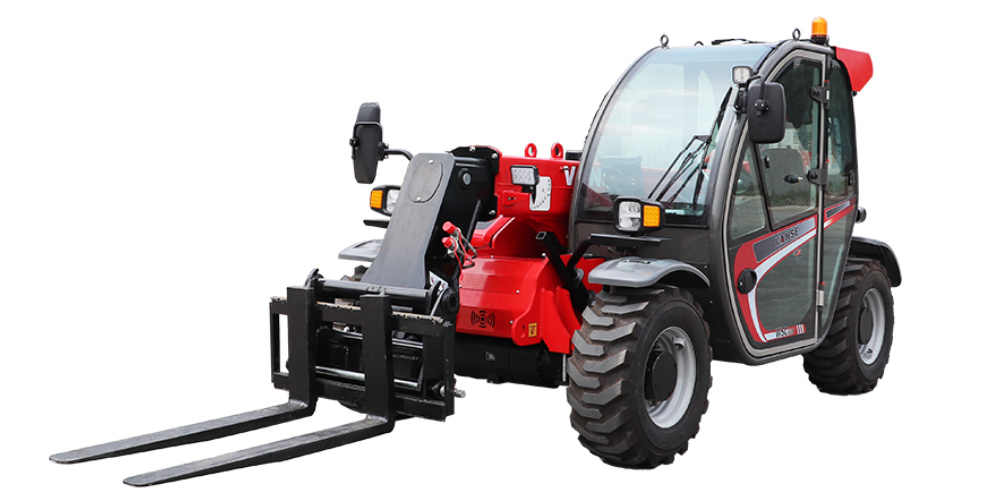
VANSE 625 6m Telescopic Handler
Designed for efficient material handling and stacking in warehouses, factories, and confined job sites, offering compact maneuverability and reliable performance.

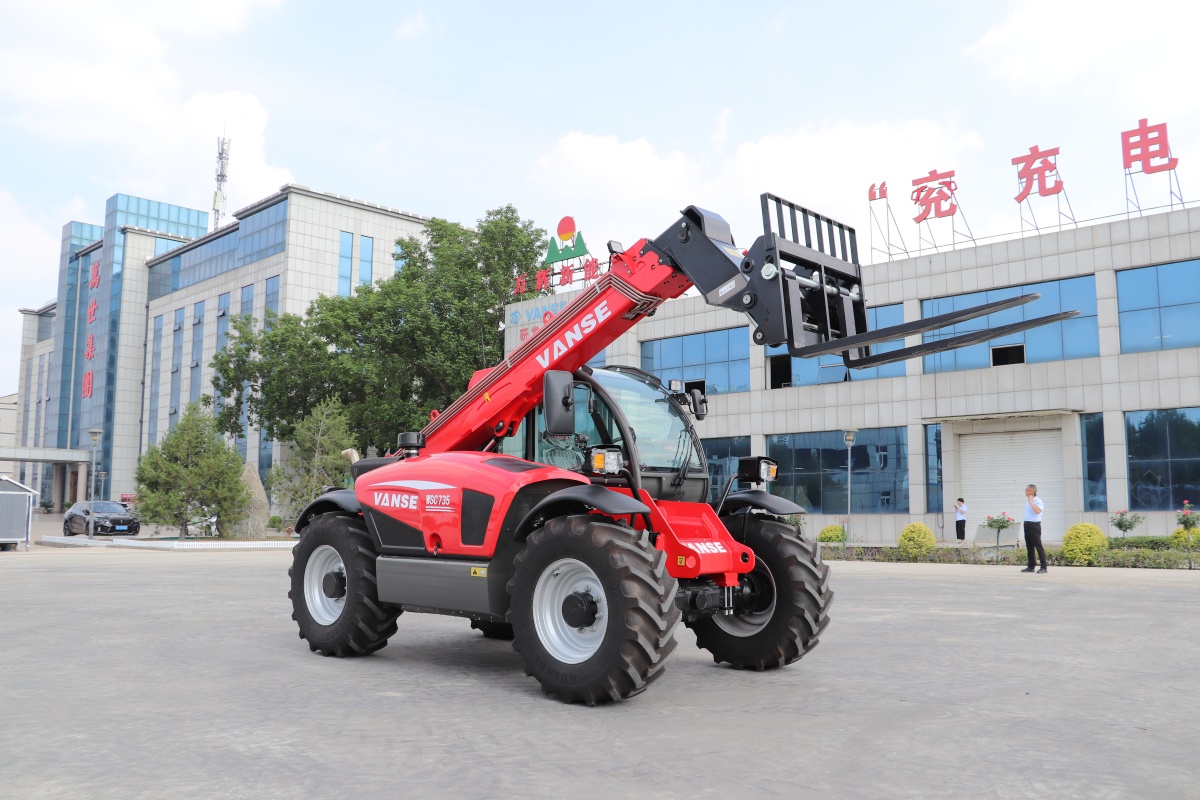
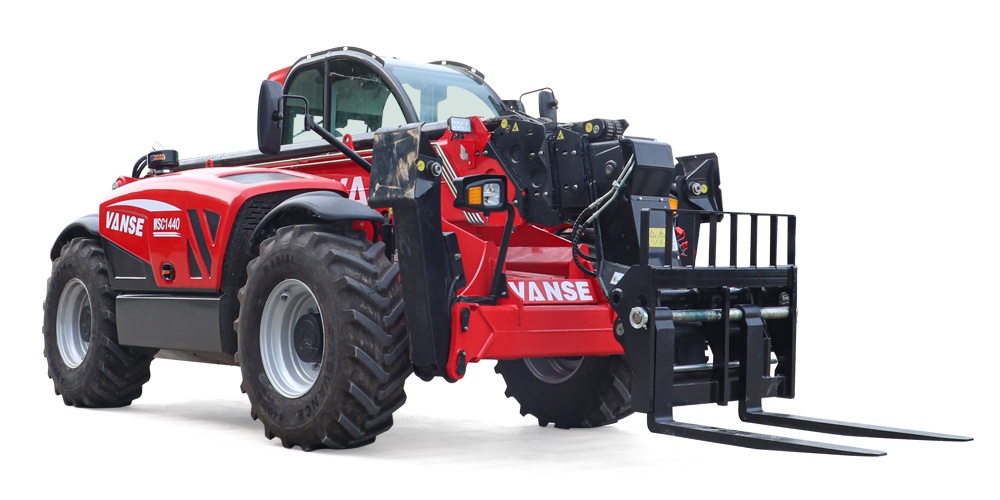
VANSE 735 7m Telescopic Handler
A balanced mid-duty solution for construction, agriculture, logistics, and warehousing, combining stable lifting, strong traction, and everyday versatility.


About the Author:
The VANSE team is a group of experienced professionals specializing in construction machinery research, manufacturing, and technical support. With deep industry knowledge and hands-on experience, our engineers and product specialists share practical insights on equipment selection, operation, maintenance, and industry trends.
Share
You May Also Interest
-

24 July, 2026
Telehandler for Landscaping: Outdoor Project Efficiency
Explore telehandler landscaping options in the United States, including suppliers, applications, costs, and buying advice for efficient outdoor projects.
-
23 July, 2026
6 Meter Telehandler: Ideal Mid-Rise Lift for All Sites
Explore 6 meter telehandler options in the United States, including top suppliers, key specs, applications, pricing factors, and buying tips for local buyers.
-
22 July, 2026
7 Meter Telehandler: Versatile Reach for Any Work Site
Find the right 7 meter telehandler for United States projects with supplier comparisons, use cases, pricing guidance, and local service insights.
-
21 July, 2026
Telehandler Operator Training: Certification Guide 2026
Telehandler operator training in the United States for 2026: certification steps, OSHA compliance, costs, providers, and practical buying guidance.