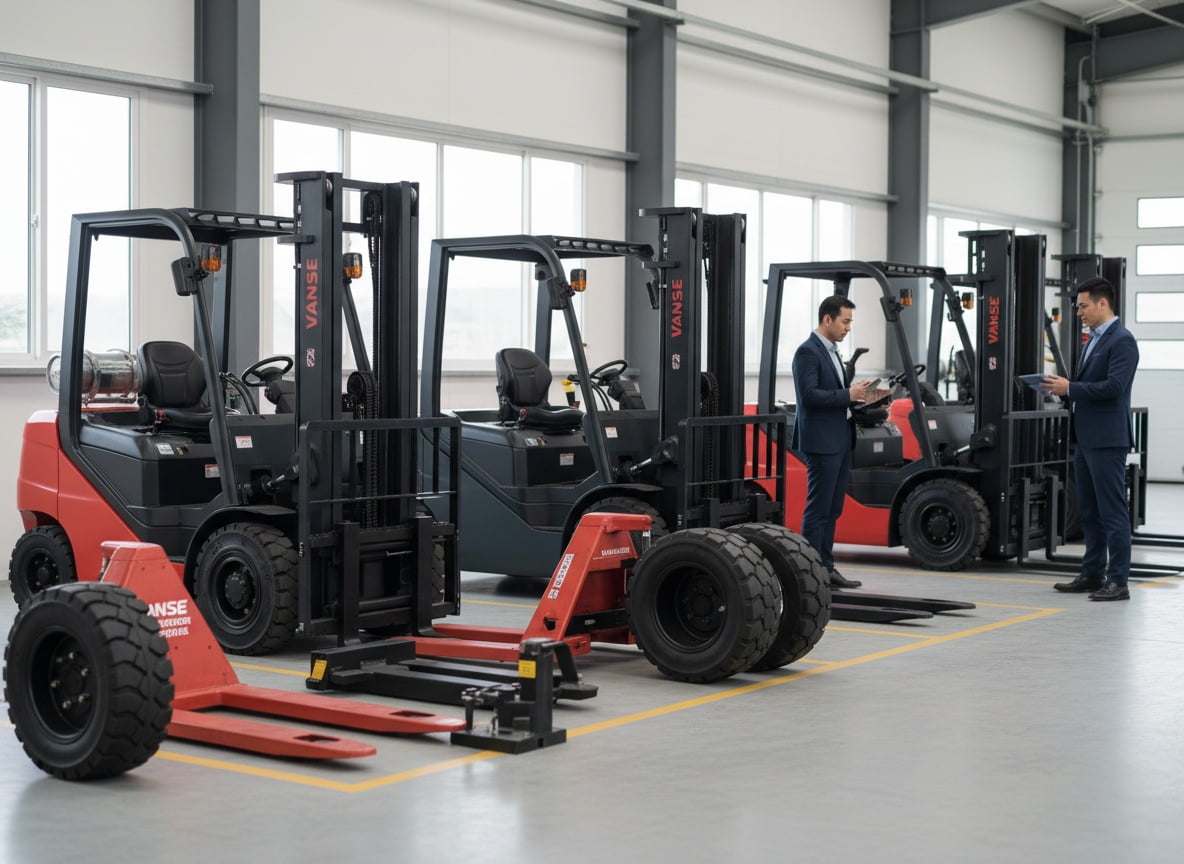
Telehandler Transmission Types in the United States
Quick Answer

In the United States, powershift and hydrostatic are the two main telehandler transmission types, and the better choice depends on how the machine will actually work. Powershift transmissions are usually the better fit for high-load lifting, rough terrain travel, road movement across larger jobsites, and rental fleets that need familiar operation and strong drawbar pull. Hydrostatic transmissions are usually the better fit for precision handling, tight spaces, frequent direction changes, indoor or mixed-use work, and operators who value smooth low-speed control. For most U.S. construction, masonry, and high-capacity rental applications, powershift remains the common choice. For agriculture, industrial yards, and placement work where fine inching matters, hydrostatic often delivers better control and lower operator fatigue.
Well-known telehandler suppliers active across the U.S. market include JLG, Genie, JCB, Caterpillar, Bobcat, and Skyjack. Buyers in ports such as Houston, Savannah, Los Angeles, and Newark also increasingly compare qualified international suppliers that offer CE and ISO-certified production, globally recognized engines and driveline components, and dependable pre-sales and after-sales support. That matters because cost-performance is now a major buying factor for U.S. dealers, rental fleets, and end users seeking competitive total ownership cost without compromising service access.
Why Transmission Choice Matters in the U.S. Market

The U.S. telehandler market is broad and highly application-driven. A machine used on a residential framing project outside Dallas has very different daily demands from one handling bagged materials in California agriculture, pipe in the Permian Basin, palletized block in Florida, or feed and hay in Iowa. Transmission choice affects acceleration, traction, fuel use, operator learning curve, service intervals, and attachment performance. It also influences resale value because different fleet buyers prefer different driveline behavior.
In practical terms, the transmission is not just a mechanical detail. It shapes how confidently a telehandler climbs grades, creeps toward a load, powers through soft ground, and responds when changing direction under pressure. U.S. buyers also need to think about technician familiarity, parts access, and whether the machine will spend more time lifting, towing, loading, stacking, or traveling long distances across a site.
Telehandler demand in the United States continues to be supported by nonresidential construction, logistics expansion, utility work, agricultural modernization, and equipment rental turnover. In states with large mixed-use equipment fleets such as Texas, Florida, California, Georgia, Ohio, and Illinois, fleet managers often compare powershift and hydrostatic transmissions not only by performance, but also by training requirements and lifecycle cost.
Market Snapshot for Telehandler Drivetrains in the United States

The market has historically leaned toward powershift in higher-lift construction models, while hydrostatic remains strong in compact, agricultural, and precision-oriented segments. A third category, hybridized or electronically managed drivetrains, is beginning to influence premium segments as emissions regulation, telematics, and operator assistance systems become more integrated. However, for most buyers today, the real decision is still between powershift and hydrostatic.
| Year | Estimated U.S. Telehandler Market Units | Powershift Share | Hydrostatic Share | Main Demand Drivers |
|---|---|---|---|---|
| 2021 | 15,800 | 66% | 34% | Construction rebound, rental fleet replacement |
| 2022 | 16,900 | 65% | 35% | Infrastructure spending, agriculture investment |
| 2023 | 17,400 | 64% | 36% | Mixed fleet expansion, higher material handling demand |
| 2024 | 18,100 | 63% | 37% | Rental refresh, warehouse and yard applications |
| 2025 | 18,900 | 62% | 38% | Operator efficiency, attachment use growth |
| 2026 | 19,700 | 60% | 40% | Sustainability goals, smarter fleet specification |
This table shows a realistic shift rather than a sudden disruption. Powershift is still likely to dominate larger rough-terrain and rental models, but hydrostatic continues gaining attention where precise modulation, lower-speed maneuvering, and easier control provide measurable productivity benefits.
Powershift Transmission Explained
A powershift transmission uses mechanical gear ranges and clutch packs to transmit engine power efficiently under load while allowing gear changes without fully interrupting torque. In telehandlers, this setup is popular because it handles heavier applications well and gives operators the kind of direct, robust machine feel that many rental users and construction crews expect.
Powershift machines tend to perform strongly in applications that involve carrying dense material over uneven ground, repeated ramp climbing, road travel between staging areas, and demanding pushing or towing. In the U.S., this is why powershift is common on jobs around highway expansion corridors, large commercial sites, distribution center construction, and masonry work where the telehandler acts like a core production machine rather than just a support vehicle.
One of its key strengths is efficiency at higher travel speeds and under heavier traction demand. If a contractor in Phoenix or Atlanta needs a machine to shuttle pallets across a broad site all day, a powershift model often feels more natural. It also tends to suit operators already familiar with wheel loaders, forklifts, or older rough-terrain handlers.
Hydrostatic Transmission Explained
A hydrostatic transmission uses hydraulic pumps and motors to deliver infinitely variable speed control within operating ranges. Instead of stepped shifting, the system emphasizes smooth acceleration, precise inching, and easy directional change. In telehandlers, that often translates into excellent control when placing loads near structures, moving through barn aisles, handling bagged goods, or working in spaces where a few inches matter.
Hydrostatic machines are often appreciated in agriculture, nurseries, industrial plants, recycling yards, and material yards where short-cycle precision can matter more than raw travel efficiency. Operators often describe hydrostatic handling as smoother and more intuitive, especially when frequently reversing or feathering movement around people, walls, racks, or livestock buildings.
Because hydrostatic transmissions can provide fine control at low speed, they often reduce operator fatigue in repetitive placement work. That makes them attractive for end users who retain the same operators on the machine daily, rather than rental fleets serving constantly changing users.
Powershift vs Hydrostatic: Core Performance Differences
| Transmission Type | Best Operating Style | Key Strength | Main Limitation | Typical U.S. Applications | Ideal Buyer Profile |
|---|---|---|---|---|---|
| Powershift | Heavy travel and load carry | Strong torque transfer under load | Less fine low-speed modulation | Commercial construction | Rental fleets, general contractors |
| Powershift | Rough terrain site movement | Good gradeability and travel speed | Can feel more abrupt for delicate placement | Road and infrastructure jobs | Earthwork and utility crews |
| Hydrostatic | Precision inching and placement | Smooth control in tight spaces | May be less efficient in long-distance travel | Agriculture and industrial yards | Farm operators, plant managers |
| Hydrostatic | Frequent reversing cycles | Lower operator fatigue | Performance depends heavily on system tuning | Warehousing support and feed handling | Owner-operators, specialized users |
| Powershift | Fleet standardization | Familiar to many technicians | Can require more operator adaptation for fine tasks | Large rental fleets nationwide | Multi-branch rental businesses |
| Hydrostatic | Controlled indoor-outdoor mixed use | Excellent modulation with attachments | Heat management matters in heavy cycles | Manufacturing and specialty handling | Users with steady work patterns |
This comparison table helps buyers focus on the match between work cycle and machine behavior. Neither transmission is universally better. The real advantage comes from aligning the drivetrain to the dominant duty cycle, operator experience, and service setup.
How U.S. Industries Use Different Telehandler Transmission Types
Different sectors in the United States prioritize different things. Construction contractors often need all-around rugged performance and transportability. Agriculture values smoothness and control in repetitive loading and stacking. Oil and gas support yards may need predictable traction on mixed surfaces. Manufacturing and industrial users often prefer controllable low-speed movement around facilities.
| Industry | Primary Task | Preferred Transmission | Why It Fits | Typical States | Attachment Use Level |
|---|---|---|---|---|---|
| Commercial construction | Pallet handling, framing support | Powershift | Better travel efficiency and load carry | Texas, Florida, Arizona | Medium |
| Masonry and concrete | Heavy block and material movement | Powershift | Strong torque under demanding site conditions | Nevada, Georgia, North Carolina | Low to medium |
| Agriculture | Feed, bale, seed, pallet handling | Hydrostatic | Precise control and frequent reversing | Iowa, Kansas, California | High |
| Industrial yards | Material transfer and storage support | Hydrostatic | Smooth low-speed maneuvering | Ohio, Illinois, Pennsylvania | Medium to high |
| Oil and gas support | Pipe, tools, site logistics | Powershift | Rough terrain capability and stability under load | Texas, New Mexico, Oklahoma | Medium |
| Recycling and waste support | Sorting and controlled placement | Hydrostatic | Fine movement around confined work zones | New Jersey, California, Michigan | High |
This table shows why a buyer should start with the application rather than the brochure headline. The same machine specification can feel outstanding in one industry and merely acceptable in another if the transmission does not match the workflow.
Product Types and Where Transmission Choice Changes the Outcome
Not all telehandlers react the same way to transmission selection. Compact telehandlers used on farms or in urban infill work may benefit more visibly from hydrostatic control. Mid-size general-purpose handlers often remain the battleground between the two systems. High-capacity construction units still skew toward powershift because of their load expectations, travel patterns, and fleet norms.
Attachment strategy also matters. If the machine regularly runs buckets, sweepers, clamps, jibs, truss booms, and forks in mixed shifts, hydrostatic control may improve the operator experience. If it mostly carries palletized block and framing material across open terrain, powershift may remain the more practical answer.
Buying Advice for U.S. Fleet Managers and End Users
Start with the load cycle, not the marketing label. Ask how often the machine travels more than a few hundred feet with a load, how often it changes direction, how critical inching accuracy is, and whether multiple operators will share it. A rental company with branches in Chicago, Charlotte, and Houston may choose powershift because it suits a wider range of customer expectations. A dairy or feed operation in Wisconsin may choose hydrostatic because the same operator uses it every day in repetitive patterns that reward precise control.
Also calculate service capacity honestly. If your technicians already support powershift transmissions across other equipment categories, that reduces risk. If your site values smooth operation, low-speed precision, and ease of training for less experienced operators, hydrostatic may pay back more than the purchase comparison initially suggests.
Buyers should also assess dealer support by region. Service response in inland logistics corridors such as Memphis, Kansas City, and Columbus can matter as much as machine specification. Parts flow through major U.S. hubs and port gateways like Houston, Long Beach, Savannah, and Newark can directly affect uptime when fleets expand quickly.
Detailed Supplier Comparison in the United States
| Company | Service Region | Core Strengths | Key Offerings | Transmission Focus | Buyer Fit |
|---|---|---|---|---|---|
| JLG | Nationwide U.S. dealer and rental network | Strong construction presence and fleet familiarity | High-capacity telehandlers, jobsite support | Mainly powershift in core rough-terrain models | Rental chains and contractors |
| Genie | Strong in major metro and rental corridors | Broad fleet acceptance and parts support | Construction telehandlers, service access | Powershift-heavy portfolio | General contractors and rental fleets |
| JCB | Nationwide with strong agriculture reach | Deep telehandler heritage and varied model range | Agri and construction handlers | Mix of powershift and advanced driveline options | Agriculture, construction, dealers |
| Caterpillar | Selective U.S. distribution through dealer channels | Brand trust and contractor loyalty | Rough-terrain handling solutions | Traditionally construction-oriented drivetrains | Heavy civil and enterprise buyers |
| Bobcat | Wide North American dealer network | Compact equipment customer crossover | Telehandlers for construction and farm use | Application-specific drivetrain selection | Mixed fleet owners and local dealers |
| Skyjack | Strong rental and access equipment channels | Simple fleet-oriented machines | Telehandlers for rental and general jobsites | Commonly powershift-oriented | Rental-focused buyers |
The supplier table is useful because buyers do not purchase transmission types in isolation. They purchase a machine, a dealer relationship, parts access, operator confidence, and residual value. That is why local market fit matters as much as specification sheets.
Case-Based Selection: Which Transmission Fits Which Job
A masonry subcontractor in Orlando moving block bundles over unfinished ground typically benefits from a powershift telehandler because the machine must travel, carry, and climb without feeling soft under load. A produce operation in California’s Central Valley loading bins and pallets in narrow movement zones often benefits from hydrostatic control because the operator must feather travel constantly. A rental branch in St. Louis that serves many first-time users may still prefer powershift because customer expectations are shaped by mainstream construction equipment behavior and broader resale demand.
For another example, a steel erection subcontractor around Nashville may prioritize powershift for dependable site movement and quick relocation across broad projects. By contrast, a manufacturing plant outside Cleveland using a telehandler for internal material staging, occasional loading, and yard support may prefer hydrostatic because precise low-speed control reduces placement errors and improves safety in congested zones.
Real-World Applications by Work Environment
Transmission behavior changes depending on surface, operator turnover, and cycle intensity. On muddy or rocky jobsites, powershift often inspires confidence because it delivers a more direct sense of traction and pushing force. In enclosed yards or around storage racks, hydrostatic usually feels easier to manage. Buyers who expect attachment use with sweepers, side-shift systems, buckets, or work platforms should also consider how often controlled creep is needed.
Seasonal businesses should pay special attention. Agricultural operators in Nebraska or Idaho may spend intensive weeks doing repetitive loading where hydrostatic smoothness is highly valuable, while construction firms in booming Sun Belt markets may cycle machines through multiple crews and tasks where the broader familiarity of powershift helps utilization.
Cost of Ownership Considerations
Total cost of ownership is shaped by more than fuel use. The relevant questions are how quickly operators become productive, whether the driveline supports the intended duty cycle without excessive heat or wear, how easy the unit is to troubleshoot, and what the resale market expects in that machine class. Powershift units can be easier to position in mainstream rental resale channels because the buyer base is broad. Hydrostatic units may outperform expectations when retained longer by owner-users who benefit daily from smoother control.
Maintenance costs also depend on how the machine is used. Misapplied hydrostatic machines in heavy travel cycles may not deliver the best value, while a powershift machine used for constant delicate placement can reduce productivity through slower fine control. The wrong transmission can cost more in operator time than in service invoices.
Trend Shift in U.S. Buying Preferences
Buyers are becoming more data-driven. Instead of choosing telehandlers only by lift height and brand familiarity, more fleet managers now compare duty cycles, attachment frequency, training needs, and emissions-era engine matching. This is gradually increasing the visibility of hydrostatic systems, especially in mixed-use and precision-demand segments.
Local Suppliers and Distribution Considerations
U.S. buyers should always map supplier strength against their own footprint. A contractor operating from Dallas to San Antonio needs different support coverage than a farm buyer in Fresno or a manufacturing user near Detroit. Local dealers, parts inventory, field technicians, and training support are essential. That is why many buyers begin with established domestic and North American supplier networks, but also increasingly review international manufacturers that now support the market more directly.
For example, some qualified overseas manufacturers now support U.S. buyers through regional inventory planning, documentation aligned with international standards, and stronger lifecycle service models. When those suppliers pair globally recognized engines, proven axles, premium hydraulic systems, and responsive technical support with competitive pricing, they become credible alternatives for distributors, brand owners, and enterprise buyers seeking margin and differentiation.
Our Company
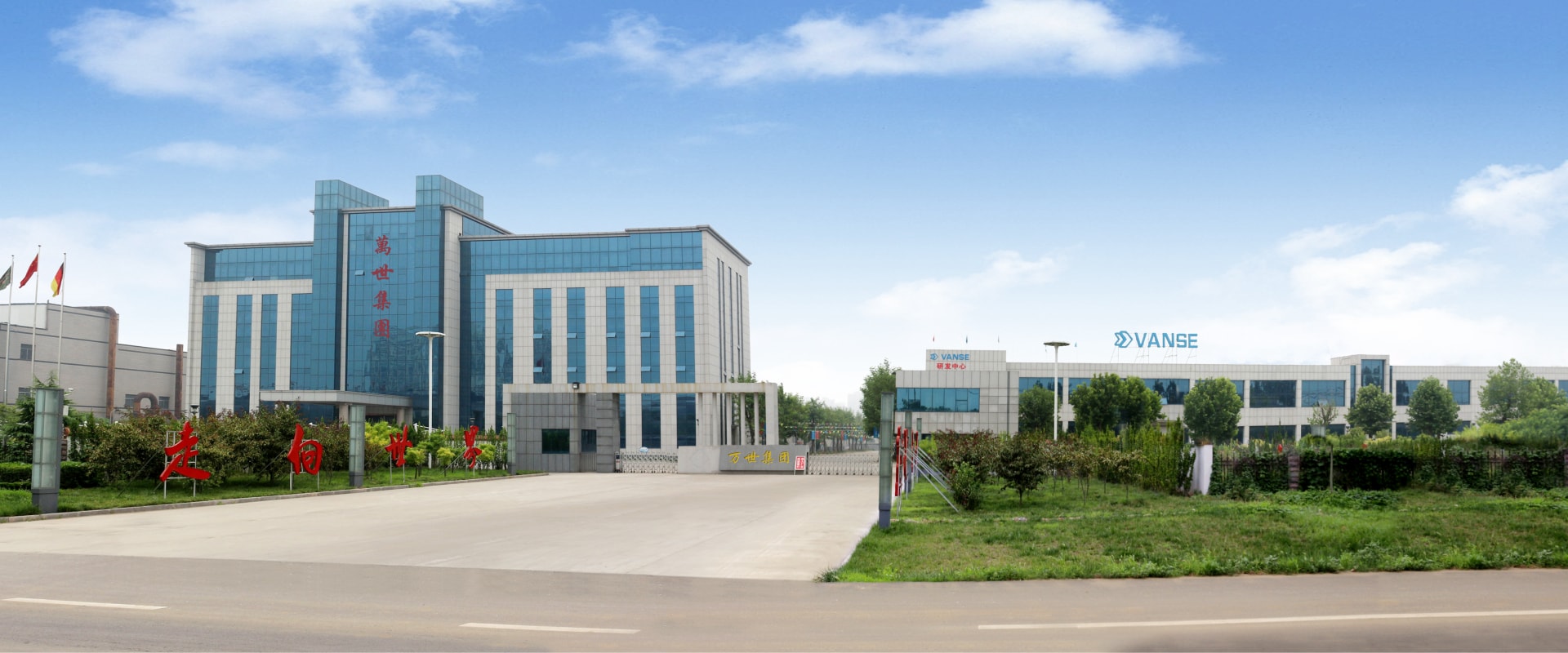
As a manufacturer focused on telehandlers as its flagship product line, VANSE brings together several factors that matter to U.S. buyers comparing telehandler transmission types and overall machine reliability. The company manufactures under CE and ISO 9001 certified processes, uses internationally recognized core components such as Perkins and Cummins engines together with premium hydraulic systems, transmissions, and axles, and subjects each machine to load testing, safety inspection, and performance validation before shipment, which provides objective proof that the equipment is built to meet demanding international benchmarks rather than relying on generic quality claims. VANSE also works through flexible cooperation models that fit different U.S. customer profiles, including direct supply for end users, wholesale programs for distributors, dealer development, private label and brand-owner projects through OEM and ODM production, and tailored configurations for fleet buyers who need specific colors, options, or market-ready specifications. Just as important for trust and long-term support, the company has already served customers across North America and more than 40 countries, produced over 8,000 machines, and is establishing a U.S.-based subsidiary with local inventory, stocking capability, and stronger after-sales support so buyers are not depending on a distant exporter alone. In practice, that means U.S. partners can combine online technical response with offline local service coordination, while working with a supplier that has real production scale, a documented export record, and a visible commitment to building a lasting presence in the American market. Buyers can learn more through VANSE telehandler solutions, review available machines in the equipment catalog, understand the company background on the about us page, explore lifecycle support through service resources, or discuss U.S. project needs directly through the contact page.
How to Choose Between Powershift and Hydrostatic
If your telehandler spends most of its time moving loads across open sites, climbing grades, or serving general construction crews, choose powershift first and then confirm service coverage and operator training. If your telehandler spends most of its time placing loads carefully, reversing often, or working in tighter environments, shortlist hydrostatic models first and compare cooling, hydraulic response, and operator comfort.
Also think about the people using the machine. High-turnover rental conditions often favor a drivetrain that customers already expect. Stable owner-operated environments can exploit the advantages of hydrostatic control more consistently. Then compare the dealer’s ability to support that specific transmission architecture rather than relying only on the machine brand.
2026 Trends for Telehandler Transmission Types
Looking into 2026, three major trends will shape U.S. telehandler drivetrain decisions. The first is smarter electronic integration. Expect more machines to use electronic transmission management, selectable drive modes, and telematics-linked diagnostics that help operators and fleet managers match the machine to the task. The second is policy and sustainability pressure. As fleet owners respond to emissions targets, idling reduction goals, and procurement expectations from large contractors and public projects, drivetrain efficiency and operator behavior monitoring will matter more. The third is segmentation. Instead of one transmission type dominating every application, manufacturers are likely to sharpen product lines for clearer use cases, especially in agriculture, industrial support, and urban construction.
There is also likely to be stronger interest in machines designed around total efficiency rather than just peak performance. That includes better hydraulic matching, load-sensing systems, thermal management, and software that makes either powershift or hydrostatic operation more productive. In the longer term, electrified or hybrid telehandlers may further change the conversation, but in the near term the U.S. market will continue refining the powershift versus hydrostatic decision rather than abandoning it.
Frequently Asked Questions
Which transmission type is more common in the United States?
Powershift is still more common overall in U.S. telehandlers, especially in construction and rental fleets, because it suits rough-terrain travel and broad user familiarity.
Is hydrostatic better for agriculture?
Often yes. Hydrostatic is frequently preferred in agriculture because it offers smooth low-speed control, easy reversing, and precise placement for feed, bales, pallets, and yard work.
Does powershift have better resale value?
In many mainstream construction and rental segments, powershift can be easier to resell because the buyer pool is larger. However, resale value depends on brand, model size, dealer support, and regional demand.
Which transmission is easier for new operators?
Hydrostatic often feels easier for precise low-speed work, while powershift may feel more familiar to operators coming from loaders or traditional rough-terrain equipment. Ease depends on the task and the operator’s background.
Are international suppliers a realistic option for U.S. buyers?
Yes, if they provide strong documentation, proven component sourcing, recognized certifications, and real after-sales commitment in the United States. Cost-performance can be very attractive when support is credible.
Should rental fleets choose one transmission type only?
Not always. Many fleets benefit from standardizing core powershift models while adding selected hydrostatic units for agriculture, industrial, or precision-focused customer segments.
Final Takeaway
The best answer to the question of telehandler transmission types in the United States is straightforward: powershift is usually the stronger choice for heavy construction travel, mainstream rental use, and demanding rough-terrain productivity, while hydrostatic is usually the stronger choice for precision control, repetitive reversing, and operator-sensitive work in agriculture and industrial settings. Buyers who compare duty cycle, local service support, operator profile, and total cost of ownership will make better decisions than those who choose based on headline specifications alone. In a market as diverse as the United States, the best telehandler transmission is the one that fits the actual job, the actual crew, and the actual support network behind the machine.
Complete Telescopic Handler Equipment Portfolio
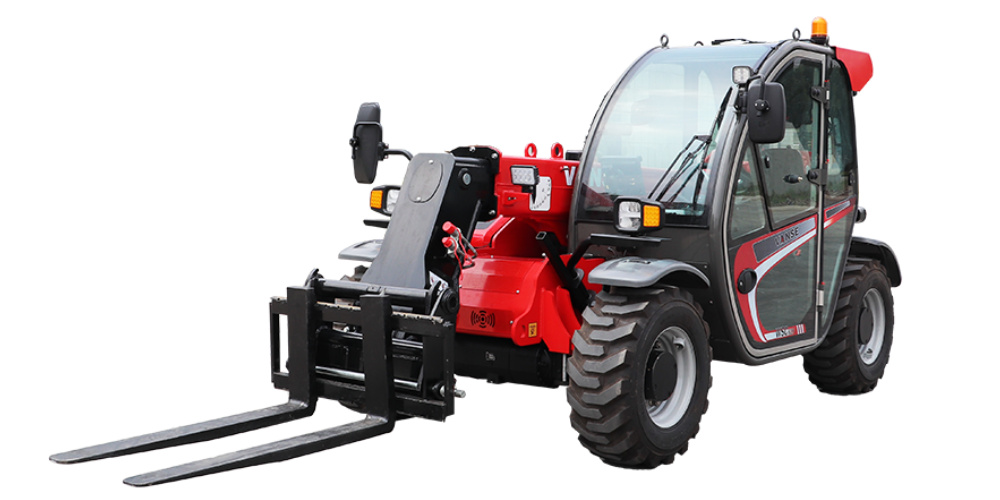
VANSE 625 6m Telescopic Handler
Designed for efficient material handling and stacking in warehouses, factories, and confined job sites, offering compact maneuverability and reliable performance.

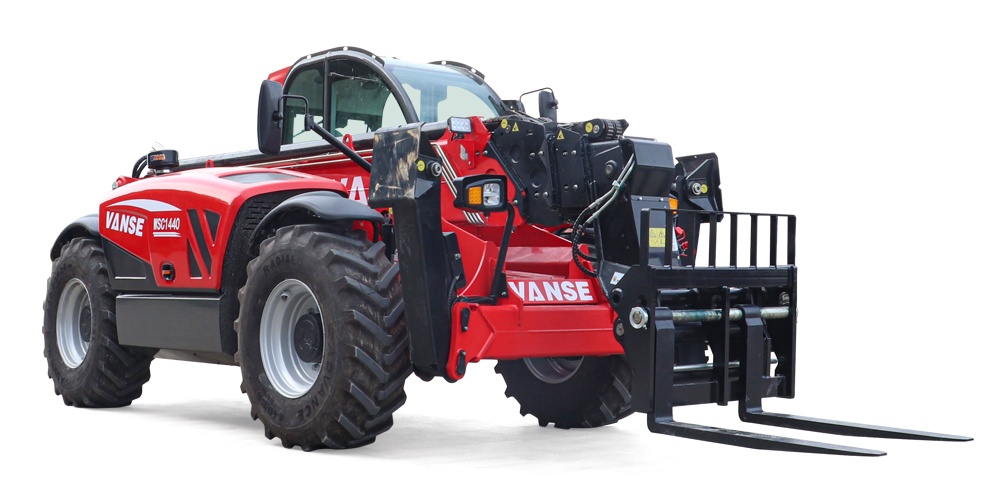
VANSE 735 7m Telescopic Handler
A balanced mid-duty solution for construction, agriculture, logistics, and warehousing, combining stable lifting, strong traction, and everyday versatility.


About the Author:
The VANSE team is a group of experienced professionals specializing in construction machinery research, manufacturing, and technical support. With deep industry knowledge and hands-on experience, our engineers and product specialists share practical insights on equipment selection, operation, maintenance, and industry trends.
Share
You May Also Interest
-

5 November, 2026
When to Use a Telehandler Instead of a Standard Forklift
Learn when to use a telehandler in the United States, where it outperforms forklifts, and how to choose the right machine for construction and farm work.
-
4 November, 2026
Telehandler for Precast Concrete Panel Lifting on Sites
Find telehandler precast concrete solutions in the United States, compare suppliers, applications, costs, and buying tips for safer panel lifting on jobsites.
-
3 November, 2026
Compact vs Standard Telehandler: Size Comparison Guide
Compact vs standard telehandler in the United States: compare size, lift capacity, jobsite fit, costs, and supplier options for smarter equipment buying.
-

2 November, 2026
Telehandler vs Rough Terrain Crane: Lifting Comparison
Telehandler vs rough terrain crane in the United States: compare lifting range, mobility, cost, rental fit, and supplier options for U.S. jobsites.