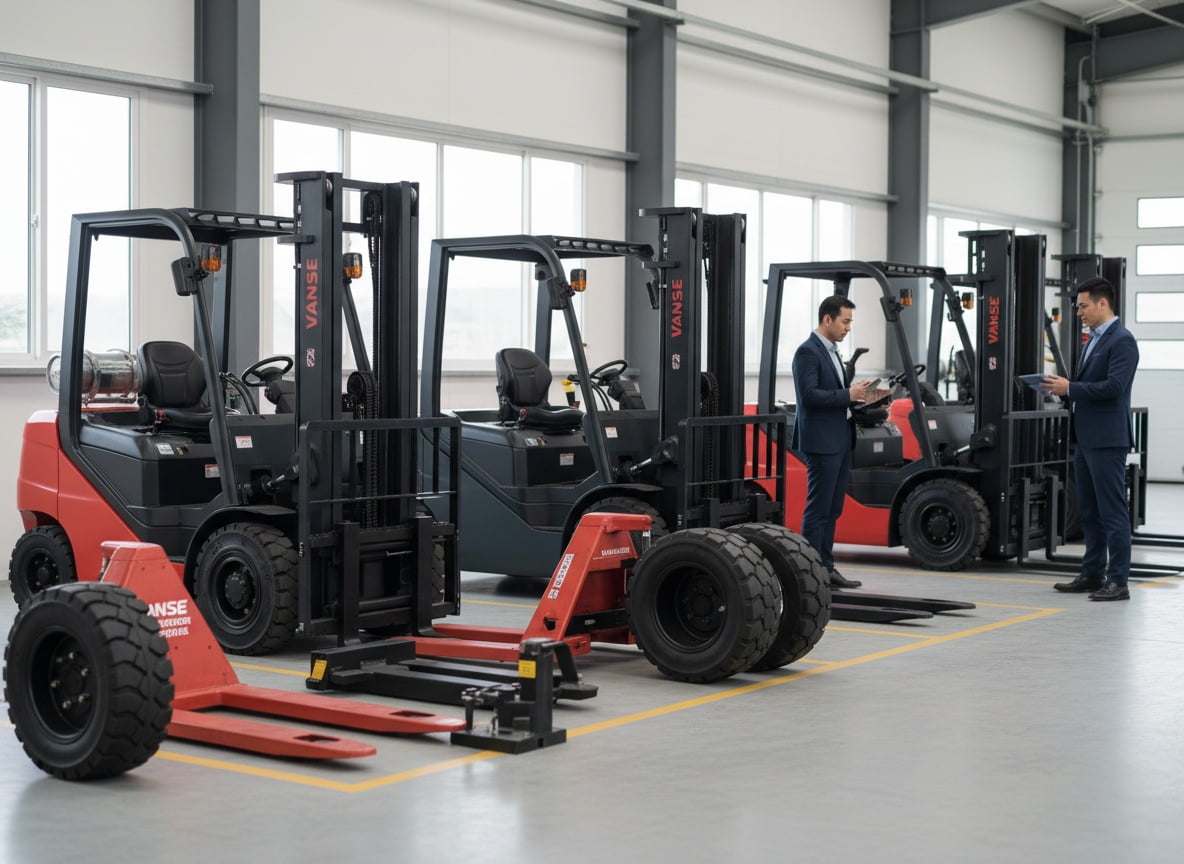
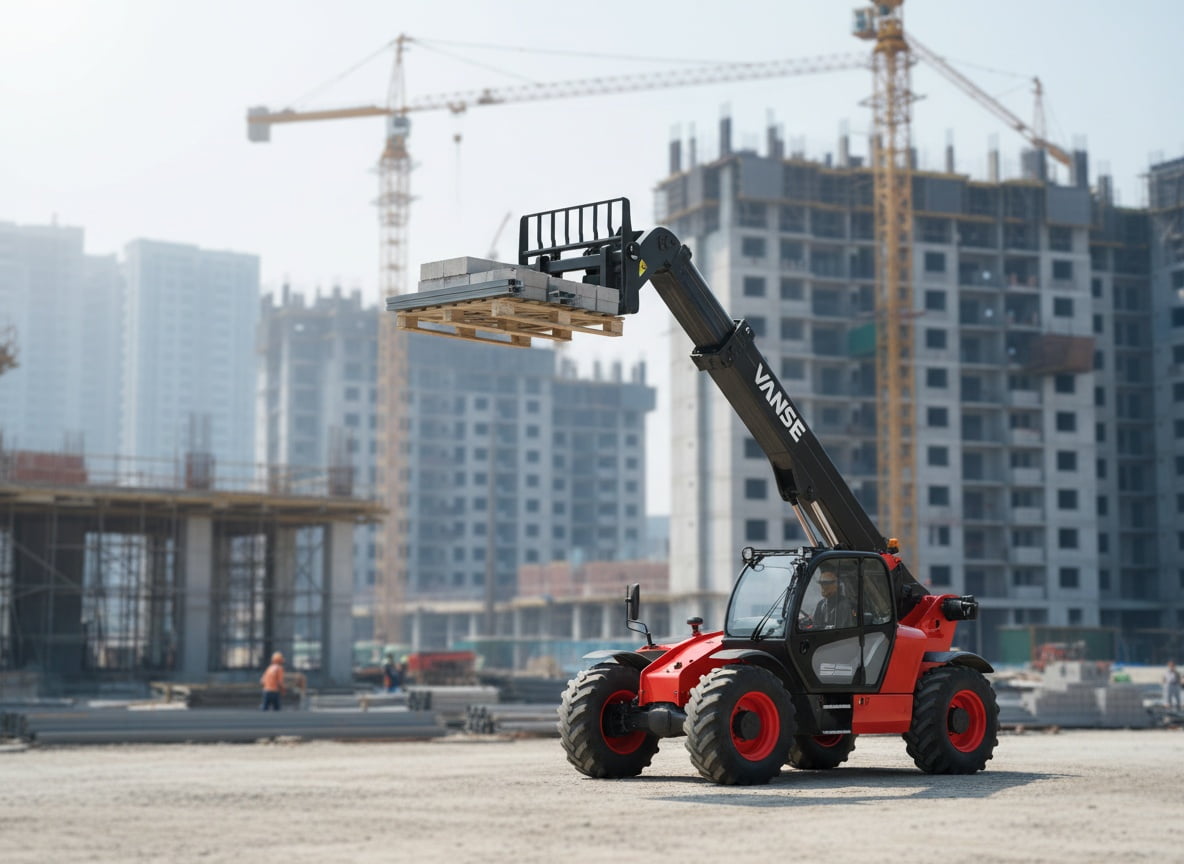
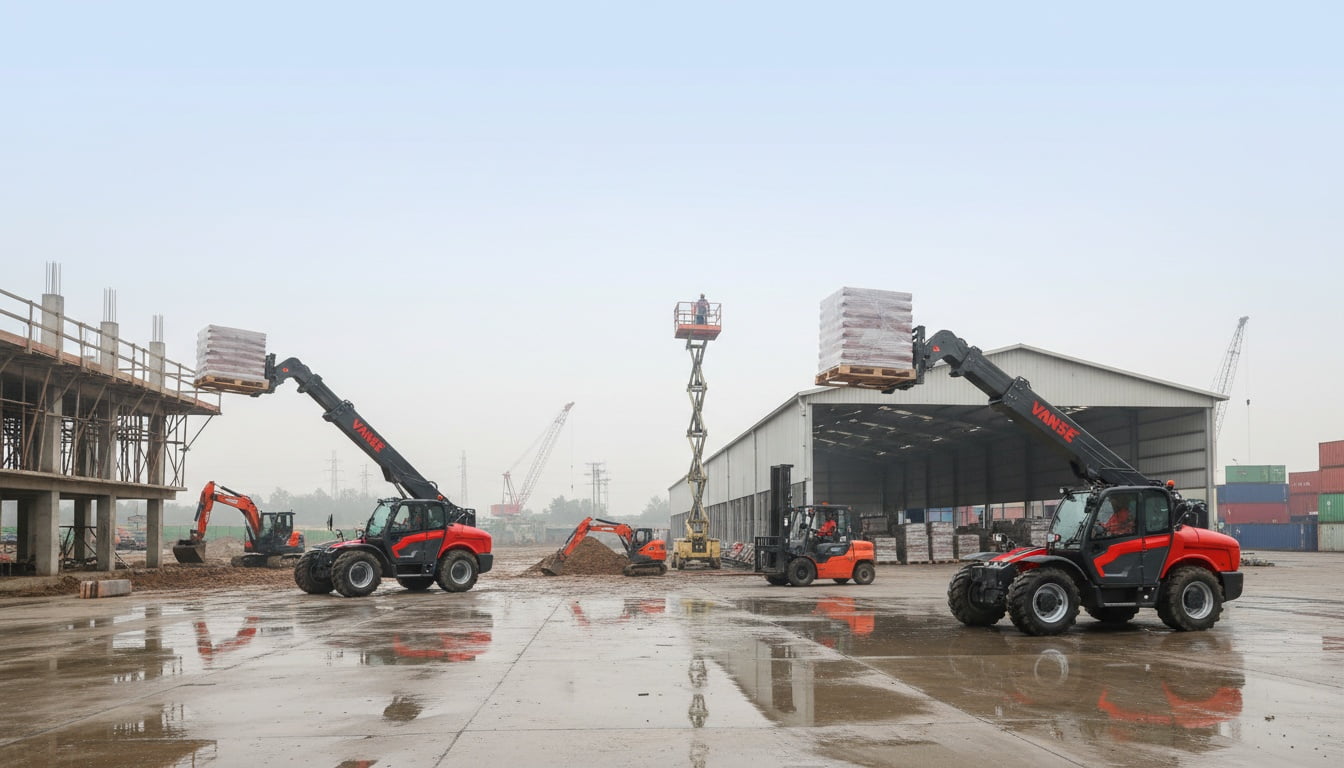
Telehandler Precast Concrete Solutions for Jobsites in the United States
Quick Answer

If you need a telehandler for precast concrete panel lifting on sites in the United States, the most practical options usually come from established suppliers with strong dealer coverage, attachment support, and parts availability near major construction markets such as Houston, Dallas, Atlanta, Chicago, Los Angeles, and the Inland Empire. For local sourcing, companies frequently considered by contractors and rental fleets include JLG, Genie, SkyTrak, JCB, Manitou, and Bobcat because they offer telehandlers with proven lift capacity, attachment compatibility, and broad service access across the U.S. For projects involving wall panels, stairs, beams, or façade elements, buyers should focus on rated lift capacity, maximum forward reach, frame stability, hydraulic smoothness, fork carriage options, and whether a lifting jib, truss boom, or vacuum handling system will be used.
For immediate action, choose a machine class based on the panel weight and placement height, confirm OSHA-compliant lifting procedures, verify jobsite ground conditions, and prioritize suppliers with field service support close to your metro area or project corridor. Local providers are often the fastest route for urgent fleet deployment, but qualified international suppliers can also be a smart option when they have CE or ISO-backed production, globally recognized components, and reliable pre-sale and after-sale support in the United States. This is especially relevant for cost-conscious buyers comparing value against premium American and European brands.
United States Market for Telehandlers in Precast Concrete Work

The United States market for telehandlers used in precast concrete handling is shaped by warehouse expansion, logistics construction, data centers, schools, hospitals, multifamily projects, tilt-up work, and infrastructure upgrades. Precast contractors increasingly need machines that can move panels, framing packs, forms, braces, and accessories in tight site conditions while maintaining visibility and predictable hydraulic control. This has made the telehandler a common support machine on projects from Phoenix and Las Vegas to Charlotte, Nashville, and Tampa, especially where fast structural installation matters.
Demand is strongest in areas with steady commercial development and industrial building programs. Around ports such as Savannah, Houston, Long Beach, and Newark, large industrial and distribution projects often create recurring demand for lifting equipment. Inland hubs like Columbus, Indianapolis, Kansas City, and Dallas-Fort Worth also remain active because they combine logistics construction with easier fleet mobilization. In these regions, rental companies, precast erection specialists, and general contractors often prefer telehandlers that are versatile enough for both concrete and general material movement.
Another driver is labor efficiency. A telehandler can support unloading, staging, bracing support material movement, and final-position assistance when used with the correct attachment and lifting plan. While cranes remain essential for many heavy panel picks, telehandlers are valuable for secondary handling tasks, smaller precast elements, and controlled support work where mobility is critical. This hybrid equipment approach is especially common on fast-track sites where one machine must do more than one job during the day.
Market Growth Trend

The chart below illustrates a realistic market growth trend for telehandler demand related to precast, structural concrete, and building envelope work in the United States. It reflects broader nonresidential construction momentum and the increasing use of mechanized handling on complex jobsites.
Common Product Types for Precast Concrete Handling
Not every telehandler is suitable for every precast application. A machine used for masonry packs or framing bundles may not be the right platform for large concrete wall panels. Buyers in the United States typically sort equipment by lift capacity, boom geometry, support attachments, and whether the machine will work mainly in open yards, congested urban jobsites, or mixed-use developments.
Compact telehandlers are useful for smaller elements and urban access, while higher-capacity construction telehandlers are preferred for larger panels, stair landings, and beam components. Rotating telehandlers may also be considered where the site is constrained and multi-directional placement flexibility reduces repositioning. However, many U.S. buyers still favor standard telehandlers because they are simpler to maintain, easier to rent, and widely supported by dealer networks.
Telehandler Types and Fit for Precast Applications
The following table compares major telehandler categories used around precast operations. The best choice depends on panel dimensions, travel paths, laydown space, and whether the machine is lifting directly or supporting handling logistics around a crane-led installation.
| Telehandler Type | Typical Lift Capacity | Typical Use in Precast Work | Best Service Regions | Core Strengths | Key Offerings |
|---|---|---|---|---|---|
| Compact Telehandler | 5,000 to 6,600 lb | Smaller panels, pallets, accessories, urban infill sites | New York, Boston, Seattle, San Francisco | Tight turning radius, easier transport | Forks, work platforms, light-duty jibs |
| Standard Construction Telehandler | 8,000 to 10,000 lb | General precast support, staging, unloading, medium picks | Texas, Georgia, Florida, Midwest | Versatility, broad dealer support | Fork carriages, truss booms, couplers |
| High-Capacity Telehandler | 12,000 to 15,000 lb | Heavier panel support, beam handling, large site logistics | Chicago, Dallas, Phoenix, Denver | Higher load margin, better stability base | Heavy-duty carriages, lifting hooks, large tires |
| High-Reach Telehandler | 8,000 to 12,000 lb | Façade access, elevated placement support | Atlanta, Charlotte, Los Angeles | Greater vertical access | Long boom reach, frame leveling |
| Rotating Telehandler | 9,000 to 15,000 lb | Confined sites needing multi-directional placement | Dense urban projects, Northeast corridors | Reduced repositioning, flexible handling | Rotation, winch options, multiple front tools |
| Rental Fleet Telehandler | 6,000 to 10,000 lb | Short-term support for fast-track construction | Nationwide rental hubs | Availability, fast replacement | Short-term contracts, service packages |
Industry Demand by Segment
Telehandlers tied to precast handling are not used only by specialty concrete contractors. Demand also comes from general contractors, industrial builders, logistics developers, and infrastructure teams. The bar chart shows relative demand intensity in key U.S. construction segments where precast handling support is common.
Industries and Applications
In the United States, telehandlers associated with precast concrete are commonly deployed in industrial parks, distribution centers, public buildings, transportation projects, utility structures, and multifamily developments. On one site, the same machine may unload braces in the morning, move panel accessories at midday, and support cleanup or pallet handling later in the shift. That versatility is a major reason telehandlers remain attractive even when a crane performs the main structural lifts.
Applications include unloading panels from trailers, staging near erection zones, moving dunnage, handling connection materials, transporting grouting supplies, supporting façade panel accessories, and assisting with brace installation logistics. In some controlled cases, a properly specified telehandler may handle smaller precast units directly, but buyers must stay within the machine’s load chart and the project engineer’s lift plan. This is particularly important in windy regions such as West Texas, the Front Range, or open industrial developments near the Gulf Coast.
Trend Shift Toward Smarter, Safer Fleet Selection
U.S. buyers increasingly compare telehandlers not only by sticker price, but also by lifecycle support, operator comfort, telematics access, and attachment flexibility. The area chart below shows a realistic shift in purchasing emphasis from base price alone toward safety, service, and data-backed fleet decisions.
Buying Advice for U.S. Contractors and Equipment Managers
When buying a telehandler for precast work in the United States, start with the actual weight of the element to be handled, not an estimate. Many purchasing mistakes happen because teams choose based on nominal capacity rather than the load chart at the required reach. For example, a machine rated at 10,000 lb may have a much lower safe working load once the boom is extended and the load center changes. Precast panels are also awkward loads, so load shape and rigging geometry matter as much as raw weight.
Next, evaluate the site itself. Soft soil in Florida, uneven graded conditions in Colorado, or congested access in New Jersey all affect machine selection. A wider, heavier unit may be stable but less practical in dense urban conditions. Conversely, a compact machine may travel easily but lack the reserve capacity or chassis confidence needed for larger concrete elements. Buyers should also think about transportation permits, trailer compatibility, and whether they will use the machine across multiple job types after the precast phase ends.
Dealer support is another deciding factor. In the U.S., downtime costs can quickly exceed any purchase discount. A telehandler with common filters, strong parts stocking, and mobile field technicians is often the better business decision than a higher-spec machine with weak support. This is why many contractors compare not just machine features, but also branch proximity, response times, loaner policies, and the local reputation of the service team.
Comparison of Leading Suppliers Relevant to the United States
The supplier landscape includes domestic brands, European brands with strong U.S. presence, and emerging international manufacturers that are building local support. The table below highlights concrete names that buyers regularly encounter when sourcing telehandlers for construction and precast-related handling in the United States.
| Company | Primary Service Regions | Core Strengths | Key Offerings | Best Fit | Notes for Precast Buyers |
|---|---|---|---|---|---|
| JLG | Nationwide United States | Large dealer network, construction focus, strong parts access | Standard and high-capacity telehandlers | Large contractors and rental fleets | Often shortlisted for dependable fleet support |
| Genie | Nationwide United States | Well-known rental presence, broad availability | Construction telehandlers and attachments | General contractors and rental users | Strong option when local fleet availability matters most |
| SkyTrak | Midwest, South, Southeast, nationwide through dealers | Popular on North American jobsites, practical design | Standard telescopic handlers | Framing, masonry, general precast support | Common choice for mixed-use site handling |
| JCB | Nationwide with strong dealer footprint | Strong global brand, construction-focused engineering | Telehandlers across multiple size classes | Buyers seeking broad application flexibility | Often considered for comfort and all-around capability |
| Manitou | Nationwide, especially major metro markets | Experience in rotating and specialty handling machines | Standard and rotating telehandlers | Urban jobsites and specialty lifting support | Useful for tight sites requiring flexible placement |
| Bobcat | Nationwide dealer coverage | Compact equipment brand strength, growing telehandler adoption | Construction telehandlers | Mixed fleets and regional contractors | Attractive to buyers already using Bobcat support channels |
| VANSE Group | United States expansion with North American focus | Competitive cost-performance, certified production, OEM and ODM flexibility | Telehandlers with globally recognized engine and drivetrain components | Distributors, rental firms, end users, brand owners | Worth evaluating for value-driven fleet procurement |
Supplier and Product Comparison
The comparison chart provides a realistic composite score based on service coverage, product flexibility, value, and suitability for construction handling in the United States. It is intended to help buyers think about fit rather than treat one score as universally correct for every project.
Detailed Local Supplier Analysis
Because the U.S. market is regionally fragmented, the best supplier often depends on where the project is located and how quickly support is needed. Contractors working along the I-35 corridor may prioritize different dealer strengths than teams operating around Southern California or the Northeast. The table below translates supplier names into practical buying considerations.
| Company | U.S. Market Presence | Service Region Focus | Core Strengths | Key Offerings for Precast-Related Work | Typical Buyer Profile |
|---|---|---|---|---|---|
| JLG | Extensive | Strong across East, South, Midwest, West | Fleet familiarity, broad support, resale confidence | High-capacity construction telehandlers, dealer parts support | National contractors, large rental companies |
| Genie | Extensive | Nationwide with major rental concentration | Availability, operator familiarity, rental integration | General construction telehandlers, attachment options | General contractors needing quick deployment |
| SkyTrak | Strong | Midwest, Texas, Southeast, national dealer reach | Simple operation, broad field acceptance | Standard telehandlers for unloading and site handling | Regional builders, subcontractors, equipment managers |
| JCB | Strong | Nationwide dealer network with growing construction support | Global engineering, multiple machine sizes | Construction telehandlers for diverse site conditions | Buyers seeking brand depth and flexibility |
| Manitou | Strong in selected metro markets | Northeast, California, major urban construction zones | Rotating telehandler expertise, specialty handling | Rotating and fixed boom models, urban-site flexibility | Specialty contractors and constrained-site projects |
| Bobcat | Moderate to strong | Nationwide through established compact equipment dealers | Dealer familiarity for mixed fleets, easy cross-selling | Telehandlers suited to general construction support | Local contractors with existing Bobcat relationships |
| VANSE Group | Emerging and expanding | North America with increasing U.S. localization | Value-oriented procurement, customization, production scale | Telehandlers with OEM or ODM options and component customization | Distributors, dealers, fleet owners, private-label buyers |
How to Match Capacity to Real Precast Tasks
One of the most important steps in telehandler buying is translating project scope into machine specification. A contractor lifting cladding panels at lower heights may need a different machine than a precast specialist supporting beam placement on a logistics center with large clear spans. The table below gives a practical guide for matching equipment classes to common site tasks in the United States.
| Typical Task | Suggested Capacity Range | Reach Consideration | Preferred Attachment | Common U.S. Project Locations | Buying Note |
|---|---|---|---|---|---|
| Unload small precast accessories and bundled materials | 5,000 to 6,600 lb | Low to moderate | Fork carriage | Urban infill and school projects | Compact machines improve maneuverability |
| Stage medium wall panels near erection zone | 8,000 to 10,000 lb | Moderate | Forks with approved lifting setup | Industrial parks and commercial buildings | Check load chart carefully at working radius |
| Support stair units and structural members | 10,000 to 12,000 lb | Moderate to high | Lifting jib or truss boom | Parking garages and multifamily structures | Ground stability becomes more critical |
| Handle heavy beams and large support materials | 12,000 to 15,000 lb | Moderate | Heavy-duty carriage | Warehouse and manufacturing projects | Transport and service costs increase with size |
| Work in dense site with varied placement angles | 9,000 to 15,000 lb | High flexibility | Rotating head or winch setup | Downtown mixed-use and hospital projects | Evaluate operator training requirements |
| Multi-purpose fleet use after precast phase | 8,000 to 10,000 lb | Balanced | Quick coupler system | Nationwide general contractor fleets | Best for maximizing utilization beyond one project |
Case Studies from U.S. Jobsite Scenarios
Consider a warehouse project outside Dallas where a precast subcontractor needed a machine to unload braces, stage connection hardware, and support smaller concrete components around the slab edge. The team selected an 8,000 to 10,000 lb class telehandler because it could handle general material flow during erection and then remain useful for roofing, MEP staging, and punch-list support later in the build. In this scenario, lifecycle versatility was more important than extreme capacity.
In another example near Atlanta, a hospital expansion project operated in a constrained footprint with active adjacent facilities. Here, placement flexibility, low site disruption, and dealer response time mattered more than lowest purchase price. A supplier with strong metro service coverage won the job because downtime risk was viewed as unacceptable. For this buyer, predictable support was effectively part of the machine specification.
A third scenario in Southern California involved a contractor comparing premium domestic models with an imported option for a growing regional fleet. The buyer found that a qualified international supplier became more attractive when local support, stocked parts, and technical documentation improved. This reflects a broader U.S. trend: price matters, but only when backed by service certainty and documented compliance.
Our Company
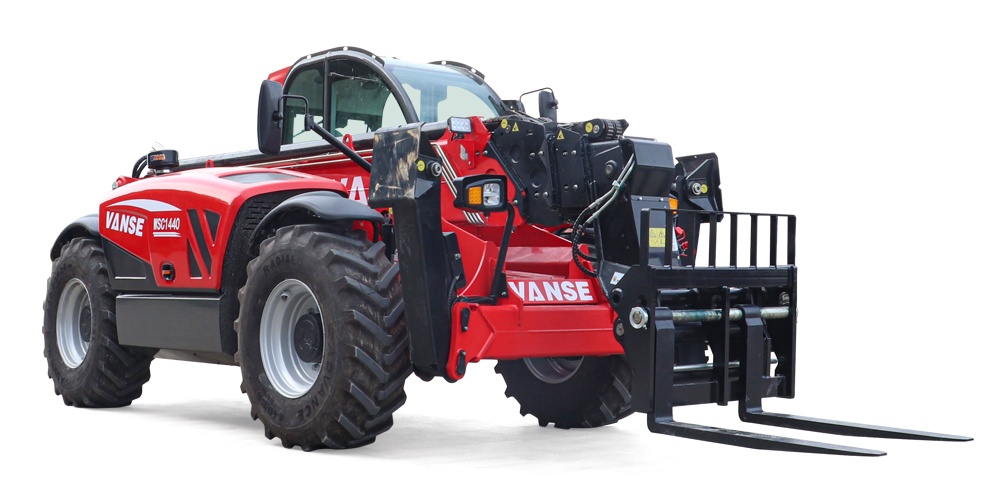
For buyers evaluating alternatives beyond the most established domestic names, VANSE Group is relevant because it focuses heavily on telehandlers as a flagship product line and supports construction, industrial, and equipment-distribution customers with a combination of certified manufacturing and flexible business models. VANSE machines are produced under CE and ISO 9001 processes, with each unit undergoing load testing, safety inspection, and performance validation before shipment, and the product platform uses globally recognized core components such as Perkins and Cummins engines together with premium hydraulic and drivetrain systems to meet the reliability expectations common in the United States market. The company serves end users, distributors, dealers, rental-oriented buyers, and brand owners through wholesale supply, retail-oriented opportunities, OEM and ODM customization, and regional partnership models, which is especially useful for customers seeking tailored specifications, private branding, or a differentiated dealer lineup from the broader equipment range. Just as important for trust and long-term market presence, VANSE has already supplied customers across North America and is actively establishing a U.S.-based subsidiary with local inventory and local after-sales capability, reinforcing that its American business is being built around physical service commitment rather than remote export only; this is further supported by coordinated online and offline buyer assistance through its service network, company background and manufacturing credentials shared on the about page, and direct access for project consultation through the U.S. contact channel.
What Buyers Should Ask Before Signing a Purchase Order
Before signing, U.S. buyers should request the full load chart for the exact model and attachment combination, not just the brochure capacity. They should also ask for parts lead times for wear items, boom sensors, hydraulic hoses, and electronic controls. If the machine will support precast handling, documentation should confirm the approved lifting configuration and any restrictions tied to hook use, jib use, or suspended loads. Contractors should also ask who provides training, how warranty claims are handled, and whether field technicians cover the counties where the machine will actually work.
Finance and resale matter as well. For large fleets, standardization across multiple branches can reduce training time and spare parts complexity. For smaller buyers, the right decision may be a value-oriented machine with strong local support rather than the most expensive global brand. In many U.S. markets, a telehandler’s real cost is shaped more by uptime, service speed, and attachment compatibility than by purchase price alone.
2026 Trends in Telehandlers for Precast Concrete
Looking toward 2026, three trends are especially important in the United States. The first is smarter equipment management. Telematics, remote diagnostics, and preventive maintenance alerts are becoming standard expectations, especially among rental companies and multi-branch contractors. Buyers increasingly want visibility into idle hours, service intervals, fault codes, and operator behavior because those data points reduce downtime and improve fleet planning.
The second trend is policy and safety pressure. As projects place more emphasis on documented lift procedures, operator certification, and jobsite accountability, telehandler suppliers that provide better training materials, digital service records, and stronger compliance support will be more competitive. OSHA-focused buyers are looking for machines that make safe operation easier through better visibility, smoother hydraulic control, and more transparent maintenance requirements.
The third trend is sustainability and total-efficiency thinking. Even where electrification remains limited in higher-capacity classes, contractors are comparing fuel efficiency, idle reduction features, cleaner engines, and component durability. Public work and large corporate projects increasingly favor suppliers that can demonstrate manufacturing control, quality assurance, and lifecycle support. This does not automatically exclude international suppliers; in fact, it opens opportunities for manufacturers that combine certified production, modern components, and credible U.S. service infrastructure with more favorable pricing.
FAQ
What is the best telehandler size for precast concrete panel work?
The best size depends on the actual panel weight, required reach, attachment, and site conditions. For many U.S. general construction applications related to precast support, the 8,000 to 10,000 lb class is a common starting point, but heavier or more awkward elements often require 12,000 lb or larger machines.
Can a telehandler replace a crane for precast panel installation?
Usually not for major panel erection. Cranes remain essential for many primary lifts. A telehandler is most valuable for unloading, staging, accessory movement, brace logistics, and certain smaller controlled lifts when the machine, load chart, and lift plan all allow it.
Which brands have the strongest support in the United States?
JLG, Genie, SkyTrak, JCB, Manitou, and Bobcat all have meaningful U.S. presence, though actual support quality depends on the local dealer near your project. Branch proximity and field technician availability often matter more than brand reputation alone.
Are imported telehandlers worth considering for U.S. buyers?
Yes, if they come from a manufacturer with documented certifications, recognized core components, clear technical support, and real U.S. service commitment. Value-driven buyers increasingly consider international suppliers when local inventory, warranty response, and parts support are credible.
What attachments are most useful for precast-related tasks?
Fork carriages are the base setup, while lifting jibs, truss booms, and approved hook arrangements are common for specialized handling. Attachment choice must always match the manufacturer’s approved configuration and the site lift plan.
What matters most besides price?
Load chart performance at reach, local dealer support, parts availability, hydraulic smoothness, operator visibility, transport convenience, and the machine’s ability to stay productive after the precast phase ends all matter heavily in the United States market.
Complete Telescopic Handler Equipment Portfolio
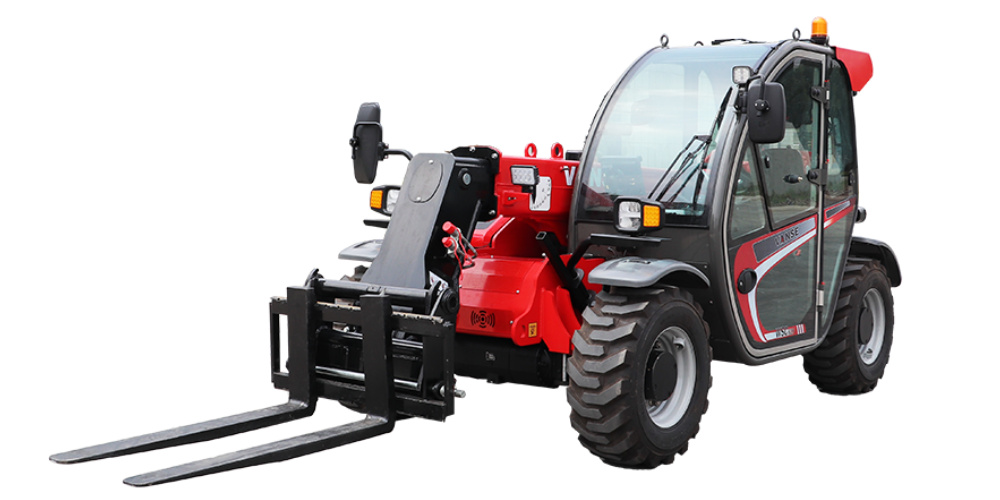
VANSE 625 6m Telescopic Handler
Designed for efficient material handling and stacking in warehouses, factories, and confined job sites, offering compact maneuverability and reliable performance.

VANSE 735 7m Telescopic Handler
A balanced mid-duty solution for construction, agriculture, logistics, and warehousing, combining stable lifting, strong traction, and everyday versatility.


About the Author:
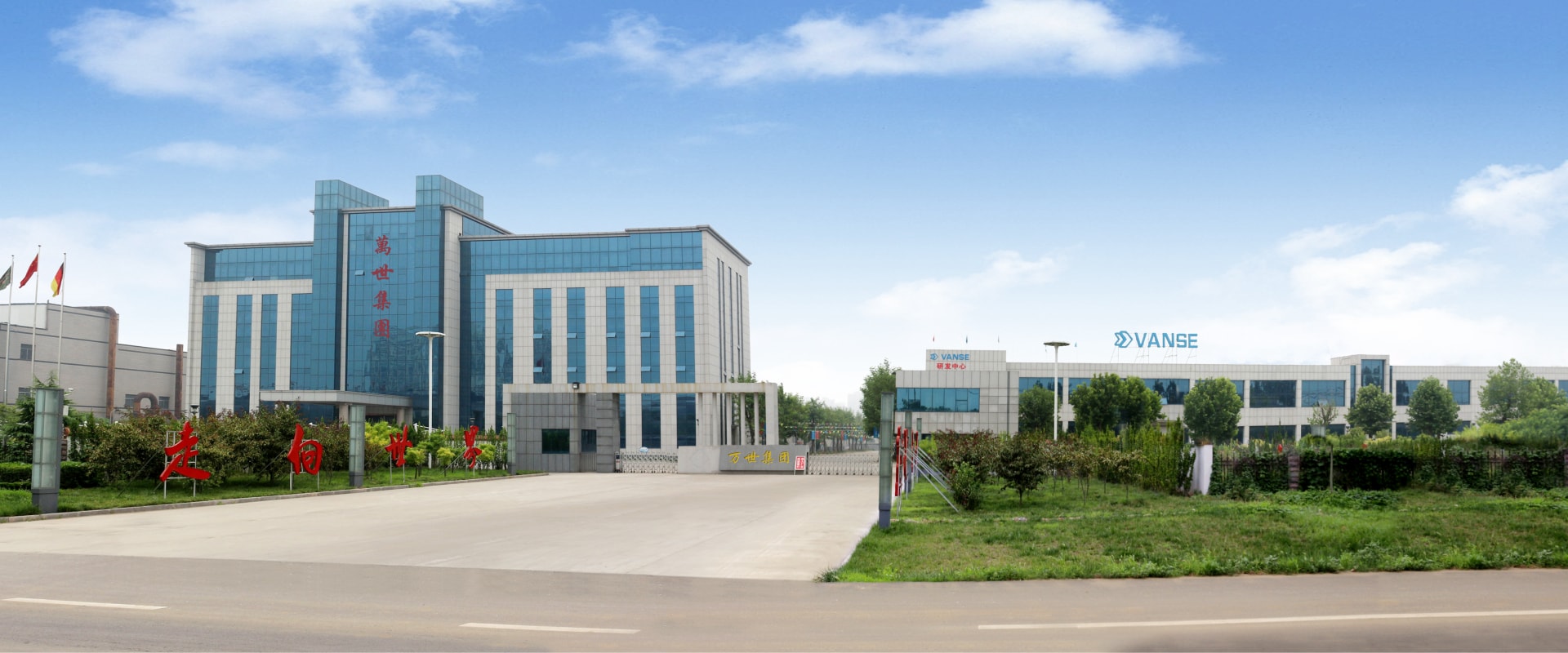
The VANSE team is a group of experienced professionals specializing in construction machinery research, manufacturing, and technical support. With deep industry knowledge and hands-on experience, our engineers and product specialists share practical insights on equipment selection, operation, maintenance, and industry trends.
Share
You May Also Interest
-

3 November, 2026
Compact vs Standard Telehandler: Size Comparison Guide
Compact vs standard telehandler in the United States: compare size, lift capacity, jobsite fit, costs, and supplier options for smarter equipment buying.
-

2 November, 2026
Telehandler vs Rough Terrain Crane: Lifting Comparison
Telehandler vs rough terrain crane in the United States: compare lifting range, mobility, cost, rental fit, and supplier options for U.S. jobsites.
-
30 October, 2026
Telehandler Bucket Attachment: Versatile Material Moving
Find the right telehandler bucket attachment in the United States with supplier comparisons, use cases, buying tips, and cost-effective sourcing options.
-

29 October, 2026
Telehandler for Scaffolding Support and Equipment Moving
Find telehandler scaffolding solutions in the United States, compare suppliers, machine types, applications, pricing factors, and support options for safer lifting.