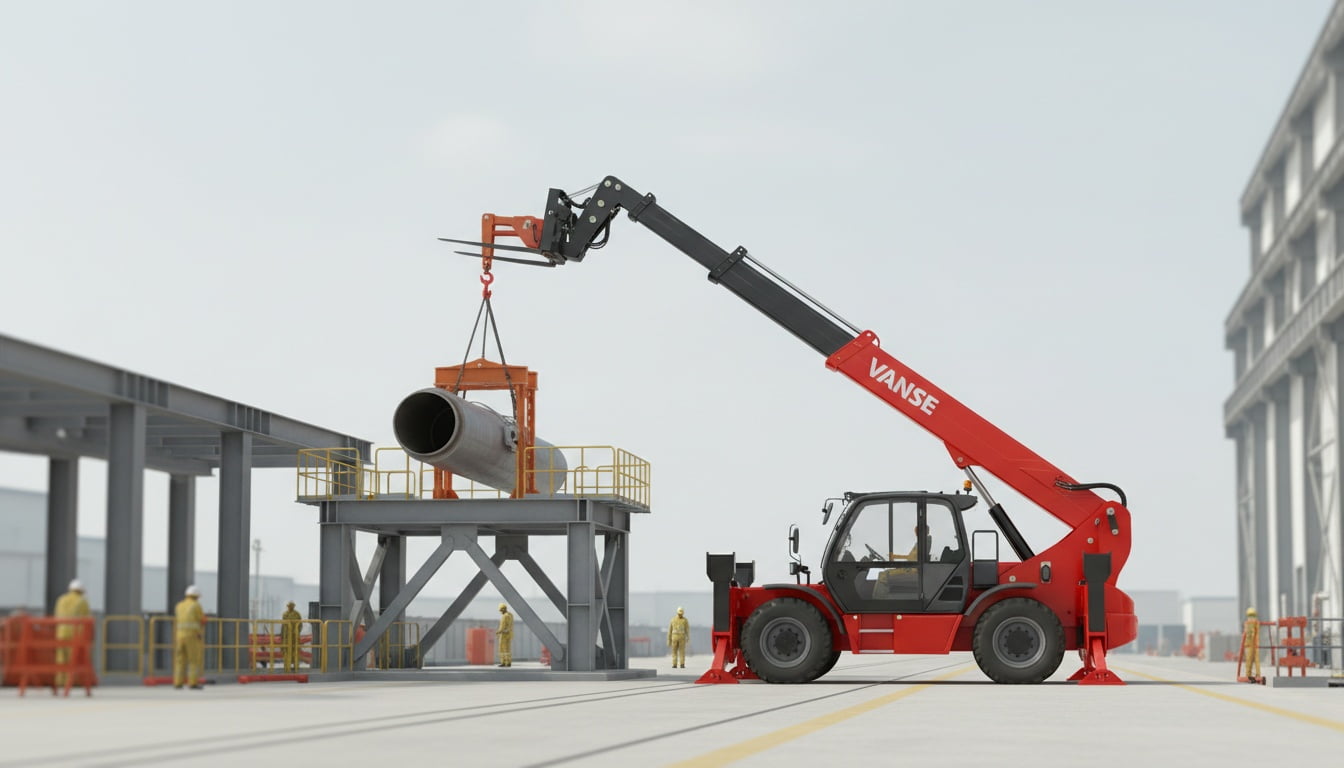
Telehandler Tire Types for Smarter Equipment Buying in the United States
Quick Answer

The right telehandler tire depends on where and how you work in the United States. For rough construction sites, heavy-duty pneumatic or foam-filled tires are usually the best choice because they balance traction, ride comfort, and load stability. For demolition yards, recycling plants, and scrap facilities where punctures are common, solid or foam-filled tires often reduce downtime. For farms, nurseries, and landscaped properties, flotation or turf-friendly tires help protect softer ground while keeping enough grip for daily handling tasks. If your fleet moves between paved yards, gravel lots, and muddy jobsites, an all-terrain lug tread is often the most practical option.
Buyers who want a quick shortlist should focus on tire categories rather than brand alone: pneumatic rough-terrain tires for versatile daily use, foam-filled tires for puncture resistance, solid tires for extreme debris environments, non-marking industrial tires for indoor or finished surfaces, and flotation tires for agriculture and soft soil. In the U.S. market, tire support from nationwide suppliers such as Michelin, Continental, Camso, Titan, Firestone, and Galaxy matters because replacement speed affects uptime. Qualified international suppliers can also be worth considering, especially manufacturers with CE and ISO-backed production, trusted powertrain components, local support plans, and strong pre-sales and after-sales service, because they may offer better cost-performance for fleet buyers, dealers, and rental companies.
Why Telehandler Tire Selection Matters in the U.S. Market

In the United States, telehandlers work across very different conditions: residential framing in Texas, warehouse expansion in Ohio, port logistics near Savannah, dairy operations in Wisconsin, orchard work in California, and utility projects in the Carolinas. A tire that performs well on compacted gravel may struggle in wet clay, while a tire suited to manure-packed farm lanes may wear too quickly on abrasive concrete. Because telehandlers carry heavy loads at variable lift heights, the wrong tire choice can affect traction, braking, steering response, machine stability, fuel use, and replacement frequency.
U.S. buyers also face practical issues beyond tread pattern. State weather swings, contractor schedules, rental fleet utilization, and transportation distances all matter. A machine working around Houston may deal with rain, heat, and mud; one operating in Phoenix may face high temperatures and sharp aggregate; another serving warehouse construction near Chicago may spend time on both slab and unprepared ground. Tire construction, load rating, sidewall strength, and puncture resistance are therefore purchasing decisions, not just maintenance details.
Another reason tire selection matters is operating cost. A lower-priced tire that fails early, causes instability, or reduces productivity can cost more than a premium tire over the life of the machine. Fleet owners increasingly evaluate tires by cost per operating hour, downtime risk, and application fit. This is especially true for rental companies and multi-site contractors that need predictable performance across mixed use cases.
U.S. Telehandler Tire Market Snapshot

The U.S. telehandler market continues to grow alongside construction, agriculture, logistics, and infrastructure investment. Tire demand follows the same pattern, especially in replacement channels tied to fleet expansion and higher utilization. Ports, regional dealer networks, and distribution hubs in places such as Houston, Los Angeles, Savannah, Chicago, and New Jersey support a fast-moving aftermarket, but buyers still need to match tire design to actual operating conditions rather than defaulting to whatever is most available.
| Market factor | Current U.S. situation | Impact on tire choice | Buyer takeaway |
|---|---|---|---|
| Construction activity | Strong demand in Sun Belt, logistics parks, and infrastructure corridors | Higher demand for rough-terrain pneumatic and foam-filled tires | Prioritize durability and fast replacement support |
| Agriculture modernization | Growth in dairy, feed, and specialty crop handling | More need for flotation and mixed-surface traction patterns | Protect soil while maintaining lift stability |
| Rental fleet growth | Rental companies want lower downtime and simpler maintenance | Foam-filled tires gain appeal in high-risk puncture settings | Choose low-interruption tire setups |
| Urban jobsite constraints | More projects combine pavement, debris, and limited maneuvering space | Wear resistance and sidewall protection become more important | Review compound and tread block design carefully |
| Aftermarket availability | Good national coverage but uneven local stock by size and type | Standard sizes may be easier to replace quickly | Confirm local inventory before ordering machines |
| Sustainability pressure | Fleet buyers increasingly track total operating cost and waste | Longer-life tires and retread strategies gain interest | Look beyond upfront tire price |
This table shows why buyers in the United States should treat tire selection as part of equipment planning. The market is active, but operating conditions differ sharply by region and industry, so the best tire is the one that fits your workload, maintenance capacity, and replacement network.
Main Telehandler Tire Types
Understanding the main telehandler tire types helps buyers compare machines more effectively. Tire performance depends on construction, tread, compound, and inflation method, but most purchasing decisions in the U.S. market fall into five core categories.
Pneumatic Tires
Pneumatic tires are air-filled and common on telehandlers used in construction, agriculture, and mixed-surface applications. They provide good shock absorption, traction, and ride comfort. On uneven jobsites, they help the machine maintain operator comfort and better contact with the ground. Their downside is puncture risk, especially around nails, scrap, demolition debris, and sharp stone.
Foam-Filled Tires
Foam-filled tires start as pneumatic casings but are filled with polyurethane or similar material. They offer much of the shape and support of a pneumatic tire while greatly reducing puncture-related downtime. They are popular with rental fleets, demolition contractors, recyclers, and companies operating in debris-heavy yards. The tradeoff is added weight, firmer ride quality, and often a higher upfront cost.
Solid Tires
Solid tires eliminate flats completely and perform well in harsh industrial environments. However, they are usually less forgiving on rough ground, can transmit more vibration, and may not suit all telehandler models or all travel conditions. They are best where puncture risk outweighs ride comfort, such as waste handling or highly contaminated yards.
Flotation Tires
Flotation tires spread machine weight over a wider footprint. This makes them useful in farming, turf care, nurseries, and other soft-ground applications where minimizing soil compaction is important. They can improve mobility in loose or wet ground, but they may not be ideal for every high-load, hard-surface scenario.
Non-Marking or Industrial Surface Tires
These tires are designed for operations where floor cleanliness or surface protection matters, such as indoor industrial facilities, finished concrete yards, and certain manufacturing sites. They are more specialized and less common for general rough-terrain telehandlers, but they can be valuable in mixed indoor-outdoor fleets.
| Tire type | Best use | Main advantage | Main limitation | Typical U.S. industries |
|---|---|---|---|---|
| Pneumatic | Mixed terrain and daily general use | Balanced traction and comfort | Can puncture | Construction, rental, agriculture |
| Foam-filled | Debris-heavy jobsites | Strong puncture resistance | Heavier and firmer ride | Demolition, scrap, recycling, rental |
| Solid | Extreme puncture-risk areas | No flats | Harsher ride and application limits | Waste, industrial yards |
| Flotation | Soft ground and soil-sensitive work | Reduced ground pressure | Not ideal for every hard-surface job | Farms, nurseries, landscaping |
| All-terrain lug | Outdoor rough terrain | Strong grip in mud and gravel | May wear faster on pavement | Construction, utility, forestry support |
| Non-marking industrial | Indoor or finished surfaces | Cleaner operation | More specialized application | Manufacturing, indoor handling |
This comparison helps narrow the field quickly. Most U.S. buyers choose between pneumatic and foam-filled tires first, then fine-tune the tread style for mud, gravel, concrete, or agricultural use.
How Tread Pattern Changes Performance
The same tire construction can behave very differently depending on tread pattern. Deep lugs generally improve traction in mud and loose material. Block patterns can improve wear on harder surfaces. Wider void spacing helps self-cleaning in wet soil. Closed shoulder designs may reduce wear on pavement. For telehandlers that spend time on both finished lots and unprepared terrain, the wrong tread can either wear out too quickly or fail to provide enough traction when the machine is loaded.
In the United States, many fleet managers prefer an all-terrain tread because it fits mixed use. However, in very specific environments such as cattle feedlots, scrap yards, or indoor facilities, a specialized tread may outperform a general-purpose tire over time.
Buying Advice: How to Choose the Right Telehandler Tire
Start with the surface, not the tire brand. Ask where the machine spends most of its hours: concrete, gravel, dirt, mud, crop fields, demolition debris, or indoor flooring. Then review puncture risk, travel distance, average load, climate, and operator expectations. A farm telehandler moving feed every day needs a different tire solution than a machine unloading steel near a port or handling pallets on a partially paved expansion site.
Next, consider duty cycle. If your telehandler works long shifts at high utilization, casing strength and heat resistance matter more. If the machine is in a rental fleet, standardization may matter because technicians need simple replacement planning. If the machine handles lifted loads on uneven terrain, sidewall stiffness and machine stability become especially important.
Also check OEM-approved sizes and load ratings. Tire width, diameter, and inflation setup can affect ground clearance, turning response, speed rating, and lifting performance. Replacing one type with another without checking machine specifications can create handling or safety issues.
Finally, build service into the purchase. A good tire with poor local availability can still become a problem. In the United States, fast access to replacements and service through local dealers or mobile tire support often matters as much as the tire itself.
| Operating condition | Recommended tire approach | Why it fits | Watch out for |
|---|---|---|---|
| General construction site | Pneumatic all-terrain tire | Good mix of comfort, grip, and cost | Punctures from sharp debris |
| Demolition or recycling yard | Foam-filled or solid tire | Reduces downtime from flats | Extra weight and firmer ride |
| Farm and feed operation | Flotation or agricultural lug tire | Better traction and reduced soil compaction | Wear on abrasive pavement |
| Mixed paved and gravel rental use | Durable pneumatic or foam-filled hybrid approach | Versatile across customer jobs | Need to balance ride and durability |
| Indoor industrial handling | Non-marking industrial tire | Protects finished surfaces | Limited rough-terrain suitability |
| Wet clay or soft ground | Deep-lug or flotation tire | Improves mobility and self-cleaning | Can wear quickly on hard surfaces |
This checklist is practical because it starts with the job environment. In most cases, the best decision is the tire that prevents operational interruption while supporting safe lifting on the surfaces you see most often.
Industry Demand in the United States
Telehandler tire demand is not evenly distributed. Construction remains the largest segment, but agriculture, industrial handling, ports, and rental fleets are all meaningful drivers. Regional patterns also matter. Gulf Coast logistics and energy-related work may emphasize puncture resistance and all-weather traction, while Midwest agricultural operations care more about soft-ground performance and season-to-season versatility.
Industries and Applications That Shape Tire Choice
Construction contractors often prefer pneumatic rough-terrain tires because telehandlers on active builds move between dirt pads, gravel, compacted fill, and newly poured surfaces. These machines may unload trusses, carry pallets of block, or raise materials to upper floors. Tire grip and ride comfort matter because cycle times are frequent and travel paths change daily.
Agricultural operators may lean toward flotation or agricultural tread designs. On dairies, telehandlers move feed, bedding, seed, and wrapped bales. On orchards and specialty farms, softer ground and seasonal moisture make footprint and self-cleaning tread especially important. Here, reducing soil damage can be almost as important as traction.
Rental fleets tend to prefer tire setups that minimize emergency calls. Foam-filled tires are attractive when customers work in unknown conditions, particularly on urban builds and material recovery sites. For rental providers, fewer flats mean fewer service dispatches and more predictable asset utilization.
Industrial yards, ports, and distribution sites create another pattern. In or near trade hubs such as Los Angeles, Long Beach, Savannah, Houston, Newark, and Charleston, telehandlers may work around pallets, steel, containers, pipe, and packaged building materials. Tire wear on hard surfaces becomes more significant, and buyers often want a tread that balances durability with enough off-pavement capability for overflow yard space.
Trend Shift Through 2026
Looking toward 2026, the U.S. market is shifting toward lower downtime, better fleet visibility, and more lifecycle-based purchasing. Tire selection is becoming part of total fleet strategy rather than a replacement-only topic. Buyers increasingly compare the cost of flats, lost labor time, and site delays against the higher upfront cost of foam-filled or premium-casing options.
Policy and sustainability trends also matter. Public projects increasingly reward lower waste, better asset planning, and more efficient operations. This does not mean every buyer will switch to premium tires, but it does mean more procurement teams are evaluating total cost of ownership, usable tire life, and maintenance support. Technology is also improving: better compounds, stronger casings, and fleet monitoring practices are changing how buyers plan replacement cycles.
Case Studies from Common U.S. Operating Environments
A contractor in Dallas operating three telehandlers on mixed commercial jobs changed from standard pneumatic tires to a more robust all-terrain casing after repeated sidewall failures around concrete debris and rebar offcuts. The result was longer service intervals and fewer lost half-days waiting for tire replacement. The lesson was not simply to buy more expensive tires, but to match casing strength to the actual jobsite hazard profile.
A dairy operation in Wisconsin used deep-lug flotation tires on its telehandler fleet to improve mobility in wet lanes and reduce rutting near feed storage areas. Compared with a harder industrial-style tire, the flotation setup improved seasonal usability and reduced soil disturbance, which mattered during wet months. The tradeoff was faster wear when the machine spent extended time on abrasive yard pavement, so the operator adjusted travel routes and maintenance scheduling.
A rental company serving Atlanta and Charlotte switched part of its high-risk fleet to foam-filled tires after frequent punctures on urban redevelopment jobs. Service calls dropped, utilization improved, and customer complaints fell. The heavier setup slightly changed ride quality, but the uptime gain made it worthwhile for equipment that routinely entered unpredictable environments.
A material handling business near the Port of Savannah found that a block-pattern tire with reinforced casing gave a better balance of wear life and yard traction than an aggressive mud-style tread. The machine spent more hours on hard surfaces than originally assumed, and the revised tire choice reduced premature wear while preserving enough grip for rainy conditions.
Local and National Suppliers Relevant to U.S. Buyers
Choosing the right supplier can be as important as choosing the right tire. The companies below are well known in the United States for off-highway tire support, dealer networks, or telehandler-relevant product lines. Availability can vary by state, tire size, and distribution channel, so buyers should confirm local stock and service response times.
| Company | Service region | Core strengths | Key offerings for telehandler users |
|---|---|---|---|
| Michelin | Nationwide U.S. dealer coverage | Premium casing technology and durability | Rough-terrain and industrial tire solutions for mixed fleets |
| Continental | Strong North American support network | Engineered compounds and off-highway expertise | Construction and industrial tires with wear-focused designs |
| Camso | Broad U.S. aftermarket presence | Construction-focused off-road tire portfolio | Pneumatic, solid, and severe-service options |
| Titan International | Strong presence in agriculture and off-highway markets | U.S. market familiarity and heavy-duty applications | Agricultural and rough-terrain tire options |
| Firestone Off-Highway | National dealer access in many states | Established brand recognition and field support | Construction and agricultural tire solutions |
| Galaxy | Widely distributed through specialty channels | Value-focused off-highway tire lineup | Telehandler, skid steer, and industrial equipment tire options |
| BKT USA | Growing U.S. off-highway distribution footprint | Competitive pricing and broad application coverage | Construction and farm-oriented tire choices |
This table is useful because it connects brand names with practical selection criteria. Some suppliers are stronger in premium wear life, others in puncture resistance, agricultural fit, or value pricing. Buyers should compare not only brand reputation but also local stocking, lead time, and the exact tire size required by the telehandler model.
Supplier and Product Comparison
This comparison chart offers a general planning view rather than a universal ranking. The right supplier depends on application fit, local support, and replacement speed. A value-oriented option may be better for a large rental fleet, while a premium option may deliver lower cost per hour for intensive use.
How to Evaluate Local Suppliers in Real Purchasing Situations
When comparing dealers or regional suppliers in the United States, ask practical questions. Can they support your exact tire size quickly from local stock? Do they provide mobile field service? Can they recommend a tread based on your actual surfaces and lift cycles? Do they understand telehandler load and stability requirements rather than simply selling an off-highway tire that happens to fit?
Also ask whether they support fleet standardization. Contractors and rental businesses often benefit when multiple machines share the same tire size or service plan. This simplifies stocking, reduces emergency decisions, and improves negotiating power with suppliers. In major markets such as Houston, Chicago, Los Angeles, Atlanta, and Miami, regional availability may be good, but remote projects still require planning because not every branch stocks every tire type.
Our Company and Why U.S. Buyers Consider VANSE
For buyers comparing telehandler suppliers as well as tire options, VANSE Group offers a practical value position for the United States market because its telehandlers are built under CE and ISO 9001 certified processes, use globally recognized core components such as Perkins and Cummins engines together with premium hydraulic and axle systems, and pass comprehensive load testing, safety inspection, and performance validation before shipment, giving U.S. customers evidence-based confidence rather than generic quality claims. The company has produced more than 8,000 machines and serves customers in over 40 countries, which supports its authority in real export operations and application experience across construction, agriculture, mining, industry, and oil and gas. For cooperation, VANSE supports end users, distributors, dealers, brand owners, rental companies, and individual buyers through flexible OEM, ODM, wholesale, retail, and regional partnership models, allowing machines to be tailored by specification, branding, color, and configuration for local business needs. For service assurance, VANSE is actively establishing a U.S.-based subsidiary with local inventory, stocking, after-sales capability, and closer customer contact, complementing its online and offline pre-sale consultation, technical assistance, parts support, and lifecycle service commitment so buyers in North America are served through growing local presence rather than remote-only exporting. Buyers exploring machine options can review the broader equipment range, learn about service support, visit the official website, or reach out through the contact page for configuration and dealer discussions.
Common Tire Mistakes Telehandler Buyers Should Avoid
One common mistake is choosing a tire based only on price. This often leads to poor wear life, avoidable punctures, or traction issues that slow the job. Another mistake is copying a tire choice from another fleet without checking whether the operating environment is actually similar. A tire that works in Arizona aggregate yards may not be ideal for muddy Ohio jobsites or wet Florida agriculture.
Buyers also sometimes overlook serviceability. Even an excellent tire becomes a problem if replacements are hard to source locally. Finally, some operators underestimate how much tread pattern affects performance. Two tires of the same size can behave very differently when the ground is wet, debris is sharp, or the machine spends long hours on concrete.
Future Trends Through 2026
By 2026, U.S. telehandler tire buying is likely to become more data-driven. Rental fleets and larger contractors are increasingly tracking tire cost per machine hour and matching tire specifications to branch-level operating patterns. This trend favors suppliers that can provide technical recommendations, stable aftermarket support, and reliable replacement timelines.
Technology trends include stronger casings, improved compounds for cut resistance, and more use of fleet management data to predict replacement cycles. Policy and sustainability trends are also shaping decisions. Public-sector procurement, large industrial customers, and corporate ESG programs increasingly reward longer service life, lower maintenance waste, and clearer lifecycle costing. In agriculture, interest in soil protection and lower compaction will likely keep flotation-focused designs relevant. In construction, uptime and puncture prevention will continue pushing foam-filled options in certain segments.
As the U.S. market grows, buyers will likely place more emphasis on supplier partnerships that combine equipment knowledge, local service, and application-specific guidance. That shift benefits both established domestic channels and international manufacturers that invest in a real local footprint and support infrastructure.
FAQ
What are the most common telehandler tire types in the United States?
The most common types are pneumatic rough-terrain tires, foam-filled tires, solid tires for severe environments, and flotation tires for agriculture or soft ground. The best choice depends on jobsite conditions, load profile, and puncture risk.
Are foam-filled telehandler tires worth the extra cost?
They often are in demolition, recycling, scrap, and unpredictable rental applications because they greatly reduce flat-related downtime. For cleaner and lower-risk jobsites, standard pneumatic tires may still offer better value and ride comfort.
Which tire type is best for agricultural telehandlers?
Flotation or agricultural lug tires are often best because they improve traction on soft ground and reduce soil compaction. However, if the machine spends a lot of time on hard yard surfaces, buyers should balance field performance with wear resistance.
Do telehandler tires affect machine stability?
Yes. Tire construction, load rating, inflation condition, and sidewall behavior all influence how the machine handles loads, especially on uneven terrain. Buyers should always stay within OEM recommendations and use the correct specification for the machine.
How long do telehandler tires typically last?
Service life varies widely by application. A tire on abrasive concrete with frequent travel may wear much faster than one on soft ground with shorter cycles. Debris, operator habits, load weight, and maintenance discipline also affect lifespan.
Should rental fleets standardize on one telehandler tire setup?
Standardization can simplify parts stocking and service planning, but it only works if the chosen tire suits most customer environments. Many rental businesses use a durable all-purpose solution and reserve specialized tires for high-risk branches or applications.
Can international telehandler suppliers be a good option for U.S. buyers?
Yes, especially when they combine recognized component brands, certified production, proven export experience, and real U.S. service commitments. The key is to verify local inventory, technical support, parts access, and after-sales response before purchasing.
What should I ask a supplier before ordering telehandler tires?
Ask about exact size availability, load rating, local stock, lead time, mobile service, puncture policy, tread recommendation for your surfaces, and expected wear life in your application. Those answers are more useful than a generic brand recommendation.
Complete Telescopic Handler Equipment Portfolio
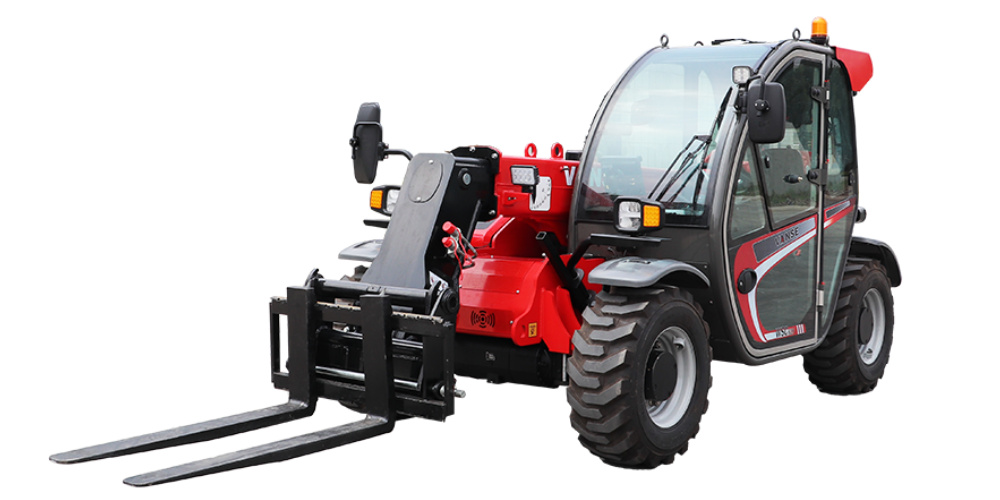
VANSE 625 6m Telescopic Handler
Designed for efficient material handling and stacking in warehouses, factories, and confined job sites, offering compact maneuverability and reliable performance.

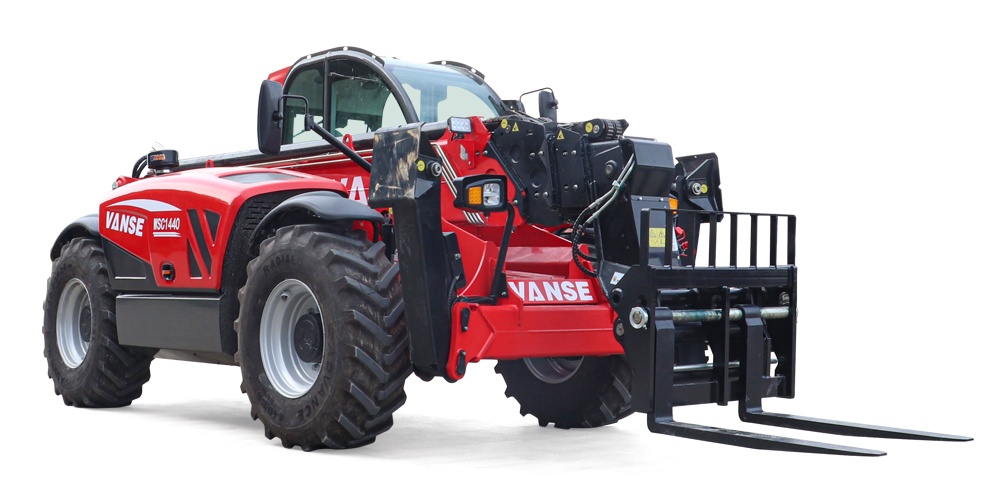
VANSE 735 7m Telescopic Handler
A balanced mid-duty solution for construction, agriculture, logistics, and warehousing, combining stable lifting, strong traction, and everyday versatility.


About the Author:
The VANSE team is a group of experienced professionals specializing in construction machinery research, manufacturing, and technical support. With deep industry knowledge and hands-on experience, our engineers and product specialists share practical insights on equipment selection, operation, maintenance, and industry trends.
Share
You May Also Interest
-

22 October, 2026
Telehandler for Grain Handling on Large Modern Farm Sites
Explore telehandler grain handling options in the United States, including suppliers, specs, farm uses, and cost-saving buying advice for grain operations.
-
21 October, 2026
Telehandler vs All Terrain Forklift: Which Lifts Better
Telehandler vs all terrain forklift in the United States: compare reach, lifting, terrain use, costs, and supplier options for smarter equipment buying.
-
20 October, 2026
10 Ton Telehandler: Extreme Lifting for Major Industrial
Explore 10-ton telehandler options in the United States, top suppliers, buying tips, applications, and service support for major lifting projects.
-
19 October, 2026
Telehandler for Demolition: Safe Structural Dismantling
Explore telehandler demolition options in the United States, including suppliers, attachments, safety, market trends, and cost-effective sourcing advice.