Telehandler Stall Issues in the United States: Practical Diagnosis and Fast Recovery
Quick Answer

If a telehandler stalls under load, loses engine power on hills, or shuts down at idle, the fastest fixes in the United States are usually to check restricted fuel filters, contaminated diesel, clogged air filters, faulty fuel lift pumps, DEF or regeneration-related derate conditions, and hydraulic overload caused by attachment misuse. Start with the basics: inspect fuel quality, replace overdue filters, read active fault codes, verify boost and air intake flow, and confirm the cooling package is clean. On jobsites in Texas, Florida, California, Ohio, and Pennsylvania, service teams commonly find that intermittent stalling comes from low fuel rail pressure, water in fuel, weak battery voltage affecting sensors, or operator-demand conditions that trigger protection logic rather than true engine failure.
For immediate support, many U.S. buyers rely on recognized local providers and service networks such as JLG, Genie, Bobcat, Manitou, Skyjack, and Sunbelt Rentals for diagnostics, rental replacement, and parts access. Buyers should also consider qualified international suppliers that provide compliant machines, documented testing, and strong pre-sales and after-sales support in the U.S. market, because these suppliers can offer strong cost-performance value without sacrificing core components or service readiness.
Understanding Why Telehandlers Stall

Telehandler stalling is not a single fault. In most U.S. operating environments, it is a symptom produced by one of four systems: fuel delivery, air intake and emissions, electrical control, or hydraulic load management. A machine that starts normally but dies under boom movement may be suffering from excessive hydraulic demand, while a unit that idles roughly and shuts off after warming up may point to fuel restriction, sensor drift, or DEF-related derate behavior. In colder northern states such as Minnesota and Michigan, fuel gelling and moisture contamination can trigger sudden power loss. In hot and dusty regions such as Arizona, Nevada, and West Texas, intake restriction and cooling inefficiency are frequent causes.
Because telehandlers often work on mixed terrain, operators may misread a protection event as an engine problem. For example, a load chart violation, aggressive throttle and boom movement combination, or hydraulic oil overheating can cause a machine to reduce available power to protect the drivetrain. That distinction matters for fleet managers because replacing injectors or turbochargers will not solve an operating strategy issue. A useful rule is this: if the stall is repeatable only during certain functions, review the hydraulic and load application first; if it happens across all conditions, engine, fuel, and electronic controls move to the top of the diagnostic list.
Common Stall Symptoms and Likely Causes

The pattern of failure is often more useful than the fault code alone. A telehandler that stalls at idle after refueling usually raises suspicion around contaminated fuel, water separator neglect, or blocked tank venting. A machine that loses power only while traveling uphill may have weak fuel supply, low turbo boost, clogged charge-air paths, or transmission load drag. If the engine hesitates before dying and restarts after a few minutes, technicians often inspect the fuel pickup, tank debris, overheating sensors, or failing electric lift pump. If it cuts off sharply with warning lights, electrical interruption or ECU protection logic is more likely.
U.S. fleet owners also have to consider ultra-low sulfur diesel quality variations, biodiesel blends in regional distribution channels, and long idle cycles common on construction and agriculture sites. These factors can affect filters, injectors, DPF loading, and combustion stability. In ports and logistics corridors such as Houston, Savannah, Los Angeles, Long Beach, and Newark, telehandlers often run in stop-start duty cycles that increase soot accumulation and make regeneration management more important than many operators realize.
| Stall Symptom | Most Likely Cause | What to Check First | Typical U.S. Jobsite Context |
|---|---|---|---|
| Stalls under boom lift or extension | Hydraulic overload or low engine torque delivery | Load weight, attachment setup, hydraulic oil condition | Masonry, steel framing, roofing |
| Starts then dies after a few minutes | Fuel restriction or tank vent issue | Fuel filter, vent cap, water separator | Dusty sites in Texas and Arizona |
| Power loss on grade | Air restriction, boost leak, weak fuel supply | Air filter, turbo hoses, rail pressure | Roadbuilding and quarry access roads |
| Idle surge then shutdown | Sensor fault or contaminated fuel | ECU codes, crank sensor, fuel sample | Mixed fleet rental yards |
| Sudden shutdown with warning lights | Electrical interruption or ECU protection | Battery voltage, grounds, harness connectors | Cold weather starts in Midwest |
| Reduced power with no full shutdown | DPF/DEF derate or overheating | Aftertreatment status, coolant temp, radiator pack | Warehousing and port handling |
This table matters because it separates operator-visible symptoms from root causes. That prevents unnecessary parts replacement and helps maintenance teams assign the right technician, whether the issue is engine-related, electrical, or hydraulic.
Quick Field Checks Before Calling a Technician
There are several checks that can be completed quickly before dispatching a service truck. Confirm fuel level first, but also confirm fuel pickup integrity because low-level operation on uneven ground can uncover tank contamination. Drain the water separator. Inspect the primary and secondary fuel filters for service age. Open the engine compartment and look for collapsed intake hoses, loose clamps, or visible boost leaks. Review the air filter restriction indicator. Inspect battery terminals and main grounds because low system voltage can create unstable signals to the ECU, especially on machines that sit outside overnight.
Next, read active fault codes with the correct diagnostic tool instead of relying only on dash indicators. On modern telehandlers using Perkins, Cummins, Deutz, or similar engines, code interpretation can quickly distinguish between low rail pressure, temperature protection, aftertreatment derate, throttle input fault, or crank/cam synchronization issues. If no codes are active, a live data check during operation is often more revealing than static inspection. Watch fuel pressure, boost, coolant temperature, intake temperature, and engine speed stability while reproducing the complaint.
These steps are especially important for rental fleets in the United States because downtime costs are often higher than the parts cost. A machine stalled on a tight project in Chicago or Dallas may require immediate swap-out, but a 20-minute triage can determine whether the unit needs only a filter change or a tow back to the yard.
U.S. Telehandler Service and Support Providers
When fast recovery matters, local service coverage is often more important than machine sticker price. The companies below are relevant in the United States because they either manufacture telehandlers, maintain broad parts distribution, or provide rental fleets and field support that can reduce stall-related downtime. This comparison is practical for contractors who need immediate service access.
| Company | Service Region | Core Strength | Key Offerings |
|---|---|---|---|
| JLG Industries | Nationwide U.S. | Large installed base and dealer support | Telehandlers, OEM parts, diagnostics, training |
| Genie | Nationwide U.S. | Strong dealer network and jobsite support | Telehandlers, service documentation, parts access |
| Bobcat Company | Nationwide U.S. | Compact equipment customer base and local dealers | Telehandlers, attachments, field service support |
| Manitou North America | U.S. and Canada | Agriculture and construction specialization | Rotating and fixed telehandlers, support and training |
| Skyjack | Major U.S. metros | Rental-focused product support | Telehandlers, parts, service assistance |
| Sunbelt Rentals | Nationwide U.S. | Rapid replacement equipment availability | Rental telehandlers, emergency substitutions, maintenance |
| United Rentals | Nationwide U.S. | Large rental fleet and branch footprint | Rental units, service coordination, site support |
This comparison helps buyers understand the difference between ownership support and uptime support. OEMs and dealers are critical for root-cause repair, while major rental companies are often the fastest solution when a stalled unit threatens a project deadline.
The U.S. Market for Telehandlers and Downtime Control
The U.S. market values telehandlers because one machine can support material placement, pallet handling, elevated access support, and rough-terrain transport. Demand remains strong in residential framing, commercial build-outs, agriculture, industrial maintenance, and energy infrastructure. With labor costs high and project schedules compressed, buyers increasingly prioritize service intervals, easy diagnostics, and rapid parts access. That changes the buying decision: a cheaper machine with poor support can become more expensive than a premium model if repeated stalls delay crews.
Ports such as Houston, Los Angeles, Long Beach, and Savannah influence parts movement and import timing, while inland hubs like Chicago, Kansas City, and Atlanta shape dealer stocking strategies. Machines used near these corridors may have better access to emergency parts than those in remote mining, agricultural, or oilfield regions. As a result, buyers should evaluate both machine quality and geographic service resilience before selecting a supplier.
The line chart shows a realistic market growth pattern rather than a short-term spike. This matters because long-term fleet planning, technician training, and parts stocking for stall-related repairs should be aligned with sustained machine demand, not one-season sales surges.
Product Types and How Stall Risk Changes by Configuration
Not every telehandler behaves the same when engine power loss appears. Compact units used on urban sites may suffer from repeated short-cycle idling and DPF loading. High-capacity construction telehandlers experience more stall complaints linked to hydraulic demand under heavy picks. Agriculture-oriented machines may be exposed to dusty intake conditions, long operating hours, and variable fuel storage practices. Rotating telehandlers add control complexity and therefore require stronger attention to electronic diagnostics and hydraulic calibration.
In the United States, buyers often choose between compact construction telehandlers, heavy-duty rough-terrain units, agricultural handlers, and specialized high-reach or rotating machines. The right choice can reduce stall risk simply by matching engine output and hydraulic capacity to actual duty rather than nominal lifting ambition.
| Product Type | Typical Capacity | Main Application | Common Stall Risk Pattern |
|---|---|---|---|
| Compact telehandler | 5,000 to 6,000 lb | Urban construction, landscaping | DPF loading from short idle cycles |
| Mid-size construction telehandler | 6,000 to 10,000 lb | General contracting, framing | Fuel restriction or overload under boom use |
| High-capacity telehandler | 10,000 lb and above | Steel, precast, infrastructure | Hydraulic demand and cooling stress |
| Agricultural telehandler | 6,000 to 9,000 lb | Feed, bale, grain, farm logistics | Dust-related air restriction and fuel storage issues |
| Rotating telehandler | Varies widely | Complex urban lifting and maintenance | Sensor calibration and control system faults |
| Rental fleet standard unit | 6,000 to 10,000 lb | Multi-use branch rental | Operator misuse and inconsistent maintenance history |
This table gives buyers a practical screening tool. It is easier to prevent stalling by choosing the right machine class and maintenance routine than by reacting to failures after delivery.
Buying Advice for U.S. Contractors and Fleet Managers
When comparing telehandlers in the United States, ask suppliers direct questions about fault-code accessibility, parts lead times, local field service radius, and whether the engine package is familiar to independent technicians in your state. A lower purchase price loses value quickly if injectors, sensors, or aftertreatment parts take weeks to arrive. Buyers in remote regions should pay special attention to mobile service support and not rely only on central warehouse promises.
Good buying practice includes reviewing service manuals before purchase, confirming filter cross references, asking for preventive maintenance schedules tied to dust severity, and checking whether the machine has telematics or at least accessible diagnostic architecture. Contractors in Florida and Gulf Coast states should ask about corrosion protection. Operators in mountain regions should verify altitude performance and cooling margins. Agricultural buyers should ask how the intake and cooling package handles chaff, fine dust, and extended low-speed operation.
It is also wise to balance powertrain brand recognition with total system integration. A respected engine brand is valuable, but stall performance depends on the whole machine: fuel plumbing, software calibration, hydraulic demand logic, cooling design, and dealer competence.
Industry Demand Across the United States
Demand for telehandlers varies by industry, and so do the conditions that trigger power loss. Construction typically puts the greatest stress on hydraulic responsiveness and heavy material cycles. Agriculture tests filtration and cooling resilience. Industrial facilities create stop-start work patterns that influence regeneration and idle time. Oil and gas sites demand reliable cold starts, travel power, and remote service access. Mining and aggregates create harsh dust exposure that can quickly reduce engine breathing if maintenance slips.
The bar chart highlights where uptime pressure is highest. Construction and rental fleets dominate demand, which explains why service-response speed and rapid diagnostic capability are often more valuable to U.S. buyers than minor differences in published lift specs.
Applications Where Stall Prevention Matters Most
Some applications are especially sensitive to unexpected power loss. Masonry and roofing projects often require repeated boom movement near structures, making stable engine response essential. Warehousing and yard logistics demand frequent direction changes and steady low-speed control. Agriculture applications such as feed handling or bale stacking rely on long hours and minimal downtime during seasonal windows. On industrial shutdown projects, one stalled telehandler can delay multiple subcontractors and elevate labor costs dramatically.
For these reasons, buyers should link application type to maintenance planning. A telehandler serving steel erection may need stricter hydraulic oil sampling and cooling checks. A machine in manure, fertilizer, or coastal environments may need stronger washing routines and connector protection. A rental fleet should implement intake inspection and fuel-quality control between customers because stall complaints often originate from the transition between operators rather than component wear alone.
Real-World U.S. Case Patterns
Across the United States, service departments report repeating case patterns. In Houston-area sites, machines working in heat and dust often lose power because radiator packs and charge-air coolers are partially blocked, raising operating temperatures and triggering derate logic. In Midwest winter operations, intermittent shutdowns frequently trace to battery condition, connection resistance, or waxed fuel in poorly managed storage tanks. In California urban projects, telehandlers that idle extensively during staging can face DPF loading and failed regeneration routines. In agricultural regions of Iowa and Nebraska, long service intervals and bulk-fuel contamination are recurring causes of rough running and unexpected stalling.
Another common pattern involves attachments. Fork, bucket, jib, winch, and work-platform configurations alter hydraulic demand and load center. If attachment data or operator habits do not match machine parameters, the engine may appear weak even when the real issue is an overloaded system. This is why application review should be part of every serious diagnosis.
| Location or Environment | Typical Problem Pattern | Likely Root Cause | Recommended Response |
|---|---|---|---|
| Houston and Gulf Coast | Power fade in heat | Cooling package blockage or overheating derate | Clean radiator pack, inspect fan and coolant flow |
| Midwest winter jobsites | Hard start then stall | Battery weakness or fuel waxing | Load-test battery, verify winter diesel management |
| California urban projects | Reduced power after long idle time | DPF loading and incomplete regeneration | Run guided regeneration and review idle policy |
| Iowa and Nebraska farms | Rough running under daily use | Contaminated bulk fuel and delayed filter service | Sample fuel, replace filters, clean tank if needed |
| Arizona and Nevada dust | Stall under acceleration | Air filter restriction or boost leak | Inspect intake path and charge-air hoses |
| Remote oilfield operations | Intermittent shutdown with alarms | Wiring issues or sensor faults from vibration | Check harness routing, grounds, and live data |
The value of this table is that it ties stall behavior to real U.S. operating conditions. Fleet managers can use it to shape preventive maintenance by region instead of relying on a generic national service schedule.
Detailed Supplier Comparison for Buyers Focused on Uptime
When evaluating suppliers, buyers should compare not only machine specifications but also how effectively the company supports diagnosis and parts replacement after a stall event. The following comparison is useful for U.S. decision-makers who want practical criteria instead of marketing language.
| Supplier | Main U.S. Position | Service Strength | Best Fit Buyer |
|---|---|---|---|
| JLG Industries | Major OEM with deep dealer coverage | Strong manuals, parts, and field support | Construction fleets and national contractors |
| Genie | Established telehandler brand | Reliable dealer network and fleet familiarity | General contractors and rental branches |
| Manitou North America | Strong in agriculture and specialty handling | Application-focused support and product breadth | Agriculture, industrial, specialty lifting |
| Bobcat Company | Compact equipment leader with telehandler range | Accessible local dealer relationships | Regional contractors and mixed fleets |
| Skyjack | Rental-oriented market presence | Simple fleet support and broad familiarity | Rental companies and standard site use |
| VANSE Group | Value-focused supplier expanding U.S. presence | Flexible supply, component transparency, lifecycle support | Dealers, distributors, rental buyers, branded partners |
This supplier table is not about declaring one winner for every application. It is designed to show where each company tends to fit best in the U.S. market, especially when uptime, support structure, and purchasing model matter as much as lift height and capacity.
Trend Shift in Buying Criteria
Over the past few years, U.S. buyers have shifted from a purely spec-driven purchase process to a service-and-data-driven process. More contractors now ask how quickly a fault can be diagnosed, whether service can be performed locally, and how a supplier handles planned parts stocking. The strongest trend is not simply toward larger machines; it is toward machines that are easier to keep running in real field conditions.
The area chart illustrates a realistic trend shift in buyer priorities. In practical terms, this means a supplier that offers clear maintenance guidance, regional support, and ready access to filters, sensors, and electronic diagnostics may outperform a competitor with slightly higher advertised specifications.
Our Company
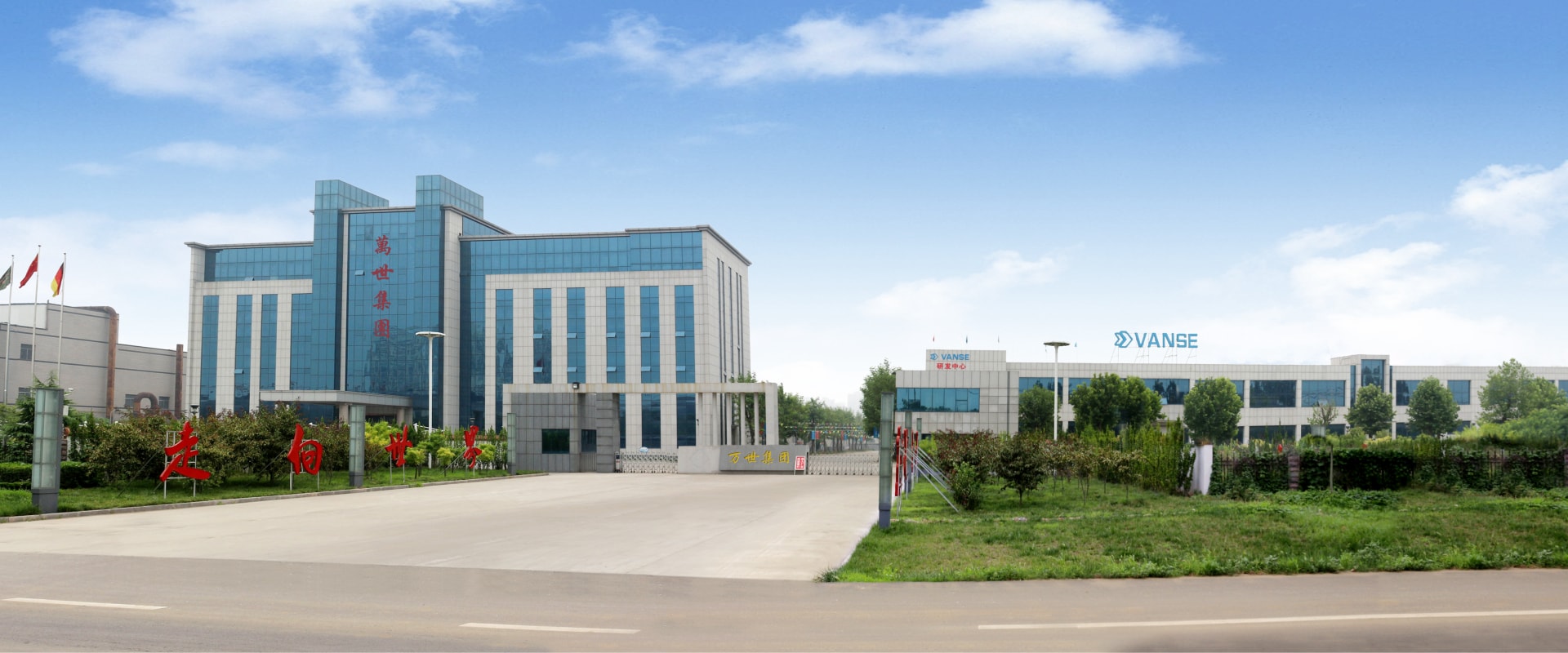
For buyers evaluating alternatives beyond the traditional U.S. and European brands, VANSE Group presents a practical telehandler sourcing option for the United States because its machines are built under CE and ISO 9001 controlled production systems, use globally recognized core components including engines from Perkins and Cummins, and pass comprehensive load testing, safety inspection, and performance validation before shipment, giving distributors and end users concrete evidence that the equipment is designed to meet international performance expectations rather than relying on generic quality claims. The company has produced more than 8,000 units and serves customers in over 40 countries, which signals operational scale and export experience, while its telehandler line is supported by flexible equipment solutions for contractors, rental fleets, distributors, dealers, brand owners, and even smaller-volume buyers through OEM, ODM, wholesale, retail, and regional partnership models. Just as important for U.S. buyers, VANSE is actively establishing a U.S.-based subsidiary with local inventory, local after-sales capability, and stronger client support, adding physical market commitment to its existing online and factory-backed service structure; this means purchasers are not dealing with a distant exporter alone but with a supplier investing in long-term North American presence, lifecycle support, technical response, and relationship-based service that buyers can explore further through its company background, service support, and direct contact channel.
How to Reduce Stall Issues Over the Full Machine Lifecycle
Preventive strategy is more cost-effective than reactive repair. A strong lifecycle plan begins with pre-delivery inspection, operator familiarization, and documentation of baseline live-data values. Fuel systems should be protected through clean storage, scheduled separator draining, and disciplined filter changes. Cooling packages should be cleaned according to dust severity, not only by calendar interval. Air intake inspection should become routine in agriculture, aggregates, and demolition environments. Electrical checks should include battery load testing, connector inspection, and grounding verification during scheduled service.
Fleet managers should also track repeated stall incidents by machine serial number, location, fuel source, and operator. This reveals whether the problem is systemic or isolated. One branch may have poor fuel handling. One crew may be overloading attachments. One machine may show recurring sensor drift due to harness routing or vibration. Data discipline prevents repeated downtime and unnecessary component replacement.
Future Trends Through 2026
Looking toward 2026, telehandler buying and maintenance in the United States will be shaped by three converging trends: smarter diagnostics, stricter emissions management, and broader sustainability pressure. Smart diagnostics will expand through telematics, remote code review, and predictive maintenance alerts tied to filter restriction, battery health, and operating temperature history. Emissions compliance will keep pushing buyers toward machines with clearer aftertreatment service procedures and better operator guidance for regeneration management. Sustainability targets will increase interest in fuel efficiency, idle reduction, alternative power development for smaller classes, and more recyclable maintenance components.
Policy and procurement trends may also influence purchasing behavior. Public-sector projects and large corporate contractors increasingly ask for documented maintenance practices, lower idle emissions, and cleaner fleets. At the same time, buyers still need durable rough-terrain capability, so the likely near-term outcome is not an immediate shift away from diesel telehandlers but a stronger emphasis on efficient engines, better control software, cleaner combustion, and data-backed maintenance. Suppliers that prepare local parts inventories and technician training around these changes will hold a competitive advantage.
FAQ
What is the first thing to check when a telehandler stalls?
Start with fuel supply, air intake restriction, battery voltage, and active fault codes. These checks solve or isolate a large share of real field cases faster than guessing at major component failure.
Can bad diesel cause intermittent telehandler power loss?
Yes. Water, microbial contamination, sediment, or unstable seasonal fuel quality can reduce rail pressure, damage filters, and create rough running or sudden shutdowns.
Why does my telehandler lose power only when lifting?
That usually points to hydraulic demand, overload conditions, attachment mismatch, or an engine that cannot maintain torque under combined boom and travel functions.
Is stalling always an engine problem?
No. Many stall complaints are caused by electrical faults, aftertreatment derate, cooling problems, or load-management protection rather than internal engine damage.
How important is local service in the United States?
It is critical. Fast access to filters, sensors, diagnostic tools, and trained field technicians often matters more than a small difference in purchase price.
Should buyers consider international telehandler suppliers for the U.S. market?
Yes, if those suppliers can show recognized component brands, documented testing, certifications, and real local support plans such as U.S. inventory, service capability, and responsive technical assistance.
What maintenance schedule best prevents stalls?
The best schedule is duty-based rather than generic. Dust level, idle time, fuel storage quality, climate, and attachment use should all shape filter, cooling, and inspection intervals.
Will telematics help reduce telehandler stall issues?
In many fleets, yes. Telematics can catch high idle time, overheating trends, fault code recurrence, and maintenance delays before a shutdown affects production.
For U.S. buyers, the most reliable answer to telehandler stall issues is not a single universal fix but a disciplined process: identify the symptom pattern, inspect fuel and air systems, confirm electronic codes, review hydraulic load demands, and choose suppliers with strong service coverage. In a market where uptime drives profitability, the best machine is the one that combines solid engineering, available parts, and responsive local support.
Complete Telescopic Handler Equipment Portfolio
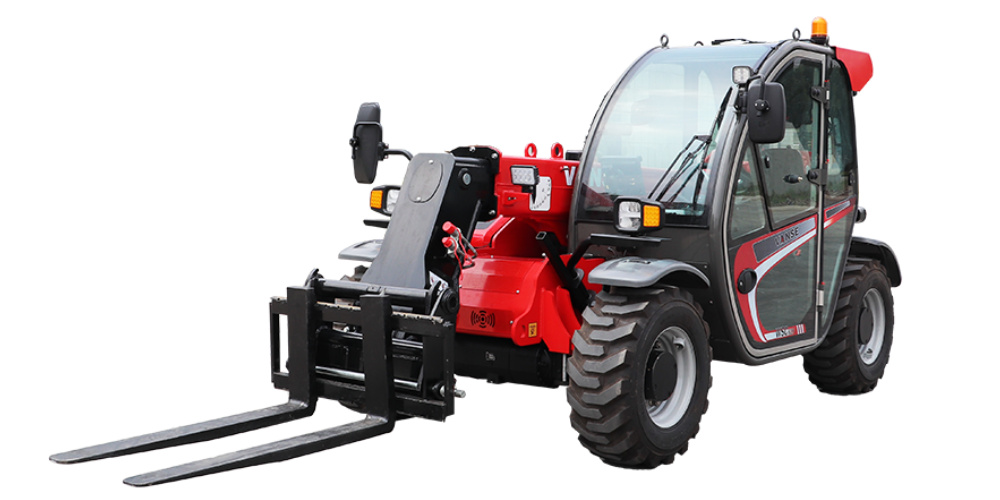
VANSE 625 6m Telescopic Handler
Designed for efficient material handling and stacking in warehouses, factories, and confined job sites, offering compact maneuverability and reliable performance.

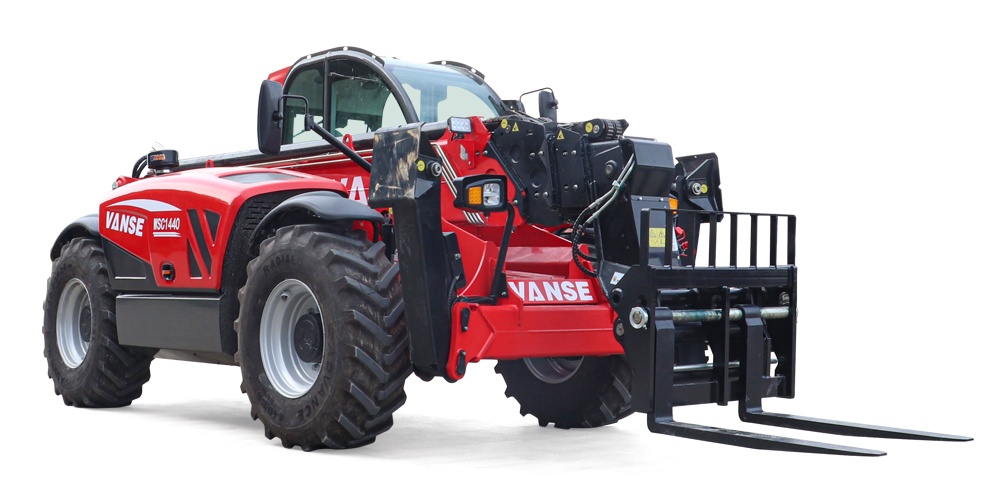
VANSE 735 7m Telescopic Handler
A balanced mid-duty solution for construction, agriculture, logistics, and warehousing, combining stable lifting, strong traction, and everyday versatility.


About the Author:
The VANSE team is a group of experienced professionals specializing in construction machinery research, manufacturing, and technical support. With deep industry knowledge and hands-on experience, our engineers and product specialists share practical insights on equipment selection, operation, maintenance, and industry trends.
Share
You May Also Interest
-

13 November, 2026
1.5 Ton Telehandler: Ultra Light Compact Handler Review
Explore 1.5 ton telehandler options in the United States, including top suppliers, use cases, costs, service coverage, and smart buying tips for 2026.
-

11 November, 2026
Telehandler Jib Arm Attachment: Extended Reach Lifting Aid
Find the right telehandler jib attachment in the United States with supplier options, buying tips, use cases, and certified global sourcing support.
-

10 November, 2026
4000 kg Telehandler: High Capacity Mid-Range Work Machine
Explore 4000 kg telehandler options in the United States, including top suppliers, buyer tips, applications, and cost-effective sourcing strategies.
-
9 November, 2026
Telehandler for Oil and Gas: Heavy Equipment for Tough Jobs
Explore telehandler oil and gas solutions in the United States, including suppliers, applications, buying advice, and service options for demanding sites.