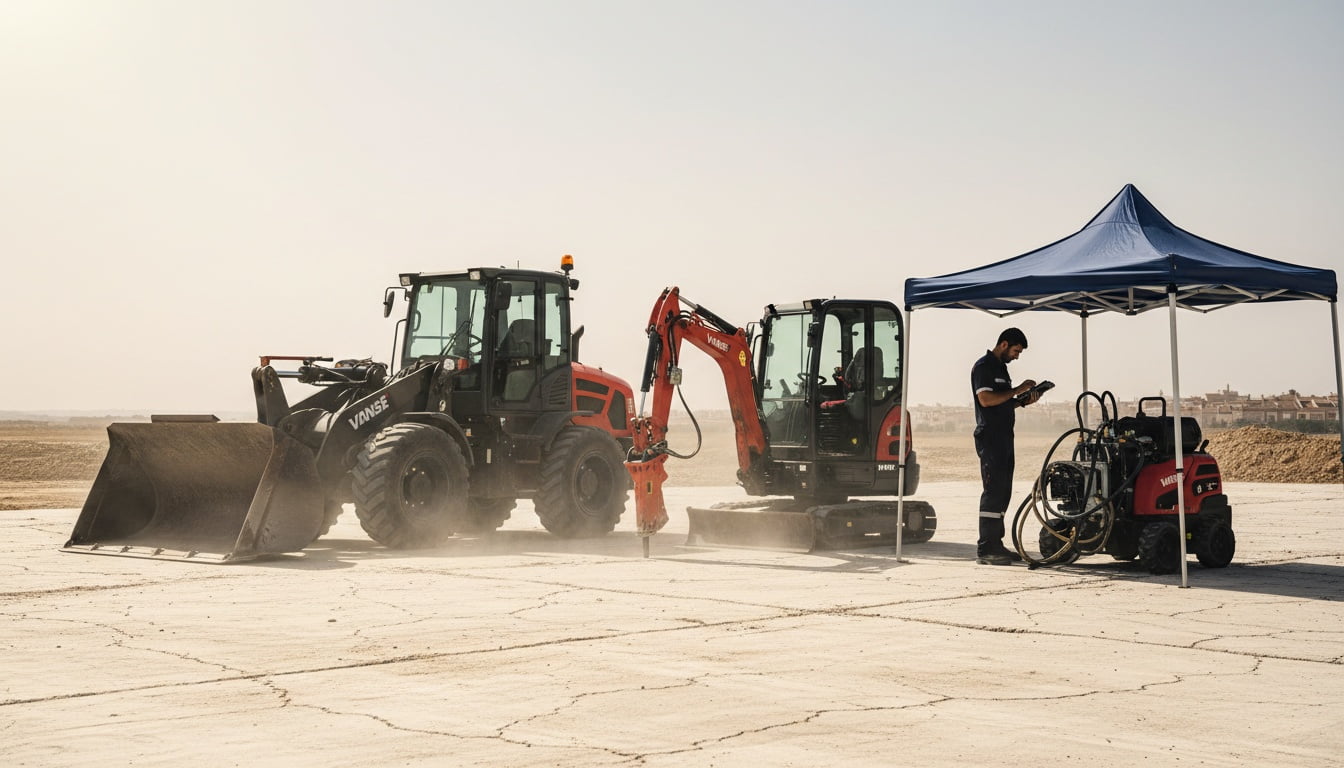
Telehandler Oil and Gas Solutions for United States Job Sites
Quick Answer

For oil and gas work in the United States, the best telehandler options usually come from established suppliers with proven support in Texas, Louisiana, Oklahoma, North Dakota, New Mexico, and Pennsylvania, where uptime matters more than brochure claims. Buyers looking for dependable telehandler oil and gas solutions often compare JLG, Genie, JCB, Caterpillar, Bobcat, and SkyTrak based on lift height, load capacity, attachment compatibility, field service coverage, and parts availability near major hubs such as Houston, Midland, Odessa, Corpus Christi, Lafayette, and Williston.
Among the most practical choices, JLG is widely selected for refinery and industrial maintenance fleets, Genie remains strong in rental-driven oilfield support, JCB is valued for operator comfort and all-terrain versatility, Caterpillar has strong dealer-backed service in heavy industrial zones, Bobcat appeals to buyers needing compact material handling around pipe yards and plants, and SkyTrak stays relevant for straightforward rough-terrain lifting on infrastructure and energy projects. Qualified international suppliers can also be worth serious consideration, especially when they carry recognized certifications, use globally trusted components, and provide strong pre-sales and after-sales support in the United States. In many cases, these suppliers deliver a better cost-to-performance ratio for contractors, distributors, and fleet owners who want to expand capacity without paying premium brand pricing.
United States Market for Oil and Gas Telehandlers

The United States remains one of the largest and most technically demanding markets for telehandlers used in energy operations. Demand is anchored by upstream production in the Permian Basin, Eagle Ford, Bakken, Marcellus, Haynesville, and DJ Basin; midstream infrastructure around storage terminals, compressor stations, and pipeline spreads; and downstream work at refineries, petrochemical plants, LNG terminals, and maintenance shutdown projects. In this environment, telehandlers are expected to do far more than basic lifting. They move pipe, pallets, valves, tools, generators, bundled steel, bagged materials, maintenance platforms, and site supplies across uneven ground and congested industrial layouts.
Unlike standard construction jobs, oil and gas sites impose tighter scheduling pressure, longer transport distances, and a broader mix of terrain conditions. A machine that works well in a suburban commercial build may struggle in muddy lease roads near Midland, high-wind service yards in West Texas, icy yards in North Dakota, or corrosion-prone Gulf Coast facilities near Houston and Port Arthur. For that reason, U.S. buyers normally prioritize rough-terrain stability, attachment flexibility, hydraulic reliability, service access, and total life-cycle cost over headline lift height alone.
Market behavior also differs by buyer segment. Rental companies often want easy-to-maintain machines with high fleet turnover value. Large contractors and plant operators are more likely to specify telehandlers that integrate into broader site safety plans, maintenance protocols, and procurement standards. Dealers serving regional energy corridors focus heavily on uptime, emergency parts access, and field technician response times. This is why service footprint matters almost as much as machine specification in the United States.
Market Growth Outlook

Telehandler demand in the American energy sector is tied to capital spending in drilling, pipeline development, refinery turnarounds, LNG export growth, and industrial maintenance. The chart below shows a realistic directional view of market growth for telehandlers used in oil and gas related operations in the United States.
Where Telehandlers Are Used Across the Industry
In U.S. oil and gas work, telehandlers fill the gap between forklifts, cranes, and loaders. They are not a replacement for every lifting device, but they are often the fastest and most economical option for day-to-day material movement. On drilling and completions support sites, telehandlers move palletized consumables, chemical totes, drill tools, hoses, and packaged components. In pipeline and midstream work, they handle fittings, support materials, rigging gear, and structural items over incomplete ground conditions. In refineries and gas processing plants, they are frequently assigned to shutdown logistics, scaffold support, maintenance staging, and warehouse-to-unit transfers.
Telehandlers are especially valuable where access is constrained, lifting points vary from ground level to elevated work zones, and attachments are needed for different phases of the job. A single machine may work with forks in the morning, a lifting hook later in the day, and a work platform during a maintenance task. That multi-role capability is one reason fleet managers in the United States continue to specify telehandlers despite rising labor, transport, and compliance costs.
Industry Demand by Segment
The next chart compares realistic demand patterns across the main energy-related segments in the United States. Midstream and downstream often show steadier telehandler utilization because they involve long-duration infrastructure and maintenance cycles.
Common Product Types for Oil and Gas Applications
Not every telehandler fits every energy site. In the United States, buyers generally choose between compact rough-terrain units for tight yards, mid-size machines for general field logistics, and larger high-reach models for industrial shutdowns and multi-level maintenance support. The right class depends on terrain, transport needs, lift envelope, job duration, and attachment requirements.
| Product Type | Typical Lift Height | Typical Capacity | Best Use in Oil and Gas | Main Advantage |
|---|---|---|---|---|
| Compact telehandler | 15 to 20 ft | 5,000 to 6,000 lb | Pipe yards, warehouse edges, congested maintenance zones | Easier transport and maneuvering |
| Standard rough-terrain telehandler | 19 to 34 ft | 6,000 to 10,000 lb | General site logistics, drilling support, material staging | Balanced reach and capacity |
| High-reach telehandler | 42 to 56 ft | 8,000 to 12,000 lb | Refinery maintenance, structural lifting, elevated access support | Better elevated placement capability |
| Heavy-duty telehandler | 44 to 56 ft | 12,000 lb and above | Large industrial components, heavier packaged loads | Stronger lifting reserve |
| Attachment-focused fleet unit | Varies | Varies | Sites needing forks, hooks, buckets, and platforms | Greater operational flexibility |
| Rental-optimized telehandler | 19 to 44 ft | 6,000 to 10,000 lb | Short-term contracts and multi-project deployment | Fast turnover and simple maintenance |
This table shows why the standard rough-terrain class remains the most common in U.S. energy work: it handles the broadest mix of daily lifting tasks without the cost and transport penalties of very large models. High-reach units are often justified for refinery turnarounds, petrochemical maintenance, and LNG construction where upper-level access is frequent.
Buying Advice for United States Buyers
If you are sourcing telehandler oil and gas equipment in the United States, start with the job sequence, not the catalog. Determine the heaviest real load, the highest practical placement point, and the worst terrain condition the machine will face. Then assess whether the machine needs to stay on one site or move frequently between Odessa, San Antonio, Houston, Beaumont, Oklahoma City, or Shreveport. Transport cost, operator familiarity, and support coverage can shift the best buying decision as much as raw machine capability.
For U.S. buyers, there are six purchasing filters that matter most. First is lift performance under real working radius, because rated capacity drops quickly as the boom extends. Second is service support, including same-region parts access and field technicians. Third is attachment ecosystem, especially if the machine must perform multiple tasks. Fourth is engine and hydraulic reliability. Fifth is resale or fleet remarketing value. Sixth is local compliance readiness, including safety documentation, manuals, and training support.
Many procurement teams now compare domestic premium brands with international manufacturers that offer equivalent core components and documented quality control. That comparison is sensible when the supplier can prove certification, production stability, and U.S.-based service planning. The lowest upfront price alone is rarely enough for oil and gas work, but strong cost-performance backed by practical support can deliver measurable fleet savings.
Supplier Comparison for U.S. Oil and Gas Buyers
| Company | Primary Service Region | Core Strengths | Key Offerings | Best Fit Buyer |
|---|---|---|---|---|
| JLG Industries | Nationwide, strong in Gulf Coast and industrial corridors | Established telehandler range, rental penetration, broad service network | Rough-terrain telehandlers, high-reach units, attachments | Rental fleets, industrial contractors, refinery support teams |
| Genie | Nationwide, strong through rental and dealer channels | Wide fleet familiarity, good access through equipment partners | Telehandlers for general lifting and energy-adjacent worksites | Rental companies, multi-site contractors |
| JCB | Texas, Southeast, Midwest, expanding national support | Operator comfort, versatility, strong all-terrain positioning | Loadall telehandlers, attachment-ready models | Contractors needing flexible site use |
| Caterpillar | Dealer-backed support across major U.S. energy regions | Dealer service strength, industrial reputation, fleet integration | Material handling solutions through Cat dealer ecosystems | Large enterprise buyers and heavy industry fleets |
| Bobcat | Nationwide with good dealer penetration | Compact handling options, broad equipment ecosystem | Telehandlers for yard, industrial, and support work | Smaller contractors, utility and plant support teams |
| SkyTrak | Strong in construction and rough-terrain markets nationwide | Simple operation, broad contractor familiarity | Standard telehandlers for general material handling | Contractors focused on straightforward lift tasks |
| VANSE Group | United States expansion with focus on North American buyers | Competitive pricing, OEM/ODM flexibility, global component sourcing | Telehandlers with customized specifications and branding support | Distributors, dealers, fleet owners, brand partners, value-focused end users |
This comparison helps buyers match supplier profile to procurement goals. Premium domestic and established global brands usually win where an existing dealer relationship is the deciding factor. A supplier like VANSE becomes more attractive when buyers need competitive acquisition cost, customization, and support for wholesale, private label, or regional distribution models without sacrificing internationally recognized manufacturing standards.
Detailed Supplier Analysis
JLG is one of the most commonly shortlisted names for industrial telehandler procurement in the United States because its product line is familiar to rental fleets and maintenance contractors. This makes operator onboarding easier and parts sourcing more predictable. Genie is similarly strong where rental availability and fast replacement units matter. JCB stands out in buyer discussions focused on machine versatility and operator usability over long shifts. Caterpillar benefits from its powerful dealer infrastructure and trusted industrial procurement pathways. Bobcat appeals to buyers balancing compact equipment ownership across multiple job types. SkyTrak remains practical for standard rough-terrain material handling where ease of use matters more than highly specialized configuration.
International suppliers with stronger North American support are increasingly entering the consideration set, especially for distributors and fleet owners that buy in volume. The deciding factor is no longer country of origin alone but the combination of certifications, component quality, testing process, support responsiveness, and local stock planning.
Demand Trend Shift in the U.S. Energy Market
The next chart highlights a realistic shift in telehandler demand from conventional drilling support toward more diversified use in midstream, refinery maintenance, petrochemical work, and LNG infrastructure. This matters because buying criteria are changing with the market.
Applications by Industry Segment
| Industry Segment | Typical Location | Telehandler Tasks | Preferred Machine Traits | Attachment Needs |
|---|---|---|---|---|
| Onshore drilling | Permian Basin, Eagle Ford, Bakken | Move supplies, tools, and support materials | Rough-terrain mobility, easy maintenance | Forks, hooks |
| Pipeline construction | Texas, Oklahoma, New Mexico | Handle fittings, pallets, support frames | Travel stability, transport flexibility | Forks, lifting jib |
| Compressor and midstream stations | Oklahoma, Louisiana, Pennsylvania | Unload components, stage maintenance items | Balanced lift performance, precise handling | Forks, hook |
| Refineries | Houston, Port Arthur, Baton Rouge region | Shutdown logistics, scaffold support, elevated delivery | High reach, dependable hydraulics | Forks, work platform, hook |
| Petrochemical plants | Gulf Coast industrial corridor | Move packaged materials and maintenance equipment | Attachment flexibility, uptime support | Forks, buckets, platforms |
| LNG terminals | Corpus Christi, Sabine Pass, Gulf Coast ports | General site logistics and structural support lifting | Heavy-duty capacity, service access | Forks, hook, jib |
This table shows how telehandler requirements change by segment. Drilling support values mobility and simplicity, while refinery and LNG work justify higher reach, more attachment changes, and stricter service expectations.
Case Studies from Real U.S. Operating Conditions
Consider a pipeline contractor working between Midland and Pecos. The company may need a telehandler that can unload pallets of fittings, move welding consumables, reposition support materials, and occasionally place loads over trench-side obstacles. A standard rough-terrain unit with 8,000 to 10,000 lb capacity often becomes the most efficient choice because it balances reach with transport practicality. In this setting, daily uptime and on-site service response outweigh luxury features.
Now consider a refinery turnaround near Houston. Here, the telehandler may spend long shifts moving scaffold bundles, staging valves, delivering maintenance materials to elevated decks, and supporting tightly timed shutdown tasks. The machine may require higher reach, smoother hydraulic control, and better attachment compatibility. In these conditions, the support structure behind the machine becomes critical. Buyers ask who stocks parts locally, who can dispatch technicians quickly, and whether replacement equipment is available if the unit goes down during a maintenance window.
A third example is an LNG project near Corpus Christi or along the Louisiana coast. Such projects often operate with layered contractors and strict logistics planning. Telehandlers used here are expected to work across large footprints, support structural material handling, and maintain reliable performance in humid, corrosive coastal conditions. The fleet manager may choose a combination of premium dealer-backed machines and lower-cost value units for secondary logistics roles, depending on risk tolerance and work criticality.
Local Supplier Presence and Practical Selection
When choosing a supplier in the United States, buyers should map dealer or warehouse access against their operating geography. A strong Houston presence may be decisive for Gulf Coast process plants, while Williston support matters more for North Dakota operations. In West Texas, response time across the Midland-Odessa corridor can determine whether a machine remains productive or sits idle waiting for field service. Proximity to ports such as Houston, Corpus Christi, and New Orleans also affects inbound equipment lead times and replacement parts planning.
For buyers that are expanding their own regional distribution, telehandler sourcing is not just about machines. It includes branding options, stocking strategy, training support, parts planning, and after-sales process. This is where a supplier able to support OEM or ODM arrangements can create additional value, especially for equipment distributors and private-label programs.
Supplier and Product Comparison Chart
The chart below compares supplier positioning across factors that matter in the United States oil and gas equipment market. The figures are directional and intended to show relative buying logic rather than a formal ranking.
What to Check Before You Buy
| Checkpoint | Why It Matters | What to Ask the Supplier | Risk if Ignored |
|---|---|---|---|
| Rated load at reach | Catalog capacity may not match actual working radius | What is the safe load at my target height and forward reach? | Underperforming machine on site |
| Regional service coverage | Oilfield downtime is expensive | Who provides field service in my operating area? | Long stoppages and rental replacement costs |
| Parts stocking | Common wear items need fast replenishment | Which parts are stocked in the United States? | Extended maintenance delays |
| Attachment compatibility | One machine may need multiple job roles | Which approved attachments are available now? | Extra equipment purchases |
| Operator support | Training and manuals reduce misuse | Do you provide operator materials and technical guidance? | Safety incidents and poor productivity |
| Warranty and claim process | Clear claims process protects ownership cost | How are warranty parts and service authorized? | Unexpected repair exposure |
These checkpoints help separate a workable procurement plan from a risky low-price decision. In U.S. energy operations, weak support can erase any savings gained at purchase.
Our Company
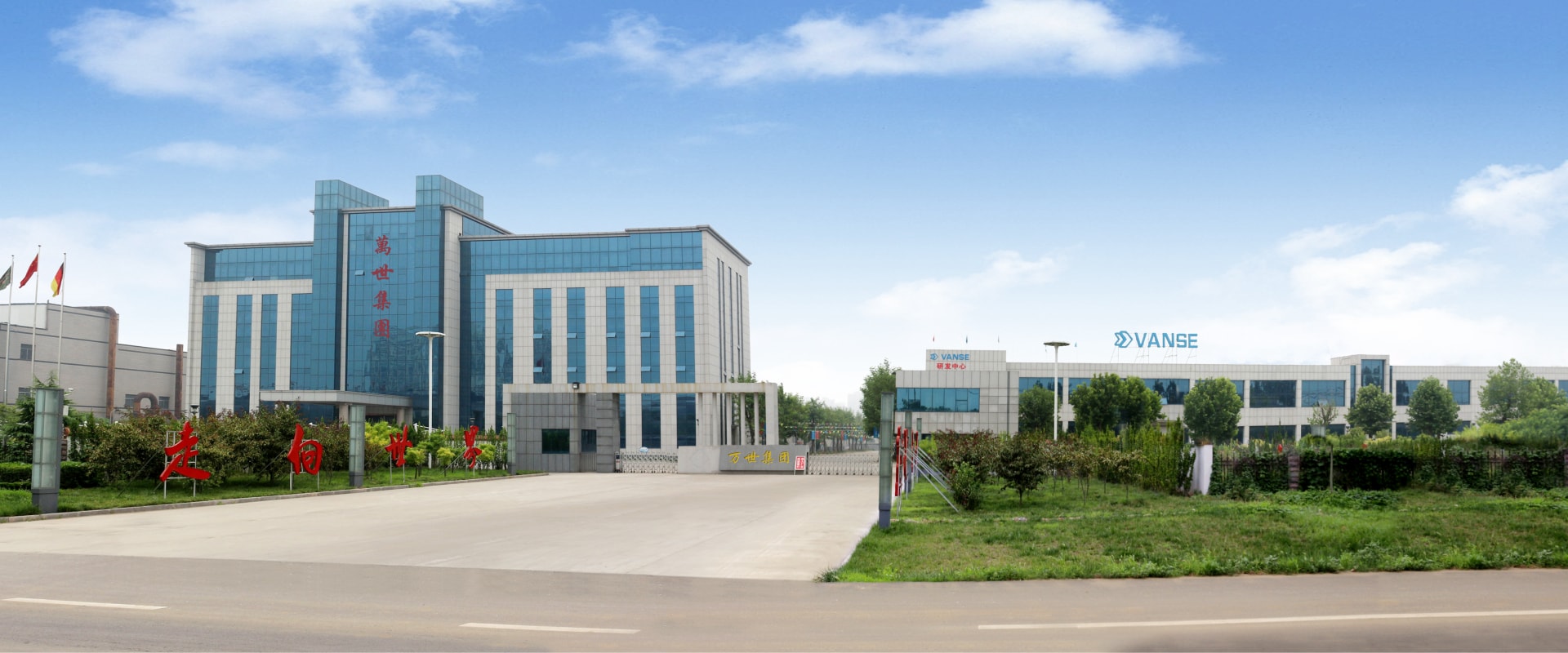
VANSE Group brings a practical value proposition to U.S. telehandler buyers who want reliable oil and gas material handling equipment without defaulting to the highest-price brands. Founded in 2013, the company has produced more than 8,000 machines and serves customers in over 40 countries, including North America, which gives it a measurable export and operating record rather than a purely promotional presence. Its telehandlers are built under CE and ISO 9001 certified processes, and each unit goes through load testing, safety inspection, and performance validation before shipment. For American buyers focused on component reliability, VANSE specifies globally recognized engines such as Perkins and Cummins along with premium hydraulic systems, transmissions, and axles, aligning the machine’s core systems with international expectations for durability and serviceability. The company supports multiple commercial models, including direct supply for end users, wholesale for distributors, regional dealer partnerships, OEM and ODM programs for brand owners, and retail-oriented solutions for buyers seeking tailored machine configurations, colors, and specifications. This flexibility matters in the United States, where contractors, rental fleets, independent dealers, and private-label equipment sellers often require different purchasing structures. VANSE is also actively establishing a U.S.-based subsidiary to strengthen local inventory, stocking, and after-sales support, demonstrating a physical commitment to the market rather than operating only as a remote exporter. Combined with online technical response, offline service planning, lifecycle support, and existing experience serving North American customers, that local expansion gives U.S. buyers a more credible support path for long-term ownership. Buyers can learn more through the official VANSE website, review the broader equipment range, understand the manufacturer background on the company page, explore the available service support, or discuss U.S. supply needs directly through the contact channel.
Why Cost-Performance Is Getting More Attention
Across the United States, telehandler procurement is under pressure from higher financing costs, tighter project margins, and more selective fleet expansion. As a result, buyers are widening their approved supplier lists. The question is no longer whether a machine comes from a domestic, European, or Asian manufacturer, but whether it can document quality, deliver the right component stack, and support the buyer locally. For contractors managing multiple energy projects, a telehandler with competitive pricing and credible support can lower fleet acquisition cost while preserving uptime. For distributors and dealers, OEM or ODM capability can open regional branding opportunities that established premium brands generally do not offer.
Future Trends Through 2026
Looking toward 2026, three trends are shaping telehandler purchasing in the U.S. oil and gas market. The first is smarter machine management. Buyers increasingly expect telematics, service alerts, and preventive maintenance planning because they reduce unscheduled downtime on remote sites. The second is policy and compliance pressure. Even when projects remain hydrocarbon-based, owner operators and EPC contractors are placing more attention on emissions, idle reduction, and operator safety documentation. The third is sustainability through efficiency rather than symbolism. Fleet managers want lower fuel burn, longer service intervals, better hydraulic efficiency, and durable components that extend machine life.
These trends do not eliminate demand for conventional diesel telehandlers in energy operations, especially in remote and heavy-duty environments. However, they do shift procurement toward machines with cleaner engines, more efficient hydraulics, better controls, and stronger documentation. Suppliers that can combine these technical features with real local support will be better positioned in the United States over the next several years.
How to Match Machine Size to Application
A practical rule for U.S. buyers is to size the telehandler for 80 percent of recurring tasks, then verify whether occasional extreme lifts justify a second machine class or short-term rental. Overbuying creates transport and ownership inefficiency, while underbuying creates job bottlenecks and safety compromises. If your work is centered on general supply handling in active fields, a standard rough-terrain machine may be ideal. If you manage refinery or petrochemical shutdowns, a higher-reach model with stronger attachment support usually makes more sense. If your work involves compact yards or inside-plant logistics, a smaller telehandler may outperform a larger unit simply because it moves faster and more safely in restricted areas.
FAQ
What is the best telehandler for oil and gas work in the United States?
The best choice depends on the site. For broad U.S. oil and gas use, machines from JLG, Genie, JCB, Caterpillar, Bobcat, and SkyTrak are often shortlisted because they offer known service networks and familiar operating profiles. Value-focused buyers may also consider qualified international suppliers with proven certifications and local support planning.
Which states have the highest telehandler demand in oil and gas?
Texas leads by a wide margin, especially in Houston, Midland, Odessa, Corpus Christi, and Beaumont. Other important markets include Louisiana, Oklahoma, New Mexico, North Dakota, and Pennsylvania due to drilling, pipeline, midstream, refinery, petrochemical, and LNG activity.
Are telehandlers suitable for refineries and petrochemical plants?
Yes. They are commonly used for shutdown logistics, scaffold material handling, maintenance staging, pallet movement, and selected elevated delivery tasks. The right model usually needs strong hydraulic reliability, attachment flexibility, and dependable service support.
Should buyers choose domestic brands only?
Not necessarily. Domestic and long-established global brands remain strong options, but qualified international suppliers can be competitive when they provide recognized certifications, trusted core components, documented testing, and actual U.S. after-sales support.
What lift capacity is common for oilfield telehandlers?
Many oilfield and industrial support fleets in the United States use machines in the 6,000 to 10,000 lb range because they cover most daily lifting tasks without becoming too expensive or difficult to transport. Larger units are used where reach or load size justifies them.
Do telehandlers support multiple attachments in energy applications?
Yes. Forks are the most common, but many sites also use lifting hooks, jibs, buckets, and work platforms depending on the task. Attachment compatibility is a major buying factor for multi-role fleets.
Why is local service so important?
Downtime is costly on energy projects. A machine with weak service support can delay maintenance, material movement, and schedule-critical work. That is why buyers care so much about dealer reach, warehouse stock, technician coverage, and replacement unit availability.
How should a distributor evaluate a new telehandler supplier?
Look at certifications, component brands, manufacturing controls, export record, warranty process, parts plan, branding flexibility, and regional support commitment. A supplier that can support OEM or ODM programs and local stocking may be especially useful for U.S. distribution growth.
Final Buying Perspective
Telehandler oil and gas procurement in the United States is ultimately about fit, support, and economics. The strongest choice is not always the brand with the biggest name or the highest list price. It is the machine and supplier combination that matches your lift profile, field conditions, maintenance expectations, and ownership strategy. In active regions such as the Permian Basin, Gulf Coast refineries, LNG corridors, and pipeline construction routes, buyers that compare service footprint, attachment flexibility, component quality, and local commitment tend to make better long-term decisions. That is why the market continues to reward suppliers who combine proven machine design with practical support on the ground.
Complete Telescopic Handler Equipment Portfolio
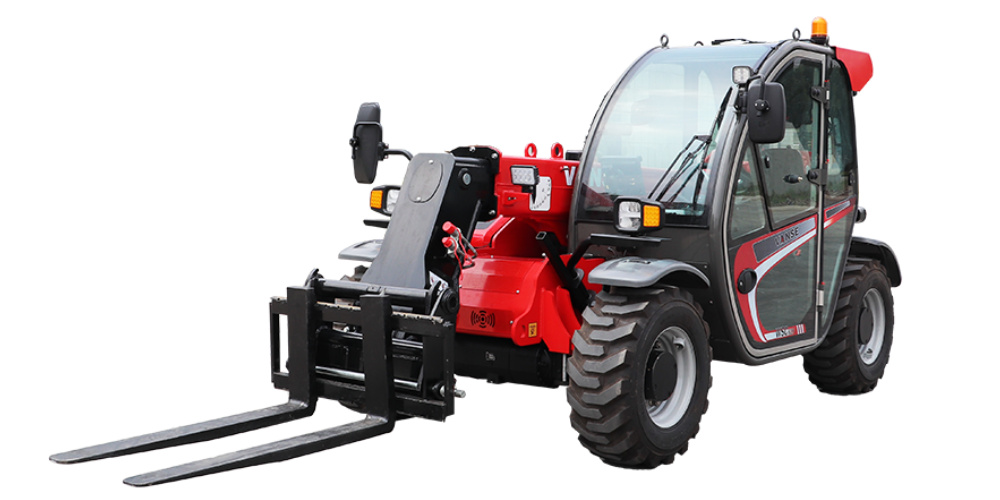
VANSE 625 6m Telescopic Handler
Designed for efficient material handling and stacking in warehouses, factories, and confined job sites, offering compact maneuverability and reliable performance.

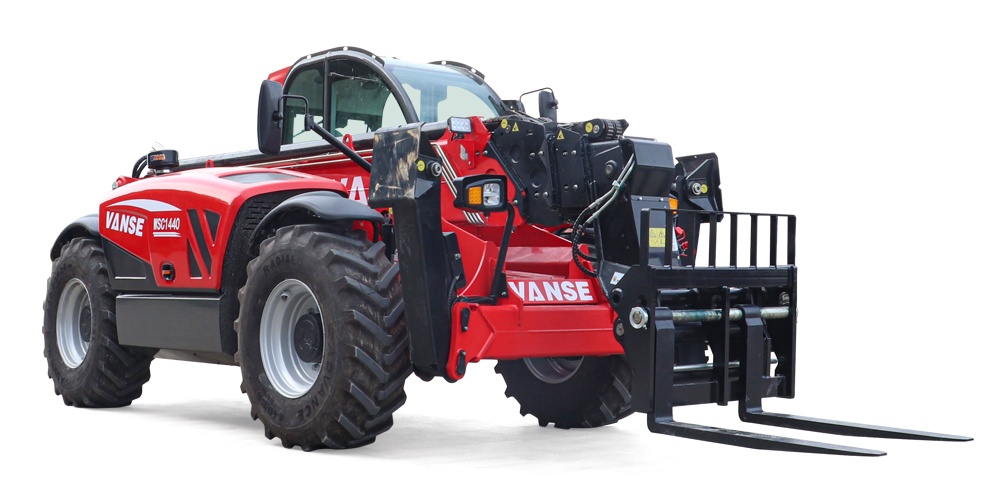
VANSE 735 7m Telescopic Handler
A balanced mid-duty solution for construction, agriculture, logistics, and warehousing, combining stable lifting, strong traction, and everyday versatility.


About the Author:
The VANSE team is a group of experienced professionals specializing in construction machinery research, manufacturing, and technical support. With deep industry knowledge and hands-on experience, our engineers and product specialists share practical insights on equipment selection, operation, maintenance, and industry trends.
Share
You May Also Interest
-

6 November, 2026
Telehandler Transmission Types: Powershift vs Hydrostatic
Learn telehandler transmission types in the United States, compare powershift and hydrostatic systems, and choose the best fit for jobs, fleets, and budgets.
-
5 November, 2026
When to Use a Telehandler Instead of a Standard Forklift
Learn when to use a telehandler in the United States, where it outperforms forklifts, and how to choose the right machine for construction and farm work.
-
4 November, 2026
Telehandler for Precast Concrete Panel Lifting on Sites
Find telehandler precast concrete solutions in the United States, compare suppliers, applications, costs, and buying tips for safer panel lifting on jobsites.
-
3 November, 2026
Compact vs Standard Telehandler: Size Comparison Guide
Compact vs standard telehandler in the United States: compare size, lift capacity, jobsite fit, costs, and supplier options for smarter equipment buying.