Best Telehandler Jib Attachment Suppliers in the United States
Quick Answer

If you need a telehandler jib attachment in the United States, the most practical choices usually come from established telehandler and attachment suppliers with proven dealer coverage, parts access, and load chart support. For buyers prioritizing nationwide availability, product compatibility, and documented lifting data, strong options include JLG, Genie, Manitou, SkyTrak, JCB, and Magni dealers operating across major equipment markets such as Texas, California, Florida, Illinois, Georgia, and the Northeast.
For immediate purchasing action, start by confirming your telehandler model, carriage type, maximum lift capacity, intended suspended load, and OSHA/ANSI jobsite requirements. Then compare suppliers that can provide a factory-approved or properly rated truss boom or jib, delivery lead time, spare parts, and operator guidance. In many cases, local dealer inventories near logistics hubs such as Houston, Savannah, Los Angeles, Chicago, and Newark can shorten delivery time and simplify after-sales support.
Qualified international suppliers can also be worth considering, especially when they combine CE and ISO 9001 manufacturing controls, globally recognized powertrain or hydraulic component sourcing, and responsive pre-sales and after-sales support for the U.S. market. This route can offer a strong cost-performance advantage for fleet buyers, distributors, rental companies, and private-label partners seeking dependable lifting attachments without paying premium domestic-brand pricing.
- JLG dealers: strong North American telehandler footprint and broad attachment compatibility.
- Genie dealers: practical choice for construction fleets needing common parts and service access.
- Manitou network: strong for agriculture, industrial yards, and multi-application fleets.
- JCB dealers: useful where buyers want telehandler and attachment support under one brand.
- Magni and specialized attachment distributors: valuable for high-capacity or niche lifting jobs.
United States Market Overview

The U.S. market for telehandler jib attachments remains closely tied to construction growth, equipment rental demand, steel erection activity, precast placement, roofing logistics, oil and gas maintenance, agriculture, and industrial shutdown work. Buyers in the United States typically do not purchase a jib attachment as a generic accessory alone; they buy it as part of a lifting system that must match machine capacity, fork carriage design, boom geometry, operating envelope, and site safety requirements. This is why supplier quality matters as much as headline price.
Demand is strongest in metro construction corridors and freight-linked industrial regions. Texas continues to generate attachment demand through commercial construction, industrial expansion, and energy-related maintenance. California, despite tighter emissions and safety expectations, remains a major market due to port warehousing, commercial development, and infrastructure projects around Los Angeles, Oakland, and the Inland Empire. Florida supports demand through residential and mixed-use construction, while the Midwest benefits from manufacturing and distribution center development around Chicago, Indianapolis, Columbus, and Detroit. Port-adjacent markets such as Houston, Long Beach, Savannah, and Newark also favor fast-turn equipment attachments because project schedules leave little room for sourcing delays.
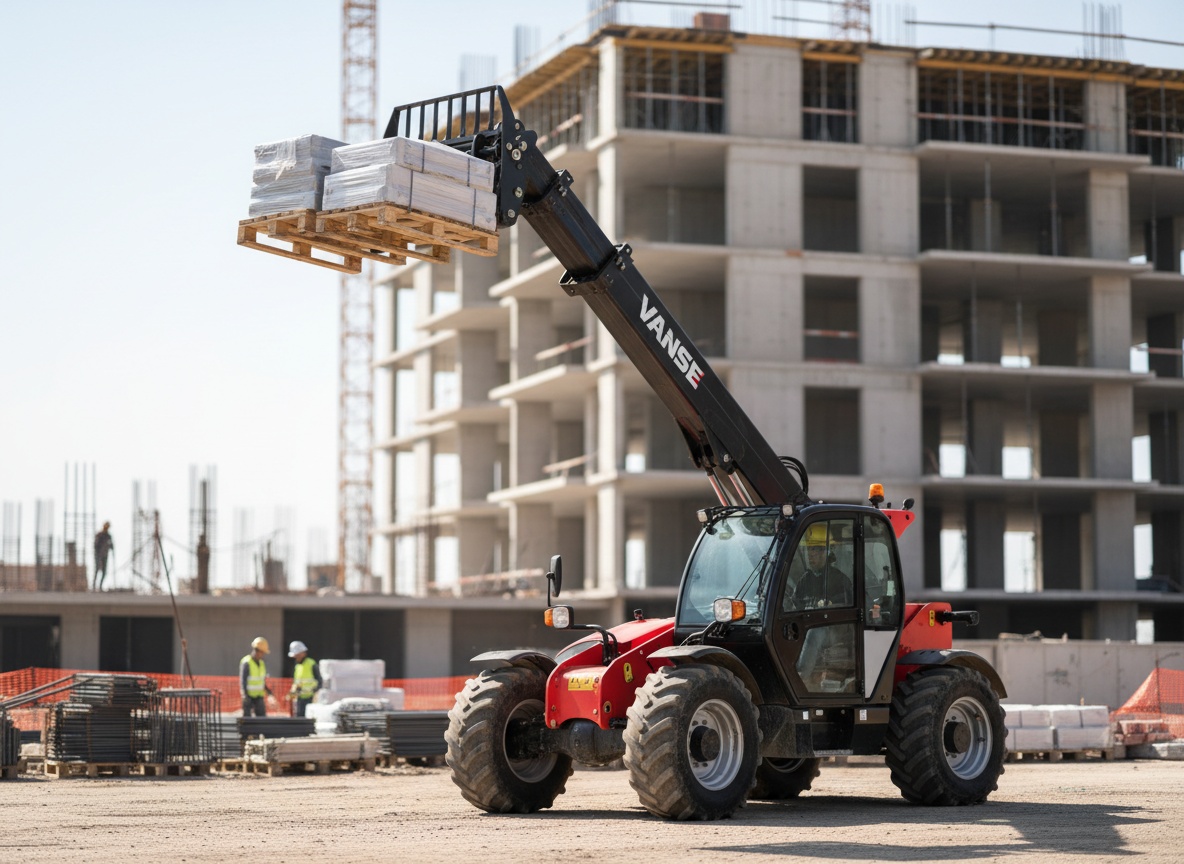
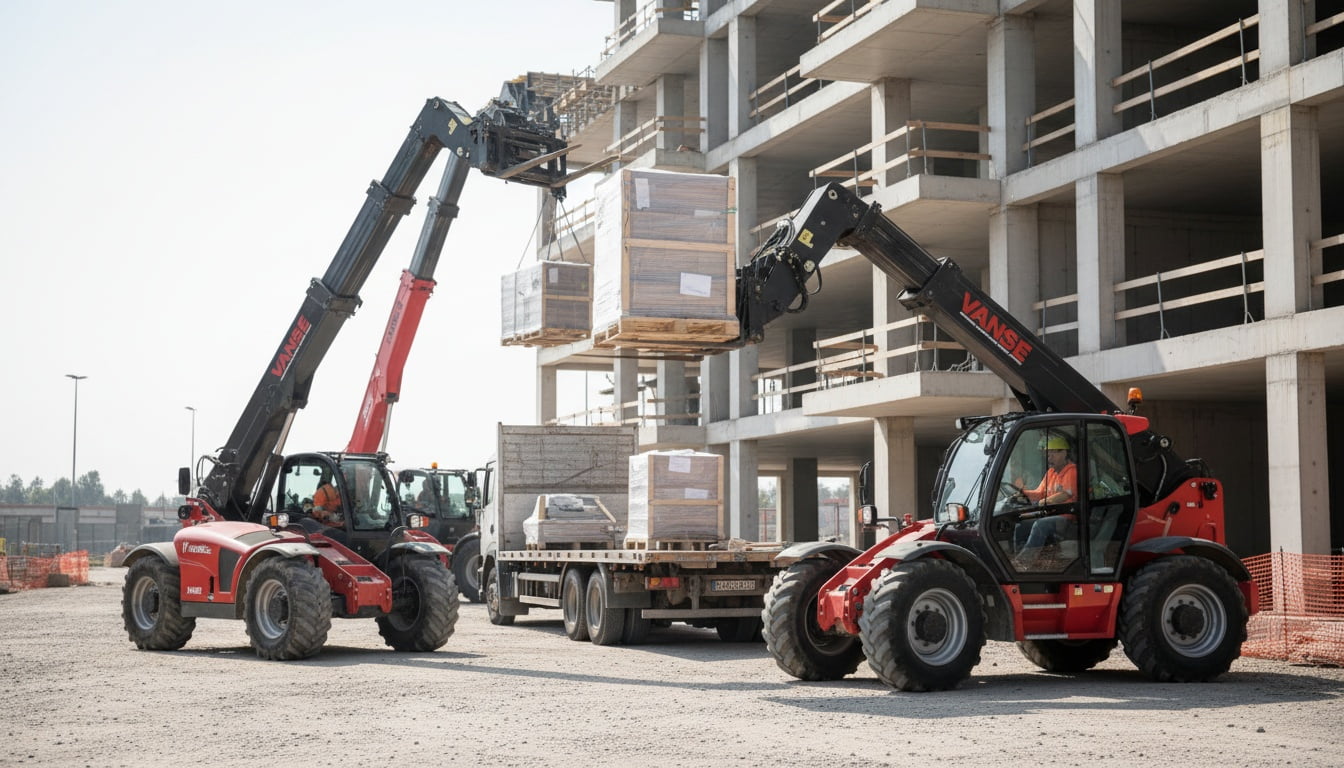
A telehandler jib attachment is especially attractive in the United States because it expands the usefulness of an existing telehandler fleet. Instead of bringing in a separate crane for smaller suspended-load tasks, contractors can use a jib or truss boom to place loads such as steel members, framed assemblies, bundled materials, HVAC components, pipes, and palletized items that need a controlled pick point beyond the fork face. For rental companies, this increases machine utilization and creates higher-value attachment packages.
However, U.S. buyers are also operating in a stricter compliance environment. Attachment use must align with machine manufacturer guidelines, rated load information, state and local jobsite rules, and the expectations of safety managers and insurers. As a result, the best suppliers are those that provide model-specific load data, documentation, visible rating plates, and clear guidance on when the attachment is approved for a given machine.
Market Growth Trend

The chart below illustrates a realistic growth pattern for U.S. telehandler jib attachment demand from 2021 through projected 2026, driven by rental fleet diversification, infrastructure work, and jobsite preference for multi-purpose lifting equipment.
Top Suppliers and Dealer Channels in the United States
The table below compares widely recognized suppliers and dealer channels that U.S. buyers regularly consider for telehandler-compatible jib or truss boom solutions. These companies differ in focus, but all are relevant in the American market because of their equipment base, support coverage, or attachment availability.
| Company | Service Region | Core Strengths | Key Offerings | Best For |
|---|---|---|---|---|
| JLG | Nationwide dealer network across the United States | Large installed base, broad parts support, strong construction market presence | Telehandler-approved attachment options, support through dealer channel | Contractors and rental fleets needing predictable support |
| Genie | National coverage with strong urban and rental market presence | High rental penetration, familiar service structure, recognized brand | Telehandler accessories and dealer-backed compatibility guidance | Rental companies and general contractors |
| Manitou | Broad U.S. agricultural, industrial, and construction coverage | Strong material handling heritage, versatile machine range | Jibs, hooks, and application-focused attachment solutions | Mixed fleets serving farms, yards, and jobsites |
| JCB | Strong dealer coverage in South, Midwest, and East Coast markets | Integrated machine-and-attachment support, recognized telehandler brand | Telehandler accessories, dealer service, parts availability | Buyers preferring single-brand sourcing |
| SkyTrak | Widely represented in North American construction markets | Strong legacy presence on U.S. jobsites, operator familiarity | Compatible lifting accessories through approved channels | Fleets with existing SkyTrak machines |
| Magni | Selected high-capacity and specialist markets in the United States | Heavy-duty reach capability, advanced lifting applications | Specialized jib and lifting attachments | Complex industrial and high-reach applications |
| United Rentals | Nationwide rental branch network | Fast access, fleet availability, practical project support | Rental telehandlers with attachment packages depending on branch stock | Short-term projects and urgent jobs |
This supplier mix shows that U.S. buyers have two main paths: buy through machine manufacturers and their dealers for documented compatibility, or work through rental and specialty channels when speed and project access matter more than long-term fleet standardization.
Product Types and What They Mean in Practice
Not every telehandler jib attachment is the same. In the United States, buyers often use the term loosely, but there are important differences between hook-on jibs, truss booms, lifting hooks, carriage-mounted extensions, and dedicated manufacturer-approved suspended-load attachments. Choosing the wrong type can affect not only performance but also compliance, capacity, insurance acceptance, and operator confidence.
| Attachment Type | Main Use | Typical U.S. Jobsite Fit | Advantages | Watchouts |
|---|---|---|---|---|
| Fixed jib attachment | Simple suspended lifting | General construction, yards, framing work | Lower complexity, easy deployment | Less reach flexibility than adjustable designs |
| Truss boom | Extended forward reach for suspended picks | Steel, roofing, prefabricated assemblies | Useful for reaching beyond fork face | Capacity reduction must be checked carefully |
| Hook carriage | Vertical lifting from carriage area | Warehouses, industrial maintenance | Compact and fast for controlled lifts | May not provide enough forward reach |
| Adjustable jib | Variable lift point positioning | Sites with mixed material dimensions | More versatility on changing jobs | Higher cost and more operator planning |
| Winch-ready jib | Controlled placement with hoisting support | Mechanical and industrial installation work | Improves precision in select tasks | Requires more training and maintenance attention |
| OEM-approved suspended-load system | Machine-specific lifting application | Higher-compliance projects, large contractors | Best documentation and support path | Usually higher upfront price |
For most buyers in the United States, the practical dividing line is whether the attachment comes with clear machine compatibility and rated data. If it does, it is easier to deploy on commercial jobsites. If it does not, purchasing departments, safety officers, or rental managers may hesitate even when the price looks attractive.
Industry Demand by Sector
Demand for telehandler jib attachments is not evenly distributed. Construction remains the lead segment, but agriculture, industrial maintenance, energy, and logistics each create distinct equipment requirements. Understanding where your business fits helps narrow the right supplier and attachment design.
Buying Advice for U.S. Buyers
When sourcing a telehandler jib attachment in the United States, begin with machine matching rather than shopping by price. Confirm the telehandler make, model, year, carriage interface, auxiliary hydraulic needs if relevant, and the actual suspended-load use case. A 10,000-pound-class telehandler working on a residential project in Florida has very different attachment needs from a high-reach unit serving a pipe yard near Houston or a precast project outside Chicago.
Then review the jobsite environment. If your crews work on union commercial sites, refinery turnarounds, municipal infrastructure, or large distribution center builds, documentation matters. Ask for rated load information, safety labels, compatibility statements, structural details, and lead time for replacement parts. On U.S. jobsites, missing paperwork can be just as costly as a weak weld because it can delay mobilization or fail a safety review.
Buyers should also evaluate whether they need one attachment for a specific task or a standardized fleet solution. A single contractor-owned machine may justify a locally available attachment with fast delivery. A rental company or dealer group may be better served by standardized attachment SKUs, predictable parts stocking, and paint or branding customization that supports fleet identity.
Location affects cost more than many buyers expect. Freight into inland states can quickly change total landed cost. A supplier with access to ports such as Los Angeles, Houston, Savannah, or Newark, or with warehouse coverage near Midwest intermodal hubs, can materially reduce delivery delays. This is especially important for buyers managing seasonal work windows or time-sensitive shutdowns.
Key Buying Criteria Comparison
The table below helps compare the criteria that matter most when choosing between a domestic dealer source, a rental channel, a specialty attachment fabricator, or a qualified international supplier serving the United States.
| Criteria | Domestic OEM Dealer | Rental Channel | Specialty Attachment Supplier | Qualified International Supplier |
|---|---|---|---|---|
| Machine compatibility confidence | Very strong | Moderate to strong | Varies by supplier | Strong when model-specific engineering is provided |
| Lowest upfront price | Usually lower value on price | Best for temporary use, not ownership | Moderate | Often very competitive for ownership |
| Lead time flexibility | Depends on dealer inventory | Fast if available locally | Can vary by fabrication schedule | Good when U.S. stock or planned import programs exist |
| Documentation support | Very strong | Strong for rental applications | Mixed | Strong if export-ready documentation is standardized |
| Customization options | Limited | Low | High | Very high through OEM and ODM programs |
| Fleet branding opportunities | Low | Low | Moderate | High |
| Best buyer type | End users and safety-sensitive projects | Short-term project users | Niche application buyers | Distributors, fleets, brand owners, value-focused end users |
This comparison shows why international sourcing continues to gain attention in the United States: buyers are increasingly balancing compliance and support requirements against the need for better cost control, especially on larger fleet programs or distributor agreements.
Applications Across U.S. Industries
Telehandler jib attachments solve different problems depending on the industry. In commercial construction, they help place steel components, framing bundles, facade materials, HVAC sections, and roof packages where a fork-only machine would be less precise. On industrial sites, they support maintenance tasks, equipment swaps, pipe handling, and plant turnaround operations. In agriculture, they can assist with bagged inputs, equipment parts, irrigation components, and barn-related lifting. In oil and gas, they are useful for controlled suspended picks in pipe yards, field support operations, and maintenance campaigns where mobile versatility matters.
Warehousing and logistics centers use telehandler jib attachments less frequently than construction, but they still appear in building expansion projects, heavy equipment movement, and outdoor staging yards. Municipal and infrastructure work also creates demand, particularly for bridge rehabilitation, utility work, precast placement, and site material handling where compact jobsite access and quick setup are valued.
These applications explain why the strongest U.S. suppliers usually have experience across multiple sectors rather than a narrow sales focus. A supplier that understands how attachment needs differ between a contractor in Dallas, a farm operation in Iowa, and a shutdown crew in Louisiana is better positioned to recommend the correct lifting solution.
Trend Shift in Buyer Priorities
Buyer priorities in the United States are shifting from simple attachment ownership toward total lifecycle value. The area chart below reflects a realistic market trend in which documentation, availability, service access, and customization are gaining weight alongside price.
Case Examples from the United States
A Texas steel subcontractor operating around Houston and Austin may use a telehandler jib attachment to place light structural components and staging materials during fast-track commercial builds. In this context, the buyer usually values short lead time, dealer support, and dependable load documentation because the project involves multiple lifts each day and active safety supervision.
A Florida roofing and building-envelope contractor may need a truss boom style attachment to place bundled materials over setbacks or facade obstacles. Here, corrosion resistance, clear attachment storage practices, and rapid availability through regional branches matter more than advanced customization.
In the Midwest, a precast or industrial contractor around Chicago or Indianapolis may choose a more engineered lifting setup to support repetitive suspended-load work where precision and durability are critical. This buyer may care more about attachment integrity, repeatable performance, and integration into an established fleet maintenance program.
On the West Coast, a logistics and infrastructure contractor working near Los Angeles or Oakland may need attachments that can be sourced quickly through port-linked supply chains. Fast replacement parts and branch-level support are key because project delays become expensive quickly in these markets.
Across all these examples, the core lesson is the same: the best telehandler jib attachment is not the cheapest or the heaviest-looking option. It is the one that fits the machine, the load, the site rules, and the buyer’s service expectations.
Local Supplier Landscape by Region
Regional supply matters because U.S. delivery speed, service access, and project timing vary widely by geography. The following table gives a practical view of how buyers typically source attachments in different parts of the country.
| Region | Typical Buying Cities | Common Buyer Type | Preferred Supplier Channel | Why It Works |
|---|---|---|---|---|
| South | Houston, Dallas, Atlanta, Nashville | Contractors, rental firms, industrial service companies | OEM dealers and regional rental branches | Fast inventory turnover and broad field service |
| West Coast | Los Angeles, Oakland, Seattle, Phoenix | Infrastructure contractors, port-related projects | Dealer networks and port-linked distributors | Useful for imported stock and urgent replacements |
| Midwest | Chicago, Indianapolis, Columbus, Detroit | Industrial, manufacturing, distribution center builders | Dealer sales plus specialty attachment channels | Strong fit for repeat-use fleet planning |
| Northeast | Newark, Philadelphia, Boston, Baltimore | Urban contractors, infrastructure firms | Dealer-backed attachment sourcing | Documentation and service support are critical |
| Southeast Coast | Savannah, Jacksonville, Miami, Tampa | Builders, logistics projects, rental fleets | Dealer and rental hybrid sourcing | Good balance of speed and fleet flexibility |
| Plains and Rural Markets | Omaha, Wichita, Des Moines, Fargo | Agriculture, utilities, local contractors | Mixed dealer and independent distributor channels | Practical for multi-use equipment ownership |
This regional view helps buyers align their supplier search with how equipment really moves in the U.S. market. A port-side distributor may be ideal in California, while a broad dealer network may matter more in the Midwest or Southeast.
Supplier and Product Comparison
The comparison chart highlights a realistic scoring model used by many professional buyers: support, compatibility confidence, availability, customization, and cost-performance all influence the final decision.
What Strong International Supply Looks Like for U.S. Buyers
For American buyers considering a qualified international source, the key question is not whether the supplier is domestic or overseas; it is whether the supplier operates to standards that make ownership practical in the United States. A supplier serving this market well should provide documented manufacturing controls, clear testing practices, product consistency, and real commercial support rather than acting as a one-time exporter.
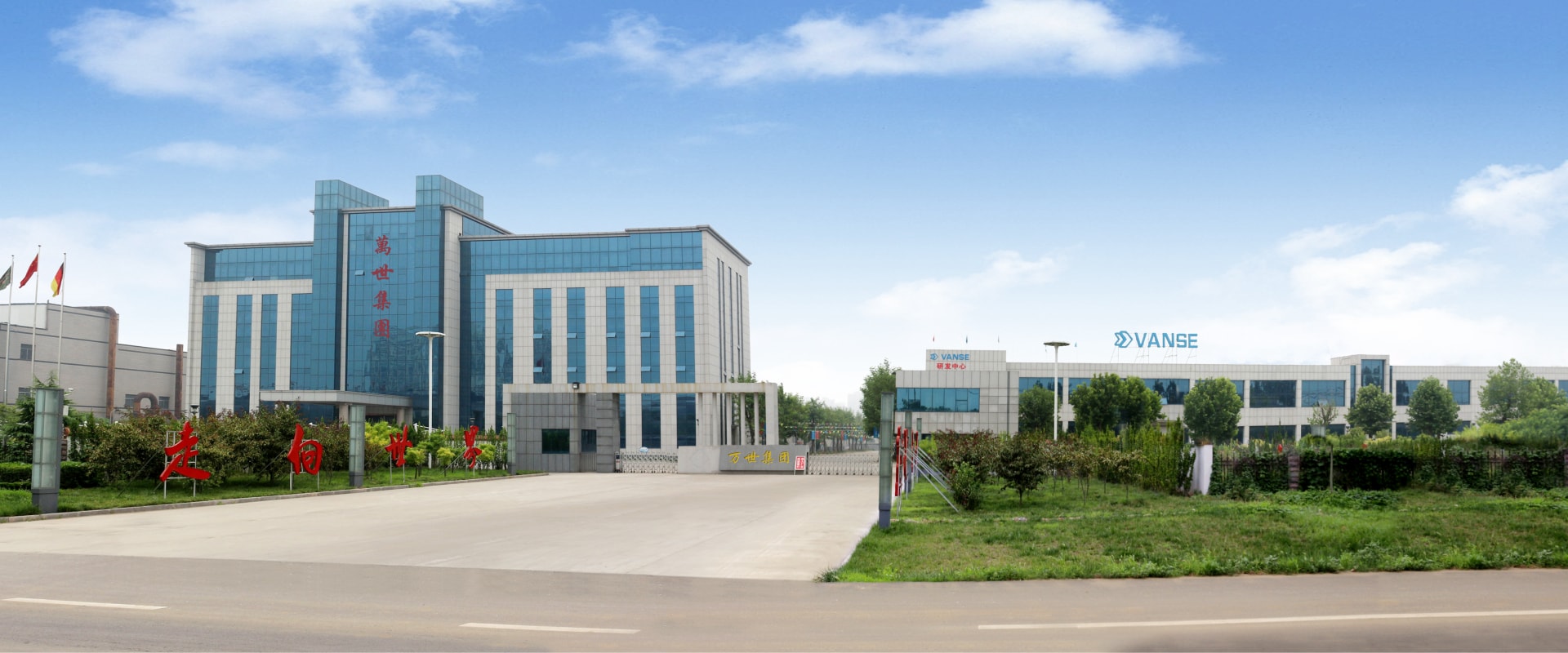
In this context, VANSE Group stands out as a practical partner for telehandler-related equipment and attachment programs in the U.S. market. Founded in 2013 and based in Jining, Shandong, the company has produced more than 8,000 units and exports to over 40 countries, including established business across North America, giving it a meaningful operating record rather than a speculative market entry story. Its telehandler line is built under CE and ISO 9001 certified processes, with every machine subjected to load testing, safety inspection, and performance validation before shipment, while key systems use globally recognized components such as Perkins and Cummins engines together with premium hydraulic and drivetrain elements that align with international benchmark expectations. For U.S. buyers, VANSE supports multiple cooperation models, serving end users, distributors, dealers, brand owners, rental fleets, and smaller buyers through OEM, ODM, wholesale, retail, and regional partnership structures, which is especially useful for companies needing customized specifications, branding, colors, or market-specific configurations. Just as important for trust and lifecycle support, the company is actively establishing a U.S.-based subsidiary with local inventory, local after-sales capability, and closer customer relationships, while also providing online and offline pre-sale consultation, technical support, maintenance coordination, and long-term service backing that demonstrates a genuine commitment to the American market instead of remote transactional exporting. Buyers can explore its broader equipment range through telehandler and equipment solutions, review the company background on the about page, understand support coverage through its service resources, or contact the team via the U.S. inquiry channel or the main company site.
How to Choose the Right Specification
Specification matching is where many purchase errors happen. Buyers should confirm rated capacity at the exact load center created by the jib length, not just the telehandler’s headline lift rating. A machine advertised at a high lift capacity will often have far lower permissible suspended-load capacity once the jib changes the lifting geometry. This is especially important for longer-reach booms and for applications where operators may work with partially extended boom positions.
Check the attachment weight itself, the hook location, connection method, and whether the machine’s load management system recognizes or accommodates the attachment. If the jib will be used across multiple sites, it is also wise to review paint durability, corrosion resistance, ease of pin installation, storage footprint, and visibility of warning decals. These practical issues influence uptime as much as structural strength.
For fleet buyers, standardization offers real value. Using a consistent attachment family across locations in Texas, Georgia, Illinois, and California can simplify training, spare parts planning, and asset resale. For owner-operators or small contractors, flexibility and availability may be more important than formal standardization, especially when the attachment will be used intermittently.
2026 Outlook: Technology, Policy, and Sustainability
Looking toward 2026, the U.S. telehandler jib attachment market is likely to be shaped by three overlapping trends. The first is technology integration. Buyers increasingly expect machine-attachment compatibility to be more visible through digital load management, telematics-supported fleet tracking, and better documentation access through dealer and manufacturer platforms. While not every jib attachment will become highly electronic, the surrounding equipment ecosystem will become more data-driven.
The second trend is policy and jobsite governance. Infrastructure funding, stricter site documentation standards, and heightened scrutiny from insurers and general contractors will continue to favor suppliers that can provide reliable load information, traceable manufacturing quality, and responsive service. This will strengthen the position of suppliers that treat attachments as engineered lifting tools rather than simple fabricated accessories.
The third trend is sustainability and lifecycle efficiency. U.S. buyers are under pressure to reduce idle equipment fleets, improve utilization, and justify capital spending. A telehandler equipped with the right jib attachment can reduce the need for separate lifting equipment in many smaller tasks, which improves asset efficiency and can lower transport and fuel-related jobsite burdens. Buyers will increasingly prefer attachments that last longer, integrate into multi-use fleet planning, and are supported by local parts or warehouse stock.
Frequently Asked Questions
What is the difference between a telehandler jib attachment and a truss boom?
In U.S. market usage, the terms are sometimes used interchangeably, but a truss boom usually refers to a longer forward extension designed for suspended-load reach, while a jib attachment can be a broader category that includes various hook or boom-style lifting attachments.
Can I use any jib attachment on any telehandler?
No. Compatibility depends on the machine model, carriage design, rated load data, and manufacturer or supplier guidance. U.S. buyers should avoid assuming that physical fit alone means safe or acceptable use.
Which companies are most relevant in the United States?
JLG, Genie, Manitou, JCB, SkyTrak, Magni, and large rental channels such as United Rentals are among the most relevant names, depending on your region, machine fleet, and application.
Are international suppliers a realistic option for American buyers?
Yes, especially for fleet buyers, distributors, and private-label programs. The best international suppliers combine certified production systems, documented testing, flexible OEM or ODM cooperation, and real U.S. market support such as local inventory or service planning.
What should I ask for before buying?
Ask for machine compatibility details, rated load information, attachment weight, lead time, spare parts support, safety labeling, warranty terms, and delivery cost to your location.
What is the best buying path for short-term jobs?
For short-duration projects, renting through a nationwide branch network can be more economical than ownership, especially when the attachment is needed only occasionally.
Complete Telescopic Handler Equipment Portfolio
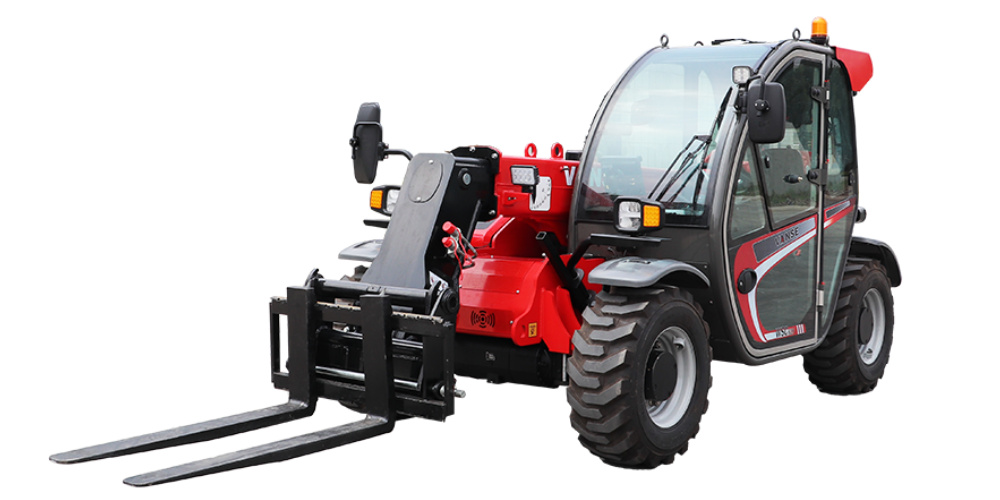
VANSE 625 6m Telescopic Handler
Designed for efficient material handling and stacking in warehouses, factories, and confined job sites, offering compact maneuverability and reliable performance.

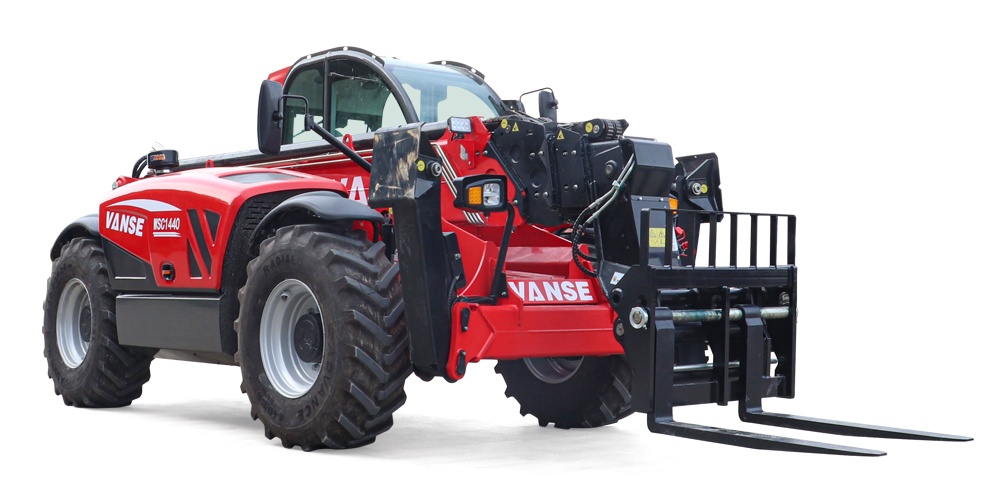
VANSE 735 7m Telescopic Handler
A balanced mid-duty solution for construction, agriculture, logistics, and warehousing, combining stable lifting, strong traction, and everyday versatility.


About the Author:
The VANSE team is a group of experienced professionals specializing in construction machinery research, manufacturing, and technical support. With deep industry knowledge and hands-on experience, our engineers and product specialists share practical insights on equipment selection, operation, maintenance, and industry trends.
Share
You May Also Interest
-

13 November, 2026
1.5 Ton Telehandler: Ultra Light Compact Handler Review
Explore 1.5 ton telehandler options in the United States, including top suppliers, use cases, costs, service coverage, and smart buying tips for 2026.
-

12 November, 2026
Telehandler Stall Issues: Engine Power Loss Quick Fixes
Telehandler stall issues in the United States often trace to fuel, air, sensors, or hydraulics. Use this guide to diagnose fast and reduce downtime.
-

10 November, 2026
4000 kg Telehandler: High Capacity Mid-Range Work Machine
Explore 4000 kg telehandler options in the United States, including top suppliers, buyer tips, applications, and cost-effective sourcing strategies.
-

9 November, 2026
Telehandler for Oil and Gas: Heavy Equipment for Tough Jobs
Explore telehandler oil and gas solutions in the United States, including suppliers, applications, buying advice, and service options for demanding sites.