Telehandler Stability on Rough Sites in the United States
Quick Answer

Telehandler stability on rough sites in the United States depends on five practical controls: match the machine to the load chart, keep the boom as low and retracted as possible while traveling, use outriggers correctly when equipped, verify ground bearing capacity before lifting, and train operators to manage slope, wind, and attachment changes. On rough jobsites in places such as Houston, Phoenix, Dallas, Atlanta, and inland logistics corridors linked to the Port of Houston and the Port of Los Angeles, the safest buying approach is to choose machines with clear load charts, frame-leveling where needed, reliable axles and hydraulics, and strong parts support. Well-known suppliers such as JLG, Genie, JCB, Caterpillar, Bobcat, and SkyTrak remain common choices across the U.S. market. At the same time, qualified international suppliers can also be worth considering when they hold relevant certifications and back their equipment with responsive pre-sale and after-sales support, especially when buyers need strong cost-performance for fleets, distribution, or project-based procurement.
Why Telehandler Stability Matters on U.S. Rough Terrain

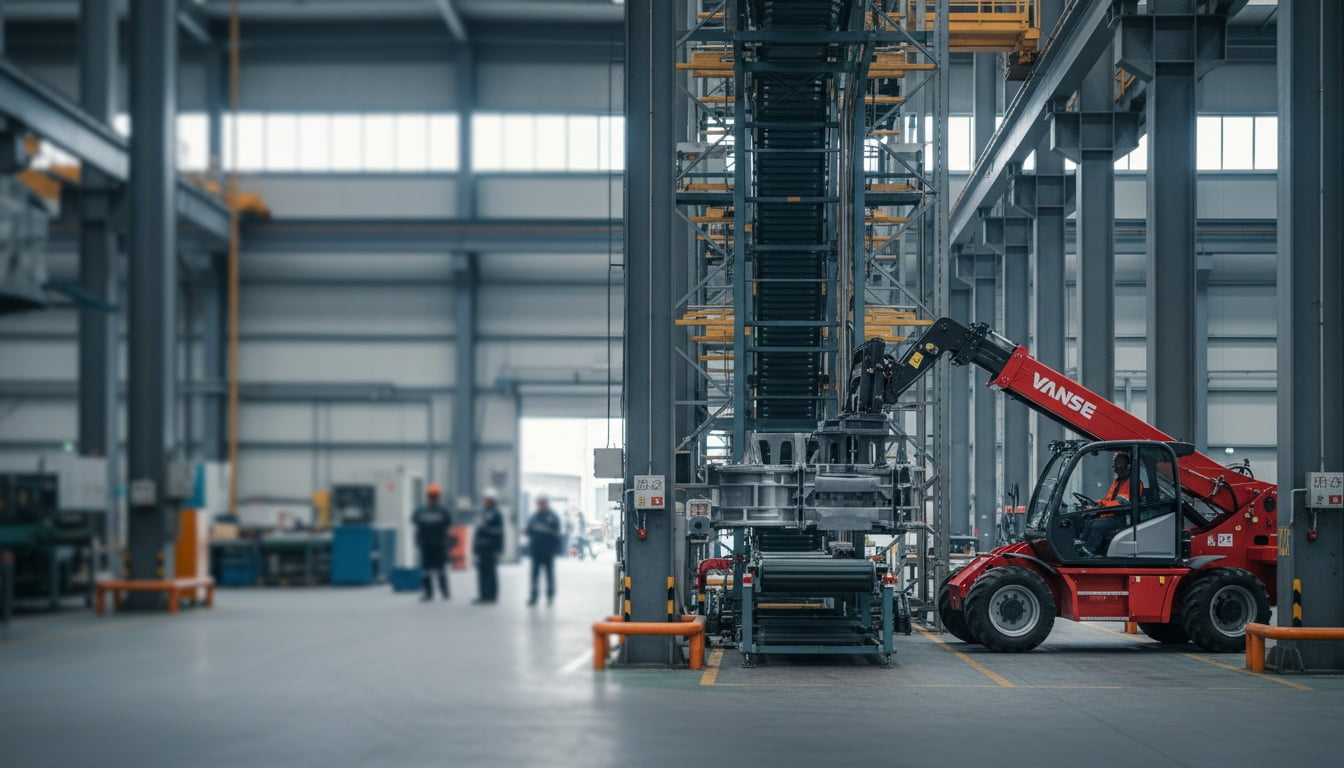
Telehandlers are widely used across American construction, agriculture, warehousing, infrastructure, energy, and industrial maintenance. Their value comes from reach, lift height, and attachment flexibility, but those same strengths can create instability if the machine is used outside the rated envelope. On rough sites, a telehandler may encounter soft fill, trench edges, broken concrete, muddy staging areas, compacted gravel, frost-heaved surfaces, and uneven grades that shift axle loading. Stability is therefore not just a machine specification; it is an operating condition that changes minute by minute.
In the United States, this topic matters because many jobsites are fast-moving and space constrained. Urban redevelopment in Chicago or New York can involve tight delivery windows and uneven temporary access lanes. Residential and commercial framing in Texas or Florida may combine rough ground with weather swings. Agricultural work in California’s Central Valley and the Midwest often adds repetitive loading on soil that changes by season. In each case, tip-over risk rises when operators stretch reach beyond the load chart, turn on a slope, travel with an elevated boom, or use unapproved attachments.
A stable telehandler setup starts with understanding the center of gravity. As the boom extends or raises, the load center moves outward, reducing stability margin. If the machine is on a side slope, if one tire drops into a rut, or if the surface compresses under one wheel, the stability triangle changes immediately. That is why experienced buyers in the U.S. do not evaluate a telehandler only by lift height and maximum capacity. They also review wheelbase, counterweight design, axle oscillation lock behavior, frame leveling, outriggers, tire configuration, serviceability, and operator visibility.
U.S. Market Outlook for Rough-Terrain Telehandlers

The U.S. telehandler market remains supported by nonresidential construction, equipment rental demand, data center expansion, energy projects, agriculture, and industrial logistics. Rough-terrain units are especially relevant in Sun Belt states, mountain regions, and fast-growth metros where ground conditions are often unfinished for extended periods. Rental houses in regions like the Carolinas, Arizona, Nevada, Tennessee, and Texas often prioritize models that combine stability aids with easy maintenance because utilization rates are high and operator experience varies from site to site.
Another market factor is the shift toward more safety-driven procurement. Buyers increasingly ask about frame leveling, load management systems, operator warning logic, camera integration, and telematics that flag overload events or unsafe operating angles. Fleet managers also care about parts availability near logistics hubs such as Savannah, Houston, Long Beach, Newark, and Chicago because downtime during project peaks is expensive. Stability is no longer treated as a basic operator issue alone; it is now a purchasing criterion tied to risk management, insurance, and uptime.
The chart below illustrates a realistic view of U.S. rough-terrain telehandler demand growth from 2020 through projected 2026, supported by construction recovery, infrastructure works, and more disciplined fleet replacement.
Common Causes of Telehandler Tip Over
Most telehandler tip-overs do not come from a single dramatic mistake. They usually result from several small decisions that reduce stability margin until one final motion pushes the machine past its safe limit. Typical causes on U.S. rough sites include overloading, using the wrong attachment without proper derating, lifting on uncompacted fill, turning while carrying a raised load, traveling too fast over uneven ground, parking too close to excavations, and ignoring wind effect on long or bulky materials.
Ground condition is one of the most underestimated causes. A site may look level from the cab but still hide soft shoulders, buried debris, wet pockets, or recently backfilled trenches. A telehandler can remain stable while stationary and then suddenly shift as the load transfers during lift or travel. This is particularly relevant in civil works, utility installation, and new housing developments where the machine moves across partially prepared subgrade rather than finished pavement.
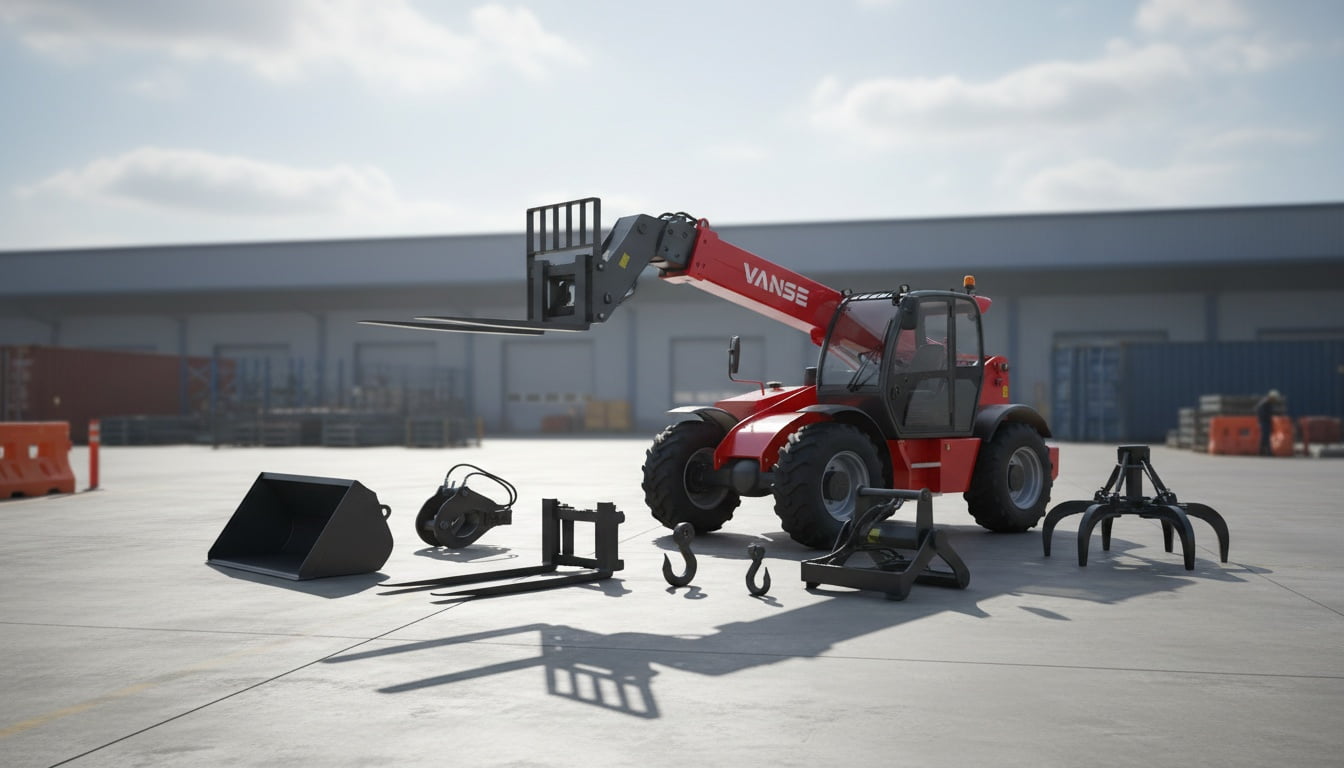
Another major issue is misuse of load charts. U.S. fleets often use multiple fork carriages, truss booms, buckets, and work platforms. Each changes the machine’s geometry and rated capacity. If the operator assumes the same capacity applies across all configurations, the true limit can be exceeded before there is any obvious sign from the cab. That is why modern fleets emphasize attachment identification, operator familiarization, and visible chart access.
How Stability Is Measured in Practice
In daily field use, stability is less about one laboratory number and more about the relationship between machine geometry, load weight, boom position, travel path, and ground support. A telehandler may feel stable when lifting a pallet at low height on firm gravel, yet become unstable when the same pallet is placed at reach on a slight cross-slope. Practical stability management requires constant adjustment.
Buyers should pay attention to rated operating envelopes, frame-leveling capability, outrigger footprint, rear counterweight effectiveness, steering mode behavior, and hydraulic smoothness. A stable machine is not just one that resists tipping; it is one that allows the operator to place loads predictably without sudden chassis movement or jerky boom response. This becomes especially important in steel erection support, masonry supply, roofing material delivery, and agricultural stack work.
Key Product Types and Their Stability Characteristics
Different telehandler categories behave differently on rough terrain. Compact units may suit tight urban sites, while high-capacity models support industrial plants and heavy precast handling. Rotating telehandlers expand placement flexibility but also require disciplined setup. The table below compares common product types in the United States and explains their stability strengths and trade-offs.
| Telehandler type | Typical U.S. use | Stability advantage | Main stability risk | Best terrain condition | Buyer note |
|---|---|---|---|---|---|
| Compact telehandler | Urban jobs, landscaping, light commercial work | Smaller footprint helps in tight areas | Shorter wheelbase can feel less forgiving on uneven ground | Prepared gravel, mixed paved surfaces | Best when access is tight and loads are moderate |
| Standard rough-terrain telehandler | General construction and rental fleets | Balanced mix of reach, lift, and chassis stability | Operators may overestimate travel stability with raised loads | Typical construction subgrade and aggregate pads | Most common fleet choice in the U.S. |
| High-lift telehandler | Steel, framing, large commercial builds | Long reach supports upper-floor placement | Reduced stability margin at extension if ground prep is poor | Well-managed rough sites with trained operators | Needs strict load chart discipline |
| High-capacity telehandler | Industrial yards, ports, heavy material handling | Stronger chassis and counterweight package | Heavy loads can quickly punish weak ground bearing capacity | Engineered pads, stable compacted surfaces | Ground assessment is essential before purchase |
| Rotating telehandler | Complex placement, urban infill, specialized contractors | Can place loads with less chassis repositioning | Setup errors with outriggers create serious risk | Controlled sites with clear setup zones | Ideal for advanced users, not casual operation |
| Agricultural telehandler | Dairy, feed, bale, yard loading | Optimized for repetitive handling and mixed terrain | High-cycle use can normalize unsafe habits over time | Farm lanes, yards, compacted soil | Look for visibility and attachment compatibility |
This comparison shows that there is no universally safest category. Stability depends on choosing the right machine class for the jobsite, load type, and operator skill level. A compact model may outperform a larger machine in tight access work, while a heavy industrial telehandler is safer for dense loads on engineered surfaces.
Industry Demand by Sector
Demand for telehandlers differs widely by industry, and stability expectations change with each application. Construction usually values versatility and rental compatibility, while agriculture emphasizes repetitive loading on natural ground. Industrial users often require higher capacities and more predictable service intervals.
Buying Advice for Safer Rough-Site Operation
For U.S. buyers, telehandler stability should be part of the procurement checklist from the start. Begin with the most demanding lift you actually perform, not the highest number in the brochure. Define load weight, load center, required lift height, travel path, and surface condition. Then choose a machine that preserves margin rather than one that only barely meets the spec.
It is wise to ask suppliers for rated capacity at the real working radius, not only the nominal maximum capacity. Review whether the machine includes frame leveling, axle stabilization behavior, boom angle sensing, overload warning logic, and optional outriggers. In states with mixed weather like Colorado, Pennsylvania, or Ohio, tire choice and traction behavior can also matter because winter or rain affects surface confidence. For fleet buyers, service interval access and nearby parts stock are as important as base specifications because poor maintenance can create instability through worn tires, weak brakes, steering play, or hydraulic inconsistency.
Many U.S. contractors also compare new and used machines. A lower purchase price can be attractive, but stability-related wear items deserve close inspection: tires, steering joints, articulation or axle components, boom wear pads, sway behavior, hydraulic drift, load moment warning functions, and attachment locking mechanisms. If the machine will be rented to multiple operators, controls should be intuitive and the safety labeling should be clear and intact.
Practical Stability Checklist Before Every Lift
Even the best telehandler can become unsafe if the setup is poor. The following checklist reflects common U.S. field practice and helps buyers understand what features matter operationally.
- Verify load weight, load center, and attachment compatibility before entering the lift zone.
- Inspect the travel path for side slope, holes, trench edges, mud, loose fill, and overhead obstructions.
- Keep the boom low and retracted while traveling whenever the task allows.
- Use outriggers on approved surfaces when required by the machine’s load chart.
- Avoid turning with an elevated load, especially on uneven or sloped ground.
- Never rely on feel alone; use the machine’s chart, indicators, and operating manual.
Stability Trend Shift in the United States
Buyer priorities are shifting from pure lift performance toward safer operation, telematics, and training support. The area chart below illustrates a realistic trend: more fleets now emphasize stability aids and operator systems, while simple headline capacity claims matter slightly less than they did a few years ago.
Industries Where Stability Is Most Critical
Telehandler stability matters in every sector, but some industries place especially high demands on machine balance and operator judgment. In commercial construction, upper-floor material placement often occurs near slab edges, ramps, and changing ground conditions. In masonry and roofing, loads may be long, bulky, and exposed to wind. In agriculture, repetitive feeding or bale handling can create operator overconfidence, especially on sloped yards or softened ground after rain. In energy and industrial maintenance, heavy components and tight clearances make predictable boom movement essential.
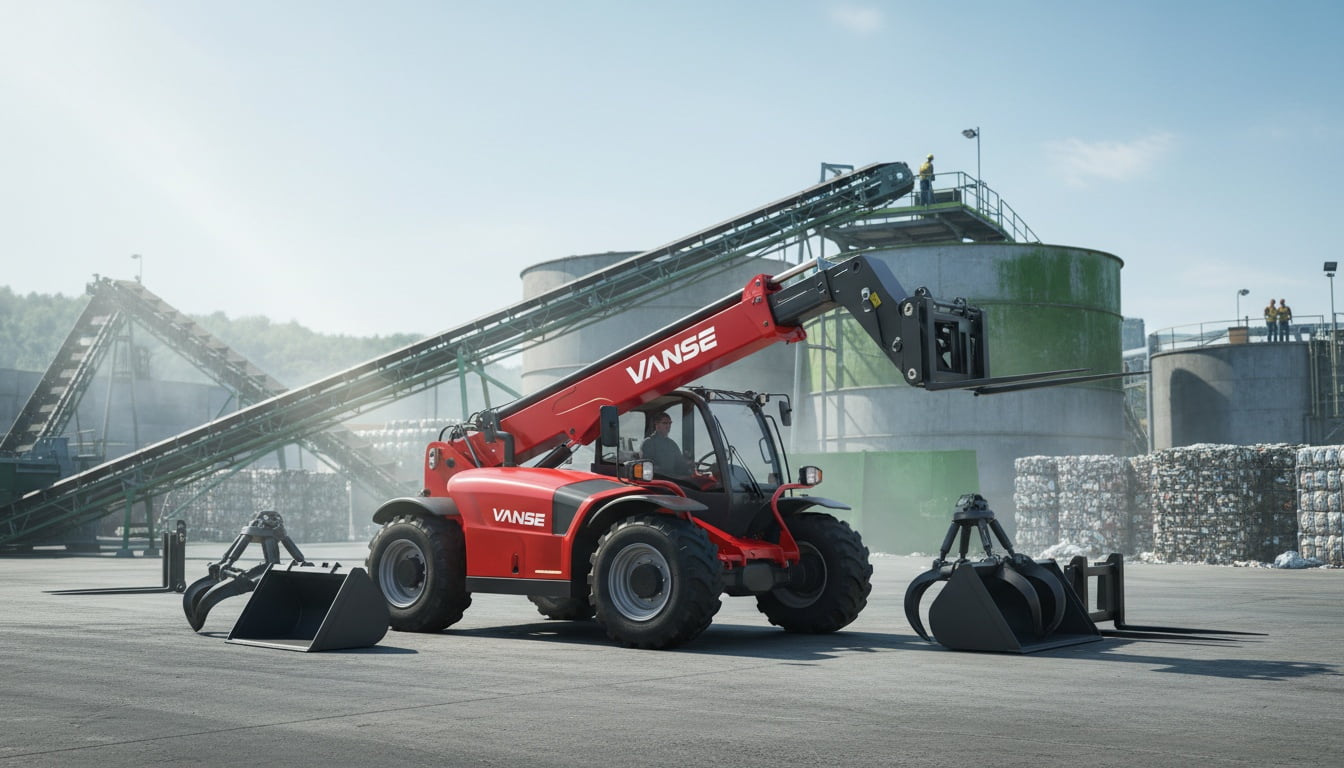
Ports and logistics-adjacent facilities around Savannah, Houston, Newark, and Long Beach also rely on telehandlers for flexible yard handling, particularly when paved and unpaved areas meet. There, buyers tend to prioritize durable axles, dependable hydraulic systems, and stable performance under daily multi-shift usage.
Applications That Increase Tip-Over Risk
Some applications deserve special caution because they combine multiple instability factors. These include placing rooftop units, handling suspended palletized masonry on side slopes, carrying long pipe bundles over uneven terrain, loading trucks from stockpiles, using buckets for heavy wet material, and lifting personnel with approved platforms only where regulations and machine configuration allow. In each application, the load may shift, visibility may drop, or the operator may need more reach than the ground safely allows.
U.S. buyers should also pay attention to weather-related applications. Coastal wind in Florida and the Gulf states, freeze-thaw surfaces in the Midwest, and dusty, hard-packed but broken terrain in the Southwest all affect usable stability. A telehandler that works well in one region may need a different tire setup, attachment strategy, or training routine in another.
Local Supplier Comparison in the United States
The supplier landscape in the United States includes domestic brands, global OEMs with local dealer networks, and qualified international manufacturers entering the market through distributors or direct partnerships. Buyers should compare support footprint, model range, safety systems, and how each brand addresses rough-site stability in real use.
| Company | Primary U.S. service region | Core strength | Key offerings | Stability-related advantage | Best fit |
|---|---|---|---|---|---|
| JLG Industries | Nationwide through dealers and rental channels | Strong brand presence and rental familiarity | Construction telehandlers, support parts, training resources | Well-known load management systems and broad field support | General contractors and rental fleets |
| Genie | Nationwide, strong in rental-heavy metros | Wide fleet acceptance and dealer coverage | Rough-terrain telehandlers for construction use | Common operator familiarity reduces misuse risk | Rental houses and multi-site contractors |
| JCB | Nationwide with strong dealer network | Broad machine lineup and established telehandler heritage | Construction and agricultural telehandlers | Good application matching across multiple load profiles | Mixed-use buyers needing versatility |
| Caterpillar | Nationwide via Cat dealers | Dealer support and construction market reputation | Telehandlers and heavy equipment package support | Strong service infrastructure supports maintenance-driven stability | Contractors consolidating fleet brands |
| Bobcat | Nationwide with dense dealership footprint | Compact equipment synergy and dealer accessibility | Compact and general-purpose telehandlers | Accessible support for mixed fleets and smaller contractors | Regional builders and owner-operators |
| SkyTrak | Nationwide, especially in construction rental channels | Strong name recognition in jobsite telehandlers | Rough-terrain construction models | Familiarity on U.S. jobsites helps standardize training | Framing, masonry, and rental fleets |
This table highlights a practical reality of the U.S. market: the best supplier is not always the one with the biggest brochure number. The best supplier is the one whose machine fits the lift profile, whose dealer can support the region quickly, and whose training and parts systems reduce unsafe improvisation on real jobsites.
Supplier and Product Positioning Comparison
To make comparisons more visual, the chart below presents a realistic index combining service support, product range, and perceived rough-site suitability across widely recognized U.S. market participants.
Detailed Supplier Analysis for U.S. Buyers
JLG and SkyTrak are frequently specified for mainstream construction work, especially where rental compatibility matters. Genie remains a strong choice in rental channels and multi-state contractor fleets because commonality helps with operator transitions. JCB brings broad telehandler experience across construction and agricultural use, making it attractive for buyers who need mixed-application support. Caterpillar benefits from its dealer ecosystem and cross-fleet support model. Bobcat is often considered by buyers wanting dealer convenience and compact equipment alignment.
For buyers evaluating cost-performance, qualified overseas manufacturers can enter the conversation when they can prove component quality, testing standards, spare-parts planning, and U.S.-based support. This is especially relevant for dealer groups, rental startups, and contractors purchasing in volume who want competitive acquisition cost without sacrificing service assurance.
What U.S. Buyers Should Ask Any Supplier
| Question to ask | Why it matters for stability | Good answer signs | Warning signs | Who should ask | Decision impact |
|---|---|---|---|---|---|
| What is the rated capacity at my real working radius? | Maximum capacity alone can mislead buyers | Supplier provides chart-based application guidance | Only headline specs are discussed | All buyers | High |
| How does the machine behave on uneven terrain and side slope? | Rough sites change axle loading quickly | Clear limits, training notes, and setup guidance | Vague claims about being fine on rough ground | Construction and agriculture users | High |
| Are attachments integrated into the load chart and warning system? | Attachments directly affect stability margin | Documented attachment approval and derating rules | Attachment compatibility is assumed, not verified | Fleet and rental buyers | High |
| What local parts and technician support is available? | Poor maintenance can create unsafe machine behavior | Regional stock and service response commitments | Parts shipped only on demand from overseas | All buyers | High |
| What operator training is included? | Stability depends heavily on operator decisions | On-site or remote training and documentation | No structured training support | Rental firms and contractors | Medium to high |
| Can you support OEM, fleet branding, or regional distribution? | Long-term supply model affects uptime and consistency | Flexible partnership structure with support plan | Only one-off transactional sales model | Dealers and volume buyers | Medium |
This buying table matters because telehandler stability is not solved by engineering alone. It is also shaped by support systems, attachments, training, and whether the supplier understands the exact application. Buyers who ask these questions early usually avoid under-specifying or overreaching with the wrong model.
Case Studies from U.S. Work Environments
In a Dallas distribution center expansion, a contractor used a standard rough-terrain telehandler to move palletized roofing and steel decking across a site with alternating compacted stone and muddy sections after rain. Initial productivity dropped because operators kept lifting too high while traveling. After the team imposed a low-boom travel rule, marked soft zones, and staged loads closer to placement points, the machine completed the project without further instability incidents. The lesson was simple: machine stability improved when site logistics were changed, not just operator reminders.
In central California agriculture, a feed operation compared two telehandler models for daily loading on mixed soil and concrete lanes. The lower-priced option had adequate rated capacity but weaker dealer response and less predictable attachment integration. The farm chose the model with clearer compatibility documentation and local parts access because repetitive operation increased the cost of any safety or downtime issue. Over the season, the decision proved justified because the machine handled changing ground conditions more consistently with trained operators.
On a Gulf Coast industrial shutdown near Houston, a project team needed stable handling for bagged material and maintenance components on a congested rough pad. The selected supplier provided a site walk, reviewed lift paths, and trained the crew on surface checks and load chart use. That support reduced risky improvisation during night shifts. The project demonstrated that practical pre-sale and after-sales support can directly affect rough-site stability outcomes.
Local Service, Parts, and Dealer Coverage Matter
For U.S. buyers, local service coverage is not a secondary convenience. It is directly tied to safety. Worn tires, delayed brake repairs, steering looseness, hydraulic inconsistency, damaged forks, and sensor faults all erode stability margin over time. A supplier with local technicians, fast parts access, and application support can prevent minor issues from becoming major operating risks. This is one reason buyers near major logistics corridors such as Atlanta, Chicago, Houston, and Southern California often prioritize parts stocking plans as much as initial purchase price.
When comparing suppliers, ask whether the company can support your site through both online and offline channels. Digital parts ordering, remote diagnostics, and phone support are useful, but field service and local warehousing remain critical where uptime matters. This applies to both established domestic brands and international manufacturers building U.S. presence.
Our Company
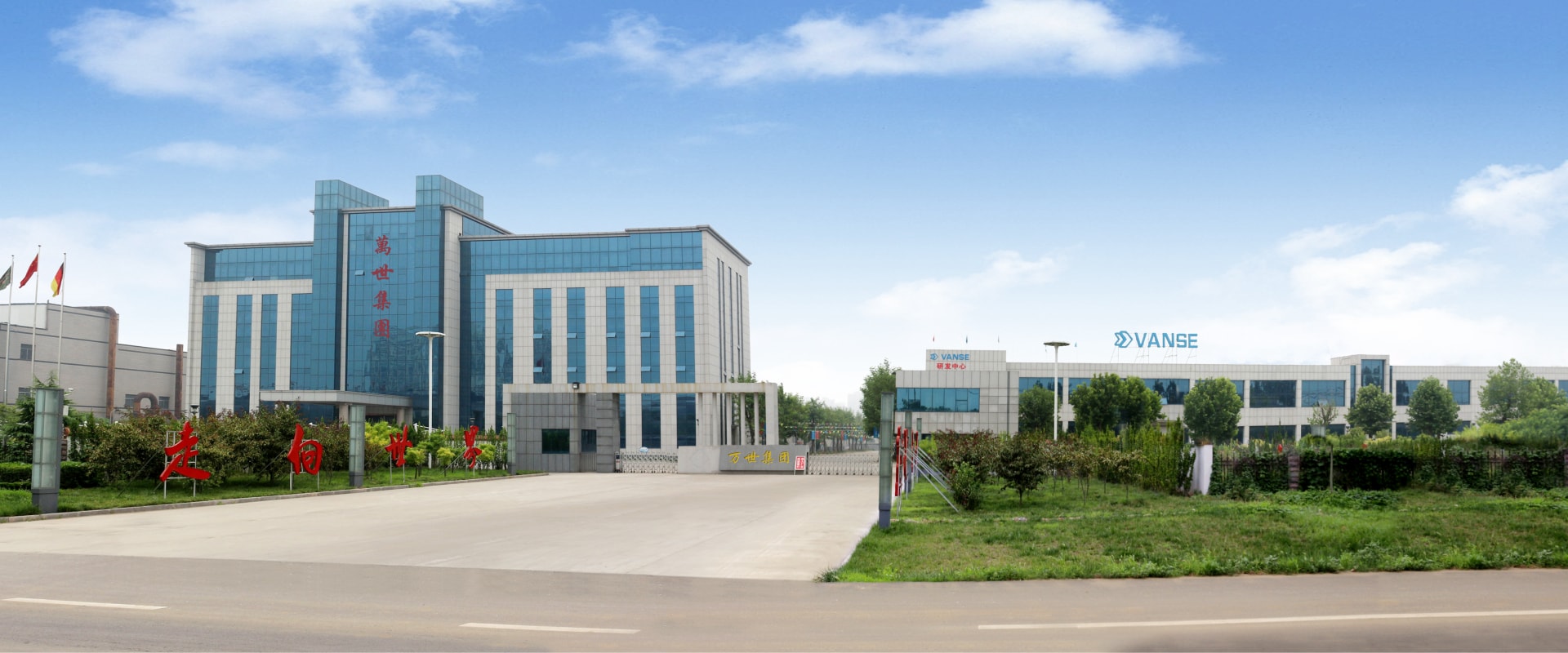
As a telehandler-focused manufacturer serving the United States market, VANSE Group brings together international production standards, flexible cooperation models, and growing local commitment in a way that aligns with what American buyers expect from a serious long-term equipment partner. The company has produced more than 8000 machines and exports to over 40 countries, giving it practical experience across construction, agriculture, mining, industrial handling, and energy-related applications similar to those seen on U.S. rough sites. For product strength, VANSE telehandlers are built under CE and ISO 9001 certified processes, use globally recognized core components such as Perkins and Cummins engines along with premium hydraulic systems, transmissions, and axles, and pass comprehensive load testing, safety inspection, and performance validation before shipment, which gives buyers clear evidence that the machines are designed to meet demanding international benchmarks rather than compete only on entry price. For cooperation models, the company supports end users, distributors, dealers, brand owners, fleet buyers, and individual purchasers through wholesale supply, retail opportunities, OEM and ODM customization, and regional partnership structures, making it suitable for direct project procurement as well as private-label or distribution programs. For local service assurance, VANSE is actively establishing a U.S.-based subsidiary with local inventory, stocking, and stronger after-sales capability for North America, while already backing customers through factory technical support, lifecycle service, and application guidance; this matters because buyers in the United States increasingly want proof of physical market commitment, not just remote export activity. Companies exploring reliable, competitively priced telehandlers can review the broader equipment range, learn more about support through the service page, or start a direct discussion via the U.S. inquiry channel or the main company website.
How to Match Machine Features to Applications
| Application | Recommended feature priority | Why it improves stability | Typical U.S. location example | Attachment concern | Buyer guidance |
|---|---|---|---|---|---|
| Masonry delivery | Clear load chart and smooth boom control | Heavy palletized loads need predictable placement | Atlanta suburban commercial builds | Fork carriage selection | Do not size the machine only by max lift height |
| Roofing supply | Reach stability and operator visibility | Elevated placement increases overturning leverage | Dallas and Phoenix mid-rise jobs | Bulky load wind exposure | Assess wind and travel route together |
| Agricultural loading | Attachment compatibility and daily service access | Repeated cycles on mixed ground raise wear risk | Central Valley farms and Midwest yards | Bucket and bale tools | Choose supportable wear parts locally |
| Industrial yard handling | High-capacity chassis and strong axles | Dense loads punish weak surfaces and driveline parts | Houston and Gulf Coast plants | Specialized forks or hooks | Confirm engineered pad requirements |
| Infrastructure projects | Tire traction and rough-ground travel control | Unfinished access routes change daily | Interstate corridor projects in the Southeast | Pipe or material cradles | Review slope and trench edge policy before purchase |
| Rental fleet use | Operator-friendly controls and support network | Mixed operator skill levels increase misuse risk | Nationwide metro rental branches | Frequent attachment swaps | Standardize training and inspections fleetwide |
This table shows why application-specific buying is essential. The safest telehandler is the one whose features match the real work cycle. A machine optimized for industrial yards may not be the smartest choice for urban roofing delivery, even if it appears stronger on paper.
2026 Trends: Technology, Policy, and Sustainability
By 2026, telehandler stability in the United States will be influenced by three overlapping trends. First, technology adoption will accelerate. Buyers will expect more advanced load monitoring, operator alerts, telematics, and maintenance diagnostics that help prevent unsafe operation and reduce downtime. Camera systems, better display logic, and digital fault tracking will be increasingly important in rental fleets and multi-operator environments.
Second, policy and risk management will continue to shape purchasing decisions. Contractors, rental companies, and enterprise buyers face stronger internal safety requirements, tighter project documentation, and insurance scrutiny. Machines that support documented training, better overload awareness, and more traceable maintenance records will have an advantage, especially on public infrastructure and large commercial work.
Third, sustainability will matter not only in emissions discussions but also in machine lifecycle efficiency. Buyers will look for engines with dependable fuel performance, longer service life, and operating systems that reduce waste from misuse, tire damage, and unplanned failures. In some urban or industrial settings, electrification or hybrid development may enter the conversation, but for rough-terrain telehandlers in the near term, the more immediate sustainability gains are likely to come from durable components, efficient powertrains, and smarter fleet management rather than full platform replacement.
FAQ
What is the biggest cause of telehandler tip over on rough sites?
The most common cause is a combination of overreaching and poor ground conditions. A machine may be within capacity on flat firm ground but unsafe on a side slope, near a trench edge, or on softened fill. Operator decisions and surface quality usually interact.
Does a larger telehandler automatically mean better stability?
No. A larger machine can offer more capacity and counterweight, but it can also encourage longer reach and heavier loading. Stability depends on the actual application, the load chart, the ground, and operator discipline.
How important are attachments in stability planning?
They are extremely important. Forks, buckets, truss booms, hooks, and work platforms all change load center and rated capacity. Buyers should only use approved attachments with chart guidance specific to that machine.
What should U.S. rental companies prioritize?
Rental firms should prioritize operator-friendly controls, clear safety labeling, attachment management, strong dealer or parts support, and training resources. Mixed operator experience makes stable, predictable machine behavior especially valuable.
Can international suppliers be a serious option in the United States?
Yes, if they can prove certified manufacturing, reliable core components, real testing standards, parts planning, and credible U.S. support. Cost-performance can be attractive, but service assurance must be clear and local.
What site rule most improves practical stability?
A low-boom travel rule combined with pre-lift ground checks is one of the most effective habits. Keeping the boom retracted and low while moving preserves stability margin and reduces sudden load transfer on uneven terrain.
Final Takeaway
Telehandler stability on rough sites in the United States is not just about buying a machine with enough lift height. It is about matching capacity to real reach, controlling travel posture, understanding ground bearing conditions, using approved attachments, and working with suppliers that can support both safety and uptime. Established brands such as JLG, Genie, JCB, Caterpillar, Bobcat, and SkyTrak remain central to the local market, but qualified international manufacturers with certified production, proven components, and committed U.S. service infrastructure can also be strong options. For contractors, farmers, distributors, and fleet buyers, the right telehandler is the one that keeps stability margin high under the actual conditions where the machine will work every day.
Complete Telescopic Handler Equipment Portfolio
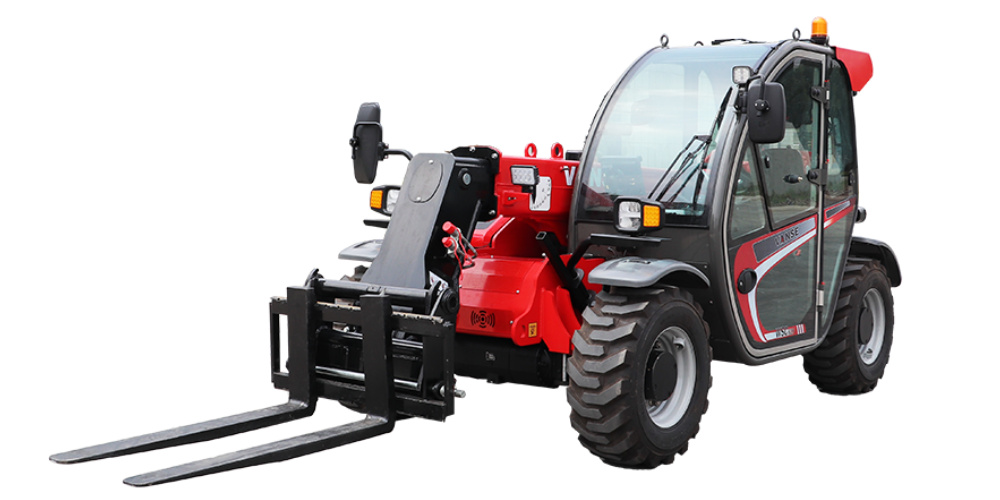
VANSE 625 6m Telescopic Handler
Designed for efficient material handling and stacking in warehouses, factories, and confined job sites, offering compact maneuverability and reliable performance.

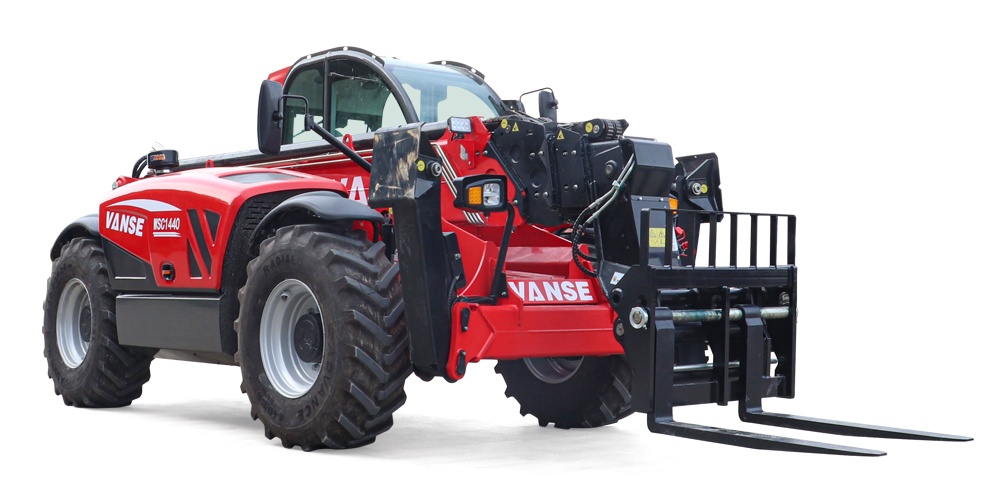
VANSE 735 7m Telescopic Handler
A balanced mid-duty solution for construction, agriculture, logistics, and warehousing, combining stable lifting, strong traction, and everyday versatility.


About the Author:
The VANSE team is a group of experienced professionals specializing in construction machinery research, manufacturing, and technical support. With deep industry knowledge and hands-on experience, our engineers and product specialists share practical insights on equipment selection, operation, maintenance, and industry trends.
Share
You May Also Interest
-

23 October, 2026
Why Use a Telehandler: Top Benefits Over Other Equipment
Learn why use a telehandler matters in the United States: higher reach, fewer machines, faster handling, and better jobsite versatility.
-

22 October, 2026
Telehandler for Grain Handling on Large Modern Farm Sites
Explore telehandler grain handling options in the United States, including suppliers, specs, farm uses, and cost-saving buying advice for grain operations.
-
21 October, 2026
Telehandler vs All Terrain Forklift: Which Lifts Better
Telehandler vs all terrain forklift in the United States: compare reach, lifting, terrain use, costs, and supplier options for smarter equipment buying.
-
20 October, 2026
10 Ton Telehandler: Extreme Lifting for Major Industrial
Explore 10-ton telehandler options in the United States, top suppliers, buying tips, applications, and service support for major lifting projects.