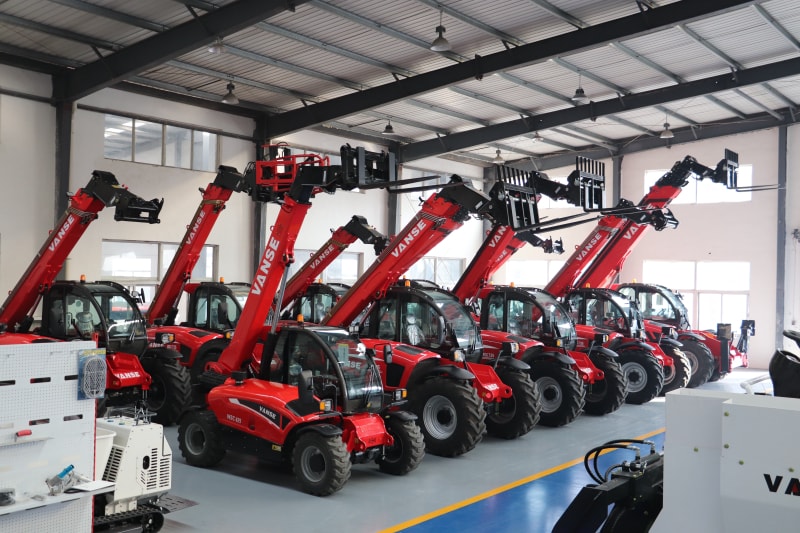
Telehandler Specifications Guide for Buyers in the United States
Quick Answer

If you need to compare telehandler specifications in the United States quickly, focus first on five factors that most directly affect cost, productivity, and jobsite fit: rated lift capacity, maximum lift height, forward reach, machine width and turning radius, and engine plus hydraulic performance. For local buyers, the most recognized suppliers with broad U.S. relevance include JLG, Genie, JCB, Bobcat, Caterpillar, and Skyjack, each offering different strengths in construction, agriculture, rental, and industrial handling. Buyers in markets such as Houston, Dallas, Chicago, Atlanta, Los Angeles, Savannah, and the Inland Empire should also review local dealer coverage, parts response time, and attachment compatibility before choosing a model.
A practical shortlist for immediate comparison is JLG for rental-friendly fleets, Genie for broad parts availability, JCB for strong agriculture and construction crossover, Bobcat for compact equipment familiarity, Caterpillar for contractor confidence, and Skyjack for straightforward maintenance. Qualified international suppliers can also be worth serious consideration, especially when they carry recognized certifications, use globally trusted engines and driveline components, and offer solid pre-sale and after-sale support in the United States. This is especially true when cost-performance is a priority and the supplier can support local inventory, technical communication, and long-term service commitments.
Why Telehandler Specifications Matter in the United States

In the United States, telehandlers are purchased for highly varied environments, from commercial construction in Phoenix and Miami to dairy operations in Wisconsin, warehouse yards near the Port of Los Angeles, infrastructure work around Houston, and material supply depots near Newark and Savannah. That range of use means a telehandler cannot be selected by lift height alone. A machine that performs well on a concrete slab may be poorly suited for mud, slopes, or confined urban jobsites. Likewise, a machine with strong paper specifications may underperform if hydraulic flow is too low for the attachments actually used by the operator.
American buyers typically compare telehandler specs to reduce total cost of ownership, match OSHA-conscious operating practices, and protect uptime during peak construction or harvest seasons. Specifications determine whether a machine can place palletized block at upper floors, move hay bales efficiently, handle pipe or trusses safely, or switch between bucket, forks, jib, and work platform attachments without productivity loss. For rental companies, equipment managers also look closely at ease of operator onboarding, common parts, and whether machines hold value in secondary markets.
The U.S. market increasingly rewards telehandlers that balance power, compact dimensions, visibility, emissions compliance, and dependable service backing. This is one reason why equipment comparisons now include not only domestic and European brands but also qualified international manufacturers that have improved component selection, manufacturing quality, and localized service readiness.
How the U.S. Telehandler Market Is Evolving

Demand for telehandlers in the United States has remained tied to commercial building, distribution center expansion, infrastructure renewal, agriculture modernization, and equipment rental fleet refresh cycles. Regions with strong logistics and construction activity, including Texas, Florida, California, Georgia, and the Midwest manufacturing belt, tend to generate the steadiest demand. Telehandlers are especially favored when contractors need one machine to serve multiple roles on a changing site.
Three forces are shaping purchase decisions. First, labor pressure is pushing contractors toward machines that reduce manual handling and support fast attachment changes. Second, uptime expectations are rising, so buyers are asking more questions about filters, axles, hydraulic seals, parts lead times, and diagnostic support. Third, fleet owners are more disciplined about specification matching. Overbuying a large telehandler increases fuel use and carrying cost, while underbuying creates safety and productivity risks.
The following market growth chart shows a realistic illustration of estimated U.S. telehandler demand growth over recent years.
Core Telehandler Specifications to Compare
When evaluating telehandler specifications, buyers should understand how each major spec affects real operating conditions. Rated lift capacity is the starting point, but it is only meaningful when read together with load chart performance at height and reach. A machine may be rated for a strong maximum lift close to the chassis yet have much lower safe capacity when the boom extends forward. This matters for loading second-story framing materials, placing brick packs, or feeding materials over barriers.
Maximum lift height determines upper placement capability, but forward reach often decides whether work can be completed without repositioning the machine. On crowded U.S. jobsites where access lanes are tight, reach can improve efficiency significantly. Engine power should also be reviewed alongside torque curve, cooling performance, and compliance with local operating expectations. Hydraulic flow and pressure matter if the telehandler will power buckets, grapples, augers, or other attachments. Machine weight, axle configuration, ground clearance, and tire type influence stability and flotation, especially on farms, road projects, and undeveloped land.
Cab design is another practical specification. Visibility, climate control, joystick response, camera systems, seat comfort, and intuitive controls affect both safety and operator acceptance. U.S. buyers increasingly factor in maintenance access as a specification too, because easy ground-level service checks can reduce downtime in rental and contractor fleets.
| Specification | Why It Matters | Best Use Cases | Typical Buyer Concern |
|---|---|---|---|
| Rated Lift Capacity | Sets maximum lifting ability near the machine and influences class size | Pallets, masonry, feed, pipe, bundled material | Confusing max capacity with usable capacity at reach |
| Maximum Lift Height | Determines vertical placement on multistory or stacking jobs | Commercial builds, roofing, warehouse stacking | Buying more height than the job really requires |
| Forward Reach | Reduces repositioning and improves access over obstacles | Framing, loading over trenches, agriculture sheds | Not checking load chart limits at full reach |
| Hydraulic Flow | Supports attachment speed and multifunction performance | Buckets, grapples, sweepers, auxiliary tools | Assuming all attachments run well on any model |
| Machine Dimensions | Affects access, trailer transport, and yard maneuverability | Urban sites, indoor facilities, rental fleets | Ignoring width and turning radius constraints |
| Ground Clearance and Tires | Improves mobility and stability on rough terrain | Farms, pipe yards, early-stage construction sites | Selecting road-oriented tires for soft ground |
| Service Access | Reduces inspection time and speeds routine maintenance | Rental fleets, contractor fleets, dealer service networks | Overlooking daily upkeep requirements |
This table helps translate specification sheets into operating realities. A buyer comparing only brochure numbers can miss important differences in practical output, especially in U.S. environments where one machine may rotate between masonry support, lumber handling, and yard logistics in the same week.
Main Telehandler Types in the U.S. Market
The American market includes several telehandler categories. Compact telehandlers are used where access is limited, especially on smaller builds, landscaping support, equestrian properties, nurseries, and municipal sites. Mid-size fixed-boom telehandlers are the most common all-rounders for general construction, agriculture, and rental fleets. Heavy-capacity models serve infrastructure, precast yards, ports, mining support, and large industrial plants where loads are denser and space is less restricted.
Rotating telehandlers are also gaining visibility in higher-value applications, especially when contractors need crane-like flexibility combined with telehandler mobility. These are more expensive and often require more specialized operator training, but they can reduce machine count on premium urban or façade jobs. High-flow attachment-focused models are increasingly preferred by buyers who need year-round utilization from one platform.
| Telehandler Type | Typical Capacity Range | Typical Lift Height | Common U.S. Applications | Key Advantage |
|---|---|---|---|---|
| Compact Fixed Boom | 5,000 to 6,000 lb | 16 to 20 ft | Landscaping, barns, small sites, nurseries | Fits tighter spaces and easier transport |
| Mid-Size Fixed Boom | 6,000 to 10,000 lb | 19 to 44 ft | General construction, rental, farms | Best balance of reach, cost, and versatility |
| Heavy-Capacity Fixed Boom | 10,000 to 26,000 lb | 36 to 56 ft | Industrial yards, infrastructure, ports | Handles dense materials and larger loads |
| High-Reach Construction Models | 8,000 to 12,000 lb | 44 to 56 ft | Multistory framing, cladding, roofing | Excellent upper-floor placement |
| Agriculture-Oriented Models | 5,500 to 9,000 lb | 17 to 30 ft | Feed, bales, grain sites, livestock operations | Strong visibility and frequent attachment use |
| Rotating Telehandlers | 8,000 to 15,000 lb | 55 to 100 ft | Urban builds, façade work, specialized lifting | 360-degree flexibility and reduced repositioning |
The table shows why there is no single best telehandler. The right class depends on how often the machine will work on uneven ground, the density of material handled, and whether the buyer wants high utilization across industries or a more specialized setup.
Industry Demand by Use Sector
Demand in the United States varies strongly by sector. Construction remains the largest telehandler segment, but agriculture continues to support stable year-round sales and used equipment turnover. Rental companies remain powerful market shapers because they influence standardized specification packages and resale values.
Buying Advice for U.S. Equipment Managers and Contractors
Good buying decisions begin with a job audit. List the heaviest load, the highest placement point, and the farthest forward placement distance required at your busiest sites. Then check the load chart rather than the headline rating. For many U.S. buyers, the best machine is not the one with the largest brochure capacity but the one that safely handles the most common loads with room for attachment use and future tasks.
Ask dealers or suppliers how quickly they can support filters, hoses, wear items, and technical troubleshooting in your state. A strong machine without parts backup near your region can become expensive very quickly. Buyers near Gulf Coast ports such as Houston and New Orleans, East Coast hubs such as Savannah and Newark, or inland logistics centers such as Memphis and Kansas City often compare total landed cost and service path together. Imported machines can be very competitive if the supplier has organized stocking, local response, and clear warranty procedures.
It is also smart to compare operator comfort and maintenance time. A telehandler that saves only fifteen minutes per shift in pre-checks, cab setup, and attachment changes can deliver meaningful annual savings across a fleet. Finally, think about resale. Mid-range specification classes generally maintain the broadest secondary market appeal in the United States.
Applications Across U.S. Industries
Telehandlers are used far beyond simple pallet lifting. In commercial construction, they place drywall packs, roofing bundles, window units, and scaffold material. In agriculture, they move feed, seed pallets, silage coverings, round bales, and manure buckets. In industrial yards, they support loading, unloading, and line-side material staging. On infrastructure sites, they handle rebar, concrete forms, barriers, and utility materials.
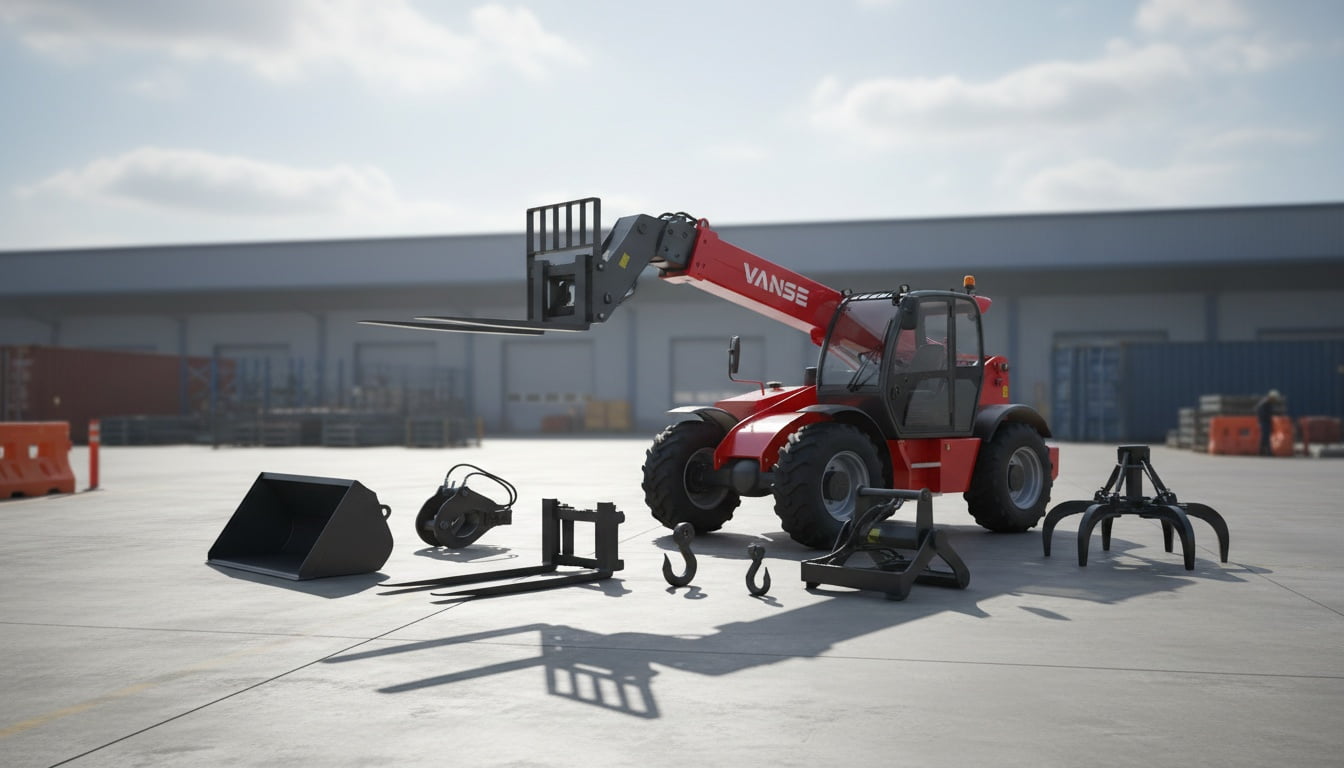
Because many U.S. buyers need one machine to work year-round, attachment flexibility is often as important as base machine specifications. Fork carriages, buckets, truss booms, bale handlers, grapple buckets, sweepers, and work platforms extend telehandler value. This is why hydraulic capacity, coupler compatibility, and boom stability under attachment load should all be checked during procurement.
How Specification Priorities Are Shifting
Compared with earlier buying cycles, more U.S. customers now prioritize serviceability, attachment performance, and operator features instead of raw engine output alone. Fleet owners also pay closer attention to fuel efficiency, machine diagnostics, and telematics compatibility. Rental houses especially prefer straightforward designs that reduce training time and simplify field repairs.
Case Studies from Typical U.S. Buying Scenarios
A commercial contractor in Dallas choosing between a 6,000 lb and 8,000 lb telehandler often discovers that the lighter unit is sufficient for framing materials and palletized supplies, but only if forward reach and attachment compatibility match the job sequence. If roof trusses and denser masonry bundles are frequent, the larger model may prevent site bottlenecks. In this case, the right answer comes from the load chart and task mix, not from the cheapest initial quote.
A dairy operator in Wisconsin may value low-speed control, visibility, bucket cycle performance, and cab comfort more than extreme lift height. For that buyer, hydraulic response and daily maintenance access become more important than a high-rise construction feature set. Meanwhile, a rental company in Atlanta often prefers a mainstream specification package with familiar controls, robust tires, and fast parts turnover to maximize utilization across mixed customers.
At a building materials yard near the Port of Savannah, buyers often compare local dealer brands with imported alternatives that can lower acquisition cost. In these cases, availability of regional parts stock, warranty handling, and technical training often determine whether a nontraditional brand becomes a strong long-term option.
Leading Telehandler Suppliers Relevant to the United States
The supplier landscape in the United States includes established domestic and international brands with varying strengths in rental, agriculture, contractor fleets, and specialized material handling. The table below is designed to help buyers compare concrete options rather than generic brand categories.
| Company | Service Region in the United States | Core Strengths | Key Offerings | Best Fit Buyer |
|---|---|---|---|---|
| JLG | Nationwide dealer and rental network | Strong rental acceptance, proven construction reputation, broad support coverage | Mid-size and high-reach telehandlers, attachments, fleet support | Rental companies, large contractors |
| Genie | Nationwide with strong urban and rental presence | Recognized access equipment brand, easy fleet integration, wide dealer familiarity | Construction telehandlers and common attachment packages | Rental fleets, general contractors |
| JCB | Broad U.S. dealer footprint, strong in agriculture and construction corridors | Balanced product range, agriculture crossover, operator-focused design | Compact to mid-heavy telehandlers for farm and site work | Mixed-use owners, farms, contractors |
| Bobcat | Nationwide dealership network | Brand familiarity in compact equipment, good fit for smaller fleets | Compact and mid-size telehandlers, attachment ecosystem | Contractors, property operations, smaller rental fleets |
| Caterpillar | Strong dealer support in major U.S. markets | Brand confidence, contractor reach, integrated fleet relationships | Selected telehandler models through dealer channels | Contractors already buying Cat equipment |
| Skyjack | Nationwide through equipment channels and rental relationships | Simple maintenance philosophy, rental-friendly design | Construction telehandlers and standardized fleet models | Rental fleets, cost-conscious contractors |
| Manitou | Strong presence in agriculture and specialty handling markets | Deep telehandler specialization, broad application knowledge | Agriculture, construction, and rotating telehandler lines | Farm buyers, specialized lifting users |
This table is useful because supplier choice in the United States is not just about machine quality. Dealer depth, training availability, and parts response strongly affect real ownership cost. Buyers should compare both machine specification and service geography before final selection.
Supplier and Product Comparison Factors
Beyond brand awareness, procurement teams should compare supplier programs in a structured way. This includes warranty clarity, response time expectations, OEM attachment support, financing flexibility, operator training, telematics readiness, and support for multistate fleets. A supplier with slightly lower resale value may still deliver a better return if purchase price, attachment bundle, and service terms are stronger.
Local Supplier Evaluation Checklist
If you are sourcing telehandlers in the United States, ask every supplier the same set of practical questions. Where are parts stocked? How many technicians cover your state or metro area? What are normal lead times for filters, hoses, boom wear pads, and axle components? Which attachments are tested and supported by the supplier? What are the warranty exclusions? Can they train your operators and service team? These questions often reveal more than marketing language.
| Evaluation Item | Why It Matters in the U.S. | What Good Looks Like | Warning Sign |
|---|---|---|---|
| Regional Parts Stock | Reduces downtime during busy season | Stock in the U.S. with predictable shipping | All parts shipped case by case from overseas |
| Dealer or Service Coverage | Determines repair response time | Named technicians or partner support in your region | No clear local service arrangement |
| Load Chart Transparency | Prevents unsafe or misleading capacity assumptions | Clear charts for height and forward reach | Only headline capacity is promoted |
| Attachment Compatibility | Improves year-round utilization | Documented coupler and hydraulic compatibility | Unclear auxiliary flow details |
| Warranty Process | Protects ownership cost and trust | Written claim procedure and parts handling rules | Vague promises with no service workflow |
| Operator and Service Training | Supports safer operation and lower repair mistakes | Onsite or online support with documentation | No training after delivery |
| Total Landed Cost | Shows real purchase economics | Machine, freight, setup, parts, and support clarified | Low quote but hidden freight and service gaps |
This checklist is especially helpful when comparing local legacy brands with emerging international suppliers. The lowest purchase price only becomes a real advantage if service commitments are documented and realistic for your operating region.
Our Company
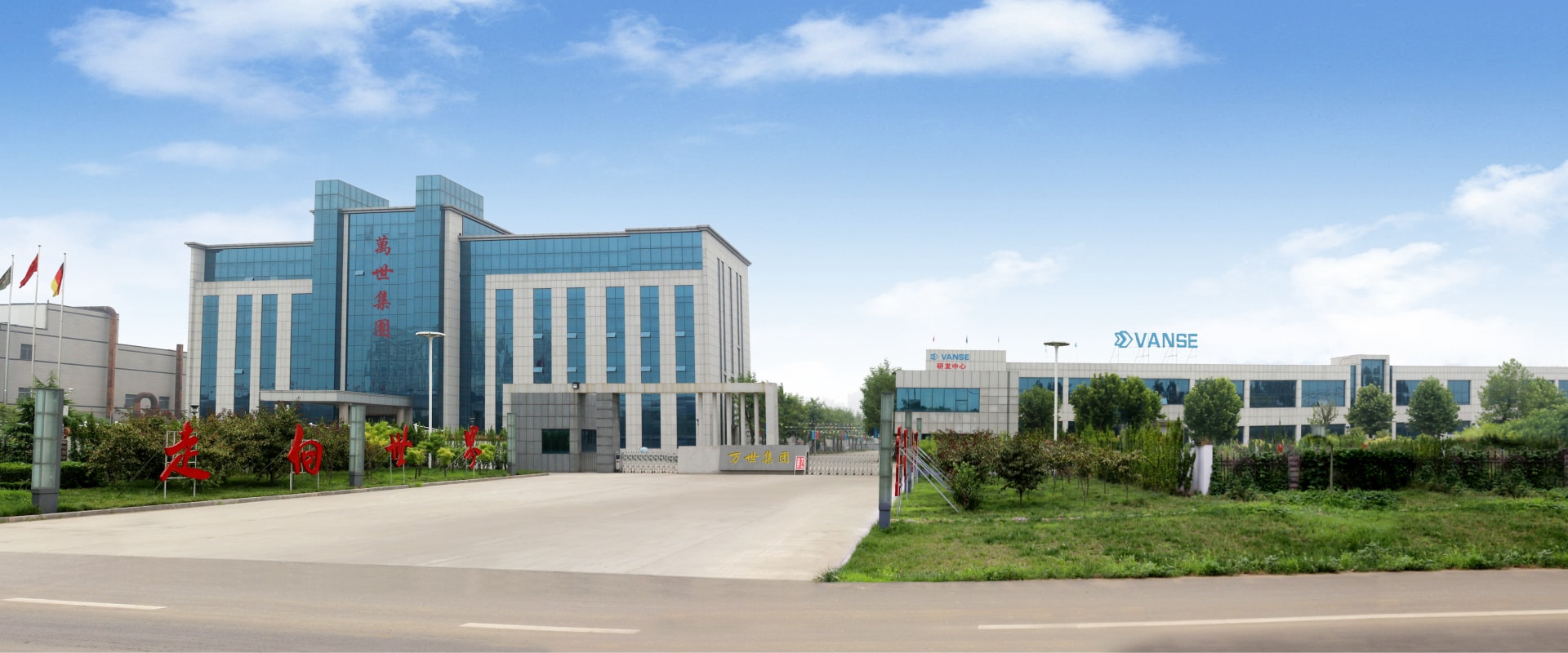
As a telehandler-focused manufacturer with more than a decade of specialization, VANSE has built its position around practical performance, component reliability, and flexible cooperation for the United States market. The company manufactures under CE and ISO 9001 certified processes, uses globally recognized core components including engines from Perkins and Cummins along with premium hydraulic, transmission, and axle systems, and subjects each unit to comprehensive load testing, safety inspection, and performance validation before shipment, which gives U.S. buyers concrete evidence that the machines are built to recognized international benchmarks rather than to a price-only standard. VANSE serves end users, distributors, dealers, brand owners, rental companies, and individual buyers through factory-direct sales, wholesale supply, retail opportunities, regional distribution cooperation, and full OEM or ODM customization covering branding, colors, and configuration needs for local applications. Just as important for trust and long-term ownership, VANSE already has export experience across more than 40 countries and is actively establishing a U.S.-based subsidiary with local inventory, stocking, and after-sales capability, supported by both online and offline pre-sale consultation, technical support, and maintenance assistance, showing that the company is investing in sustained North American presence rather than acting as a distant exporter. Buyers who want to review equipment options can explore the official VANSE homepage, check available machinery in the equipment catalog, learn more through the company overview, review service support resources, or request a quotation through the contact page.
What U.S. Buyers Should Ask Before Requesting a Quote
Before signing off on a purchase, buyers should specify their main load types, highest lift point, average reach requirement, attachment list, site surface conditions, and expected annual hours. They should also ask whether the machine is optimized for construction, agriculture, or mixed use. If the machine will work in states with hot summers or dusty conditions, cooling performance and air filtration deserve extra attention. If it will be hauled frequently between sites, transport dimensions and weight become major specification points.
It is also wise to ask how the supplier supports telehandlers after year three, not just during the initial warranty period. Long-term parts planning, replacement wear items, hydraulic support, and resale positioning matter significantly in the United States because many owners either keep machines through a full depreciation cycle or depend on trade-in value to refresh fleets.
Future Trends for 2026
Looking toward 2026, telehandler specifications in the United States will increasingly be shaped by technology, policy, and sustainability. Telematics and remote diagnostics will move from optional fleet tools to standard decision points, especially for rental chains and multibranch contractors. Buyers will want clearer visibility into machine health, utilization, idle time, fuel consumption, and service intervals. This will make diagnostic compatibility and digital service support more important specification factors.
Policy trends will continue to favor better emissions management, jobsite safety documentation, and equipment traceability. Even where telehandlers remain diesel-dominant, customers will ask more questions about engine efficiency, hydraulic optimization, and lower idle fuel burn. Sustainability pressure from project owners and public procurement may also encourage lower total lifecycle impact, longer service intervals, and machines designed for better durability and rebuild potential.
In parallel, the market is likely to reward manufacturers that can combine globally sourced premium components with stable U.S. service structures. That means the strongest suppliers will not necessarily be the most expensive brands; they will be the ones able to prove reliable specification performance, quick parts support, trained service response, and transparent ownership economics.
FAQ
What are the most important telehandler specifications to compare first?
Start with rated lift capacity, maximum lift height, forward reach, operating weight, machine width, hydraulic flow, and engine output. Then verify the load chart because real safe capacity changes as the boom extends.
What size telehandler is most common in the United States?
Mid-size fixed-boom models in the 6,000 to 10,000 lb class are among the most common because they fit construction, rental, and agriculture applications while maintaining good resale potential.
Are imported telehandlers a realistic option for U.S. buyers?
Yes, if the supplier can show recognized certifications, trusted core components, clear quality control, parts planning, and real local after-sales support. Cost-performance can be very competitive when service structure is in place.
Should I choose based on lift height or lift capacity?
Neither should stand alone. The correct choice depends on what load you need to place, at what height, and at what forward reach. A lower-rated machine may outperform a larger one if it better matches your actual work pattern.
What industries use telehandlers most in the United States?
Construction, agriculture, rental, industrial yards, infrastructure, warehousing support, and selected mining support operations all use telehandlers regularly.
How important is dealer coverage?
Dealer and service coverage are critical. Parts response time and technical support often have a larger effect on real ownership cost than small differences in purchase price.
Which attachments should I plan for at the time of purchase?
Most U.S. buyers begin with pallet forks, a general-purpose bucket, and possibly a truss boom or bale attachment depending on industry. Confirm coupler style and auxiliary hydraulic requirements before ordering.
What should I check for 2026 readiness?
Look for telematics support, efficient engines, strong service diagnostics, transparent maintenance intervals, and a supplier that can support changing safety and sustainability expectations in the U.S. market.
Complete Telescopic Handler Equipment Portfolio
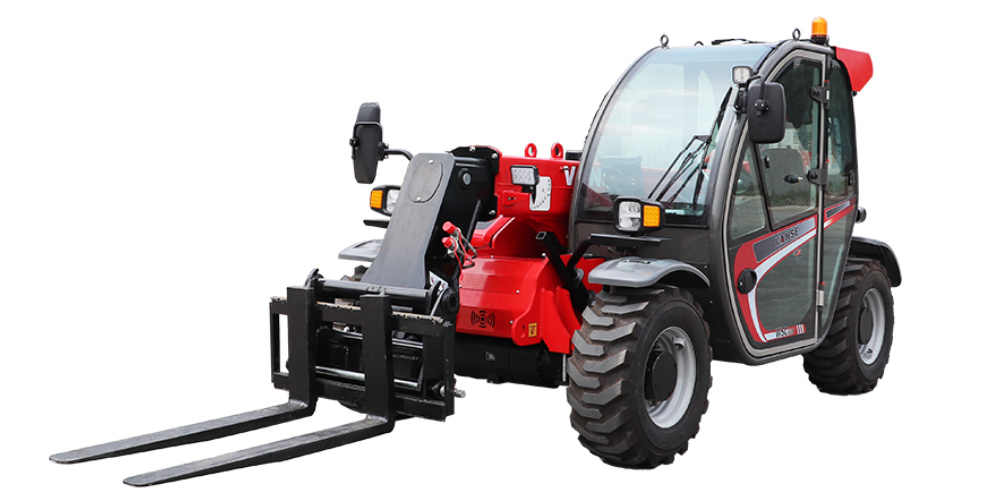
VANSE 625 6m Telescopic Handler
Designed for efficient material handling and stacking in warehouses, factories, and confined job sites, offering compact maneuverability and reliable performance.

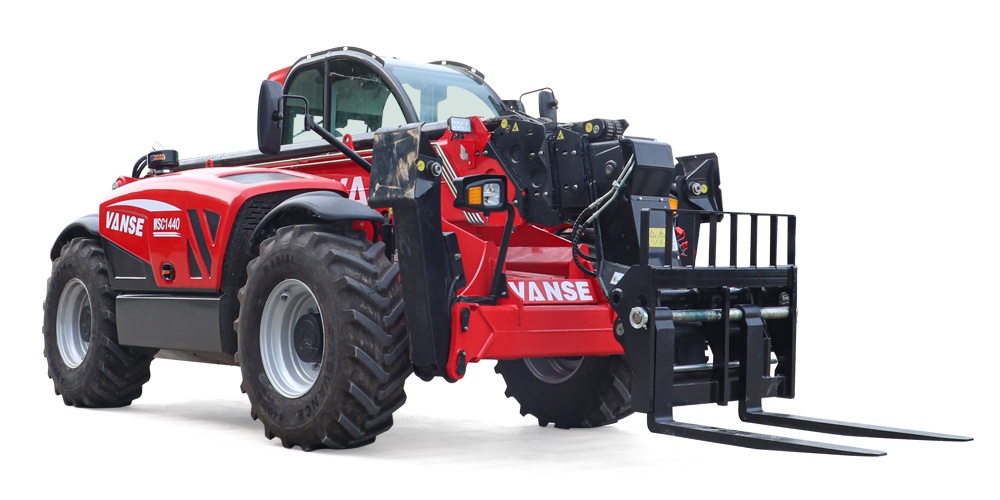
VANSE 735 7m Telescopic Handler
A balanced mid-duty solution for construction, agriculture, logistics, and warehousing, combining stable lifting, strong traction, and everyday versatility.


About the Author:
The VANSE team is a group of experienced professionals specializing in construction machinery research, manufacturing, and technical support. With deep industry knowledge and hands-on experience, our engineers and product specialists share practical insights on equipment selection, operation, maintenance, and industry trends.
Share
You May Also Interest
-

22 October, 2026
Telehandler for Grain Handling on Large Modern Farm Sites
Explore telehandler grain handling options in the United States, including suppliers, specs, farm uses, and cost-saving buying advice for grain operations.
-
21 October, 2026
Telehandler vs All Terrain Forklift: Which Lifts Better
Telehandler vs all terrain forklift in the United States: compare reach, lifting, terrain use, costs, and supplier options for smarter equipment buying.
-
20 October, 2026
10 Ton Telehandler: Extreme Lifting for Major Industrial
Explore 10-ton telehandler options in the United States, top suppliers, buying tips, applications, and service support for major lifting projects.
-
19 October, 2026
Telehandler for Demolition: Safe Structural Dismantling
Explore telehandler demolition options in the United States, including suppliers, attachments, safety, market trends, and cost-effective sourcing advice.