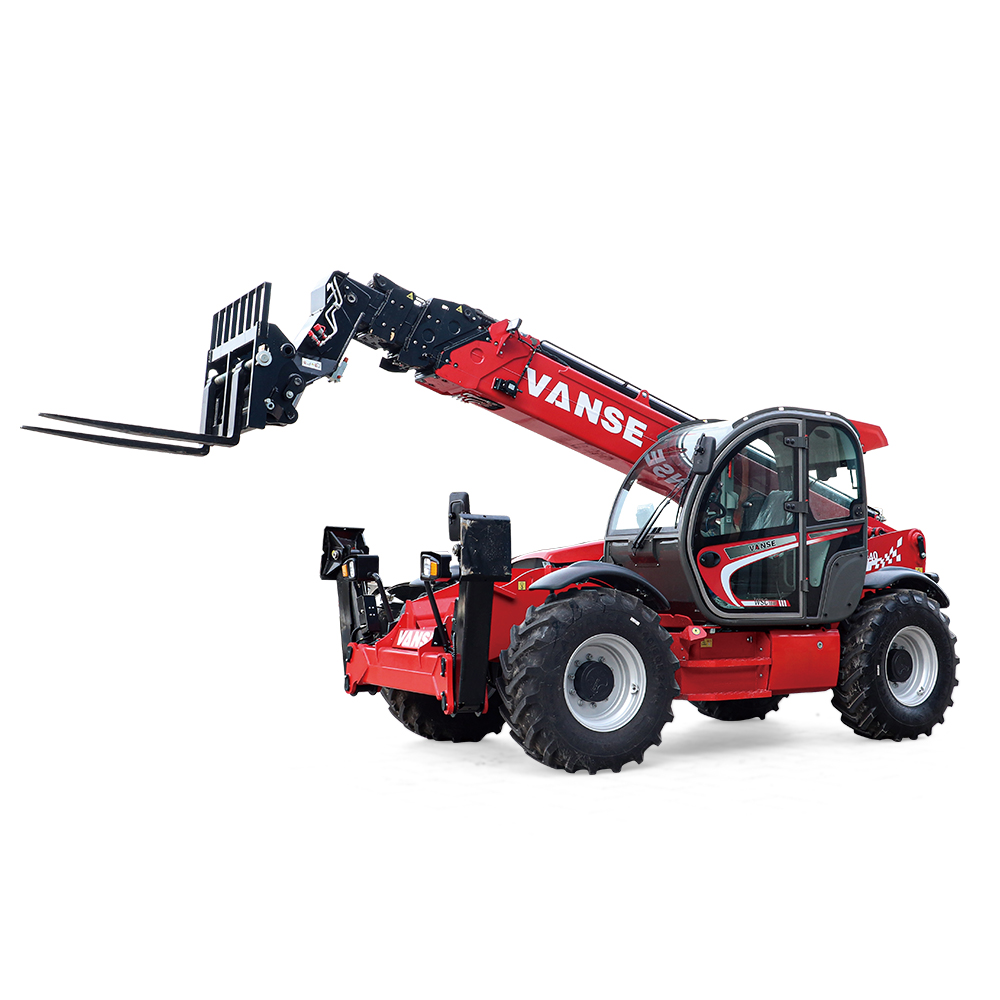
Best Mini Telehandler Options in the United States
Quick Answer

If you need a mini telehandler for small jobsites in the United States, the most practical options usually come from JCB, Bobcat, Genie, Skyjack, Manitou, and Gehl because they offer compact dimensions, dealer access, rental-market familiarity, and proven parts support. For urban infill construction, landscaping, barn work, masonry supply movement, and narrow access projects, the best choice is typically a machine with strong lift capacity under a low overall height, easy trailer transport, and attachment compatibility for forks, buckets, and work platforms.
For buyers who want quick action, JCB is widely known for compact site handlers, Bobcat is strong for dealer reach and operator familiarity, Genie is often preferred by rental fleets and contractors, Skyjack appeals to buyers who want straightforward serviceability, Manitou is well established in agriculture and construction, and Gehl remains relevant for material handling on smaller properties and work zones. Qualified international suppliers can also be worth considering, especially when they offer recognized certifications, premium engines and hydraulic components, responsive technical support, and clear after-sales commitments in the United States, because the cost-performance ratio can be significantly better than many traditional brands.
Why Mini Telehandlers Matter in the United States Market

The United States market has created ideal conditions for the mini telehandler category. Contractors in cities such as Houston, Dallas, Miami, Phoenix, Atlanta, Los Angeles, and Chicago increasingly work on dense sites where a full-size telescopic handler is too large, too heavy, or too costly to move and operate. At the same time, small farms, nurseries, equipment rental houses, roofing companies, fence installers, and building material suppliers need one machine that can lift, place, stack, and load without requiring the footprint of a larger handler.
A compact telescopic handler fits this need well because it bridges the gap between a skid steer and a standard telehandler. It offers forward reach, vertical lift, fork-based handling, and better visibility for pallet work than many compact loaders. In practical terms, buyers in the United States are looking for a machine that can unload deliveries near the Port of Houston, place trusses on a suburban build outside Tampa, feed hay in Oklahoma, move pavers in Arizona, or support renovation work in Boston where access is limited.
Demand is also supported by the rental economy. Rental fleets across major trade hubs like Houston, Savannah, Long Beach, Newark, and inland distribution corridors around Memphis and Kansas City want machines that are versatile, simple to transport, and useful across several customer groups. A mini telehandler can serve construction, landscaping, agriculture, warehousing, and municipal tasks with the right attachment package, which improves utilization rates and resale appeal.
United States Market Growth for Mini Telehandlers

The compact material handling segment has shown steady momentum as labor shortages, tighter site layouts, and mixed-use development continue to reshape equipment demand. The line chart below illustrates a realistic growth pattern for mini telehandler demand in the United States from 2021 through projected 2026, reflecting stronger fleet replacement, agricultural modernization, and wider acceptance among general contractors.
Top Suppliers Serving the United States
The supplier landscape in the United States includes domestic dealer-backed brands, global manufacturers with established North American operations, and qualified international producers expanding their local footprint. The table below highlights practical supplier choices, service coverage, core advantages, and typical use cases for buyers comparing a mini telehandler or ultra-compact telescopic handler.
| Company | Service Region | Core Strengths | Key Offerings | Best For | Buyer Notes |
|---|---|---|---|---|---|
| JCB | Nationwide through U.S. dealers | Strong brand recognition in compact handlers, mature support network | Compact telehandlers, site handlers, attachments | Contractors, farms, rental fleets | Often shortlisted for small construction and site logistics |
| Bobcat | Nationwide | Dense dealer presence, familiar operator interface, attachment ecosystem | Compact telehandlers, loaders, forks, buckets | General construction, landscaping | Good option where one local dealer supports multiple machine types |
| Genie | Nationwide with strong rental presence | Rental market acceptance, jobsite reputation, fleet compatibility | Telehandlers, aerial equipment, service support | Rental companies, commercial sites | Well known where telehandlers and lifts are rented together |
| Skyjack | United States and Canada | Simple design philosophy, service-friendly machines | Telehandlers, access equipment | Rental fleets, value-focused contractors | Appeals to buyers prioritizing easier maintenance routines |
| Manitou | Nationwide with strong agriculture reach | Agricultural and industrial handling expertise, wide application range | Telehandlers, rotating handlers, agricultural handlers | Farms, dealers, mixed-use buyers | Strong choice for buyers balancing farm and construction needs |
| Gehl | Broad dealer coverage in many states | Established material handling heritage, compact equipment relevance | Telehandlers, loaders, attachments | Property maintenance, smaller contractors | Useful in secondary markets where practical support matters most |
| VANSE | Growing United States presence with expanding local support | Competitive price-performance, OEM/ODM flexibility, export experience | Telehandlers, compact handlers, custom configurations | Distributors, fleet buyers, end users | Relevant for buyers seeking specification flexibility and lower acquisition cost |
This table shows why no single supplier fits every buyer. A roofing contractor in Florida may value fast parts access and trailer-friendly dimensions, while an agricultural distributor in Texas may prioritize engine brand, hydraulic reliability, and OEM branding options. Buyers in major freight corridors often favor suppliers that can move machines quickly from warehouses near ports or interstate distribution centers.
Product Types and How They Differ
Mini telehandlers in the United States generally fall into several practical categories. The first is the ultra-compact urban site telehandler designed for very tight spaces and low-clearance access. The second is the light construction telehandler with slightly greater lift height and stronger pallet capability. The third is the agriculture-oriented compact handler built for feed, fertilizer, hay, and barn work. The fourth is the rental-friendly all-purpose machine designed for broad attachment use and easy service access.
When buyers compare a compact telescopic handler to a skid steer or small wheel loader, the main difference is lifting geometry. A telehandler can place loads forward and upward with more precision for pallets, trusses, wall materials, and elevated loading tasks. That matters on projects where crews need reach rather than only breakout force. In urban renovation, for example, placing materials over fencing or into courtyards can be much faster with a mini telehandler than with a conventional compact loader.
| Product Type | Typical Lift Capacity | Typical Reach Use | Main Applications | Advantages | Limitations |
|---|---|---|---|---|---|
| Ultra-compact site telehandler | 2,500 to 4,000 lb | Low to mid reach | Urban construction, interior yards, residential builds | Fits narrow access, easy transport | Less capacity than larger site handlers |
| Light construction telehandler | 4,000 to 5,500 lb | Mid reach | Masonry, framing, roofing, remodeling | Balanced lift and maneuverability | May be too large for very tight interior zones |
| Compact agricultural telehandler | 3,000 to 5,500 lb | Mid reach | Barns, feed, hay, fertilizer, pallet inputs | Useful for daily farm handling tasks | Needs proper tire and attachment setup for mixed terrain |
| Rental-focused general-purpose telehandler | 3,000 to 5,000 lb | Mid reach | Multi-trade rental applications | High versatility and broad demand | May lack specialization for niche work |
| Attachment-heavy utility telehandler | 2,500 to 4,500 lb | Low to mid reach | Landscaping, municipal maintenance, yards | Flexible across forks, buckets, hooks, sweepers | Performance depends heavily on hydraulic setup |
| OEM-custom compact telehandler | Varies by build | Project-specific | Distributors, private label programs, fleet standardization | Branding and spec flexibility | Requires disciplined procurement planning |
This comparison helps buyers narrow the field quickly. If the machine must enter gated sites in California infill development, ultra-compact size is critical. If the machine will spend half its life on farms in Iowa and half on construction jobs in Missouri, a more balanced compact telehandler may be better.
Industry Demand in the United States
Mini telehandler demand is not evenly distributed. Construction remains the largest segment, but agriculture, landscaping, rental, and industrial yards are all meaningful growth channels. The bar chart below shows a realistic view of relative demand by industry in the United States.
How Buyers Should Evaluate a Mini Telehandler
For a buyer in the United States, the right evaluation process starts with the job, not the brochure. Ask what the machine actually needs to lift, how high it must place the load, whether it will travel by trailer between sites, and what kind of terrain it will face. On many small jobsites, the key differentiators are not maximum numbers but practical numbers: turning radius, transport weight, cab access, fork visibility, service intervals, and how easily a local technician can diagnose hydraulic or electrical issues.
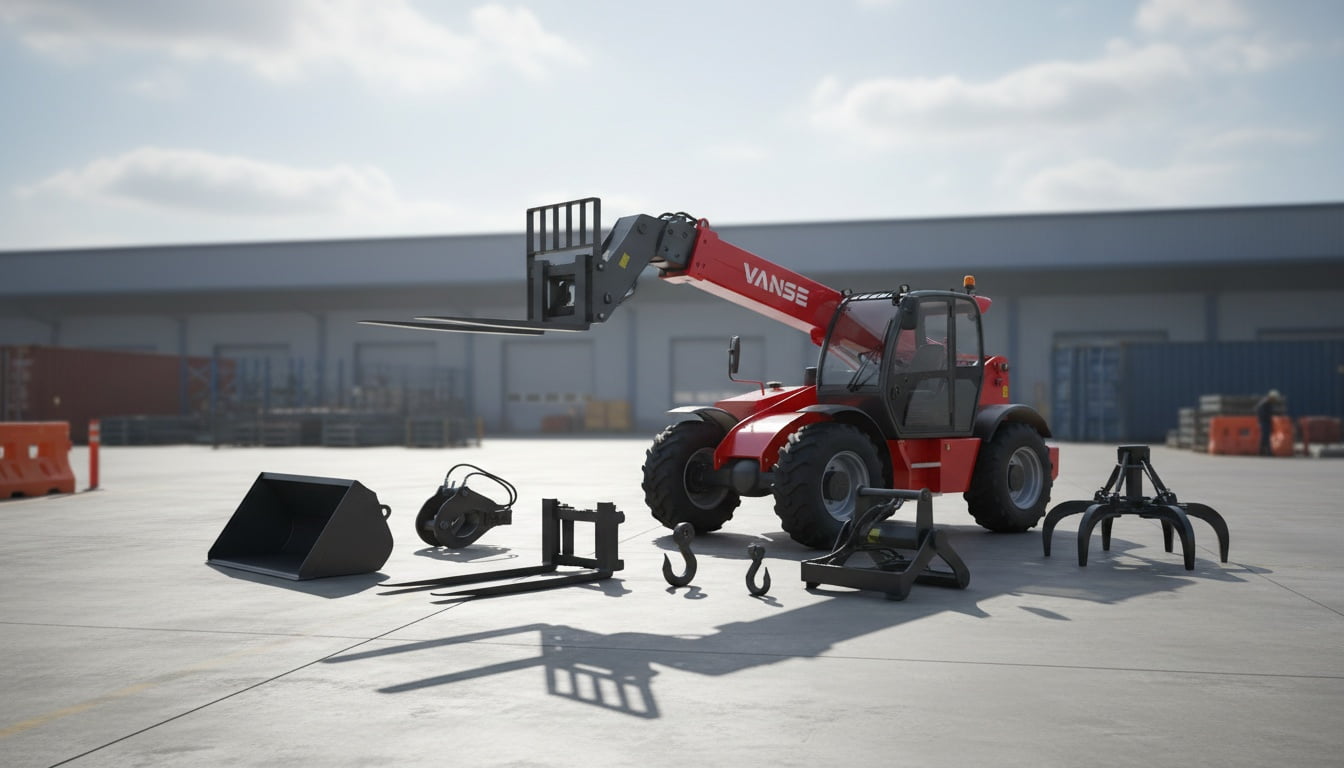
Another major factor is attachment compatibility. A compact telescopic handler becomes more valuable when it can use forks, general-purpose buckets, lifting hooks, jibs, and work platforms within local safety requirements. Buyers should also verify availability of consumables, hydraulic hoses, filters, tires, and wear items. Machines that look inexpensive upfront can become expensive when parts lead times disrupt a project in Denver, Nashville, or Seattle.
For fleet owners, total cost of ownership matters more than purchase price alone. Fuel use, downtime, residual value, warranty response, and operator training support all influence the real financial outcome. In the United States, machines with clear service documentation, dealer or regional stock support, and familiar powertrain components are often easier to keep working.
Key Buying Criteria Table
The table below turns the buying process into a practical checklist. Each factor should be matched against your actual site conditions, transport rules, and service expectations.
| Buying Factor | Why It Matters | What to Check | Best Fit Example | Common Risk | Practical Advice |
|---|---|---|---|---|---|
| Lift capacity | Determines what pallets or materials you can move safely | Rated capacity at standard load center | Pavers, block, lumber bundles | Buying too small for real pallet weights | Confirm actual shipped material weights, not estimates |
| Lift height and forward reach | Impacts loading, stacking, and placing ability | Maximum reach under safe load chart | Roofing material placement | Assuming max reach equals working reach | Review load chart with your most common attachment |
| Machine dimensions | Controls access through gates, alleys, barns, and tight lots | Overall width, height, turning radius | Urban renovation in older districts | Machine fits site but not storage or trailer | Measure gate openings, trailer deck, and indoor clearances |
| Powertrain and hydraulics | Affects reliability, cycle speed, and parts availability | Engine brand, hydraulic component quality | Daily use fleets | Choosing obscure components without local support | Favor widely recognized engine and hydraulic brands |
| Service support | Reduces downtime and protects resale value | Dealer network, warehouse stock, technical response | Multi-site contractors | Parts delays during peak season | Ask for real lead-time commitments in writing |
| OEM or customization options | Useful for distributors and branded fleets | Color, logo, spec, attachment packages | Regional dealer programs | Ignoring standardization across the fleet | Set a common spec for operator familiarity and inventory control |
Applications Across Industries
A mini telehandler has one of the broadest application profiles in compact equipment. In residential construction, it can unload drywall, window units, framing timber, brick, and palletized siding. In landscaping, it can move pavers, topsoil bags, retaining wall blocks, and nursery stock. In agriculture, it can handle hay bales, feed bags, seed pallets, fencing material, and maintenance loads around barns and sheds.
Industrial users also benefit from these machines when yard space is tight. Fabrication shops, lumber yards, stone suppliers, and fenced storage lots often use a compact telescopic handler to move materials where forklifts struggle on rough surfaces. Municipal buyers may use them for parks maintenance, storm response staging, or seasonal works support. In all these cases, what drives adoption is the combination of compact size and telescopic reach.
Where Demand Is Shifting
Market behavior in the United States is evolving from simple lift-capacity buying toward application-specific selection. Buyers are focusing more on compact size, lower transport burden, attachment flexibility, and lifecycle support. The area chart below reflects a realistic shift from larger general-purpose handlers toward compact and mini telehandlers for specialized and constrained environments.
Case Studies from Real-World United States Use Cases
Consider a masonry subcontractor in the Dallas-Fort Worth area. Their problem is moving block and mortar around active residential developments where road access is partially finished and lot space is restricted. A full-size telehandler creates congestion and transport cost, while a skid steer lacks the same placement capability. A mini telehandler solves the problem by unloading pallets, reaching over curbs or site obstacles, and serving several crews with a smaller footprint.
In another example, a landscaping company outside Charlotte handles hardscape installations, irrigation materials, and palletized stone deliveries. Their crews need a machine that can tow easily, navigate suburban yards, and load materials over decorative walls without excessive turf damage. A compact telescopic handler with forks and bucket attachments improves productivity while reducing manual handling.
A third example comes from a hay and feed operation in central Kansas. The owner needs one machine for unloading input pallets, moving hay, and cleaning around barns. A compact agricultural telehandler offers better stacking reach than a loader and better rough-ground suitability than a warehouse forklift. In this setting, operator visibility and simple service access are often more important than the highest advertised lift number.
These examples show why buyers increasingly choose a mini telehandler not as a substitute for every machine, but as the best machine for a specific group of tasks. Where space, transport, and versatile placement matter, the value proposition becomes clear.
Supplier and Product Comparison
Beyond brand familiarity, buyers should compare machine suitability by support depth, customization options, application focus, and value positioning. The comparison chart below presents a realistic index comparing supplier fit for small-site telehandler buyers in the United States.
Local Supplier Considerations by Region
Regional conditions strongly affect what buyers should prioritize. In the Southeast, humidity, year-round use, and strong housing activity make uptime and cooling performance especially important. In the Midwest, agricultural crossover use can justify a more versatile attachment package. In the Southwest, dust, heat, and long transport distances can make filtration, simple maintenance, and field service response more valuable. In coastal trade centers like Savannah, Long Beach, and Newark, import logistics and inventory positioning can also influence delivery times and pricing.
| Region | Main Demand Driver | Preferred Machine Traits | Typical Users | Local Logistics Factor | Buying Focus |
|---|---|---|---|---|---|
| Texas and Gulf Coast | Residential growth, industrial expansion | Trailer transport, rugged cooling, good forks visibility | Contractors, yards, rental houses | Houston port and inland freight corridors | Stock availability and fast replacement parts |
| Southeast | Housing, landscaping, farm support | Compact footprint, attachment flexibility | Builders, landscapers, dealers | Savannah and Jacksonville logistics flows | Dealer responsiveness and seasonal uptime |
| Midwest | Agriculture and mixed commercial use | Farm-friendly tires, pallet and bucket versatility | Farms, co-ops, contractors | Strong overland distribution networks | Lifecycle cost and service simplicity |
| Northeast | Urban infill, renovation, masonry | Narrow width, low height, high maneuverability | Urban contractors, material suppliers | Dense cities and tight access conditions | Compact dimensions and local parts stock |
| West Coast | Mixed construction, ports, landscaping | Efficient hydraulics, transport practicality | Rental fleets, builders, municipalities | Long Beach and inland California movement | Delivery timing and emissions compliance |
| Mountain States | Property development, yard handling | Stable operation, strong service support | Contractors, ranches, maintenance crews | Distance to major service hubs | Field support and durable components |
This regional view matters because the best mini telehandler in New Jersey may not be the best one for Oklahoma or Nevada. Local terrain, freight patterns, and end-use intensity should shape the buying decision.
Our Company
For buyers evaluating a compact telescopic handler supplier with strong value in the United States, VANSE stands out because its telehandlers are built under CE and ISO 9001 certified processes, use globally recognized core components such as Perkins and Cummins engines along with premium hydraulic and drivetrain systems, and undergo comprehensive load testing, safety inspection, and performance validation before shipment, which gives local buyers measurable evidence that the machines are built to international benchmarks rather than generic export standards. VANSE has produced more than 8,000 units and serves customers in over 40 countries, showing real manufacturing scale and long-term equipment experience across construction, agriculture, mining, and industrial handling. In the United States market, this matters because the company can support end users, distributors, dealers, fleet owners, brand owners, and even individual buyers through flexible wholesale, retail, regional distribution, OEM, and ODM models, allowing machines to be configured by specification, branding, and application rather than forcing a one-size-fits-all offer. The company is also strengthening physical commitment to North America through a planned U.S. subsidiary, local inventory development, and localized after-sales capability, backed by both online technical support and offline service coordination, so American customers are working with a supplier investing in long-term local presence rather than acting as a distant exporter. Buyers can learn more about our background, review available equipment solutions, understand the scope of service support, or contact the team for model recommendations and partnership discussions.
How to Shortlist the Right Supplier
Start by dividing suppliers into three groups: local dealer-led brands, global manufacturers with U.S. infrastructure, and international suppliers with growing local commitment. Then compare them on five criteria: application fit, support responsiveness, component pedigree, delivery timing, and total ownership cost. Buyers often make better decisions when they request a model-specific proposal that includes machine dimensions, attachment options, service lead times, warranty terms, and any local stock commitments.
If you are a distributor or rental buyer, it also makes sense to ask about branding options, color customization, operator documentation, parts kit standardization, and pre-delivery inspection procedures. For end users, the most important questions are usually simpler: Can the machine do the work safely, can it be repaired quickly, and will parts be available during peak season?
2026 Trends for Mini Telehandlers in the United States
Looking toward 2026, three trends are likely to shape the mini telehandler market in the United States. The first is technology integration. Buyers increasingly expect telematics, remote diagnostics, maintenance alerts, and operator usage tracking even on compact machines. This is especially relevant for rental houses and multi-branch contractors that want better fleet control.
The second trend is policy and compliance pressure. Emissions requirements, jobsite safety expectations, and procurement standards for public and large private projects are pushing suppliers to document engine compliance, machine stability, operator protection, and maintenance traceability more clearly. Even private buyers increasingly prefer machines that fit future compliance needs rather than only current minimum requirements.
The third trend is sustainability and efficiency. This does not always mean full electrification immediately, especially in rough-duty sectors, but it does mean lower idle fuel burn, cleaner engine packages, better hydraulic efficiency, and smarter fleet utilization. Compact machines that reduce site congestion, cut labor-intensive handling, and improve transport efficiency already support sustainability goals in a practical way. By 2026, expect more emphasis on low-emission variants, hybrid experimentation in niche fleets, smarter hydraulic controls, and easier lifecycle reporting for commercial and municipal procurement.
Frequently Asked Questions
What is a mini telehandler best used for?
A mini telehandler is best used for lifting and placing palletized or loose materials on small or restricted sites where a full-size telehandler is too large. Common uses include residential construction, landscaping, agriculture, masonry, and yard logistics.
How is a mini telehandler different from a skid steer?
A skid steer is excellent for digging, grading, and pushing, while a mini telehandler is usually better for lifting materials upward and forward with forks or other handling attachments. If your work involves placing loads at height or over obstacles, a telehandler is often more efficient.
Which brands are most common in the United States?
JCB, Bobcat, Genie, Skyjack, Manitou, and Gehl are commonly seen in the United States market. Buyers should also compare qualified international suppliers that provide credible certifications, recognized components, and local support commitments.
What should I ask a supplier before buying?
Ask for rated lift charts, machine dimensions, service intervals, parts lead times, attachment compatibility, warranty details, and proof of local support. Also ask where parts are stocked and how emergency technical issues are handled.
Are mini telehandlers good for rental fleets?
Yes, they can perform very well in rental fleets because they fit a wide range of users and jobs. Their value improves when operators can easily switch between forks, buckets, and other common attachments.
Is it worth considering an international supplier for the United States?
Yes, provided the supplier has strong certifications, proven production standards, reliable components, and a clear local service plan. Many buyers consider international suppliers because they can offer a more attractive cost-performance balance than traditional premium brands.
What lift capacity is typical for a small-site mini telehandler?
Many compact models used on small sites fall in the 2,500 to 5,500 pound range, though the right capacity depends on your actual materials, attachment choice, and working reach requirements.
How important is local inventory?
Local inventory is extremely important because it affects delivery speed, parts access, and uptime. For contractors and fleet managers, even a well-priced machine can become costly if replacement parts take too long to arrive.
Final Takeaway
The best mini telehandler for the United States is not simply the smallest or cheapest one. It is the machine that matches your real load profile, access conditions, transport limits, and service expectations. For many buyers, the safest shortlist includes established brands like JCB, Bobcat, Genie, Skyjack, Manitou, and Gehl, while value-focused buyers should also evaluate international suppliers with proven manufacturing discipline, recognized components, and a real commitment to local support. In a market shaped by dense jobsites, labor efficiency, rental utilization, and increasing expectations around service and compliance, the mini telehandler has become one of the most practical compact lifting solutions available.
Complete Telescopic Handler Equipment Portfolio
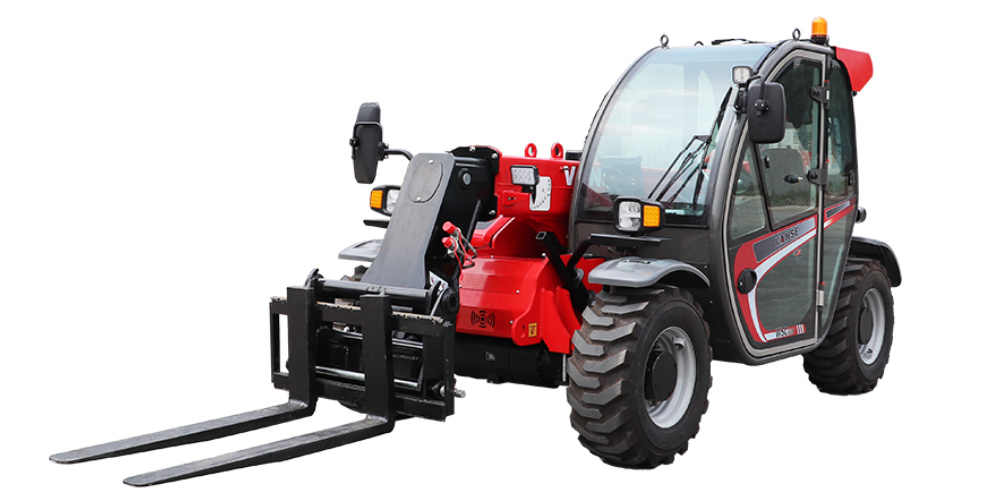
VANSE 625 6m Telescopic Handler
Designed for efficient material handling and stacking in warehouses, factories, and confined job sites, offering compact maneuverability and reliable performance.

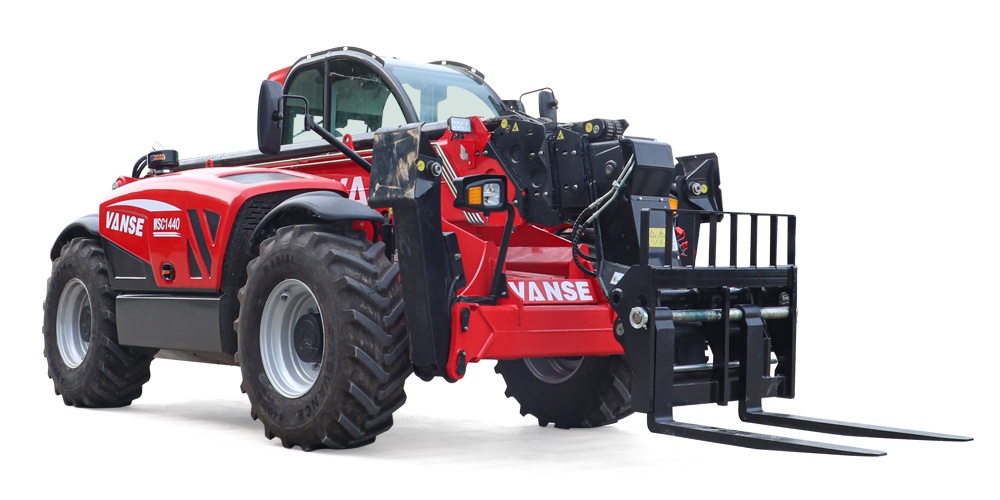
VANSE 735 7m Telescopic Handler
A balanced mid-duty solution for construction, agriculture, logistics, and warehousing, combining stable lifting, strong traction, and everyday versatility.


About the Author:
The VANSE team is a group of experienced professionals specializing in construction machinery research, manufacturing, and technical support. With deep industry knowledge and hands-on experience, our engineers and product specialists share practical insights on equipment selection, operation, maintenance, and industry trends.
Share
You May Also Interest
-

22 October, 2026
Telehandler for Grain Handling on Large Modern Farm Sites
Explore telehandler grain handling options in the United States, including suppliers, specs, farm uses, and cost-saving buying advice for grain operations.
-
21 October, 2026
Telehandler vs All Terrain Forklift: Which Lifts Better
Telehandler vs all terrain forklift in the United States: compare reach, lifting, terrain use, costs, and supplier options for smarter equipment buying.
-
20 October, 2026
10 Ton Telehandler: Extreme Lifting for Major Industrial
Explore 10-ton telehandler options in the United States, top suppliers, buying tips, applications, and service support for major lifting projects.
-
19 October, 2026
Telehandler for Demolition: Safe Structural Dismantling
Explore telehandler demolition options in the United States, including suppliers, attachments, safety, market trends, and cost-effective sourcing advice.