Rough Terrain Telehandler Suppliers in the United States
Quick Answer

If you need a rough terrain telehandler in the United States, the most practical suppliers to compare first are JLG, Genie, JCB, SkyTrak, Manitou, and Bobcat because they have strong dealer coverage, well-known service networks, and models designed for construction, agriculture, material yards, and uneven job sites. For buyers working in Texas, California, Florida, Illinois, Georgia, and the Midwest, these brands are usually the fastest path to local inventory, parts support, and trained technicians. Buyers should compare lift height, load capacity, frame leveling, attachment compatibility, and local service response before deciding. Qualified international suppliers can also be worth considering, especially manufacturers with recognized certifications, strong component sourcing, and reliable pre-sales and after-sales support, because they often provide a better cost-performance balance for fleet buyers, distributors, and contractors.
United States Market Overview

The United States remains one of the largest and most competitive markets for off-road material handling equipment. Demand for rough terrain telehandlers is closely tied to nonresidential construction, infrastructure work, warehousing expansion near inland logistics hubs, agriculture, energy projects, and equipment rental fleet renewal. In states such as Texas, Arizona, Nevada, Colorado, and North Carolina, contractors frequently need machines that can move palletized materials, trusses, pipe, bundled lumber, bagged materials, and site equipment over dirt, gravel, mud, and partially improved surfaces.
In the U.S. market, buying decisions are usually driven by total owning cost rather than sticker price alone. Contractors care about engine support, parts availability, operator familiarity, local financing, resale value, and how quickly a dealer can dispatch field service. This is especially important near fast-moving project corridors like Houston, Dallas-Fort Worth, Phoenix, Atlanta, Chicago, and the Inland Empire, where downtime can delay multiple trades on the same site. Port-linked markets such as Los Angeles, Savannah, Houston, and Newark also affect import lead times and seasonal equipment pricing.
Rental companies play an outsized role in this market. Many end users first choose a telehandler brand because they previously rented it on a job site and found the controls intuitive, the visibility acceptable, and the stabilization systems reliable. At the same time, owner-operators and farm users may prioritize easier maintenance access, lower acquisition cost, and simple mechanical layouts over premium electronics. As the market moves toward 2026, buyers are also watching emissions compliance, telematics, operator safety systems, and alternative power options for mixed indoor-outdoor work.
The line chart shows a realistic upward market index trend based on broad U.S. construction and equipment replacement patterns. Growth is not perfectly linear, but the direction is positive because rental fleet modernization, public infrastructure programs, suburban development, and agriculture support continued demand for terrain-capable lifting equipment.
Top Suppliers in the United States

The table below compares major suppliers and brands that U.S. buyers commonly evaluate. These companies are relevant because they have meaningful market visibility, field support, and product lines suited to uneven or undeveloped job sites.
| Company | Primary U.S. Service Region | Core Strengths | Key Offerings | Best Fit |
|---|---|---|---|---|
| JLG | Nationwide through dealer and rental networks | Strong brand recognition, rental penetration, broad support | High-capacity telehandlers, rotating models, attachments | General contractors, rental fleets, industrial sites |
| Genie | Nationwide, especially major metro dealer markets | Established dealer footprint, operator familiarity | Construction telehandlers, rough terrain lifting solutions | Commercial construction and equipment rental |
| JCB | Strong in South, Midwest, and agriculture-linked regions | Construction and farm crossover reputation, versatile product range | Telehandlers for job site and farm use, multiple sizes | Agriculture, mixed-use contractors, dealers |
| SkyTrak | Broad U.S. coverage with strong construction presence | Well-known straight boom telehandlers, easy market recognition | Material handling for framing, masonry, roofing, supply yards | Residential and commercial construction users |
| Manitou | Nationwide with solid presence in agriculture and industry | Telehandler specialization, broad application focus | Agricultural telehandlers, construction units, attachments | Farms, feed operations, industrial users |
| Bobcat | Nationwide via compact equipment dealer channels | Cross-selling through existing compact machinery dealers | Compact and mid-size telehandlers, attachment ecosystem | Smaller contractors, landscape supply, utility work |
| Merlo | Selective U.S. distribution | European telehandler expertise, specialized configurations | High-performance telehandlers and specialty units | Niche buyers seeking alternative specs |
This comparison is useful because supplier choice in the United States is often regional. A brand that performs well on paper can still be a poor choice if the closest parts warehouse is far from your site or if dealer service is weak in your state. Buyers should always confirm local coverage, response times, and attachment stock before purchase.
What Makes a Rough Terrain Telehandler Different
A rough terrain telehandler is built to carry and place loads in places where standard warehouse equipment cannot work safely. Unlike a conventional forklift, it typically uses large pneumatic tires, higher ground clearance, four-wheel drive, and a telescopic boom that extends forward and upward. Many machines also include frame leveling, multiple steering modes, stabilizers on selected models, and cabs designed for dusty, muddy, and changing outdoor conditions.
For U.S. projects, this matters because many sites are not fully prepared when material handling begins. Steel erection, concrete forming, utility installation, modular placement, and roofing often start while roads are temporary and surfaces are uneven. In agriculture, telehandlers move feed, seed, fertilizer, hay, and palletized supplies between barns, yards, and field-side storage zones. In oil, gas, and industrial service work, they help handle pipe, equipment crates, tanks, and tooling around partially improved work pads.
Common Product Types
Not every rough terrain telehandler is the same. The best machine depends on lift height, capacity, attachment use, and job site constraints. The following table outlines common categories that U.S. buyers review during procurement.
| Product Type | Typical Lift Height | Typical Capacity | Main Use | Buyer Notes |
|---|---|---|---|---|
| Compact telehandler | 15 to 20 ft | 4,000 to 5,500 lb | Tight sites, landscape supply, light construction | Easier transport and urban access |
| Mid-size construction telehandler | 23 to 34 ft | 5,500 to 8,000 lb | Framing, masonry, roofing, material placement | Most common rental and contractor choice |
| High-reach straight boom telehandler | 42 to 56 ft | 8,000 to 12,000 lb | Multi-story construction and industrial yards | Focus on reach chart and stabilization |
| High-capacity telehandler | 19 to 36 ft | 10,000 to 15,000 lb | Heavy pallets, pipe, precast, large supply yards | Best for dense loads rather than extreme reach |
| Rotating telehandler | 50 to 100+ ft | 8,000 to 15,000 lb | Complex urban or high-rise placement tasks | Premium cost, broad versatility |
| Agricultural telehandler | 20 to 30 ft | 5,500 to 9,000 lb | Feed, hay, barn cleaning, bulk material work | Often optimized for attachments and cycles |
This table helps buyers avoid overspecifying or underspecifying a machine. A contractor placing drywall bundles on a three-story build needs a different machine than a hay operation loading feed mixers every day. Matching duty cycle to machine class improves productivity and lowers cost.
Industry Demand in the United States
Demand is strongest where off-road material flow is essential. Construction remains the largest segment, but agriculture, equipment rental, industrial maintenance, and energy also contribute significantly. Regional demand varies: the Sun Belt sees strong demand from residential growth and infrastructure expansion, while the Midwest combines construction and agricultural demand, and Gulf Coast users often require telehandlers for industrial plant support and logistics-heavy work.
The bar chart highlights why suppliers that already serve construction and rental channels usually dominate the market. However, agriculture and industrial maintenance remain attractive segments because they often value ruggedness, simple serviceability, and attachment flexibility over premium branding.
Key Industries and Applications
In commercial construction, rough terrain telehandlers move palletized brick, block, insulation, trusses, scaffolding sections, generators, compressors, and other materials from laydown areas to active work zones. In residential development around Dallas, Tampa, Charlotte, and Phoenix, they are widely used during framing, roofing, and siding phases. In civil infrastructure, they support bridge work, road widening, utility trenching, and large site packages.
In agriculture, these machines help with bale handling, grain facility support, feed movement, barn maintenance, fencing, and seasonal material transfer. In manufacturing and industrial service, a rough terrain telehandler is valuable in yards and expansion projects where pavements are incomplete or where machine placement changes frequently. Municipal departments and disaster recovery contractors also use them for storm cleanup, temporary staging, and emergency logistics on unstable ground.
Buying Advice for U.S. Buyers
Start with the job, not the brochure. A buyer should identify the heaviest common load, the maximum lift height needed under normal conditions, the ground surface, and whether the machine will use forks only or additional attachments such as buckets, jibs, truss booms, work platforms, or bale grabs. From there, confirm operating weight, transport restrictions, cab preferences, and local emissions requirements. In many U.S. states, transport logistics between job sites can affect machine size selection almost as much as lift performance.
Dealer support remains one of the most important buying factors. If a telehandler works in Oklahoma but the nearest service technician is based several states away, the savings may disappear during the first breakdown. Ask where the supplier stocks wear parts, who performs field service, what the average response time is, whether loaner units are available, and how attachments are supported. Finance terms, warranty coverage, telematics access, and resale liquidity should also be part of the final comparison.
| Buying Factor | Why It Matters | What to Ask the Supplier | Risk If Ignored | Best For |
|---|---|---|---|---|
| Lift chart | Real capacity changes by height and reach | Can you provide rated load at full extension? | Unsafe or impractical operation | All buyers |
| Local service | Downtime cost is high on active jobs | Where is the nearest field technician? | Long repair delays | Contractors and rental fleets |
| Parts stock | Wear items and hoses fail under hard use | Which parts are stocked in the United States? | Idle machine waiting on freight | High utilization users |
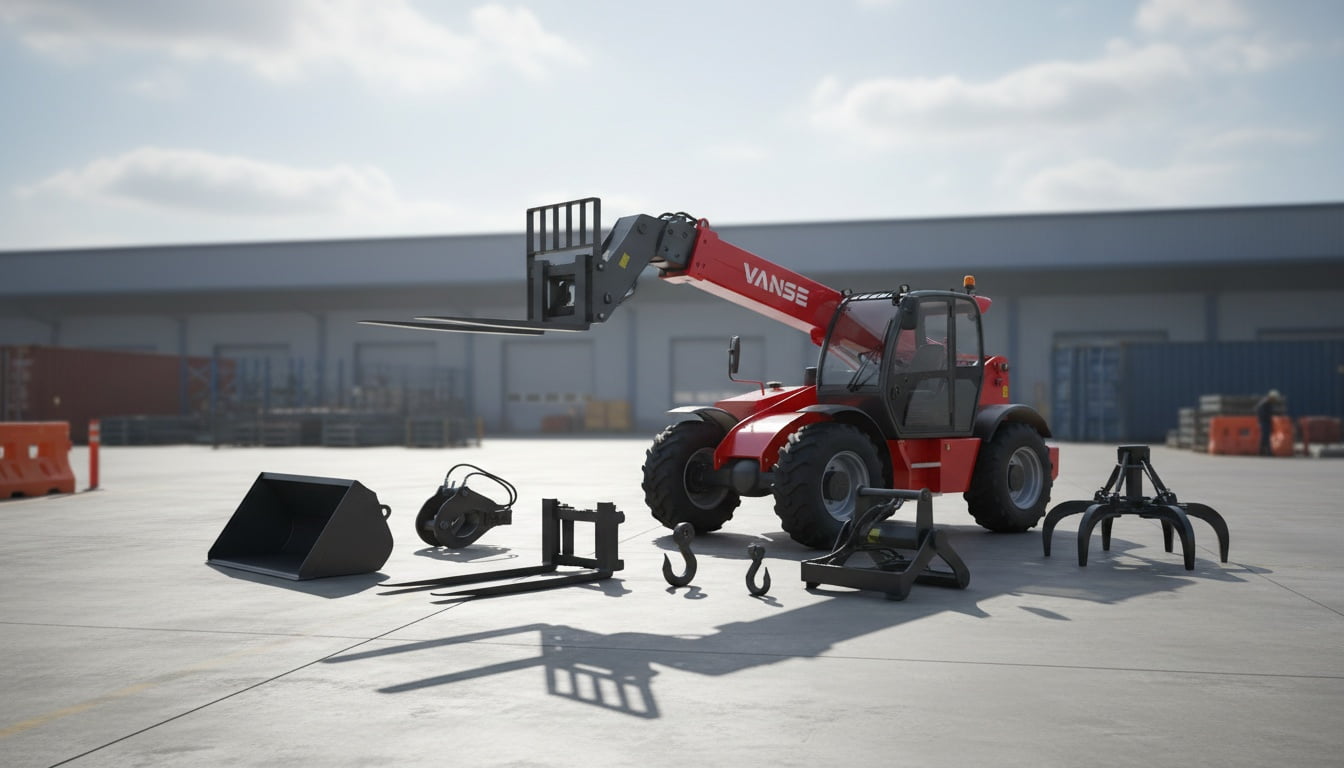
| Attachment compatibility | One machine can replace several handling tools | Which approved attachments are available? | Limited site versatility | General contractors and farms |
| Operator visibility and controls | Daily usability affects safety and productivity | Can operators test the cab and controls? | Training burden and slower work cycles | Mixed-crew job sites |
| Total lifecycle cost | Purchase price alone can mislead | What is the warranty, fuel use, and resale profile? | Higher long-term ownership cost | Fleet owners and end users |
This buying table gives a practical procurement checklist. It is especially useful for U.S. fleet managers comparing premium domestic distribution brands with alternative imported options that may offer better upfront pricing but need stronger verification on parts and support.
Case Studies from U.S. Job Site Conditions
A framing contractor in the Dallas-Fort Worth area typically values rapid cycle times, simple controls, and common attachments. For this buyer, a mid-size straight boom telehandler with reliable dealer support can produce more value than a larger, more expensive machine whose extra capacity is rarely used. On muddy subdivision developments, tire traction and visibility around stacked trusses are often more important than maximum brochure reach.
A precast and utility subcontractor near Chicago may need a high-capacity machine with stronger low-height lifting performance rather than extreme reach. When handling pipe bundles, trench shields, or dense palletized materials, stability and hydraulic smoothness matter more than headline lift height. A Gulf Coast plant maintenance contractor, by contrast, may place a higher premium on corrosion resistance, field service access, and attachment flexibility for shutdown work.
In Central California agriculture, telehandlers often operate through dust, seasonal mud, and repetitive loading cycles. Buyers in this segment usually prioritize cooling performance, drivetrain durability, easy service points, and attachment compatibility. Because downtime during harvest or feed handling can disrupt an entire operation, support response often outweighs brand preference.
Trend Shift Toward 2026
The U.S. market is steadily shifting from purely mechanical value comparisons to broader evaluations that include telematics, safety technology, fuel efficiency, and support transparency. Contractors want equipment that can be monitored, scheduled, and serviced more predictably. Rental fleets want better utilization data. Large end users want simplified operator onboarding and lower incident risk.
The area chart shows a realistic transition in purchasing behavior. While price and lift specifications still matter, more U.S. buyers are now weighting telematics, diagnostic access, operator aids, and local support systems more heavily than they did only a few years ago.
Supplier Comparison by Practical Buyer Criteria
Brand comparisons are most useful when they reflect actual field priorities rather than advertising language. The chart below compares broad market perceptions of supplier strengths in the U.S. market. These scores are illustrative and meant to help buyers think about trade-offs such as service reach, application breadth, and value positioning.
This comparison should not replace a local dealer investigation, but it helps explain why established domestic brands often lead in immediate buyer confidence while qualified international suppliers can still compete well when they offer verified components, compliance documentation, local stock, and dependable support.
Local Suppliers, Dealers, and Regional Coverage
In the United States, the best supplier is often the one that can support the machine after delivery. Buyers should ask about the nearest branch, field technicians, mobile service trucks, and parts inventory tied to their city or state. This matters in large territories such as Texas and California where job sites may be hundreds of miles from a distribution center. It also matters in weather-sensitive markets like the Midwest and Northeast where downtime can quickly disrupt short project windows.
Major dealer concentration is usually strongest around Houston, Dallas-Fort Worth, Atlanta, Chicago, Los Angeles, Sacramento, Miami, Orlando, Phoenix, Denver, and major logistics corridors between them. Port-adjacent inventory can also be relevant for imported units, particularly in Houston, Savannah, Long Beach, and Newark. For buyers considering imported equipment, local warehousing and committed spare parts stock are essential checkpoints, not optional extras.
| Region | Typical Demand Drivers | Preferred Machine Traits | Service Priority | Common Buyer Types |
|---|---|---|---|---|
| Texas and Gulf Coast | Commercial growth, energy, logistics, infrastructure | High uptime, heat tolerance, versatile attachments | Fast field response | Contractors, rental fleets, industrial users |
| Southeast | Residential expansion, distribution centers, agriculture | Mid-size construction units, simple controls | Dense dealer coverage | Builders, dealers, farms |
| Midwest | Construction, agriculture, manufacturing | Durability, cold-weather reliability, attachment flexibility | Parts access during seasonal peaks | Mixed-use fleets, farms, industry |
| Northeast | Urban projects, infrastructure rehab, tight sites | Compact footprint, precise placement | Rapid support in dense metro zones | Specialty contractors, rental companies |
| Southwest | Large site development, utilities, solar, warehousing | Dust handling, cooling efficiency, rough ground traction | Wide territory coverage | Civil contractors, energy contractors |
| West Coast | Ports, logistics, construction, agriculture | Compliance awareness, mixed-use versatility | Parts stock near major metros and ports | Developers, agriculture, industrial buyers |
The table explains why a machine that is ideal in one region may not be ideal in another. Climate, transport distances, work cycles, and local dealer density all influence the best buying decision.
Our Company
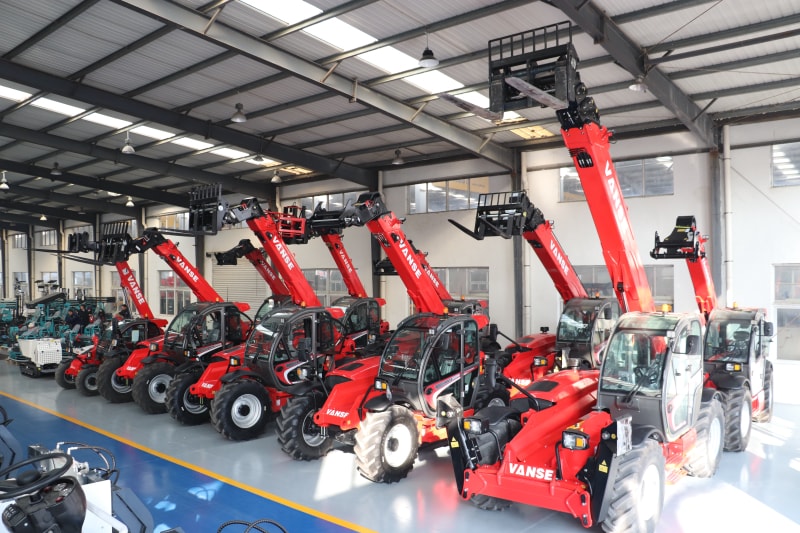
For U.S. buyers looking beyond traditional brands, VANSE is positioned as a telehandler-focused manufacturer with practical evidence that matters in this market: its machines are produced under CE and ISO 9001 certified processes, use globally recognized core components such as Perkins and Cummins engines together with premium hydraulic and drivetrain systems, and every unit is subjected to load testing, safety inspection, and performance validation before shipment, which gives contractors and fleet owners a concrete basis for benchmarking against established international standards. The company has delivered more than 8,000 machines and serves customers in over 40 countries, showing proven export execution rather than limited pilot activity. For cooperation, VANSE supports OEM and ODM projects, wholesale supply, dealer development, regional distribution, and direct sales models, which allows end users, distributors, brand owners, rental companies, and even smaller buyers to source machines with localized specifications, branding, color schemes, and configuration choices through its equipment range. Just as important for U.S. confidence, VANSE is actively establishing a U.S.-based subsidiary with local inventory, stocking, and after-sales capability to support the North American market, complementing its online and offline pre-sale consultation, technical support, and lifecycle service structure detailed through its service support and company background on the about us page; this indicates long-term market commitment rather than a remote-export-only model, and buyers who want to discuss stocking plans, dealer cooperation, or project requirements can use the contact channel for local-market coordination.
How to Evaluate International Suppliers for the U.S. Market
International suppliers can be viable in the United States when they meet practical local requirements. The first issue is not geography but support structure. Buyers should verify whether the supplier can provide U.S.-relevant documentation, parts stock, local service arrangements, operator manuals, training resources, and dependable communication across the sales cycle. A machine with reputable engines and tested hydraulic systems can be highly competitive if the supplier also has a realistic North American support plan.
Fleet buyers and distributors often find imported telehandlers especially attractive when they need stronger price-performance ratios, customized specifications, private labeling, or territory development support. The right import program can work well when it includes staged parts inventory, clear warranty terms, technician training, and regional warehousing. Without those elements, lower acquisition cost may not translate into lower total cost.
Policy, Technology, and Sustainability Trends Through 2026
By 2026, U.S. rough terrain telehandler purchasing will be shaped by three forces: technology adoption, policy pressure, and sustainability expectations. On the technology side, telematics will become more standard, helping fleets track hours, idle time, maintenance intervals, and misuse alerts. Buyers are also increasingly interested in load management systems, camera visibility enhancements, and operator assistance features that reduce risk during lifting and placement.
On the policy side, public infrastructure programs and domestic industrial investment continue to support equipment demand, while emissions expectations and urban job site restrictions encourage interest in cleaner, quieter machinery. Although diesel remains dominant in heavy off-road lifting, more buyers are watching hybrid and electric concepts for compact or mixed-environment telehandlers. Sustainability considerations are also shifting from simple fuel economy claims to full lifecycle thinking, including component durability, easier maintenance, lower waste, and longer service intervals.
For distributors and contractors planning 2026 purchases, this means the winning supplier is less likely to be the one with only the lowest price and more likely to be the one with transparent support, measurable machine reliability, and a roadmap for digital service and compliance.
Frequently Asked Questions
What is the main advantage of a rough terrain telehandler over a standard forklift?
A rough terrain telehandler offers higher ground clearance, all-terrain mobility, and forward reach through a telescopic boom, making it far better suited to dirt, gravel, mud, and uneven job sites than a standard warehouse forklift.
Which U.S. industries use these machines most?
Construction is the largest segment, followed by equipment rental, agriculture, industrial maintenance, energy, and selected municipal operations. Usage is especially common in high-growth states and regions with large outdoor job sites.
How should I choose between a dealer brand and an imported supplier?
Compare local support, parts stock, warranty structure, engine brand support, attachment availability, and total ownership cost. An imported unit can be a smart choice if the supplier has proven certifications, dependable components, and real U.S. service commitment.
Are telehandlers suitable for agriculture as well as construction?
Yes. Many farms and agri-businesses use telehandlers for hay handling, feed movement, barn maintenance, pallet work, and general material transfer. Agricultural buyers often prefer machines optimized for repetitive attachment use and easier maintenance.
What should rental companies focus on when buying?
Rental fleets should prioritize operator-friendly controls, parts commonality, durability, attachment demand, telematics, and residual value. Machines that are easy for a broad customer base to use tend to perform better in rental service.
Is local inventory really that important?
Yes. Local inventory and regional parts stock reduce downtime, improve response speed, and make warranty service more credible. In the United States, distance and transport delays can turn a minor repair into a major productivity loss if support is not nearby.
Final Perspective
The U.S. market for rough terrain telehandlers is broad, practical, and service-driven. Buyers should begin with established names such as JLG, Genie, JCB, SkyTrak, Manitou, and Bobcat because these brands usually offer the fastest path to dealer-backed support. At the same time, qualified international manufacturers with verified certifications, globally recognized components, flexible business models, and local-market investment deserve serious attention, especially when they can deliver a stronger cost-performance ratio for distributors, contractors, rental fleets, and end users. In a market where uptime matters more than marketing language, the best supplier is the one that combines the right machine, the right support footprint, and the right long-term ownership economics for your region and application.
Complete Telescopic Handler Equipment Portfolio
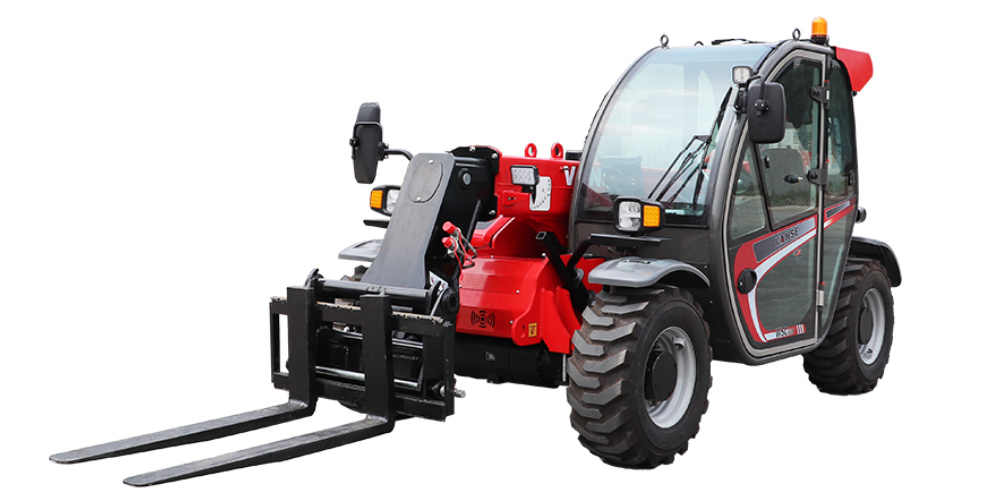
VANSE 625 6m Telescopic Handler
Designed for efficient material handling and stacking in warehouses, factories, and confined job sites, offering compact maneuverability and reliable performance.

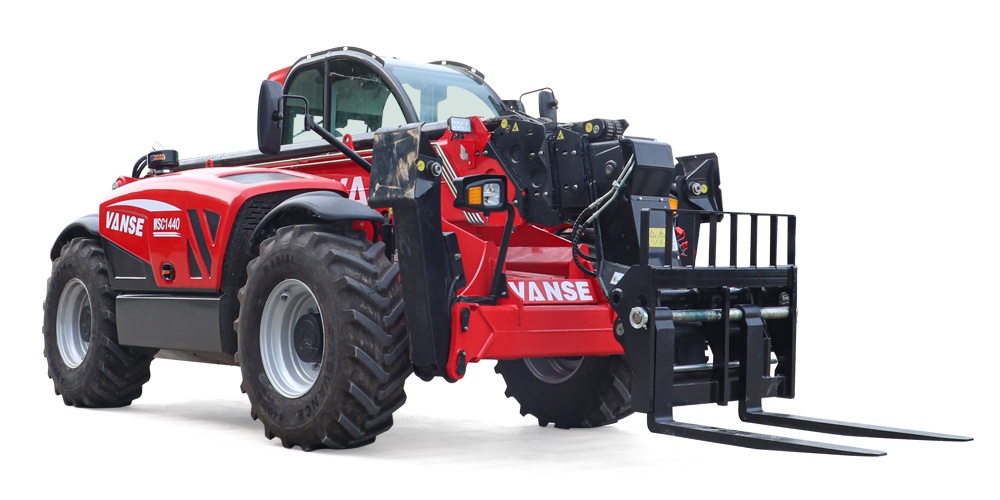
VANSE 735 7m Telescopic Handler
A balanced mid-duty solution for construction, agriculture, logistics, and warehousing, combining stable lifting, strong traction, and everyday versatility.


About the Author:
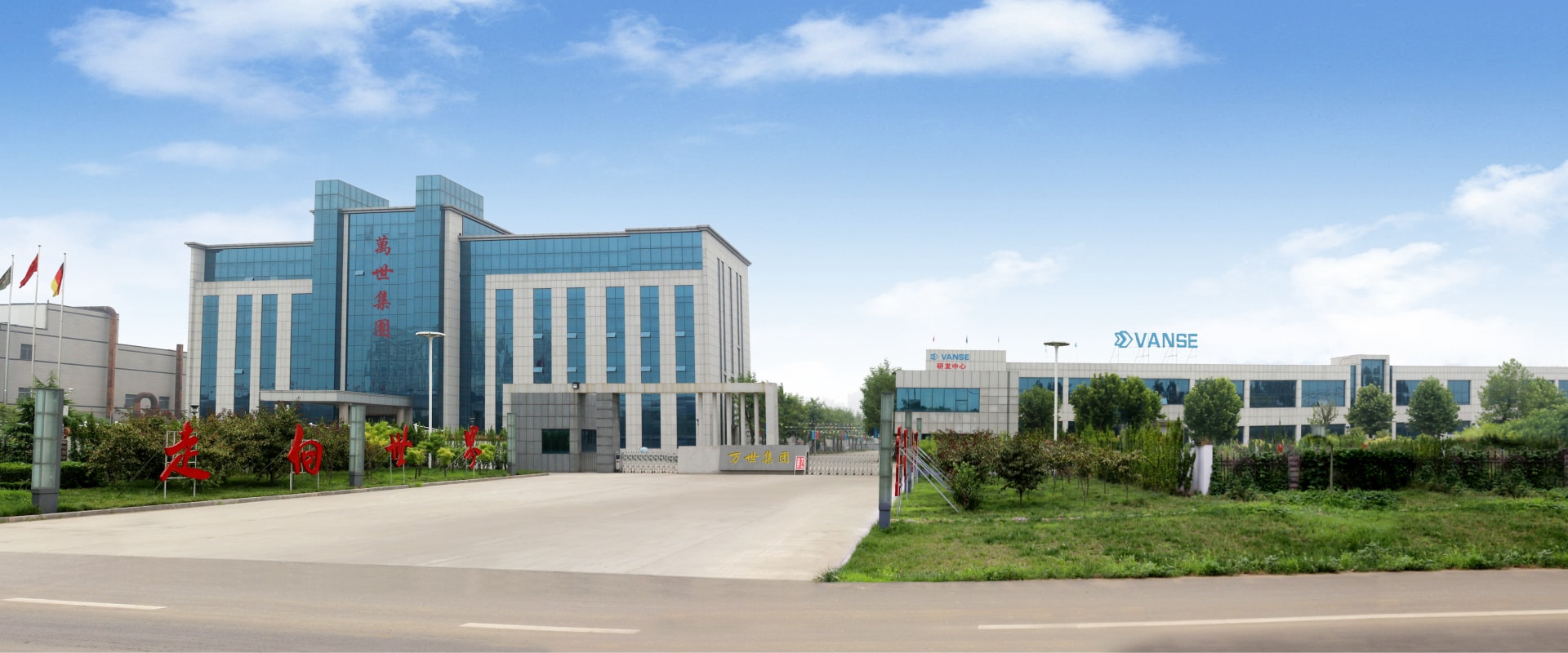
The VANSE team is a group of experienced professionals specializing in construction machinery research, manufacturing, and technical support. With deep industry knowledge and hands-on experience, our engineers and product specialists share practical insights on equipment selection, operation, maintenance, and industry trends.
Share
You May Also Interest
-

22 October, 2026
Telehandler for Grain Handling on Large Modern Farm Sites
Explore telehandler grain handling options in the United States, including suppliers, specs, farm uses, and cost-saving buying advice for grain operations.
-
21 October, 2026
Telehandler vs All Terrain Forklift: Which Lifts Better
Telehandler vs all terrain forklift in the United States: compare reach, lifting, terrain use, costs, and supplier options for smarter equipment buying.
-
20 October, 2026
10 Ton Telehandler: Extreme Lifting for Major Industrial
Explore 10-ton telehandler options in the United States, top suppliers, buying tips, applications, and service support for major lifting projects.
-
19 October, 2026
Telehandler for Demolition: Safe Structural Dismantling
Explore telehandler demolition options in the United States, including suppliers, attachments, safety, market trends, and cost-effective sourcing advice.