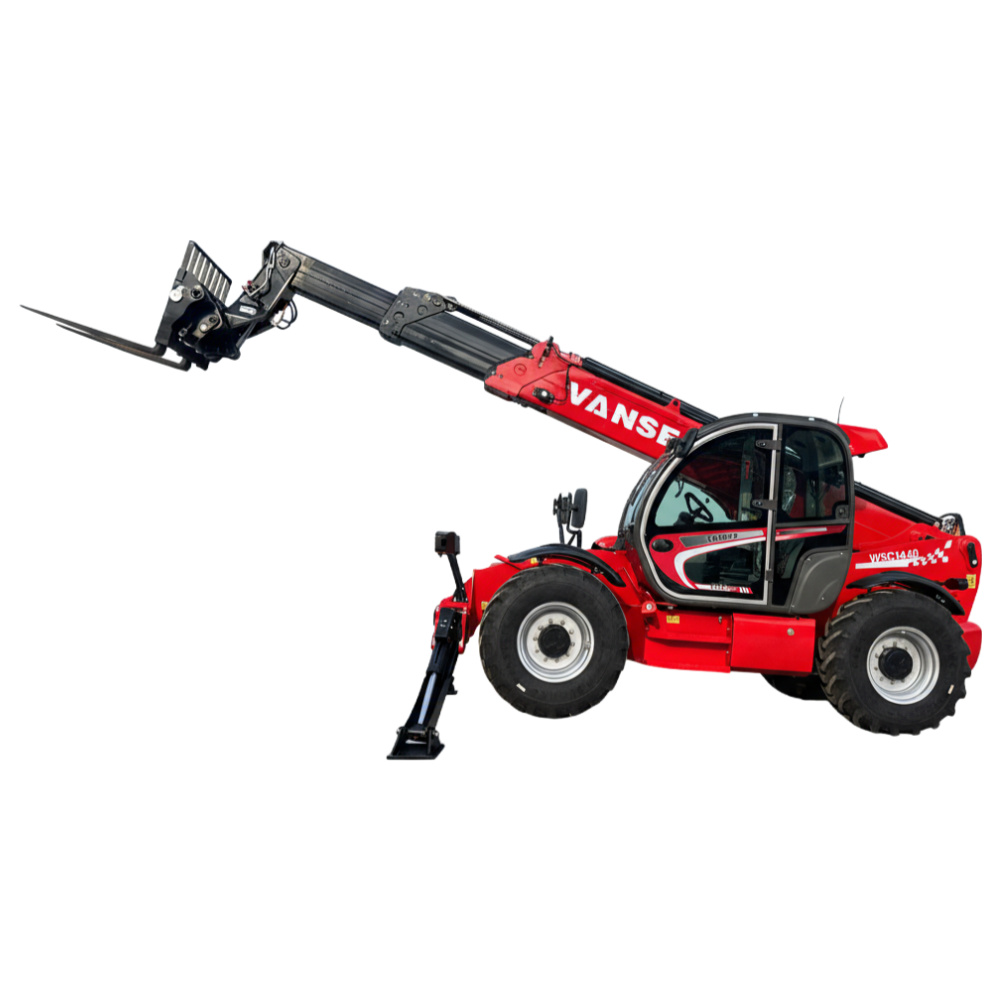
Telehandler Construction in the United States
Quick Answer

If you need a telehandler for construction work in the United States, the most practical options usually come from established suppliers with strong dealer coverage, parts availability, and application support for building sites, roadwork, industrial yards, and rental fleets. For buyers comparing proven names, JLG, Genie, JCB, Skyjack, Bobcat, and Manitou remain among the most visible choices across major U.S. markets such as Houston, Dallas, Atlanta, Chicago, Los Angeles, Miami, and inland logistics hubs connected to ports like Savannah, Long Beach, and Houston.
- JLG is widely chosen for rental fleets and general commercial construction due to broad dealer support and familiar operator controls.
- Genie is strong for mixed fleets and jobs requiring dependable reach equipment across urban and suburban project sites.
- JCB is well known for telehandler specialization and broad model coverage for contractors handling masonry, framing, roofing, and site logistics.
- Skyjack is often considered for simple fleet management and lower training friction in rental-heavy environments.
- Manitou and Bobcat are solid options when buyers want strong material handling performance with support across agriculture, construction, and industrial applications.
Beyond domestic and European brands, qualified international suppliers can also be worth serious consideration, especially when they offer CE and ISO-based manufacturing controls, globally recognized core components, local stocking plans, and responsive pre-sales and after-sales service. For many U.S. buyers, that route can improve cost-performance without giving up essential reliability, parts planning, or technical support.
United States Market Overview

The U.S. market for telehandler construction equipment is shaped by a mix of non-residential building, warehouse expansion, energy infrastructure, road projects, modular construction, and equipment rental demand. Contractors in Texas, Florida, California, Georgia, Arizona, North Carolina, Tennessee, and the Midwest rely on telescopic handlers because these machines solve two problems at once: they lift heavy materials and extend reach into places where forklifts, compact loaders, or rough terrain cranes are less efficient.
On active jobsites, telehandlers are used to move palletized block, framing timber, drywall packs, rebar bundles, steel components, HVAC materials, roofing supplies, and concrete forms. Their importance has grown as construction schedules become tighter, labor remains expensive, and builders prioritize machines that can perform multiple handling tasks with one operator. In dense urban markets like New York, Boston, Seattle, and San Francisco, compact footprint and attachment flexibility matter more. In Sun Belt growth markets such as Dallas-Fort Worth, Austin, Tampa, Orlando, Phoenix, and Charlotte, buyers often focus on uptime, rental turnover, and ease of service.
Another reason the segment remains strong is the continued growth of distribution centers near freight corridors and ports. Warehousing and industrial projects around Savannah, Charleston, Houston, Long Beach, Newark, and Inland Empire logistics zones create steady demand for machines that can place loads at height while still moving across rough or partially finished surfaces. That pattern supports both outright purchase and long-term rental.
The chart above illustrates a realistic growth pattern for telehandler construction demand in the United States. The trend is not purely linear in reality, but the long-term direction remains upward because more contractors want versatile lifting equipment that supports multiple crews, different attachments, and changing site conditions over the life of a project.
Top Suppliers Serving the United States

The supplier landscape includes U.S.-headquartered brands, major European manufacturers with strong dealer networks, and qualified international manufacturers entering the market through distributors, regional stock, and private-label or OEM partnerships. For buyers, the best supplier is not always the biggest brand; it is often the one that aligns machine specification, lead time, parts support, finance options, and operator familiarity with your actual project mix.
| Company | Primary U.S. Service Regions | Core Strengths | Key Offerings |
|---|---|---|---|
| JLG | Nationwide through large dealer and rental networks | Strong brand recognition, fleet compatibility, dependable support | Construction telehandlers, rotating models in select markets, attachments, fleet service |
| Genie | Nationwide, especially major metro and rental corridors | Wide fleet presence, familiar controls, strong rental acceptance | Rough terrain telehandlers, support packages, dealer maintenance programs |
| JCB | Broad coverage in South, Midwest, Northeast, and West | Telehandler specialization, broad product range, construction reputation | Compact and high-capacity telehandlers, site handling solutions, attachments |
| Skyjack | Strong in rental-heavy states and urban growth markets | Straightforward maintenance, fleet simplicity, operator ease | Construction telehandlers, service support, rental-friendly units |
| Manitou | Nationwide with strong presence in industrial and mixed-use sectors | Material handling expertise, broad application range | Construction and industrial telehandlers, specialized attachments |
| Bobcat | Nationwide dealer network | Dealer accessibility, cross-category equipment support | Telehandlers, compact equipment packages, attachment integration |
| VANSE | Growing presence in North America with U.S. market expansion focus | Cost-performance, OEM/ODM flexibility, globally sourced core components | Telehandlers, customized configurations, distributor support, direct factory programs |
This supplier table is useful because it translates brand visibility into decision criteria that matter on real projects. A contractor in Atlanta may prioritize rapid field service and easy rental substitution, while a distributor near Houston may care more about customization, container efficiency, and margin structure. Enterprise buyers and rental companies often compare these same suppliers through total lifecycle cost rather than sticker price alone.
How Telehandlers Fit U.S. Construction Work
In the United States, telehandlers are now standard equipment on many projects where vertical material flow matters. They bridge the gap between forklifts and cranes. A rough terrain forklift can move pallets at ground level, but it cannot place loads into upper-story framing zones or over obstacles. A crane can lift high, but it is more expensive to mobilize and often less flexible for continuous material movement. A telehandler sits in the middle, giving contractors a machine that can travel, lift, extend, and adapt with attachments.
Typical building projects that benefit from a telehandler include mid-rise residential, retail shell construction, schools, hospitals, warehouses, prefab assembly yards, bridge support staging, and utility expansion. In suburban developments, a 6,000 to 10,000 lb class machine often covers most daily site needs. In steel erection, precast handling, or large industrial work, buyers may move into higher lift and reach classes with more specialized booms and stabilizing features.
Popular Product Types
Not every telehandler construction application needs the biggest machine. In fact, oversizing can increase operating cost, transport complexity, and maintenance exposure. Buyers in the United States generally compare telehandlers by lift capacity, lift height, forward reach, terrain capability, cab design, attachment compatibility, and service access.
| Telehandler Type | Typical Lift Capacity | Typical Use in the United States | Best Fit |
|---|---|---|---|
| Compact telehandler | 5,000 to 6,000 lb | Urban infill, smaller commercial builds, interior or tight sites | Contractors needing maneuverability and low transport hassle |
| General construction telehandler | 6,000 to 10,000 lb | Framing, masonry, roofing, drywall staging, material movement | General contractors and rental fleets |
| High-reach telehandler | 8,000 to 12,000 lb | Multi-story projects, industrial buildings, large distribution centers | Projects requiring longer boom reach and upper-level placement |
| High-capacity telehandler | 10,000 to 15,000+ lb | Steel, precast, infrastructure, heavy material yards | Industrial contractors and specialty material handlers |
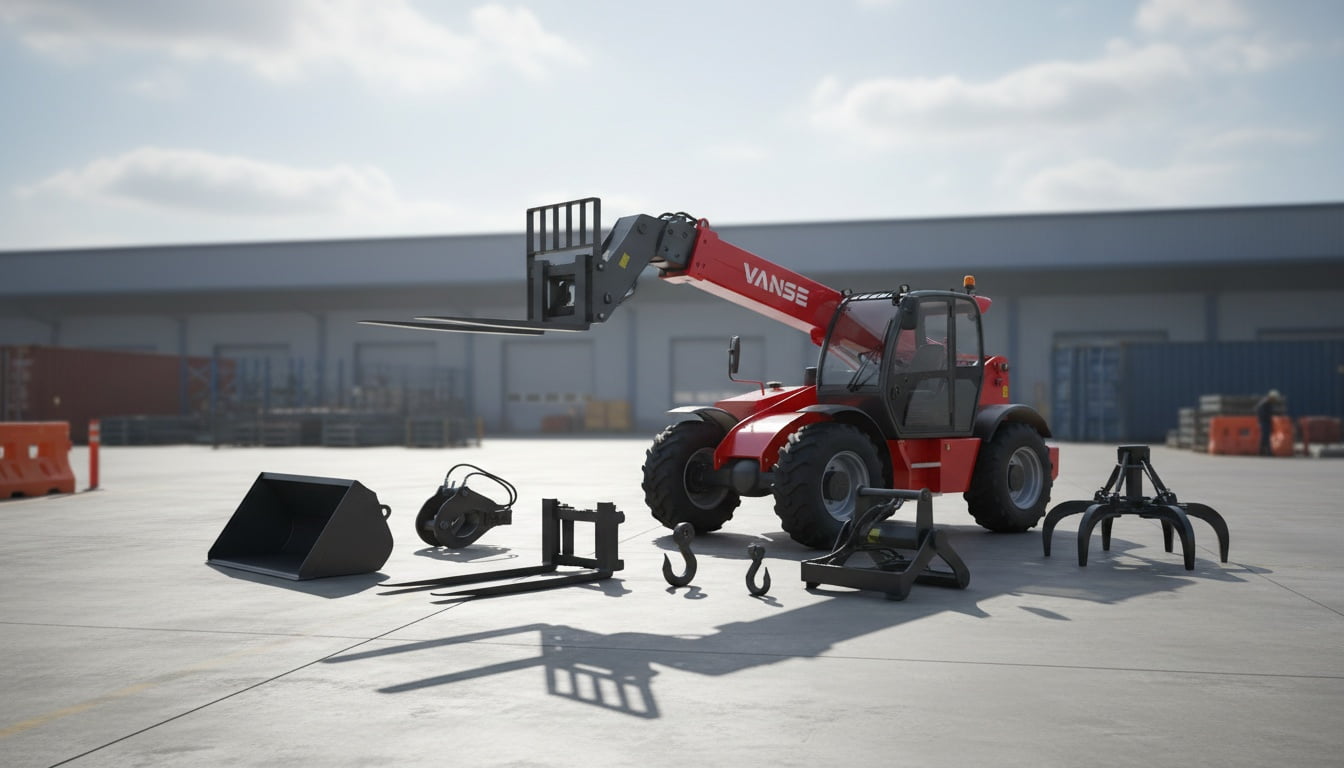
| Attachment-oriented telehandler | Varies by configuration | Bucket work, truss setting support, suspended loads, forks and jibs | Mixed-application contractors seeking one machine for many tasks |
| Rental fleet standard unit | 6,000 to 8,000 lb | Short-term construction and site support across many job types | Rental companies and contractors with changing project scopes |
The table above helps narrow the field quickly. For example, a warehouse shell contractor in Phoenix may need a general construction telehandler with strong cooling performance and easy access to air filters. A bridge subcontractor in the Midwest may need higher capacity and stability for heavier components. A rental business serving Nashville or Tampa may prioritize models that many operators already know how to use.
Buying Advice for U.S. Contractors and Rental Fleets
Buying a telehandler for construction is not just about height and capacity. The best purchasing decisions come from understanding your dominant materials, average lift cycle, transport rules, operator profile, attachment use, and expected downtime risk. A machine that is perfect for one contractor can be inefficient for another.
Start with your most common lift tasks rather than rare peak loads. Many buyers overestimate required capacity because they think about unusual heavy picks instead of daily pallet movement, roofing packs, or framing supply placement. If 80 percent of the work falls inside a medium-size range, the machine should be optimized for that workload. Then evaluate cab visibility, boom smoothness, tire options, and parts service.
U.S. buyers should also ask about lead times and stocking strategies. Long replacement cycles can disrupt projects during the busiest construction season. In markets that move quickly, especially around Houston, Orlando, Raleigh, Las Vegas, and Southern California, buyers increasingly value suppliers that can support urgent delivery or maintain pipeline inventory.
| Buying Factor | Why It Matters | Recommended Buyer Question | Risk if Ignored |
|---|---|---|---|
| Lift capacity and reach | Determines whether the machine matches your actual loads and placement points | What are the true load chart limits at the reach we use most? | Underperformance or unnecessary overspending |
| Dealer and service coverage | Reduces downtime during high-pressure schedules | Who handles field service in our city and how fast is response? | Delays, idle labor, schedule overruns |
| Parts availability | Critical for rental fleets and contractors with no backup machine | Which wear parts are stocked locally or regionally? | Long outages waiting for shipment |
| Attachment compatibility | Expands machine usefulness across project phases | Can we run forks, bucket, jib, and work platform options safely? | Reduced utilization and need for extra equipment |
| Operator training and controls | Improves safety and shortens learning curve | Do you provide training resources and familiar control layouts? | Operator error and lower productivity |
| Lifecycle cost | Purchase price alone does not reflect total ownership cost | What are the expected maintenance intervals and annual operating costs? | Budget surprises and poor ROI |
| Customization and branding | Important for distributors and fleet owners | Can the supplier support OEM, ODM, or special spec requests? | Missed market fit or weak resale strategy |
This table is especially valuable for buyers who are comparing premium legacy brands with newer entrants. It keeps the conversation grounded in operating reality. A lower-priced machine is only a smart buy if service response, parts planning, and fit-for-purpose specifications are equally clear.
Industries Driving Telehandler Demand
Telehandler construction demand in the United States is not limited to building contractors. The machine category overlaps with industrial maintenance, logistics support, agriculture-adjacent material handling, utilities, energy, and municipal project work. This cross-sector demand is one reason telehandlers remain attractive to rental companies: one unit can move between different customer types across the year.
The bar chart shows why telehandlers are so resilient in the U.S. market. Commercial building and warehousing lead demand, but infrastructure, energy, industrial plant maintenance, and rental fleet circulation keep utilization broad even when one segment slows. This diversity supports both manufacturers and distributors that want more stable volume across economic cycles.
Common Construction Applications
Across U.S. jobsites, telehandlers serve as the daily logistics engine. They unload flatbeds, carry materials over soft ground, raise pallets to upper decks, feed crews at elevation, and reduce manual handling. In residential framing, they help move trusses, lumber bundles, and sheathing. In masonry, they deliver block and mortar to exact working zones. In roofing, they raise membrane rolls, insulation, and packaged materials where crane calls would be slower or more expensive.
For industrial and warehouse construction, the telehandler supports steel erection staging, pipe rack materials, HVAC unit handling, and repetitive movement of palletized supplies. On infrastructure support projects, it can be used for barriers, forms, rebar handling, and site setup. When paired with the right attachment, one telehandler can often replace multiple lower-productivity movements from smaller machines.
Regional Demand Patterns in the United States
Regional conditions heavily affect telehandler specification. In Texas, buyers often want robust cooling, high uptime, and flexibility for large projects spread across wide sites. In Florida, contractors may value corrosion awareness, easy service access, and strong support near fast-growing metro areas. In the Northeast, tighter urban jobsite conditions can push demand toward compact or highly maneuverable models. In California and the Pacific Northwest, fleet operators may also pay closer attention to emissions pathways, noise expectations, and sustainability reporting from equipment suppliers.
Port and logistics corridors matter as well. Areas tied to Savannah, Houston, Long Beach, Oakland, Newark, and Charleston benefit from inbound equipment flow and replacement parts channels. Inland hubs like Dallas-Fort Worth, Memphis, Kansas City, Columbus, and Chicago also matter because construction telehandlers often circulate from these centers into nearby metro growth zones.
Case Studies from Realistic U.S. Project Scenarios
A general contractor building a distribution center outside Dallas may need to place steel components, move insulation packs, support roofing crews, and unload materials from multiple suppliers over a compressed timeline. In that case, a medium-to-high reach telehandler with fork and jib options creates more project flexibility than a single-purpose rough terrain forklift. Faster material flow can reduce crane dependency for routine handling and free skilled labor from unnecessary waiting.
In central Florida, a school expansion project may involve soft ground after rain, multiple small staging areas, and strict completion dates before the academic year. A telehandler helps move packaged classroom materials, structural components, and mechanical supplies with less site congestion than larger lifting equipment. For such buyers, service response from nearby dealers can matter as much as machine specification.
In Southern California, a commercial contractor working on mixed-use development may need a telehandler that balances jobsite mobility, operator visibility, and compatibility with different crews. Here, a familiar machine with dependable support can reduce onboarding friction and help keep subcontractors moving even when schedules overlap in confined spaces.
Local Suppliers and Distribution Considerations
For U.S. buyers, local supply is about more than where the machine is assembled. It includes dealer density, parts stocking, field technician reach, training, warranty handling, and resale support. A supplier with limited local structure can still be viable if it has credible regional inventory plans, committed service partners, and documented parts channels. This is especially relevant as more international manufacturers build North American presence through distributors, warehouses, and private-label arrangements.
| Supplier | Typical Buyer Type | Service Advantage | Best Use Case |
|---|---|---|---|
| JLG | Rental companies, large contractors, fleet managers | Dense support structure and broad market familiarity | Standardized fleets and nationwide project work |
| Genie | Rental chains, commercial contractors | Strong dealer and fleet channel penetration | General telehandler construction use with predictable support |
| JCB | Contractors, dealers, mixed-sector users | Deep telehandler product expertise | Buyers wanting broad model selection and strong handling performance |
| Skyjack | Rental-heavy operations and cost-conscious fleets | Operational simplicity and easy fleet integration | High-turn rental environments |
| Manitou | Industrial, agriculture-linked, and construction users | Application flexibility across sectors | Buyers needing one machine for varied material handling tasks |
| Bobcat | Local contractors and dealers already using compact equipment lines | Cross-selling through existing dealer relationships | Customers wanting a one-stop equipment supplier |
| VANSE | Distributors, dealers, rental startups, brand owners, end users | Factory-direct customization and competitive pricing structure | Buyers seeking value, tailored specifications, or private-label opportunities |
This comparison is practical because it links each supplier to a buyer profile. A large national rental company may prioritize standardization and established support routes. A regional distributor or independent contractor may instead find more value in a flexible manufacturer that can tailor specification, branding, and supply terms.
Our Company
As a manufacturer focused on telehandlers as its flagship product line, VANSE brings a U.S.-relevant mix of verified production standards, adaptable cooperation models, and expanding local commitment rather than acting as a distant exporter. The company operates under CE and ISO 9001 certified processes, uses internationally recognized powertrain and core component brands such as Perkins and Cummins together with premium hydraulic, transmission, and axle systems, and subjects every machine to comprehensive load testing, safety inspection, and performance validation before shipment; that combination gives U.S. buyers concrete evidence that the machines are built to internationally benchmarked standards, not generic price-driven assumptions. On the commercial side, VANSE supports end users, distributors, dealers, rental companies, brand owners, and independent buyers through flexible OEM, ODM, wholesale, retail, and regional partnership models, making it suitable for both direct fleet purchases and market development programs. For local assurance, the company has already built export experience in more than 40 countries, serves North America as an established operating market, and is actively establishing a U.S.-based subsidiary with local inventory, stocking, and after-sales capability so American customers can rely on both online technical coordination and offline parts and service support through a growing regional footprint. Buyers can explore the company through the official VANSE equipment platform, review available machine categories in the equipment range, learn more about its background on the company profile page, evaluate support structure through the service information page, or discuss U.S. sourcing and partnership opportunities directly via the contact channel.
How to Compare Domestic and International Sourcing
For U.S. buyers, sourcing decisions increasingly come down to balancing familiarity against cost-performance and customization. Domestic or long-established brands often provide confidence through dense service networks and stronger resale recognition. International suppliers can offer attractive pricing, configurable specifications, and better private-label opportunities, especially for distributors and rental startups building their own market presence.
The key is to compare on a full-value basis. Ask whether the supplier offers documented testing, known engine brands, real parts stocking strategy, technical training support, and a local business plan rather than simple export shipment. If those pieces are in place, international sourcing can become a practical and competitive channel for U.S. construction buyers, particularly in value-sensitive market segments.
The area chart highlights a major procurement shift in the United States: more buyers are willing to consider value-focused sourcing when service, certification, and component quality are clear. That does not mean legacy brands are losing relevance, but it does show the market is becoming more open to well-prepared international alternatives.
Telehandler Construction Trends for 2026
Looking toward 2026, the telehandler construction segment in the United States is expected to evolve in three major directions: technology integration, policy and compliance pressure, and sustainability-driven operating decisions.
On the technology side, buyers increasingly expect telematics, maintenance alerts, operator monitoring, digital service records, and easier fleet diagnostics. Rental companies in particular want machines that can be tracked, maintained predictively, and integrated into broader asset management systems. This improves utilization and reduces unscheduled downtime.
Policy trends will continue to affect procurement decisions, especially in states and cities with stricter emissions expectations, public-project reporting requirements, and safety compliance standards. Even when a machine class is still dominated by diesel, contractors are paying more attention to engine efficiency, idle management, and documentation that supports project compliance.
Sustainability is also becoming a practical rather than purely symbolic factor. Contractors want durable machines with lower fuel consumption, longer service intervals, and less waste through better parts planning. Fleet renewal strategies may favor telehandlers that can serve more tasks with fewer support machines, which lowers overall equipment count on site.
In addition, private-label and regional distribution models are likely to grow. As more North American buyers seek better margins and differentiated product offerings, OEM and ODM cooperation will become more attractive, especially for dealers and equipment entrepreneurs wanting to build local market identity.
Operational Tips for Maximizing ROI
To get the best return from a telehandler, U.S. contractors should focus on utilization, attachment planning, and preventive maintenance. A telehandler that sits idle between project phases becomes expensive quickly, while one used across unloading, placement, cleanup, and specialty handling produces strong value. Attachments should be selected based on recurring tasks, not marketing appeal alone. Operators also need clear load chart understanding, especially when switching between forks, buckets, and jibs.
Maintenance planning should be built around the work environment. Dusty regions like Arizona, Nevada, and West Texas require careful filter and cooling system attention. Coastal humidity and rain-heavy environments increase corrosion and sealing concerns. Rental fleets should build standardized inspection routines so that machine condition stays consistent between customers and sites.
Frequently Asked Questions
What is the best telehandler for construction in the United States?
The best choice depends on your most common load weight, lift height, service location, and whether you buy for direct use or rental. JLG, Genie, JCB, Skyjack, Manitou, Bobcat, and qualified international suppliers such as VANSE can all be valid options when matched to the right use case.
Is a telehandler better than a forklift on a construction site?
For rough terrain and elevated placement tasks, yes. A telehandler offers more reach, more site mobility, and broader attachment flexibility than a standard forklift, making it more suitable for most active construction environments.
What lift capacity is most common for U.S. construction projects?
The 6,000 to 10,000 lb range is common because it covers many framing, masonry, roofing, and commercial material handling tasks. Larger industrial or infrastructure jobs may require higher capacities and greater reach.
Should I rent or buy a telehandler?
Renting is often better for short-term or highly variable project demand. Buying is usually better when the machine will stay active across multiple projects, support several crews, or serve as a core fleet asset with predictable utilization.
Are international telehandler suppliers a good option for U.S. buyers?
They can be, provided they offer recognized core components, documented manufacturing standards, real technical support, and credible U.S. service or stocking plans. Cost-performance can be very competitive when those conditions are met.
What should distributors and dealers look for in a telehandler supplier?
They should evaluate exclusivity options, spare parts support, technical training, OEM or ODM capability, product consistency, container efficiency, and the supplier’s willingness to invest in local market development.
How important is after-sales support?
It is critical. A telehandler can become a bottleneck if parts, service, or technical diagnosis are slow. Strong after-sales support protects uptime, operator confidence, and project schedules.
Final Takeaway
Telehandler construction demand in the United States remains strong because contractors, rental fleets, and industrial users need machines that can do more than simple pallet movement. The best purchase is the one that aligns capacity, reach, attachments, dealer response, and total ownership cost with actual site conditions. Established brands continue to dominate many U.S. fleets, but the market is also opening to qualified international manufacturers that can prove certification discipline, global component quality, customization ability, and local service commitment. For buyers focused on both performance and value, that broader supplier field creates more strategic options than ever before.
Complete Telescopic Handler Equipment Portfolio
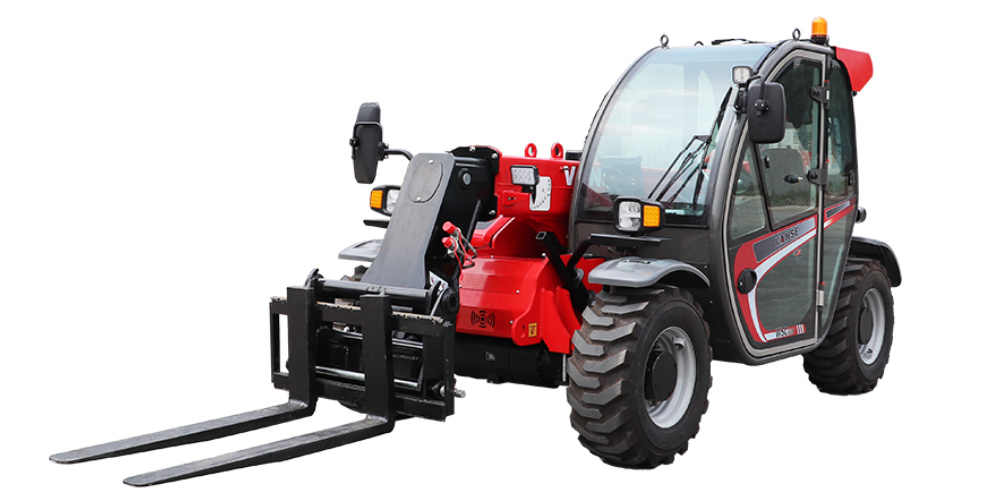
VANSE 625 6m Telescopic Handler
Designed for efficient material handling and stacking in warehouses, factories, and confined job sites, offering compact maneuverability and reliable performance.

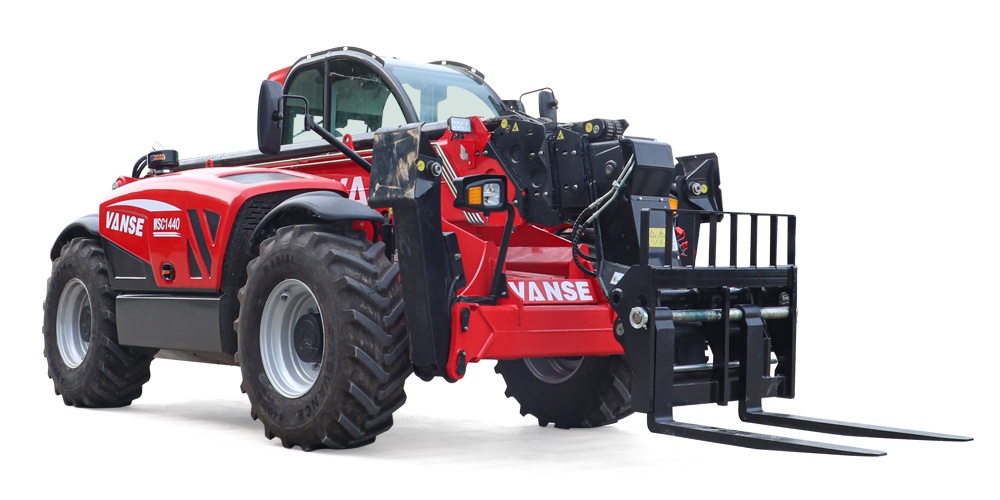
VANSE 735 7m Telescopic Handler
A balanced mid-duty solution for construction, agriculture, logistics, and warehousing, combining stable lifting, strong traction, and everyday versatility.


About the Author:
The VANSE team is a group of experienced professionals specializing in construction machinery research, manufacturing, and technical support. With deep industry knowledge and hands-on experience, our engineers and product specialists share practical insights on equipment selection, operation, maintenance, and industry trends.
Share
You May Also Interest
-

22 October, 2026
Telehandler for Grain Handling on Large Modern Farm Sites
Explore telehandler grain handling options in the United States, including suppliers, specs, farm uses, and cost-saving buying advice for grain operations.
-
21 October, 2026
Telehandler vs All Terrain Forklift: Which Lifts Better
Telehandler vs all terrain forklift in the United States: compare reach, lifting, terrain use, costs, and supplier options for smarter equipment buying.
-
20 October, 2026
10 Ton Telehandler: Extreme Lifting for Major Industrial
Explore 10-ton telehandler options in the United States, top suppliers, buying tips, applications, and service support for major lifting projects.
-
19 October, 2026
Telehandler for Demolition: Safe Structural Dismantling
Explore telehandler demolition options in the United States, including suppliers, attachments, safety, market trends, and cost-effective sourcing advice.