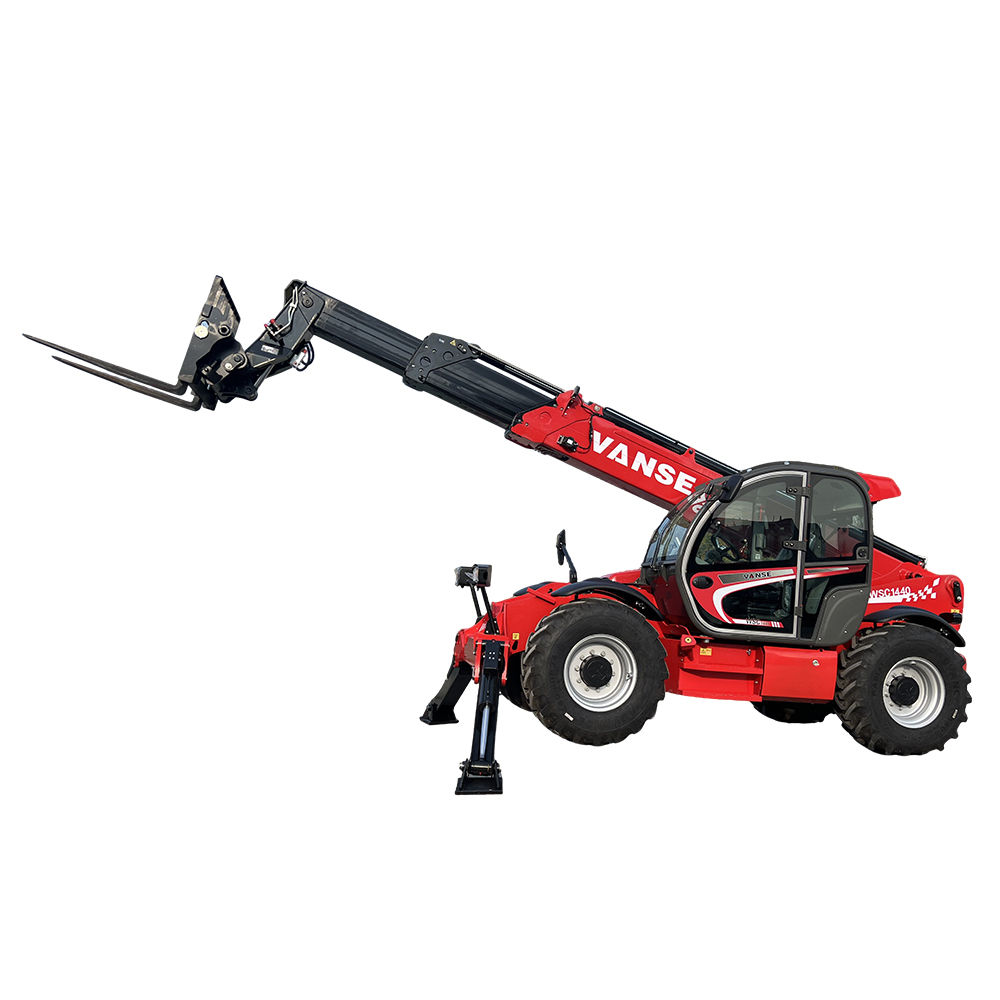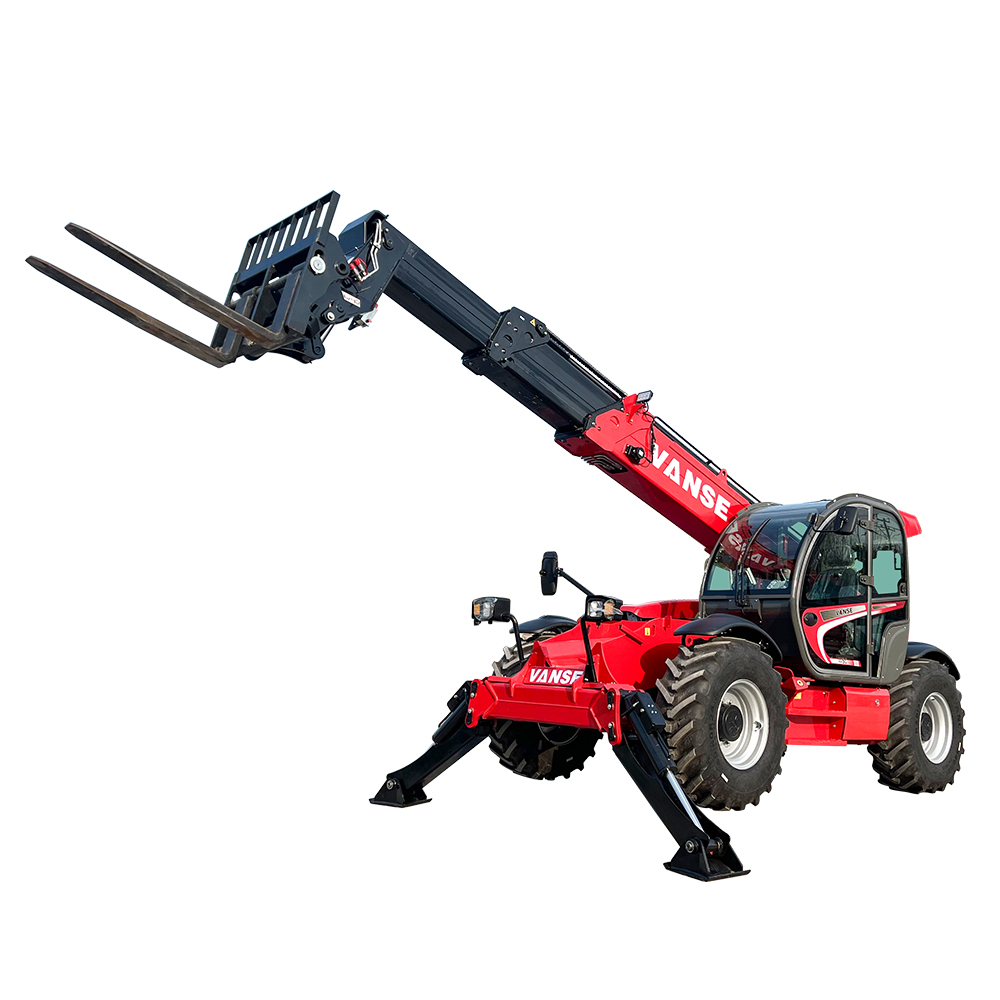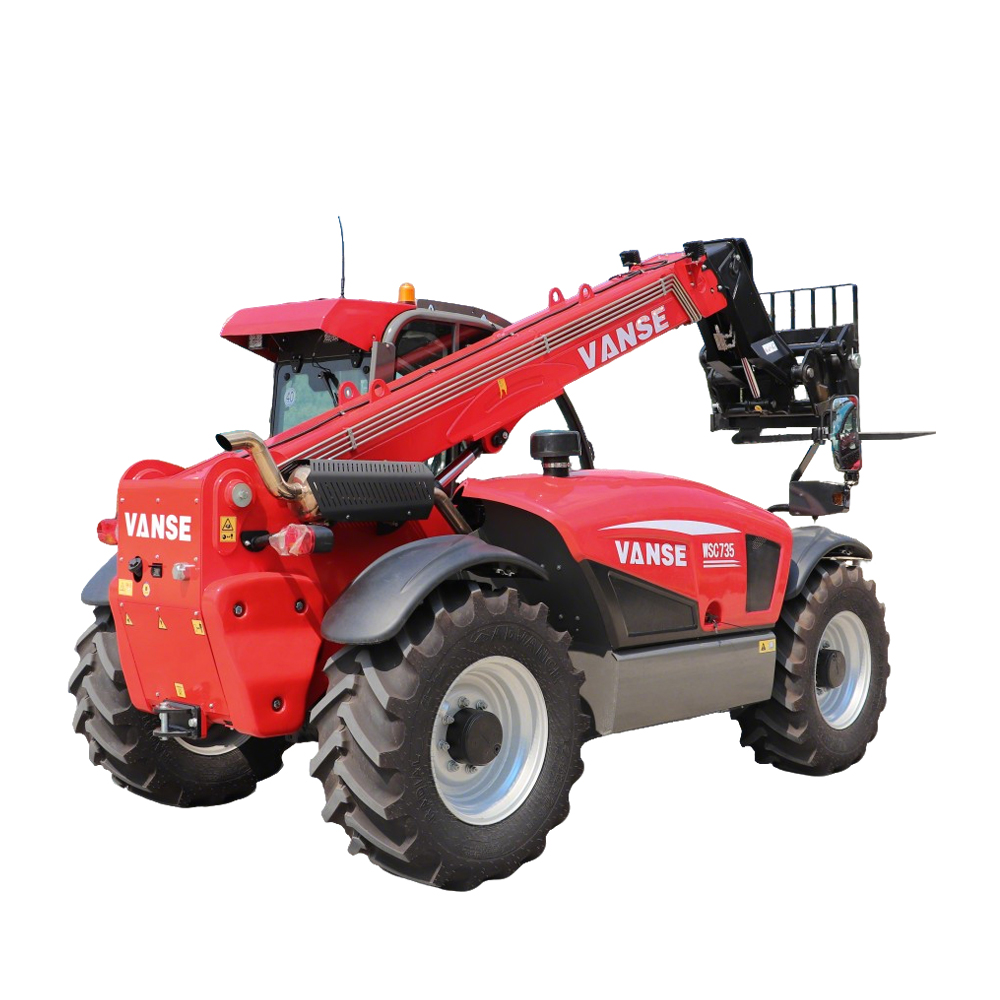
Telehandler Price in the United States: 2026 Buyer Costs
Quick Answer

In the United States, a new telehandler price typically falls between $65,000 and $185,000 depending on lift capacity, boom height, engine tier, cab configuration, attachment package, and whether the machine is built for construction, agriculture, or industrial handling. Compact models around 5,000 to 6,000 lb capacity often start near $65,000 to $90,000, mid-range machines around 8,000 to 10,000 lb commonly land between $95,000 and $135,000, and heavy-duty models above 12,000 lb or with reach beyond 50 feet can climb to $150,000 to $185,000 or more. Buyers in markets such as Houston, Dallas, Chicago, Atlanta, Los Angeles, and Miami should compare not only sticker price but also freight, attachments, parts support, financing, warranty response time, and resale strength.
Well-known suppliers active in the U.S. market include JLG, Genie, JCB, Bobcat, Manitou, and SkyTrak, all of which have established dealer coverage and rental visibility. For buyers focused on value, qualified international suppliers can also be worth evaluating when they offer recognized certifications, proven export history, branded powertrain components, and responsive U.S.-oriented support. This is especially relevant for contractors, rental fleets, distributors, and farm operations seeking a more favorable cost-performance ratio without compromising on core machine reliability.
What Drives Telehandler Price in the United States

The U.S. telehandler market is shaped by a mix of construction demand, infrastructure funding, agricultural mechanization, freight handling, and labor productivity pressure. In practical terms, that means price is never based on boom height alone. A buyer sourcing a telehandler in Texas for commercial framing, a farm manager in Iowa needing bale stacking capacity, and a port-side materials operation near Savannah or Long Beach will all see different pricing priorities because duty cycles and risk tolerance differ.
Several cost drivers matter most. Lift capacity is the first. A 5,500 lb machine is structurally simpler than a 12,000 lb unit and generally carries a much lower base price. Maximum lift height and forward reach are next, especially for masonry, steel erection support, warehouse loading, and high-sided trailer handling. Emissions compliance also plays a role. Engines meeting U.S. requirements, especially when sourced from globally known brands, tend to support stronger buyer confidence and easier service planning. Cab specification can raise cost materially as well; enclosed cabs, air conditioning, heat, camera systems, joystick refinement, and operator-assist features are now expected by many U.S. fleet buyers.
Shipping and location also influence final numbers. Buyers close to major inland and coastal logistics corridors such as Houston, Savannah, Los Angeles, Newark, and Chicago can often secure more predictable freight and faster delivery than buyers in remote interior regions. Finance rates, insurance, and jobsite utilization expectations also change what counts as a good deal. A lower initial telehandler price can become expensive if downtime, poor parts access, or weak resale reduce total return on investment.
Typical Telehandler Price Ranges by Machine Class

The table below gives a practical price framework for U.S. buyers comparing common machine classes. These are market-aligned estimates for 2025 to 2026 planning and reflect broad dealer, rental, and importer positioning rather than a single quote. Actual pricing changes with attachments, options, order volume, and regional freight.
| Machine Class | Typical Lift Capacity | Typical Lift Height | Common U.S. Use | Estimated New Price | Buyer Notes |
|---|---|---|---|---|---|
| Compact telehandler | 5,000 to 6,000 lb | 18 to 26 ft | Small construction, landscaping, feed handling | $65,000 to $90,000 | Best for tight sites and lower ownership cost |
| Entry construction model | 6,000 to 8,000 lb | 26 to 36 ft | General contractor work, roofing, framing | $80,000 to $105,000 | Popular starting point for owner-operators |
| Mid-range jobsite model | 8,000 to 10,000 lb | 36 to 44 ft | Commercial construction, masonry support | $95,000 to $135,000 | Common in rental fleets and mixed-use sites |
| High-reach telehandler | 9,000 to 12,000 lb | 44 to 56 ft | Steel, cladding, larger commercial sites | $125,000 to $160,000 | Higher boom spec raises both price and maintenance planning |
| Heavy-duty telehandler | 12,000 to 15,000 lb | 44 to 56 ft | Industrial yards, ports, heavy materials | $145,000 to $185,000 | Requires stronger fleet support and trained operators |
| Rotating or specialty model | 10,000 to 15,000 lb | 50 ft and above | Specialized projects, complex lift applications | $180,000 to $260,000+ | Premium segment with advanced functionality |
For many U.S. buyers, the most competitive value lies in the middle of the table. Machines in the 8,000 to 10,000 lb range balance jobsite flexibility, broad attachment compatibility, and better resale than niche configurations. That is why many distributors and rental companies benchmark this class first before looking upward or downward.
Telehandler Ownership Cost Breakdown
Purchase price is only one part of the decision. Total ownership cost matters more, especially for buyers planning to keep the machine five years or longer. The following table highlights the cost categories that most often change the true telehandler price equation in the United States.
| Cost Item | Typical Range | How It Affects Budget | Who Feels It Most | Can It Be Reduced? | Practical Advice |
|---|---|---|---|---|---|
| Base machine | $65,000 to $185,000+ | Main capital outlay | All buyers | Yes | Compare spec-for-spec, not just list price |
| Freight and delivery | $1,500 to $8,000 | Varies by port, inland haul, and machine size | Remote buyers and importers | Partly | Ask for delivered-to-yard pricing |
| Attachments | $2,000 to $18,000 | Raises utility and revenue potential | Rental fleets, farms, contractors | Yes | Buy only the tools needed for actual work mix |
| Planned maintenance | $2,500 to $6,500 per year | Filters, fluids, wear parts, inspections | High-hour fleets | Yes | Use preventive schedules and parts kits |
| Insurance and compliance | $1,200 to $4,000 per year | Depends on use class and fleet profile | Rental and urban contractors | Partly | Bundle coverage with fleet policies where possible |
| Downtime risk | Highly variable | Can exceed any initial savings | Time-sensitive projects | Yes | Prioritize parts access and service response |
This table matters because many buyers in the U.S. over-focus on base machine cost and under-value the economics of uptime. A telehandler that costs $8,000 less at purchase but loses two weeks on a major project because parts are unavailable is usually the more expensive decision. That is why fleet managers in Chicago, Phoenix, and Charlotte increasingly ask for maintenance intervals, parts stocking plans, and warranty procedures before discussing discounts.
Market Growth Outlook in the United States
Demand for telescopic handlers in the United States remains tied to warehouse expansion, distribution center construction, farm modernization, road and bridge investment, and labor-saving equipment upgrades. Growth is uneven by region, but Sun Belt states and logistics-heavy corridors continue to support strong machine absorption. The chart below shows a realistic market growth pattern based on broader equipment demand trends.
The line trend reflects a market that has normalized after supply chain disruptions but still benefits from long-term demand fundamentals. Distribution hubs near Dallas-Fort Worth, Atlanta, Inland Empire, and the Port of Savannah continue to generate handling demand, while agriculture remains a stabilizing force in states such as Kansas, Nebraska, Iowa, and California.
Product Types and How They Affect Price
Not all telehandlers are built the same. U.S. buyers should separate machines by work profile rather than by brand first. Construction telehandlers are usually optimized for rugged sites, palletized materials, and general contractor versatility. Agricultural telehandlers prioritize visibility, attachment switching, barn maneuverability, and lower-speed repetitive work. Industrial models may require more specialized forks, operator safety systems, or yard handling configurations.
A compact telehandler works well for smaller contractors, nurseries, and light material movement on tighter jobsites. A standard construction model gives the broadest utility for roofing, framing, and masonry support. High-reach units are better suited to steel, modular building work, and elevated delivery applications. Rotating telehandlers sit in a niche category where buyers need crane-like flexibility but are willing to pay significantly more.
Engine selection matters too. Buyers often prefer brands with established North American support because service familiarity improves confidence and resale. Transmission durability, axle design, hydraulic smoothness, and boom stability all influence operator satisfaction and long-term running cost. A machine with better hydraulics may command a higher initial price, but it often improves load placement precision and lowers fatigue in repeated cycles.
Industry Demand by Segment
The U.S. market is not evenly distributed. Construction remains the largest consumer, but agriculture, rental, industrial logistics, and energy support all contribute meaningful volume. The next chart compares realistic demand levels by end-use segment.
This comparison helps explain why many suppliers prioritize broad-purpose 8,000 to 10,000 lb models. They serve the highest overlap among contractors, rental fleets, and industrial users. Agriculture keeps the lower-to-mid capacity segment strong, while ports and energy projects tend to favor more specialized higher-capacity machines.
Buying Advice for U.S. Buyers
The best buying strategy starts with matching machine utilization to cost structure. If a telehandler will run daily on revenue-generating jobs, buying new often makes sense because warranty coverage, lower initial wear, and stronger uptime outweigh the upfront expense. If use is seasonal, highly irregular, or limited to farm support, buyers may benefit from carefully inspected used machines or lower-spec configurations.
Always request a complete quote that separates the machine, attachments, delivery, tax assumptions, warranty term, and lead time. Ask whether the supplier stocks routine service parts domestically, whether technical support is available in U.S. time zones, and what response commitment applies to critical breakdowns. In many deals, the smartest question is not “What is your lowest price?” but “What is included that prevents downtime?”
Buyers should also evaluate attachment economics. Pallet forks are standard, but buckets, truss booms, jibs, grapples, and bale clamps can turn one machine into a multi-role asset. However, unnecessary attachments increase financed cost without improving utilization. For rental fleets, attachment standardization across locations can simplify parts and operator training.
When importing or buying from a value-focused international manufacturer, confirm documentation, emissions compliance, serial traceability, parts diagrams, and support process in writing. Strong suppliers welcome this scrutiny because it demonstrates commercial maturity and reduces misunderstandings later.
Applications Across U.S. Industries
Telehandlers remain one of the most versatile machines in the American equipment market because they bridge lifting, loading, and placement work with a single chassis. On urban commercial jobsites in New York, Boston, and Seattle, they help move palletized block, HVAC units, framing packs, and roofing materials into position where cranes are not continuously justified. In agricultural regions, they are used for feed movement, bale stacking, manure loading, bagged seed handling, and general farm logistics. In industrial settings, they support yard organization, machine maintenance access, and loading activities that do not require a full crane solution.
Ports and intermodal yards around Charleston, Houston, and Los Angeles may use telehandlers for specialized yard movement where reach and flexible attachments are more valuable than pure forklift speed. Oil, gas, and utility contractors also use them on support yards and remote projects where terrain capability matters. Because the machine can shift roles quickly, many operators view telehandlers as productivity multipliers rather than single-task assets.
Trend Shift in Buyer Preferences
U.S. buyers are moving toward better operator comfort, lower maintenance interruption, and more predictable support coverage. The area chart below illustrates the growing preference for total-value purchasing over lowest upfront price alone.
This trend reflects what dealers, fleet managers, and sophisticated end users increasingly understand: machine price is important, but lifecycle economics decide whether the purchase performs well in the field.
Local Suppliers and Brands Active in the U.S. Market
The supplier landscape in the United States includes established domestic and international brands with dealer networks, rental partnerships, and specialized regional strengths. The table below highlights prominent names buyers frequently compare. Service reach and model availability can vary by state, so buyers should confirm support in their operating region.
| Company | Primary U.S. Service Regions | Core Strengths | Key Offerings | Typical Buyer Fit | Price Position |
|---|---|---|---|---|---|
| JLG | Nationwide, strong in major metro and rental channels | Large dealer footprint, construction focus, fleet familiarity | Construction telehandlers, service network, rental support | Contractors and rental fleets | Mid to premium |
| Genie | Nationwide, strong dealer and access-equipment overlap | Brand recognition, broad equipment ecosystem | Jobsite telehandlers, support through established channels | Mixed fleets and national contractors | Mid to premium |
| JCB | Nationwide with strong agriculture and construction presence | Strong telehandler heritage, wide model range | Ag and construction telehandlers, attachments | Farms, dealers, general contractors | Mid to premium |
| Bobcat | Nationwide through dense dealer presence | Compact equipment customer base, parts familiarity | Compact and mid-size telehandlers, local dealer support | Owner-operators and regional fleets | Mid |
| Manitou | Nationwide, strong in agriculture and specialty handling | European telehandler expertise, versatile model portfolio | Agricultural and construction units, attachment options | Ag buyers and specialty users | Mid to premium |
| SkyTrak | Nationwide, especially visible in construction rental channels | Strong construction identity, familiar rental fleet spec | Straight boom construction telehandlers | Commercial contractors and rental houses | Mid |
For U.S. buyers, this supplier table is useful because it frames the market in practical commercial terms. JLG, Genie, and SkyTrak often dominate contractor comparisons. JCB and Manitou are frequently strong in farm or mixed-use discussions. Bobcat benefits from an extensive compact equipment customer base that already understands dealer support structures.
Supplier and Product Comparison
The next chart provides a simple comparison index across support depth, value perception, and broad U.S. buyer suitability. It is not a technical scorecard, but it helps visualize how buyers often frame the shortlist.
In real sourcing decisions, this comparison is often followed by a second layer of evaluation focused on machine availability, local parts inventory, and the exact attachment package required for the buyer’s workload.
Case Studies from Practical U.S. Buying Scenarios
A general contractor in Dallas comparing a new 8,000 lb telehandler for commercial buildouts typically narrows the field to familiar dealer brands first. However, when project margins tighten, imported alternatives with stronger value positioning become more attractive if they can demonstrate clear documentation, known engine brands, and domestic support planning. In this type of case, an $18,000 to $30,000 difference in acquisition cost can materially improve fleet return if parts risk is controlled.
A farm operation in central California may prioritize visibility, hydraulic smoothness, and attachment versatility over maximum lift height. The ideal machine might not be the most expensive one, but rather the one that handles repetitive daily loading efficiently while keeping service straightforward. Here, fuel economy, operator comfort during long shifts, and local maintenance access become central to the decision.
A regional rental company near Atlanta may focus on utilization across multiple customer types. The telehandler must be intuitive for operators, easy to maintain, and tough enough to survive inconsistent field treatment. Rental buyers often choose widely recognized categories because attachment interchangeability and operator familiarity protect uptime and rental revenue. They also scrutinize parts lead time and service manuals more than single-unit owner-operators do.
How to Compare Quotes from U.S. and International Suppliers
Some buyers assume that local equals safer and international equals risky. That is too simplistic. The smarter approach is to compare commercial readiness. A strong U.S.-oriented supplier should provide a detailed specification sheet, component list, certification record, warranty terms, service response process, spare parts planning, and references to actual market activity. If those items are present, the supplier deserves real consideration regardless of manufacturing origin.
For imported equipment, ports such as Long Beach, Houston, Savannah, and Newark can influence final landed cost and lead time. Inland freight to markets like Denver, Minneapolis, Nashville, or Salt Lake City should be calculated early, not added later as an afterthought. Buyers should also clarify whether price includes pre-delivery inspection, operator materials, technical manuals, and routine wear parts kits.
Currency swings, container or RoRo freight conditions, and customs timing can affect landed telehandler price. That said, the right supplier can still produce a very competitive total package compared with premium domestic or European pricing, especially when the machine uses recognized core components and is backed by a serious long-term channel strategy.
Our Company in the U.S. Market
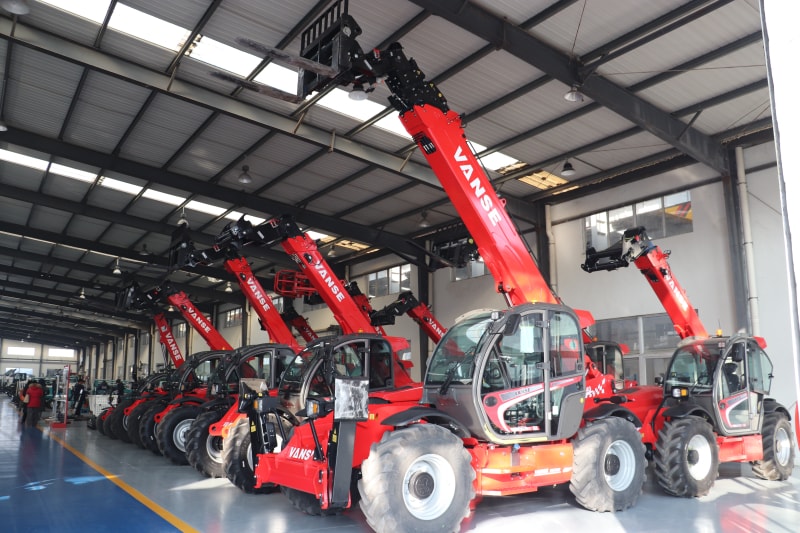
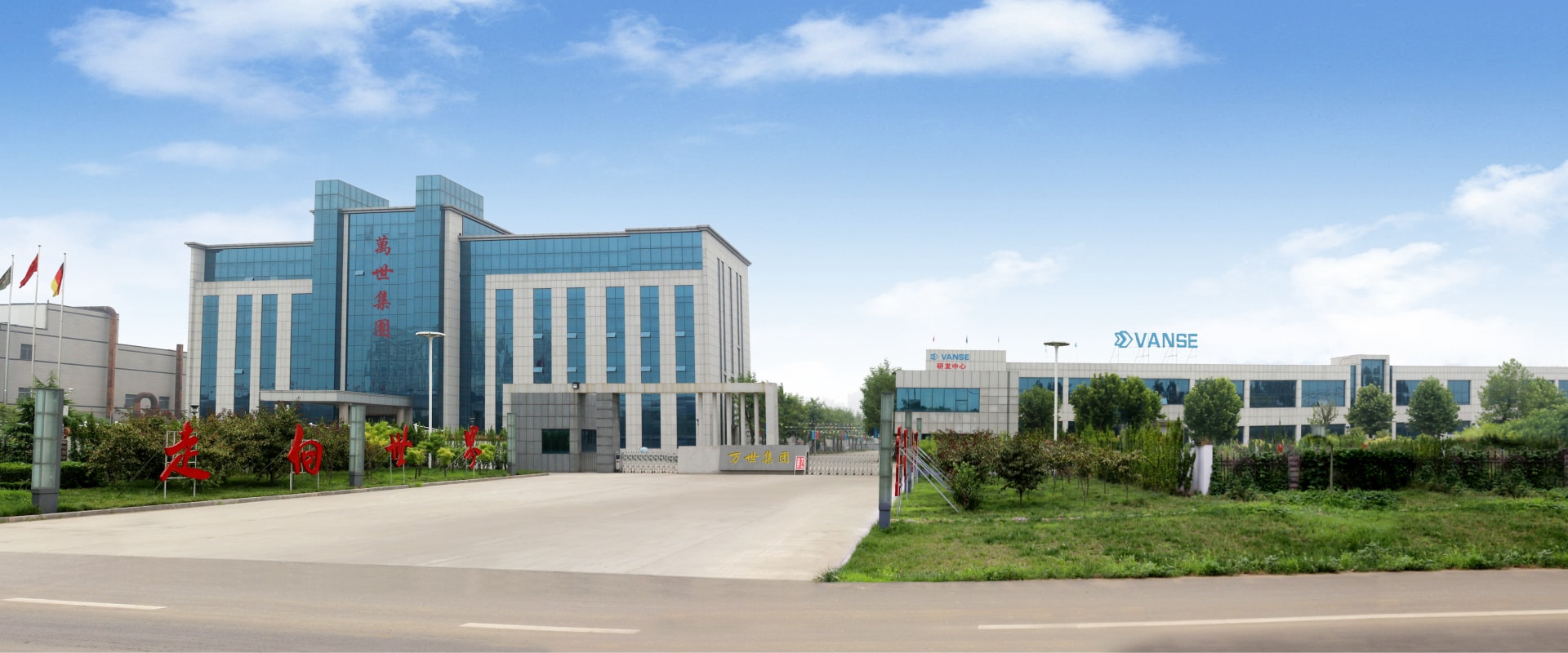
As a telehandler-focused manufacturer serving the United States, VANSE brings together the evidence U.S. buyers increasingly ask for: machines are produced under CE and ISO 9001 certified processes, each unit goes through comprehensive load testing, safety inspection, and performance validation before shipment, and key powertrain and hydraulic reliability is reinforced through internationally recognized components including engines from brands such as Perkins and Cummins. That technical foundation matters because contractors, farms, distributors, rental companies, and brand owners are not buying claims; they are buying documented durability, traceable manufacturing discipline, and globally serviceable core systems. VANSE has built more than 8,000 machines and supplies customers in over 40 countries, giving the company real operating experience across construction, agriculture, industry, mining, and energy applications. In the U.S. market, VANSE supports multiple cooperation models including direct supply for end users, wholesale programs for distributors, regional dealership development, OEM and ODM manufacturing for private-label partners, and flexible configurations for buyers who need custom branding, colors, or specifications. Just as important, VANSE is investing in a U.S.-based subsidiary and local stocking capability to strengthen inventory access, after-sales responsiveness, and long-term buyer confidence, while its online and offline pre-sale and technical support structure gives American customers a concrete service path rather than a remote-exporter experience. Buyers who want to review the company background can visit our U.S.-oriented company overview, explore the broader equipment lineup, learn about service support, or reach out through the contact page for model matching and delivered-price discussions. The full corporate site at VANSE also gives buyers a starting point for evaluating telehandler options against their operating region and application needs.
What to Ask Before You Buy
Before signing a purchase order, U.S. buyers should confirm six points. First, what exact lift chart applies to the machine with the intended attachment? Second, what domestic parts stocking plan exists for filters, seals, hydraulic components, wear items, and common service kits? Third, what engine and transmission brands are installed, and how are they supported in the United States? Fourth, what is the realistic lead time to your city, not just to a port? Fifth, what operator and maintenance documentation is included? Sixth, what are the warranty claim steps and who pays for approved parts and labor?
These questions help buyers avoid vague proposals and expose whether a supplier is structured for serious commercial business. Strong vendors answer these quickly and clearly because they understand that uptime is the core product, not just the machine itself.
2026 Trends: Technology, Policy, and Sustainability
Looking into 2026, telehandler price in the United States will be shaped by more than steel and freight. Technology will continue moving toward smarter diagnostics, better operator displays, camera visibility aids, and telematics integration for maintenance planning and fleet tracking. Rental companies and enterprise buyers increasingly want remote machine data because it reduces unplanned downtime and improves utilization analysis. Even smaller contractors are becoming more comfortable with basic fleet monitoring if it protects margins.
Policy trends also matter. Public infrastructure spending, domestic industrial development, warehouse construction, and state-level safety expectations will continue supporting demand for compliant, reliable handling equipment. Emissions and workplace safety rules will keep pushing buyers toward machines with stronger documentation, cleaner engines, and better operator environments. Importers and manufacturers that can show stable compliance processes will have an advantage.
Sustainability is becoming commercially relevant, even when buyers do not describe it that way. Fuel efficiency, longer service intervals, lower fluid waste, and more durable components all support lower lifecycle impact while saving money. Over time, hybrid support equipment, electric auxiliary systems, and expanded telematics-based preventive maintenance may influence machine specification more directly. For now, the clearest sustainability win is still a reliable machine that stays productive longer, burns less fuel, and avoids premature replacement.
FAQ
What is the average telehandler price in the United States?
For a new machine, the most common range is roughly $80,000 to $135,000 for mainstream contractor and mixed-use models, though compact units can be lower and specialized heavy or rotating machines can be far higher.
Is a used telehandler a better value?
It can be, especially for seasonal or lighter use, but buyers should inspect boom wear, frame condition, hydraulic leakage, tire life, service records, and hour meter credibility. A low used price does not help if major repairs follow quickly.
Which brands are commonly compared in the U.S.?
JLG, Genie, JCB, Bobcat, Manitou, and SkyTrak are frequently shortlisted. Buyers also increasingly assess qualified international manufacturers when pricing pressure is high and support plans are credible.
How much do attachments add to total telehandler price?
A practical range is $2,000 to $18,000 depending on whether the machine needs only forks and a bucket or a broader set such as jibs, truss booms, bale clamps, or specialty handling tools.
Do imported telehandlers make sense for U.S. buyers?
Yes, if the supplier can document certifications, component brands, testing standards, shipping plan, spare parts support, and U.S.-oriented after-sales capability. The cost-performance advantage can be significant in the right deal structure.
What should matter more than the lowest quote?
Delivered cost, parts availability, warranty process, engine support, operator comfort, and expected uptime usually matter more than the cheapest initial number.
Final Takeaway
If you are evaluating telehandler price in the United States, the most useful benchmark is this: expect about $65,000 to $90,000 for compact entry units, $95,000 to $135,000 for the mainstream mid-range market, and $145,000 to $185,000 or more for larger heavy-duty or specialized machines. The right purchase depends on workload, region, attachments, support expectations, and lifecycle cost discipline. Buyers in major construction and logistics corridors should compare established domestic brands with qualified international suppliers that can show real certifications, known components, tested manufacturing standards, and growing U.S. service commitment. In 2026, the winning telehandler purchase will not simply be the cheapest machine. It will be the one that delivers the most productive hours with the least interruption at a justifiable total cost.
Complete Telescopic Handler Equipment Portfolio
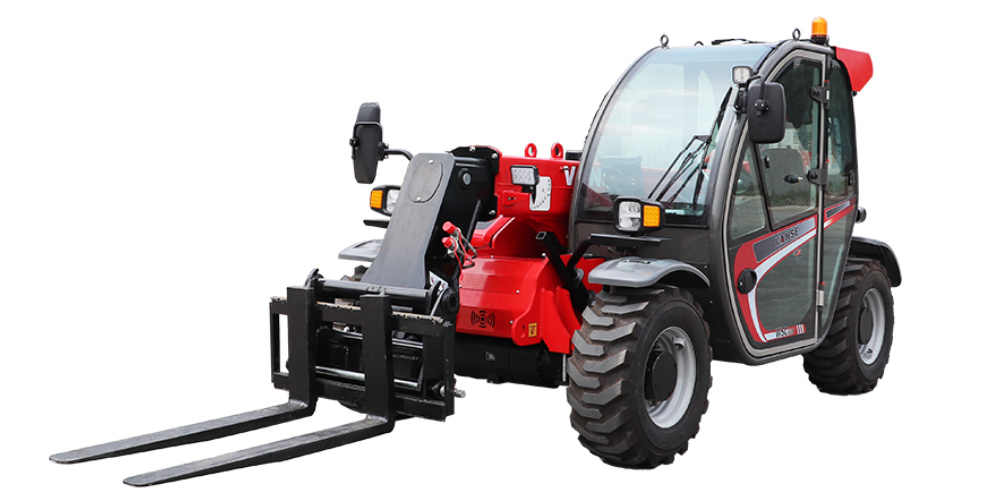
VANSE 625 6m Telescopic Handler
Designed for efficient material handling and stacking in warehouses, factories, and confined job sites, offering compact maneuverability and reliable performance.

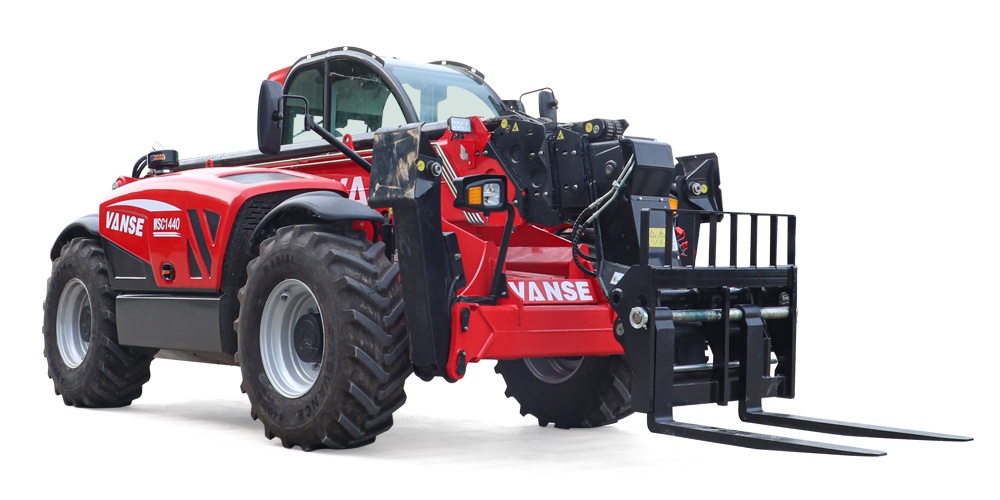
VANSE 735 7m Telescopic Handler
A balanced mid-duty solution for construction, agriculture, logistics, and warehousing, combining stable lifting, strong traction, and everyday versatility.


About the Author:
The VANSE team is a group of experienced professionals specializing in construction machinery research, manufacturing, and technical support. With deep industry knowledge and hands-on experience, our engineers and product specialists share practical insights on equipment selection, operation, maintenance, and industry trends.
Share
You May Also Interest
-

12 June, 2026
Telehandler Forklift: Versatile Rough Terrain Lifting
Find the best telehandler forklift options in the United States, compare suppliers, models, applications, and service support for smart buying decisions.
-
11 June, 2026
Telescopic Handler: Complete Overview and Buying Guide
Explore telescopic handler options in the United States with buying tips, supplier comparisons, application advice, and cost-smart sourcing insights.
-
10 June, 2026
Telehandler: The Essential Guide to Telescopic Machines
Discover how to choose the right telehandler in the United States, compare suppliers, machine types, costs, service, and 2026 buying trends.
-

9 June, 2026
Telehandler for Steel Erection: Guide
Telehandler for steel erection in the United States: compare suppliers, machine types, buying tips, jobsite uses, and cost-smart options for contractors.