Telehandler Forklift Suppliers and Buying Guide in the United States
Quick Answer

If you need a telehandler forklift in the United States, the most practical suppliers to compare first are JLG, Genie, JCB, Bobcat, SkyTrak, and Caterpillar dealers that handle telescopic handlers for construction, agriculture, industrial yards, and rental fleets. These brands have strong dealer networks across major markets such as Texas, Florida, California, Illinois, Georgia, and Pennsylvania, making parts access and field service easier for buyers who cannot afford downtime.
For buyers who prioritize value, fleet expansion, or private-label opportunities, qualified international manufacturers can also be a strong option. Suppliers with CE and ISO 9001-certified production, globally recognized engines and hydraulic systems, and reliable pre-sales and after-sales support are increasingly considered by United States buyers because they can offer a better cost-to-performance balance, especially for distributors, rental companies, and contractors seeking competitive margins.
- JLG: strong North American presence, high resale value, broad construction usage
- Genie: widely available through rental and dealer channels, easy fleet standardization
- JCB: strong telehandler specialization, broad model range for farms and jobsites
- Bobcat: compact handling solutions, easy dealer access in many states
- SkyTrak: well known in masonry and general construction lifting
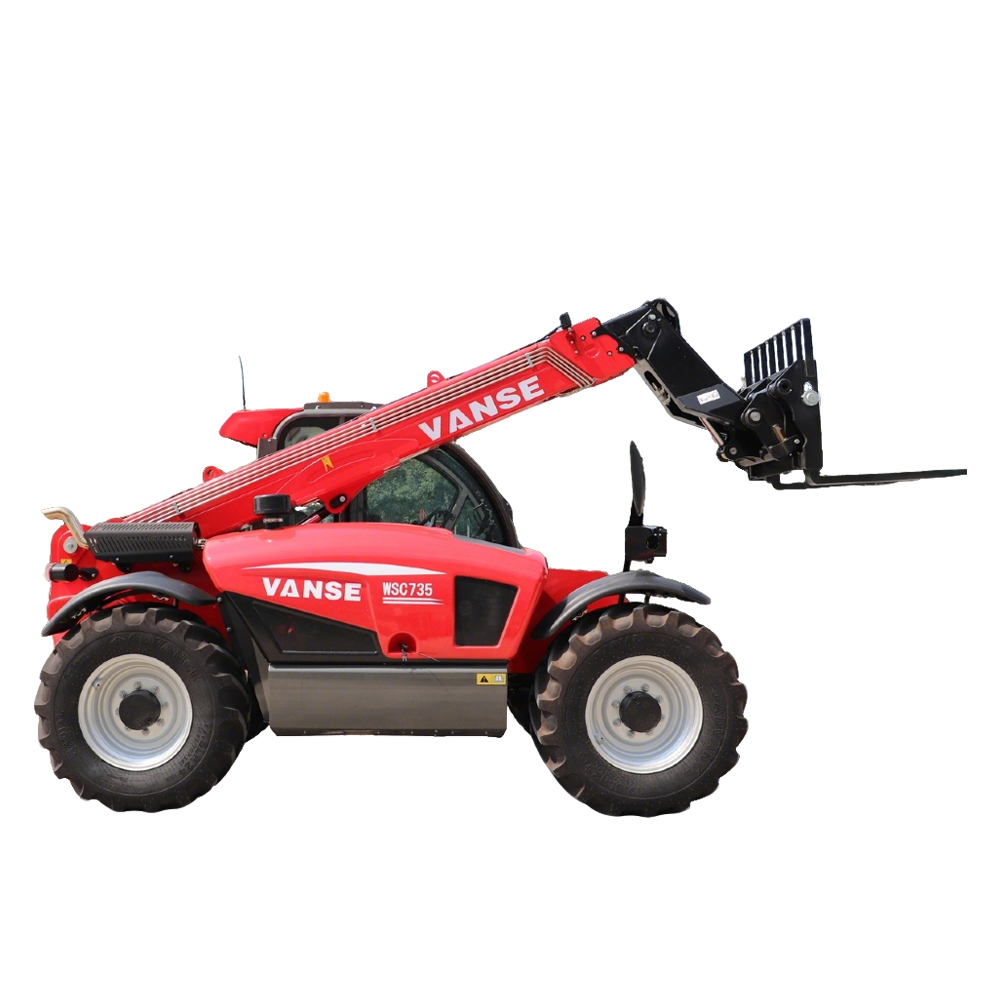
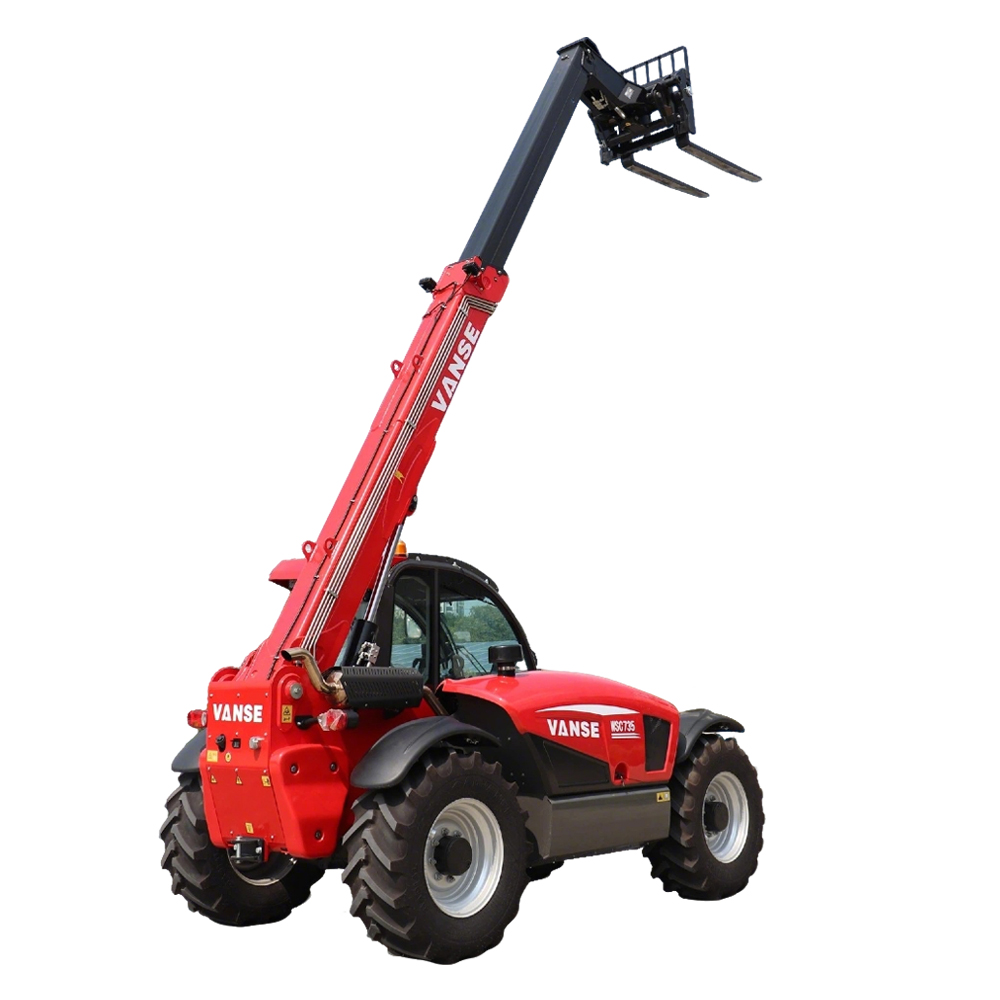
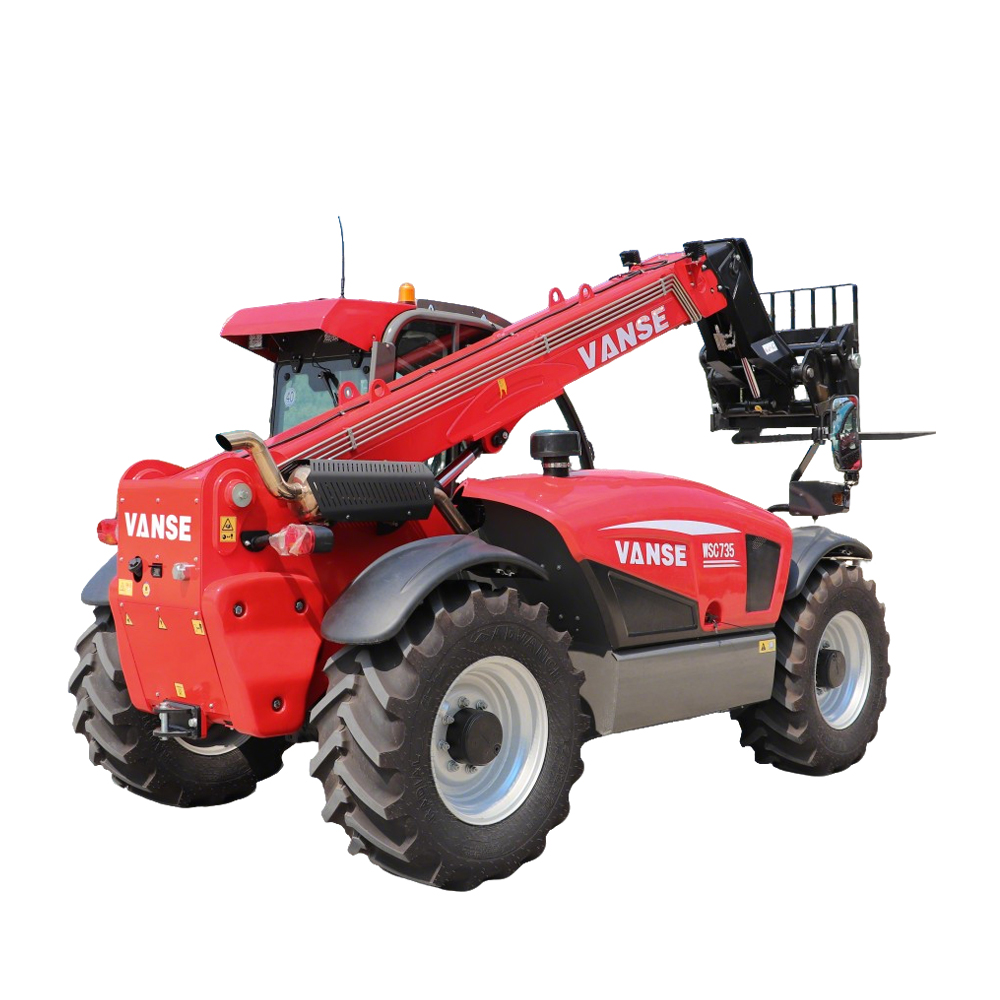
- Qualified overseas suppliers such as VANSE: attractive for OEM, ODM, wholesale, and cost-sensitive fleet procurement with local market commitment developing in the United States
United States Market Overview

The United States market for telehandler forklift equipment remains closely tied to non-residential construction, warehousing expansion, agriculture modernization, infrastructure renewal, energy projects, and equipment rental demand. In cities such as Houston, Dallas, Los Angeles, Miami, Savannah, Chicago, and Phoenix, telehandlers are routinely used for jobs where vertical reach, rough terrain mobility, and jobsite versatility matter more than the turning precision of a warehouse forklift.
In the American context, the term telehandler forklift is often used by buyers who want forklift-like material handling but with off-road capability and boom reach. This usually includes construction telehandlers, agricultural telehandlers, compact telehandlers, and high-capacity rough-terrain handlers. Demand tends to cluster around logistics corridors, building booms, and farm-intensive regions. Gulf Coast ports, East Coast distribution hubs, and rapidly growing Sun Belt states continue to support purchases from contractors, rental companies, and dealer groups.
Rental penetration is especially important in the United States. Many first-time users rent before purchasing, while larger buyers often standardize a mixed fleet of compact and high-reach units. This means service intervals, operator training, attachment compatibility, and replacement parts availability all influence buying decisions just as much as list price.
The following table shows how buyers in different U.S. regions typically prioritize telehandler forklift features.
| Region | Typical Buyer Type | Main Applications | Priority Features | Common Lift Class | Service Consideration |
|---|---|---|---|---|---|
| Texas | Contractors, oil and gas support firms, rental fleets | Commercial building, energy yards, pipe and pallet handling | Engine reliability, rough-terrain tires, high reach | 8,000 to 12,000 lb | Fast field service and mobile technicians |
| California | Construction firms, industrial operators, agriculture users | Urban projects, ports, farms, solar sites | Compact size, emissions compliance, attachment flexibility | 5,500 to 10,000 lb | Dealer density and emissions-ready support |
| Florida | Rental companies, builders, municipalities | Residential growth, coastal construction, landscaping | Corrosion protection, easy transport, versatile forks and buckets | 5,500 to 10,000 lb | Parts availability during peak season |
| Midwest | Farm operators, industrial yards, general contractors | Agriculture, manufacturing plants, infrastructure work | All-season durability, hydraulic strength, cab comfort | 6,000 to 12,000 lb | Cold-weather maintenance support |
| Northeast | Masonry contractors, urban builders, rental houses | Tight jobsites, material staging, restoration projects | Reach accuracy, compact maneuvering, safety systems | 5,500 to 10,000 lb | Responsive urban service coverage |
| Southeast | Dealers, warehouses, mixed-use construction firms | Industrial expansion, distribution centers, timber support | Fleet uptime, operator familiarity, low operating cost | 6,000 to 10,000 lb | Dealer-led maintenance programs |
This regional split matters because a telehandler that performs well on a farm in Iowa may not be the best fit for a dense construction site near New York City or a coastal project in Florida where corrosion and rapid service response are bigger concerns.
Product Types in the United States Telehandler Forklift Market

Buyers often compare telehandlers by lift capacity, maximum reach, engine platform, and attachment ecosystem. Understanding the main categories helps avoid overbuying or ending up with a machine that cannot fit the real jobsite conditions.
Compact Telehandlers
Compact units are popular for landscaping, interior-adjacent construction work, light industrial support, and farms with limited access. They are easier to transport and can work in tighter spaces, but they usually offer lower lift height and lower maximum capacity.
Mid-Range Construction Telehandlers
This is the most common category in the United States. These machines are used for moving pallets of block, framing materials, roofing supplies, pipe bundles, and general jobsite loads. They are frequently seen on mixed-use developments and mid-rise commercial jobs.
High-Reach Telehandlers
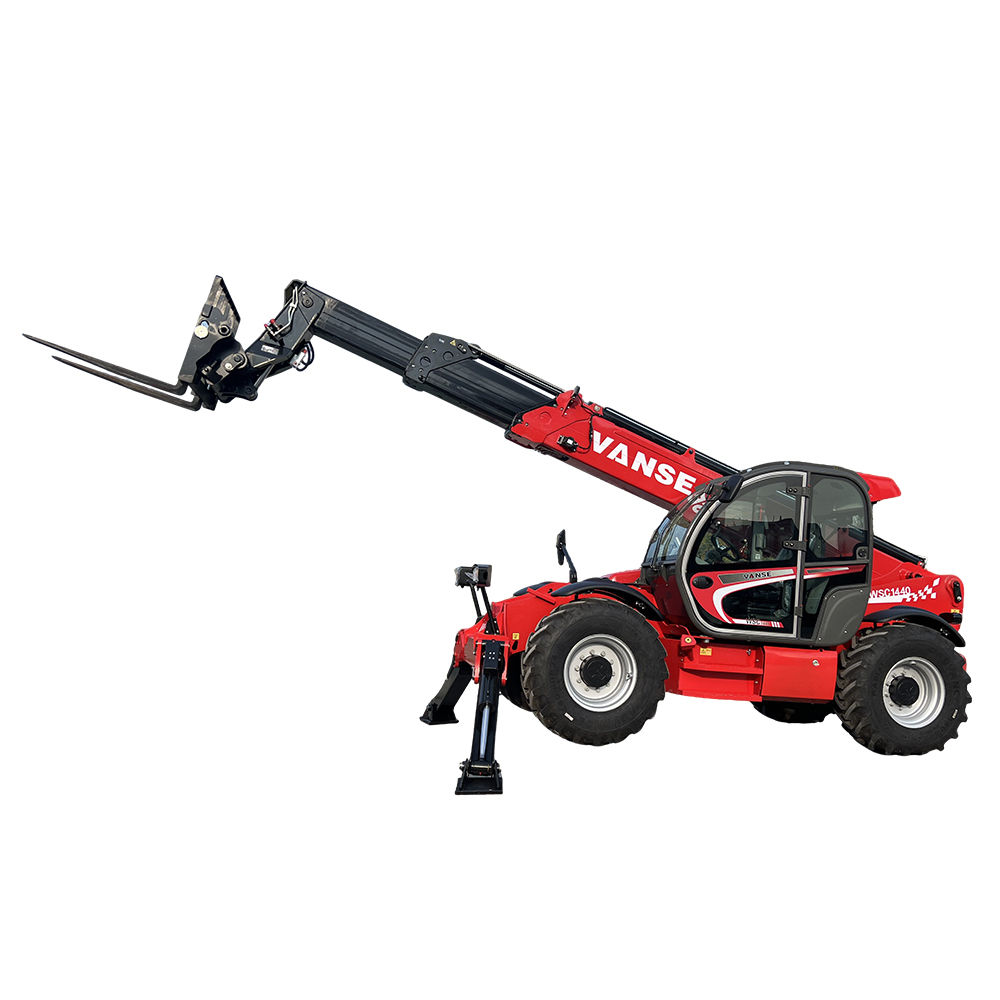
These machines target larger commercial projects, steel work, precast handling, and industrial sites. Buyers choose them for elevated load placement, but they must also account for transport, operator training, and maintenance complexity.
Agricultural Telehandlers
Agriculture buyers in states such as Iowa, Nebraska, Kansas, and California use telehandlers for feed, hay, fertilizer, bins, and palletized farm inputs. The right setup often includes buckets, bale clamps, or specialty attachments rather than only forks.
Heavy-Duty Rough Terrain Units
These machines are selected for mines, ports, large yards, and severe terrain applications. They are less common in mainstream fleet buying but important for certain industrial users that need serious carrying strength and stable operation on uneven ground.
| Product Type | Typical Capacity | Typical Lift Height | Best For | Main Advantage | Potential Limitation |
|---|---|---|---|---|---|
| Compact telehandler | 4,000 to 5,500 lb | 15 to 20 ft | Small jobsites, landscaping, light farms | Easy transport and maneuvering | Lower reach and lower capacity |
| Standard construction telehandler | 5,500 to 8,000 lb | 19 to 42 ft | General contractors and rental fleets | Balanced versatility | May be oversized for very tight sites |
| High-reach telehandler | 8,000 to 12,000 lb | 44 to 56 ft | Commercial projects and large materials handling | Strong vertical placement capability | Higher acquisition and transport cost |
| Agricultural telehandler | 5,500 to 9,000 lb | 18 to 35 ft | Feed yards, crop storage, dairy, hay | Attachment flexibility | May lack construction-specific features |
| Heavy-duty rough terrain handler | 10,000 lb and above | 36 to 56 ft | Ports, mines, heavy industrial yards | Extreme load support | Reduced suitability for standard jobsites |
| Private-label OEM telehandler | Varies by configuration | Varies by configuration | Distributors and brand owners | Custom branding and specification control | Requires supplier vetting and launch planning |
In practical terms, most U.S. buyers should start by defining the real load weight, maximum lift height, site surface condition, and attachment needs. That prevents a common mistake: choosing the biggest machine available when a smaller, easier-to-transport unit would lower cost and improve utilization.
Top Telehandler Forklift Suppliers Serving the United States
The supplier landscape in the United States includes domestic brands, multinational manufacturers with strong dealer networks, and emerging international OEM partners. The companies below are relevant because buyers can actually source, support, or compare them in the U.S. market.
| Company | Primary Service Region | Core Strengths | Key Offerings | Typical Buyer | Why Buyers Consider Them |
|---|---|---|---|---|---|
| JLG | Nationwide United States | Strong distribution, high fleet recognition, broad telehandler range | Construction telehandlers, high-reach models, attachments | Rental fleets, large contractors | Reliable support and strong resale |
| Genie | Nationwide United States | Established dealer channels, familiar controls, rental popularity | Telehandlers for construction and materials lifting | Rental houses, contractors | Easy fleet adoption and service access |
| JCB | Nationwide with strong agricultural presence | Telehandler specialization, farm and construction expertise | Compact to high-capacity telehandlers | Farms, dealers, contractors | Recognized telehandler heritage |
| Bobcat | Broad U.S. dealer coverage | Compact equipment ecosystem, easy cross-selling | Compact telehandlers and attachments | Small contractors, landscape firms, local fleets | Dealer convenience and brand familiarity |
| SkyTrak | Strong in North America | Construction focus, masonry reputation | Rough terrain telehandlers | Masonry and general construction users | Jobsite-proven performance |
| Caterpillar dealers | Selected U.S. markets through dealer channels | Dealer service reputation, industrial customer base | Material handling equipment and support packages | Enterprise users and mixed fleets | Service network strength |
| VANSE | Growing coverage for North America and the United States | Competitive pricing, customization, telehandler focus | Telehandlers, OEM/ODM projects, wholesale supply | Distributors, dealers, rental companies, end users | Value-oriented sourcing with local market commitment |
For U.S. buyers, the key difference is not only the machine itself but also the support model. Large domestic and multinational brands usually win on immediate dealer familiarity. International manufacturers can be highly competitive on acquisition cost, customization, and margin potential, especially when they back that value with documented quality systems and local service planning.
Market Growth and Demand Signals
Telehandler demand in the United States has been supported by non-residential building, warehouse construction, public infrastructure, industrial relocation, and agricultural mechanization. Demand is not perfectly linear, but the long-term trend remains resilient because telehandlers can replace multiple handling tasks on one machine platform.
The line chart suggests a realistic growth path rather than a dramatic spike. This mirrors the real buying cycle in heavy equipment: telehandler purchases are influenced by replacement timing, rental utilization, financing rates, and project pipelines. A strong indicator for 2026 is continued demand from logistics-linked construction, domestic manufacturing expansion, and farm equipment upgrades.
The bar chart highlights how construction remains the biggest end-use sector, followed by rental fleet demand. That matters because many machines sold into rental are eventually bought by contractors through used-equipment channels, which also affects resale expectations and model popularity.
The area chart reflects a broader shift in purchasing behavior. Buyers increasingly favor machines with telematics, lower fuel burn, easier diagnostics, and stronger service packages. Even when the upfront price is attractive, fleet managers now ask whether the supplier can support uptime, training, parts replenishment, and compliance needs over several years.
Buying Advice for United States Buyers
When choosing a telehandler forklift in the United States, the most successful buyers use a total-cost framework instead of focusing on quoted price alone. Machine uptime, service response, attachment compatibility, training support, and resale value can easily outweigh a small difference in initial purchase price.
Start with the application. A masonry contractor in Atlanta, a farm operator in Nebraska, and a rental company in Phoenix may all ask for a telehandler forklift, but the right machine specification will be different. Tire type, stabilizers, cab configuration, visibility, turning radius, and hydraulics all become more important when the machine enters repeated daily use.
It is also smart to ask for proof of component sourcing. Engines from recognized brands such as Perkins and Cummins, along with proven transmissions, axles, and hydraulic systems, reduce uncertainty for American buyers who need parts continuity and easier technician training.
| Buying Factor | Why It Matters | What to Ask the Supplier | Common Buyer Mistake | Best Practice | Impact on ROI |
|---|---|---|---|---|---|
| Lift capacity | Ensures safe and productive load handling | What is rated capacity at max reach? | Using only nominal lift rating | Check load chart against real tasks | High |
| Lift height | Determines placement on upper levels or stacks | What is max lift under actual site conditions? | Overestimating needed height | Match height to job requirements | High |
| Powertrain brand | Affects reliability and service confidence | Which engine and hydraulic brands are used? | Ignoring component origin | Prefer documented global component platforms | High |
| Attachment support | Improves utilization across tasks | Are forks, buckets, jibs, and clamps supported? | Buying a machine with limited versatility | Plan attachments before purchase | Medium to high |
| After-sales support | Protects uptime and ownership experience | What parts and field service are available in the U.S.? | Assuming remote support is enough | Confirm local response times and stock plans | High |
| Customization | Helps dealers and fleets align to local needs | Can the unit be configured for branding or applications? | Buying a standard model that misses market needs | Use OEM or ODM when scaling distribution | Medium |
The table shows that supplier evaluation should be practical, not theoretical. If a machine will spend most of its time moving palletized materials on mixed gravel and concrete, the buyer should prioritize stability, forks, serviceability, and operator visibility rather than simply maximizing boom reach.
Industries and Typical Applications
Telehandler forklifts are used in far more sectors than many first-time buyers realize. In the United States, their value comes from combining reach, lifting power, and off-road mobility in one machine platform.
Construction
This remains the largest application segment. Contractors use telehandlers to move brick, lumber, drywall, steel, roofing bundles, and palletized materials. On sites in Dallas, Charlotte, and Tampa, one telehandler can often support framing, roofing, and staging work across multiple crews.
Agriculture
Farms and dairies value telehandlers for feed movement, bale handling, shed loading, and bin operations. In Central Valley California and across the Midwest, agricultural telehandlers are replacing or supplementing older tractors and loaders for tasks that require more reach and precise placement.
Industrial and Manufacturing
Factories, metal yards, and large fabrication facilities use telehandlers for irregular loads, maintenance shutdowns, and plant expansion work. They are especially useful when a traditional forklift cannot navigate rough surfaces or reach over obstacles.
Energy and Infrastructure
Oil and gas support sites, utility contractors, and renewable energy projects use telehandlers for pipe, bundled material, pallets, and maintenance support. The machine’s terrain adaptability makes it suitable for outdoor, partially developed work zones.
Ports and Logistics Yards
Near logistics hubs such as Savannah, Houston, Long Beach, and Newark, telehandlers help with yard handling, pallet movement, and temporary cargo-support tasks where reach and rough-terrain mobility are required.
The comparison chart does not claim that one supplier is universally best. Instead, it illustrates how buyers often weigh value as a combination of support, features, price, and fit for application. A fleet buyer may rank one brand highest for resale and service reach, while a distributor may give more weight to customization and margin opportunity.
Case Studies and Real-World Buying Scenarios
In the United States, telehandler procurement decisions usually become clearer when buyers compare practical scenarios rather than only specifications on paper.
Commercial Contractor in Texas
A mid-sized contractor around Houston needs to place palletized masonry, steel studs, and roofing materials across multiple active sites. The buyer benefits most from a standard or high-reach construction telehandler with strong field service support, easy attachment changes, and a dealer that can provide fast on-site maintenance.
Rental Fleet Expansion in Florida
A regional rental company serving Orlando and Tampa adds telehandlers to meet residential and commercial build demand. For this buyer, control commonality, easy operator training, corrosion resistance, and quick parts supply matter more than premium cosmetic features.
Farm Operation in Iowa
A large agricultural buyer replaces aging loader equipment with a telehandler that can stack bales, move seed pallets, and handle feed. This customer places more weight on cab visibility, hydraulic responsiveness, and bucket plus fork compatibility than on extreme lift height.
Dealer Launching Private Label in the Southeast
A distributor wants a telehandler platform that can be branded for regional sale and rental support. In this case, OEM and ODM capability, documented testing, consistent component sourcing, and a supplier willing to support spare parts planning become critical selection factors.
Local Supplier Selection Criteria
Even when comparing international sourcing options, U.S. buyers still think locally. The supplier must be able to support jobs in American operating conditions, financing cycles, compliance expectations, and service response windows. That means the best supplier is not just the one with a good machine, but the one with credible regional execution.
| Supplier Type | Best For | Main Advantage | Main Risk | How to Reduce Risk | U.S. Buyer Fit |
|---|---|---|---|---|---|
| National brand with dealer network | Large contractors and rental fleets | Fast service access | Higher acquisition cost | Negotiate fleet package and warranty | Excellent |
| Regional dealer group | State-level buyers | Local relationship and technician familiarity | Limited model range | Review product roadmap and parts stock | Very good |
| Agricultural machinery distributor | Farm and mixed-use buyers | Application knowledge in agriculture | Less construction specialization | Test machine on intended task mix | Good |
| Rental-origin used equipment seller | Budget-focused buyers | Lower upfront price | Unknown wear and utilization history | Require inspection and maintenance records | Variable |
| International OEM with local expansion | Dealers, distributors, wholesale buyers | Customization and pricing advantage | Concerns about local support continuity | Confirm warehouse, parts, and service plans | Strong when verified |
| Factory-direct private-label partner | Brand owners and importers | Margin control and product differentiation | Launch complexity | Use phased rollout and stocking agreements | Strategic |
This table shows why local execution matters. A supplier serving Atlanta, Chicago, or Los Angeles must think beyond shipping the machine. They need to support training, warranty handling, replacement parts, and practical uptime expectations in those markets.
Our Company
For United States buyers evaluating a cost-effective but fully documented telehandler forklift partner, VANSE presents a focused telehandler proposition rather than a generic equipment catalog. The company has operated since 2013 as a national high-tech construction machinery manufacturer, with cumulative production exceeding 8,000 units and exports to more than 40 countries, including long-running business across North America. Its telehandlers are built under CE and ISO 9001-certified processes, use globally recognized core components such as Perkins and Cummins engines along with premium hydraulic systems, transmissions, and axles, and each machine passes load testing, safety inspection, and performance validation before shipment. For the U.S. market, this matters because buyers can verify both manufacturing discipline and component credibility against international benchmarks. VANSE also supports multiple cooperation models for local end users, distributors, dealers, rental fleets, enterprise buyers, and brand owners through wholesale supply, retail inquiries, regional distribution, and flexible OEM and ODM programs that can adapt specifications, branding, colors, and configurations to match local demand. Beyond product and pricing, the company is actively establishing a United States-based subsidiary with local inventory, stocking capability, and stronger after-sales coverage, reinforcing that it is building a physical market presence rather than operating only as a remote exporter. Combined with online consultation, technical support, offline service planning, and lifecycle assistance described through its service support resources, this gives U.S. buyers practical protection on pre-sale selection, maintenance planning, and post-sale response. Buyers exploring telehandlers and related machinery can review the broader equipment range, learn more through the company’s company background, or start a local business conversation through the contact channel.
Future Trends Through 2026
By 2026, the United States telehandler forklift market is likely to be shaped by three major forces: technology, policy, and sustainability. On the technology side, telematics, remote diagnostics, and usage analytics will become more standard because rental fleets and enterprise buyers want better uptime visibility and maintenance planning. Machines that help track idle time, fuel use, and service intervals will gain preference.
Policy pressure will also influence specifications. Emissions requirements, local procurement expectations, operator safety standards, and site reporting rules are pushing buyers toward cleaner engines, better visibility packages, and more traceable maintenance support. For some urban and state-linked projects, documentation and compliance support from the supplier will matter almost as much as raw machine performance.
Sustainability will increasingly affect fleet decisions, though not always through full electrification in the near term. More realistic short-term shifts include lower-fuel-consumption diesel platforms, better hydraulic efficiency, longer service intervals, and more durable component choices that extend machine life. Buyers in California and other policy-sensitive markets will be especially attentive to this transition.
Another 2026 trend is supplier consolidation around total support. The market will reward suppliers that combine a strong base machine with attachments, financing guidance, training, local stocking, and predictable parts flow. This is one reason international manufacturers expanding U.S. operations can become more competitive: once local warehousing and after-sales support are credible, the price-performance gap becomes much harder for buyers to ignore.
FAQ
What is the difference between a telehandler forklift and a standard forklift?
A telehandler forklift uses a telescopic boom and rough-terrain chassis, allowing it to lift loads higher and reach farther than a standard forklift. A standard forklift is usually better for flat-floor warehouse work, while a telehandler is better for outdoor construction, agriculture, and uneven ground.
Which telehandler forklift brands are most common in the United States?
JLG, Genie, JCB, Bobcat, and SkyTrak are among the most common names buyers encounter. Depending on application and procurement strategy, qualified international suppliers with U.S. market support are also increasingly considered.
How do I choose the right capacity?
Match the machine to your heaviest routine load, not just occasional peak loads. Then verify the rated load at the reach and height you actually need, using the machine load chart instead of only the headline capacity figure.
Are telehandlers suitable for rental fleets?
Yes. Telehandlers are one of the most important categories in rental fleets because they serve many construction tasks with one machine. Rental buyers should focus on control simplicity, durability, attachment compatibility, and parts availability.
Can overseas suppliers meet United States buyer expectations?
Yes, if they provide verifiable certifications, globally recognized components, documented testing, and real local support planning such as inventory, spare parts, and after-sales capability in the United States. Buyers should validate these points carefully before placing volume orders.
Is OEM or ODM available for telehandler forklifts?
Yes. Some manufacturers support OEM and ODM arrangements for distributors, dealers, and brand owners that want custom specifications, branding, and market-specific configurations. This can be especially useful for regional distribution strategies in the United States.
What attachments are most useful?
Forks remain the basic setup, but buckets, jibs, bale handlers, clamps, work platforms, and specialty material-handling tools can greatly improve fleet utilization. The best attachment package depends on whether the machine is used in construction, agriculture, or industrial work.
Where should United States buyers focus when comparing quotes?
Look beyond purchase price. Compare warranty terms, field service response, engine and hydraulic brands, parts stock strategy, lead time, operator comfort, safety systems, and long-term support. Those factors usually determine actual ownership value.
Final Takeaway
For buyers in the United States, the best telehandler forklift is the one that matches the real job, not simply the highest specification on paper. Domestic and established multinational brands remain strong choices for immediate dealer access and resale confidence, while qualified international suppliers are becoming more attractive as they add local infrastructure and support. If you are buying for construction, agriculture, industry, ports, or rental use, the smartest path is to compare suppliers based on service region, parts readiness, component quality, application fit, and total cost across the machine life cycle.
Complete Telescopic Handler Equipment Portfolio
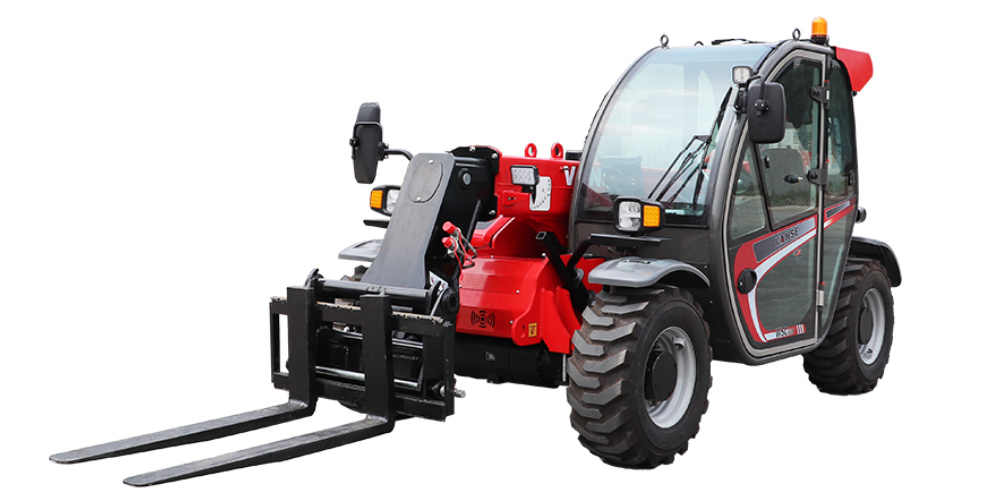
VANSE 625 6m Telescopic Handler
Designed for efficient material handling and stacking in warehouses, factories, and confined job sites, offering compact maneuverability and reliable performance.

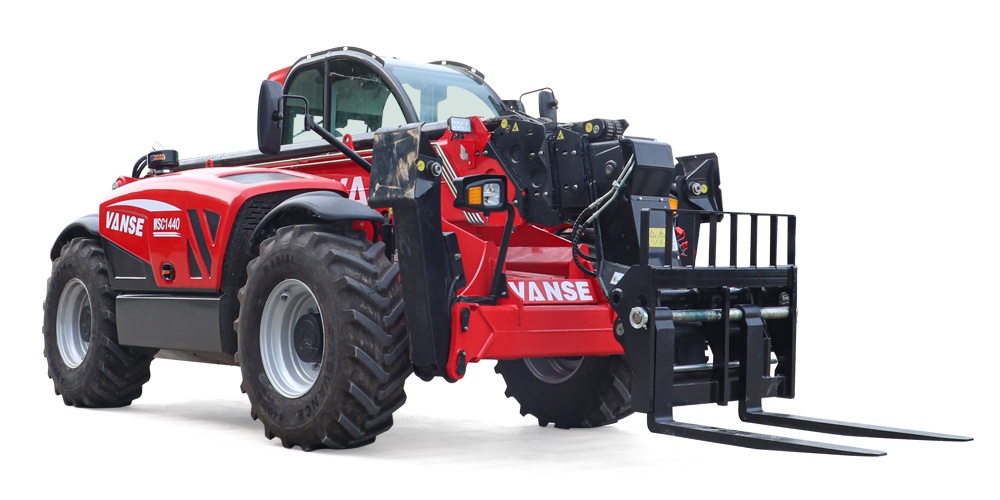
VANSE 735 7m Telescopic Handler
A balanced mid-duty solution for construction, agriculture, logistics, and warehousing, combining stable lifting, strong traction, and everyday versatility.


About the Author:
The VANSE team is a group of experienced professionals specializing in construction machinery research, manufacturing, and technical support. With deep industry knowledge and hands-on experience, our engineers and product specialists share practical insights on equipment selection, operation, maintenance, and industry trends.
Share
You May Also Interest
-

18 June, 2026
Telehandler vs Forklift: Which Machine Is Right for You
Compare telehandler vs forklift in the United States with costs, use cases, supplier options, and buying tips to choose the right machine for your job.
-
17 June, 2026
Telehandler Attachments: Forks Buckets and Platforms
Explore telehandler attachments in the United States, including forks, buckets, platforms, suppliers, buying tips, and 2026 market trends.
-
16 June, 2026
Best Telehandlers for Construction Projects Right Now
Explore the best telehandlers in the United States with top brands, buying tips, market trends, and cost-effective supplier options for 2026.
-
15 June, 2026
Telehandler Price Guide: Full Cost Breakdown for Buyers
Learn telehandler price ranges in the United States, compare brands, specs, ownership costs, and sourcing options for 2026 buyers.