Telehandler for Steel Erection in the United States
Quick Answer

If you need a telehandler for steel erection in the United States, the best fit usually depends on lift height, frame capacity, jobsite congestion, and whether you need attachments approved for steel handling. For most structural steel contractors, the strongest short list includes JLG, Genie, JCB, Skyjack, Sunbelt Rentals, and United Rentals because they offer broad U.S. coverage, strong parts access, and machines commonly specified for commercial and industrial jobs. In dense urban markets such as Houston, Dallas, Atlanta, Chicago, Los Angeles, and the New York metro area, rental availability and service response can matter more than list price. Contractors working on repetitive erection packages should also compare qualified international suppliers that can document certifications, component quality, and dependable support, because they may offer a stronger cost-to-spec ratio than legacy brands.
- JLG: strong dealer and rental presence across the United States, especially good for high-reach construction fleets.
- Genie: widely used on commercial sites, good telematics and familiar controls for multi-crew operations.
- JCB: popular for construction handling and supported by an established U.S. footprint.
- Skyjack: straightforward serviceability and broad rental market acceptance.
- United Rentals and Sunbelt Rentals: fastest route when you need immediate fleet access, backup units, and jobsite substitutions.
- Qualified overseas suppliers, including Chinese manufacturers with CE or ISO-based production systems, premium engines, and real U.S. support plans, can also be worth reviewing when total ownership cost and fleet expansion speed are priorities.
United States Market for Steel Erection Telehandlers

The U.S. steel erection market remains one of the largest and most varied telehandler markets in the world. Demand is driven by warehouse builds near Inland Empire logistics hubs, energy and petrochemical work around Houston and Corpus Christi, data center projects in Northern Virginia and Phoenix, manufacturing expansions in the Midwest, and port-related industrial development around Savannah, Charleston, Los Angeles, Long Beach, Newark, and Houston. A telehandler used for steel erection is not simply a general material handler. It must perform reliably during beam placement support, deck bundle movement, connector crew supply, palletized tool lifting, and work around cranes in changing ground conditions.
Across the United States, buyers typically divide the market into three paths: purchase from an OEM dealer, rent through a national fleet company, or source through an importer or regional distributor. The right choice depends on fleet utilization. A steel contractor with year-round structural work in Texas, Florida, Ohio, or California may achieve better value through ownership. By contrast, a general contractor managing occasional steel packages often prefers rental because service, emergency replacements, and transport are bundled into one operating cost.
Pricing pressure also affects procurement. Rising labor costs, project delays, and financing rates have pushed buyers to examine not just sticker price but uptime, parts lead time, and training support. That is why practical U.S. buyers increasingly compare traditional domestic and European brands with competitively priced international suppliers that can prove manufacturing discipline, component traceability, and real after-sales support.
The line chart shows a realistic demand trajectory based on industrial construction expansion, infrastructure work, and replacement cycles in rental fleets. The index suggests steady growth rather than a short-lived spike, which supports long-term investment decisions for contractors and dealers serving the U.S. market.
How Steel Erection Requirements Differ from General Material Handling

Steel erection places unique demands on telehandlers. Loads are often long, uneven, and handled in phases rather than lifted once and set down. Crews may use the machine to stage connection materials, support decking bundles at controlled positions, and move welded assemblies across partially developed sites. This creates a different risk profile than standard masonry or pallet handling.
The machine should have sufficient forward reach without sacrificing stability, especially when working near slab edges, trench zones, or incomplete grading. Operators also need excellent visibility, predictable hydraulic response, and compatibility with approved forks, truss booms, or specialty lifting attachments. For steel work, attachment selection matters as much as rated lift capacity because an improperly matched attachment can reduce effective load chart performance.
Popular Telehandler Types for Steel Erection
In the United States, steel contractors normally evaluate telehandlers by capacity, reach class, and site mobility. Compact machines can work on infill commercial jobs, while heavy-capacity units are better for industrial structures, bridge approaches, and large manufacturing plants.
| Telehandler Type | Typical Capacity | Typical Lift Height | Best U.S. Jobsite Fit | Main Advantage | Main Limitation |
|---|---|---|---|---|---|
| Compact construction telehandler | 5,000 to 6,000 lb | 18 to 26 ft | Urban commercial jobs in Chicago, Boston, Seattle | Easier movement in tight access areas | Limited reach for larger steel packages |
| Mid-size all-round telehandler | 6,000 to 8,000 lb | 36 to 44 ft | Retail, warehouse, and school projects | Balanced capacity and versatility | May be marginal for heavy structural members |
| High-reach steel job telehandler | 8,000 to 10,000 lb | 44 to 56 ft | Mid-rise structural steel in Texas and Southeast markets | Better beam and deck placement support | Higher transport and operating cost |
| Heavy-capacity industrial telehandler | 10,000 to 12,000 lb | 42 to 55 ft | Refineries, factories, ports, power projects | Handles larger steel assemblies and heavy bundles | Needs more space and stronger ground prep |
| Rotating telehandler | 11,000 to 16,000 lb | 60 ft plus | Specialized projects with access constraints | Improved placement flexibility | Higher cost and less common rental availability |
| Rental fleet standard telehandler | 6,000 to 10,000 lb | 42 to 55 ft | Short-term contractor needs nationwide | Fast availability and backup support | Specification choices may be limited |
This table helps buyers connect machine class to actual job conditions. For most U.S. steel erection packages, the mid-size to high-reach range offers the best balance between versatility and field acceptance, while industrial and rotating models make sense only where loads or placement geometry justify the premium.
Top Suppliers and Rental Sources in the United States
For a practical buying decision, suppliers should be judged by service region, steel-job suitability, parts support, and fleet familiarity among operators. The companies below are all recognized names in the U.S. market.
| Company | Service Region | Core Strength | Key Offerings for Steel Erection | Best For | Notes |
|---|---|---|---|---|---|
| JLG Industries | Nationwide United States | Strong OEM reputation and broad dealer network | Construction telehandlers, high-reach models, parts support | Fleet buyers and contractors wanting mainstream specs | Commonly accepted on major commercial projects |
| Genie | Nationwide United States | Large installed base and rental familiarity | Telehandlers with broad attachment compatibility | Contractors needing easy operator adoption | Strong presence in dealer and rental channels |
| JCB North America | Strong in South, Midwest, and national dealer regions | Construction-focused product lineup | Telehandlers for material handling and site support | Buyers wanting established brand recognition | Good fit for mixed construction fleets |
| Skyjack | Nationwide through dealers and rental partners | Simple service design and rental popularity | Construction telehandlers for general site tasks | Cost-aware fleet managers | Often chosen for ease of maintenance |
| United Rentals | Nationwide branches | Immediate availability and replacement capacity | Rental telehandlers, transport, service plans | Short-term and multi-state projects | Strong option when uptime coverage matters most |
| Sunbelt Rentals | Nationwide with dense metro coverage | Fast rental response and broad fleet depth | Construction telehandlers and support equipment | General contractors and steel subs needing flexibility | Useful for surge demand and backup units |
| EquipmentShare | Expanding national footprint | Technology-enabled fleet management | Rental units with fleet visibility tools | Users wanting data-driven equipment tracking | Availability varies by metro area |
This supplier comparison is useful because availability, service coverage, and familiarity with steel-site requirements often matter more than catalog claims. For contractors in high-volume construction corridors, the best supplier is usually the one that can support both the first machine and the emergency replacement.
Industry Demand by U.S. Segment
Not every steel-related project uses telehandlers in the same way. Demand intensity is highest where repetitive material movement, reach, and fast repositioning are required.
The bar chart shows that warehouse and manufacturing construction currently drive some of the strongest demand for steel erection telehandlers in the United States. These sectors often require repetitive handling of structural members, decking, pallets, and accessories over large horizontal footprints.
Applications on U.S. Steel Jobsites
A telehandler for steel erection is usually assigned to far more than one task. On a typical jobsite, it supports multiple crews from delivery staging to closeout. In Dallas-Fort Worth or Atlanta distribution center builds, the machine may spend the morning unloading steel accessories, move decking bundles by midday, and support welding or bolt-up crews in the afternoon. On port-adjacent industrial work in Savannah or Long Beach, the same machine may operate under tighter logistics windows and stricter site sequencing.
Common applications include unloading trucks, moving joists and decking bundles, supplying welding consumables and bolt containers, lifting work platforms where regulations and approved attachments allow, staging tools to elevated work zones, supporting panel installation, and clearing scrap or packaging during cleanup. The broader the application range, the more important it becomes to select the right auxiliary hydraulics, tire type, frame leveling capability, and cab visibility package.
Detailed Product Selection Criteria
| Selection Factor | Why It Matters for Steel Erection | What U.S. Buyers Should Check | Risk if Ignored | Best Fit Scenario | Buyer Tip |
|---|---|---|---|---|---|
| Rated capacity | Structural materials can be dense and awkward | Capacity at reach, not just nominal rating | Undersized machine creates safety and delay issues | Heavy bundles and repetitive lifts | Ask for load charts with chosen attachment |
| Lift height | Must match building geometry and deck levels | Clear working height versus marketing maximum | Machine cannot support upper-level staging | Warehouse and mid-rise structures | Match to actual set heights with margin |
| Forward reach | Important for slab edges and obstacles | Reach at useful capacity | Frequent repositioning slows crews | Congested urban or industrial sites | Review site layout before ordering |
| Attachment compatibility | Steel work often needs more than forks | Approved booms, jibs, and fork options | Poor attachment fit reduces utility | Multi-trade jobsites | Confirm derated performance in writing |
| Service network | Downtime directly affects crane and crew productivity | Branch distance, mobile tech availability, parts stock | Small failures become schedule impacts | Remote industrial projects | Map service support before purchase |
| Operator familiarity | Fast onboarding improves safe productivity | Control layout, visibility, training support | Low adoption and handling errors | Mixed labor pools across states | Use demo days for operator feedback |
| Total cost of ownership | Fuel, maintenance, and finance affect margins | Life-cycle cost over 3 to 5 years | Cheap purchase can become expensive fleet asset | Contractors scaling fleets | Compare uptime cost, not just initial quote |
The value of this table is that it translates machine specifications into jobsite consequences. In steel erection, a wrong decision does not just affect one operator; it can impact crane coordination, connector crews, delivery timing, and the entire schedule.
Buying Advice for U.S. Contractors and Fleet Managers
Buyers in the United States should start with the actual steel package, not the machine brochure. Review the heaviest lifts, most difficult reach conditions, average terrain, transport restrictions, and whether the telehandler will support one site or rotate between projects. A contractor serving suburban warehouse construction around Columbus or Kansas City may prioritize reliability and rapid transport. A contractor handling petrochemical shutdown work near the Gulf Coast may prioritize high-capacity units with robust support, because downtime penalties can be severe.
Always request the full load chart for the exact machine and attachment combination. It is common for a machine that appears adequate on paper to lose practical capacity once a jib, carriage, or specialty fork package is installed. Also confirm local service coverage in writing. U.S. buyers often assume service is nationwide, but response times can vary sharply between major metros and secondary markets.
When comparing purchase and rental, estimate utilization honestly. Ownership usually works best when the machine will stay active over multiple projects with predictable demand. Rental often makes sense for peak periods, unfamiliar job types, or when contractors want to avoid residual value risk. Financing terms, insurance costs, and transport charges should be included in the comparison.
Regional Considerations Across the United States
Regional conditions can heavily influence the best telehandler choice. In the Northeast, constrained sites and weather variability often favor machines with strong maneuverability and enclosed cab comfort. In the Southeast, fast-paced warehouse and manufacturing growth creates demand for readily available rental fleet machines. In Texas and the Gulf Coast, buyers often need durable units that can work in heat, mud, and heavy industrial environments. On West Coast jobs, transport regulations, urban congestion, and stricter project logistics often shape machine size and supplier selection.
Ports and logistics hubs also matter. Buyers importing machines or major components through Los Angeles, Long Beach, Houston, Savannah, Charleston, or Newark should consider inland freight timing, pre-delivery inspection capacity, and local parts warehousing. For large fleet orders, these logistics details can influence the true delivered cost almost as much as the machine price itself.
Supplier Comparison by Purchase Priorities
| Priority | Best-Fit Supplier Type | Example Companies | Why It Works | Potential Trade-Off | Ideal Buyer Profile |
|---|---|---|---|---|---|
| Fast deployment | National rental network | United Rentals, Sunbelt Rentals | Large fleets and replacement units | Higher long-term cost if heavily utilized | Short-duration or emergency project needs |
| Mainstream OEM purchase | Established manufacturer dealer | JLG, Genie, JCB | Brand familiarity and broad support | Higher acquisition price on some models | Buyers prioritizing low adoption risk |
| Maintenance simplicity | Serviceable fleet-oriented brand | Skyjack | Easy fleet integration and upkeep | Model range may be narrower in some classes | Rental firms and cost-focused contractors |
| Data visibility | Tech-enabled rental or fleet partner | EquipmentShare | Tracking and utilization insight | Coverage varies by geography | Multi-site managers wanting analytics |
| Cost-performance sourcing | Qualified international manufacturer | VANSE and similar export-ready suppliers | Competitive pricing with spec customization | Must verify local support depth carefully | Distributors, dealers, and fleet buyers scaling up |
| Private-label expansion | OEM or ODM manufacturing partner | VANSE and selected global factories | Branding and configuration flexibility | Requires stronger procurement process | Regional distributors and brand owners |
This comparison is especially helpful for procurement teams because it aligns supplier choice with business goals rather than brand familiarity alone. A rental-heavy strategy, an owned-fleet strategy, and a distribution strategy each favor different supplier profiles.
Trend Shift in the U.S. Market
The area chart highlights a broad shift in buying behavior. U.S. customers are increasingly prioritizing total ownership cost, local support, and configurable sourcing over simple brand recognition. This is one reason international suppliers with strong documentation and service planning are getting more attention than they did several years ago.
Industries That Commonly Use Telehandlers for Steel Erection
The most active industries include distribution warehousing, advanced manufacturing, aviation facilities, energy infrastructure, food processing plants, commercial mid-rise buildings, agricultural processing structures, and municipal infrastructure support work. In the Midwest, manufacturing and logistics facilities remain major demand drivers. In the South, data centers and distribution centers are expanding machine requirements. In coastal markets, port logistics and industrial retrofits continue to create opportunities for telehandler deployments tied to steel packages.
Each sector has different procurement expectations. A national warehouse builder may want standard units available in multiple states. An energy contractor may need a heavy-capacity machine supported by rapid field service. A municipal or institutional project may emphasize compliance documentation, operator training records, and predictable maintenance scheduling.
Case Studies from Realistic U.S. Project Scenarios
A warehouse developer in the Dallas-Fort Worth area running simultaneous tilt-up and steel activities often chooses a 8,000 to 10,000 lb telehandler with sufficient height for deck support and long-travel efficiency around large footprints. In this case, a mainstream OEM or national rental company is often preferred because replacement uptime is critical and crews may rotate between projects.
A fabricator-erector serving Ohio and Indiana industrial expansions may purchase its own telehandler fleet to reduce recurring rental cost. The company benefits from machine standardization, common attachments, and in-house maintenance planning. Here, price discipline and parts access become equally important, opening the door to international manufacturers if they can prove support quality.
On a Gulf Coast industrial maintenance project near Houston, the telehandler may be used in short schedule windows with high coordination pressure. Contractors in this environment often value local service response above all else, because any unplanned stoppage can affect crane picks, subcontractor sequencing, and shutdown costs.
Local Suppliers, Dealers, and Rental Strategy
In the United States, local supply is often a combination of OEM dealers, national rental branches, and regional distributors. Buyers should inspect whether a local branch actually stocks parts and field technicians or simply forwards requests to another state. This distinction is important in markets such as Nashville, Charlotte, Salt Lake City, and Albuquerque, where support depth may vary by brand.
Contractors should also ask local suppliers about attachment inventory, operator training, machine substitution policy, emergency weekend support, and transport turnaround. These operational details often decide whether a supplier is suitable for steel erection work, where schedules are compressed and lifting support cannot wait several days.
For buyers still comparing options, reviewing available equipment for construction handling can clarify whether a supplier truly understands jobsite needs or simply offers generic machinery. It is equally useful to examine a supplier’s stated service process through a dedicated service support page before committing to a fleet purchase.
Our Company
For U.S. buyers considering a cost-competitive telehandler source, VANSE brings relevant evidence rather than generic claims. Founded in 2013, the company has produced more than 8,000 units and serves customers in more than 40 countries, including North America, which demonstrates actual export and application experience rather than first-time market entry. Its telehandlers are built under CE and ISO 9001 certified processes, use globally recognized engines such as Perkins and Cummins together with premium hydraulic and drivetrain components, and each machine undergoes load testing, safety inspection, and performance validation before shipment, which gives procurement teams concrete quality benchmarks to compare against established brands. VANSE also supports flexible cooperation models for end users, distributors, dealers, brand owners, and independent buyers through OEM, ODM, wholesale, retail, and regional partnership structures, allowing U.S. customers to choose standard stock units or customized configurations. Just as important for trust and long-term support, VANSE is actively establishing a U.S.-based subsidiary with local inventory, local after-sales capability, and closer client coverage, backed by online and offline pre-sale consultation, technical support, maintenance assistance, and responsive communication for North American customers. Buyers who want to review the company background can visit the about us page, explore the broader telehandler product platform, or use the contact page for specification and partnership discussions.
What to Ask Before You Buy
Before signing a purchase order, ask for the exact machine configuration, load chart, attachment derating data, spare parts lead time, warranty coverage, training availability, and service escalation process. Confirm shipping terms, inland delivery timing, and whether pre-delivery inspection will happen near your project region. If you are a dealer or regional distributor, also ask about private branding, color customization, stock commitments, and protected territory arrangements.
For steel erection specifically, request examples of similar applications. A supplier that understands structural jobs should be able to discuss beam handling, deck bundle staging, industrial site access, and the relationship between attachment choice and effective lift performance. Generic answers often indicate weak application knowledge.
2026 Trends in Telehandlers for Steel Erection
Looking toward 2026, the U.S. market is likely to move in three clear directions: smarter fleet management, stronger safety and emissions expectations, and broader sourcing flexibility. Telematics and predictive maintenance are becoming normal expectations for contractors managing fleets across multiple states. Buyers increasingly want visibility into idle time, fuel burn, maintenance windows, and unauthorized use.
Policy and compliance trends also matter. While diesel remains dominant in higher-capacity telehandlers, pressure is increasing for cleaner engines, lower operating emissions, and more efficient hydraulic systems, especially on projects tied to public funding or large corporate sustainability targets. Safety expectations are also rising, with stronger emphasis on operator training records, machine inspection routines, and clear documentation for attachment use on structural jobs.
Sustainability will influence procurement even when the machine itself is not electric. Contractors are looking for longer machine life, better serviceability, reduced waste from poor maintenance planning, and more durable components that lower replacement frequency. This favors manufacturers and suppliers that can provide traceable quality systems, better parts planning, and practical field support rather than just low entry pricing.
FAQ
What size telehandler is best for steel erection?
For many U.S. structural jobs, an 8,000 to 10,000 lb telehandler with a lift height around 44 to 56 ft covers a wide range of applications. The correct size still depends on load chart performance with the actual attachment and reach required.
Is renting better than buying for steel work?
Renting is often better for short-duration projects, unfamiliar job types, or peak demand. Buying usually makes more sense when the machine will be used consistently across multiple projects and supported by an internal maintenance plan.
Can international suppliers compete with major U.S. brands?
Yes, but only when they can prove certified manufacturing processes, reliable component sourcing, strong testing standards, clear warranty terms, and credible U.S. service planning. Cost advantage alone is not enough.
Which U.S. cities have the strongest demand for steel erection telehandlers?
Houston, Dallas-Fort Worth, Atlanta, Phoenix, Chicago, Columbus, Savannah, Los Angeles, and Northern Virginia are among the strongest demand centers because of industrial, warehouse, infrastructure, and data center construction activity.
What attachments matter most for steel erection?
Forks remain standard, but many jobs also need approved jibs, truss booms, specialty carriages, and other site-specific configurations. Buyers should always verify attachment compatibility and derated load charts.
What should dealers and distributors look for in a telehandler manufacturing partner?
They should review production scale, certification systems, testing process, component brands, customization options, parts supply, protected market strategy, and whether the manufacturer is investing in real local support in the United States.
Final Takeaway
Choosing a telehandler for steel erection in the United States is ultimately a jobsite economics decision wrapped inside a safety and uptime decision. For immediate deployment, national rental providers and mainstream OEMs remain the most practical choice. For contractors, dealers, and fleet buyers seeking stronger cost-performance over time, qualified international suppliers with documented certifications, premium components, large-scale production, and visible U.S. support commitment deserve serious consideration. The most successful buyers compare not only capacity and price, but also attachment performance, branch support, service response, logistics, and long-term operating cost.
Complete Telescopic Handler Equipment Portfolio
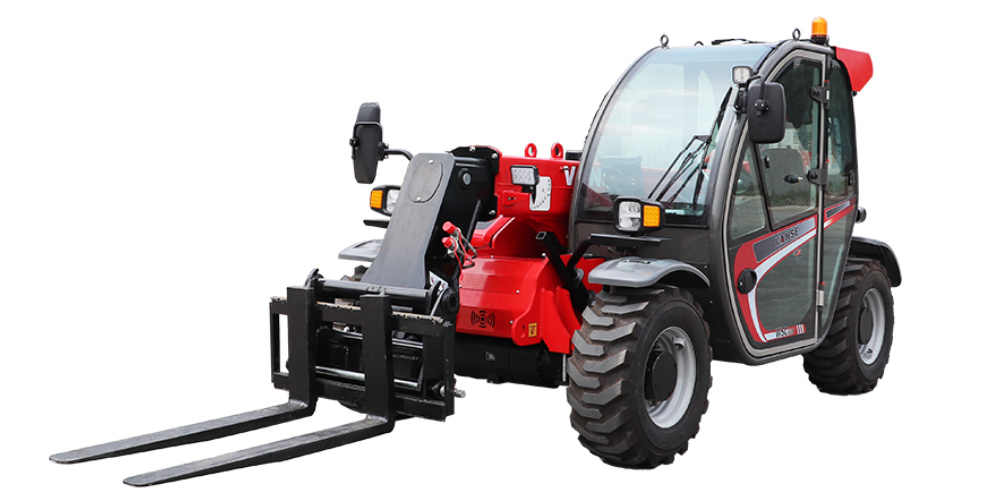
VANSE 625 6m Telescopic Handler
Designed for efficient material handling and stacking in warehouses, factories, and confined job sites, offering compact maneuverability and reliable performance.

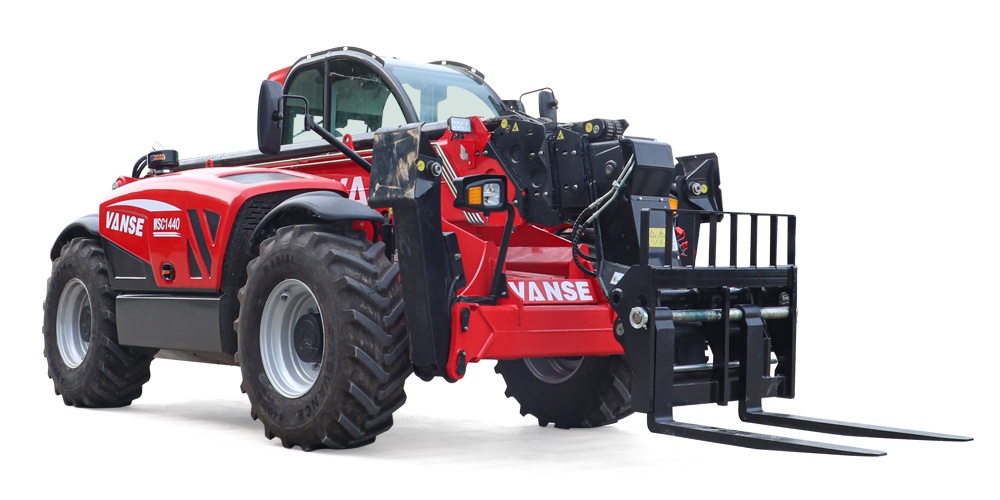
VANSE 735 7m Telescopic Handler
A balanced mid-duty solution for construction, agriculture, logistics, and warehousing, combining stable lifting, strong traction, and everyday versatility.


About the Author:
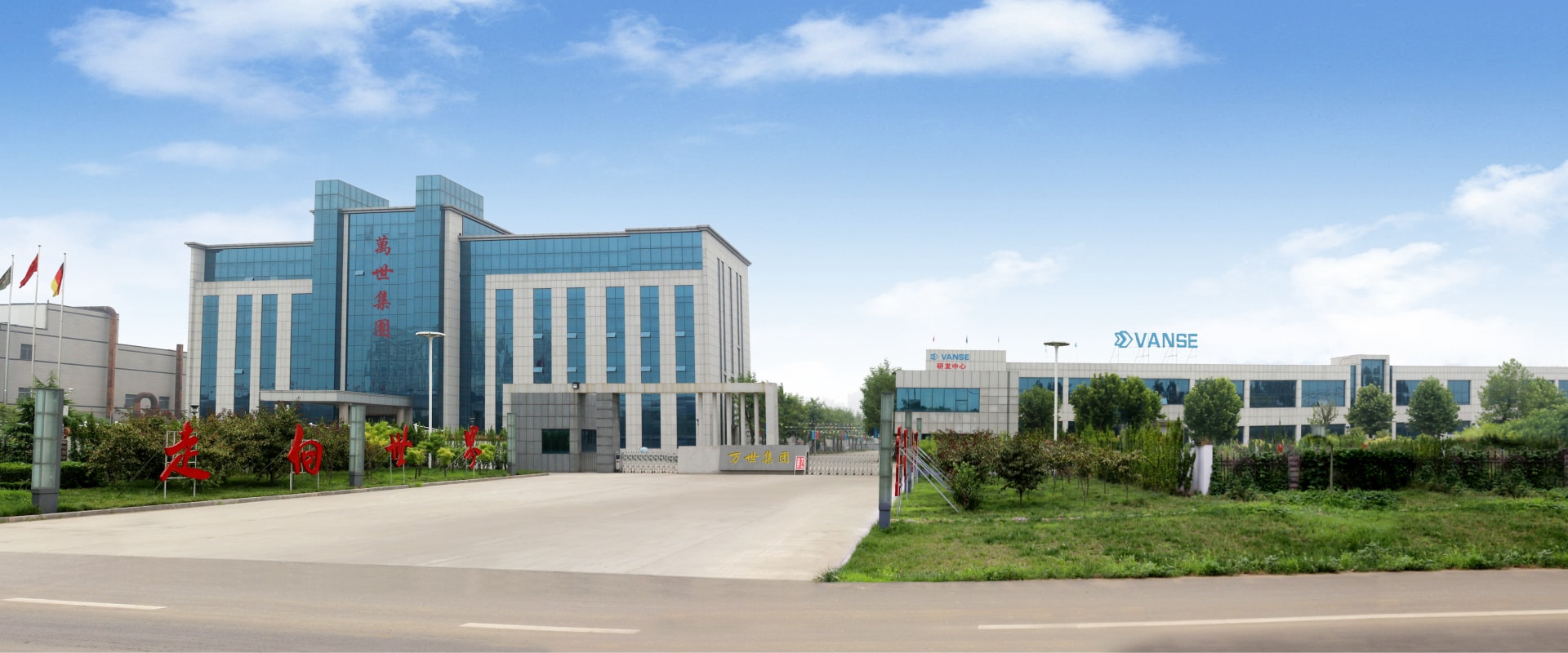
The VANSE team is a group of experienced professionals specializing in construction machinery research, manufacturing, and technical support. With deep industry knowledge and hands-on experience, our engineers and product specialists share practical insights on equipment selection, operation, maintenance, and industry trends.
Share
You May Also Interest
-

11 June, 2026
Telescopic Handler: Complete Overview and Buying Guide
Explore telescopic handler options in the United States with buying tips, supplier comparisons, application advice, and cost-smart sourcing insights.
-
10 June, 2026
Telehandler: The Essential Guide to Telescopic Machines
Discover how to choose the right telehandler in the United States, compare suppliers, machine types, costs, service, and 2026 buying trends.
-

8 June, 2026
Telehandler for Hay Bales: Stack Guide
Need a telehandler for hay bales in the United States? Compare types, suppliers, pricing, farm uses, service support, and buying tips for safer stacking.
-
5 June, 2026
Telehandler vs Forklift: Full Comparison
Telehandler vs forklift in the United States: compare reach, cost, jobsites, safety, and top suppliers to choose the right machine for your needs.