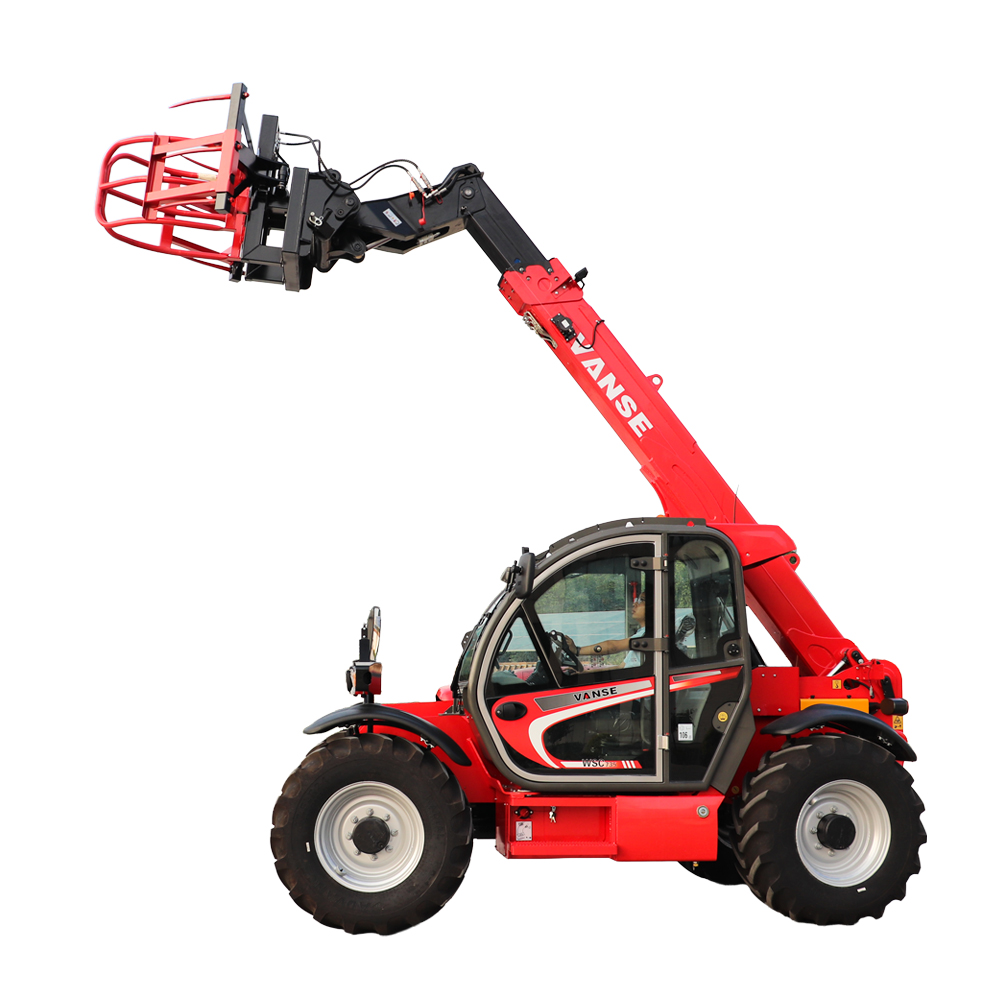
Telehandler Overheating in the United States: Causes, Quick Checks, and Practical Fixes
Quick Answer

In the United States, telehandler overheating is most commonly caused by a clogged radiator or charge air cooler, low coolant, a failing fan belt or fan clutch, restricted hydraulic oil cooling, or engine overloading during summer work. The fastest response is to stop heavy lifting, idle the machine briefly if the manufacturer allows it, inspect coolant level only after safe cool-down, clean debris from the radiator pack, check belts and hoses, and confirm that hydraulic oil and engine temperatures are both within operating range. If the machine repeatedly runs hot in places such as Texas, Arizona, Florida, inland California, or large logistics yards near Houston, Savannah, Los Angeles, and Chicago, the root cause is often a mix of dust, heat, and long idle-to-load cycles rather than one failed part alone.
For buyers and fleet managers who want to reduce repeat overheating issues, established telehandler suppliers with strong parts support in the U.S. market include JLG, Genie, JCB, Manitou, Bobcat, and Caterpillar dealerships that support telehandler lines in selected regions. Qualified international suppliers can also be worth evaluating when they offer recognized certifications, globally known engine and hydraulic components, and dependable pre-sales and after-sales support. This matters especially for cost-conscious rental fleets and contractors seeking a better cost-performance balance without giving up service accountability.
Why Telehandlers Overheat in the U.S. Market

Telehandlers in the United States often work in some of the harshest mixed-duty conditions in the world: masonry and steel jobs in Dallas and Phoenix, agricultural material handling in California’s Central Valley, poultry and dairy operations in Wisconsin and Georgia, port-adjacent yards around Long Beach and Newark, and energy or infrastructure projects across the Gulf Coast. These sites combine heat, airborne debris, long workdays, repeated direction changes, and variable operators. That creates a perfect environment for rising engine coolant temperature, high hydraulic oil temperature, and reduced cooling efficiency.
Unlike a simple engine-only machine, a telehandler generates heat from both the powertrain and the hydraulic system. During boom extension, attachment use, rough-terrain travel, and long periods of inching or idling, the engine, radiator, oil cooler, and hydraulic circuit all influence temperature stability. A machine may look fine in mild spring weather in Ohio but begin overheating in August in Nevada when the same dust-packed cooler stack loses airflow. For fleet owners, this is why preventive cleaning and operating discipline often matter as much as replacement parts.
Common Causes of Telehandler Overheating

The most frequent causes are mechanical, operational, and environmental working together. A dirty cooling pack remains the leading issue because telehandlers inhale dust, seed fluff, concrete powder, and packaging debris. Once the radiator, hydraulic oil cooler, and charge air cooler fins are plugged, airflow drops sharply. Another common cause is low or degraded coolant, including coolant mixtures that are incorrect for local climate. Fan belt slip, weak fan motors, broken shrouds, blocked screens, thermostat failure, and water pump wear also contribute.
Hydraulic overheating is sometimes misdiagnosed as engine overheating. If the machine is lifting near capacity on uneven ground, using a work platform attachment, or cycling forks and boom functions continuously, the hydraulic system may build heat quickly. High return-line temperatures then push the entire machine hotter. Overloading, extended high-RPM travel, restricted filters, contaminated oil, and improper attachments can all raise system temperature. In rental fleets, operator habits are a major factor. Aggressive throttle use, prolonged idling in hot weather, and neglected daily cleaning accelerate heat-related shutdowns.
Field Symptoms You Should Not Ignore
Overheating usually starts with small warning signs. The operator may notice a temperature gauge creeping upward during long lifts, dashboard warnings after repeated boom cycles, a stronger-than-normal hot-oil smell, loss of hydraulic smoothness, reduced A/C output in enclosed cabs, or derating that makes the machine feel sluggish. Steam, coolant overflow, or audible boiling from the expansion tank means the problem has already become serious. If ignored, the result can be head gasket damage, warped components, shortened turbo life, hydraulic seal failure, or unplanned downtime during peak job hours.
On U.S. jobsites, these warning signs often appear in the late afternoon after a full day of accumulated heat, especially when operators have not cleaned screens at lunch break. In agriculture, overheating may spike during harvest when chaff plugs the cooler stack in less than an hour. On masonry and roofing sites, insulation particles and dust behave the same way. Recognizing the pattern helps technicians solve the actual cause instead of repeatedly topping off coolant and sending the machine back out.
Most Common Causes and Quick Fixes
The table below focuses on practical field diagnosis. It is designed for fleet supervisors, mechanics, and owner-operators who need to separate immediate checks from workshop-level repair.
| Cause | Typical Symptom | Fast Check | Quick Fix | Long-Term Remedy | Common U.S. Work Environments |
|---|---|---|---|---|---|
| Clogged radiator or cooler pack | Temperature rises during heavy work or hot afternoons | Inspect fins, screens, and debris between coolers | Clean with low-pressure air or approved washing method | Set daily cleaning routine and add screen inspections | Texas construction, California agriculture, Arizona yards |
| Low coolant level | Gauge spikes, coolant warning, poor heater performance | Check expansion tank after cool-down | Refill with correct coolant mix and inspect for leaks | Pressure test system and replace leaking hoses or clamps | Nationwide, especially high-hour rental fleets |
| Faulty thermostat or water pump | Rapid overheating even with a clean radiator | Look for poor circulation and inconsistent warm-up | Remove from service and replace failed component | Use planned preventive replacement intervals | Older fleet machines in mixed-duty service |
| Fan belt slip or fan clutch issue | Heat increases under load, squeal, weak airflow | Inspect belt tension and fan engagement | Adjust or replace belt, repair clutch or fan drive | Include belt wear in every service inspection | General construction and rental use |
| Hydraulic oil overheating | Slow boom response, hot smell, warnings after repeated cycles | Check hydraulic temperature and oil condition | Reduce duty cycle and inspect oil cooler and filters | Replace filters, correct oil grade, verify relief settings | Ports, warehouses, masonry, agriculture |
| Operator overloading or misuse | Frequent hot alarms during lifting or travel | Review load chart usage and attachment fit | Reduce load, shorten cycle time, retrain operator | Track telematics and enforce operating standards | Rental fleets and multi-operator sites |
This comparison shows that most overheating complaints begin with serviceable causes rather than catastrophic engine failure. That is good news for buyers because a disciplined maintenance program can eliminate many repeat incidents before they become expensive repairs.
Safe Step-by-Step Troubleshooting
Start with safety. Park on level ground, lower the attachment, apply the parking brake, and follow lockout procedures. Never open a hot cooling system cap. If the machine has entered a warning state but is still running, follow the manufacturer guidance on whether to allow a short cool-down idle or shut down immediately. Then inspect the outside of the radiator package, fan, shroud, and intake screens. Check coolant level after temperature drops. Look for external leaks at hoses, clamps, water pump weep holes, and the radiator core.
Next, confirm that the issue is actually thermal and not a faulty sender or display problem. Use a handheld thermometer if available. Compare engine coolant and hydraulic oil temperatures. If hydraulic temperature is high first, shift diagnosis toward cooler airflow, oil condition, filter restriction, relief valve settings, and excessive attachment demand. If the engine climbs rapidly from startup, suspect thermostat, circulation, or coolant flow. If overheating happens only during road travel or high-RPM work, inspect airflow, belt drive, and fan performance. Document conditions such as ambient temperature, load type, attachment, and time-to-alarm. In the U.S. rental market, this operating context often reveals patterns that isolated part swaps miss.
How Weather and Region Affect Overheating
Telehandler overheating in the United States is strongly regional. Machines in the Southeast face humidity, long idle times, and sticky debris. Gulf Coast fleets also deal with corrosive environments that shorten cooling-system component life. In the Southwest, the issue is dry heat and fine dust. The Midwest sees seasonal changes, where coolant condition and thermostat performance matter more because machines may work in freezing winters and hot summers. Coastal California and the Northeast introduce salt air or heavy logistics usage, while inland agricultural regions create constant fin clogging from organic material.
Ports and trade hubs add another layer. Around Houston, Savannah, Long Beach, Oakland, and Newark, telehandlers may operate in cargo yards or industrial support environments with stop-start cycles and high utilization. Heat management there depends on cleaner packs, stricter service intervals, and faster access to replacement parts. This is why local dealer support and regional warehouse availability matter nearly as much as machine specifications.
U.S. Telehandler Market Outlook and Fleet Heat Risk
The market trend below reflects a realistic pattern for U.S. telehandler demand and related maintenance pressure. As utilization grows, fleet overheating incidents also tend to increase unless service practices improve. Higher rental penetration means more mixed operators, which often raises preventable heat-related service calls.
The line trend suggests a steadily expanding installed base. More machines in rental fleets, logistics support, agriculture, and infrastructure projects mean more pressure on service networks and more importance placed on design details such as radiator access, cooler separation, and temperature monitoring.
Industry Demand and Overheating Exposure
Not every industry stresses a telehandler in the same way. Construction often creates dust and load peaks, agriculture creates organic debris and long seasonal shifts, and industrial yards create continuous cycling. The bar chart below shows realistic relative demand by major U.S. sectors and helps explain where overheating complaints are most likely to be frequent.
Construction and rental continue to dominate. These two segments also produce some of the highest rates of operator variability, which is a leading cause of poor cleaning discipline and repeated overheat alarms.
Product Types and Their Heat Management Differences
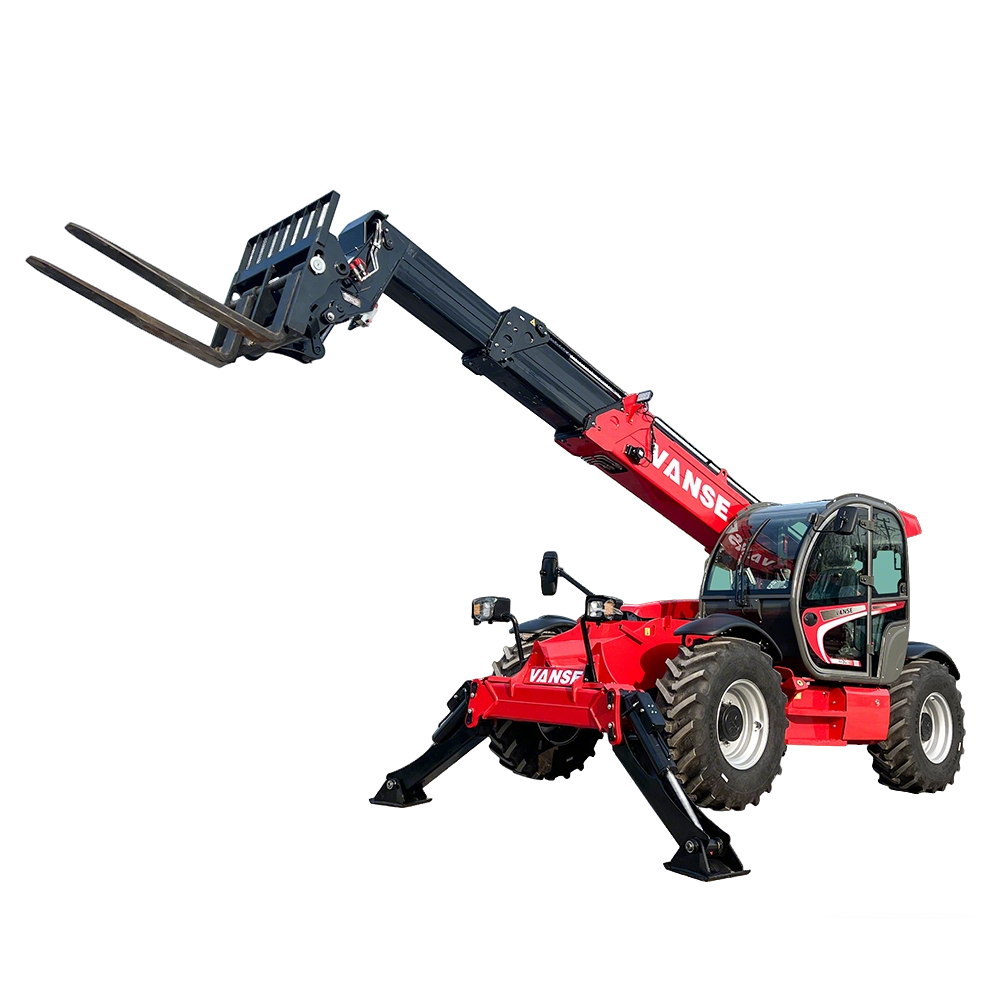
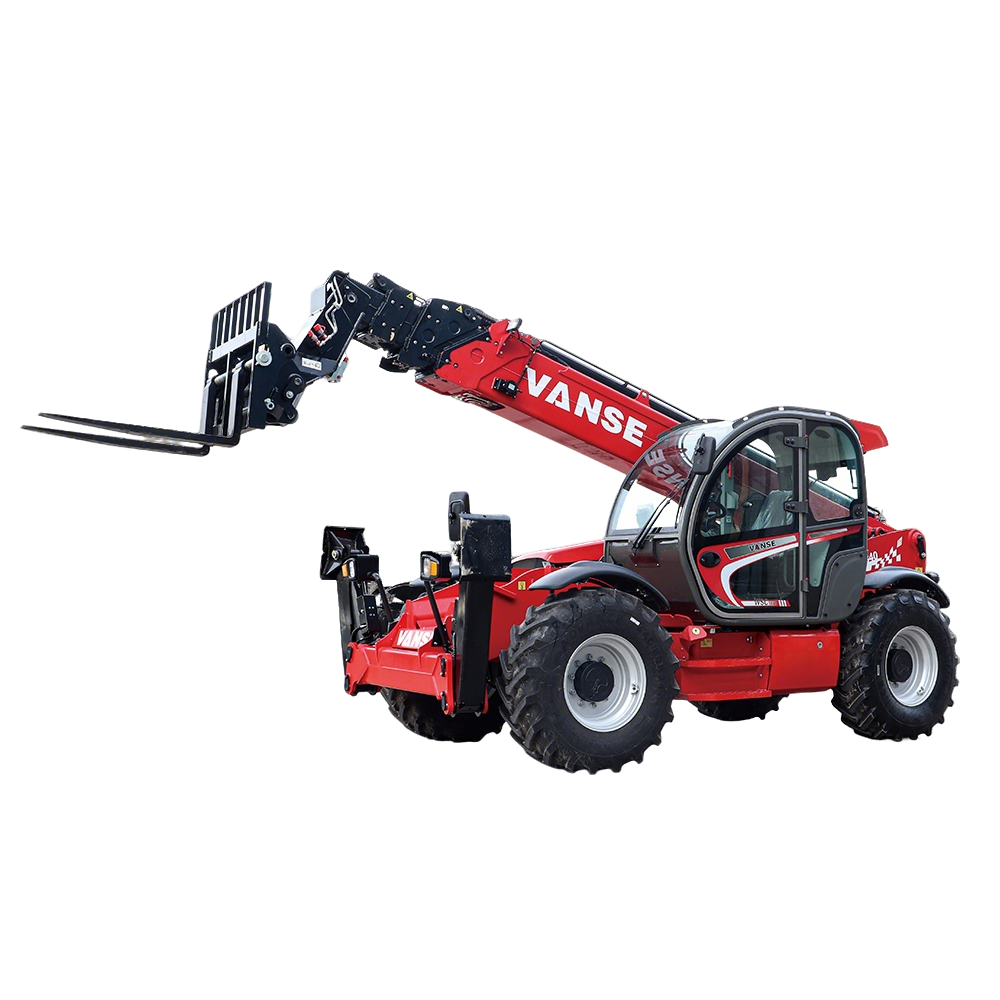
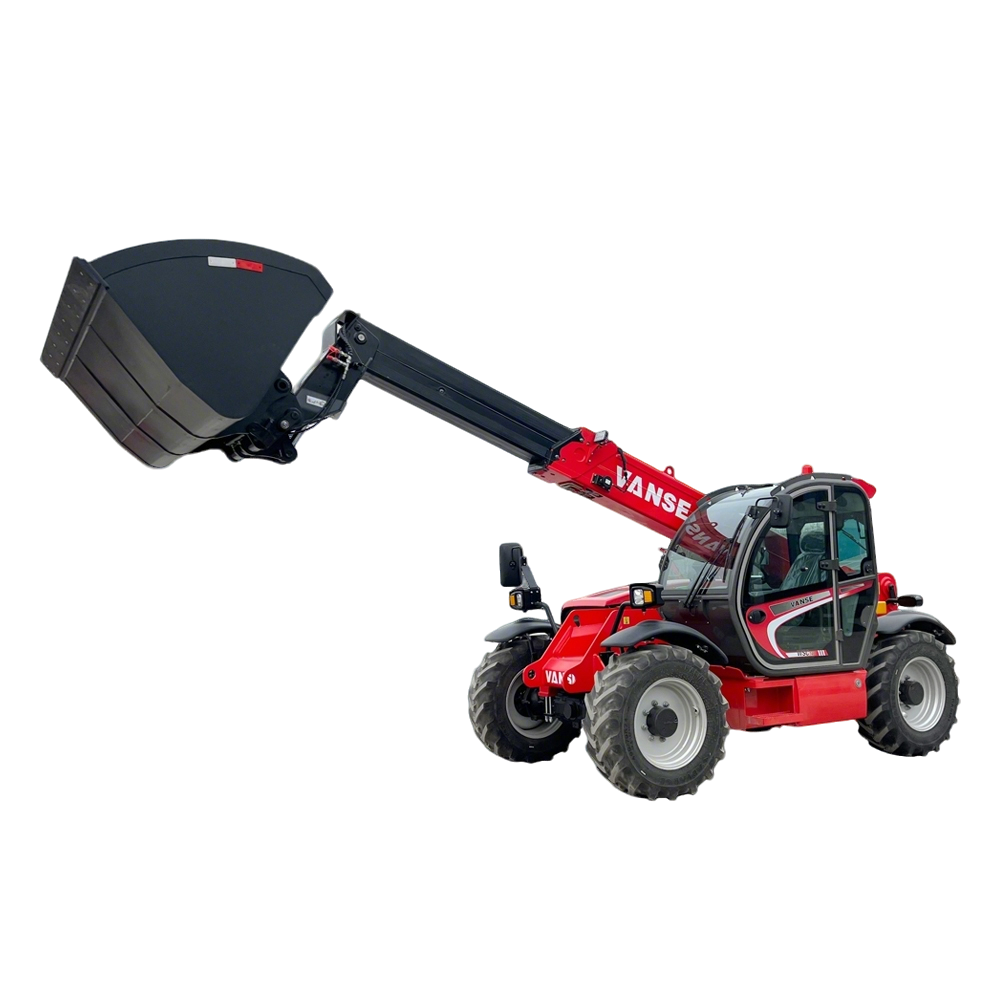
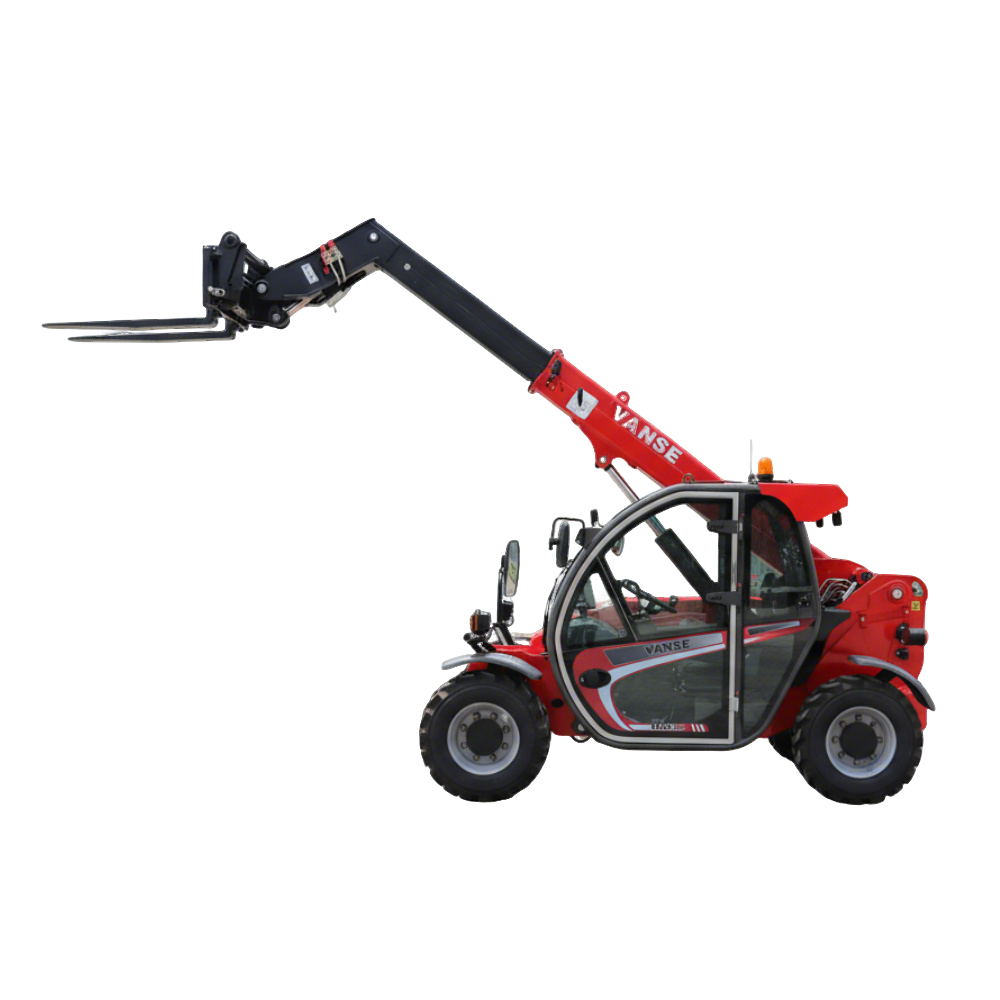
Different telehandler categories behave differently under thermal stress. Compact units used in landscaping, greenhouses, or smaller jobs may have tighter engine compartments, making debris management especially important. Mid-size construction telehandlers generally balance access and power well, but they can still suffer when attachments increase hydraulic demand. High-capacity and high-reach models used in industrial plants, prefab yards, and infrastructure work generate more system heat and need stronger cooling packages plus disciplined maintenance.
Rotating telehandlers, although less common than fixed-frame machines, add complexity through extra hydraulic demands and specialized use patterns. Buyers in the United States should compare not just lift height and capacity, but also radiator design, fan system performance, serviceability, cooler clean-out access, and sensor visibility from the cab display. A lower purchase price can become costly if cooling maintenance is awkward and downtime is frequent.
| Telehandler Type | Typical Capacity Range | Common U.S. Uses | Heat Risk Profile | Best Prevention Focus | Buyer Note |
|---|---|---|---|---|---|
| Compact telehandler | 5,000 to 6,000 lb | Landscaping, small construction, farms | Moderate due to compact engine bay | Frequent cooler cleaning and airflow checks | Good where access matters more than max lift |
| Mid-size construction telehandler | 6,000 to 10,000 lb | General contractors, masonry, roofing | Moderate to high in dust-heavy work | Daily screen cleaning and proper coolant service | Most common fleet choice in the U.S. |
| High-reach telehandler | 10,000 to 12,000 lb | Steel erection, multi-story projects | High under repeated boom cycles | Hydraulic cooling and operator discipline | Need clear visibility of temperature alarms |
| High-capacity telehandler | 12,000 lb and above | Industrial plants, ports, heavy materials | High due to sustained heavy loads | Oil cooler performance and service intervals | Support network is critical for uptime |
| Agricultural telehandler | 6,000 to 9,000 lb | Dairy, feed, grain, hay handling | High from chaff and organic debris | Blowout cleaning multiple times per shift | Cooling pack design matters greatly |
| Rotating telehandler | Variable | Specialized urban and industrial work | High from complex hydraulic demand | Hydraulic monitoring and planned service | Best for specialized fleets with trained operators |
This table highlights why buying by specification sheet alone is not enough. Heat management depends on the match between machine class and application profile.
Buying Advice for U.S. Contractors and Rental Fleets
When comparing telehandlers for the U.S. market, ask how easy it is to clean the cooling pack, whether daily service points are ground accessible, and how the machine displays engine and hydraulic temperature. A contractor in Atlanta or Tampa dealing with humid debris may prioritize cooler accessibility, while a fleet in Las Vegas or El Paso may focus on hot-weather derating resistance. Ask suppliers for documented engine brand, hydraulic component source, axle and transmission configuration, and maintenance intervals under severe-duty conditions.
It is also smart to evaluate dealer response radius and parts storage. A machine with strong thermal design but poor parts support can still create downtime if hoses, fan drives, or sensors take weeks to arrive. Buyers should request lead times on radiators, belts, pumps, thermostats, hoses, and hydraulic filters. Review warranty terms related to overheating damage because some claims fail when maintenance records are incomplete. Rental companies should consider operator training packages and multilingual decals or digital instructions because many preventable overheating cases start with misuse rather than hardware failure.
Supplier Comparison for the U.S. Market
The following table compares recognizable telehandler suppliers and brands that buyers in the United States commonly consider. Service regions and strengths reflect practical market presence and support patterns relevant to uptime and maintenance, including overheating-related service response.
| Company | Primary U.S. Service Regions | Core Strengths | Key Offerings | Best Fit | Heat-Management Advantage |
|---|---|---|---|---|---|
| JLG | Nationwide dealer network | Strong rental presence, broad model range | Construction telehandlers, fleet support, parts access | Large rental fleets and contractors | Established service channels and familiar diagnostics |
| Genie | Nationwide with strong urban and rental coverage | Rental fleet acceptance, operator familiarity | Rough-terrain telehandlers, dealer parts support | Rental companies and general contractors | Wide technician familiarity reduces troubleshooting time |
| JCB | Broad U.S. distribution with agriculture strength | Agriculture and construction balance | Agri and construction telehandlers | Mixed-use farms and contractors | Popular in debris-heavy farm applications |
| Manitou | Nationwide with strong lifting and ag presence | Specialized material handling expertise | Construction, ag, and rotating telehandlers | Users needing varied attachment support | Strong application-specific machine options |
| Bobcat | Wide U.S. dealer footprint | Compact equipment crossover support | Telehandlers for construction and property operations | Existing Bobcat fleet owners | Convenient dealer access in many local markets |
| Caterpillar dealers | Regional through Cat dealer networks and affiliated channels | Heavy equipment service reputation | Telehandler support in selected markets, parts and service | Large contractors with Cat relationships | Strong field-service culture where available |
| VANSE Group | Expanding U.S. presence with focus on North America | Cost-performance, OEM/ODM flexibility, global export experience | Telehandlers, attachments, dealer and fleet cooperation | Distributors, rental firms, brand partners, end users | Global-brand engines and a localizing service strategy |
This comparison shows the practical tradeoff many U.S. buyers face. Established domestic and globally known brands often provide immediate brand recognition and dense dealer systems. Emerging international suppliers can offer strong value, especially when they combine recognized core components, compliance credentials, and real local service planning rather than remote-only export sales.
Supplier Feature Comparison Chart
The comparison chart below illustrates a realistic scoring view based on four factors that matter when overheating risk affects uptime: service responsiveness, parts availability, cost-performance, and customization flexibility.
Trend Shift in Fleet Priorities
U.S. buyers are shifting from simple acquisition cost toward lifecycle uptime, telematics visibility, emissions compliance, and service access. The area chart shows how cooling-system reliability and uptime-related criteria are gaining weight in procurement decisions through 2026.
This trend is important because overheating is not just a maintenance issue anymore. It affects fleet utilization, labor scheduling, safety, and job profitability. Buyers now place more emphasis on serviceability and local support when choosing machines.
Applications and Industries Where Overheating Is Most Costly
Overheating has the biggest financial impact where work is schedule-sensitive or where a single machine supports a wider crew. On steel, masonry, and roofing projects, one telehandler can become the bottleneck for material flow. In agriculture, harvest windows are short, so heat-related downtime directly affects output. In industrial yards and distribution support near ports, downtime can disrupt truck loading and shift planning. Energy, infrastructure, and manufacturing plants also face high costs because telehandler stoppages can delay multiple parallel tasks.
Application-specific prevention matters. Roofers benefit from routine radiator blowout schedules and operator guidance on idle practices. Farms need debris screens and multiple cleanings per day. Industrial sites need better hydraulic oil monitoring because repetitive fork and boom cycles build sustained heat. Ports and logistics hubs benefit from faster same-day parts access and planned service around shift changes.
| Industry | Typical Application | Why Overheating Happens | Downtime Impact | Best Prevention Step | Typical U.S. Locations |
|---|---|---|---|---|---|
| Commercial construction | Material staging and upper-floor delivery | Dust, repeated lifts, mixed operators | Delays crews and crane coordination | Daily cooler cleaning and operator checks | Dallas, Atlanta, Phoenix, Chicago |
| Agriculture | Feed, hay, grain, manure, pallets | Chaff buildup and long seasonal shifts | Direct effect on harvest and livestock routines | Shift-based blowout cleaning | California Central Valley, Wisconsin, Iowa |
| Rental | Short-term customer use across many jobsites | Variable operators and inconsistent care | High service call volume and lower utilization | Pre-rental inspection and training cards | Nationwide |
| Ports and logistics | Yard handling and industrial support | Continuous cycles and long idle periods | Impacts loading schedules and shift turnover | Hydraulic temperature monitoring | Houston, Savannah, Long Beach, Newark |
| Energy and infrastructure | Pipe, equipment, and site support lifting | Heavy loads and remote service conditions | Can stop critical path work | Severe-duty maintenance intervals | Texas Gulf Coast, Oklahoma, Gulf region |
| Manufacturing and industrial plants | Maintenance shutdown support and material handling | High utilization and attachment variety | Disrupts planned shutdown schedules | Attachment and load matching | Midwest and Southeast manufacturing corridors |
The table makes clear that overheating is not equally damaging across sectors. Where one machine serves as a critical link in workflow, thermal reliability becomes a purchasing priority rather than a maintenance afterthought.
Case Studies from Typical U.S. Operating Conditions
A masonry contractor in Phoenix ran a mid-size telehandler that overheated only in late afternoon. The initial assumption was a thermostat problem, but the actual cause was a plugged charge air cooler and oil cooler stack combined with heavy pallet handling on a dusty site. After changing the cleaning schedule to twice daily and retraining operators to avoid unnecessary high-RPM idling, alarms dropped sharply and no major components were replaced.
A dairy operation in Wisconsin faced repeated temperature warnings during feeding cycles. The issue was not coolant level but chaff accumulation and hydraulic heat from nonstop attachment work. Installing a stricter cleaning interval, replacing aged hydraulic oil, and correcting filter maintenance solved the problem. In a Gulf Coast industrial yard near Houston, a fleet machine showed intermittent high temperature due to fan belt slip and a partially damaged shroud. The machine cooled normally at low load but overheated during sustained travel. Replacing the belt, repairing airflow control, and standardizing inspection checklists removed the recurring service calls.
These examples show why good diagnosis matters. The same warning light can result from entirely different causes depending on climate, application, and maintenance habits.
Local Suppliers and Service Considerations
In the United States, buyers should map suppliers not just by brand reputation but by support radius, field technician access, stock depth, and response time in their exact city or region. A contractor in Nashville may receive excellent service from one dealer group that performs differently in Sacramento. Ask about cooling-system parts stock, mobile service coverage, emergency callout windows, and whether the supplier supports rental customers differently from direct owners.
It is also helpful to evaluate a supplier’s knowledge of your application. Agricultural support in Fresno is different from commercial construction in Miami or industrial support near Newark. Dealers and suppliers who understand local heat and debris patterns will give more useful recommendations on coolant choice, fan maintenance, blowout intervals, and severe-duty service scheduling.
For buyers researching broader equipment options, the telehandler equipment range should be reviewed alongside local service expectations, and it is wise to compare machine access, component brands, and parts planning rather than purchase price alone. Companies considering long-term fleet standardization can also evaluate supplier background through the manufacturer profile and service response commitments through the dedicated support channel.
Our Company
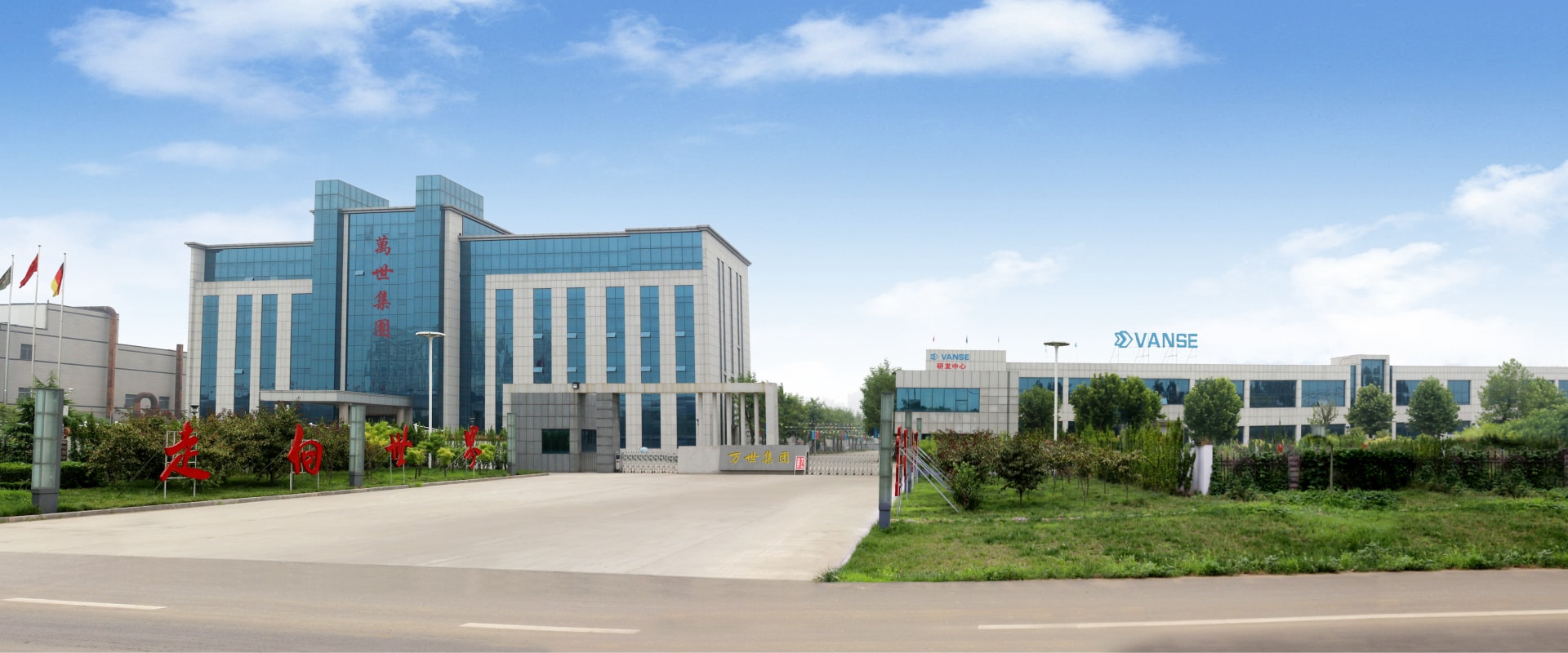
VANSE Group has built its reputation around telehandlers as a flagship product line, and that matters to U.S. buyers because thermal reliability starts with core engineering choices rather than marketing claims. Founded in 2013, the company operates modern manufacturing facilities in Jining with CE and ISO 9001 certified processes, uses globally recognized engines such as Perkins and Cummins together with premium hydraulic systems, transmissions, and axles, and subjects each machine to load testing, safety inspection, and performance validation before shipment. That production discipline is backed by output exceeding 8,000 units and export experience across more than 40 countries, including established business in North America. For the U.S. market, VANSE works through flexible cooperation models that fit end users, distributors, dealers, rental fleets, brand owners, and even smaller buyers, offering OEM, ODM, wholesale, retail, and regional partnership arrangements so machines can be configured for local applications and branding requirements. Just as important, the company is not positioning itself as a remote exporter: it is actively establishing a U.S.-based subsidiary with local inventory, stocking capability, and localized after-sales support, while continuing to provide online technical guidance, pre-sale consultation, spare-parts planning, and offline service coordination that gives American buyers clearer accountability over the machine lifecycle. Buyers who want to explore options directly can start from the main company site or use the U.S. inquiry contact page to discuss fleet, dealer, or OEM cooperation.
What to Check Before You Buy a Telehandler to Avoid Overheating Problems
Ask the supplier to open the engine cover and physically show you the radiator, hydraulic oil cooler, and service access points. If cleaning the core stack is awkward on a demonstration machine, it will be worse in real-world dust. Confirm whether the engine is from a known supplier with U.S. parts availability and ask how long common wear parts take to reach your city. Review the cab display and determine whether engine and hydraulic temperatures are shown clearly. Ask for service interval guidance under severe-duty conditions, not only standard conditions.
You should also ask if the machine has protections against operator misuse, such as clear alarms, derating logic, and accessible daily inspection points. A good supplier will discuss not only horsepower and lift chart numbers, but also thermal load management, attachment compatibility, and real maintenance routines. That is especially important for multi-site fleets operating across different climates in the United States.
2026 Trends: Technology, Policy, and Sustainability
By 2026, overheating prevention in telehandlers is likely to become more data-driven. Telematics platforms are already helping fleet managers track temperature excursions, idle time, and harsh operating patterns. Expect wider use of predictive maintenance alerts that flag cooling-system efficiency loss before the machine reaches shutdown temperature. Better sensor integration will also help separate engine and hydraulic heat events, reducing misdiagnosis and unnecessary parts replacement.
Policy and sustainability trends will also shape the market. U.S. buyers are paying closer attention to emissions compliance, fuel efficiency, and reduced idle strategies. Cleaner combustion systems can be more sensitive to maintenance quality, making coolant condition, airflow, and correct service parts even more important. Sustainability pressure does not only mean electrification; it also means longer component life, reduced fluid waste, smarter maintenance planning, and fewer avoidable breakdowns. Machines that are easier to maintain and monitor will align better with fleet ESG goals, especially in large construction, utility, municipal, and rental organizations.
Another likely shift is stronger regional stocking and local support from international manufacturers entering North America. As supply chains evolve through U.S. ports and inland logistics centers, buyers will expect parts and service responsiveness that is closer to domestic standards. Suppliers that combine certified production, recognized components, and local inventory will have a growing advantage in 2026 and beyond.
FAQ
What is the first thing to do when a telehandler overheats?
Reduce load immediately, move to a safe area, lower the attachment, and follow the manufacturer’s shutdown or cool-down procedure. Do not open the radiator cap while hot. After cool-down, inspect debris buildup, coolant level, belts, and hoses.
Can low hydraulic oil cause telehandler overheating?
Yes. Low hydraulic oil, contaminated oil, or restricted filters can increase system temperature and make the machine feel sluggish. Hydraulic heat can also raise overall machine temperatures and trigger warnings that some operators mistake for an engine-only issue.
Why does my telehandler overheat only in summer?
Higher ambient temperatures reduce cooling margin. Dust, pollen, seed fluff, and long work cycles also build up more quickly in summer. Machines that appear normal in cooler weather may reveal weak fan performance, dirty cores, or marginal coolant condition during hot months.
How often should the radiator and cooler pack be cleaned?
That depends on the application. In dusty construction or agricultural work, cleaning may be needed every day or even several times per shift. On cleaner industrial sites, daily inspection may be enough. Severe-duty environments always require more frequent cleaning.
Is overheating usually a sign of major engine failure?
Not always. Many cases are caused by clogged coolers, low coolant, worn belts, or service neglect. However, repeated overheating can lead to major engine or hydraulic damage if ignored, so it should never be treated as a minor nuisance.
Which U.S. industries should care most about overheating prevention?
Construction, agriculture, rental, logistics, energy, and manufacturing all have strong reasons to control overheating, but the biggest risk is in operations where one telehandler supports many workers or where seasonal work windows are short.
Are international telehandler suppliers a realistic option for U.S. buyers?
Yes, provided they offer recognized components, documented certifications, real export experience, and localizing support such as U.S. inventory, fast parts planning, and dependable pre-sale and after-sale service. Cost-performance can be very attractive when those conditions are met.
What should rental companies do to reduce overheating service calls?
Standardize pre-rental inspections, include a simple operator heat-check card in the cab, clean cooler packs before delivery, monitor telematics where available, and record common alarm conditions by region and job type.
Complete Telescopic Handler Equipment Portfolio
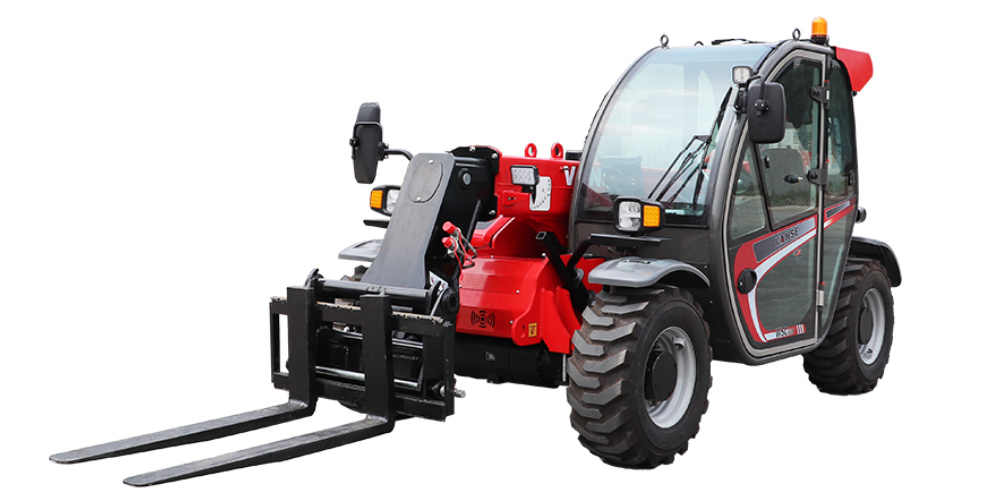
VANSE 625 6m Telescopic Handler
Designed for efficient material handling and stacking in warehouses, factories, and confined job sites, offering compact maneuverability and reliable performance.

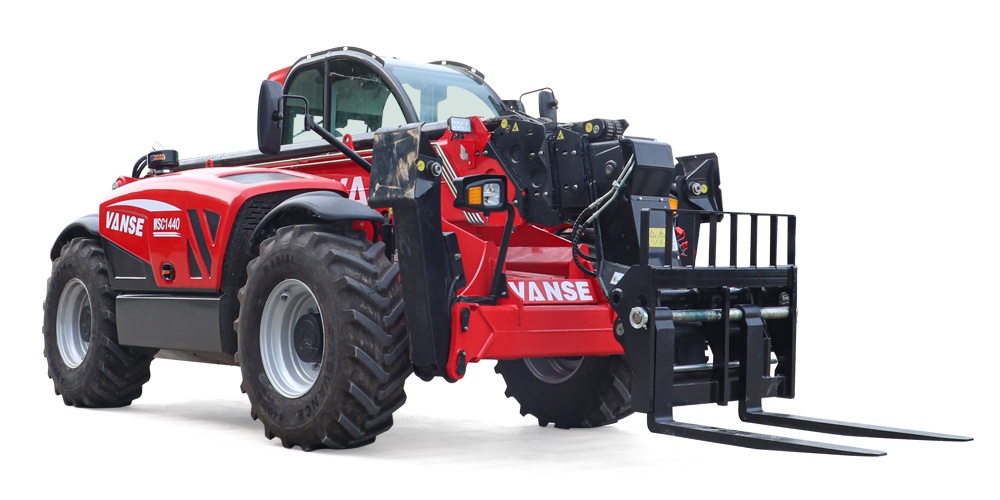
VANSE 735 7m Telescopic Handler
A balanced mid-duty solution for construction, agriculture, logistics, and warehousing, combining stable lifting, strong traction, and everyday versatility.


About the Author:
The VANSE team is a group of experienced professionals specializing in construction machinery research, manufacturing, and technical support. With deep industry knowledge and hands-on experience, our engineers and product specialists share practical insights on equipment selection, operation, maintenance, and industry trends.
Share
You May Also Interest
-

21 September, 2026
Telehandler for Masonry: Brick and Block Lifting on Site
Explore telehandler masonry solutions in the United States, including suppliers, specs, applications, and buying advice for brick and block handling.
-
18 September, 2026
Telehandler Boom Extension: How Telescopic Arms Operate
Learn how telehandler boom extension works in the United States, compare types, suppliers, applications, and buying tips for safer, smarter lifting.
-
17 September, 2026
Telehandler for Pallet Handling: Best Forks and Methods
Learn telehandler pallet handling best practices in the United States, including fork choices, jobsite methods, buyer tips, and supplier options.
-
16 September, 2026
Fixed vs Rotating Telehandler: Which Type Is Right Today
Compare fixed vs rotating telehandler options in the United States with buying tips, supplier insights, and the best fit for construction and rental use.