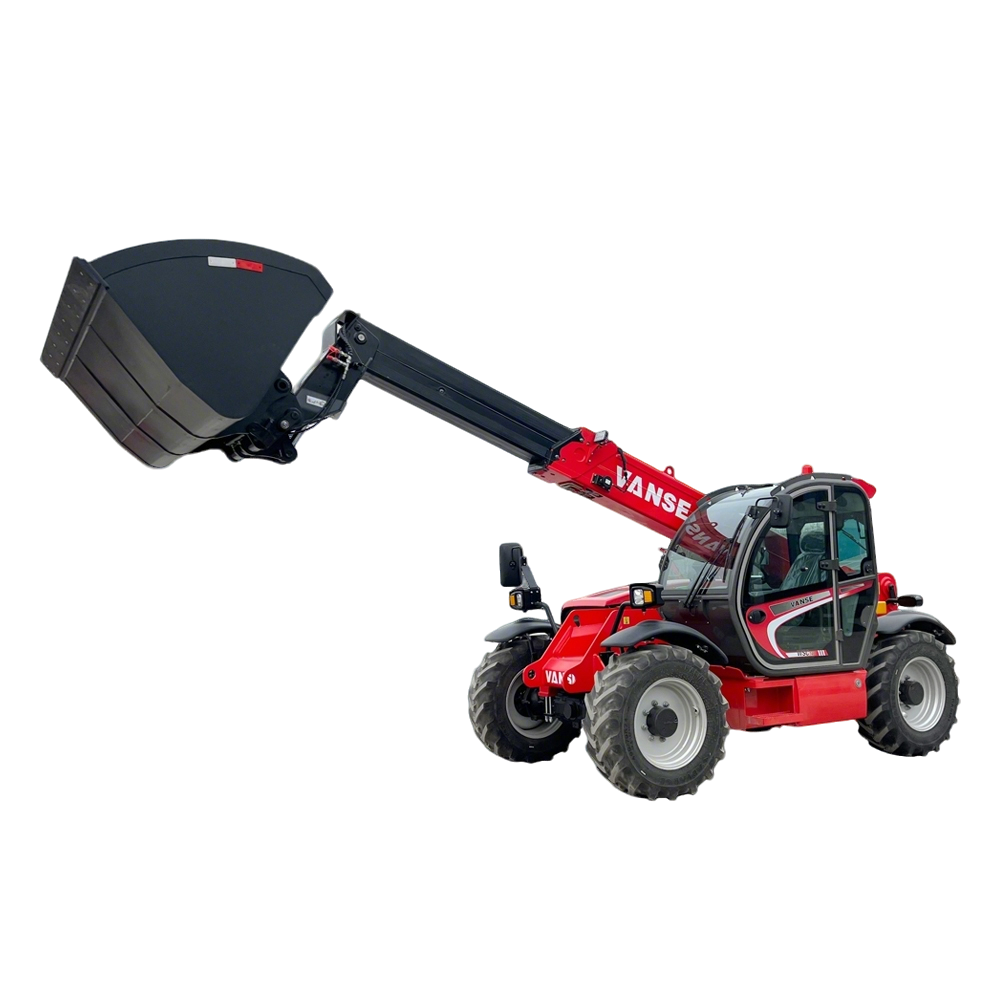
Telehandler Pallet Handling in the United States
Quick Answer

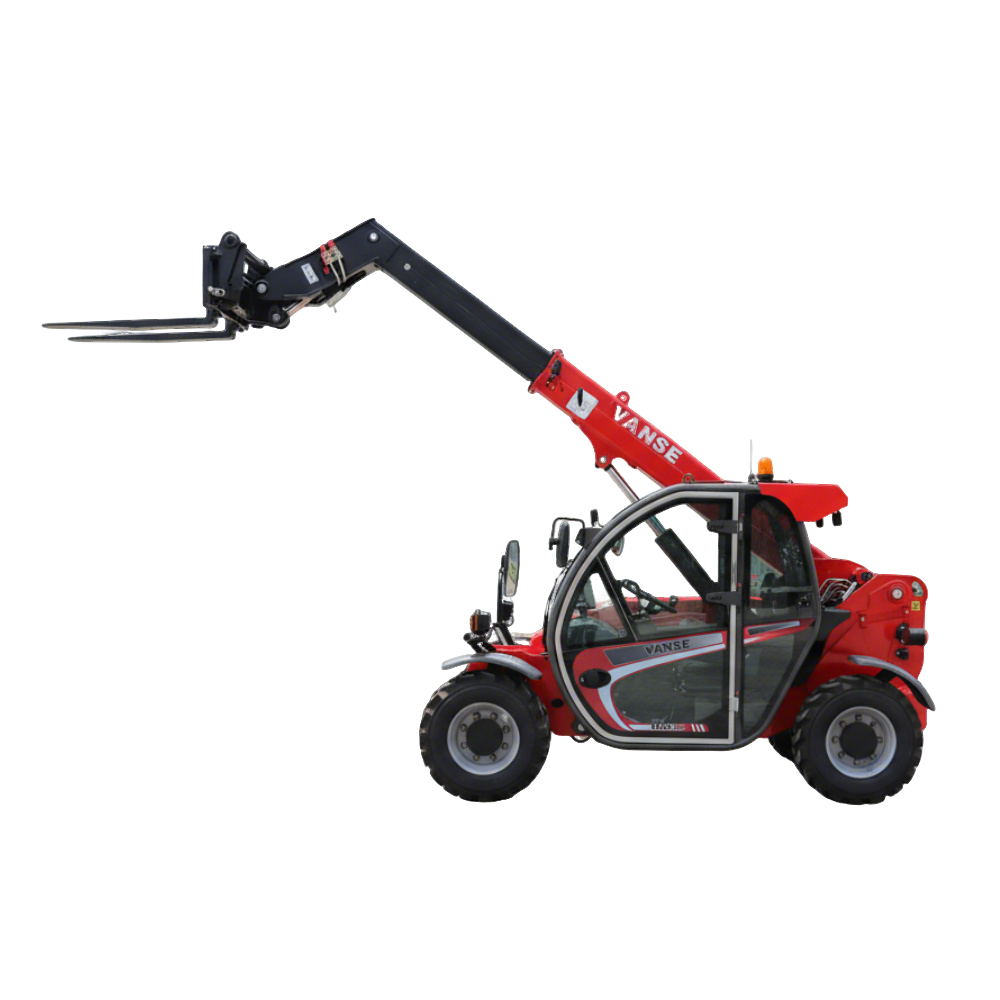
For pallet handling in the United States, the best telehandler setup usually combines a carriage-mounted pallet fork attachment, a machine sized to the actual pallet load and lift height, and disciplined operating methods that keep the boom as low and retracted as possible during travel. On construction sites, agriculture operations, lumber yards, masonry supply yards, and industrial facilities, the most practical choice is often a standard floating fork carriage for general pallets, while heavier or irregular loads may require wider forks, longer forks, side-shift options, or high-capacity carriages.
If you need proven local supply and support, common names seen across the U.S. market include JLG, JCB, Genie, SkyTrak, Bobcat, and CAT dealers in regions such as Texas, California, Florida, Illinois, Georgia, and the Midwest distribution corridor. Buyers working near logistics and trade hubs like Houston, Los Angeles, Savannah, Chicago, and Newark should prioritize dealer parts availability, operator training, and attachment compatibility over purchase price alone.
For most pallet work, the best method is simple: confirm load weight and center of gravity, match fork spacing to the pallet, keep the load back against the carriage, travel on level ground where possible, avoid elevated travel, and follow the machine load chart at all times. Qualified international suppliers can also be worth considering, especially when they offer recognized certifications, premium components, strong pre-sale engineering support, and dependable after-sale service in the United States, because the cost-performance advantage can be significant for fleet buyers and distributors.
United States Market for Telehandler Pallet Handling

The United States remains one of the strongest markets for telehandlers used in pallet handling because the machine sits at the intersection of construction, agriculture, warehousing support, building materials, manufacturing, ports, and large distribution campuses. While forklifts dominate indoors on flat floors, telehandlers are favored where ground conditions are rough, stacking heights vary, and loads must be moved across mixed terrain. This is why telehandlers appear so frequently on housing developments in Texas, commercial builds in Florida, farm operations in Iowa and Kansas, masonry yards in the Carolinas, and industrial expansion projects near inland freight corridors around Chicago, Dallas-Fort Worth, and Atlanta.
Pallet handling demand is also tied to broader U.S. logistics patterns. Ports such as Los Angeles, Long Beach, Houston, Savannah, and New York-New Jersey feed regional freight networks that rely on equipment dealers, rental fleets, and end users to move palletized materials quickly. In many cases, telehandlers serve as the bridge machine between delivery trucks, staging yards, partially developed sites, and outdoor storage zones where a traditional warehouse forklift is less practical.
Another reason this market is active is the large U.S. rental ecosystem. National and regional rental companies frequently stock telehandlers with pallet forks because contractors often need flexible lifting capacity without purchasing a specialized machine for every project. This affects buying behavior: many fleet managers want universal fork carriages, fast service access, and reliable resale value. In turn, manufacturers and suppliers that can support mixed fleets with consistent parts and training tend to perform better in the United States.
Market Growth and Outlook

The U.S. telehandler market for pallet and material handling is expected to stay resilient through 2026 as infrastructure, manufacturing reshoring, utility projects, agricultural mechanization, and warehouse-adjacent outdoor handling continue to support demand. Growth is not uniform across all sectors, but buyers are increasingly seeking machines that can handle both palletized loads and attachment-driven tasks without changing equipment categories.
The chart shows a realistic upward trend rather than an exaggerated spike. That pattern reflects how telehandler demand often expands steadily with contractor confidence, agricultural replacement cycles, and broader investment in logistics and construction. A measured growth profile is especially useful for buyers planning fleet additions over 12 to 24 months.
Top U.S. Suppliers and Brands for Pallet Handling Telehandlers
Choosing a supplier in the United States is not only about machine specifications. It also involves dealer footprint, rental market familiarity, attachment support, financing, training, and the speed of replacement parts. The following companies are well known in the U.S. market and are regularly considered for pallet handling applications.
| Company | Primary U.S. Service Regions | Core Strengths | Key Offerings for Pallet Handling |
|---|---|---|---|
| JLG | Nationwide, strong presence in rental channels and major metros | Large installed base, broad dealer support, fleet familiarity | Telehandlers with common fork carriage options, contractor-focused configurations |
| JCB | South, Midwest, East Coast, expanding dealer support nationwide | Strong construction and agriculture crossover appeal | Load chart support, attachment versatility, solid road-to-site flexibility |
| Genie | Nationwide through dealer and rental networks | Rental fleet acceptance, straightforward operation | General-purpose telehandlers, pallet fork compatibility, serviceable fleet design |
| SkyTrak | Widely used across the U.S., especially construction-heavy markets | Brand recognition on jobsites, established operator familiarity | Standard pallet fork work, rough-terrain placement, common replacement support |
| Bobcat | Midwest, South, West, and mixed dealer territories nationwide | Dealer network overlap with compact equipment customers | Telehandlers suited to contractors needing integrated fleet purchasing |
| CAT Dealers | Nationwide through regional dealer groups | Strong dealer service reputation, financing, parts access | Telehandler sourcing and support for enterprise buyers and mixed heavy fleets |
This supplier table matters because local support often decides uptime more than brochure specifications do. In the United States, a contractor in Phoenix, a farm supply operation in Nebraska, and a masonry yard in New Jersey may all need different service expectations even if they use similar pallet forks. That is why buyers should compare not only machines, but also regional dealer responsiveness, technician coverage, and attachment stock.
Product Types and Fork Configurations
The best forks for pallet handling depend on pallet size, product density, ground conditions, and whether the machine will mostly work at low placement heights or extended reach. Standard forks are common, but they are not automatically the best option for every pallet application. For example, block pallets of bagged cement, bundled lumber packs, shrink-wrapped masonry products, seed pallets, fertilizer totes, and industrial components can each place different demands on fork length, fork section, frame width, and carriage strength.
In the U.S. market, most users compare telehandlers by rated lift capacity, max lift height, forward reach, and attachment availability. For pallet handling specifically, the practical selection process should start with the heaviest pallet you actually move, not the average pallet. It should then consider whether your work happens on compacted gravel, mud-prone jobsites, paved yards, or mixed agricultural ground.
| Fork Type | Best Use Case | Advantages | Watch Points |
|---|---|---|---|
| Standard Class Pallet Forks | General construction and yard pallet handling | Versatile, widely available, lower replacement cost | May be undersized for dense or oversized pallet loads |
| Heavy-Duty Forks | Masonry, steel, dense packaged materials | Higher load margin, stronger fork section | Adds weight and may reduce net usable capacity |
| Long Forks | Deep pallets, oversized bundles, lumber packs | Better support under long loads | Can increase load center and affect stability |
| Wide Carriage Fork Sets | Large pallets and unevenly distributed loads | Improves load placement flexibility | Requires careful adjustment to match pallet entry points |
| Floating Fork Carriage | Uneven ground and variable pallet conditions | Helps fork alignment and easier pallet entry | Operator still needs disciplined approach angle |
| Side-Shift or Positioning Fork Systems | Frequent precision placement in material yards | Faster alignment, less repositioning | Higher cost and more attachment complexity |
The table shows why attachment choice should match operating reality. Buyers in lumber and masonry often benefit from heavier or longer forks, while general contractors may prefer standard floating fork systems that keep costs lower and compatibility broader. The key is to treat fork selection as a capacity and handling decision, not just an accessory purchase.
Best Methods for Safe and Efficient Pallet Handling
The safest and most productive telehandler method for pallet work is based on keeping the load stable, visible, and close to the machine. In practice, that means inserting both forks fully, spacing them correctly, centering the weight, tilting or backing the load toward the carriage when the machine design allows, and carrying the pallet low during travel. Operators should avoid using boom extension to compensate for poor machine positioning whenever possible, because extending the boom often changes the load chart dramatically.
Method also matters when ground is uneven. On jobsites around Houston after rain, in California agricultural zones with soft field transitions, or on active residential builds in Tennessee, the wrong travel path can create a higher risk than the load itself. It is often smarter to reposition, level the route, or shorten the travel path than to move a pallet quickly across unstable ground. Telehandlers are versatile, but they are not immune to stability loss.
Good pallet handling also requires paying attention to pallet condition. Broken boards, inconsistent pallet dimensions, damaged wrapping, and off-center bundles can all undermine safe lifting. This is especially relevant in multi-supplier supply chains where pallets arrive from different manufacturers and standards may vary.
| Operating Step | Recommended Practice | Reason It Matters | Common Mistake |
|---|---|---|---|
| Pre-lift check | Verify pallet weight, fork rating, machine chart, and ground conditions | Prevents overload and route-related instability | Lifting without confirming real load weight |
| Fork spacing | Set forks as wide as practical under the pallet | Improves balance and reduces pallet damage | Using narrow spacing on wide pallets |
| Fork insertion | Insert forks fully and square to the pallet | Maximizes support and minimizes pallet breakage | Partial fork entry during hurried loading |
| Travel position | Carry the load low with the boom retracted as much as possible | Maintains lower center of gravity | Driving with elevated pallets |
| Placement | Lift only when stationary and aligned to the drop zone | Reduces side loading and tip-over risk | Turning while lifting or lowering |
| Visibility | Use a spotter if load size blocks view | Improves pedestrian and asset safety | Traveling blind in active work zones |
This operating checklist is useful because many pallet incidents are process failures rather than machine failures. A machine with excellent specifications can still be used poorly. Buyers should therefore combine equipment selection with operator training, site rules, and attachment inspection schedules.
Industry Demand in the United States
Demand for pallet handling by telehandler is spread across multiple industries rather than a single sector. Construction remains the largest source of visible use, but agriculture, landscaping supply, industrial yards, ports, and manufacturing support all contribute significant volume.
The bar chart shows how construction leads telehandler pallet applications, but it is not the entire story. Building materials yards and ports are especially important because they routinely handle dense palletized loads outdoors, where telehandlers outperform many standard forklifts.
Applications Across Key Industries
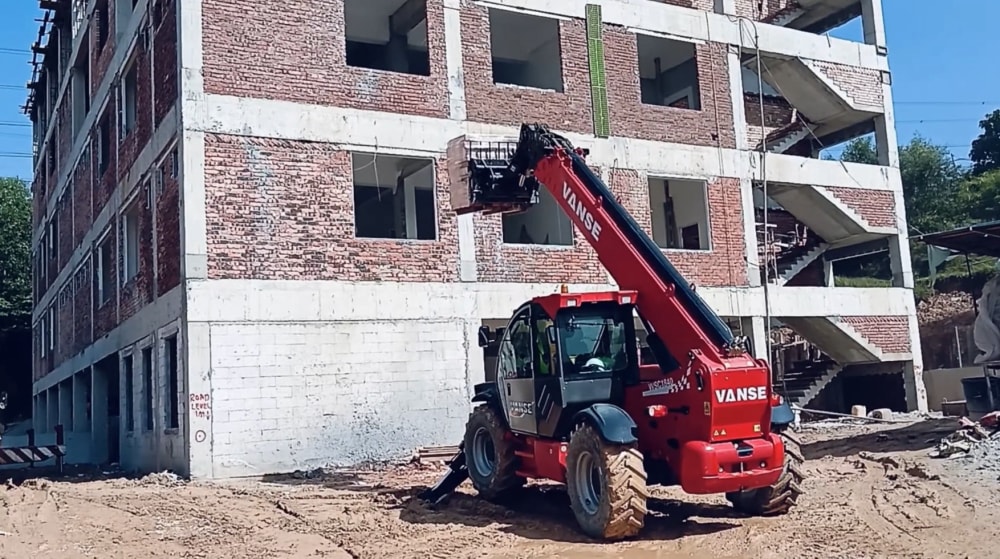
In commercial and residential construction, telehandlers move pallets of bricks, blocks, bagged cement, drywall, roofing materials, insulation, lumber packs, and packaged tools. In agriculture, they handle seed, feed, fertilizer, irrigation components, and palletized farm supplies across mixed terrain. In manufacturing support zones, they are often used outside buildings to bridge truck unloading, yard staging, and production support. At ports and inland logistics yards, they help reposition palletized materials where ground conditions, weather exposure, or temporary staging layouts make a telehandler more practical than fixed indoor equipment.
These varied applications explain why U.S. buyers often ask for a machine that can do more than one job. A telehandler selected for pallet handling may also need to support bucket work, lifting hooks, truss jibs, or other attachments. That flexibility changes what “best forks” means in practice. The best fork setup is often the one that integrates into a broader attachment strategy without compromising safety or serviceability.
Trend Shift in Equipment Preferences
U.S. buyers are gradually shifting from simple specification-driven purchasing toward lifecycle-driven purchasing. That means more attention to fuel efficiency, telematics, operator aids, attachment interchangeability, and service access. The trend is especially visible among rental fleets, multi-branch contractors, and large farms managing uptime across different sites.
The area chart reflects the move toward more capable and more monitored telehandler fleets. It does not mean basic machines disappear, but it does suggest that buyers who expect long-term use should evaluate visibility systems, service diagnostics, and operator management features as part of the pallet handling decision.
Buying Advice for United States Buyers
If you are buying a telehandler mainly for pallet handling, start with your heaviest recurring pallet load, your maximum required placement height, and the roughest ground you expect to cross. Then check whether the machine still has a comfortable capacity margin with the actual fork carriage installed. Some buyers focus on nominal machine rating and overlook the attachment and load center effect, which can lead to disappointing real-world performance.
It is also wise to evaluate your local dealer map. In the United States, a lower upfront price can become expensive if a machine sits idle waiting for hoses, sensors, carriage parts, or field service. Fleet buyers should ask suppliers for response times, stocking commitments, lead times on fork replacements, and technician coverage by region. This is particularly important in states with wide operating distances such as Texas, California, Arizona, Colorado, and Montana.
Another practical consideration is transport and site access. If your jobs move between urban projects in cities like Chicago or Boston and suburban developments farther out, machine dimensions and trailer compatibility may matter almost as much as lift performance. For agriculture and yard work, visibility, tire selection, and cooling performance may be higher priorities.
| Buying Factor | Why It Matters | Best Question to Ask Supplier | Typical U.S. Buyer Impact |
|---|---|---|---|
| Rated capacity with forks installed | Attachment weight changes usable lift | What is net capacity at my real load center? | Avoids underperforming fleet purchases |
| Local dealer and parts access | Downtime cost is often higher than purchase savings | What is your average parts lead time in my region? | Improves uptime and planning |
| Attachment compatibility | Forks, buckets, and specialty tools affect versatility | Which carriages and hydraulics are included or optional? | Supports multi-role machine use |
| Operator visibility and safety aids | Pallet work often occurs around crews and deliveries | What aids are available for visibility and load control? | Reduces risk exposure |
| Resale and rental acceptance | Recognized platforms can hold value better | How does this model perform in rental and resale markets? | Strengthens lifecycle economics |
| Support model | Training and setup influence real output | Do you provide onboarding, manuals, and remote troubleshooting? | Helps mixed-experience crews operate safely |
This buying table helps compare suppliers on practical terms rather than marketing language. In the United States, where machine ownership models range from direct purchase to dealer finance to rental fleet acquisition, asking these questions early can save both time and capital.
Case Studies from Common U.S. Scenarios
A masonry distributor near Atlanta may use a telehandler with heavy-duty pallet forks to unload dense brick packs from flatbed trailers, stage them in a yard, and place them near loading points for customer pickup. In this situation, fork strength, precise pallet entry, and reliable low-speed control matter more than maximum lift height. A machine chosen mainly on height may not be the best value.
A homebuilder in Dallas-Fort Worth may need a mid-capacity telehandler to move pallets of block, drywall, framing hardware, and roofing materials across partially graded lots. Here, the right method is to keep travel paths clean, avoid carrying elevated pallets over uneven fill, and use spotters when visibility is reduced around structures. The best fork system is often a durable general-purpose carriage that can survive repetitive use across multiple crews.
In California’s Central Valley, an agricultural operation may use a telehandler to move seed pallets, boxed components, and fertilizer products between outdoor storage and field-edge staging points. Ground variability is the deciding factor. Wider tire options, stable load carry, and service support during busy seasonal windows become more important than urban maneuverability.
At a Gulf Coast industrial yard near Houston, telehandlers may support pipe, palletized maintenance supplies, and packaged mechanical components. Corrosion exposure, heat, and continuous outdoor duty can influence maintenance schedules. Buyers in these environments should ask about cooling, hose routing, access for routine service, and replacement attachment availability.
Local Supplier Evaluation by Use Case
Different suppliers fit different U.S. operating profiles. National rental-heavy brands can be ideal for contractors who value familiar controls and fast temporary fleet expansion. Dealer-centric premium brands may fit enterprise users prioritizing service agreements. International manufacturers with strong local plans can become attractive where buyers want lower acquisition cost without compromising core components or support.
This comparison chart highlights how buyer priorities differ. A supplier can score strongly on dealer and fleet support while another stands out on pricing and customization. U.S. buyers should rank what matters most in their operating model before comparing offers.
Our Company in the United States Market
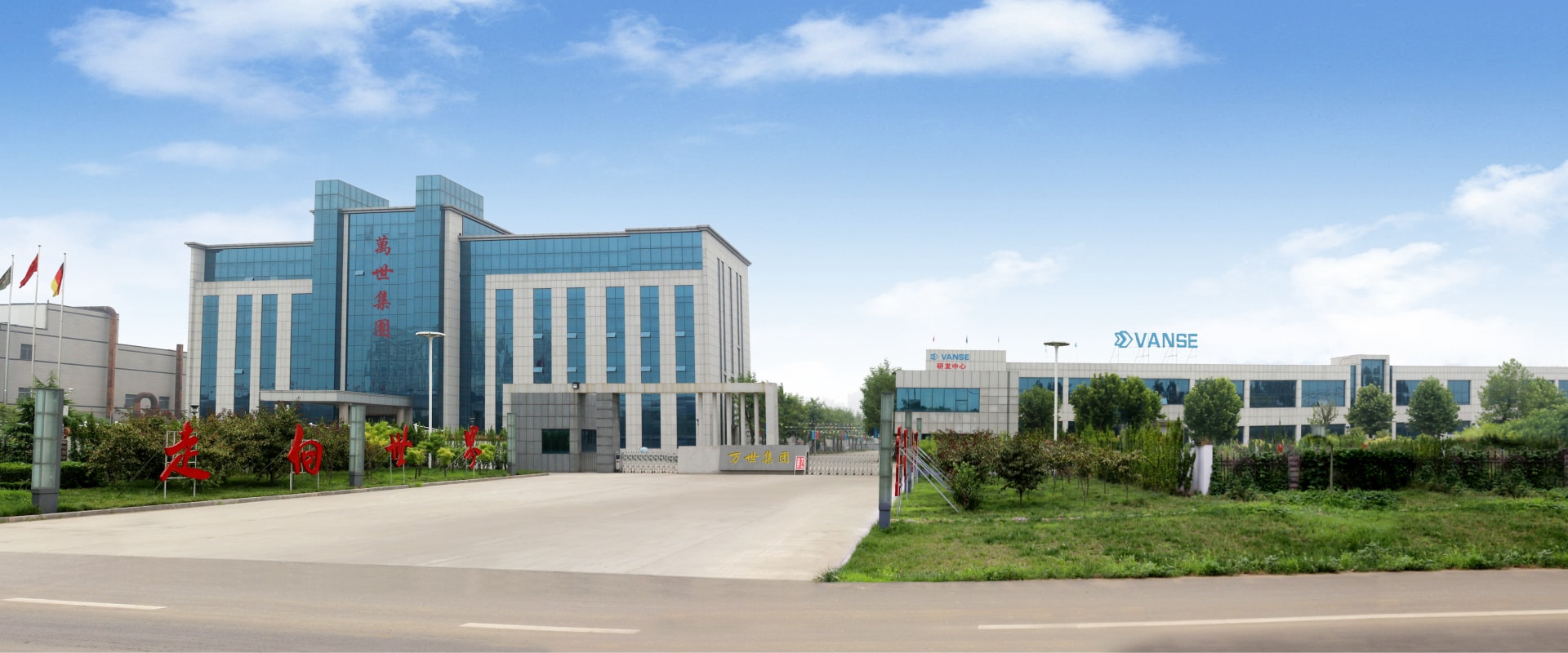
For buyers evaluating alternatives beyond legacy domestic and European brands, VANSE Group brings a practical proposition to the United States telehandler market: its core telehandler line is built under CE and ISO 9001 certified processes, uses globally recognized engines such as Perkins and Cummins along with premium hydraulic and drivetrain components, and every machine undergoes load testing, safety inspection, and performance validation before shipment, which gives U.S. fleet managers concrete evidence of manufacturing discipline rather than broad quality claims. The company has produced more than 8,000 units and serves customers in over 40 countries, demonstrating export scale and application experience across construction, agriculture, mining, and industrial material handling. For local customers, that matters because VANSE is not limited to one cooperation path: it supports end users, distributors, dealers, rental-oriented buyers, brand owners, and even smaller-volume purchasers through OEM, ODM, wholesale, retail, and regional partnership models, allowing each channel to match machine specification, branding, and market positioning to real demand. Just as important for U.S. confidence, VANSE is actively expanding its North American footprint through a U.S.-based subsidiary plan, local inventory and stocking arrangements, and stronger local after-sales capability, while also providing pre-sale consultation, technical support, and lifecycle service through both online and offline channels. That combination of certified production, premium components, export track record, customization flexibility, and physical market commitment makes VANSE a serious option for U.S. buyers looking for value without accepting the risk of dealing with a distant supplier that lacks local accountability. Buyers can review the broader equipment range, learn more about the company, explore available service support, or contact the team for application-specific recommendations.
How Telehandler Pallet Handling Will Evolve Through 2026
By 2026, the U.S. telehandler market for pallet handling is likely to be shaped by three major forces: technology adoption, policy and compliance pressure, and sustainability expectations. On the technology side, more telehandlers will include telematics, better load monitoring, easier fault diagnostics, and operator-assist features that help reduce misuse. For fleet owners, this improves accountability and can lower downtime. For distributors and dealers, it creates new service opportunities tied to data and preventive maintenance.
On the policy side, safety expectations will continue to rise. Buyers in the United States should expect closer scrutiny around operator training, documented maintenance, and equipment suitability for mixed-use sites. Public and industrial projects may increasingly favor equipment partners who can provide clearer compliance documentation, service records, and training support.
Sustainability will also influence decisions, even in heavy equipment categories that remain diesel-dominant. Fleet operators are paying more attention to fuel efficiency, lifecycle durability, and the emissions profile of engines and hydraulic systems. In practical terms, that means machines that do more work per gallon, require fewer unscheduled repairs, and hold service quality over time may become more attractive than those that simply advertise a lower purchase price. In logistics-adjacent and urban environments, cleaner operation and noise considerations may also play a larger role in procurement.
FAQ
What is the best fork type for general pallet handling on a telehandler?
For most U.S. construction and yard applications, a standard floating fork carriage with properly rated pallet forks is the best starting point. It handles common pallet sizes well and offers practical flexibility without unnecessary cost.
How do I choose the right telehandler capacity for pallets?
Start with your heaviest recurring pallet load, then add a margin for the real load center, attachment weight, and site conditions. Do not rely only on the machine’s headline lift number.
Are telehandlers better than forklifts for pallet handling?
They are better when the work is outdoors, on rough ground, or at changing lift heights. Forklifts are usually better on smooth indoor floors with predictable travel lanes.
Which U.S. industries use telehandlers for pallet work the most?
Construction leads, followed by agriculture, building materials distribution, ports and logistics yards, and outdoor manufacturing support operations.
What operating mistake causes the most pallet handling risk?
Traveling with the boom raised or extended is one of the most common and most dangerous mistakes. Keeping the load low and close is essential for stability.
Should I buy from a local brand only?
Not necessarily. U.S. buyers often benefit from comparing local brands with qualified international suppliers that offer recognized certifications, premium components, local support plans, and stronger price-performance value.
What matters most when comparing suppliers in the United States?
Dealer coverage, parts lead time, attachment support, operator training, and after-sales responsiveness usually matter more than brochure language alone.
Can one telehandler handle both pallets and other attachments?
Yes, many telehandlers are chosen specifically because they can switch between pallet forks and other attachments. That flexibility is one of their biggest advantages for U.S. contractors and fleet owners.
For pallet handling in the United States, the best result comes from pairing the right telehandler size with the right forks, the right site method, and the right supplier support model. Whether you buy through a major domestic dealer network or evaluate a globally experienced supplier with a growing local presence, practical uptime, safe handling, and lifecycle value should guide the decision.
Complete Telescopic Handler Equipment Portfolio
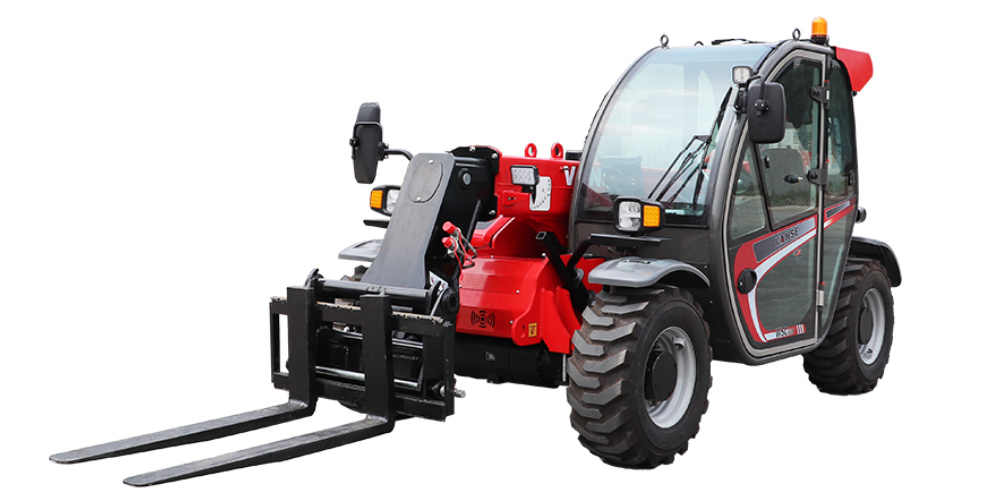
VANSE 625 6m Telescopic Handler
Designed for efficient material handling and stacking in warehouses, factories, and confined job sites, offering compact maneuverability and reliable performance.

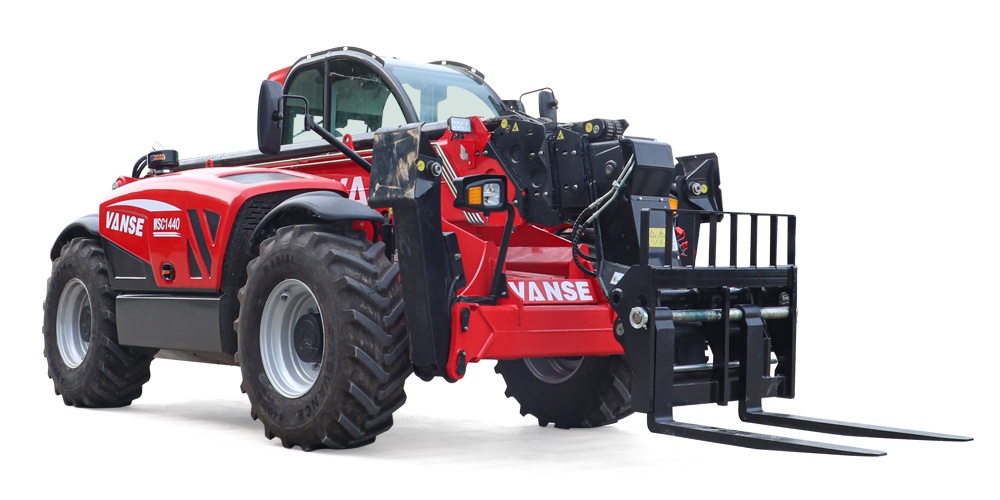
VANSE 735 7m Telescopic Handler
A balanced mid-duty solution for construction, agriculture, logistics, and warehousing, combining stable lifting, strong traction, and everyday versatility.


About the Author:
The VANSE team is a group of experienced professionals specializing in construction machinery research, manufacturing, and technical support. With deep industry knowledge and hands-on experience, our engineers and product specialists share practical insights on equipment selection, operation, maintenance, and industry trends.
Share
You May Also Interest
-

16 September, 2026
Fixed vs Rotating Telehandler: Which Type Is Right Today
Compare fixed vs rotating telehandler options in the United States with buying tips, supplier insights, and the best fit for construction and rental use.
-
15 September, 2026
Telehandler Steering Modes: Crab Steer and Four Wheel Go
Learn telehandler steering modes in the United States, including crab steer and four-wheel steer, with buying tips, supplier options, and jobsite use cases.
-

14 September, 2026
7 Ton Telehandler: Industrial Power for Major Job Sites
Find the right 7 ton telehandler in the United States with supplier comparisons, buying tips, industry uses, service options, and cost-saving sourcing guidance.
-

11 September, 2026
Telehandler vs Truck Crane: On-Site Lifting Compared Now
Telehandler vs truck crane in the United States: compare lifting range, cost, mobility, jobsite fit, suppliers, and buying tips for 2026 planning.