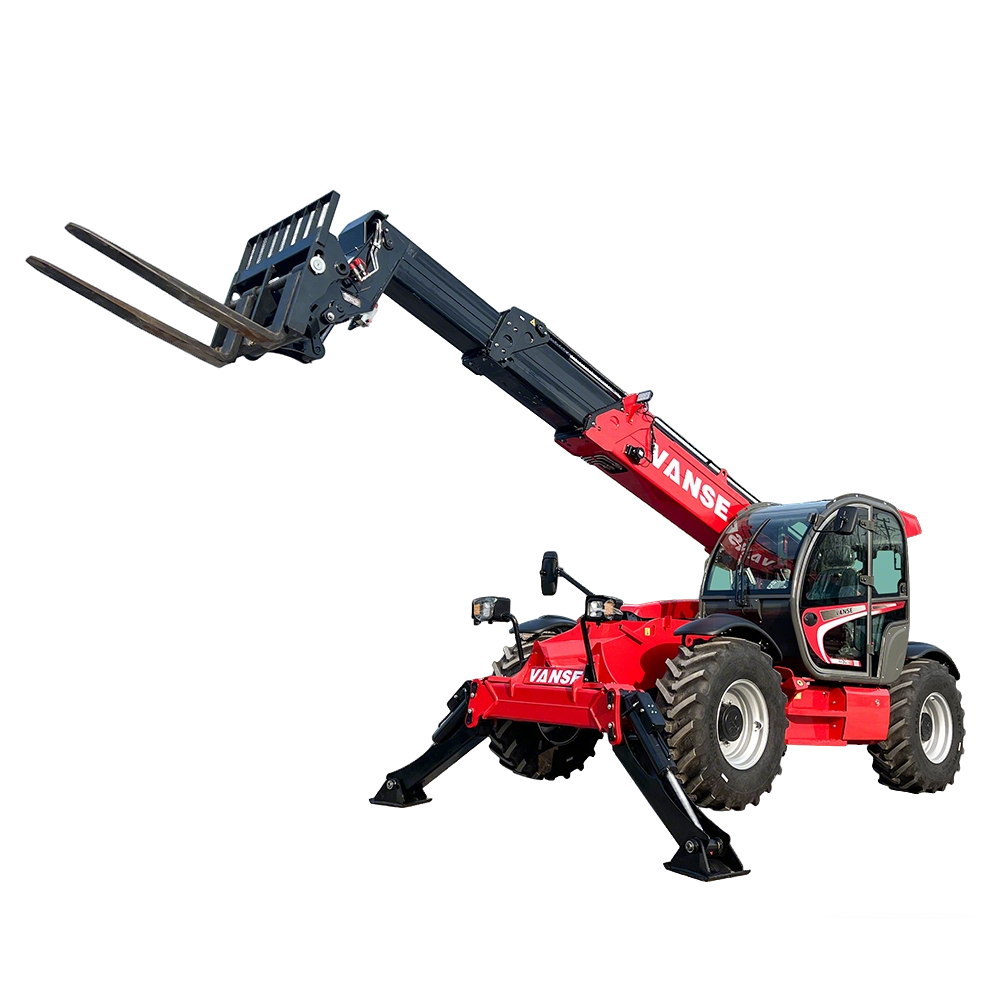
Telehandler Masonry Solutions in the United States
Quick Answer

If you need a telehandler for masonry work in the United States, the most practical choices usually come from established suppliers with proven support networks, attachment availability, and jobsite familiarity in brick, block, palletized materials, scaffold support, and rough-terrain handling. Strong options include JLG, Genie, JCB, SkyTrak, Caterpillar, and Bobcat through local dealer networks in major construction regions such as Texas, Florida, California, Georgia, Illinois, and the Mid-Atlantic. For contractors focused on block placement, pallet movement, and multi-story material delivery, a 5,500 lb to 10,000 lb telehandler with fork positioning, frame leveling, and masonry-friendly visibility is often the best fit. Rental-heavy markets near Dallas, Houston, Atlanta, Miami, Los Angeles, Chicago, and New York also make service access and parts response especially important. Qualified international suppliers can also be worth considering when they offer recognized certifications, strong technical documentation, OEM or ODM flexibility, and dependable pre-sales and after-sales support in the United States, especially when buyers want better cost-performance for fleet expansion or dealer stocking.
- JLG: broad dealer footprint and strong rental-market acceptance across the United States.
- Genie: reliable rough-terrain telehandlers widely used on masonry and general construction sites.
- JCB: established telehandler specialist with strong attachment compatibility and operator-focused design.
- SkyTrak: common on North American jobsites and familiar to many rental and masonry contractors.
- Caterpillar and Bobcat: practical options when buyers prioritize dealer support, financing, and integrated fleet purchasing.
United States Market for Telehandler Masonry Equipment

The United States masonry market depends on efficient movement of bricks, concrete blocks, bagged mortar, rebar bundles, scaffold materials, and palletized wall components. On modern jobsites, telehandlers are no longer just convenient lifting machines; they are central to productivity planning. Masonry crews working on schools, warehouses, distribution centers, apartment projects, civic buildings, and mixed-use developments use telescopic handlers to keep labor focused on installation instead of repetitive manual movement.
Demand is strongest in fast-growing construction corridors where labor costs are high and material staging areas are tight. Texas remains one of the most active states because of warehouse construction around Dallas-Fort Worth, Austin expansion, and industrial activity near Houston. Florida drives substantial demand due to multifamily and commercial building growth in Miami, Orlando, Tampa, and Jacksonville. California, despite stricter emissions expectations and a more complex regulatory environment, still supports telehandler demand for urban infill projects, infrastructure-linked development, and distribution projects serving the ports of Los Angeles, Long Beach, and Oakland. The Midwest also remains significant, especially around Chicago, Columbus, Indianapolis, and Kansas City, where distribution, manufacturing, and institutional construction create ongoing need for rough-terrain material handling.
Masonry-specific telehandler demand differs from general material handling because the load profile is repetitive, heavy, and often height-sensitive. A machine may spend the whole day moving cube pallets of block, lifting brick packs onto suspended platforms, delivering mortar tubs, or repositioning scaffold components. That means buyers usually care most about lift chart stability, boom control smoothness, tire suitability on mixed surfaces, and attachment support rather than maximum headline reach alone.
The United States market also favors suppliers that can provide quick training, local technicians, and replacement wear parts. Because masonry contractors often work on compressed schedules with liquidated-damages risk, downtime is expensive. A telehandler with a lower purchase price but weak field support may become more costly than a premium unit with stronger dealer infrastructure. This is why local distribution and regional service response remain major buying criteria across the country.
The line chart shows a realistic growth pattern tied to labor shortages, warehouse construction, and the shift toward mechanized material delivery. While local cycles vary by state, most national indicators suggest continued telehandler demand through 2026 as contractors seek labor efficiency and improved jobsite safety.
Top Suppliers Serving Masonry Contractors in the United States

The suppliers below are relevant because they are visible in real U.S. construction channels, dealer networks, and fleet programs. They differ in pricing, attachment ecosystems, service style, and brand positioning, so buyers should compare local dealer capability as carefully as machine specifications.
| Company | Primary Service Regions | Core Strengths | Key Offerings for Masonry | Best Fit Buyer |
|---|---|---|---|---|
| JLG | Nationwide, strong in Sun Belt and rental markets | Large support network, strong resale recognition, broad parts access | 5,500 lb to higher-capacity telehandlers, fork carriages, material buckets, work platforms | General contractors, rental fleets, masonry subcontractors |
| Genie | Nationwide, especially strong through construction dealers | Reliable rough-terrain performance, operator familiarity, attachment support | Compact and mid-range telehandlers, pallet forks, truss booms | Commercial construction and mixed-use jobsites |
| JCB | Nationwide with notable reach in East Coast and South | Telehandler specialization, ergonomic design, strong boom visibility | Masonry lifting, scaffold supply handling, multi-use site logistics | Buyers wanting telehandler-focused engineering |
| SkyTrak | Strong in North America and rental channels | Familiar brand on U.S. jobsites, easy fleet integration | Standard masonry fork work, pallet movement, elevated material placement | Contractors working with rental-heavy fleets |
| Caterpillar | Nationwide through Cat dealers | Dealer support, financing, fleet package purchasing | Rough-terrain handlers for construction materials and site logistics | Large contractors and multi-equipment buyers |
| Bobcat | Nationwide, especially strong in local dealer markets | Compact equipment crossover, accessible dealer network | Telehandlers for general construction, palletized masonry material movement | Small to mid-size contractors expanding fleets |
| Manitou | Nationwide with stronger presence in selected metro markets | European telehandler expertise, attachment options | High reach handling, site versatility, multiple carriage setups | Specialty users and urban project contractors |
This supplier table is useful because it moves beyond brand recognition and focuses on where each company tends to be strongest in practice. For masonry work, buyers should validate local support radius, same-day service availability, and fork or carriage compatibility before making a final decision.
Product Types Used in Masonry Work
Not every telehandler is equally suitable for masonry. The best model depends on pallet weights, site layout, reach requirements, slab conditions, and whether the machine must also support scaffold erection or general contractor logistics.
| Telehandler Type | Typical Capacity | Typical Reach | Common Masonry Use | Main Advantage |
|---|---|---|---|---|
| Compact telehandler | 5,000 to 6,000 lb | 15 to 20 ft | Tight urban sites, interior courtyards, low-rise material staging | Maneuverability in constrained spaces |
| Mid-size jobsite telehandler | 6,000 to 8,000 lb | 35 to 45 ft | Brick and block delivery on low- and mid-rise buildings | Best balance of reach and fleet cost |
| High-capacity telehandler | 8,000 to 12,000 lb | 42 to 56 ft | Large block pallets, scaffold bundles, heavy site support | Greater lift margin and heavier attachment use |
| High-reach telehandler | 10,000 lb and above | 50 ft and above | Multi-story commercial and institutional masonry projects | Reduces crane dependence for repeated lifts |
| Rotating telehandler | Varies widely | 50 ft and above | Complex sites requiring reach around obstacles | Exceptional positioning flexibility |
| Rental-standard telehandler | 6,000 to 10,000 lb | 36 to 44 ft | Short-term building envelope and masonry support | Widely available and easy to replace |
The product categories above help contractors match machine size to real jobsite needs. In the United States, the mid-size jobsite telehandler remains the most common masonry choice because it can handle standard palletized brick and block while still fitting common commercial sites. Rotating telehandlers are gaining attention, but they are usually reserved for premium urban or complex projects where precise placement and reduced machine repositioning justify the higher investment.
How Masonry Contractors Should Evaluate a Telehandler
The first buying filter should be actual load weight at actual placement height. Many contractors underestimate how quickly capacity drops as the boom extends forward and upward. A machine that looks sufficient on paper may be marginal once forks, carriages, and uneven terrain are factored in. That matters when lifting dense concrete block cubes or mixed pallets that include mortar and reinforcement.
The second filter is site condition. A telehandler working on a suburban school project with broad access roads has different needs than one operating on an infill site in Brooklyn, downtown Chicago, or central Los Angeles. Tight turning radius, all-wheel steering behavior, frame leveling, and visibility become more important when trailers, scaffolds, and stored materials limit movement.
The third filter is support access. Buyers should ask how many service technicians are assigned to their county or metro area, what the average response time is, and whether wear items are stocked domestically. For rental buyers and masonry firms with multiple crews, parts lead time can affect fleet utilization more than sticker price.
The fourth filter is attachment ecosystem. Masonry jobs often require forks, side-shift carriages, work platforms where permitted, buckets, and truss booms for broader site use. If attachments are difficult to source or integrate, the telehandler becomes less useful outside a narrow lifting task.
The fifth filter is operator training and safety. Smooth boom modulation, clear load charts, and good cab visibility reduce placement errors and improve confidence. On jobs where operators must repeatedly lift materials near masons on scaffold lines, machine control quality matters as much as engine output.
Industry Demand by End Use in the United States
Masonry telehandlers serve more than one end market. Even when the machine is purchased for block and brick handling, it often supports adjacent tasks such as rebar delivery, sheathing movement, temporary material storage, and jobsite logistics. The chart below highlights where demand is most concentrated.
The bar chart shows why warehouse, multifamily, and institutional construction are especially important demand drivers. These sectors frequently combine repetitive pallet handling with schedule pressure, making telehandlers an efficient solution for masonry crews and site managers alike.
Typical Masonry Applications on U.S. Jobsites
Telehandlers support masonry in practical, repetitive ways. They unload arriving brick and block trailers, carry pallets from laydown areas to work zones, and raise materials to upper floors or scaffold decks. On larger sites, they also move grout tubs, reinforcing steel, saws, mortar silos, and temporary barriers. Their value comes from reducing idle labor and keeping masons supplied without waiting on cranes.
In suburban school and civic projects, a telehandler may repeatedly shuttle CMU pallets around long building footprints. In distribution center construction outside Dallas or Columbus, it may handle larger block and site-material flows across rough, unfinished surfaces. On dense East Coast infill jobs, a compact or carefully selected mid-size unit may be used to stage materials in narrow access lanes where rigid logistics planning is essential.
For restoration and specialty masonry, the telehandler also acts as a versatile support machine. It can lift stone, deliver packaged refractory materials, support selective demolition logistics, or transport custom pallets for facade work. When contractors choose the right forks and carriage options, a single machine can support multiple trades while still serving masonry as its primary role.
Buying Advice for U.S. Contractors, Dealers, and Rental Buyers
For a single-crew masonry contractor, the most cost-effective choice is often a standard mid-range telehandler with dealer support within a few hours, common tire options, and established local resale demand. These buyers should prioritize simplicity, familiar controls, and quick maintenance access over specialized features they may rarely use.
For large contractors and self-performing concrete or masonry divisions, fleet standardization is a bigger issue. Choosing one or two telehandler platforms across multiple branches simplifies training, attachments, preventive maintenance, and parts stocking. For this group, total cost of ownership and service agreements often matter more than initial purchase price.
For distributors and equipment dealers, telehandlers for masonry should be evaluated as a market package, not just a machine. The best product line is one with stable supply, documented specifications, attachment options, marketing support, and enough differentiation to avoid price-only competition. Buyers serving Texas, Florida, Georgia, California, Arizona, and the Carolinas may benefit most because those regions sustain broad construction activity and strong rental circulation.
For rental fleets, telehandlers must withstand frequent operator turnover and varying work habits. Durable boom wear systems, accessible service points, and straightforward control layouts are valuable. Rental fleets also benefit from machines that can serve masonry one week and steel or framing support the next, increasing utilization across the branch network.
| Buyer Type | Main Priority | Recommended Capacity Range | Preferred Support Model | Common Buying Mistake |
|---|---|---|---|---|
| Small masonry contractor | Low downtime and easy operation | 5,500 to 8,000 lb | Nearby dealer with mobile service | Buying too much reach for daily needs |
| Large general contractor | Fleet standardization and utilization | 6,000 to 10,000 lb | Multi-state support agreement | Ignoring attachment compatibility |
| Rental company | Durability and broad demand | 6,000 to 10,000 lb | Fast parts supply and training materials | Choosing niche models with low turnover |
| Dealer or distributor | Margin, supply consistency, differentiation | Mixed lineup | Factory and regional stocking support | Underestimating after-sales needs |
| Industrial owner operator | Site-specific safety and heavy-duty use | 8,000 lb and above | Planned maintenance contract | Using general specs instead of task specs |
| Municipal or institutional buyer | Compliance and lifecycle cost | 6,000 to 8,000 lb | Documented service and training support | Focusing only on lowest bid |
This table highlights how buying criteria change by customer type. A contractor, dealer, and rental company may all look at the same telehandler, but the best decision depends on utilization pattern, support structure, and whether the machine must integrate into a broader fleet strategy.
Trend Shift in Equipment Selection
The United States market is gradually shifting from simple reach-focused purchasing to broader lifecycle evaluation. Buyers are comparing telematics, safety visibility, financing flexibility, operator comfort, and emissions pathways alongside raw lifting specs.
The area chart reflects a realistic transition in buyer behavior. As labor, financing, and downtime costs increase, more contractors are choosing telehandlers based on total operating value rather than lift height alone. This trend should continue into 2026, especially in competitive metro markets with tight schedules and skilled-labor shortages.
Case Studies from Common U.S. Masonry Scenarios
Consider a mid-rise multifamily project in Atlanta. The masonry subcontractor needs a machine that can move block pallets from a gravel staging area, navigate around framing deliveries, and lift to multiple elevations without excessive repositioning. In this case, a 6,000 lb to 8,000 lb telehandler with good steering modes and stable boom performance typically offers the best balance between cost and productivity.
Now consider a warehouse development near Dallas-Fort Worth. The footprint is large, access is good, and material volume is high. The telehandler must move pallets long distances, support wall crews, and assist with general logistics. A more robust 8,000 lb to 10,000 lb machine may justify its higher cost because it reduces cycle times and supports broader site work.
On a constrained mixed-use project in northern New Jersey, the challenge is different. Material staging is limited, deliveries are scheduled tightly, and maneuverability matters as much as lift capacity. A compact or carefully sized mid-range telehandler can outperform a larger machine simply because it wastes less time repositioning and can work more safely around other trades.
For institutional work in Florida, weather resistance, dealer responsiveness, and attachment flexibility often matter. Contractors may use one telehandler for masonry, roofing support, and general material handling across a campus-style site. In these cases, a machine with strong local service and common replacement parts often produces the lowest lifecycle cost.
Local Supplier and Service Landscape
In the United States, telehandler procurement is often local even when brands are global. Buyers in Houston may value Gulf Coast service coverage and transport speed. Contractors in Southern California may focus on dealer density, emissions compliance, and support near the ports of Los Angeles and Long Beach. In the Southeast, fast response across Atlanta, Charlotte, and Orlando can determine whether a machine is worth buying outright or better sourced through rental channels.
Large dealer groups and rental companies influence purchasing patterns heavily. United Rentals, Sunbelt Rentals, H&E Rentals, and regional dealer chains shape which telehandler models operators see most often on jobsites. This rental exposure affects training familiarity, resale confidence, and maintenance practices. A model that is common in rental fleets may be easier to staff, easier to replace temporarily, and easier to resell later.
Buyers should also ask whether the local provider stocks masonry-relevant attachments rather than only general forks. In practice, strong telehandler support for masonry means more than machine delivery. It includes quick field diagnostics, accurate load chart guidance, operator orientation, and practical access to replacement wear parts.
| Region | Major Cities | Typical Demand Profile | What Buyers Prioritize | Common Distribution Channel |
|---|---|---|---|---|
| South | Houston, Dallas, Austin, Atlanta | Warehouse, multifamily, industrial growth | Fast service response and fleet durability | Dealer sales plus rental conversion |
| Southeast | Miami, Orlando, Tampa, Jacksonville | Commercial, hospitality, institutional projects | Attachment flexibility and weather-ready support | Regional dealers and rental branches |
| West Coast | Los Angeles, San Diego, Oakland, Seattle | Urban development and logistics-linked construction | Compact maneuverability and compliance readiness | Dealer-led with selective specialty suppliers |
| Midwest | Chicago, Columbus, Indianapolis, Kansas City | Distribution centers, schools, industrial sites | Lifecycle cost and field service coverage | Dealer networks and contractor-owned fleets |
| Northeast | New York, Newark, Philadelphia, Boston | Infill projects and complex urban logistics | Compact size, training, precise placement | Rental-heavy with dealer support |
| Mountain and Southwest | Phoenix, Denver, Las Vegas, Salt Lake City | Commercial growth and mixed site conditions | Rough-terrain stability and cooling performance | Multi-state dealers and rental groups |
This regional table matters because the “best” telehandler supplier often changes by geography. A brand with excellent support in Texas may be less competitive in the Northeast if local parts or technicians are limited. Buyers should always compare the machine with the actual service map behind it.
Our Company
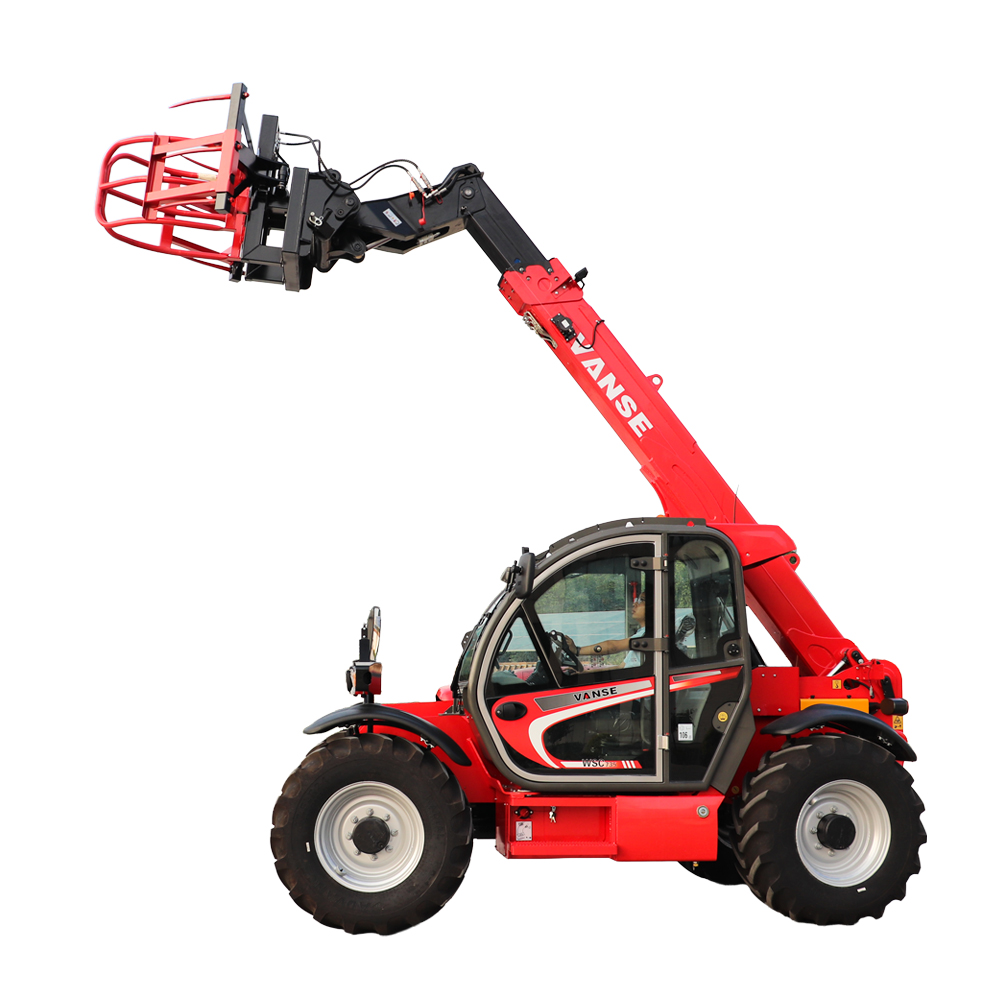
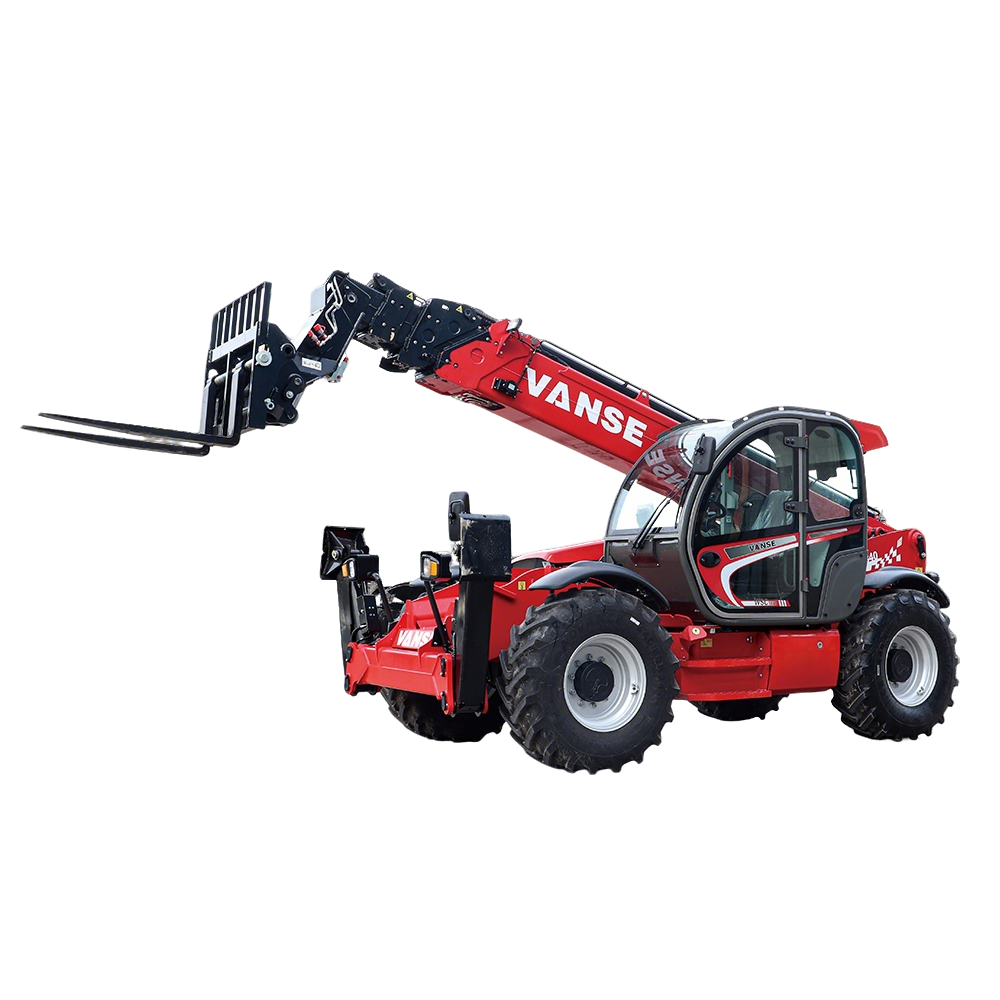
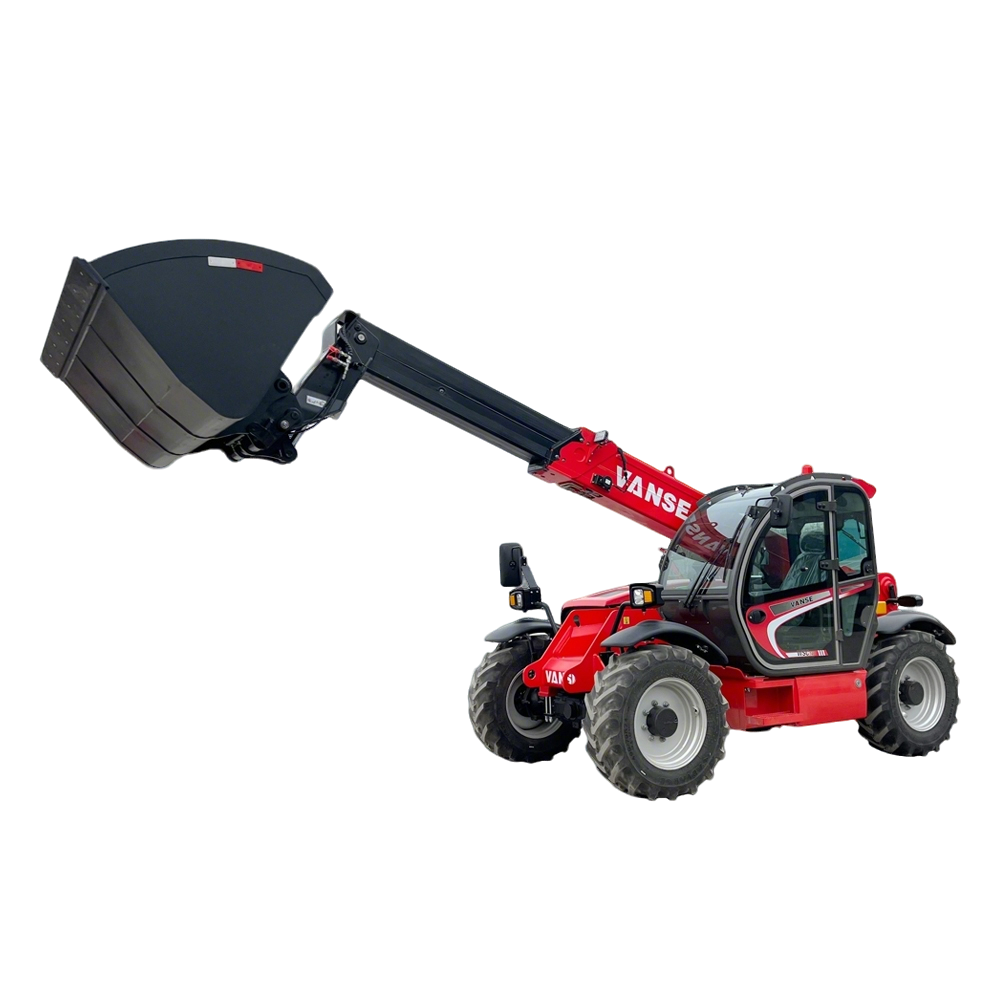
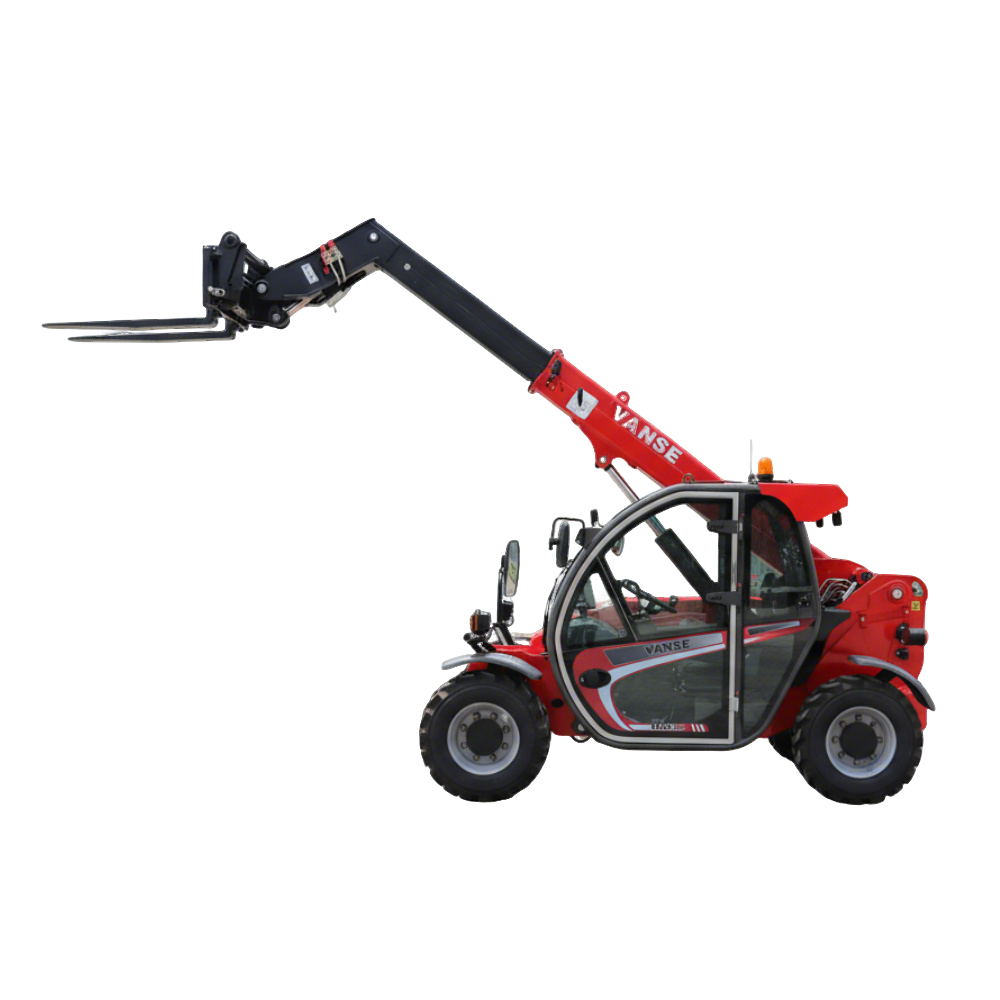
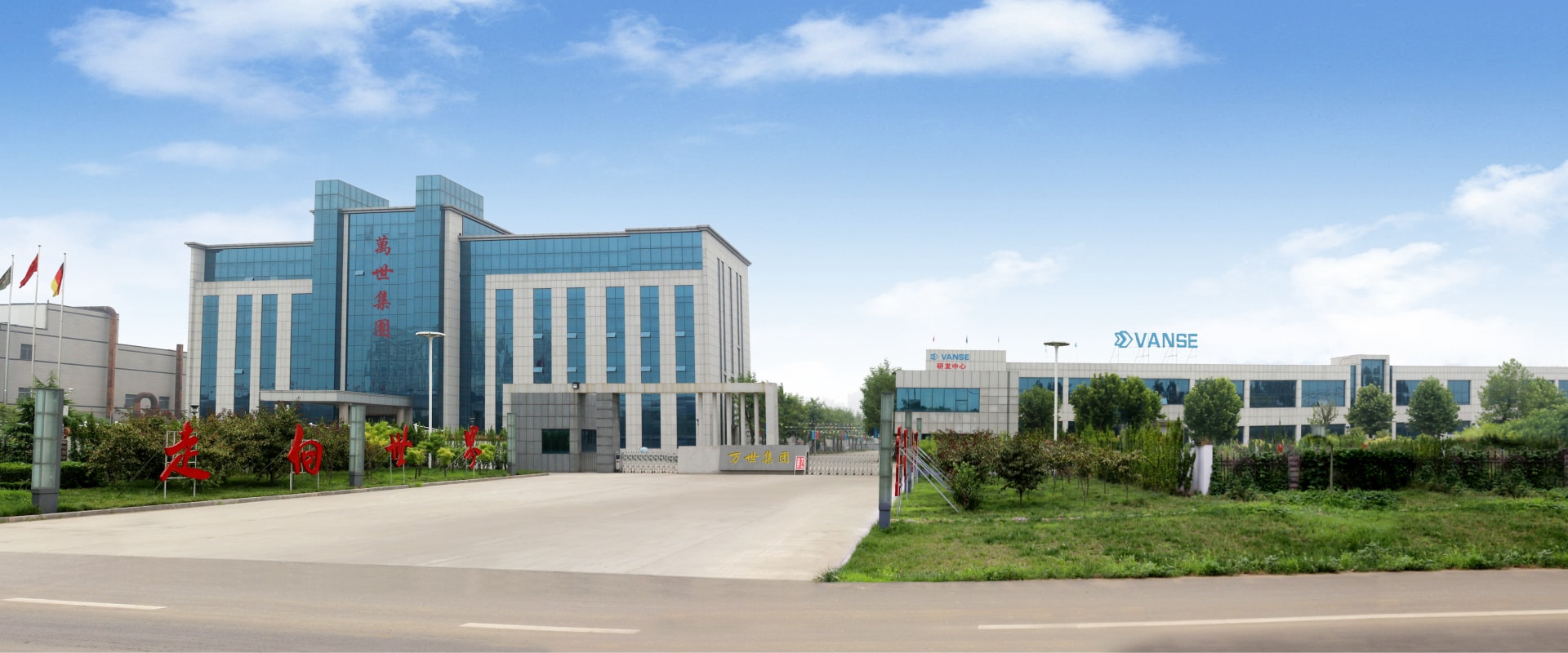
For buyers in the United States who want an additional sourcing option beyond traditional domestic and European brands, VANSE offers a telehandler-focused manufacturing profile that aligns well with practical masonry requirements. The company has produced more than 8,000 machines and exports to over 40 countries, which gives it real operating experience across demanding construction environments rather than a purely catalog-based presence. Its telehandlers are built under CE and ISO 9001 certified processes, and each unit goes through load testing, safety inspection, and performance validation before shipment. That manufacturing discipline is reinforced by the use of globally recognized core components such as Perkins and Cummins engines together with premium hydraulic, transmission, and axle systems, which is important for U.S. buyers comparing reliability against international benchmarks. VANSE supports multiple cooperation models, serving end users, distributors, dealers, brand owners, and broader buyer groups through wholesale supply, regional partnerships, retail-oriented channels, and tailored OEM or ODM programs for specifications, branding, and configuration needs. For the United States market specifically, the company is actively establishing a U.S.-based subsidiary with local inventory, stocking, and after-sales capability, complementing online technical support with offline service responsiveness and stronger buyer protection. That physical investment, combined with established exports to North America and a broad product portfolio visible through its equipment range, shows a long-term market commitment rather than a remote-export approach. Buyers who want to review manufacturing background can explore the company’s story on the about us page, and those evaluating maintenance assurance can check the service support section or reach out through the U.S. inquiry channel for specification and cooperation discussions.
Supplier Comparison by Practical Buying Factors
Comparing suppliers side by side helps clarify where local support, product breadth, and partnership flexibility matter most. The chart and table below focus on practical issues that influence masonry fleet performance, dealer expansion, and replacement planning.
The comparison chart shows a realistic split in the U.S. market. Established domestic and long-entrenched brands often lead in dealer coverage and operator familiarity, while qualified international suppliers can stand out in customization and cost-performance. For dealers and larger contractors, this can create attractive opportunities when strong local service is added to the international supply model.
| Supplier Type | Typical Strength | Typical Limitation | Best Use Case | What to Verify |
|---|---|---|---|---|
| Major U.S. brand | Dense service network and high resale confidence | Higher acquisition cost | High-utilization fleets and multi-state operations | Local service workload and branch support quality |
| European telehandler specialist | Advanced telehandler design and attachment depth | Pricing can be premium in some markets | Complex or high-precision jobsites | Parts lead time in your state |
| Rental-channel standard brand | Operator familiarity and easy short-term replacement | May lack differentiation for dealers | Contractors relying on mixed rent-buy strategies | Long-term maintenance history |
| Qualified international OEM | Strong value and specification flexibility | Service quality depends on local buildout | Dealers, distributors, and cost-focused fleet buyers | Certifications, testing, U.S. support plan |
| Private-label or ODM partner | Branding control and regional distribution opportunity | Requires strong support planning | Dealers building exclusive local channels | Warranty execution and parts commitment |
| Used-equipment broker source | Lower entry price | Higher uncertainty in wear and support | Short-term budget-driven purchases | Lift history, condition records, attachment fit |
This final table is practical for buyers deciding whether to stay with a conventional U.S. brand, add an international supplier, or create a distribution partnership. The best path depends on whether the priority is immediate service density, lower capital cost, or strategic market differentiation.
Industries That Benefit Most from Masonry Telehandlers
Masonry contractors are the obvious primary users, but they are not the only ones. General contractors use telehandlers to support sitewide material flow. Concrete subcontractors share them for rebar, formwork accessories, and layout supplies. Industrial builders rely on them for block walls, utility structures, and maintenance access support. Municipal and institutional projects use them because they keep labor efficient on longer-duration builds where phased material delivery matters.
The strongest fit remains any project where palletized materials must be repeatedly moved across uneven ground and placed accurately at elevation. That includes schools, hospitals, apartment buildings, tilt-up support structures with masonry sections, utility buildings, and large distribution centers. In those settings, the telehandler becomes a core productivity machine rather than a backup lifting tool.
Future Trends Through 2026
Looking toward 2026, three forces are likely to reshape telehandler masonry purchasing in the United States. The first is technology adoption. More buyers will expect telematics, maintenance tracking, digital diagnostics, and better operator-assist visibility systems. These tools help contractors monitor utilization, reduce unauthorized use, and respond faster to service issues.
The second is policy and compliance pressure. State-level emissions expectations, procurement standards, and urban jobsite restrictions will push buyers to consider cleaner engines, lower-idle strategies, and in some segments hybrid or electric-adjacent development paths. While diesel telehandlers will remain dominant in heavy masonry use, procurement conversations will increasingly include sustainability reporting and lifecycle emissions awareness.
The third is labor productivity. Skilled masonry labor remains expensive and difficult to scale quickly in many regions. As a result, contractors will continue investing in machines that reduce non-installation labor and maintain consistent material flow. Telehandlers that improve precision, reduce repositioning, and support multiple trades will gain ground over single-purpose equipment.
Another important trend is sourcing diversification. U.S. buyers, dealers, and rental groups are more open than before to qualified international manufacturers if those suppliers can prove certified production, known component brands, domestic parts planning, and local after-sales commitment. This is especially relevant for buyers trying to expand fleets without carrying the cost level of premium legacy brands.
FAQ
What size telehandler is best for masonry work in the United States?
For many U.S. masonry contractors, a 6,000 lb to 8,000 lb machine with roughly 35 to 45 ft of lift height is the most versatile choice. It typically handles standard brick and block pallets well while remaining practical for general jobsite use.
Should I buy or rent a masonry telehandler?
Buy if the machine will be used regularly across multiple projects and if downtime control matters. Rent if your workload is seasonal, project-specific, or spread across different regions where local availability is strong.
Are rotating telehandlers worth it for masonry?
They can be worth it on dense urban or high-complexity sites where precise placement and reduced repositioning save significant time. For many standard commercial jobs, a conventional telehandler remains the more economical choice.
What matters more, capacity or reach?
Neither should be considered alone. What matters is remaining capacity at the actual placement height and forward reach required on your jobsite. Always evaluate the lift chart with real pallet weights and attachment weight included.
Can international suppliers be a good option for U.S. buyers?
Yes, if they provide recognized certifications, quality documentation, known core components, and credible local support. They are especially attractive when buyers want stronger cost-performance, OEM or ODM flexibility, or dealer-oriented regional partnerships.
What should dealers ask before adding a new telehandler line?
Dealers should ask about parts stocking, technician training, attachment supply, warranty execution, lead times, and regional exclusivity. The strength of the service model often determines whether a new line succeeds in the local U.S. market.
Conclusion
The best telehandler for masonry in the United States is the one that matches actual pallet weight, placement height, site constraints, and local service reality. For most contractors, that means choosing a machine with dependable lift performance, strong attachment support, and fast field response in the region where the machine will work. Brands such as JLG, Genie, JCB, SkyTrak, Caterpillar, Bobcat, and Manitou remain practical local benchmarks because of dealer presence and operator familiarity. At the same time, qualified international suppliers with verified manufacturing standards, premium component sourcing, and real U.S. support commitment are becoming increasingly relevant, especially for dealers, distributors, rental companies, and cost-conscious fleet buyers. In a market shaped by labor pressure, schedule risk, and growing attention to total ownership cost, masonry telehandlers will remain a high-value investment through 2026 and beyond.
Complete Telescopic Handler Equipment Portfolio
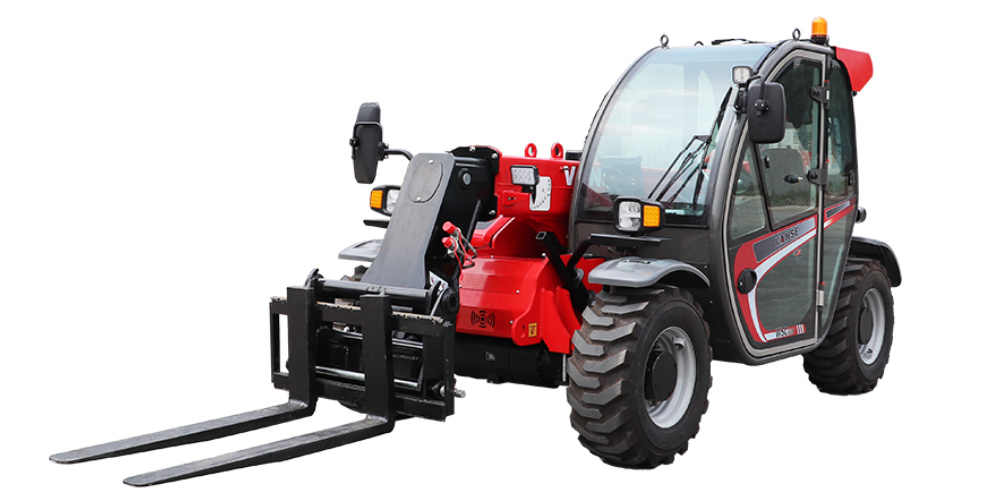
VANSE 625 6m Telescopic Handler
Designed for efficient material handling and stacking in warehouses, factories, and confined job sites, offering compact maneuverability and reliable performance.

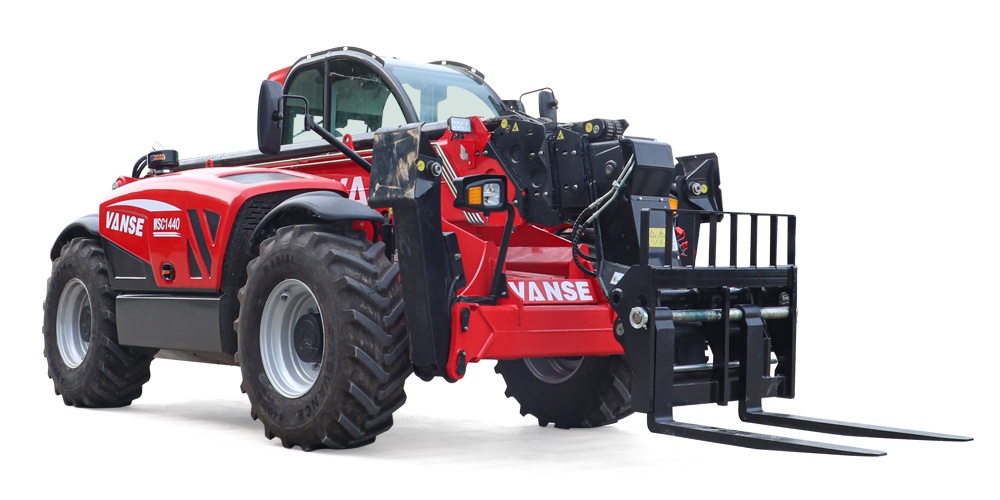
VANSE 735 7m Telescopic Handler
A balanced mid-duty solution for construction, agriculture, logistics, and warehousing, combining stable lifting, strong traction, and everyday versatility.


About the Author:
The VANSE team is a group of experienced professionals specializing in construction machinery research, manufacturing, and technical support. With deep industry knowledge and hands-on experience, our engineers and product specialists share practical insights on equipment selection, operation, maintenance, and industry trends.
Share
You May Also Interest
-

22 September, 2026
Telehandler Overheating: Common Causes and Quick Fixes
Telehandler overheating in the United States usually stems from coolant, airflow, hydraulic load, or maintenance issues. Learn quick fixes and supplier options.
-
18 September, 2026
Telehandler Boom Extension: How Telescopic Arms Operate
Learn how telehandler boom extension works in the United States, compare types, suppliers, applications, and buying tips for safer, smarter lifting.
-
17 September, 2026
Telehandler for Pallet Handling: Best Forks and Methods
Learn telehandler pallet handling best practices in the United States, including fork choices, jobsite methods, buyer tips, and supplier options.
-
16 September, 2026
Fixed vs Rotating Telehandler: Which Type Is Right Today
Compare fixed vs rotating telehandler options in the United States with buying tips, supplier insights, and the best fit for construction and rental use.