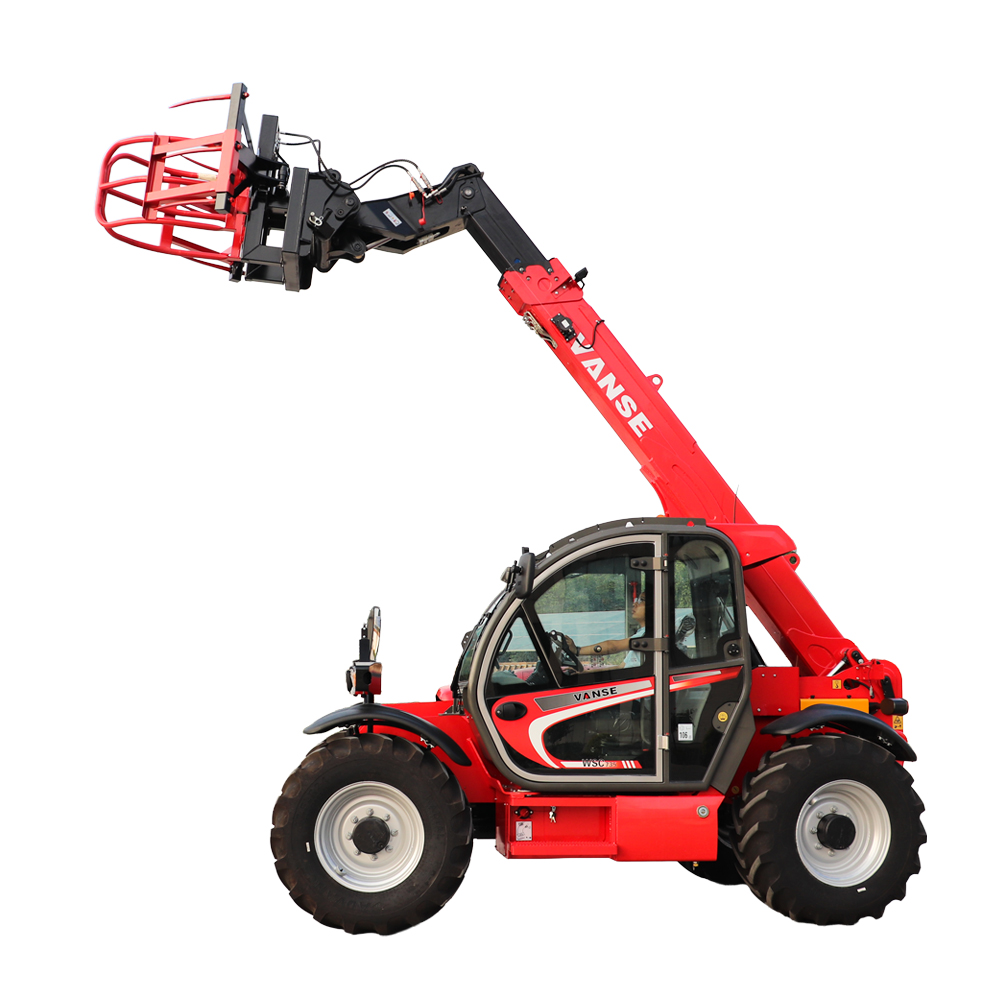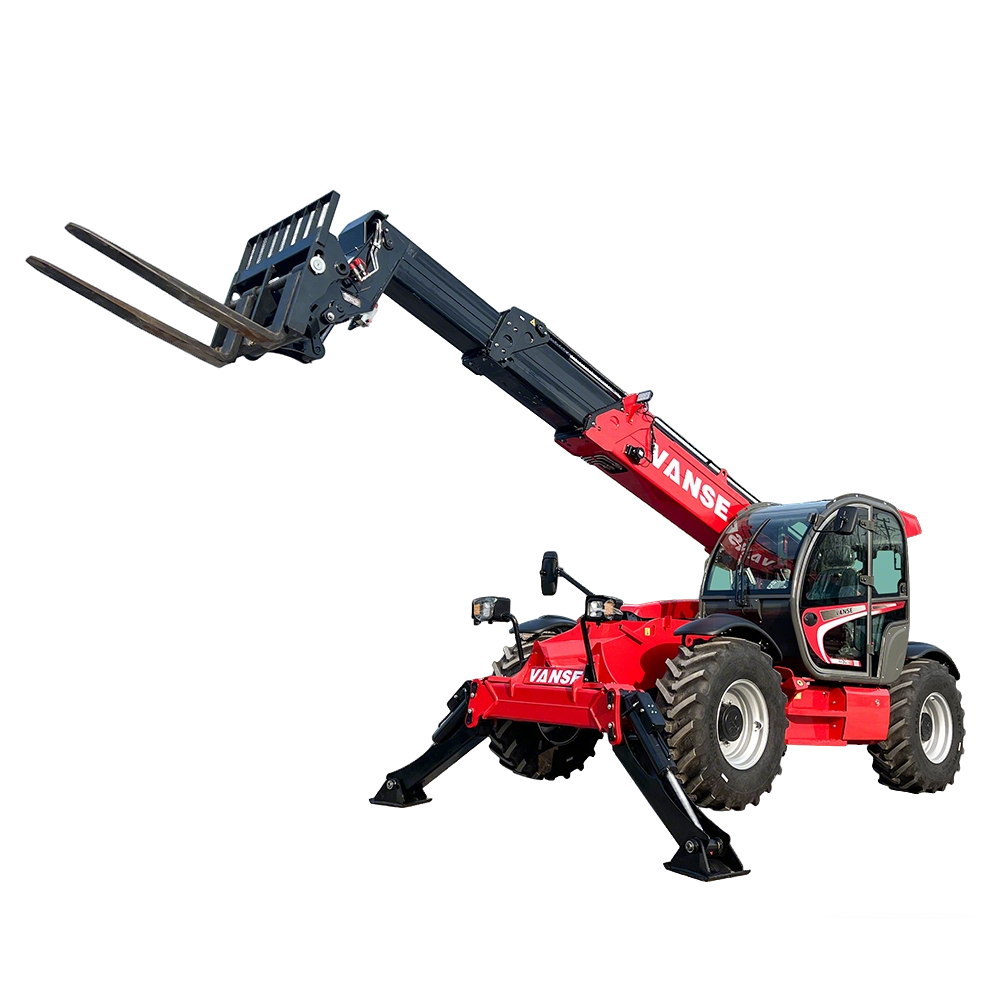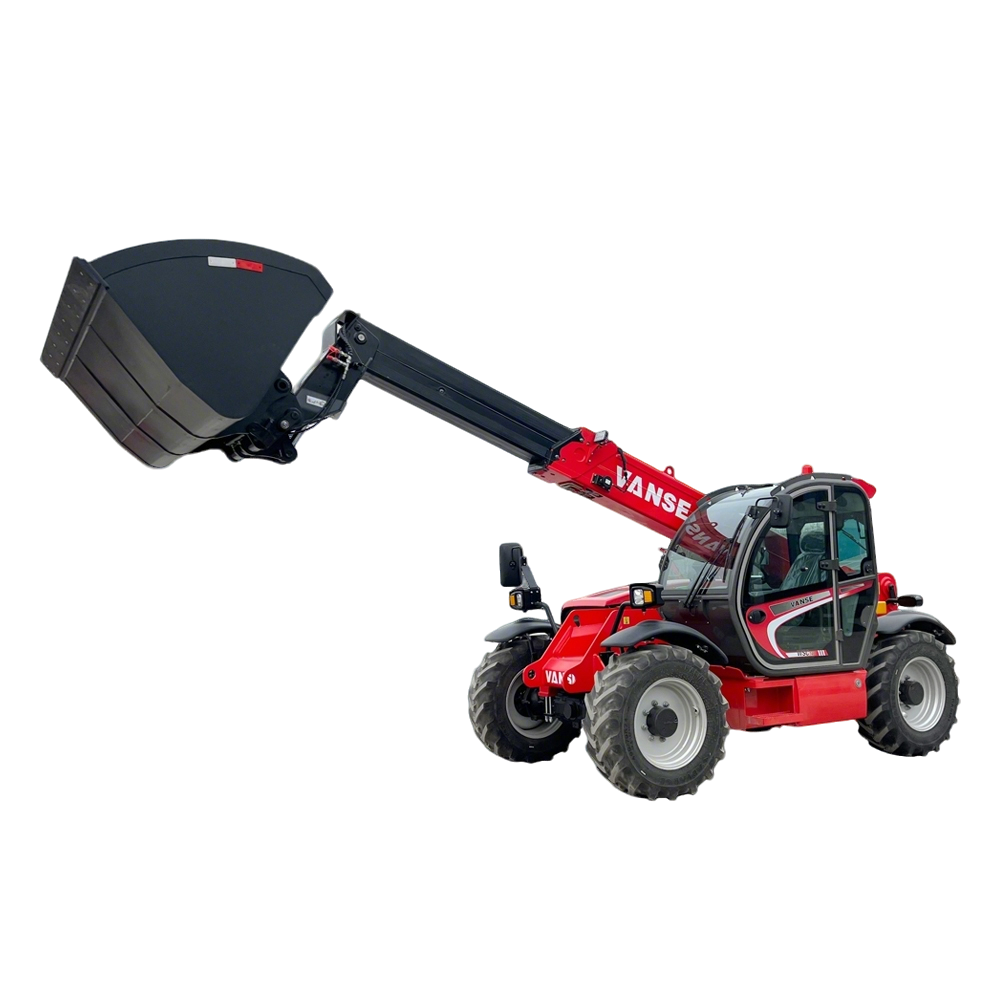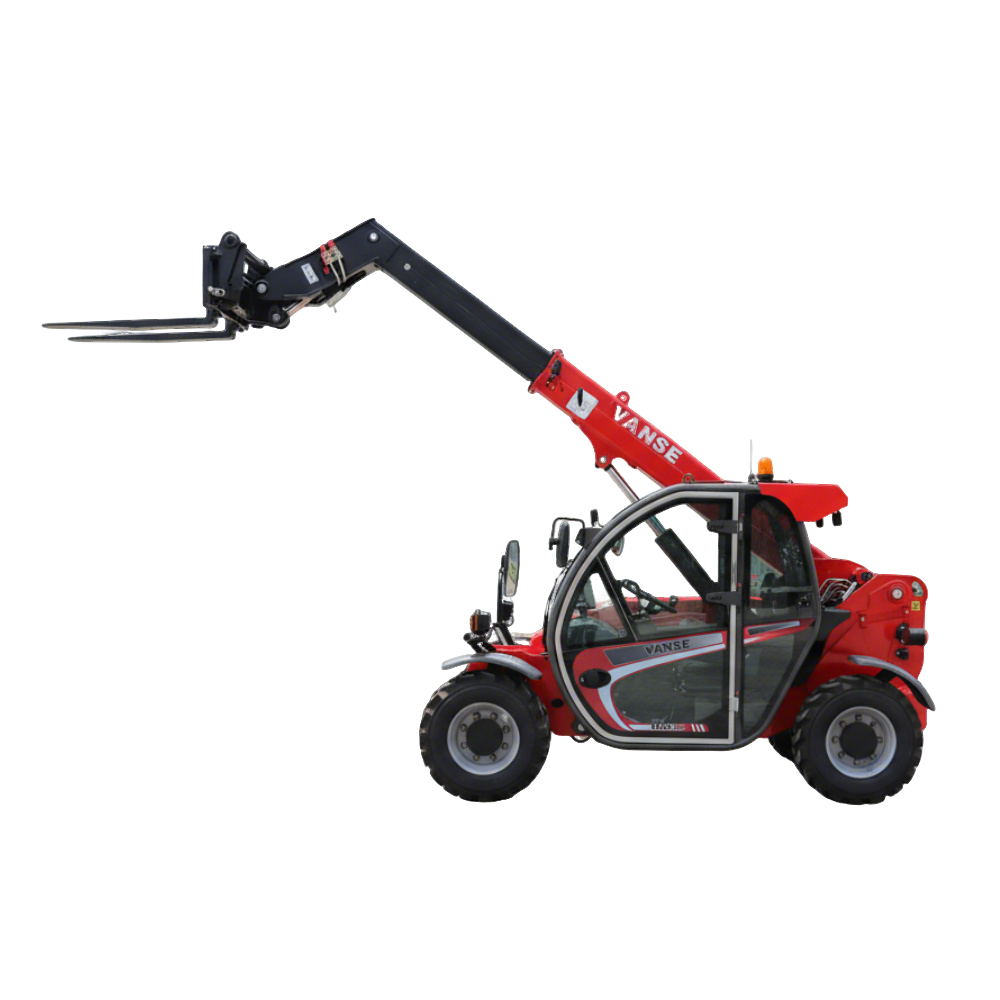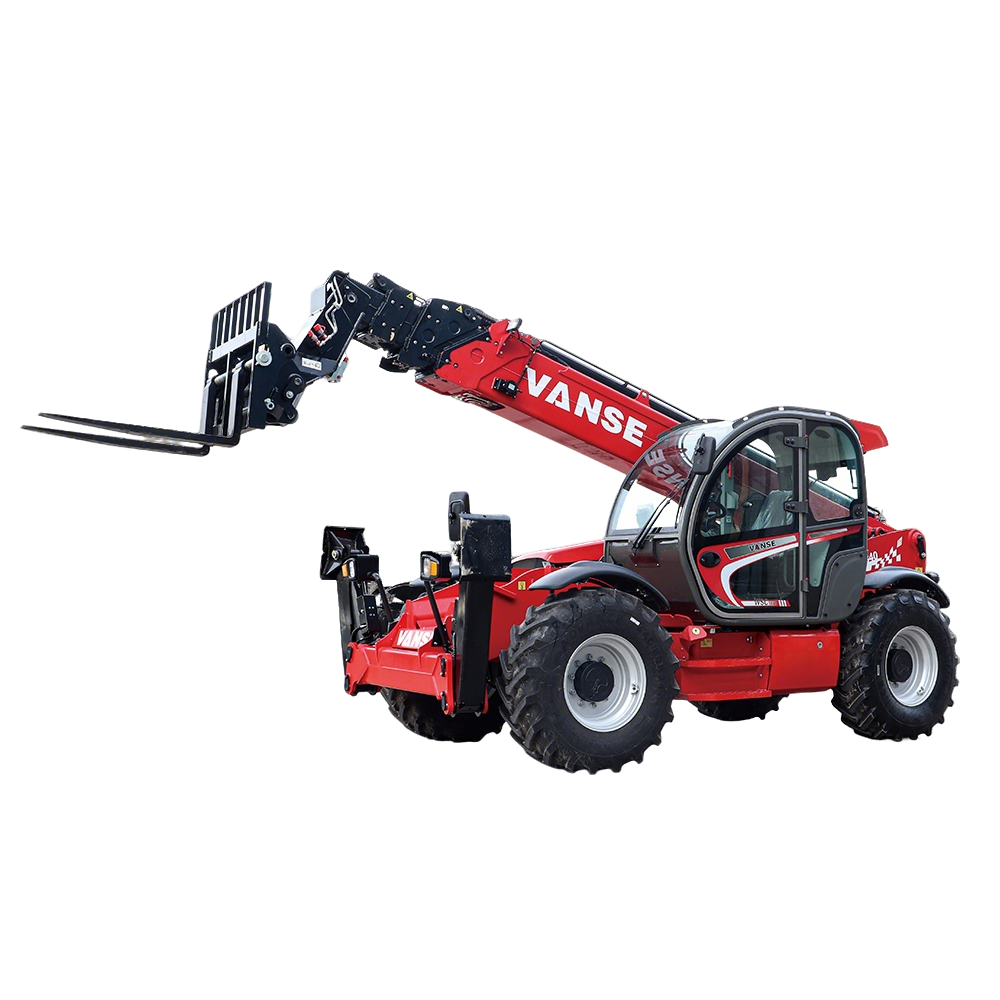
Telehandler Boom Extension in the United States
Quick Answer

A telehandler boom extension is the telescopic arm system that lets a telehandler reach higher and farther by sliding boom sections outward through hydraulic power, wear pads, chains, rollers, and synchronized extension cylinders. In the United States, buyers usually choose extension design based on lift height, forward reach, stability controls, attachment compatibility, and local service support rather than maximum reach alone.
For most U.S. jobsites, the most practical choices come from established suppliers with nationwide support, especially JLG, Genie, JCB, Bobcat, Skyjack, and Manitou. These brands are commonly found across major rental and contractor markets such as Houston, Dallas, Atlanta, Chicago, Los Angeles, Miami, and inland logistics hubs connected to ports like Savannah, Long Beach, and Houston.
- JLG: strong rental fleet presence, broad parts availability, common on commercial construction sites.
- Genie: popular for operator-friendly controls and widespread North American dealer coverage.
- JCB: known for agricultural and construction telehandlers with solid boom reach options.
- Manitou: strong material handling heritage with versatile boom and attachment combinations.
- Bobcat and Skyjack: attractive for buyers wanting compact models and familiar dealer relationships.
Qualified international suppliers can also be worth serious consideration when they offer CE and ISO 9001 backed manufacturing, globally recognized core components, documented load testing, and dependable U.S.-oriented pre-sales and after-sales support. For cost-performance focused buyers, that combination can lower acquisition cost without sacrificing operational confidence.
How a Telehandler Boom Extension Operates

The boom extension on a telehandler works through a telescopic structure made of nested steel boom sections. When the operator commands extension, the machine’s hydraulic system powers one or more cylinders, and the boom sections slide forward in sequence. Depending on the design, chains, cables, rollers, or internal sliding mechanisms keep the sections synchronized so the outer section extends smoothly and remains aligned under load.
In practical terms, the extension process starts with hydraulic pressure from the pump. This pressure moves the extension cylinder mounted inside or below the boom. As the cylinder pushes or pulls, the intermediate and outer boom sections travel outward along wear pads. Wear pads reduce friction and protect the steel surfaces from direct contact. Sensors track boom angle, extension length, and load condition, then feed that data to the load management system. On modern U.S. machines, the control system may automatically limit unsafe movements if the load chart threshold is approached.
Operators in the United States often describe this simply: the telehandler boom extends like a powered telescope, but every inch of forward reach changes the machine’s center of gravity. That is why the extension mechanism is never just about reach. It is tied directly to rated capacity, axle loading, frame stability, and attachment positioning.
The best boom systems combine several elements:
- High-tensile boom steel for strength without unnecessary weight
- Precise hydraulic metering for smooth extension under load
- Heavy-duty wear pads and rollers that can be serviced in the field
- Boom angle and extension sensors connected to load management software
- Attachment recognition systems for forks, buckets, truss booms, and work platforms
- Reliable hose routing that protects against abrasion during repeated extension cycles
On U.S. jobsites, a well-designed boom extension matters because operators regularly shift between unloading flatbeds, lifting pallets to upper floors, placing trusses, feeding hoppers, stacking hay, and handling pipe or bundled materials in narrow access zones. The telescopic arm is what makes a telehandler more versatile than a standard forklift.
United States Market Outlook

The U.S. telehandler market remains strong because construction, distribution, agriculture, energy, and infrastructure all rely on machines that can lift, place, and reposition materials across uneven terrain. Demand is especially concentrated in Texas, Florida, California, Georgia, Illinois, and the Carolinas, where large industrial projects, warehousing expansion, mixed-use construction, and agricultural handling all create year-round machine utilization.
Telehandler boom extension demand is also influenced by rental fleet replacement cycles. Many contractors do not purchase telehandlers outright for short-duration projects; instead, they rent from national or regional rental companies. That makes serviceability, parts lead time, and operator familiarity especially important in the United States. Machines with common attachments, proven safety systems, and available parts in regional hubs such as Dallas-Fort Worth, Chicago, Atlanta, and the Inland Empire usually have a competitive advantage.
Another U.S. market driver is logistics. Ports such as Long Beach, Los Angeles, Savannah, Houston, and Newark are major entry points for imported equipment and components. Buyers increasingly want suppliers that can support machine assembly, warehousing, spare parts stocking, and technical response within the country rather than serving the market only from overseas.
The chart below shows a realistic market growth pattern for U.S. telehandler demand tied to construction starts, rental fleet spending, and infrastructure activity.
Major Product Types of Boom Extension Systems
Not all telehandler boom extension systems are built the same. In the U.S. market, buyers usually compare machines across compact, mid-reach, high-reach, rotating, and heavy-lift categories. Each category uses a telescopic arm, but the extension geometry, hydraulic pressure, frame design, and control logic differ based on the intended job.
| Product type | Typical lift height | Typical forward reach | Common U.S. uses | Main strength | Main limitation |
|---|---|---|---|---|---|
| Compact telehandler | 15 to 20 ft | 8 to 11 ft | Residential builds, landscaping, small farms | Fits tighter jobsites | Lower capacity and reach |
| General construction telehandler | 42 to 56 ft | 25 to 42 ft | Commercial construction, masonry, roofing | Best all-around balance | Requires careful load chart use |
| High-reach telehandler | 56 to 74 ft | 40 to 56 ft | Steel erection support, facade work, industrial sites | Extended placement range | Higher transport and operating cost |
| Heavy-lift telehandler | 20 to 36 ft | 10 to 20 ft | Pipe yards, precast, mining support | Strong load capacity | Less reach flexibility |
| Rotating telehandler | 55 to 100 ft | 40 to 80 ft | Urban projects, complex lift zones | 360-degree work envelope | Higher acquisition cost |
| Agricultural telehandler | 20 to 35 ft | 10 to 22 ft | Hay, feed, grain, manure, bale stacking | Fast cycle times and versatility | Often optimized more for farms than urban jobsites |
This table matters because buyers often overfocus on maximum extension while underestimating the cost of transporting, maintaining, and stabilizing a larger boom. A machine that fits the actual load profile of the site will usually produce better returns than the biggest available model.
Where Boom Extension Performance Matters Most
In the United States, boom extension performance matters most when loads must be placed over obstacles, onto elevated decks, inside partially enclosed structures, or into work areas where a straight-in forklift approach is impossible. Extension gives the operator a way to move the load to the right point without repositioning the machine as often.
Examples include setting pallets of block on a second-story slab in Phoenix, feeding framing materials into a mixed-use project in Nashville, unloading irrigation supplies in California’s Central Valley, moving pipe on an energy site near Midland, or transferring bulk materials in a port-adjacent warehouse district near Savannah. In each case, extension distance affects productivity, but control smoothness and load stability affect safety.
Industry Demand Across the United States
Telehandler demand in the United States is spread across several end-use sectors, but not all sectors use the boom extension in the same way. Construction tends to prioritize lift height and reach. Agriculture values speed and attachment flexibility. Manufacturing and logistics care about repeatable handling cycles and uptime. Energy and mining often require more rugged machines with stronger capacity margins.
Applications by Industry
| Industry | Typical load | Why boom extension matters | Preferred machine traits | Common attachment | Key U.S. regions |
|---|---|---|---|---|---|
| Commercial construction | Pallets of block, drywall, steel, tools | Places material on elevated floors and roofs | Mid to high reach, jobsite visibility, stability control | Fork carriage | Texas, Florida, Georgia, Illinois |
| Residential development | Lumber packs, trusses, roofing bundles | Moves loads across crowded building pads | Compact footprint, easy transport | Truss boom, forks | Arizona, Texas, Carolinas, Tennessee |
| Agriculture | Hay bales, feed, seed, pallets | Stacks high and reaches deep into storage bays | Fast cycles, durability, versatile hydraulics | Bucket, bale clamp, forks | Iowa, Kansas, California, Nebraska |
| Warehousing and yards | Bulk bags, crates, long materials | Handles awkward loads in outdoor surfaces | Smooth boom control, attachment flexibility | Forks, jib | New Jersey, Georgia, California, Texas |
| Energy and utilities | Pipe, generators, cable reels | Reaches over trenches and restricted access zones | Higher capacity, rough-terrain chassis | Pipe forks, hook | Texas, Oklahoma, Louisiana |
| Mining and heavy industry | Consumables, components, steel | Extends into uneven or congested loading areas | Heavy-duty boom and axles | Forks, bucket | Nevada, Arizona, Utah |
The table shows that extension is rarely used in isolation. It works as part of a broader handling system that includes the right carriage, the right operator practice, and a machine matched to the environment.
Understanding Stability During Boom Extension
Every telehandler in the United States comes with a load chart because extension changes capacity. The farther the boom extends, the lower the safe lifting limit usually becomes. This is basic physics: as the load moves forward, leverage increases against the machine’s front axle and frame. Even a machine that can safely carry a heavy load near the chassis may only be rated for a much lighter load at full extension.
That is why U.S. safety managers focus on more than the boom itself. They review:
- Rated load at specific extension and angle points
- Tire condition and inflation
- Ground bearing capacity on compacted soil, gravel, or slab
- Outrigger use where applicable
- Attachment weight deductions from nominal capacity
- Wind exposure on panel, truss, or platform work
For buyers, this means the best boom extension system is one that gives predictable, controllable movement and clear operator feedback. Fast extension without stable handling is not a benefit.
Supplier Comparison in the United States
The U.S. market includes domestic, European, and international suppliers. The most practical comparison points are service reach, application focus, attachment ecosystem, and parts access. The table below provides a buyer-oriented view of common names seen in the United States.
| Company | Headquarters or main origin | Service region in the United States | Core strengths | Key offerings | Best fit buyer |
|---|---|---|---|---|---|
| JLG | United States | Nationwide dealer and rental presence | Strong fleet support, construction familiarity | Construction telehandlers, high-reach units | Large contractors and rental fleets |
| Genie | United States | Nationwide with dense dealer network | Operator-friendly controls, widespread support | Rough-terrain telehandlers | General contractors and rental houses |
| JCB | United Kingdom with major U.S. presence | Broad North American coverage | Agriculture and construction versatility | Farm and jobsite telehandlers | Mixed-use buyers needing one fleet for many tasks |
| Manitou | France | Strong dealer footprint in many states | Material handling heritage, rotating options | Standard and rotating telehandlers | Specialty contractors and industrial users |
| Bobcat | United States and global manufacturing network | Extensive dealer network | Brand familiarity, compact equipment integration | Compact to mid-size telehandlers | Landscapers, builders, local dealers |
| Skyjack | Canada | Well recognized in rental channels | Straightforward maintenance, rental appeal | Construction telehandlers | Rental-oriented buyers |
| Merlo | Italy | Select but growing U.S. support | Advanced engineering, rotating models | High-spec telehandlers | Specialized industrial and urban projects |
This comparison is useful because the right supplier depends on how the machine will be used. A rental fleet may prioritize commonality and resale value, while an agricultural operator may prioritize hydraulic response and bucket performance. A distributor may care most about regional exclusivity and parts stocking.
Trend Shift in Buyer Preferences
Buyer preferences in the United States are shifting away from simple maximum lift metrics and toward total operating value. That includes machine uptime, safety electronics, emissions compliance, telematics, finance options, and attachment versatility. The trend area chart below reflects the increasing weight U.S. buyers place on whole-life value versus basic upfront purchase cost.
Buying Advice for U.S. Buyers
If you are buying a telehandler for the United States, the boom extension should be evaluated as part of a complete operating package. Begin with the actual load case. Ask what you are lifting, how high, how far forward, how often, on what surface, and with which attachment. Those answers usually narrow the machine category quickly.
Important buying criteria include:
- Rated capacity at the exact reach you will use most often
- Availability of forks, buckets, jibs, work platforms, and bale tools
- Speed and precision of boom extension under partial load
- Visibility from cab to fork tip and elevated landing zone
- Parts support near your site or branch network
- Technician response time and warranty terms
- Transport dimensions and weight for interstate movement
- Telematics and preventive maintenance scheduling
For U.S. contractors, it is also smart to review OSHA-related work practices, ANSI alignment for attachments, and local training needs. If the telehandler will be used in multiple states, dealer consistency matters even more than sticker price.
Detailed Supplier and Product Comparison
| Supplier | Typical boom extension profile | Service support pattern | Attachment ecosystem | Cost position | Ideal use case |
|---|---|---|---|---|---|
| JLG | Balanced construction-focused reach | Strong national coverage and rental familiarity | Broad and widely available | Mid to premium | Commercial jobsites needing quick support |
| Genie | Smooth extension and common reach classes | Excellent dealer and rental support | Very strong in standard site tools | Mid to premium | Fleet buyers seeking standardization |
| JCB | Versatile extension for farm and site work | Strong in mixed construction and agriculture markets | Good cross-application compatibility | Mid to premium | Users combining farm and contractor work |
| Manitou | Wide portfolio from standard to rotating units | Good support in many regional markets | Strong specialty options | Premium | Complex lifting environments |
| Bobcat | Practical reach for compact and mid-size tasks | Strong dealer familiarity | Good for general local applications | Mid | Local contractors and owner-operators |
| Skyjack | Simple, rental-oriented boom configuration | Recognized by rental buyers | Focused but practical selection | Mid | Rental fleets and straightforward site work |
| Qualified international OEMs | Can match common U.S. reach classes if well specified | Varies; best when backed by U.S. stock and service plans | Depends on distributor strategy | Competitive | Distributors, private label programs, cost-sensitive fleets |
This table highlights an important point: not every buyer needs the highest-profile brand. A strong supplier is one that can prove the machine fits your applications and can support the asset after delivery.
Case Studies from Common U.S. Scenarios
On a mid-rise multifamily project in Dallas, a contractor using a 55-foot class telehandler improved pallet placement efficiency by reducing machine repositioning along the slab edge. The boom extension allowed operators to land masonry bundles directly where crews needed them, cutting idle time and reducing congestion from additional material movements.
In central Florida, a roofing distributor used a telehandler with controlled boom extension and fork positioning to place shingle packs and framing materials across large residential development phases. The key advantage was not only height but forward placement accuracy while keeping truck turnaround fast.
In California agriculture, a farm operation used an agricultural telehandler to stack hay and feed in covered storage. The telescopic arm allowed the operator to reach over lower stacks and fill upper rows without overhandling the material. The farm prioritized hydraulic cycle speed and maintenance accessibility over extreme reach.
At an energy yard near Houston, a heavy-lift telehandler with shorter but stronger boom extension handled pipe, valves, and equipment modules. Here, the buyer valued durability, ground clearance, and attachment control rather than maximum extension length. The lesson is simple: the best extension design depends on the job, not a brochure headline.
Local Suppliers, Dealers, and Rental Reality
In the United States, local support often determines buying success more than catalog specifications. Contractors in Chicago want cold-weather starting confidence and quick parts. Florida users may care more about corrosion resistance and rental replacement access. Texas buyers frequently emphasize engine reliability, transport efficiency, and broad regional support due to long travel distances between sites.
That is why many buyers start with nearby dealers or rental branches. Still, supplier evaluation should go beyond the nearest location. Ask whether the provider can stock wear pads, boom hoses, seals, carriage parts, and electronic sensors. Ask if field service technicians can calibrate boom systems after repairs. Ask whether telematics data can be used to schedule preventive maintenance before extension wear becomes costly.
You can also review broader equipment solutions through construction equipment options and learn more about supplier background on the company overview page when comparing sourcing channels.
Our Company
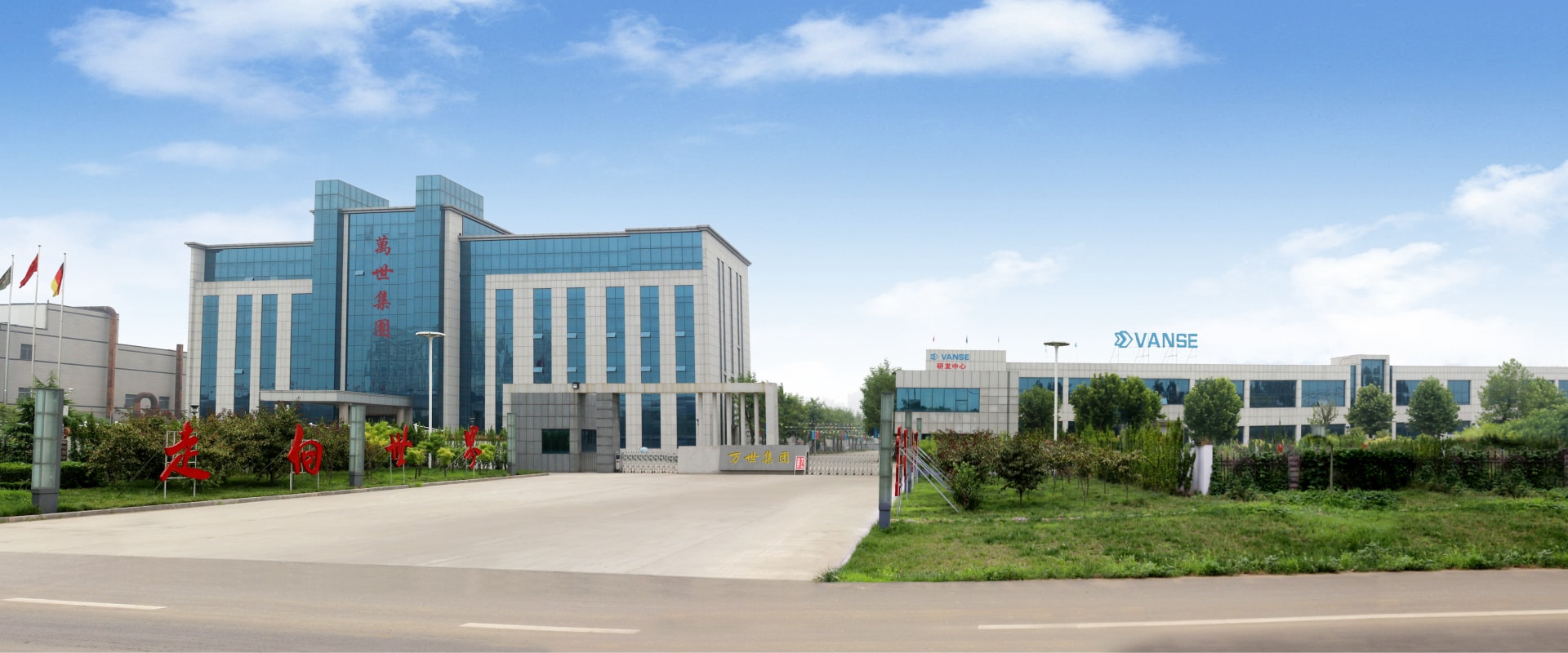
For buyers in the United States evaluating alternatives to traditional domestic and European suppliers, VANSE offers a telehandler-focused manufacturing base with evidence-backed product capability and an increasingly local market posture. Founded in 2013, the company has produced more than 8000 machines and serves customers in over 40 countries, with telehandlers as its flagship line for construction, agriculture, mining, industrial handling, and oil and gas applications. Its machines are built under CE and ISO 9001 certified processes, use globally recognized core components such as Perkins and Cummins engines together with premium hydraulic systems, transmissions, and axles, and undergo comprehensive load testing, safety inspection, and performance validation before shipment, giving U.S. buyers concrete proof of manufacturing discipline rather than unsupported quality claims. VANSE works with end users, distributors, dealers, rental companies, brand owners, and individual buyers through flexible OEM, ODM, wholesale, retail, and regional partnership models, which is especially useful in the U.S. market where private label strategies and territory-based distribution are common. The company is also establishing a U.S.-based subsidiary with local inventory, stocking plans, and after-sales capability, reinforcing that it is building a physical operating commitment in North America rather than acting only as a remote exporter; paired with online technical response, offline service coordination, and lifecycle support from specification planning to maintenance, that local structure gives buyers stronger protection on uptime, parts access, and long-term fleet confidence. You can explore the main company site, review service support, or use the U.S. inquiry contact page for project-specific discussions.
How to Evaluate an International Supplier for the U.S. Market
If you are considering an international telehandler source for the United States, treat the boom extension as one part of a broader supplier qualification process. Ask for lift charts, component brand lists, weld and material specifications, testing documentation, shipping lead times, spare parts lists, and local service commitments. In many cases, a cost-competitive international machine becomes a good U.S. option only when it is paired with domestic inventory planning and trained after-sales support.
Questions worth asking include:
- Which engine, axle, and transmission brands are installed?
- What load testing is completed before delivery?
- Which spare parts are stocked in or for the United States?
- How are warranty claims processed locally?
- Can the supplier support OEM or dealer branding?
- What attachment interfaces are available for U.S. users?
- How quickly can wear components for the boom be supplied?
Future Trends for 2026
By 2026, telehandler boom extension design in the United States is likely to be shaped by three major forces: technology, policy, and sustainability. On the technology side, more machines will use telematics, load monitoring, operator assist functions, and predictive service alerts tied to boom cycles and hydraulic health. That will help fleet owners reduce downtime by replacing wear pads, hoses, or sensors before failure occurs.
On the policy side, U.S. buyers will continue to track engine emissions requirements, jobsite safety expectations, and procurement rules tied to public infrastructure projects. Machines with clear documentation, service records, and recognized components will be easier to place into regulated fleets and multi-site contractor operations.
Sustainability will also matter more, though in practical U.S. terms this usually means fuel efficiency, longer service intervals, rebuildable components, and lower total lifecycle waste rather than marketing language alone. Expect stronger interest in machines that combine efficient hydraulics, responsible parts support, and designs that reduce unnecessary idle time. Electrification may expand gradually in niche indoor or low-emission settings, but diesel-powered rough-terrain telehandlers will remain dominant in mainstream construction, agriculture, and industrial use for the near term.
Comparison of Key Buying Priorities
The comparison chart below shows how U.S. buyers often rank the main priorities when choosing telehandlers with telescopic boom extension. Service support and total cost of ownership increasingly rival raw reach as deciding factors.
Practical Checklist Before Purchase
| Checklist item | Why it matters | What to verify | Risk if ignored | Best timing | Who should review |
|---|---|---|---|---|---|
| Lift chart review | Confirms safe capacity at real reach | Capacity with actual attachment | Underperforming or unsafe selection | Before quoting | Project manager and operator lead |
| Boom extension smoothness | Affects placement accuracy | Loaded demo or test cycle | Material damage and slower work | Before purchase order | Operator and service team |
| Parts stocking | Protects uptime | Wear pads, hoses, filters, sensors | Long downtime after minor failures | During supplier evaluation | Fleet manager |
| Local service response | Supports repairs and calibration | Travel time, labor availability | Project delays | Before contract signing | Operations manager |
| Attachment compatibility | Expands machine utilization | Forks, bucket, jib, platform options | Extra equipment spending later | Before final spec approval | Site supervisor |
| Transport and access limits | Affects deployment cost | Width, height, weight, trailer match | Unexpected logistics costs | Before selecting model class | Logistics coordinator |
| Warranty and training | Reduces ownership risk | Coverage terms and operator instruction | Disputes and misuse | At contract stage | Purchasing and safety teams |
This checklist is especially important for buyers adding a telehandler to the fleet for the first time. Extension performance is easiest to appreciate during a demo, but ownership success depends on support after the demo is over.
FAQ
What is a telehandler boom extension?
It is the telescopic arm mechanism that allows a telehandler to extend outward and upward, increasing reach for lifting and placing materials.
How does the boom extend?
The boom extends using hydraulic cylinders and internal guiding components such as wear pads, rollers, and sometimes chains or synchronized link systems that move nested boom sections smoothly.
Does more extension always mean better performance?
No. More extension usually reduces safe lifting capacity at the load point. The best machine is the one that matches the actual height, reach, and load requirements of the job.
Which U.S. industries use telehandler boom extension the most?
Commercial construction, residential development, agriculture, warehousing, energy, utilities, and some mining operations all use telescopic boom reach regularly.
What should I ask a supplier before buying?
Ask for lift charts, component brands, testing records, local parts plans, attachment options, training support, and warranty response procedures in the United States.
Are international suppliers a realistic option for U.S. buyers?
Yes, if they can prove certified manufacturing, reliable components, tested boom performance, and real U.S. service capability through local inventory, support channels, or regional operations.
What is the biggest safety issue with boom extension?
The main issue is loss of stability when the load is too heavy for the extension and boom angle combination. Always follow the machine load chart and site safety procedures.
Will telehandler technology change by 2026?
Yes. Expect more telematics, load monitoring, predictive maintenance tools, stronger documentation requirements, and greater emphasis on fuel efficiency and lifecycle sustainability.
A telehandler boom extension is not just a moving arm. In the United States, it is the core system that turns one machine into a multi-industry material handling solution. Buyers who focus on real reach needs, service support, safe capacity at extension, and supplier commitment will make better long-term decisions than those who shop only by headline lift height.
Complete Telescopic Handler Equipment Portfolio
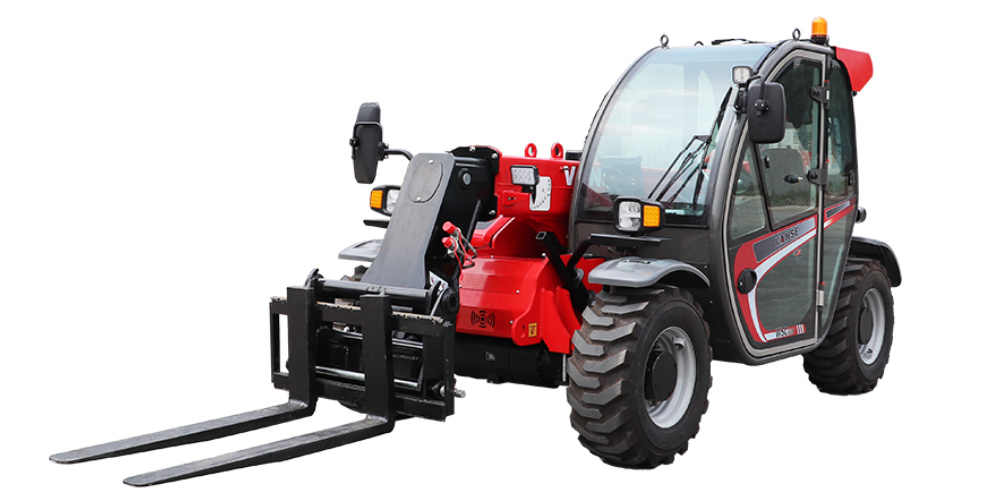
VANSE 625 6m Telescopic Handler
Designed for efficient material handling and stacking in warehouses, factories, and confined job sites, offering compact maneuverability and reliable performance.

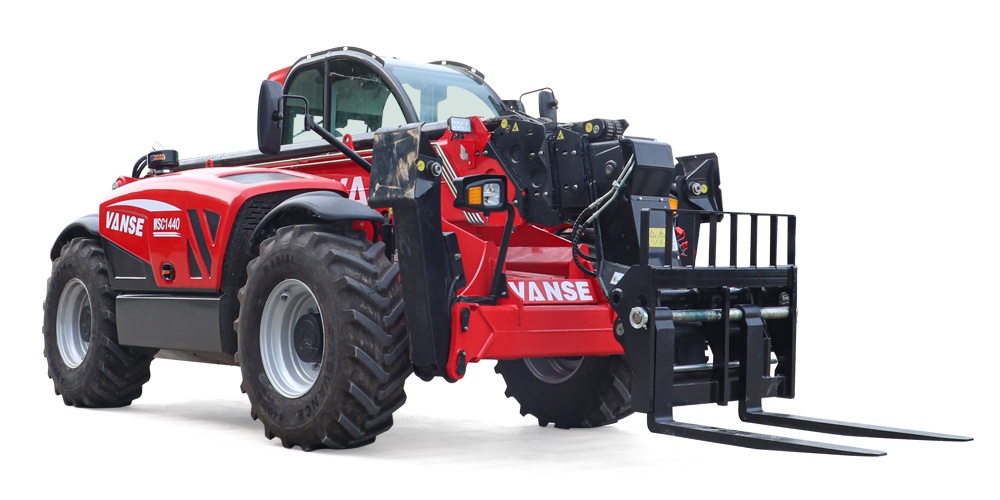
VANSE 735 7m Telescopic Handler
A balanced mid-duty solution for construction, agriculture, logistics, and warehousing, combining stable lifting, strong traction, and everyday versatility.


About the Author:
The VANSE team is a group of experienced professionals specializing in construction machinery research, manufacturing, and technical support. With deep industry knowledge and hands-on experience, our engineers and product specialists share practical insights on equipment selection, operation, maintenance, and industry trends.
Share
You May Also Interest
-

22 September, 2026
Telehandler Overheating: Common Causes and Quick Fixes
Telehandler overheating in the United States usually stems from coolant, airflow, hydraulic load, or maintenance issues. Learn quick fixes and supplier options.
-
21 September, 2026
Telehandler for Masonry: Brick and Block Lifting on Site
Explore telehandler masonry solutions in the United States, including suppliers, specs, applications, and buying advice for brick and block handling.
-
17 September, 2026
Telehandler for Pallet Handling: Best Forks and Methods
Learn telehandler pallet handling best practices in the United States, including fork choices, jobsite methods, buyer tips, and supplier options.
-
16 September, 2026
Fixed vs Rotating Telehandler: Which Type Is Right Today
Compare fixed vs rotating telehandler options in the United States with buying tips, supplier insights, and the best fit for construction and rental use.