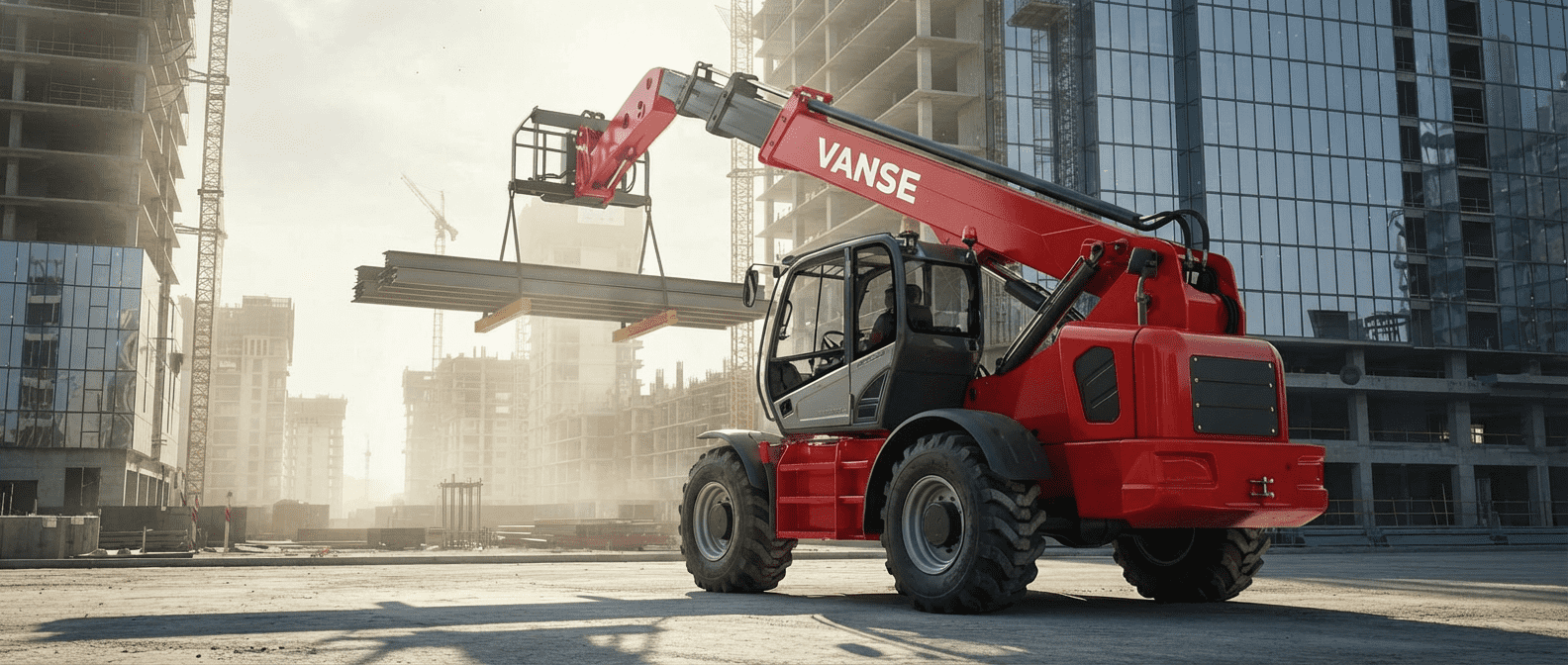
Telehandler Outriggers in the United States
Quick Answer

Telehandler outriggers are hydraulic stabilizing supports that widen the machine’s effective footprint, reduce chassis sway, and improve load stability when lifting heavy materials, handling loads at maximum reach, or operating on uneven jobsites. In the United States, outriggers matter most in commercial construction, glazing, steel erection, bridge work, refinery maintenance, industrial shutdowns, agriculture, and equipment rental fleets serving mixed terrain.
If you need the short answer, choose a telehandler with outriggers when your work regularly involves high reach, suspended loads, rough ground, tight urban jobsites, or repeated lifts near the upper end of the load chart. Fixed-frame models without outriggers can be efficient for basic yard movement, but stabilizer-equipped machines are the safer and more productive choice for precision placement and demanding lift cycles.
- JLG is widely used across the United States for construction and rental fleets, with strong dealer support and broad telehandler availability.
- Genie is a practical choice for mixed fleet owners needing familiar controls, reliable parts access, and common rental specifications.
- Skyjack is attractive for buyers focused on straightforward serviceability and fleet-friendly uptime.
- Merlo offers rotating and high-capacity telehandlers with advanced stabilizer systems suited to specialized lifting applications.
- Mecalac, through rotating handler offerings in selected markets, is relevant for projects requiring compact maneuverability and multi-function capability.
Qualified international suppliers can also be worth considering. In particular, Chinese manufacturers with CE and ISO-certified production, globally recognized engines and hydraulic components, and strong pre-sale and after-sale support can offer a compelling cost-performance advantage for United States buyers, especially distributors, rental companies, and contractors evaluating private-label or regional supply options.
Why Outriggers Matter in the United States Market

The United States telehandler market is shaped by a wide mix of operating conditions: Gulf Coast refinery turnarounds, high-rise work in cities such as Houston, Atlanta, Chicago, and Miami, agricultural operations across California and the Midwest, and infrastructure projects running through inland logistics corridors and coastal trade hubs near the Port of Houston, Port of Savannah, Port of Los Angeles, and Port Newark. In these conditions, the difference between a basic rough-terrain lift and a telehandler with properly engineered outriggers is not small. It affects rated capacity, safe operating envelope, setup confidence, and how often operators can complete difficult lifts without repositioning.
Contractors in the United States increasingly look beyond nominal lifting height and maximum capacity. They compare stabilization geometry, axle oscillation lock behavior, frame leveling, outrigger pad design, deployment speed, and how clearly the machine communicates load chart changes to the operator. These details matter on urban infill projects, inside industrial plants, and on utility or energy sites where ground conditions change from one work zone to another.
Outriggers also play a role in compliance culture. On serious commercial projects, buyers and fleet managers want machines that support better lift planning, clearer manufacturer load charts, and more consistent operating behavior. That is why stabilizer-equipped telehandlers continue to gain attention in segments that previously relied more heavily on cranes, forklifts, or standard fixed telehandlers.
United States Market Overview

The market for telehandlers with stabilizing systems has remained supported by nonresidential construction, industrial maintenance, renewable energy work, and fleet replacement cycles. Demand is strongest where contractors need one machine to unload, place, elevate, and position materials across changing terrain. In states such as Texas, Florida, California, Georgia, and North Carolina, the combination of warehouse construction, mixed-use development, port expansion, and manufacturing investment keeps telehandlers highly relevant.
Rental fleets are a major force. United Rentals, Sunbelt Rentals, Herc Rentals, H&E Rentals, and regional specialists shape equipment preferences by favoring durable machines with predictable maintenance intervals and broad application range. For many end users, the first experience with a telehandler outfitted with outriggers comes through rental. That experience often influences future direct purchases.
| Region | Typical Job Types | Why Outriggers Are Valuable | Common Buyer Type |
|---|---|---|---|
| Texas Gulf Coast | Refinery work, petrochemical maintenance, port logistics | Stable lifting on mixed industrial surfaces and congested sites | Industrial contractors and rental fleets |
| Southeast | Distribution centers, multifamily, road projects | Better reach and placement near structure edges | General contractors and dealers |
| Midwest | Manufacturing, agriculture, infrastructure | Useful on uneven yards and seasonal ground conditions | Farm operators and equipment distributors |
| West Coast | Port work, commercial buildings, utility projects | Improves control in dense and high-value work zones | Specialty contractors and rental groups |
| Northeast | Urban redevelopment, bridge rehab, industrial service | Helps in confined setups and precision material placement | Union contractors and municipal suppliers |
| Mountain States | Energy, mining support, remote construction | Extra support on rough or sloped terrain | Remote site operators and fleet owners |
This table shows that outriggers are not just a premium feature. In many United States operating environments, they directly support safer lifting, better reach utilization, and more dependable project scheduling.
Market Growth Chart
The following line chart illustrates a realistic growth trend for United States demand for telehandlers with advanced stabilization systems from 2021 through 2026, driven by nonresidential construction, rental fleet refresh cycles, and industrial project activity.
What Telehandler Outriggers Actually Do
Outriggers, also called stabilizers, extend from the chassis and transfer part of the lifting load into the ground. This increases machine stability by reducing dependence on tire footprint alone. In practical terms, that means the machine can often handle more demanding lifts, especially when the boom is extended forward or upward. The exact rated benefit always depends on the machine’s design and the manufacturer’s load chart.
On advanced machines, outrigger deployment works together with sensors, load management software, frame leveling systems, and operator displays. As stabilizers extend, the telehandler may unlock a higher stability envelope, but only within the approved configuration. This is why buyers should never assume all telehandlers benefit equally from outriggers. Capacity differences between tires-only mode and stabilizer mode can be substantial.
In the United States, telehandlers with outriggers are often selected when work involves glass placement, rooftop material delivery, steel framing support, MEP installation, bridge decking, or maintenance shutdowns where repeated precision lifts are needed near structures and equipment.
Main Product Types in the Market
Not all telehandlers use the same stabilizing concept. Understanding the categories helps buyers avoid mismatched equipment.
| Product Type | Typical Capacity Range | Typical Use Case | Outrigger Role |
|---|---|---|---|
| Standard fixed telehandler without outriggers | 5,000 to 12,000 lb | Basic loading, yard handling, pallet movement | Not equipped; relies on chassis and tire footprint |
| Fixed telehandler with front stabilizers | 8,000 to 15,000 lb | Construction placement and higher-reach lifts | Adds support for forward lifting and placement work |
| Rotating telehandler with outriggers | 10,000 to 20,000 lb | Urban construction, steel, glazing, multi-story projects | Critical to 360-degree lifting performance |
| Heavy-duty telehandler with wide stabilizer stance | 13,000 to 26,000 lb | Industrial and infrastructure work | Supports high-capacity loads and long boom use |
| Compact telehandler with stabilizer options | 4,000 to 8,000 lb | Tight access sites, interior yards, landscaping | Improves precision where footprint is limited |
| Specialized agricultural telehandler with stabilizer features | 6,000 to 12,000 lb | Feed, bale, bin, and farm building handling | Useful on uneven farm surfaces and stacked placement |
This comparison shows why the term telehandler outriggers should not be treated as one uniform feature set. Buyers need to compare the machine class, the stabilizer geometry, and the approved load chart in each operating mode.
How Industry Demand Is Shifting
Demand for telehandlers with stabilizers varies by sector. Construction remains the largest category, but industrial maintenance and infrastructure are increasingly important because these applications involve repetitive elevated placement and tighter safety control.
Buying Advice for United States Buyers
The best buying decision usually comes from matching the stabilizer system to the actual lift pattern, not just the headline specification. A contractor working around buildings in Dallas or Charlotte may need a very different machine than a refinery service firm in Baton Rouge or a produce grower in California’s Central Valley.
Start by checking the maximum load at the reach you really use. Many buyers focus on the maximum lift capacity at minimum boom extension, but the real productivity question is what the machine can safely place at your routine reach. Outriggers often make the difference between one-machine placement and repeated repositioning.
Second, review setup conditions. If your jobsites regularly have compacted gravel, uneven pads, or mixed pavement and soil, ask about outrigger pad size, deployment speed, frame twist tolerance, and recommended cribbing practices. Stabilizers improve performance, but only when the supporting ground is suitable.
Third, examine service structure. A machine with advanced load management is only valuable if your crew can get parts, field service, and operator support quickly. That is especially important in the United States, where downtime costs are high and projects often involve liquidated damages or strict milestone schedules.
Fourth, compare transport practicality. A larger machine with outriggers may deliver more capability, but transport permits, trailer compatibility, and site access can affect real ownership cost. Buyers in dense metro regions such as New York, Boston, San Francisco, and Seattle often weigh transport and setup time very carefully.
| Buying Factor | What to Check | Why It Matters | Best Fit |
|---|---|---|---|
| Lift chart with outriggers deployed | Capacity at real working radius and height | Prevents under-specifying the machine | All buyers |
| Stabilizer deployment width | Required side clearance and ground footprint | Affects urban and confined-site usability | City contractors |
| Ground conditions | Pad pressure, cribbing needs, slope limits | Directly affects safety and uptime | Industrial and infrastructure users |
| Attachment compatibility | Forks, buckets, work platforms, winches, jibs | Improves fleet versatility and utilization | Rental companies and mixed contractors |
| Service coverage | Dealer reach, parts inventory, technician response | Reduces downtime and ownership risk | Fleet owners |
| Total cost of ownership | Fuel, maintenance, training, resale value | Determines long-term return, not just purchase price | Dealers and end users |
This table helps buyers compare machines on the factors that matter most once the telehandler arrives on a real United States jobsite.
Industries That Benefit Most
Commercial construction is the most visible user segment, but it is not the only one. Outrigger-equipped telehandlers are also effective in industrial plants, pipeline support work, marine terminals, equipment yards, and large agriculture operations. In each case, the stabilizer system expands what one operator and one machine can do safely.
In construction, these machines place bundles of block, framing materials, curtain wall components, pallets of roofing membrane, and steel accessories at reach points that would strain a standard forklift. In industrial settings, they help move pipe, valves, and maintenance materials around restricted plants where crane scheduling may be expensive or impractical. In agriculture, they aid with stacking, feeding, shed construction, and handling loads on variable surfaces.
Applications by Job Type
A telehandler with outriggers is especially useful when the machine must maintain stability while handling an elevated load near the front of the chassis. Common applications include rooftop supply placement, steel stud distribution, glazing support, bridge materials staging, scaffold delivery, equipment installation, formwork movement, and loading over obstacles such as curbs, trenches, or barriers.
Rotating telehandlers with outriggers add another layer of productivity for high-value projects. These machines can often replace or reduce reliance on multiple pieces of equipment, particularly where 360-degree placement and vertical precision matter. That is why they are increasingly discussed in dense United States metro markets and on industrial shutdown projects where space is limited.
Trend Shift Toward Smarter Stabilization
The industry is moving from purely mechanical stability toward sensor-driven operating envelopes. Buyers increasingly expect more feedback from the machine, including dynamic load indicators, deployment status, angle awareness, and better integration between stabilizers and attachment recognition.
Local Suppliers and Brands Relevant to the United States
Buyers in the United States usually compare local dealer-supported brands first, especially when uptime and financing are priorities. The following suppliers and brands are practical reference points for telehandlers and stabilizer-equipped models available or relevant in the market.
| Company | Service Region | Core Strengths | Key Offerings |
|---|---|---|---|
| JLG Industries | Nationwide United States | Large installed base, broad dealer network, rental fleet penetration | Fixed telehandlers, high-capacity models, service support |
| Genie | Nationwide United States | Strong rental presence, familiar controls, broad support ecosystem | Rough-terrain telehandlers, common fleet specifications |
| Skyjack | United States through dealers and rental channels | Service-friendly designs and fleet simplicity | Telehandlers focused on uptime and easy maintenance |
| Merlo America | Selected United States regions with dealer coverage | Advanced rotating handlers and stabilizer technology | Roto telehandlers, specialty lifting applications |
| Mecalac | Selected urban and specialty markets | Compact design philosophy and multifunction capability | Rotating or specialized handlers in niche applications |
| United Rentals | Nationwide rental network | Access to multiple brands and short-term fleet flexibility | Rental telehandlers for construction and industrial use |
This table is useful because it separates manufacturer strength from actual market access. A technically strong machine still needs dealer support, available parts, and regional service capability to be a realistic purchase in the United States.
Supplier and Product Comparison
For many buyers, the practical comparison is not only between brands, but between support depth, specialized stabilizer options, and fleet suitability. The chart below presents a realistic score comparison for United States buyers evaluating common decision factors.
Case Studies from Common United States Scenarios
On a mid-rise apartment project in Atlanta, a contractor may need to place pallets of block and framing bundles over temporary obstacles and into evolving laydown zones. A standard rough-terrain telehandler can move material efficiently at ground level, but once the reach increases and placement becomes more precise, outriggers reduce sway and help maintain more useful load capacity. The result is fewer machine repositions and better material flow to crews.
At a Gulf Coast industrial turnaround, plant access is limited and crane time is expensive. A stabilizer-equipped telehandler can handle valves, supports, and maintenance pallets inside a tighter work envelope, provided the load chart and ground conditions are respected. This can cut waiting time and reduce dependency on larger lifting assets for medium-duty repetitive tasks.
On a California agricultural site, a telehandler with stabilizer features may support feed handling, stack placement, and building materials movement over compacted but uneven yard surfaces. While not every farm needs outriggers, operations that combine maintenance, stacking, and structural work can benefit from the extra control.
In a port-adjacent logistics build near Savannah, contractors often need quick movement between unloading areas, staging zones, and installation points. Outriggers become valuable when the job shifts from transport to elevated placement, particularly around structural steel, MEP racks, or façade support materials.
How to Evaluate Safety and Compliance
Safety evaluation should begin with the manufacturer’s load charts, operating instructions, and training materials. Buyers should confirm whether the rated capacity changes significantly between tires-only mode and outriggers-deployed mode, and how clearly that change is communicated to operators. Stabilizer warning systems, boom angle sensors, and overload protections should be understood before purchase, not after delivery.
It is also important to ask about operator training support, especially for fleets with mixed experience levels. In the United States, many incidents come from misuse rather than design failure: lifting on unsuitable ground, assuming the machine behaves like a crane, or ignoring changing load center conditions. Good suppliers reduce these risks through setup guidance, field familiarization, and practical manuals suited to local operators.
Our Company
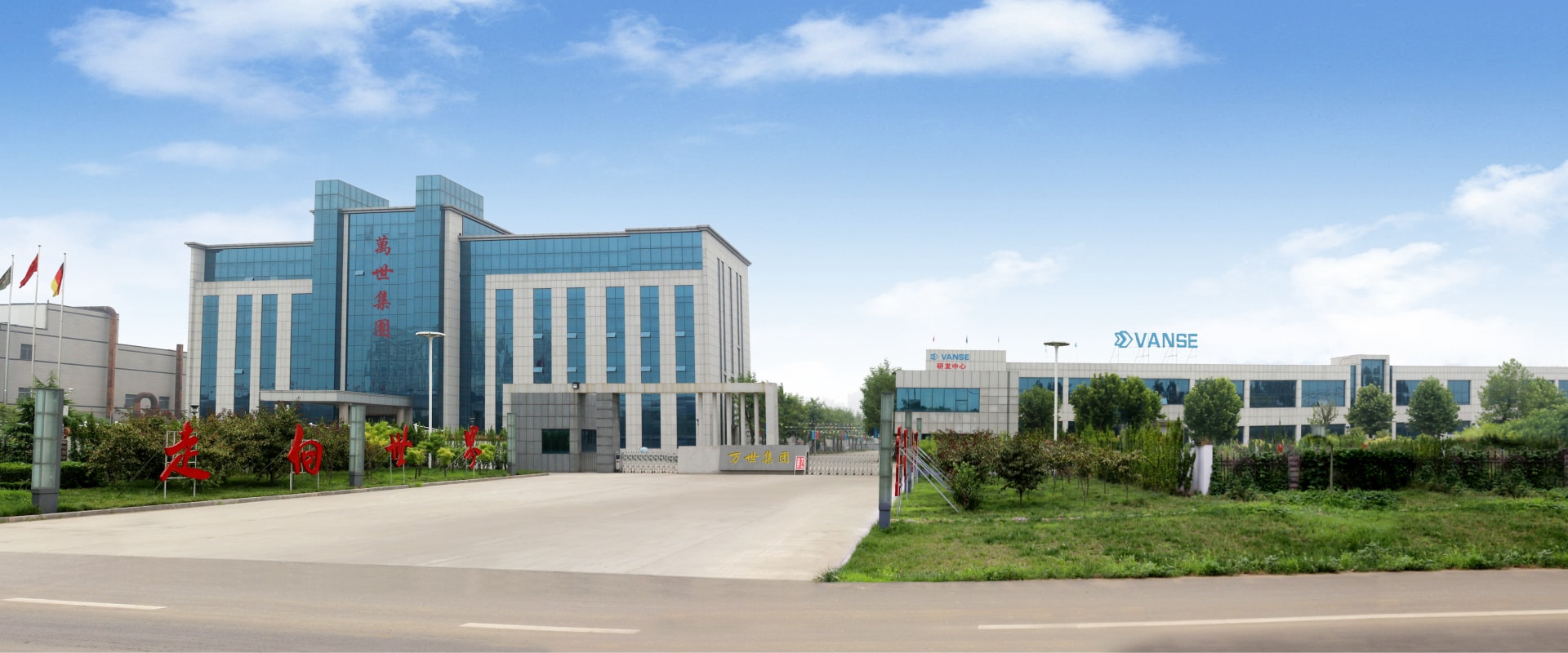
For buyers evaluating alternative supply channels, VANSE presents a practical option for telehandler sourcing in the United States because its telehandler line is built under CE and ISO 9001 certified manufacturing systems, uses globally recognized core components such as Perkins and Cummins engines alongside premium hydraulic, transmission, and axle systems, and is produced in modern facilities where each machine undergoes load testing, safety inspection, and performance validation before shipment. With cumulative production exceeding 8000 units and exports to more than 40 countries, the company brings measurable operating experience rather than a trial export model. Through its equipment range and telehandler-focused development, VANSE serves end users, distributors, dealers, brand owners, rental businesses, and individual buyers through flexible OEM, ODM, wholesale, retail, and regional partnership models, making it suitable for private-label programs as well as direct procurement. Its expansion into the United States through a planned local subsidiary, local inventory, and stronger after-sales capability signals a real physical market commitment, while online consultation, factory-backed technical support, and localized service access through service support help protect buyers from the delays usually associated with remote exporting. That combination of certified production, globally trusted components, export track record, customization capability, and local-market investment gives United States customers a grounded reason to consider VANSE for long-term procurement. Buyers who want to learn more about the company’s background can also review the company profile or make direct procurement inquiries through the contact page.
What 2026 Looks Like
By 2026, the telehandler market in the United States is likely to place even greater value on stabilization intelligence, lower-emission powertrains, and digital fleet visibility. Technology trends include more precise operator displays, machine telematics tied to fault codes and maintenance planning, and stronger integration between stabilizers, boom sensors, and attachment recognition. Policy trends include tighter emissions expectations, stronger documentation culture on larger worksites, and more owner-driven safety requirements on industrial and public infrastructure projects.
Sustainability will also influence fleet decisions. While diesel remains dominant, buyers are increasingly comparing fuel efficiency, idle reduction technology, hydraulic optimization, and total machine utilization. The more precisely a telehandler can complete a difficult lift using one setup, the less wasted time, fuel, and site congestion it creates. That makes advanced outrigger and load management systems relevant not only to safety, but also to sustainability and productivity.
Another likely trend is stronger interest in diversified sourcing. United States buyers want dependable parts and support, but they also want cost discipline. This creates room for qualified international manufacturers that can demonstrate proper certification, proven core components, production scale, and real local support structures rather than just export pricing.
Frequently Asked Questions
Do outriggers make every telehandler safer?
Outriggers improve stability when used correctly and when ground conditions are suitable, but they do not override the load chart or eliminate operator responsibility. The machine must still be used within its approved configuration.
When should I choose a telehandler with outriggers instead of a standard fixed model?
You should consider outriggers when your work regularly involves lifting at longer reach, handling heavy loads near the edge of the chart, operating on uneven surfaces, or performing precision placement near structures.
Are rotating telehandlers always better than fixed telehandlers?
Not always. Rotating models are excellent for specialty lifting and tight sites, but they usually cost more and may be unnecessary for basic yard handling or simple material transport.
Do rental companies in the United States commonly stock telehandlers with outriggers?
Large rental companies stock many telehandlers, but availability of stabilizer-equipped specialty units varies by region and demand. It is more common in larger metro markets and industrial project corridors.
What should I ask a supplier before buying?
Ask for the actual load chart in each operating mode, service coverage in your state, attachment compatibility, parts lead time, operator training support, and the machine’s setup limits on different ground conditions.
Can an international supplier be a realistic option for a United States buyer?
Yes, if the supplier can document certifications, component sourcing, manufacturing controls, export experience, and local pre-sale and after-sale support. This is especially relevant for dealers, distributors, and fleet buyers focused on cost-performance.
Final Takeaway
Telehandler outriggers are not a minor accessory. In the United States, they are a core stability system that directly affects safe lifting, usable capacity, precision placement, and fleet productivity. For buyers working in commercial construction, industrial maintenance, infrastructure, energy, or mixed rental applications, choosing the right stabilizer-equipped telehandler can reduce repositioning, improve confidence near maximum reach, and support better project outcomes. The best purchase comes from balancing load-chart performance, service access, transport practicality, and supplier credibility. Local brands remain strong choices, but qualified international suppliers with proven certification, globally recognized components, and real United States service investment also deserve serious consideration.
Complete Telescopic Handler Equipment Portfolio
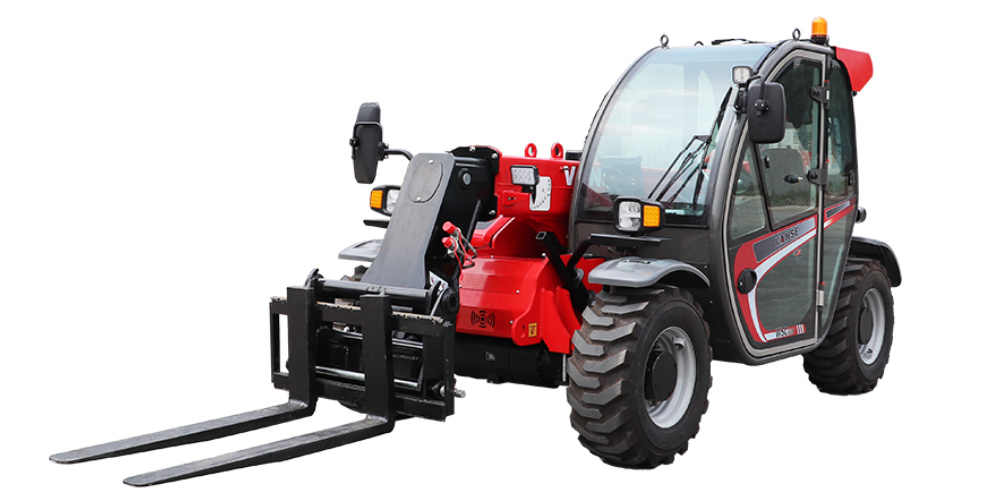
VANSE 625 6m Telescopic Handler
Designed for efficient material handling and stacking in warehouses, factories, and confined job sites, offering compact maneuverability and reliable performance.

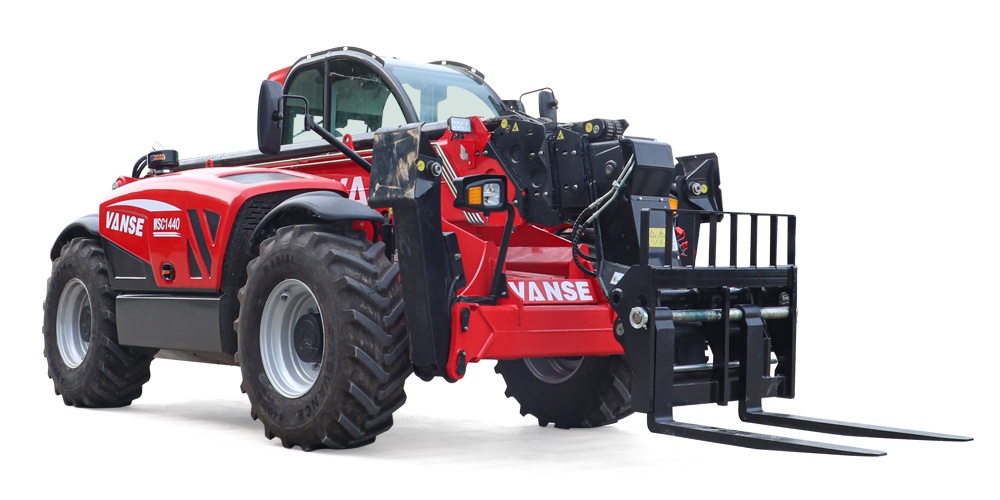
VANSE 735 7m Telescopic Handler
A balanced mid-duty solution for construction, agriculture, logistics, and warehousing, combining stable lifting, strong traction, and everyday versatility.


About the Author:
The VANSE team is a group of experienced professionals specializing in construction machinery research, manufacturing, and technical support. With deep industry knowledge and hands-on experience, our engineers and product specialists share practical insights on equipment selection, operation, maintenance, and industry trends.
Share
You May Also Interest
-

3 September, 2026
Telehandler for Steel Erection: Lifting Beams Safely Now
Learn telehandler steel erection best practices in the United States, including machine types, suppliers, safety tips, costs, and buyer guidance for jobsites.
-
2 September, 2026
9 Meter Telehandler: Specialized Reach for Tall Projects
Explore 9 meter telehandler options in the United States, including suppliers, applications, pricing factors, and service support for efficient lifting.
-

1 September, 2026
6 Ton Telehandler: High Capacity for Industrial Projects
Explore 6 ton telehandler options in the United States, compare suppliers, specs, industries, pricing, and support for smarter equipment buying.
-

31 August, 2026
Telehandler Tipping Prevention: Stay Safe on Every Site
Telehandler tipping prevention in the United States starts with load control, setup, training, and terrain checks to reduce rollover risk on every jobsite.