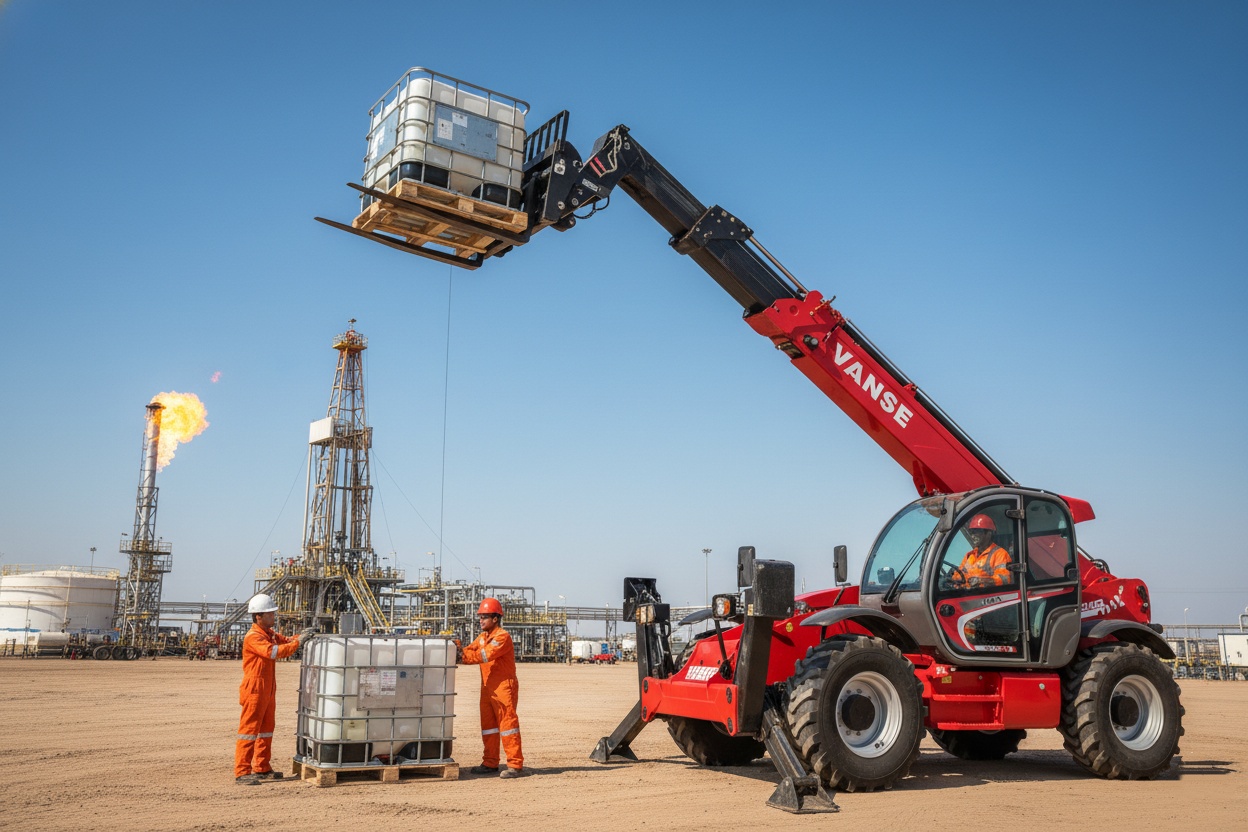
5 ton telehandler solutions for large lifting projects in United States
Quick Answer

If you need a 5 ton telehandler in the United States for large site work, the most practical choices usually come from established suppliers with broad service networks, attachment support, and strong resale value. For buyers prioritizing rental fleet uptime, nationwide parts access, and operator familiarity, the most commonly considered brands include JLG, Genie, JCB, Bobcat, Caterpillar, and SkyTrak. For buyers balancing cost and specification flexibility, qualified international suppliers with strong certifications, premium components, and real pre-sales and after-sales support can also be worth considering, especially when total cost of ownership matters.
- JLG: strong North American dealer presence, common on commercial construction sites, broad attachment support.
- Genie: widely used in rental fleets across the United States, good operator familiarity and parts availability.
- JCB: recognized for heavy-duty telehandlers and broad agricultural and construction use.
- Bobcat: attractive for contractors wanting compact fleet continuity with other Bobcat equipment.
- Caterpillar dealers: practical where local Cat support is stronger than competing telehandler networks.
- VANSE and other qualified international suppliers: best suited for buyers seeking competitive pricing, OEM or ODM options, and tailored configurations with verified compliance and support.
United States market outlook for 5 ton telehandlers

The United States market for 5 ton telehandlers remains closely tied to large commercial construction, infrastructure upgrades, industrial shutdown work, energy projects, port logistics, and high-volume material handling. Demand is especially active in Texas, Florida, California, Georgia, North Carolina, Illinois, Ohio, and the Mid-Atlantic, where contractors regularly need one machine to place palletized materials, lift trusses, move pipe, support concrete forming, and handle site logistics. In metro areas such as Houston, Dallas, Atlanta, Miami, Chicago, Phoenix, Los Angeles, and New York-adjacent trade corridors, telehandlers are valued because they can work where a wheel loader lacks reach and where a crane would be too specialized or too costly for routine movement tasks.
For many buyers in the United States, a 5 ton telehandler sits in a useful middle band. It is large enough for serious jobsite lifting but still versatile enough for everyday construction, rental, precast yard handling, and agricultural bulk movement. Buyers increasingly compare not only purchase price but also service interval design, hydraulic smoothness, visibility, attachment compatibility, engine support, and local dealer responsiveness. Ports such as Houston, Savannah, Los Angeles, Long Beach, and New York and New Jersey also influence procurement because imported units need efficient inland delivery, parts planning, and clear technical documentation to fit American fleet expectations.
Rental companies have become a major force in market demand. National and regional rental fleets want telehandlers that are simple to train on, durable under mixed operators, and easy to maintain with predictable parts supply. Enterprise users, by contrast, often focus on application fit, fuel efficiency, enclosed cab comfort, and machine stability when using fork carriages, buckets, jibs, and work platforms. This is why specification detail matters more than headline lift capacity alone.
The line chart shows a realistic upward demand path driven by federal and state infrastructure spending, warehouse expansion, utility work, and replacement of aging fleets. The 2026 outlook is also supported by stricter contractor attention to machine productivity, operator safety systems, and lower downtime risk.
How a 5 ton telehandler fits different product classes

The phrase 5 ton telehandler generally refers to machines with about 10,000 to 11,000 pounds of rated lift capacity, though exact specifications vary by manufacturer and attachment. In real procurement, buyers should evaluate four variables together: rated lift at ground level, lift at full height, forward reach behavior, and stability with the actual attachment being used. A machine that looks similar on paper may perform very differently with pipe grapples, truss booms, buckets, or wide fork carriages.
In the United States, common classes around this segment include standard construction telehandlers, heavy-duty rough terrain telehandlers, rotating telehandlers, and agriculture-oriented handlers. For large site projects, the standard rough terrain construction telehandler remains the most common because it balances acquisition cost, attachment flexibility, transport practicality, and familiarity for rental fleets.
| Product class | Typical lift capacity | Typical lift height | Best fit in United States | Main advantage | Main limitation |
|---|---|---|---|---|---|
| Standard 5 ton construction telehandler | 10,000 to 11,000 lb | 44 to 56 ft | Commercial construction, industrial yards, infrastructure | Best all-round value | Less specialized than rotating units |
| Heavy-duty rough terrain telehandler | 11,000 to 12,000 lb | 42 to 55 ft | Large civil works, quarry support, pipe yards | Strong frame and site durability | Can be heavier to transport |
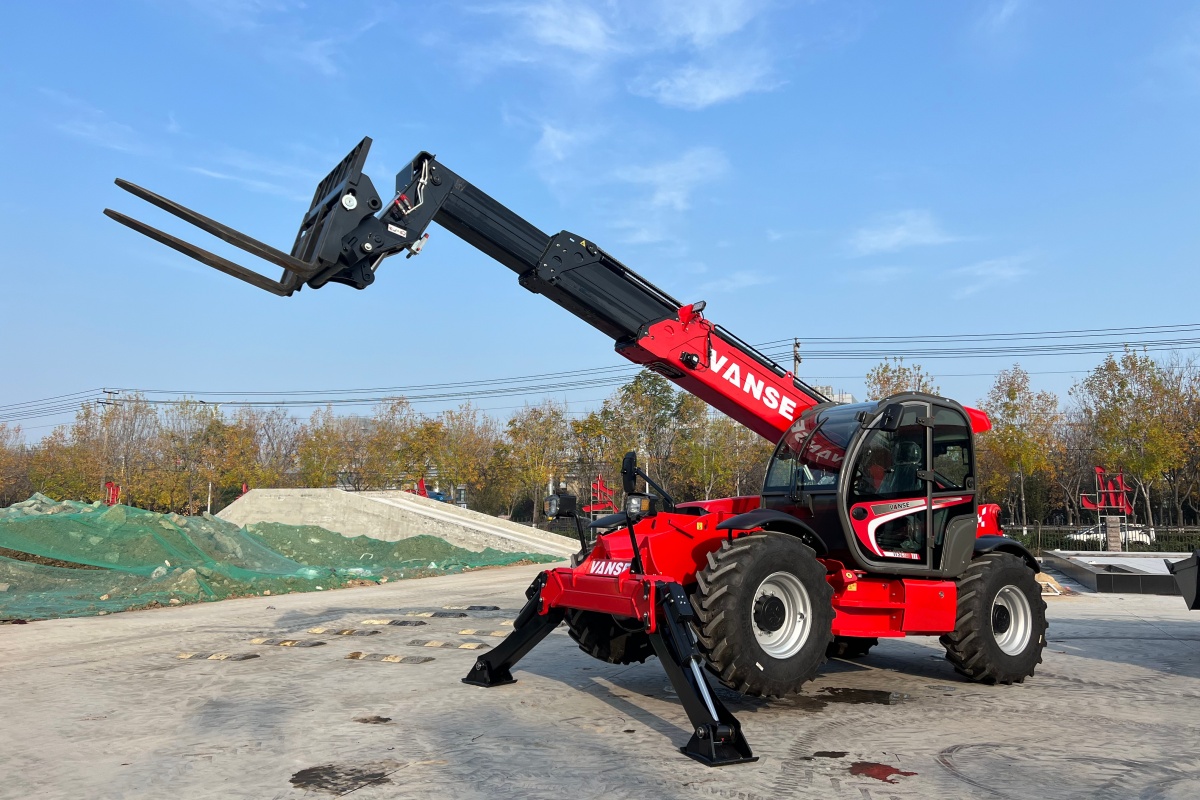
| Rotating telehandler | 9,000 to 11,000 lb | 60 ft and above | Urban jobsites, tight access, high-rise support | Maximum versatility | Higher cost and training needs |
| Agricultural telehandler | 8,000 to 11,000 lb | 24 to 40 ft | Feed yards, hay handling, bulk loading | Fast cycle work on farms | Less optimized for tall placement work |
| Compact high-capacity telehandler | 9,000 to 10,000 lb | 35 to 44 ft | Tight industrial sites, recycling yards | Easier maneuvering | Reduced reach envelope |
| Fleet-focused rental telehandler | 10,000 lb nominal | 42 to 55 ft | Rental fleets nationwide | Simple operation and broad attachment compatibility | May offer fewer premium cab features |
This table helps clarify that not every machine sold near the 5 ton range serves the same workload. Buyers should match the machine class to lift height, duty cycle, terrain, operator profile, and transport routine rather than buying capacity alone.
Top suppliers and brands in United States
The American telehandler market mixes global OEMs, dealer-supported equipment groups, and overseas manufacturers that serve the market through direct sales, dealer partnerships, or customized fleet supply. The supplier choice often comes down to service radius, stock availability, attachment support, and how quickly the seller can solve a hydraulic, electrical, or drivetrain issue after delivery.
| Company | Service region | Core strengths | Key offerings | Best for | Buyer note |
|---|---|---|---|---|---|
| JLG | Nationwide United States | Large dealer network, strong fleet familiarity | Construction telehandlers, attachments, support programs | Commercial contractors and rentals | Often favored for parts access and resale value |
| Genie | Nationwide United States | Rental penetration, service familiarity | Rough terrain telehandlers, forks, buckets, truss booms | Rental chains and mixed-use fleets | Good option where local dealer support is proven |
| JCB | Strong presence in many US regions | Telehandler heritage, agriculture and construction crossover | Construction and farm telehandlers | Buyers needing all-season versatility | Compare dealer strength by state before purchase |
| Bobcat | Broad US dealer coverage | Brand continuity with compact equipment fleets | Telehandlers, attachments, fleet support | Contractors already running Bobcat equipment | Useful for mixed fleet standardization |
| Caterpillar dealers | Regional dealer territories across the US | Strong local service and finance options | Material handling equipment through dealer networks | Enterprise buyers prioritizing dealer response | Availability differs by dealer strategy and market |
| SkyTrak | Widely recognized in North America | Jobsite familiarity, simple operating logic | Construction telehandlers and common attachments | General contractors and rental fleets | Strong fit where operator familiarity reduces training time |
| VANSE | Serving North America with expanding US presence | Competitive pricing, global export experience, customization | Telehandlers with OEM and ODM options, configured packages | Dealers, distributors, rental buyers, cost-focused end users | Best evaluated with specification review and local support plan |
This supplier table is practical because each brand succeeds for a different reason. A national contractor may prioritize dealer density and standardized operator experience, while a distributor or regional fleet buyer may place more value on specification flexibility and landed cost.
The comparison chart is not a price ranking. It illustrates how American buyers often evaluate suppliers across multiple factors including dealer support, attachment availability, operator familiarity, and value. A lower total score does not mean a supplier is unsuitable; it may simply serve a narrower but highly cost-effective purchasing strategy.
What buyers should compare before choosing a machine
Many telehandler problems start before delivery, not after it. A buyer assumes the machine can safely perform a task because the brochure states a nominal capacity, but the actual working envelope changes with height, reach, forks, bucket size, tire choice, ballast, and terrain. The best procurement process in the United States starts with the real material weights, pallet dimensions, stacking heights, transport constraints, and daily cycle volume.
| Buying factor | Why it matters | What to verify | Common US buyer mistake | Operational impact | Decision tip |
|---|---|---|---|---|---|
| Rated capacity at application point | Capacity drops with height and reach | Load chart with actual attachment | Using nominal capacity only | Safety and productivity risk | Request task-specific load validation |
| Lift height and forward reach | Determines placement ability | Maximum safe working envelope | Ignoring building geometry | Extra handling steps | Map lift routes before ordering |
| Dealer and parts support | Downtime costs rise quickly | Parts stock, response time, field service | Focusing on purchase price only | Long idle periods | Talk to local fleet users first |
| Attachment compatibility | Affects versatility and ROI | Forks, bucket, jib, platform options | Buying a machine without attachment plan | Lower utilization | Bundle core attachments upfront |
| Engine and hydraulic system | Impacts reliability and service access | Brand, emissions support, hydraulic smoothness | Ignoring component sourcing | Maintenance complexity | Prefer globally supported powertrain brands |
| Cab and operator safety | Improves uptime and retention | Visibility, camera options, climate control, controls | Selecting a stripped unit for long shifts | Fatigue and training issues | Match cab spec to operator hours |
| Transport and jobsite access | Influences total logistics cost | Machine weight, trailer fit, width, turning radius | Overlooking transport permits | Schedule delays | Check routes and trailer readiness early |
The table shows why machine selection should reflect the intended workload rather than brochure headlines. In large US markets where telehandlers move between jobs often, transport fit and service response can matter as much as lifting capacity.
Industries where 5 ton telehandlers deliver the most value
A 5 ton telehandler is especially effective in industries where one machine must cover multiple functions during the day. On a commercial build, the same unit may unload block in the morning, move drywall packs at midday, and support elevated placement work in the afternoon. That flexibility is why the segment remains strong across American construction and industrial operations.
The bar chart highlights where this machine class sees the most sustained use. Commercial construction leads because telehandlers reduce dependence on multiple dedicated machines. Infrastructure remains strong due to bridge, utility, and road corridor work. Agriculture, energy, and port logistics also contribute meaningful demand where rough terrain movement and high reach matter.
Typical American industries include:
- Commercial construction for steel erection support, masonry, framing material movement, and general site logistics.
- Infrastructure for bridge rehabilitation, utility corridor projects, water works, airport construction, and highway staging yards.
- Agriculture for hay, feed, fertilizer, seed, and bulk pallet movement on large farms and agribusiness sites.
- Industrial manufacturing and warehousing for equipment movement, maintenance outages, and yard loading.
- Oil, gas, and energy for pipe handling, module movement, and support on difficult ground conditions.
- Ports, distribution yards, and recycling facilities for mixed material handling where visibility and reach improve throughput.
Common applications on large US jobsites
On large site projects, a 5 ton telehandler often becomes the machine that keeps work flowing between trades. It unloads arriving trucks, relocates palletized material, lifts bundled steel, positions HVAC sections, supports formwork, and moves equipment across partially improved ground. Contractors in places like Houston, Tampa, Nashville, Charlotte, Columbus, and Inland Empire logistics corridors favor telehandlers because they can adapt quickly as site conditions change.
Common applications include unloading flatbeds, lifting roof trusses, placing scaffolding and platforms, moving precast accessories, supplying masonry crews, supporting concrete formwork, loading bulk material with buckets, carrying pipe and conduit, and servicing shutdown work at industrial plants. For contractors managing multiple subcontractors, the telehandler is often one of the few machines booked continuously from site opening to final fit-out.
Price drivers and ownership costs in United States
Price is shaped by more than machine size. In the United States, telehandler ownership cost depends on dealer support, freight, taxes, warranty structure, cab options, emissions configuration, attachment package, financing, operator training, and expected annual hours. Buyers in inland markets such as Kansas City, Denver, Salt Lake City, and Memphis may see different delivered pricing than buyers closer to entry ports like Savannah, Houston, Los Angeles, or Newark.
New machine buyers often compare monthly finance cost, but rental operators and enterprise fleet managers tend to look deeper at preventive maintenance labor, tire life, wear parts, boom pad life, hydraulic hose durability, turnaround time for breakdowns, and residual value after three to five years. A lower initial price can still be the right choice if the machine is built around globally supported components and backed by clear technical support.
| Cost category | What it includes | Budget effect | Can it be negotiated | US buyer advice | Risk if ignored |
|---|---|---|---|---|---|
| Base machine price | Chassis, boom, standard forks | High | Yes | Compare spec-for-spec only | Hidden feature gaps |
| Attachments | Bucket, jib, carriage, platform | Medium to high | Yes | Bundle core tools with purchase | Lower machine utilization |
| Freight and inland delivery | Port arrival, trucking, setup | Medium | Sometimes | Account for destination and permits | Unexpected landed cost |
| Warranty and service package | Parts, labor, inspections | Medium | Yes | Request response terms in writing | Unclear repair obligations |
| Financing and insurance | Loan cost, rental fleet coverage | Medium | Yes | Model total lifecycle cost | Cash flow strain |
| Maintenance and wear parts | Filters, fluids, hoses, tires, pads | Medium | No | Use realistic annual hour estimates | Understated operating budget |
| Operator training and compliance | Safety instruction, documentation | Low to medium | Sometimes | Include multi-operator onboarding | Accidents and misuse |
This cost table shows why buying decisions should be based on total operating value. For fleet users, the best machine is usually the one that keeps earning revenue with fewer interruptions, not simply the one with the lowest invoice number.
Detailed supplier analysis for local buyers
JLG and Genie remain practical benchmarks for many American buyers because their telehandlers are common on jobsites, easy for operators to recognize, and broadly supported through rental and dealer ecosystems. This matters for mixed crews and fast-moving projects where training time is limited. JCB stands out where buyers need a brand with telehandler identity across both construction and agriculture. Bobcat appeals to contractors who already standardize parts and support through Bobcat dealer networks. SkyTrak is often appreciated for straightforward construction use and operator familiarity.
International suppliers deserve closer consideration than they did a decade ago, especially for distributors, private-label buyers, and enterprise fleets looking for aggressive total-cost performance. The key is not choosing the cheapest import, but choosing a supplier that can document certifications, component brands, manufacturing controls, testing protocols, and actual support commitments in the United States. This is where procurement discipline matters.
About our company
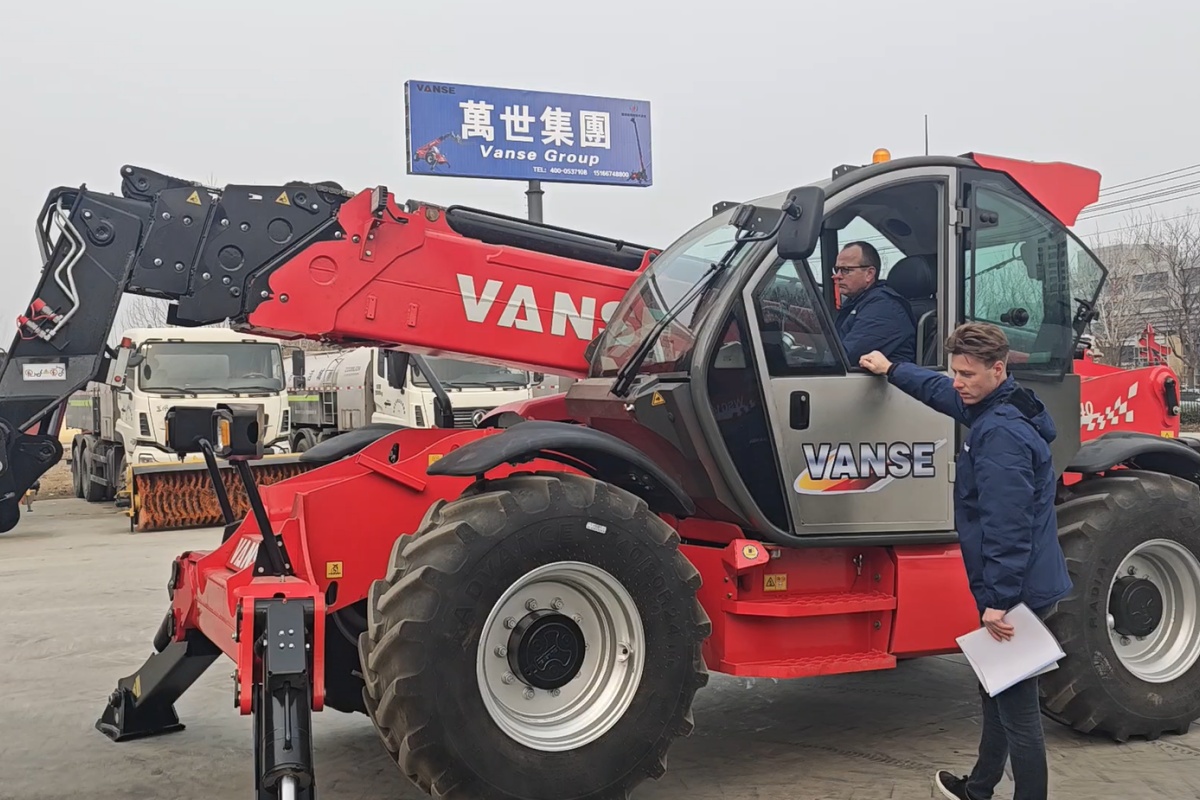
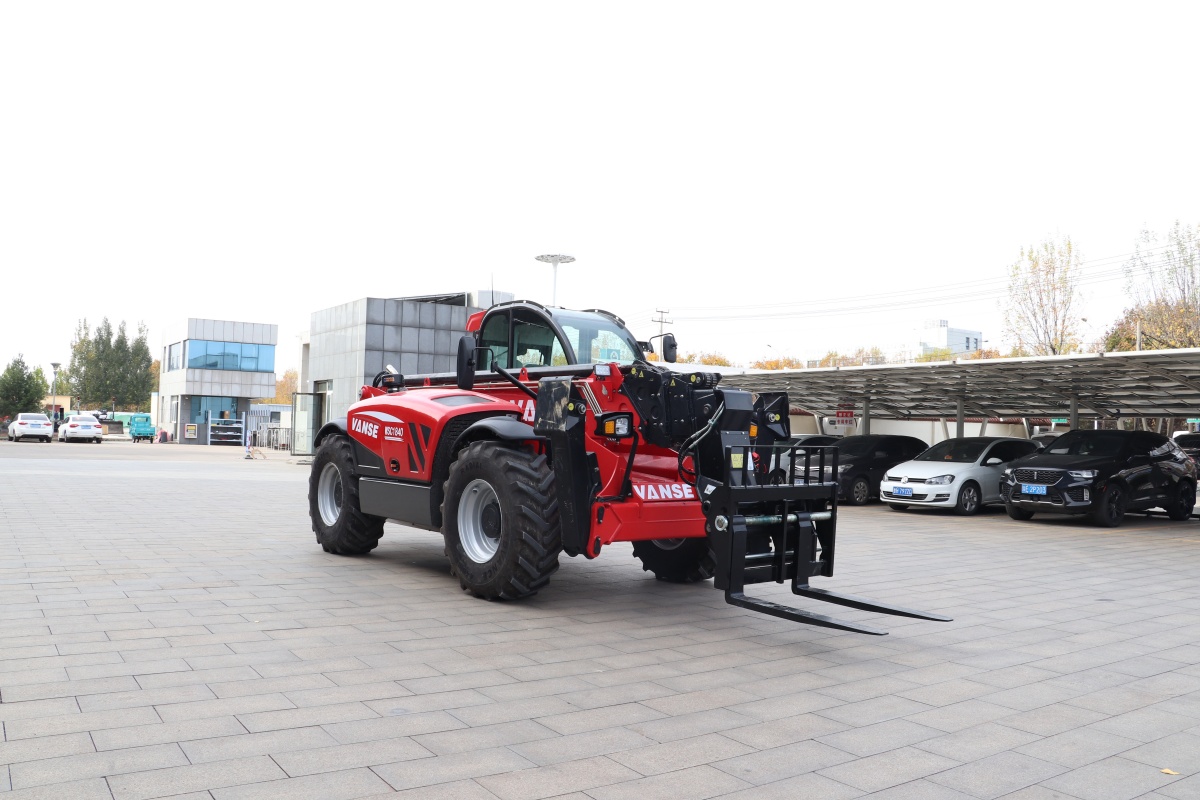
As a telehandler-focused manufacturer already serving North America, VANSE builds its material handling lineup around internationally recognized production controls rather than commodity shortcuts: the company operates under CE and ISO 9001 certified processes, uses globally known core components such as Perkins and Cummins engines alongside premium hydraulic systems, transmissions, and axles, and load-tests every unit through rigorous safety inspection and performance validation before shipment. That manufacturing discipline is backed by more than a decade of specialization, a cumulative output exceeding 8,000 machines, and exports to over 40 countries, which gives American buyers hard evidence of repeatable production quality and real field experience. For the United States market, VANSE works through flexible cooperation models that fit end users, rental fleets, distributors, dealers, brand owners, and individual buyers alike, including wholesale supply, retail-ready equipment packages, OEM and ODM customization, regional dealership partnerships, and specification tailoring for local applications. The company is also expanding its physical commitment to the US market through a planned US-based subsidiary, local inventory and stocking arrangements, and stronger localized after-sales capability, complementing online technical support, pre-sale consultation, and offline service coordination so buyers are not treated like distant export accounts. Buyers comparing machines can review available equipment, learn more about the manufacturer, check lifecycle assistance through the company’s service support, or discuss a local sourcing plan through the contact channel.
Case studies and real-world procurement scenarios
A general contractor in Texas handling a distribution center build may choose a 5 ton telehandler because it needs one machine to unload curtain wall materials, move palletized roofing supplies, and support steel subcontractors without bringing in multiple specialized units. In that case, the best supplier is often the one with strong local field service around Houston, Dallas, or San Antonio and quick access to fork carriages, truss booms, and replacement hoses.
A masonry contractor in Florida may prioritize a machine with smooth hydraulics, enclosed cab comfort, and good cooling performance in hot, humid conditions. Local service from Orlando, Tampa, Jacksonville, or Miami becomes critical, especially during concrete block and pallet handling seasons when downtime delays multiple crews.
A Midwest equipment rental company might evaluate a more price-competitive international machine if it can obtain a specification close to domestic brands while preserving acceptable service readiness, operator simplicity, and warranty clarity. That buyer is less focused on brand prestige and more focused on return on capital, utilization rate, and whether the supplier supports parts planning before peak season.
An agricultural operation in California’s Central Valley or in parts of Nebraska and Iowa may use a 5 ton class telehandler for feed, seed, bulk bag handling, and seasonal stacking, but still want a construction-grade frame because some tasks involve rough yards and mixed attachment use. Here, the decision turns on duty cycle, engine support, and attachment versatility.
How to evaluate local support in the United States
Local support is not just about having a logo on a map. Serious buyers should ask where parts are stocked, how emergency parts are shipped, whether field technicians are trained on the specific model, and how software, electrical, or hydraulic troubleshooting is handled. A supplier with remote documentation but no structured service process may struggle under real fleet conditions. Buyers in large logistics corridors such as Atlanta, Chicago, Dallas-Fort Worth, Southern California, and the I-95 corridor should expect more than generic warranty language.
Good support in the United States usually includes pre-delivery inspection, operator familiarization, scheduled maintenance guidance, documented parts lists, lead-time transparency, and direct escalation contacts when a machine is down. For imported equipment, local commitment is especially important because the buyer must know who owns the problem after delivery.
Trend shift through 2026
By 2026, the telehandler market in the United States is likely to move toward better safety integration, lower idle fuel use, improved telematics, attachment-specific controls, and more formalized lifecycle support. Public infrastructure funding, warehouse automation support work, and stricter site safety expectations will continue to favor machines with stronger documentation and smarter operating systems.
The area chart illustrates the changing share of buyer attention moving from simple lift specifications toward connected, efficient, and support-ready machines. This is consistent with broader American fleet management trends.
Key 2026 trends include telematics for maintenance planning and geofencing, operator assistance features such as load monitoring and camera visibility, increased interest in lower-emission engines and fuel efficiency, more rigorous safety documentation for insurance and compliance review, and procurement policies that reward suppliers with domestic stock and faster after-sales response. Sustainability will matter more as project owners track emissions and idle reduction on major jobs. Policy pressure around fleet efficiency and reporting may also encourage contractors to replace older machines sooner than expected.
Practical buying advice for contractors, rental fleets, and dealers
Contractors should start with the job tasks and crew habits, not the brand list. Rental fleets should prioritize standardized controls, attachment durability, and field-service simplicity. Dealers and distributors should look beyond invoice cost to aftermarket margin, technical training, and how quickly the supplier can support a regional network. Buyers interested in importing or private-label strategies should insist on documented manufacturing standards, visible test procedures, parts planning, and a clear service pathway in the United States.
It is also wise to compare whether the machine can be configured for climate, tire type, cab expectations, attachment use, and transport routines common in your state. A telehandler for Arizona or west Texas may be optimized differently from one working in the Northeast or Pacific Northwest.
Frequently asked questions
What is the main advantage of a 5 ton telehandler on a large site?
The main advantage is versatility. A 5 ton telehandler can unload trucks, move palletized materials, lift to upper levels, and support multiple trades with one machine, which reduces equipment congestion and improves site flow.
How much lift height should I look for in this class?
Many buyers in this segment look for roughly 44 to 56 feet, but the correct answer depends on your building height, reach needs, and attachment choice. Always review the load chart at the actual working point.
Are imported telehandlers a realistic option in the United States?
Yes, if the supplier can prove internationally recognized manufacturing standards, uses globally supported components, offers clear documentation, and has a credible support structure for the American market. Price alone should never be the deciding factor.
Which industries in the United States use these machines most?
Commercial construction leads, followed by infrastructure, industrial maintenance, agriculture, energy, ports, and yard logistics. Demand is strongest where rough terrain handling and high reach are both required.
Should I buy or rent a 5 ton telehandler?
Buy if utilization is high, attachments are specific to your workflow, and you can support maintenance planning. Rent if project duration is short, fleet needs vary, or you want maximum flexibility across multiple jobs.
What attachments matter most?
Standard forks are essential, but buckets, truss booms, lifting hooks, jibs, work platforms, and specialty carriages often determine the real return on investment. Choose attachments based on your most frequent tasks.
Why do local service and parts matter so much?
Because downtime on a telehandler can halt several crews at once. Strong local support lowers repair delays, simplifies maintenance planning, and protects project schedules.
What should I ask a supplier before signing?
Ask for the rated load chart with your intended attachment, exact engine and hydraulic component details, warranty coverage, spare parts plan, service response method, delivery terms, and operator support after commissioning.
Final takeaway
For large lifting projects in the United States, the right 5 ton telehandler is the one that matches your actual lift envelope, site terrain, attachment plan, and service expectations. JLG, Genie, JCB, Bobcat, Caterpillar-linked dealer channels, and SkyTrak remain dependable benchmarks for local availability and familiarity. At the same time, experienced international suppliers with documented certifications, premium component sourcing, customization capability, and growing US service infrastructure can deliver compelling value when procurement is handled carefully. Buyers who compare total ownership cost, local support readiness, and real application fit will make the strongest decision.
Complete Telescopic Handler Equipment Portfolio
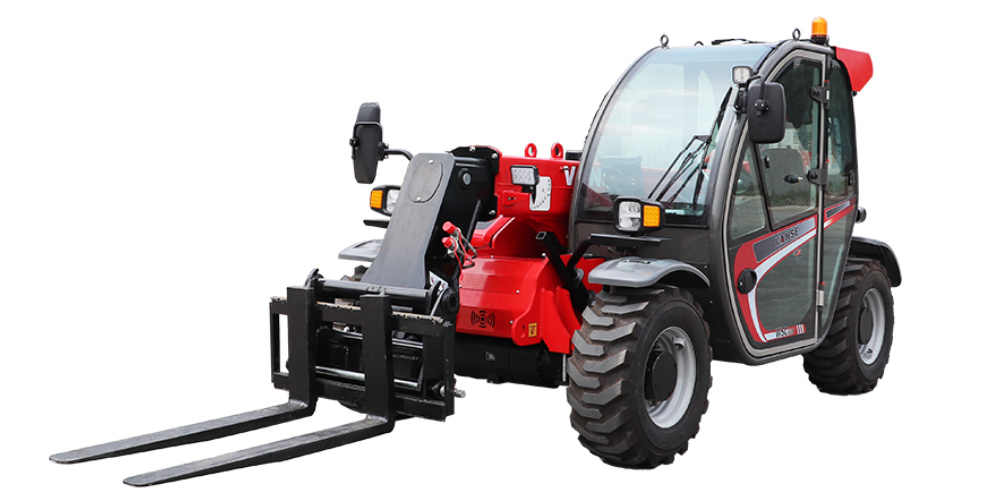
VANSE 625 6m Telescopic Handler
Designed for efficient material handling and stacking in warehouses, factories, and confined job sites, offering compact maneuverability and reliable performance.

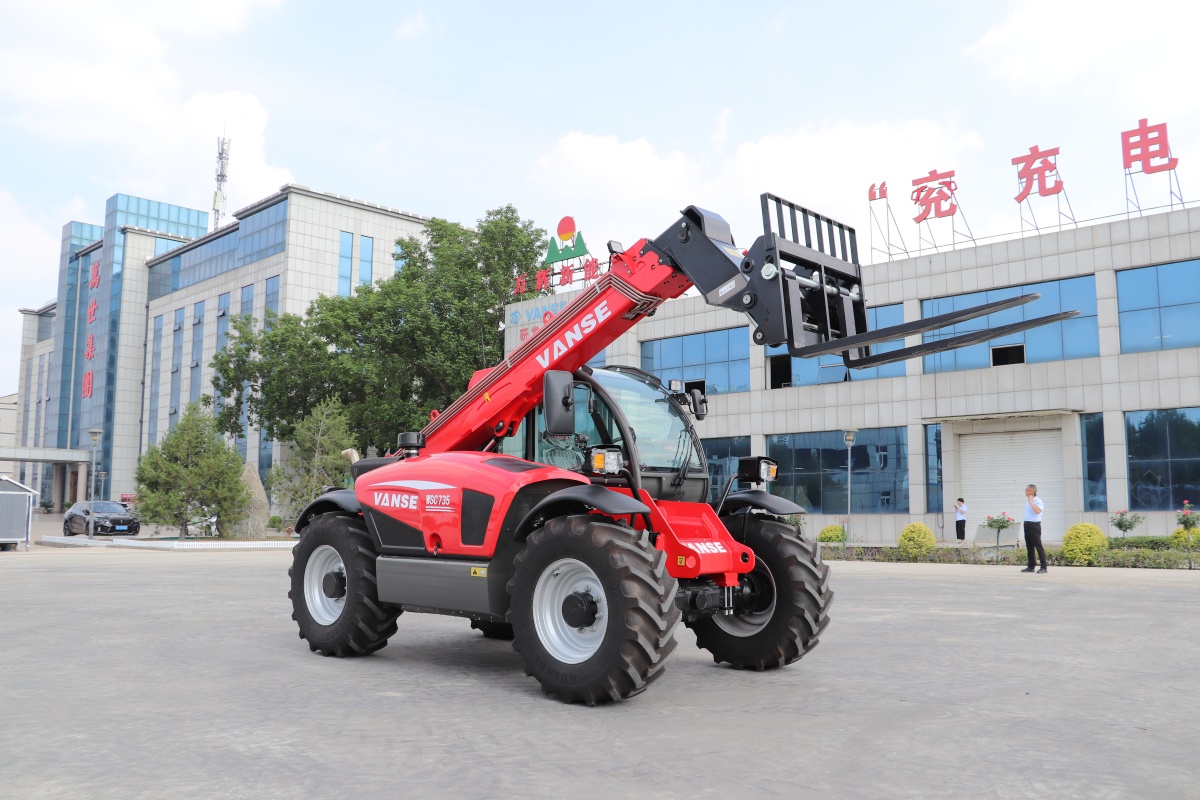
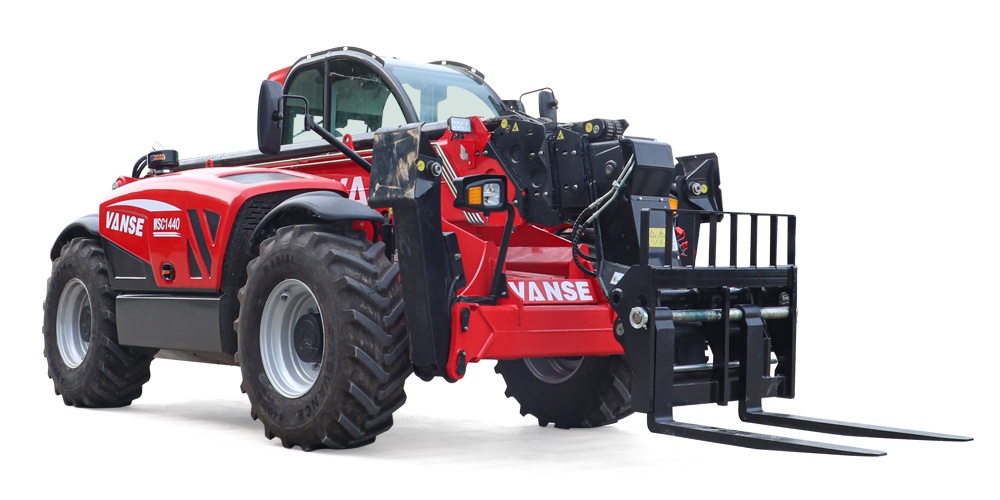
VANSE 735 7m Telescopic Handler
A balanced mid-duty solution for construction, agriculture, logistics, and warehousing, combining stable lifting, strong traction, and everyday versatility.


About the Author:
The VANSE team is a group of experienced professionals specializing in construction machinery research, manufacturing, and technical support. With deep industry knowledge and hands-on experience, our engineers and product specialists share practical insights on equipment selection, operation, maintenance, and industry trends.
Share
You May Also Interest
-

24 July, 2026
Telehandler for Landscaping: Outdoor Project Efficiency
Explore telehandler landscaping options in the United States, including suppliers, applications, costs, and buying advice for efficient outdoor projects.
-
23 July, 2026
6 Meter Telehandler: Ideal Mid-Rise Lift for All Sites
Explore 6 meter telehandler options in the United States, including top suppliers, key specs, applications, pricing factors, and buying tips for local buyers.
-
22 July, 2026
7 Meter Telehandler: Versatile Reach for Any Work Site
Find the right 7 meter telehandler for United States projects with supplier comparisons, use cases, pricing guidance, and local service insights.
-
21 July, 2026
Telehandler Operator Training: Certification Guide 2026
Telehandler operator training in the United States for 2026: certification steps, OSHA compliance, costs, providers, and practical buying guidance.