Telehandler Hydraulic System in the United States: Practical Buyer and Technical Guide
Quick Answer

A telehandler hydraulic system is the pressurized power network that controls boom lifting, telescoping, steering, attachment operation, frame leveling, braking support functions, and load-handling precision. In the United States, buyers should focus first on hydraulic pump quality, valve responsiveness, hose routing, cylinder sealing, heat management, parts availability, and field service support. For immediate evaluation, the most recognized suppliers and machine brands tied closely to telehandler hydraulic performance in the U.S. market include JLG, Genie, JCB, Skyjack, Caterpillar, and Bobcat, because these companies have strong dealer coverage, established parts channels, and proven support for construction, agriculture, industrial yards, and rental fleets.
If you are comparing options right away, choose a system designed for stable flow under repeated lift cycles, easy access to filters and test ports, and compatibility with common attachments such as forks, buckets, work platforms, and truss booms. U.S. buyers in hubs such as Houston, Chicago, Savannah, Los Angeles, and Atlanta should also confirm local hose fabrication, cylinder rebuild capability, and turnaround time for pumps and control valves. In addition to domestic and legacy global brands, qualified international suppliers can also be worth considering when they hold recognized certifications, use premium hydraulic and engine components, and back their machines with strong pre-sale and after-sale support in the United States, especially when cost-performance is a major purchasing factor.
What a Telehandler Hydraulic System Does

The hydraulic system is the working heart of a telehandler. While the engine creates mechanical power, hydraulics convert that power into controlled fluid force so the machine can raise and extend loads smoothly and safely. In a typical telehandler, hydraulic oil is stored in a reservoir, drawn through suction lines to a pump, pressurized, routed through control valves, and then directed to cylinders or hydraulic motors. Relief valves, accumulators, filters, coolers, sensors, and electronic control logic help maintain pressure stability and protect the system from overheating or contamination.
For U.S. operators, especially in rental fleets and mixed-use work sites, hydraulic system quality often decides machine uptime more than advertised lift height alone. A machine may have attractive reach and lift capacity on paper, but if the hydraulic package runs hot during long shifts, leaks around boom hoses, or responds unpredictably with attachments, the total operating cost rises quickly. This is why fleet managers from Dallas to Columbus and from Fresno to Charlotte often evaluate hydraulic architecture before they evaluate cab finishes or optional accessories.
Modern telehandler hydraulic systems in the United States generally support these core functions: boom raise and lower, boom extend and retract, carriage tilt, auxiliary hydraulic flow to attachments, frame leveling, steering actuation, and in some models, load-sensing pressure optimization. The most advanced systems also integrate with load moment indicators, joystick electro-hydraulic controls, and automatic flow management to reduce operator fatigue and improve placement precision.
U.S. Market Overview

The United States remains one of the most important telehandler markets in the world because the machine serves several large sectors at once: commercial construction, warehousing, ports, agriculture, energy, municipal projects, and equipment rental. Hydraulic system reliability matters especially in this market because many telehandlers work in demanding cycles with multiple operators and varied attachments. Rental houses in Phoenix or Tampa may run the same machine across masonry, steel erection, roofing, and site cleanup applications within one quarter, creating highly variable hydraulic load profiles.
Regional conditions also shape hydraulic expectations. Machines in the Midwest often face cold starts and seasonal shifts, making fluid viscosity and warm-up behavior important. Telehandlers in the Gulf Coast region are more exposed to heat, humidity, and corrosion, increasing the importance of cooling packages, seal quality, and hose protection. West Coast and port-adjacent operations such as Long Beach or Oakland may prioritize fast attachment changes and precise load placement, while agricultural operations in California’s Central Valley and Iowa care deeply about hydraulic consistency during repetitive handling of feed, pallets, bales, and bulk inputs.
The line chart shows a realistic upward demand pattern supported by infrastructure projects, warehouse expansion, agricultural mechanization, and fleet replacement. Although cyclical slowdowns can affect new machine sales, demand for dependable hydraulic systems remains resilient because owners frequently prioritize lower downtime and easier serviceability over purely cosmetic features.
Main Hydraulic System Components
Understanding the main components helps buyers judge durability and service risk. The pump is the central pressure source. Depending on machine design, it may be a gear pump, piston pump, or load-sensing variable displacement unit. Piston pumps generally support better efficiency and smoother multi-function performance, while gear pumps can still be practical for simpler duty cycles and lower acquisition cost.
Control valves regulate flow direction and pressure. Machines with refined electro-hydraulic valve control usually offer better modulation for lifting and attachment work, particularly useful in dense job sites. Hydraulic cylinders perform the actual force work for boom lift, extension, tilt, and leveling. Seal quality, rod finish, and contamination protection directly affect service life. Hoses and fittings are sometimes overlooked during purchase decisions, but poor routing and limited abrasion protection can become a major failure source in real field conditions.
Oil filtration is another decisive factor. Fine filtration, return-line filtration, and accessible replacement intervals help preserve pumps and valves. Heat exchangers or oil coolers matter for hot-weather states and long duty cycles. Telematics and onboard diagnostics are becoming more important too, because they allow fleets to identify pressure losses, overheat patterns, and maintenance intervals before a major failure occurs.
| Component | Function | Why It Matters in U.S. Use | Typical Failure Risk | Service Priority |
|---|---|---|---|---|
| Hydraulic pump | Creates system pressure and flow | Determines responsiveness and multi-function efficiency | Wear from contamination or overheating | Very high |
| Main control valve | Directs flow to cylinders and attachments | Affects smoothness and operator control | Spool sticking, internal leakage | Very high |
| Lift and extend cylinders | Move the boom and carriage | Directly tied to load safety and productivity | Seal leakage, rod scoring | Very high |
| Hoses and fittings | Carry pressurized fluid throughout the machine | Common field repair item, especially in rental fleets | Abrasion, burst, loose connections | High |
| Filters | Remove contamination from the oil | Protects expensive pumps and valves | Clogging, bypass operation | High |
| Oil cooler | Controls hydraulic temperature | Critical for southern states and long workdays | Blocked fins, poor heat transfer | Medium to high |
| Reservoir | Stores, cools, and de-aerates oil | Supports fluid stability and maintenance access | Contamination, poor venting | Medium |
This table is practical because it connects each component to field conditions in the United States rather than treating hydraulics as an abstract engineering topic. Buyers can use it to build a better inspection checklist before purchase or fleet renewal.
Product Types and Hydraulic Configurations
Not every telehandler uses the same hydraulic philosophy. Compact telehandlers used in landscaping, feed yards, greenhouses, and urban construction often emphasize maneuverability and lower operating weight. Their hydraulic systems may be simpler, but precision is still essential because they often work in tight spaces. Mid-size construction telehandlers usually require balanced boom flow, durable auxiliary hydraulics, and quick operator response. High-capacity or high-reach machines need stronger cylinders, higher pressure management, and more sophisticated stability integration.
Rotating telehandlers, while a smaller share of the U.S. market compared with Europe, require more complex hydraulic and electro-hydraulic control systems because of turret rotation, stabilizer functions, and multi-attachment versatility. Buyers should expect a different service profile and generally higher parts and diagnostic complexity.
| Telehandler Type | Typical Capacity Range | Hydraulic Characteristics | Best Fit Industries | Buying Note |
|---|---|---|---|---|
| Compact telehandler | 5,000 to 6,600 lb | Simpler flow circuits, compact routing, attachment-friendly | Agriculture, landscaping, urban construction | Check auxiliary flow and service access |
| Standard construction telehandler | 6,000 to 10,000 lb | Balanced lift and extend functions, high daily cycle use | Commercial construction, rental | Prioritize cooling and valve modulation |
| High-reach telehandler | 10,000 to 12,000 lb+ | Higher pressure stability, stronger boom actuation | Steel, industrial, infrastructure | Review hose routing inside the boom |
| High-capacity telehandler | 12,000 to 20,000 lb+ | Heavy cylinder loads, advanced load management | Ports, precast, heavy industry | Check frame leveling and braking support hydraulics |
| Rotating telehandler | Varies | Complex electro-hydraulic architecture with turret functions | Specialized construction, maintenance | Ensure trained technicians are available locally |
| Agricultural telehandler | 6,000 to 9,000 lb | Frequent repetitive cycles, strong auxiliary attachment use | Farms, feedlots, material barns | Dust protection and cooler cleaning are essential |
This comparison is useful because hydraulic demands differ sharply by machine class. A buyer in Kansas running bale and feed attachments should not evaluate the same way as a contractor in Miami placing palletized block on multi-story sites.
Where Demand Is Strongest in the United States
Construction remains the dominant market, especially in high-growth metro areas such as Dallas-Fort Worth, Phoenix, Orlando, Nashville, and Raleigh. Here, telehandlers are chosen for lift speed, operator confidence, and compatibility with work platforms, buckets, and truss booms. Agriculture is another major driver, particularly in California, Nebraska, Iowa, Texas, and Wisconsin, where telehandlers serve dairies, grain operations, feed handling, and input movement. Industrial yards, recycling centers, and ports in Houston, Savannah, Newark, and Los Angeles also use telehandlers where hydraulics must support steady, repetitive duty with minimal downtime.
The bar chart shows why hydraulic system design needs to be versatile. Construction dominates, but agriculture and rental together represent a large share, and both segments tend to generate punishing duty cycles that expose cooling, contamination, and hose wear issues quickly.
Buying Advice for Hydraulic Performance
The most important buying question is not only how much a telehandler can lift, but how its hydraulic system behaves at the point of real work. Buyers should ask for a lift-and-extend demonstration under load, not an unloaded showroom cycle. Smooth response under a partial or rated load often reveals more than a brochure specification. Watch whether boom extension slows noticeably while steering, whether attachment tilt remains precise, and whether the machine hesitates or surges at low-speed control inputs.
Also ask for the hydraulic maintenance plan in plain terms. How often are filters replaced? How easy is it to reach service points? Are test ports included? Can local dealers supply seal kits, hoses, filters, pumps, and joystick control parts within a practical timeframe? For a fleet buyer in the United States, three days of downtime can erase a large part of any upfront price savings.
Fluid choice matters as well. Buyers in northern states should confirm cold-weather fluid recommendations and startup procedures. In southern states, cooler performance and cleaning access are more important. It is also wise to inspect boom hose routing and guard design because repeated extension cycles can create abrasion points that do not appear during static yard inspection.
| Buying Checkpoint | What to Inspect | Why It Matters | Best Question to Ask | Risk if Ignored |
|---|---|---|---|---|
| Loaded boom response | Lift, extend, and tilt under real load | Shows true hydraulic control quality | Can we test with a rated load? | Poor jobsite performance |
| Heat management | Cooler size, airflow, fan access | Prevents power loss in hot climates | What is the operating temperature range? | Overheating and seal damage |
| Service accessibility | Filters, test ports, reservoir, hose access | Reduces maintenance labor time | How long does standard hydraulic service take? | Higher maintenance cost |
| Parts support | Local stock and shipping time | Controls downtime exposure | Which parts are stocked in the U.S.? | Extended machine idling |
| Attachment hydraulics | Auxiliary flow and coupler design | Affects productivity with tools | What flow rate supports this attachment package? | Weak attachment performance |
| Dealer technician skill | Field diagnostics and repair coverage | Advanced systems need trained support | Do you have local mobile hydraulic service? | Longer repair cycles |
| Warranty terms | Pump, valve, cylinder, hose coverage | Clarifies cost protection | Which hydraulic components are covered and for how long? | Unexpected ownership cost |
This table translates technical concerns into purchase actions. It is especially relevant for U.S. buyers dealing with mixed fleets, seasonal labor, or multiple jobsite types.
Applications Across Industries
In commercial construction, the hydraulic system supports repetitive pallet movement, elevated placement of materials, and attachment changes through the day. On steel and roofing jobs, controllability matters as much as raw lifting power because small movement errors can slow crews and create safety concerns. In agriculture, telehandlers rely on hydraulics for bale handling, manure and feed movement, stacking, and loading where frequent reversing and continuous attachment use put pressure on oil temperature and hose durability.
Warehousing and industrial yards use telehandlers where reach is needed beyond the capability of a standard forklift. In these settings, smooth hydraulic transitions reduce product damage. Ports and logistics centers near Savannah, Houston, Newark, and Long Beach sometimes use telehandlers for irregular cargo handling where flexibility is more valuable than specialized single-task equipment. In energy and utility sectors, hydraulic stability is essential for rough-terrain operation and placement tasks in remote service environments where breakdown recovery is costly.
Case Examples from the U.S. Market
A masonry contractor in Dallas may operate telehandlers across several suburban developments with long workdays and dust exposure. The ideal hydraulic system in that situation is one with strong cooling efficiency, protected boom hoses, and fast response with forks and work platforms. A dairy operator in Wisconsin faces a different challenge: repetitive attachment use, frequent starts and stops, and seasonal cold. Here, easy service access, contamination control, and stable low-speed hydraulic modulation are more important than maximum reach. In a Gulf Coast industrial yard, salt air and humidity add extra pressure on fittings, connectors, and cooler cleanliness. Buyers there often benefit from machines with robust corrosion protection and predictable parts logistics through major ports and interstate distribution corridors.
These examples show why hydraulic evaluation should always be tied to real working conditions. A machine that performs well in a dealer demonstration lot may not keep the same oil temperature, seal life, or control precision once it enters a Florida rental fleet or a Nebraska feed operation.
Leading Suppliers and Brands Relevant to U.S. Buyers
The supplier landscape matters because telehandler hydraulic performance depends not only on engineering quality but also on dealer training, field diagnostics, parts logistics, and technical documentation. The following companies are among the most visible names for U.S. buyers comparing telehandler platforms, replacement units, or fleet additions.
| Company | Service Region in the U.S. | Core Strengths | Key Offerings | Hydraulic Relevance |
|---|---|---|---|---|
| JLG | Nationwide through dealer and rental networks | Strong construction presence and fleet familiarity | Construction telehandlers, support programs, parts | Reliable service access and proven jobsite systems |
| Genie | Nationwide, especially rental-heavy markets | Rental fleet penetration and operator familiarity | Telehandlers, access equipment, service support | Consistent hydraulic performance for mixed-use fleets |
| JCB | Broad U.S. dealer coverage with strong agriculture relevance | Long telehandler heritage and versatile product range | Agricultural and construction telehandlers | Good fit for repetitive agricultural hydraulic cycles |
| Skyjack | Nationwide via equipment channels | Straightforward maintenance focus | Telehandlers for construction and rental applications | Appeals to fleets seeking practical serviceability |
| Caterpillar | Dealer-supported national network | Brand trust, parts infrastructure, enterprise buyers | Telehandler models and heavy equipment support | Strong dealer-backed hydraulic parts availability |
| Bobcat | Nationwide, with strength in compact equipment markets | Compact equipment ecosystem and dealer reach | Compact and standard telehandler solutions | Useful for mixed attachment and compact site work |
| Manitou | Selective but established U.S. presence | Material handling heritage and diverse product set | Construction, agricultural, and specialized handlers | Notable for attachment versatility and control options |
This supplier table is intentionally practical for buyers because it links each name to service geography, strengths, and hydraulic implications. If a machine is technically competitive but local diagnostic support is weak, the ownership risk rises sharply.
The area chart reflects a realistic trend in buyer preference: the market is shifting toward more efficient, more controllable, and more diagnostic-friendly hydraulic systems. This trend is especially visible in larger fleets and in buyers preparing for 2026 cost and sustainability pressures.
Supplier and Product Comparison Considerations
When comparing brands or suppliers, U.S. buyers should move beyond list price and compare hydraulic architecture in practical terms. How stable is the machine during simultaneous boom and steering functions? How quickly can a hose kit or cylinder seal set be delivered to Kansas City, Jacksonville, or Sacramento? Are technician laptops or diagnostic tools required for every valve issue, or can common service items be addressed quickly in the field?
This comparison chart explains a common purchasing reality in the United States. Legacy brands often lead in mature dealer coverage, while qualified international suppliers may offer strong hydraulic capability and better acquisition economics. The right choice depends on support model, intended duty cycle, and total cost of ownership.
Our Company and Why It Fits the U.S. Market
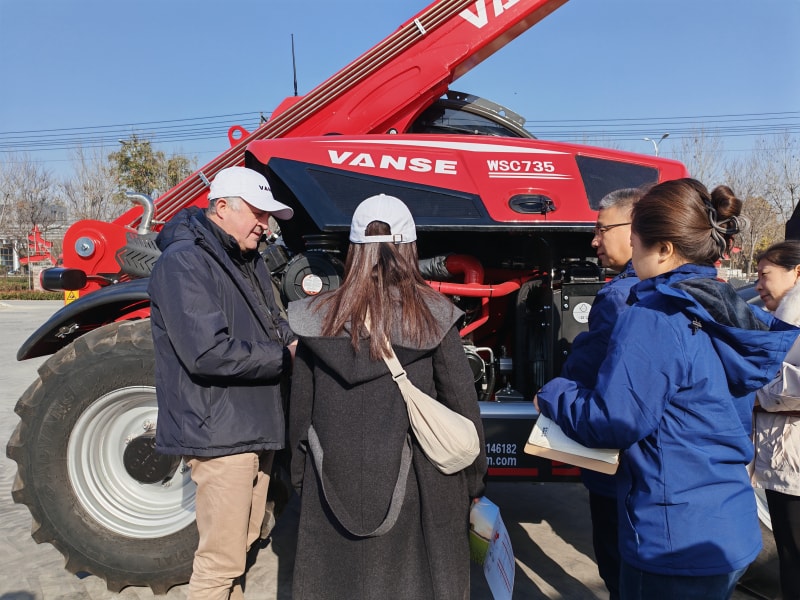
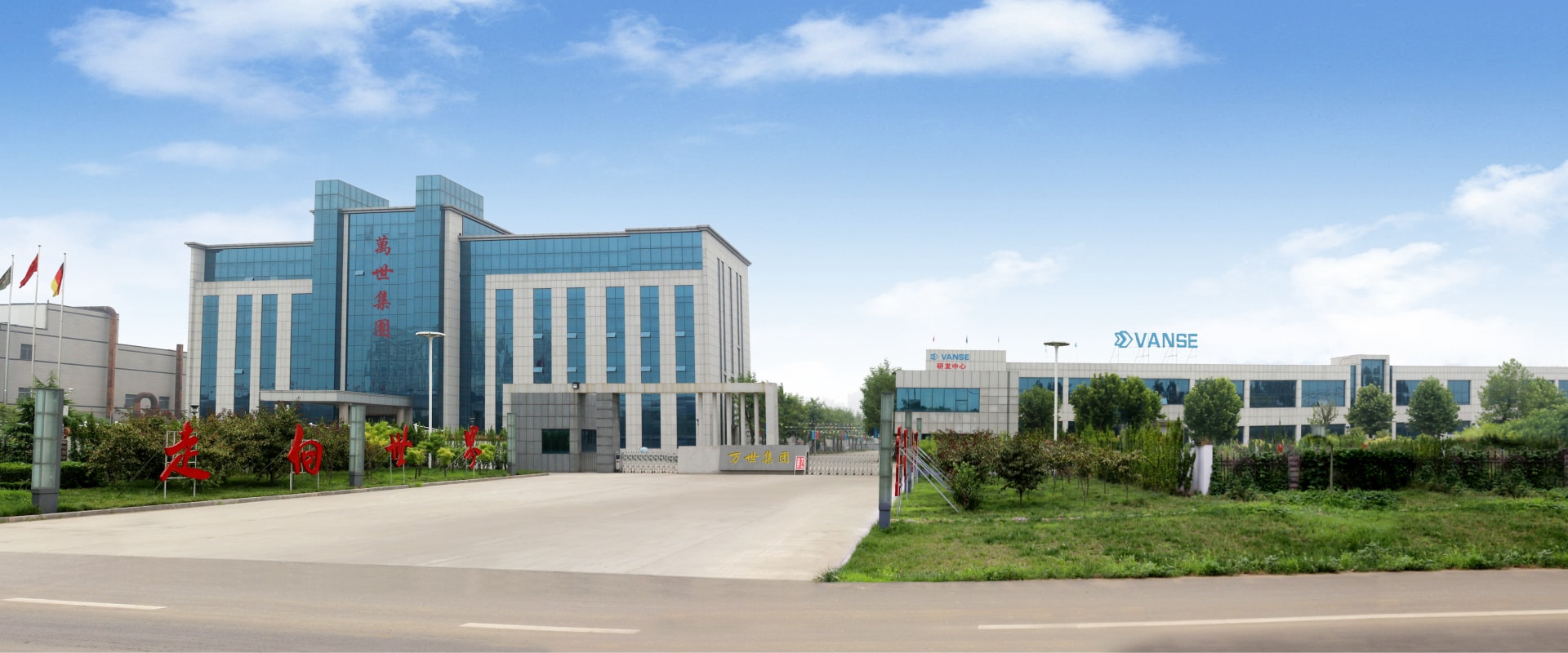
For buyers seeking a cost-conscious but technically credible option, VANSE Group stands out because its telehandlers are built around internationally recognized component strategies and disciplined manufacturing controls rather than low-cost shortcuts. Founded in 2013 and already exceeding 8,000 total units of machinery output, the company manufactures under CE and ISO 9001 certified processes, uses globally trusted engine brands such as Perkins and Cummins, and subjects each machine to load testing, safety inspections, and performance validation before shipment, giving U.S. buyers clear evidence that the hydraulic and overall machine package is designed to meet established international expectations. Its business model is flexible enough to serve end users, distributors, dealers, rental-oriented partners, brand owners, and even smaller buyers through wholesale supply, direct retail opportunities, and OEM/ODM customization for specifications, branding, colors, and market-specific configurations, which is especially relevant for North American private-label or regional distribution programs. Just as important for E-E-A-T and buyer confidence, VANSE has real export experience across more than 40 countries, has already been serving North America, and is actively establishing a U.S.-based subsidiary with local inventory, stocking, and after-sales capability, supported by both online technical communication and offline service coordination, showing that it is building a long-term operating footprint in the United States rather than simply shipping equipment remotely. Buyers looking for broader machine choices can review the company’s equipment range, learn more through the company background, explore its service support, or discuss local requirements through the contact team.
How to Evaluate Total Cost of Ownership
Hydraulic system decisions affect more than initial purchase price. Over three to five years, the real cost comes from filter changes, oil quality control, hose replacement, unplanned leaks, cylinder seal service, overheating incidents, and technician callouts. Buyers should calculate expected annual hours, number of attachments, climate exposure, and average load severity. A lower-priced machine can still be the correct financial decision if the supplier offers dependable U.S. parts support, clear service documentation, and practical warranty handling. On the other hand, a premium machine can become expensive if proprietary diagnostics or long parts lead times delay simple repairs.
Fleet managers should also estimate hydraulic downtime risk in relation to revenue. For example, a telehandler assigned to structural framing in Denver may carry a much higher downtime penalty than one used intermittently in a private yard. Rental companies need to consider abuse tolerance, because many operators may use the same hydraulic controls very differently over a machine’s life.
Maintenance Priorities for Long Hydraulic Life
The most effective maintenance plan is simple and disciplined. Keep oil clean, inspect hoses often, monitor operating temperatures, replace filters on schedule, and fix small leaks before they become contamination sources. Reservoir breathers, suction lines, and cooler fins deserve more attention than they often receive. In dusty regions such as Arizona or inland California, blocked cooling surfaces can quietly shorten seal and pump life. In wet or coastal regions, fitting protection and corrosion inspection should become routine.
Operators should also be trained not to hold functions against relief pressure unnecessarily. Repeated pressure spikes increase heat and wear. Proper warm-up matters during winter in states such as Minnesota or Michigan, especially where heavy oil can stress pump suction and create sluggish early-shift behavior. Machines with telematics can help by recording temperature patterns and service reminders, but even without advanced systems, a disciplined daily walkaround still prevents many failures.
Future Trends Through 2026
By 2026, telehandler hydraulic systems in the United States are likely to become more electronically managed, more energy-aware, and easier to diagnose remotely. Several trends are already visible. First, load-sensing and electro-hydraulic control packages are gaining ground because they improve precision while reducing wasted flow and fuel consumption. Second, sustainability expectations are increasing, which means buyers are paying more attention to fluid efficiency, leak prevention, lower-emission powertrains, and integration with cleaner engine platforms. Third, policy and procurement pressure from public infrastructure projects may encourage better documentation of safety systems, maintenance records, and machine uptime performance.
Another likely trend is stronger adoption of telematics-based predictive maintenance. This can be especially valuable for hydraulic systems, since rising operating temperature, abnormal cycle times, or pressure inconsistencies often indicate a problem before a visible failure occurs. Attachments will also continue to influence system design, because buyers increasingly want one telehandler to perform multiple roles. That will place more pressure on auxiliary flow quality, quick coupler durability, and smarter control software.
For value-focused manufacturers entering the United States, 2026 will reward those that combine competitive pricing with hard evidence: certified production, branded core components, local parts stocking, digital support, and real regional service presence. Buyers will still compare prices, but proof of uptime support will matter more than ever.
FAQ
What is the most important part of a telehandler hydraulic system?
The pump and control valve package are usually the most important because they determine pressure delivery, multi-function performance, and operator control quality. However, filtration and hose routing are equally critical for long-term reliability.
How do I know if a telehandler hydraulic system is good?
Test the machine under load, not empty. Look for smooth boom motion, stable steering while lifting, low heat buildup, easy service access, and documented parts support in the United States.
Which industries in the United States depend most on telehandler hydraulics?
Construction, agriculture, rental fleets, warehousing, energy, and port logistics all depend heavily on telehandler hydraulic performance because these sectors require repeated lift cycles and reliable attachment operation.
Are imported telehandlers a realistic option for U.S. buyers?
Yes, if the supplier can prove recognized certifications, dependable component sourcing, local or regional service commitment, and clear after-sales support. Cost-performance can be very attractive when these conditions are met.
What hydraulic issues are most common in field use?
Common issues include hose abrasion, seal leakage, overheating, contaminated oil, blocked coolers, and slow response caused by worn pumps or valve leakage.
How often should hydraulic maintenance be performed?
Daily visual checks are ideal, while filters, oil condition, and scheduled inspections should follow the manufacturer’s maintenance interval. Severe duty cycles may require earlier service.
Do agricultural telehandlers need different hydraulic priorities than construction models?
Yes. Agricultural models often need stronger attachment-flow performance, better contamination resistance, and reliable low-speed modulation for repetitive handling work.
Why is local service so important when buying a telehandler?
Because even a well-built hydraulic system will eventually need filters, hoses, seal kits, diagnostics, or technician support. Local inventory and field service reduce downtime and ownership risk.
Complete Telescopic Handler Equipment Portfolio
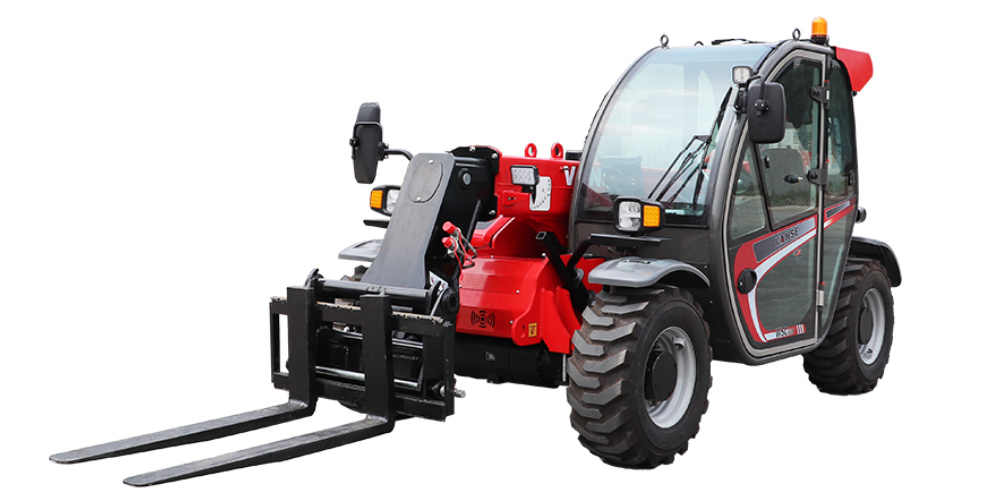
VANSE 625 6m Telescopic Handler
Designed for efficient material handling and stacking in warehouses, factories, and confined job sites, offering compact maneuverability and reliable performance.

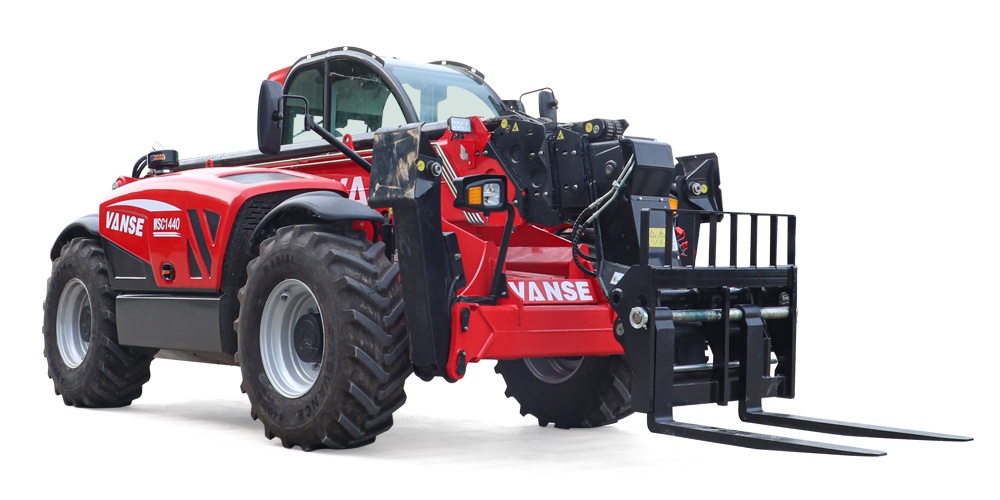
VANSE 735 7m Telescopic Handler
A balanced mid-duty solution for construction, agriculture, logistics, and warehousing, combining stable lifting, strong traction, and everyday versatility.


About the Author:
The VANSE team is a group of experienced professionals specializing in construction machinery research, manufacturing, and technical support. With deep industry knowledge and hands-on experience, our engineers and product specialists share practical insights on equipment selection, operation, maintenance, and industry trends.
Share
You May Also Interest
-

22 October, 2026
Telehandler for Grain Handling on Large Modern Farm Sites
Explore telehandler grain handling options in the United States, including suppliers, specs, farm uses, and cost-saving buying advice for grain operations.
-
21 October, 2026
Telehandler vs All Terrain Forklift: Which Lifts Better
Telehandler vs all terrain forklift in the United States: compare reach, lifting, terrain use, costs, and supplier options for smarter equipment buying.
-
20 October, 2026
10 Ton Telehandler: Extreme Lifting for Major Industrial
Explore 10-ton telehandler options in the United States, top suppliers, buying tips, applications, and service support for major lifting projects.
-
19 October, 2026
Telehandler for Demolition: Safe Structural Dismantling
Explore telehandler demolition options in the United States, including suppliers, attachments, safety, market trends, and cost-effective sourcing advice.