Telehandler Hydraulic Problems in the United States
Quick Answer

Telehandler hydraulic problems in the United States usually come down to five root causes: contaminated hydraulic oil, clogged filters, hose or seal leaks, overheating, and worn pumps or control valves. For crews that need a fast response, the most practical first steps are to check oil level and condition, inspect visible leaks around cylinders and hoses, measure system pressure, replace overdue filters, and confirm whether the issue appears during boom lift, steering, auxiliary flow, or frame leveling. In many U.S. jobsites, local support from JLG, Genie, JCB, SkyTrak, Manitou, and Bobcat dealer networks is often the quickest path for parts and diagnostics, especially in construction hubs such as Houston, Dallas, Atlanta, Chicago, Los Angeles, and inland logistics corridors near Savannah and Long Beach.
If the machine hesitates, chatters, loses lifting force, drifts while holding a load, or runs hot, stop using it at full capacity until pressure and flow are verified. A telehandler with unstable hydraulic performance can create load handling and safety risks long before a complete breakdown occurs. For buyers reviewing fleet replacement options, qualified international suppliers can also be worth considering when they carry recognized certifications, use global core components, and back the machine with dependable pre-sales and after-sales service in the United States. In practice, cost-performance can be attractive when a supplier combines strong technical documentation, parts support, and local market commitment.
Why Hydraulic Issues Matter in the U.S. Market

Hydraulics are the working core of a telehandler. The boom raise and lower function, carriage tilt, attachment operation, steering assist, stabilizers, and in many models frame leveling all depend on stable hydraulic pressure and controlled oil flow. Across the United States, telehandlers are used on commercial construction projects in Phoenix, highway packages in Texas, port-related warehousing around New Jersey and Long Beach, agriculture in California and the Midwest, and industrial maintenance work across the Gulf Coast. In each of these environments, hydraulic reliability directly affects productivity, rental utilization, and safety compliance.
American contractors and rental fleets often operate telehandlers under harsh duty cycles: dusty sites, long idle periods, cold winter starts in the Midwest, hot summer loads in Arizona and Florida, and frequent attachment changes. Those conditions accelerate contamination, create thermal stress, and expose weak seals or hoses. That is why hydraulic troubleshooting is not just a repair topic; it is a fleet management issue tied to cost per operating hour, machine availability, and jobsite risk.
Common Signs of Telehandler Hydraulic Trouble

Most hydraulic failures begin with small symptoms. Operators may notice the boom lifting more slowly than normal, jerky response at low engine speed, a whining sound from the pump, delayed steering feedback, or oil foaming in the tank. Maintenance teams may see damp hose connections, seepage around cylinder glands, filter bypass warnings, or rising oil temperatures after repeated lifting cycles. These signs usually appear before a complete component failure.
In the field, the most important rule is to define the problem by function. If only the boom lift is weak, the issue may be different from a machine where all functions are slow. A single weak circuit can indicate a control valve, hose restriction, cylinder leakage, or load-holding problem. A machine with weak performance across all circuits points more often to fluid condition, pump wear, suction leaks, or a relief setting problem.
Main Causes of Telehandler Hydraulic Problems
| Problem Source | Typical Symptom | Likely Cause | Field Impact | Immediate Check | Recommended Action |
|---|---|---|---|---|---|
| Contaminated oil | Slow or erratic function | Dust, water, metal particles in fluid | Valve wear and poor control | Inspect oil color and sample | Flush system and replace filters |
| Low hydraulic oil | Cavitation noise, weak lift | Leak or poor maintenance interval | Pump damage and unstable movement | Check sight glass or dipstick | Refill with correct spec oil and inspect leak points |
| Clogged filters | Restricted flow and overheating | Overdue service or contamination load | Reduced productivity | Review service indicator | Replace filters and inspect return line debris |
| Worn pump | All functions weak | Internal wear and pressure loss | Loss of lifting performance | Pressure and flow test | Rebuild or replace pump |
| Leaking cylinder seals | Boom drift under load | Seal wear or scored barrel | Unsafe load holding | Monitor hold test | Seal kit or cylinder rebuild |
| Valve or relief issue | One circuit weak or unstable | Sticking spool or bad setting | Poor control precision | Check pressure at circuit | Calibrate, repair, or replace valve |
| Overheating | Performance drops after warm-up | Cooler blockage, low oil, bypass issue | Seal damage and oil breakdown | Measure temperature and cooler airflow | Clean cooler and correct root cause |
This table shows the most common failure patterns seen by U.S. mechanics and rental service teams. The value of this approach is practical: instead of replacing parts by guesswork, crews can connect the symptom to a likely hydraulic path and test faster.
Practical Troubleshooting Process for Crew Leaders and Mechanics
A disciplined troubleshooting process saves both downtime and parts cost. Start with operator feedback. Ask whether the issue appears when the machine is cold, under load, at high engine rpm, or only with one attachment. Then perform a visual walk-around. Check cylinder rods for scoring, hoses for rubbing or blistering, fittings for fresh oil, and the tank area for signs of foaming or aeration. Inspect the hydraulic cooler, since blocked cooling fins are common on dusty U.S. jobsites.
After the visual inspection, confirm service history. If the oil and filters are overdue, change them before deeper diagnostics when contamination is likely. Then move to instrumented testing: suction vacuum, pump flow, system pressure, and individual circuit pressure where possible. A telehandler hydraulic issue cannot be diagnosed accurately by sound alone. Many problems that seem like “a weak pump” actually come from suction leaks, stuck relief valves, or internal cylinder bypass.
For rental fleets, tagging the machine out when it shows boom drift or inconsistent load response is a good risk-management practice. This is especially important when the unit is working on elevated framing, precast installation, roofing material placement, or industrial shutdown jobs where load stability matters more than travel speed.
Hydraulic Problem Patterns by Application
| Application | Common Hydraulic Stress | Typical Failure Pattern | U.S. Work Setting | Preventive Measure | Service Priority |
|---|---|---|---|---|---|
| Commercial construction | Frequent boom cycling | Seal wear and heat buildup | Dallas, Atlanta, Denver | Shorter fluid inspection intervals | High |
| Agriculture | Dust and seasonal storage | Contaminated oil and hose aging | California Central Valley, Iowa | Pre-season hose and filter checks | High |
| Rental fleets | Variable operators | Abuse-related overheating and leaks | Nationwide branches | Return inspection checklist | Very high |
| Warehousing and ports | Attachment use and repetitive motion | Valve wear and thermal loading | Savannah, Long Beach, Newark | Monitor cooler cleanliness | Medium |
| Oil and gas support | Heavy loads and long idle time | Pump wear and pressure instability | Houston, Midland | Pressure testing during PM | Very high |
| Industrial maintenance | Precision placement tasks | Cylinder drift and poor control | Chicago, Gulf Coast plants | Load-hold valve inspection | High |
The table makes one point clear: hydraulic problems are not identical across industries. The same telehandler model can behave very differently in a dusty almond farm, a tight urban construction site, or a petrochemical turnaround. Maintenance planning should match duty cycle, not just calendar hours.
Market View: Service Demand for Hydraulic Repairs in the United States
The U.S. telehandler market remains closely tied to construction spending, rental fleet renewal, agriculture mechanization, and infrastructure work. As fleets age and machine utilization rises, demand for hydraulic service also grows. Pressure testing, seal replacement, hose kits, and mobile service visits are increasingly important revenue lines for dealers and independent equipment workshops. Ports such as Houston, Savannah, Long Beach, and Norfolk matter because imported machines and replacement parts frequently move through these trade hubs, affecting lead times for both OEM and aftermarket hydraulic components.
This line chart reflects a realistic upward trend in hydraulic service demand as mixed-age fleets remain active in construction and agriculture. Growth is not only driven by new machine sales; it is also driven by repair and refurbishment cycles as owners stretch service life.
Industry Demand for Telehandler Use
Hydraulic reliability priorities shift by industry. Construction and rental fleets usually represent the highest service demand because these machines log varied operator hours and high boom-cycle frequency. Agriculture remains a major buyer and repair segment, especially where attachments and material handling tasks change by season. Warehousing, ports, manufacturing, and energy support each add a smaller but stable demand profile.
This bar chart helps explain why hydraulic troubleshooting knowledge is especially valuable to construction and rental operators. Those segments see the highest hours, the greatest operator variation, and the fastest penalty when a machine goes down mid-project.
Trend Shift in U.S. Buyer Priorities
Beyond repair itself, U.S. buyers are changing how they evaluate telehandlers. They increasingly look for easier diagnostic access, better service documentation, lower parts lead times, telematics, and strong dealer or regional parts support. That shift affects both domestic and international brands trying to win market share.
The area chart illustrates how serviceability, support coverage, and hydraulic reliability are becoming more influential in buying decisions. This matters for fleet managers comparing purchase price against lifetime operating risk.
Product Types and Their Hydraulic Complexity
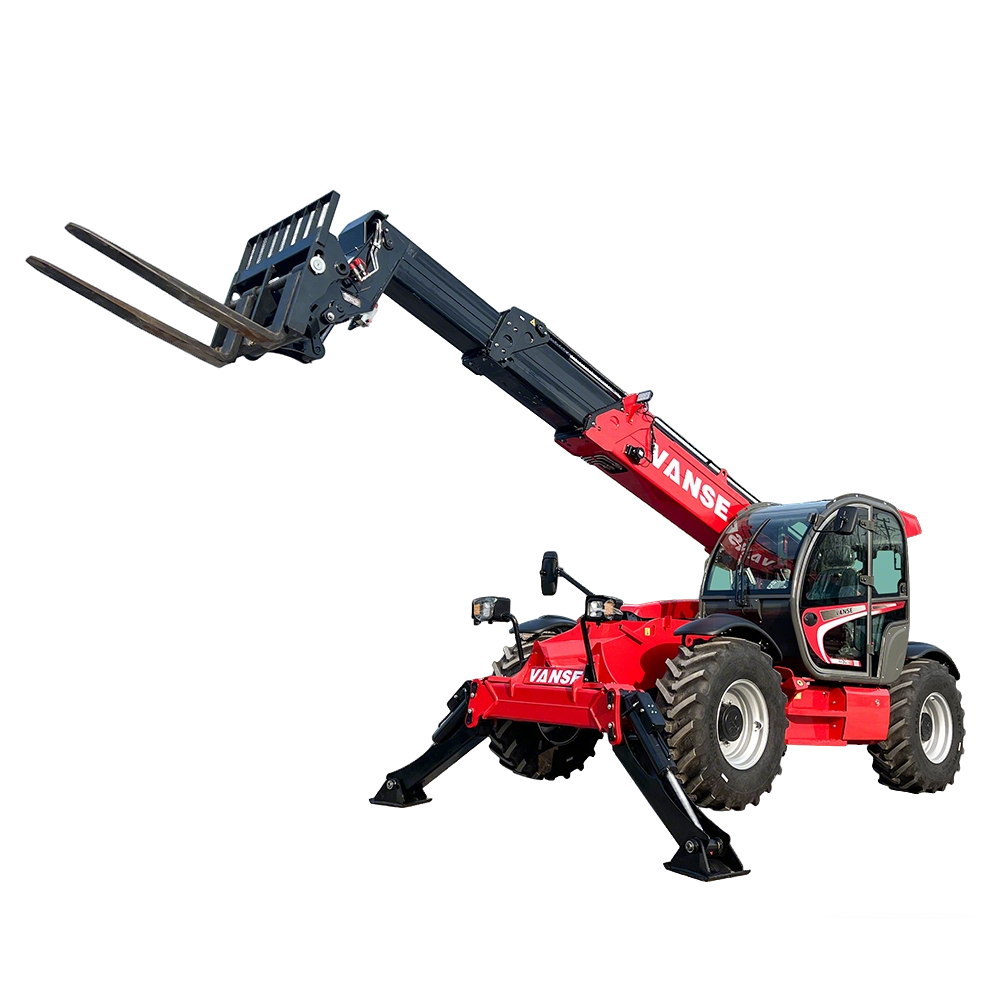
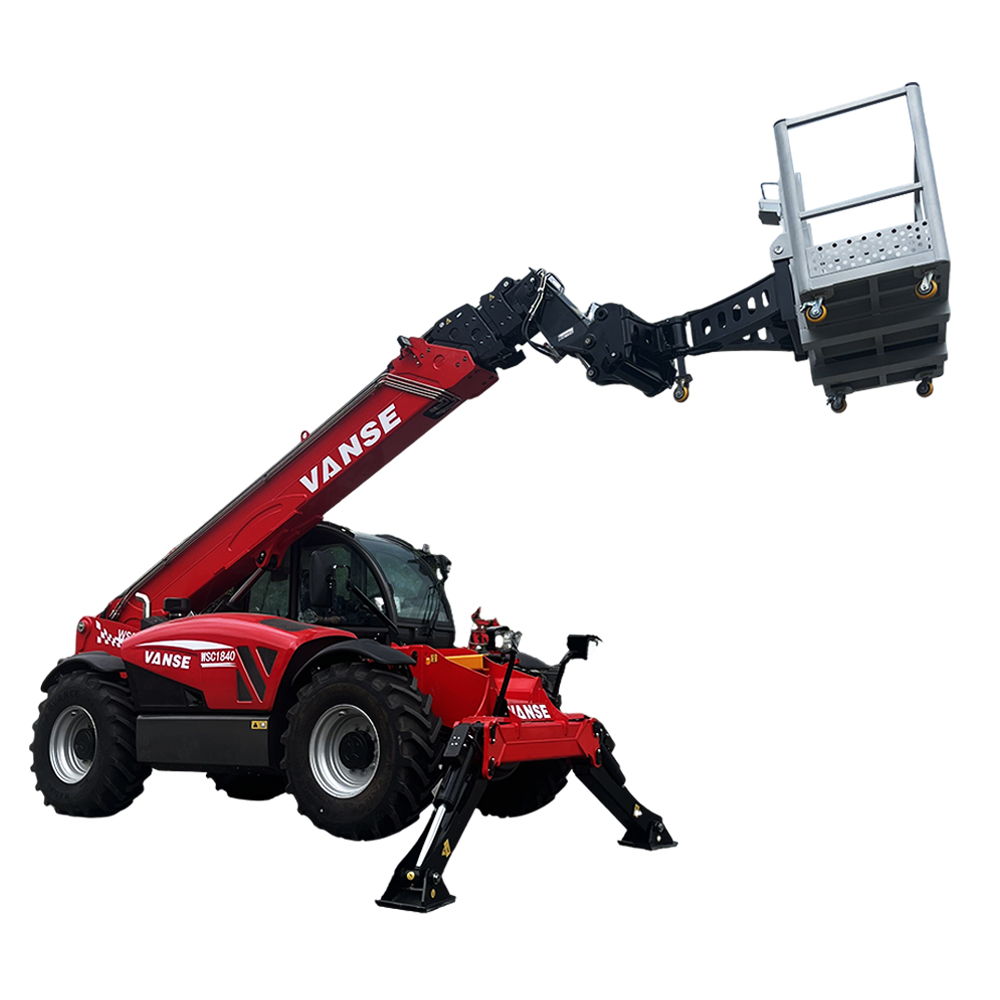
Not every telehandler has the same hydraulic profile. Compact telehandlers used in urban projects or livestock operations may have lower flow and simpler circuits, but they still depend on clean oil and accurate valve response. Mid-size construction models often add frame leveling, outriggers, and more demanding auxiliary circuits. Rotating telehandlers introduce another level of hydraulic and electro-hydraulic complexity, which raises diagnostic requirements and the value of dealer support.
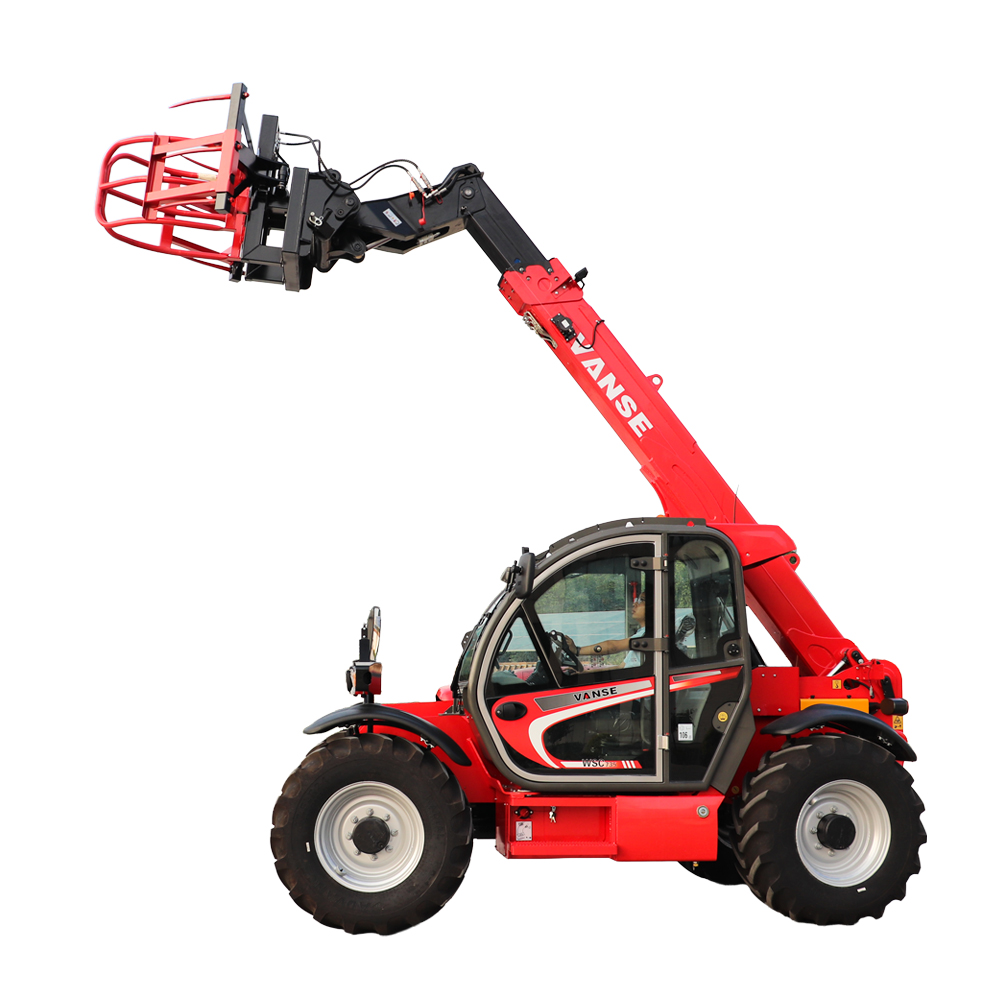
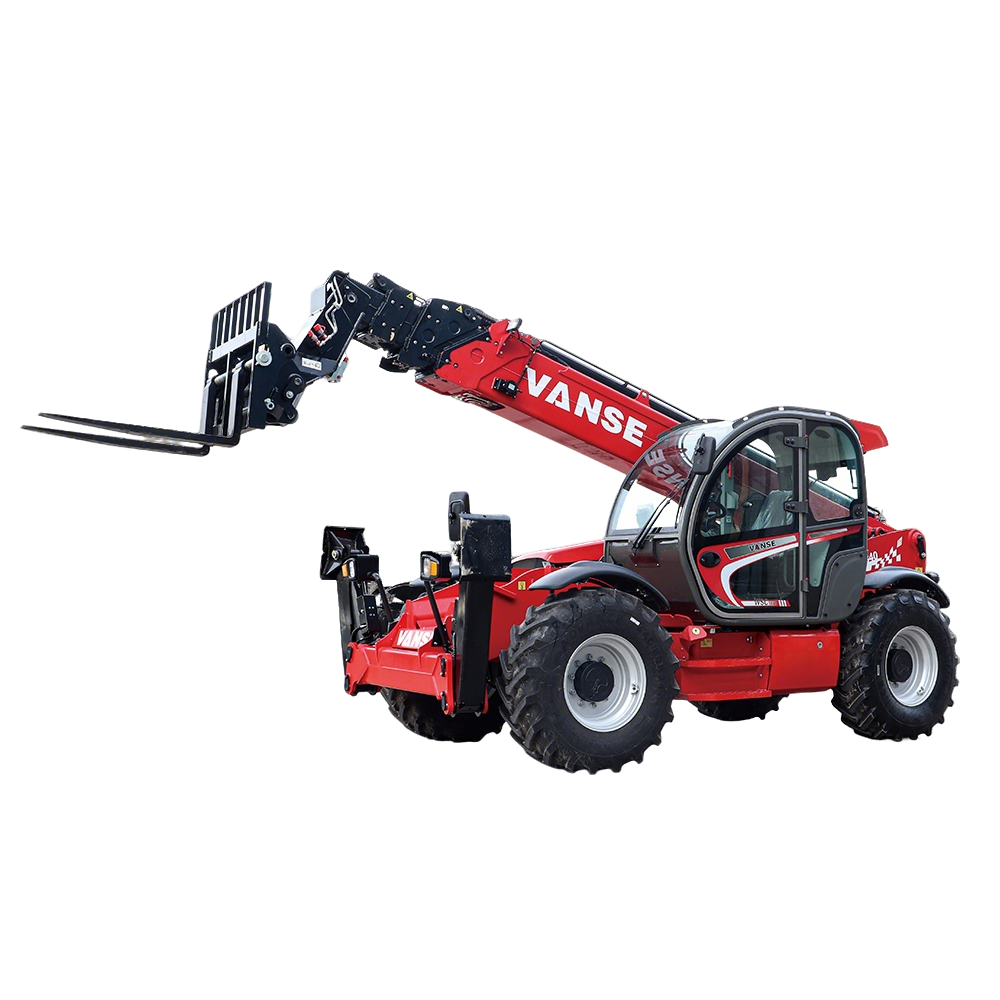
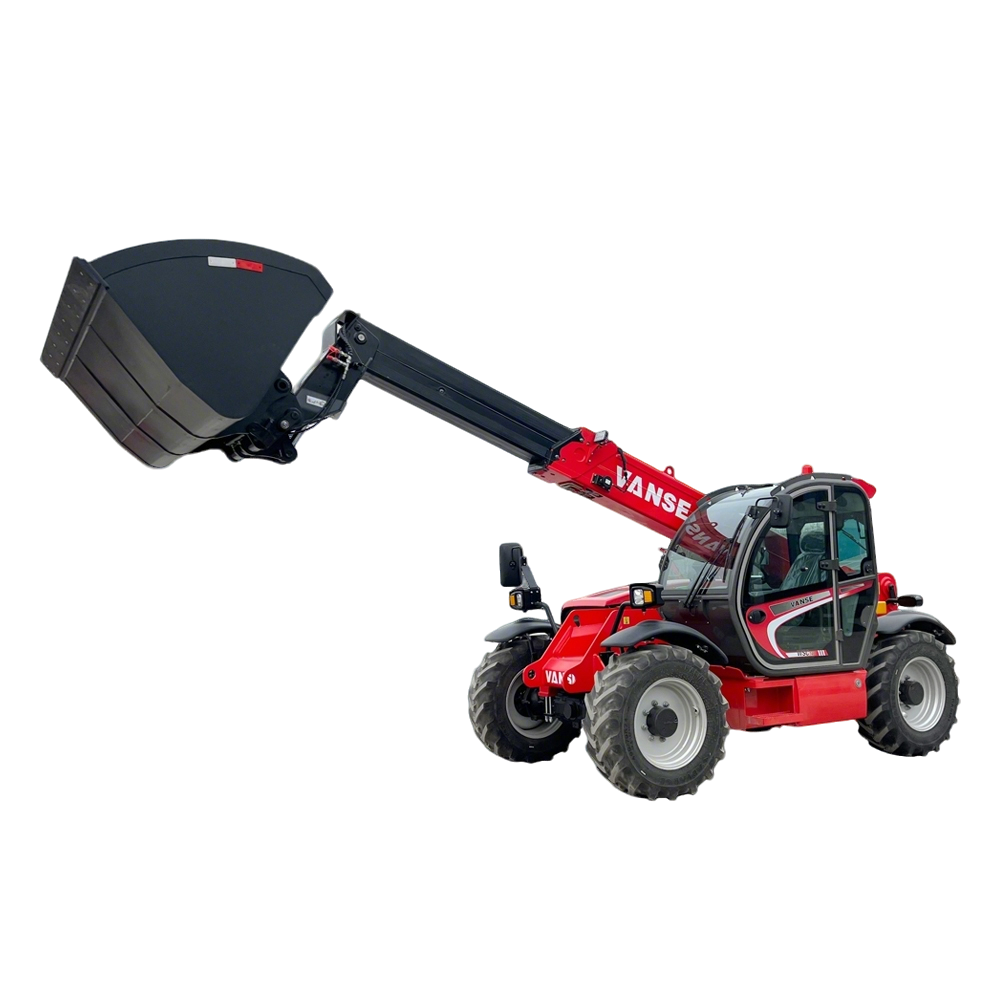
Attachment use also changes hydraulic loading. Buckets, forks, truss booms, work platforms, bale grabs, and sweepers each place different demands on auxiliary flow, holding stability, and hose management. A machine that works well with forks may expose hydraulic weaknesses once a high-flow attachment or frequent tilt function is introduced. Buyers should evaluate hydraulic system capacity and support availability together, not separately.
Buying Advice for U.S. Fleets and End Users
| Buying Factor | Why It Matters | What to Ask | Best Choice for U.S. Buyers | Risk if Ignored | Practical Tip |
|---|---|---|---|---|---|
| Hydraulic component brand | Impacts reliability and parts sourcing | Which pumps, valves, seals, and hoses are used? | Recognized global component supply | Long downtime and uneven quality | Request parts list before purchase |
| Service documentation | Speeds troubleshooting | Are pressure specs and hydraulic schematics provided? | Full technical manual set | Guesswork repairs | Review manuals during procurement |
| Parts availability | Shortens repair cycle | Where are filters, hoses, and seal kits stocked? | U.S. or regional stock points | Extended machine downtime | Confirm lead times in writing |
| Dealer or service reach | Supports field repairs | Who handles diagnostics in Texas or California? | Named local service contacts | No support after delivery | Test response time before purchase |
| Warranty scope | Reduces ownership risk | Does it cover hydraulic pump and cylinder defects? | Clear written terms | Unexpected repair cost | Review exclusions carefully |
| OEM/ODM flexibility | Helps dealers and fleet programs | Can specs or branding be localized? | Flexible factory partner | Poor fit for market needs | Match machine setup to end use |
This table is especially useful for U.S. distributors, rental companies, and contractors evaluating non-traditional suppliers. The lowest price rarely wins over the full ownership cycle if hydraulic diagnostics, filter kits, and warranty channels are weak.
Industries and Applications Where Hydraulic Reliability Is Critical
In building construction, crews rely on telehandlers for block, lumber, steel, drywall, and palletized material placement. Hydraulic instability on these sites can delay cranes, framers, and concrete teams at the same time. In agriculture, telehandlers support feed handling, bale movement, seed and fertilizer loading, and barn maintenance, where contamination risk is high because of dust, chaff, and seasonal storage. In manufacturing and industrial facilities, controlled hydraulic motion matters for precise load placement and attachment use inside tighter work areas.
Port and warehouse operations in areas such as Savannah, Long Beach, and Newark also demand predictable hydraulic response because telehandlers may work around trailers, stacked materials, and loading zones with little room for correction. In energy and oilfield support around Houston and Midland, the cost of hydraulic downtime can multiply quickly because equipment often supports larger project sequences and specialized material handling work.
Local Suppliers and Service Networks in the United States
For many U.S. buyers, hydraulic support quality depends as much on the service network as on the machine itself. The companies below are widely recognized names in the U.S. telehandler market or have meaningful presence through dealer channels. Availability can vary by state, but these brands are frequently considered by contractors, rental fleets, and agricultural users.
| Company | Service Region | Core Strengths | Key Offerings | Hydraulic Support Advantage | Typical Buyer Type |
|---|---|---|---|---|---|
| JLG Industries | Nationwide United States | Large installed base and dealer coverage | Construction and industrial telehandlers | Strong parts network and technical documentation | Rental fleets, contractors |
| Genie | Nationwide United States | Well-known access equipment support structure | Telehandlers for construction and rental | Dealer-driven diagnostics and parts support | Rental companies, general contractors |
| JCB | Strong presence in South, Midwest, and East | Broad telehandler lineup and brand recognition | Agriculture and construction models | Established dealer service and training | Farms, dealers, contractors |
| SkyTrak | Broad U.S. coverage | Common choice in rental and construction fleets | Straight boom telehandlers | Familiar platform for technicians | Rental fleets, jobsite users |
| Manitou | Nationwide with dealer distribution | Material handling expertise and varied models | Construction, agriculture, rotating telehandlers | Good fit for specialized applications | Agriculture, industrial users |
| Bobcat | Strong dealer footprint nationwide | Compact equipment dealer access | Telehandlers and attachments | Convenient support in many local markets | Small contractors, mixed fleets |
| CAT dealers carrying telehandlers | Regional dealer-based support | Local service trust and fleet integration | Material handling solutions through dealer channels | Strong service discipline in many territories | Enterprise buyers, infrastructure contractors |
The main practical difference among these suppliers is not just machine specification. It is the depth of local field service, training, stocked parts, and technician familiarity with common hydraulic failure modes. Buyers in large metro and logistics regions usually have better response times than remote customers, so regional support mapping should be part of procurement.
Supplier and Product Comparison
This comparison chart is not a factory performance ranking. It is a practical service-oriented view based on how U.S. buyers often weigh dealer reach, parts access, and hydraulic support familiarity when choosing among established suppliers.
Case Studies from U.S. Operating Conditions
In Houston, a contractor running multiple telehandlers on a commercial concrete package reported recurring slow boom response during high heat. The root cause was not pump failure, as first suspected, but cooler blockage combined with aging oil that had lost viscosity control. After cooler cleaning, oil replacement, and revised inspection intervals, boom speed stabilized and afternoon downtime dropped significantly.
In California agriculture, a farm telehandler showed intermittent steering lag and weak attachment performance after winter storage. Inspection revealed moisture contamination and filter loading from condensation and seasonal inactivity. A full fluid service, tank cleaning, and hose inspection corrected the issue before peak harvest support began.
At a rental branch serving Chicago-area sites, a returned telehandler displayed boom drift under pallet loads. Pressure and hold testing traced the fault to cylinder sealing wear rather than control misuse. Because the branch had a standardized test procedure and common seal kits in inventory, repair turnaround stayed short and the machine returned to fleet use within planned maintenance time.
Near the Port of Savannah, a logistics operation using telehandlers for yard material handling experienced repeated hose damage due to routing wear around an attachment-heavy duty cycle. By revising hose protection and adding stricter visual checks at shift change, the operator reduced leak events and improved uptime during seasonal volume spikes.
Our Company
VANSE Group brings a practical option for U.S. buyers who want telehandlers with competitive acquisition cost without stepping down on critical specifications. Founded in 2013 and headquartered in Jining, the company has produced more than 8,000 machines and serves customers in over 40 countries, including North America. Its telehandlers are built under CE and ISO 9001 certified processes, use globally recognized power and core systems such as Perkins and Cummins engines together with premium hydraulic, transmission, and axle components, and every unit goes through load testing, safety inspection, and performance validation before shipment. For the U.S. market, VANSE supports multiple cooperation models, including OEM, ODM, wholesale supply, retail opportunities, and regional distribution partnerships, making it relevant for end users, rental fleets, distributors, dealers, brand owners, and even smaller buyers looking for tailored configurations. Just as important, the company is actively establishing a U.S.-based subsidiary with local inventory, stocking, and after-sales capability, showing a real physical commitment to the market rather than a remote export-only model. That local presence, combined with online technical support and offline service planning, gives American buyers clearer protection on parts access, maintenance response, and long-term operating confidence. Buyers can explore telehandler equipment options, learn more about the company, review available service support, or contact the team for project-specific requirements.
How to Choose Between Local and International Supply
For many U.S. customers, the choice is not simply domestic versus imported. The better question is whether the supplier can support uptime. A local brand with weak dealer coverage in your state may be less practical than an international manufacturer with documented component quality, strong manuals, spare parts planning, and a real U.S. service footprint. Buyers should compare hydraulic system specification, warranty terms, lead times for consumables, and whether technicians can get pressure settings, schematics, and troubleshooting guidance quickly.
Contractors near major freight corridors and ports often have more flexibility because parts can move faster. Buyers in inland rural regions should put extra emphasis on filter kits, hose assemblies, seal support, and direct technical contact. If an international supplier offers U.S. inventory, local service coordination, and standard components with recognized brands, the total value proposition can be strong.
Preventive Maintenance Practices That Reduce Hydraulic Failures
The lowest-cost hydraulic repair is the one avoided through routine inspection. Good maintenance starts with clean storage and proper daily checks. Operators should look for leaks, damaged hose sleeves, loose fittings, and signs of heat. Fleet managers should track filter intervals by actual operating conditions, not just ideal handbook assumptions. Dust-heavy and attachment-heavy applications deserve tighter service intervals.
Oil sampling is underused in many telehandler fleets. It can identify water contamination, wear metals, and oil breakdown before major damage appears. Keeping coolers clean is equally important, especially in summer construction seasons in Texas, Arizona, and the Southeast. Training operators to recognize the sound of cavitation, delayed response, and abnormal drift can also reduce major failures because issues are reported earlier.
Future Trends Through 2026
Looking toward 2026, telehandler hydraulic systems in the United States are likely to move toward better electronic monitoring, stronger telematics integration, and improved service visibility. Fleet managers increasingly want alerts for overheating, service intervals, and fault conditions that can be reviewed remotely. That trend should improve diagnosis speed and reduce unnecessary component replacement.
Policy and sustainability trends will also shape buying decisions. Contractors and large industrial buyers are under pressure to document equipment efficiency, reduce unplanned leaks, and maintain cleaner operating practices. Machines with better hose routing, lower-loss hydraulic architecture, and easier service access will gain attention because they support both uptime and environmental compliance. In agriculture and warehousing, lower-noise and lower-emission machine platforms may gradually pair with more efficient hydraulic designs and electrified subsystems in specific use cases.
Another important trend is localization of support. U.S. buyers are becoming less willing to accept long parts lead times or vague service commitments. Whether the supplier is domestic or international, market success will increasingly depend on physical inventory, regional technicians, and documented after-sales execution. That trend benefits companies investing in actual U.S. operations rather than just offering export quotations.
Frequently Asked Questions
What is the most common hydraulic problem on a telehandler?
Contaminated oil is one of the most common root causes because it damages pumps, valves, and seals over time. In daily operation, crews also frequently encounter leaks, clogged filters, and overheating.
How do I know if the hydraulic pump is failing?
If all machine functions are weak, the pump may be worn, but confirm with pressure and flow testing before replacement. Similar symptoms can come from suction leaks, relief valve issues, or poor oil condition.
Why does the boom drift down when carrying a load?
Boom drift often points to internal cylinder leakage, load-holding valve problems, or control valve issues. Because load retention affects safety, the machine should be inspected before returning to normal lifting work.
Can a telehandler run with low hydraulic oil for a short time?
It may still move, but it should not be operated that way. Low oil increases cavitation risk, reduces lubrication, and can quickly damage the pump and other hydraulic components.
How often should hydraulic filters be changed?
The correct interval depends on the manufacturer and duty cycle, but dusty construction, agricultural work, and high attachment usage usually justify shorter intervals than light-use conditions.
Are international telehandler suppliers a realistic option in the United States?
Yes, if they offer recognized certifications, proven components, clear technical documentation, and real U.S. pre-sales and after-sales support. For many buyers, especially fleet and dealer partners, strong cost-performance can make them worth serious consideration.
What should a U.S. buyer request before purchasing a telehandler?
Ask for hydraulic schematics, maintenance schedules, parts list details, warranty terms, service contacts in your region, and delivery commitments for filters, hoses, and seal kits.
Which sectors are most sensitive to hydraulic downtime?
Construction, rental, agriculture, oil and gas support, and industrial maintenance are all highly sensitive because boom control, lifting stability, and attachment response directly affect workflow and safety.
Final Takeaway
Telehandler hydraulic problems in the United States are manageable when crews focus on the real failure path: fluid quality, filtration, heat control, sealing integrity, and pressure verification. Buyers should evaluate machines and suppliers through the lens of uptime, parts access, and service responsiveness, not purchase price alone. Whether you work with a major domestic brand or a qualified international supplier with local support, the best result comes from combining a solid machine specification with disciplined preventive maintenance and fast diagnostic capability.
Complete Telescopic Handler Equipment Portfolio
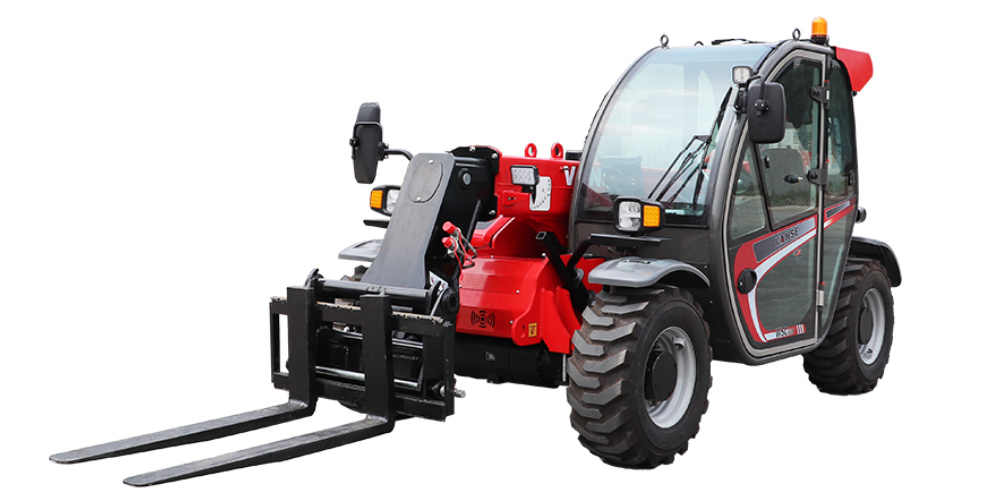
VANSE 625 6m Telescopic Handler
Designed for efficient material handling and stacking in warehouses, factories, and confined job sites, offering compact maneuverability and reliable performance.

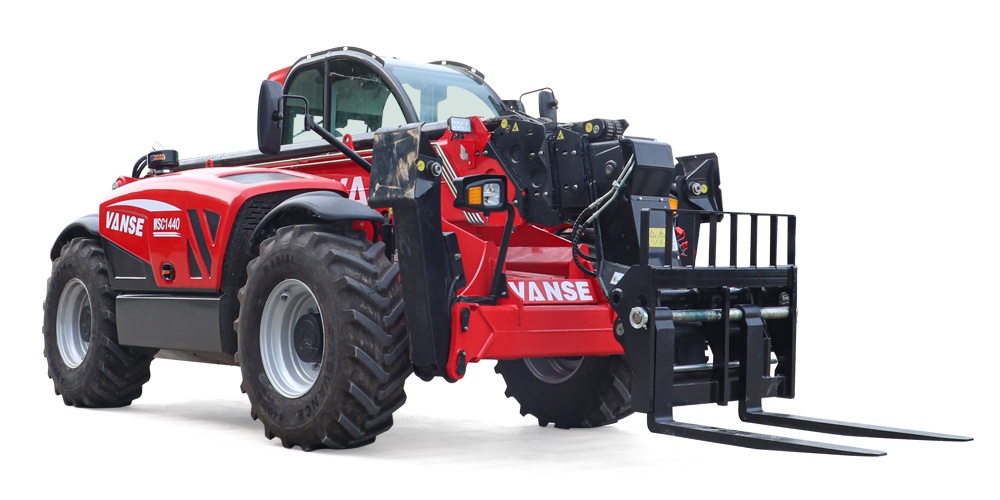
VANSE 735 7m Telescopic Handler
A balanced mid-duty solution for construction, agriculture, logistics, and warehousing, combining stable lifting, strong traction, and everyday versatility.


About the Author:
The VANSE team is a group of experienced professionals specializing in construction machinery research, manufacturing, and technical support. With deep industry knowledge and hands-on experience, our engineers and product specialists share practical insights on equipment selection, operation, maintenance, and industry trends.
Share
You May Also Interest
-

22 September, 2026
Telehandler Overheating: Common Causes and Quick Fixes
Telehandler overheating in the United States usually stems from coolant, airflow, hydraulic load, or maintenance issues. Learn quick fixes and supplier options.
-
21 September, 2026
Telehandler for Masonry: Brick and Block Lifting on Site
Explore telehandler masonry solutions in the United States, including suppliers, specs, applications, and buying advice for brick and block handling.
-
18 September, 2026
Telehandler Boom Extension: How Telescopic Arms Operate
Learn how telehandler boom extension works in the United States, compare types, suppliers, applications, and buying tips for safer, smarter lifting.
-
17 September, 2026
Telehandler for Pallet Handling: Best Forks and Methods
Learn telehandler pallet handling best practices in the United States, including fork choices, jobsite methods, buyer tips, and supplier options.