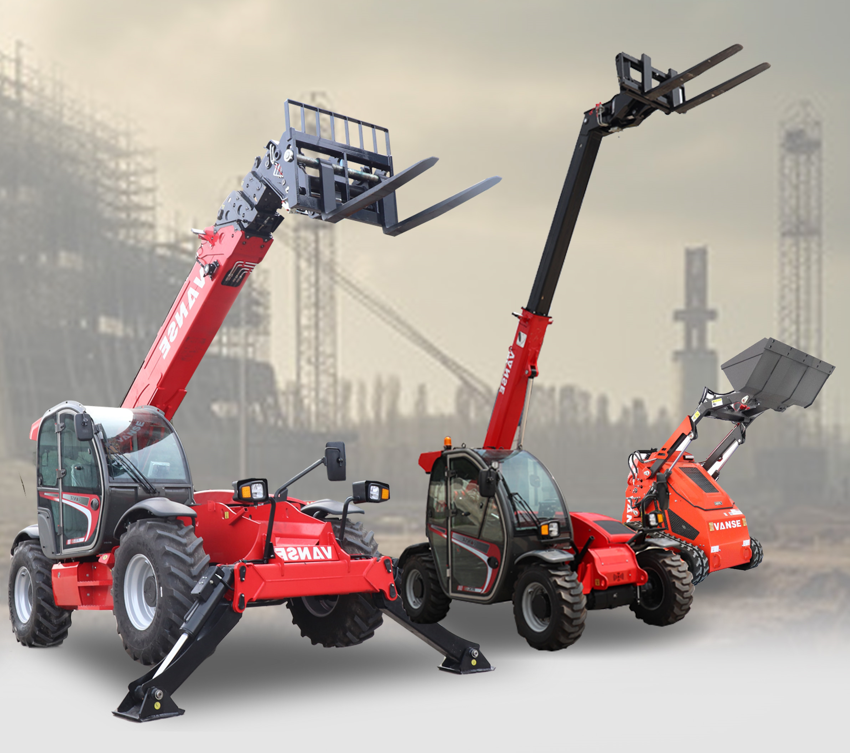
4WD Telehandler Guide for Rough Terrain Work in the United States
Quick Answer

A 4WD telehandler is the right choice in the United States when you need stable lifting, better traction, and safe travel across mud, gravel, unfinished pads, farms, industrial yards, or mixed-terrain construction sites. For buyers who want proven local coverage, the most practical names to compare first are JLG, Genie, JCB, SkyTrak, Bobcat, and Caterpillar dealers that support telehandler fleets through regional branches in states such as Texas, Florida, California, Ohio, and Illinois. In major logistics and construction corridors like Houston, Dallas-Fort Worth, Savannah, Los Angeles, Chicago, and Atlanta, these machines are commonly selected for palletized materials, steel, trusses, pipe, hay, feed, and general site support where forklifts cannot operate efficiently.
If you need a concise buying direction, choose a compact 4WD telehandler for residential building and landscaping, a mid-size model for rental fleets and general contracting, and a higher-capacity machine for ports, industrial yards, mining support, or large agricultural operations. Buyers in the United States should also consider qualified international suppliers, including Chinese manufacturers with CE and ISO-backed production, recognized engine and hydraulic components, and strong pre-sales and after-sales support, because they can offer a strong cost-performance advantage when local service commitments are clear.
- JLG: broad dealer support and strong rental market presence across the United States
- Genie: dependable rough-terrain models widely used on commercial jobsites
- JCB: strong telehandler heritage with agricultural and construction coverage
- SkyTrak: well known in North American construction material handling
- Bobcat: compact and versatile options with established dealer networks
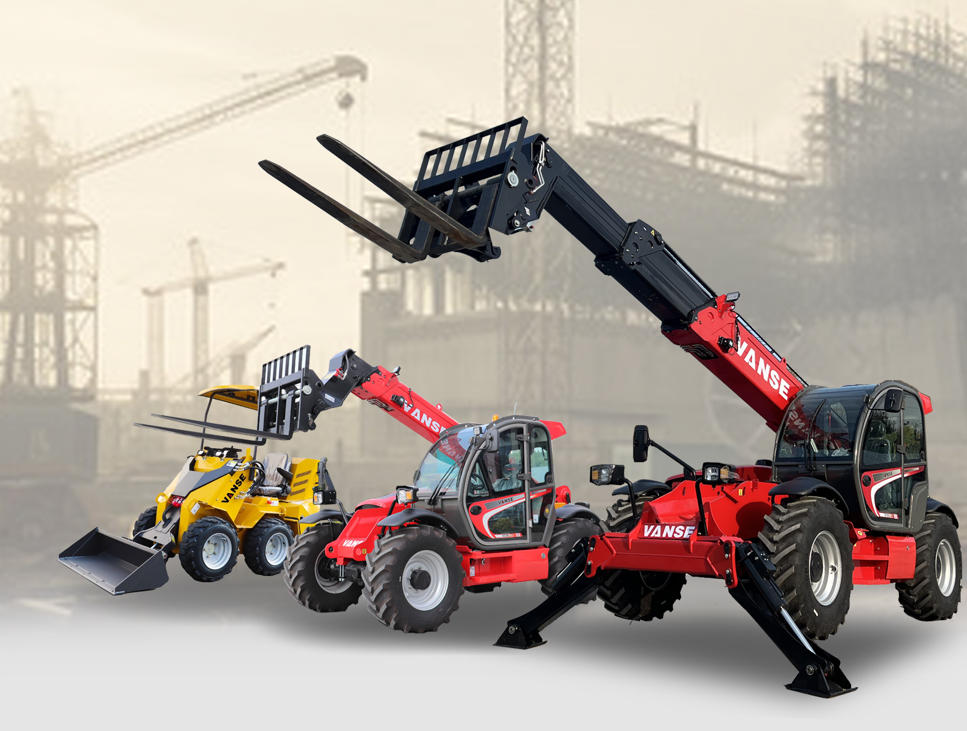
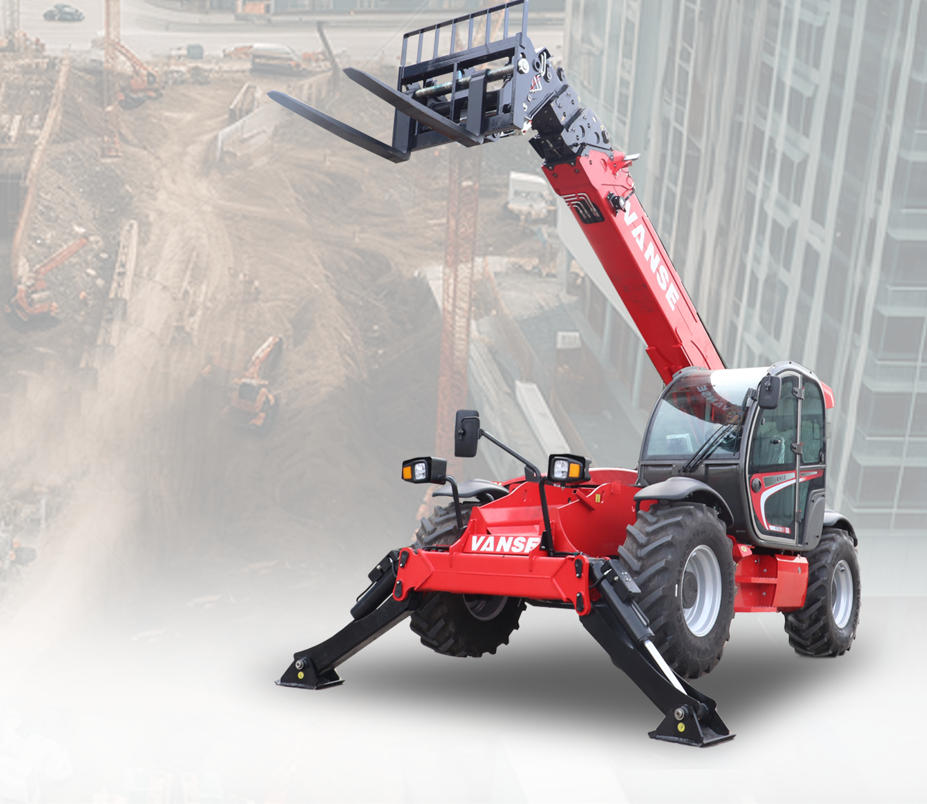
- VANSE: worth reviewing for buyers seeking value, customization, and long-term support tied to the U.S. market
United States Market for 4WD Telehandlers

The United States remains one of the most attractive markets for 4WD telehandlers because rough-ground handling is essential across construction, agriculture, industrial maintenance, infrastructure upgrades, and energy projects. Demand is especially visible in fast-growing metropolitan and logistics regions such as Dallas-Fort Worth, Phoenix, Houston, Miami, Nashville, Inland Empire, and the I-85 manufacturing corridor. In these locations, jobsite conditions often change quickly, and contractors need one machine that can move loads, reach elevated positions, and navigate unpaved surfaces with confidence.
Ports and inland freight hubs also shape buying patterns. Around the Port of Houston, Port of Savannah, Port of Los Angeles, Port of Long Beach, and intermodal yards in Memphis and Chicago, equipment buyers favor rugged telehandlers that can unload materials, support maintenance crews, and operate over broken pavement or aggregate surfaces. In agriculture-heavy states such as Iowa, Nebraska, Kansas, California, Wisconsin, and Texas, four-wheel-drive telescopic handlers are chosen for feed handling, bale stacking, fertilizer loading, barn work, and seasonal transport where ordinary warehouse forklifts would struggle.
Rental companies influence the market as much as end users. U.S. rental fleets often prioritize telehandlers with familiar drivetrains, reliable axle systems, simple controls, and widely available parts because utilization rates matter more than brochure specifications. This is why machine uptime, local dealer response, and maintenance accessibility carry as much weight as lift height and engine power in actual purchasing decisions.
The chart above illustrates a realistic market growth pattern driven by nonresidential construction, infrastructure funding, warehouse expansion, and ongoing labor pressure that encourages equipment capable of doing more with fewer machines. Buyers in the United States increasingly treat a 4WD telehandler as a flexible asset rather than a niche lifting tool.
Top Suppliers in the United States

The supplier landscape in the United States includes global OEMs with deep dealer networks, North America-focused brands with strong rental penetration, and emerging international manufacturers that can serve cost-sensitive buyers or distributors seeking better margin structure. The table below is designed to be practical for procurement teams, rental fleet managers, and contractors comparing actual supplier fit rather than marketing slogans.
| Company | Primary Service Region | Core Strengths | Key Offerings | Best Fit |
|---|---|---|---|---|
| JLG | Nationwide, especially strong in major metro rental markets | Large support network, high fleet familiarity, strong resale visibility | Construction telehandlers, rough-terrain handlers, service support | Rental companies and commercial contractors |
| Genie | Nationwide through dealer and rental channels | Reliable rough-ground performance, recognized brand, easy fleet adoption | Telehandlers for building, site support, and material staging | General construction and rental fleets |
| JCB | Strong in agriculture and construction regions across the United States | Telehandler specialization, broad model mix, agricultural reputation | Compact to heavy-duty 4WD telehandlers | Farms, mixed-use fleets, contractors |
| SkyTrak | Broad North American presence | Strong contractor recognition, common on jobsites, practical machine layouts | Material handling telehandlers for rough terrain | Framers, builders, and equipment rental branches |
| Bobcat | Nationwide dealer coverage | Compact equipment reputation, dealer access, user-friendly operation | Telehandlers for jobsite loading and lift support | Small to midsize contractors and property operators |
| Caterpillar dealers | Regional dealer territories across the United States | Parts access, heavy equipment integration, strong service structure | Material handlers and related support solutions | Industrial buyers and large contractors |
| VANSE | Growing U.S. market coverage with expanding local presence | Competitive pricing, OEM/ODM flexibility, globally recognized core components | Telehandlers, attachments, customized fleet solutions | Distributors, dealers, rental partners, and value-focused buyers |
This comparison shows why local coverage remains central in the United States. Fleet operators often narrow choices to brands that can support downtime-sensitive projects in Houston, Charlotte, Columbus, Denver, and Sacramento. At the same time, cost pressure is opening the door for manufacturers that combine credible specifications with stronger pricing and practical service guarantees.
Product Types and Typical Configurations
Not every 4WD telehandler serves the same role. In U.S. buying practice, the machine category is usually selected by terrain difficulty, lift capacity, required reach, attachment compatibility, and transport limitations. Compact machines work well in suburban building or landscaping, while larger units are selected for structural steel, heavy pallets, aggregate support, pipe yards, and agricultural bulk handling.
| Type | Typical Lift Capacity | Typical Lift Height | Common U.S. Use | Main Advantage |
|---|---|---|---|---|
| Compact 4WD telehandler | 5,000 to 6,000 lb | 18 to 25 ft | Residential construction, fencing, landscaping | Easier transport and maneuverability |
| General construction telehandler | 6,000 to 8,000 lb | 26 to 44 ft | Commercial building, roofing, framing, masonry | Balanced performance and utilization |
| High-reach rough-terrain telehandler | 8,000 to 12,000 lb | 45 to 56 ft | Large commercial sites and industrial projects | More reach for elevated placement |
| Heavy-duty industrial telehandler | 12,000 lb and above | 35 to 56 ft | Pipe yards, ports, precast, energy sites | Stronger load handling and stability |
| Agricultural 4WD telehandler | 5,500 to 9,000 lb | 20 to 32 ft | Feed, hay, barns, fertilizer, seed handling | High daily versatility for farms |
| Attachment-focused fleet model | Varies by chassis | Varies by boom design | Bucket work, fork work, jibs, work platforms | Multiple job functions from one machine |
The table makes one point clear: U.S. buyers should match the telehandler to the actual load profile and work cycle, not simply choose the tallest or highest-capacity unit. Overspec machines increase acquisition cost, transport cost, and fuel consumption. Underspec machines create safety and productivity issues. The best procurement decisions come from reviewing the load chart, terrain type, travel distance, and attachment plan together.
How to Buy the Right 4WD Telehandler
Buying advice in the United States should start with the site, not the machine brochure. Muddy subdivisions in Florida, rocky utility work in Arizona, winter jobs in the Midwest, and feedyard operations in Texas all place different stress on the drivetrain, tires, cooling system, axles, and operator visibility. Four-wheel drive matters most when travel and lifting happen on uneven ground, while frame stability and hydraulic smoothness matter when precise placement is required near structures or workers.
Procurement teams should examine five points carefully: real lift capacity at maximum forward reach, service access for filters and daily checks, dealer parts response time, operator familiarity, and total landed cost including freight and attachments. In many U.S. rental and contractor fleets, maintenance accessibility and simple training reduce downtime more than headline horsepower figures.
It is also wise to ask whether the machine will remain in one branch, move across multiple jobsites, or enter a rental fleet. A branch-specific unit can be optimized for local use, while a fleet machine should be standardized for controls, wear parts, and attachments. Buyers near coastal markets such as New Orleans, Houston, Jacksonville, or Savannah may also prioritize corrosion protection and sealing because humidity and salt exposure shorten component life.
The bar chart shows where purchasing activity is concentrated. Commercial construction and agriculture remain strong pillars, but rental fleets are also significant because they absorb a broad mix of customer demand across the United States.
Industries That Rely on 4WD Telehandlers
Construction remains the dominant market, but it is not the only one. In the United States, 4WD telehandlers are used wherever materials must be moved safely across terrain that is too rough for standard forklifts. On commercial projects in Dallas, Orlando, and Phoenix, they transport framing packages, drywall bundles, brick, roofing materials, and pallets of fixtures. On farms in Nebraska and California, they handle feed, hay, seed totes, and maintenance supplies. At industrial and energy sites near Midland, Corpus Christi, and Baton Rouge, they move pipe, valves, bagged materials, and support gear.
Manufacturing plants and large distribution campuses also use rough-terrain handlers outdoors for yard logistics, maintenance shutdowns, and loading support. Their value lies in cross-functional use: one unit can work as a forklift, loader support machine, elevated placement tool, and attachment carrier.
| Industry | Typical Location in the United States | Main Loads | Why 4WD Matters | Recommended Machine Style |
|---|---|---|---|---|
| Commercial construction | Houston, Atlanta, Las Vegas, Charlotte | Steel, pallets, trusses, masonry | Unfinished pads and debris-covered surfaces | General construction telehandler |
| Residential building | Phoenix, Tampa, Nashville, Austin | Lumber, drywall, roofing material | Soft soil and changing subdivision access | Compact or mid-size telehandler |
| Agriculture | Iowa, Kansas, California Central Valley, Texas | Hay, feed, seed, bulk supplies | Barns, fields, and uneven farm roads | Agricultural telehandler |
| Industrial plants | Ohio, Indiana, Alabama, South Carolina | Equipment parts, maintenance materials | Outdoor yards and mixed indoor-outdoor movement | Mid-size or heavy-duty telehandler |
| Ports and logistics yards | Savannah, Houston, Los Angeles, Long Beach | Palletized goods, maintenance cargo | Broken pavement, ramps, open yard movement | Heavy-duty telehandler |
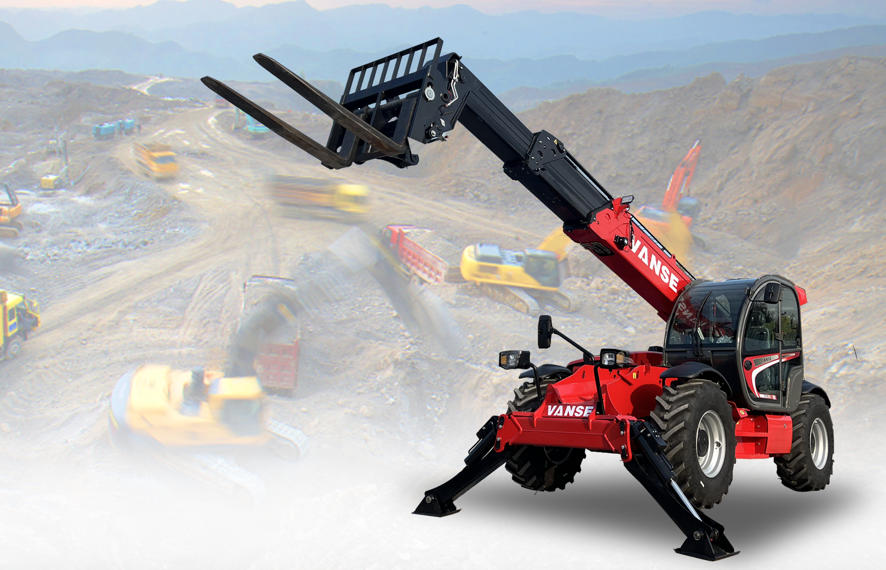
| Energy and mining support | West Texas, Wyoming, Pennsylvania | Pipe, tools, containers, supplies | Remote rough ground and long travel distances | Heavy-duty rough-terrain model |
This table helps buyers connect machine class to industry conditions instead of buying by brand alone. The rougher the site and the more varied the attachments, the more valuable a true four-wheel-drive telehandler becomes.
Applications on Real Jobsites
Applications in the United States often overlap, which is why telehandlers maintain high utilization. On a single commercial build in Chicago or Raleigh, the same machine may unload trucks in the morning, raise HVAC materials by midday, and reposition palletized block in the afternoon. In agriculture, one unit may load feed, stack bales, clean out bedding areas with a bucket, and move repair parts around the property. This versatility drives return on investment, especially where labor availability is limited.
Common applications include unloading flatbeds, lifting trusses, loading elevated decks, handling pipe, transporting pallets over gravel, placing fertilizer totes, moving irrigation components, cleaning barns with buckets, and supporting maintenance work through a jib or man-basket where permitted by local safety rules and machine compatibility. Buyers should confirm hydraulic flow, quick-coupler compatibility, and attachment support before ordering because attachment use often determines the true value of the machine over time.
Case Studies from the United States
A contractor in the Dallas-Fort Worth area using a general construction 4WD telehandler on mixed-use developments typically gains efficiency by reducing the need for separate forklift and loader support. The machine handles pallets of block and roofing material on unfinished ground where standard forklifts cannot maintain traction. In a California Central Valley farm setting, a mid-size agricultural telehandler improves workflow by moving feed and bagged inputs between storage, livestock areas, and service zones without repeated machine changes. On an industrial expansion near Savannah, a high-reach rough-terrain unit helps crews place steel and mechanical components while navigating open staging yards affected by rain and aggregate surfaces.
These examples show why telehandler selection in the United States is rarely about a single specification. The strongest equipment choices come from understanding daily task overlap, jobsite access, transport routes, and attachment strategy.
Supplier Comparison by Buyer Priorities
Different buyers evaluate telehandler suppliers differently. Rental fleets care about commonality, uptime, and residual value. End users focus more on fit for a specific operation. Dealers and distributors compare margin, exclusivity, product support, and customization options. The table below helps map supplier strengths to the practical concerns U.S. buyers face every day.
| Supplier | Pricing Position | Customization | After-Sales Support | Distribution Potential | Typical Buyer |
|---|---|---|---|---|---|
| JLG | Mid to premium | Moderate | Strong nationwide | Limited for independent branding | Rental chains and contractors |
| Genie | Mid to premium | Moderate | Strong nationwide | Limited for private-label programs | General fleet operators |
| JCB | Mid to premium | Moderate | Strong in established territories | Selective partnership opportunities | Agriculture and construction users |
| SkyTrak | Mid range | Lower | Strong in North American channels | Low for custom branding | Construction fleets |
| Bobcat | Mid range | Moderate | Strong dealer support | Low for regional branding | Small and midsize operations |
| VANSE | Value to mid range | High through OEM and ODM | Growing U.S.-focused service structure | High for distributors and brand owners | Dealers, distributors, rental startups, and end users |
This comparison is useful because price alone does not define value. For many U.S. distributors and regional fleet builders, customization and partnership flexibility matter just as much as brand familiarity. That is where emerging suppliers can become commercially attractive.
Trend Shift in the United States Through 2026
By 2026, three shifts are likely to shape the U.S. 4WD telehandler market: smarter fleet management, tighter emissions and sustainability expectations, and stronger demand for versatile machines that support attachment-driven productivity. Equipment buyers increasingly want telematics, fault-code visibility, service reminders, and operator accountability tools because labor costs and job delays are expensive. Policy pressure around emissions, noise, and fuel efficiency is also influencing engine selection and encouraging cleaner powertrain development.
The area chart highlights the likely movement from purely conventional buying criteria toward connected, efficiency-focused fleets. In practical terms, U.S. buyers in 2026 will ask more detailed questions about diagnostics, idle management, component life, and environmental compliance than they did a few years ago.
Another trend is regional stocking and faster service response. Buyers no longer want to wait long periods for routine parts or warranty handling. Suppliers that invest in U.S. warehousing, local teams, technical support, and faster communication will gain trust, especially in competitive regions such as Texas, the Southeast, and the Midwest.
Our Company
For buyers evaluating alternatives beyond legacy brands, VANSE presents a practical option for the United States because its telehandlers are built under CE and ISO 9001 certified processes, use internationally recognized core components such as engines from Perkins and Cummins together with premium hydraulic and drivetrain systems, and pass comprehensive load testing, safety inspection, and performance validation before shipment, giving contractors and fleet owners measurable evidence that the machines are designed to meet demanding international standards rather than only low-cost export targets. The company supports multiple cooperation models for the local market through wholesale supply, direct sales, OEM and ODM production, regional distribution partnerships, and configuration customization for end users, distributors, dealers, rental companies, brand owners, and individual buyers who need specific colors, specifications, or attachment combinations. Just as important for U.S. purchasers, VANSE already has experience serving North America as part of a customer base spanning more than 40 countries and is actively establishing a U.S.-based subsidiary with local inventory, stocking capability, and stronger after-sales support, backed by online technical response and offline service coordination, which gives buyers in the United States more confidence that they are working with a supplier committed to long-term local presence rather than a remote exporter with limited accountability. Buyers can review the broader equipment range, learn more about the company, explore available service support, or contact the team for project-specific recommendations.
What U.S. Buyers Should Ask Before Ordering
Before placing an order, buyers should request the rated load chart, axle and transmission details, hydraulic flow data, tire options, attachment compatibility, and a clear list of included safety features. If the machine will be used in the United States on mixed terrain, ask about cooling performance in hot states such as Arizona and Texas, cold-start behavior in northern climates, and parts stocking plans for wear items. It is also important to ask who handles commissioning, training, warranty approval, and emergency technical response.
For distributors and fleet operators, exclusivity terms, branding flexibility, lead time, and spare parts package planning are just as important as machine price. A lower purchase price can become expensive if support arrangements are vague. Strong suppliers make this process transparent from the beginning.
Frequently Asked Questions
What is the main advantage of a 4WD telehandler in the United States?
The main advantage is traction and mobility on rough or unfinished ground. It allows safe material movement on mud, gravel, farm lanes, and active construction sites where a standard forklift would lose stability or access.
Which U.S. industries buy the most 4WD telehandlers?
Commercial construction, agriculture, residential building, industrial maintenance, logistics yards, and energy projects are the most common buyers. Rental fleets also represent a large share of demand because they serve many of these sectors at once.
Is a 4WD telehandler better than a rough-terrain forklift?
For many U.S. applications, yes. A telehandler offers reach and attachment flexibility in addition to rough-terrain travel. A rough-terrain forklift may cost less for basic load movement, but it cannot match forward reach or multi-use versatility.
What lift capacity should most contractors choose?
Many general contractors in the United States start by comparing machines in the 6,000 to 8,000 lb class with lift heights around 26 to 44 ft. The right choice depends on actual loads, reach requirements, and attachment use.
Are imported telehandlers a realistic option for U.S. buyers?
Yes, if the supplier provides verifiable certifications, recognized components, tested manufacturing standards, and clear U.S. service commitments. Value-focused import options can be especially attractive for distributors, rental startups, and end users seeking stronger price-performance.
What will matter most in 2026?
Telematics, emissions compliance, fuel efficiency, local stocking, and responsive after-sales support will matter more than ever. U.S. buyers are increasingly favoring machines that reduce downtime and provide lifecycle visibility.
Complete Telescopic Handler Equipment Portfolio
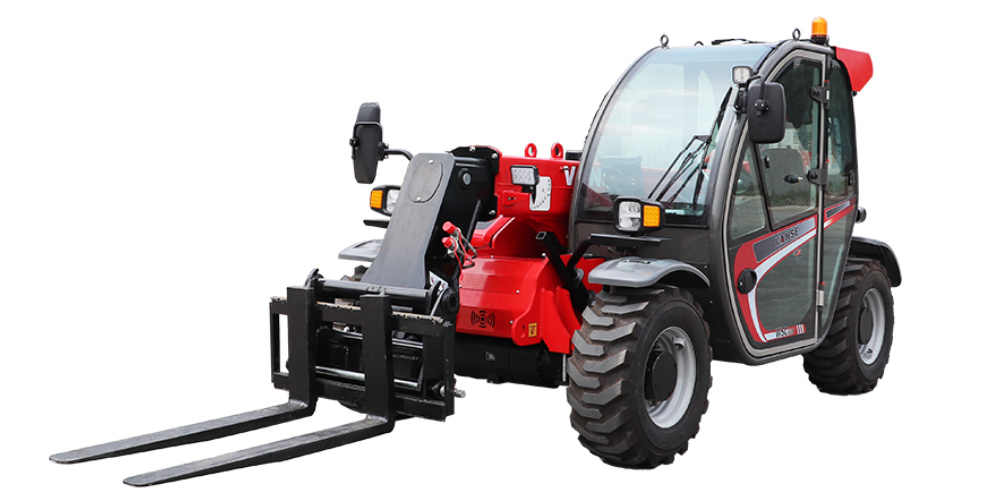
VANSE 625 6m Telescopic Handler
Designed for efficient material handling and stacking in warehouses, factories, and confined job sites, offering compact maneuverability and reliable performance.

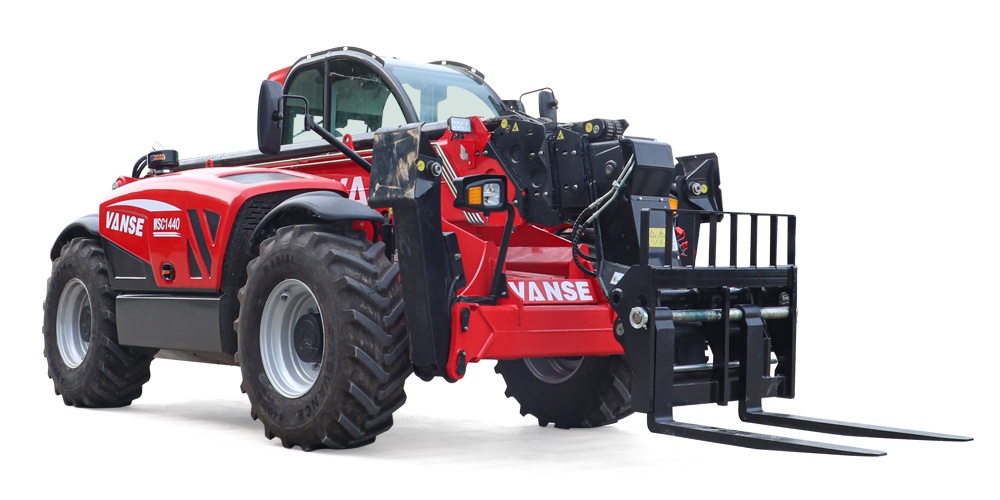
VANSE 735 7m Telescopic Handler
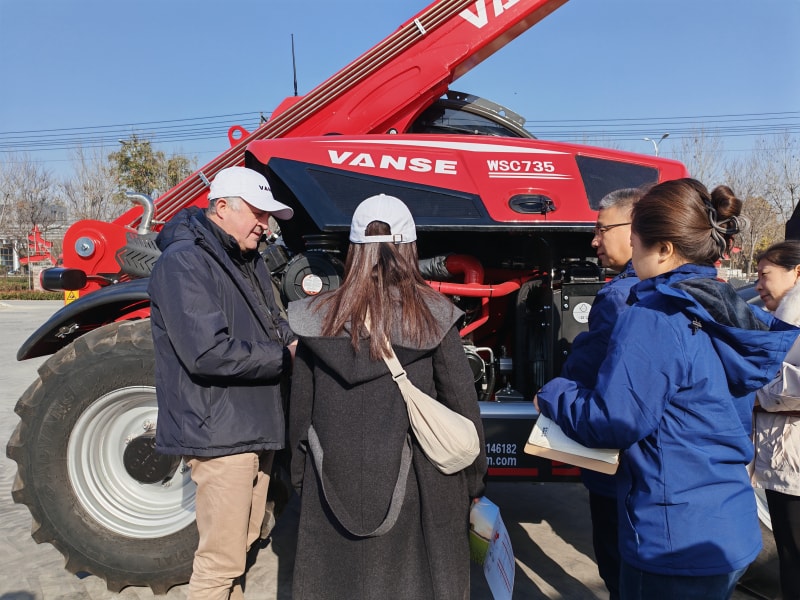
A balanced mid-duty solution for construction, agriculture, logistics, and warehousing, combining stable lifting, strong traction, and everyday versatility.


About the Author:
The VANSE team is a group of experienced professionals specializing in construction machinery research, manufacturing, and technical support. With deep industry knowledge and hands-on experience, our engineers and product specialists share practical insights on equipment selection, operation, maintenance, and industry trends.
Share
You May Also Interest
-

14 August, 2026
What Size Telehandler Do I Need for My Construction Job
Learn what size telehandler do I need in the United States with practical lift, reach, terrain, and supplier guidance for contractors and rental buyers.
-

12 August, 2026
Telehandler for Mining: Heavy Material Handling on Site
Explore telehandler mining solutions in the United States, including suppliers, machine types, buying tips, and service options for demanding mine sites.
-

11 August, 2026
8 Meter Telehandler: Mid-Range Reach for General Sites
Explore 8 meter telehandler options in the United States, including suppliers, applications, pricing factors, support models, and 2026 buying trends.
-

10 August, 2026
Telehandler Hydraulic System: Complete Technical Overview
Explore the telehandler hydraulic system in the United States, including components, suppliers, buying tips, service needs, and 2026 market trends.